Blog

  • The Theory that Jesus Was Black

    By Scott J. Arnold

    The Theory that Jesus Was Black: A Comprehensive 12-Page Exploration

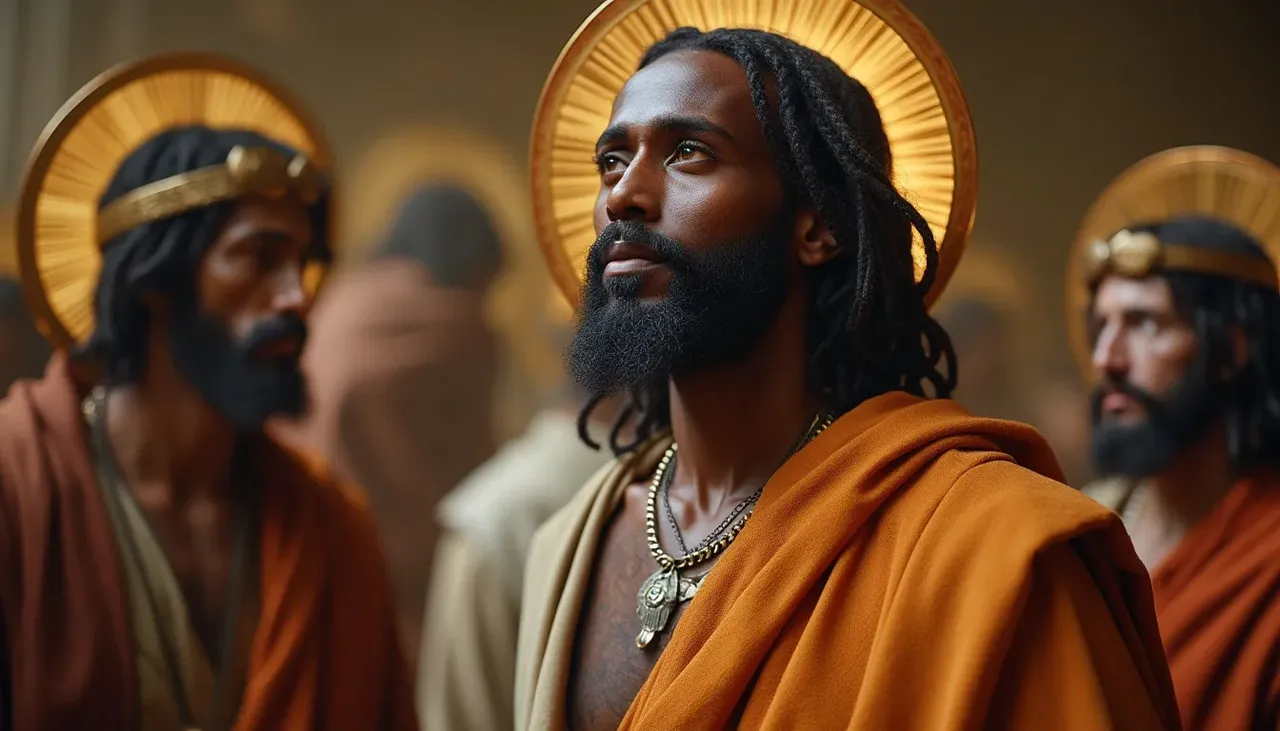
    The image of Jesus Christ has been depicted in countless forms throughout history, but one of the most enduring debates centers around the question of his race and ethnicity. While Western art has traditionally portrayed Jesus as a white, European-looking figure, a growing body of scholarship and cultural discussion suggests that Jesus may have been Black, or at least of darker skin tone, based on historical, geographic, and anthropological evidence. In this 12-page analysis, we will explore the theory that Jesus was Black, examining historical context, biblical descriptions, and modern interpretations. We will also discuss the cultural, social, and political implications of this theory and its impact on religious communities.
    1. The Traditional Image of Jesus in Western Art and Culture
    1.1. Western Depictions of Jesus

    For centuries, Western art and popular culture have depicted Jesus Christ as a white man with European features—light skin, blue or brown eyes, and long, brown or blond hair. This image of Jesus, which emerged during the Renaissance, has become the standard representation in much of the Christian world.

    The Influence of European Art: Artists such as Leonardo da Vinci, Michelangelo, and others from the Renaissance period created iconic images of Jesus that reflected European aesthetics and ideals. These depictions shaped the perception of Jesus for generations and are still prevalent in churches, literature, and media today.

    1.2. Colonialism and the Spread of the White Jesus

    The spread of Christianity during the age of European colonialism further solidified the image of a white Jesus. As missionaries traveled to Africa, Asia, and the Americas, they often brought with them European images of Jesus, imposing Western ideals of race and divinity on colonized peoples.

    The Role of Christian Missionaries: European missionaries not only spread the Christian faith but also Europeanized versions of Jesus, which often aligned with the racial hierarchies of colonial societies. This association between whiteness and divinity reinforced Eurocentric racial constructs.

    2. Geography and Ethnicity: Jesus as a Man of the Middle East
    2.1. The Historical and Geographic Context of Jesus’ Life

    Jesus was born in Bethlehem, in the region of Judea, which is located in modern-day Palestine. He grew up in Nazareth, a small village in Galilee. This geographic region is part of the ancient Near East, a melting pot of cultures and ethnicities, but predominantly populated by Semitic peoples.

    The Ethnic Composition of Judea and Galilee: The inhabitants of Judea and Galilee during Jesus’ time would have been Semitic, meaning they were likely of a darker skin tone than the white, European image of Jesus typically depicted in Western art.

    2.2. Physical Descriptions in Historical Records

    There are no direct descriptions of Jesus’ physical appearance in the canonical gospels of the New Testament. However, historical and anthropological evidence can give us some clues about what people in that region and time might have looked like.

    Jesus as a Typical Middle Eastern Man: Based on the appearance of people from that region in the 1st century CE, Jesus would likely have had olive or dark skin, dark hair, and dark eyes. This challenges the traditional white European depictions of Jesus and brings him closer to the ethnic identity of the people of the Middle East.

    2.3. Roman Descriptions of the Jewish People

    Historical records from Roman historians, such as Tacitus and Suetonius, describe the physical appearance of Jewish people in the ancient world as having darker skin and curly hair, features that align more with what modern people might consider African or Middle Eastern traits.

    Jewish Ethnic Identity: These descriptions suggest that the Jewish people of Jesus’ time, including Jesus himself, would have had features commonly associated with darker-skinned peoples from the Near East, further complicating the image of Jesus as a light-skinned European.

    3. Biblical Descriptions and Symbolism
    3.1. The Lack of a Physical Description in the Gospels

    The New Testament provides no explicit physical description of Jesus, which has led to centuries of interpretation and artistic representation. This omission has allowed various cultures to envision Jesus in a way that aligns with their own social and racial contexts.

    Jesus in the Bible: While the gospels focus on Jesus’ teachings and actions, they leave his physical appearance open to interpretation. This has led to a wide range of depictions of Jesus throughout history, from the white Jesus of Renaissance Europe to the Black Jesus of certain African and African-American traditions.

    3.2. Symbolic Descriptions in the Old Testament

    Some proponents of the theory that Jesus was Black point to symbolic descriptions in the Old Testament, particularly in the Song of Solomon, which includes the line: “I am black but comely, O ye daughters of Jerusalem” (Song of Solomon 1:5). While this verse is often interpreted metaphorically, it has been used to support the idea of a darker-skinned Jesus.

    Interpretations of Old Testament Symbolism: Although the Song of Solomon is traditionally understood as a poetic dialogue, some have interpreted it as a reflection of the diversity of skin tones in the region and a potential indication of Jesus’ darker complexion.

    3.3. Revelation and the Apocalyptic Vision of Jesus

    In the Book of Revelation, there is a vision of the resurrected Jesus that describes him with hair “like wool” and feet “like burnished bronze” (Revelation 1:14-15). Some scholars and interpreters argue that these descriptions suggest a Black or darker-skinned Jesus, with the “wool” referring to tightly curled hair and the “bronze” indicating a dark complexion.

    Debates Over the Revelation Description: While this passage has been interpreted in various ways, the imagery has been embraced by some who advocate for the idea that Jesus was Black, or at least not the light-skinned figure traditionally depicted in Western art.

    4. The Theory of Black Jesus in African-American Theology
    4.1. The Emergence of the Black Jesus in African-American Churches

    In African-American religious traditions, the figure of Jesus has often been reimagined as Black, reflecting the lived experiences of Black communities in America. This reinterpretation of Jesus as Black is rooted in the desire to see Jesus as a figure of empowerment and solidarity with the oppressed.

    Jesus as a Symbol of Liberation: For many African-Americans, particularly during the Civil Rights Movement, the image of a Black Jesus became a powerful symbol of resistance against white supremacy and racial oppression. Jesus, as a liberator of the poor and downtrodden, was seen as a figure who understood the suffering of Black people in America.

    4.2. James Cone and Black Liberation Theology

    One of the most influential voices in the development of Black Liberation Theology was James H. Cone, an African-American theologian who argued that Jesus must be understood as Black in order to fully identify with the oppressed. In his groundbreaking work Black Theology and Black Power (1969), Cone presented Jesus as a symbol of Black liberation.

    Cone’s Vision of a Black Jesus: Cone believed that the traditional white image of Jesus was a product of white supremacy and that a Black Jesus was essential for the empowerment and spiritual liberation of Black people. He argued that Jesus’ identification with the poor and oppressed aligned him with the struggles of African-Americans.

    4.3. Cultural Reinterpretations of Jesus in the Black Church

    The concept of a Black Jesus has been embraced by many African-American churches, where religious art, sermons, and music often depict Jesus as Black. This reimagining of Jesus serves as both a spiritual and cultural affirmation for Black Christians, offering them a figure of divinity who reflects their own identity.

    The Role of the Black Jesus in African-American Identity: By presenting Jesus as Black, African-American churches offer a counter-narrative to the dominant image of a white Jesus. This shift not only challenges historical representations of race in Christianity but also fosters a sense of pride and belonging within the Black community.

    5. Afrocentric Interpretations of Jesus in Global Contexts
    5.1. Jesus in African Christianity

    In many African nations, where Christianity has become the dominant religion, the image of Jesus is often depicted as African or Black. This is particularly true in regions where Afrocentric interpretations of biblical stories have taken root, emphasizing the African heritage of biblical figures.

    Ethiopian Christianity and the Black Jesus: The Ethiopian Orthodox Church, one of the oldest Christian communities in the world, has long depicted biblical figures, including Jesus, as Black. This tradition reflects the ancient Christian heritage of Ethiopia and challenges Western portrayals of Jesus as white.

    5.2. Pan-Africanism and the Reclamation of Religious Icons

    During the Pan-African movement of the 20th century, African leaders and intellectuals sought to reclaim African history and identity from colonial distortions. Part of this movement involved reinterpreting religious figures, including Jesus, as Black or African, to reflect the shared heritage and dignity of African peoples.

    Jesus as a Symbol of African Unity: In the context of Pan-Africanism, the image of a Black Jesus became a symbol of unity and resistance against colonialism. By presenting Jesus as African, Pan-African thinkers sought to counter the colonial narrative that associated whiteness with divinity and Blackness with inferiority.

    5.3. Jesus in African Diaspora Religions

    In the African diaspora, particularly in the Caribbean and Latin America, Jesus has been reimagined as Black or Afro-indigenous in various religious traditions. In syncretic religions such as Santería, Vodou, and Rastafarianism, depictions of Jesus and other religious figures often reflect the African heritage of the practitioners.

    Rastafarianism and the Black Christ: In Rastafarianism, a religious movement that emerged in Jamaica in the 1930s, Jesus is often portrayed as Black, and the movement’s followers see themselves as descendants of the ancient Israelites. This identification with a Black Jesus reinforces the Rastafarian belief in Black empowerment and the rejection of white colonial values.

    6. The Political and Social Implications of a Black Jesus
    6.1. Challenging White Supremacy in Religion

    The theory that Jesus was Black challenges centuries of religious art and theology that have presented him as white. This challenge is not just about historical accuracy; it is also about confronting the racial hierarchies that have been reinforced by religious imagery.

    Deconstructing the White Jesus: The image of a white Jesus has often been used to justify the dominance of white, Eurocentric culture in Christian societies. By questioning this image, scholars and activists seek to dismantle the association between whiteness and divinity, promoting a more inclusive vision of Christianity.

    6.2. The Role of Jesus in Social Justice Movements

    The reimagining of Jesus as Black has been embraced by various social justice movements, particularly those that focus on racial equality and anti-colonialism. For many activists, a Black Jesus represents a figure of solidarity with marginalized and oppressed communities, making him a powerful symbol for social change.

    Jesus as a Revolutionary: In the context of social justice movements, Jesus is often portrayed as a revolutionary who challenges the status quo and advocates for the poor and oppressed. This interpretation aligns with the idea of a Black Jesus, who stands in opposition to systems of racial and economic injustice.

    6.3. The Impact on Christian Communities

    The debate over Jesus’ race has sparked significant discussions within Christian communities, particularly among those seeking to reconcile their faith with issues of race and equality. For some, the image of a Black Jesus offers a more relatable and empowering figure, while for others, it challenges long-held beliefs and traditions.

    The Struggle for Representation in Religious Imagery: The question of how Jesus should be depicted continues to be a point of contention in many Christian communities. As more churches embrace diverse representations of Jesus, the image of a Black Jesus is becoming an important part of the broader conversation about race, religion, and identity.

    7. Scientific and Anthropological Insights into Jesus’ Appearance
    7.1. Forensic Reconstruction of Jesus’ Face

    In recent years, forensic anthropologists and scientists have attempted to reconstruct what Jesus might have looked like based on skeletal remains and other data from the region where he lived. These reconstructions typically depict Jesus as a man with Middle Eastern features, including darker skin, curly hair, and a robust build.

    The Scientific Approach to Jesus’ Appearance: Using skulls from the 1st century CE found in the region of Judea, forensic scientists have created composite images that suggest Jesus would have had features common to Semitic peoples of that time. These reconstructions challenge the white, European depictions of Jesus and support the idea that he was a man of color.

    7.2. Genetic and Anthropological Evidence

    Genetic studies of modern Middle Eastern populations, along with archaeological evidence, indicate that the people living in the region during Jesus’ time would have had a diverse range of skin tones, but were generally darker than the European depictions of Jesus in Western art.

    The Genetics of Ancient Judea: Studies of ancient populations in the Levant region suggest that the people of Judea, including Jesus, would likely have had a mix of genetic traits that reflect both African and Middle Eastern ancestry, further supporting the idea that Jesus was not white.

    8. Conclusion: The Importance of Reimagining Jesus

    The theory that Jesus was Black is not just a question of historical accuracy; it is a broader conversation about race, representation, and the power of religious imagery. By reimagining Jesus as Black or as a person of color, scholars and activists seek to challenge the dominant narrative that has long associated divinity with whiteness.

    A New Vision of Jesus for a Diverse World: In an increasingly diverse and globalized world, the image of Jesus is being reinterpreted to reflect the many different cultures and communities that follow his teachings. The idea of a Black Jesus offers a more inclusive vision of Christianity, one that speaks to the experiences of marginalized people around the world.
    The Ongoing Debate: The debate over Jesus’ race will likely continue for years to come, as more people engage with the historical and cultural context of his life. Whether or not Jesus was Black, the question itself encourages deeper reflection on the role of religion in shaping our understanding of identity, race, and justice.
  • The USA Has a Unusual High Infant Mortality Rate.

    By Scott J. Arnold

    The USA Has a Unusual High Infant Mortality Rates
    The High Infant Male Mortality Rate in the United States


    The High Infant Male Mortality Rate in the United States

    Introduction
    Biological Factors Affecting Male Infant Mortality
    Preterm Births and Male Vulnerability
    Socioeconomic and Healthcare Disparities
    Racial and Ethnic Disparities in Infant Mortality
    Birth Defects and Congenital Conditions in Male Infants
    Sudden Infant Death Syndrome (SIDS)
    Maternal Health and Prenatal Behavior
    Cultural and Policy Differences in Healthcare
    Conclusion: Addressing Infant Male Mortality in the U.S.

    Chapter 1: Introduction

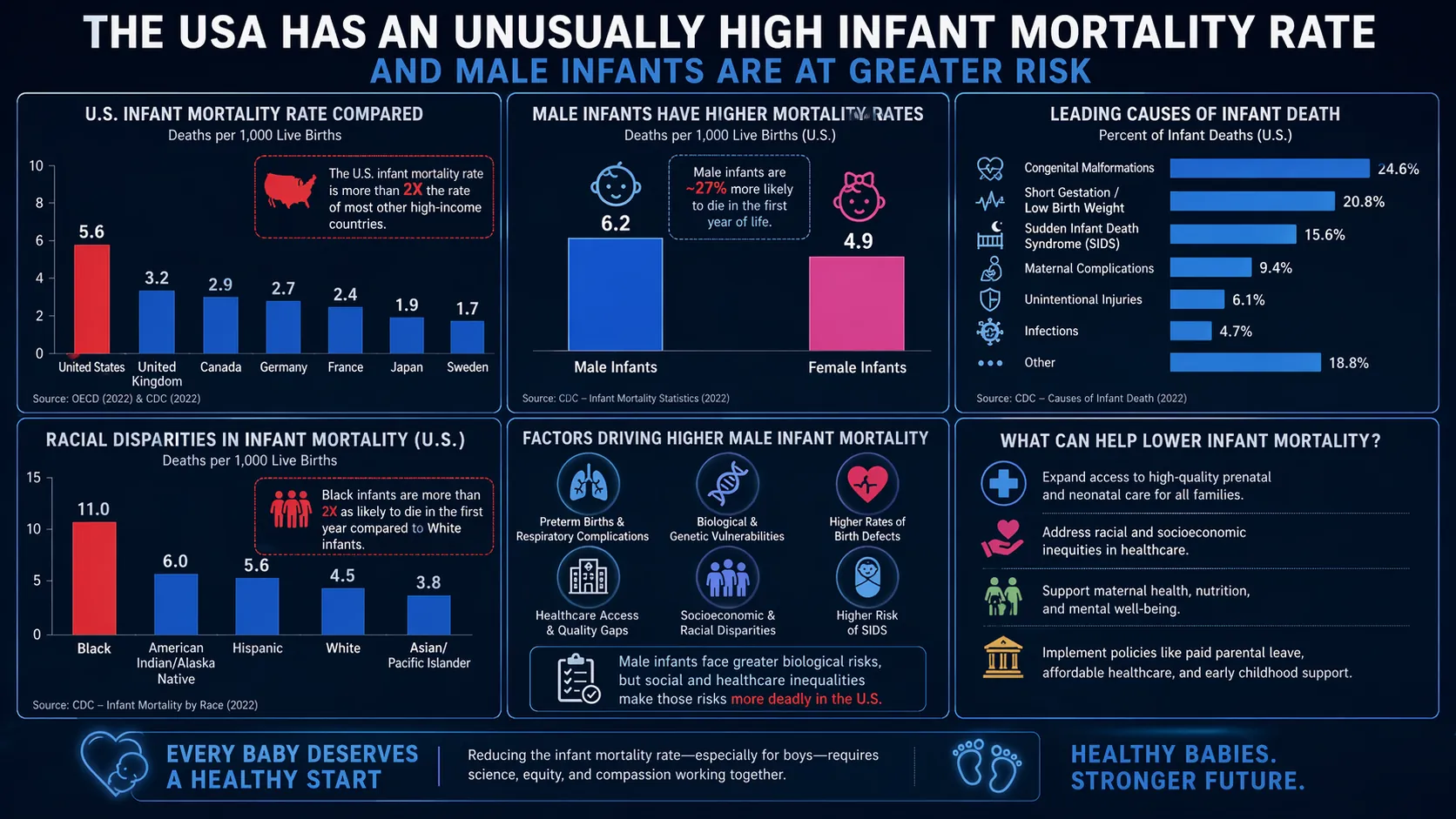
    The United States has a relatively high infant mortality rate compared to other high-income countries, and this includes a notable discrepancy in the mortality rates between male and female infants. Research shows that male infants are more vulnerable to death in the first year of life. While there are complex factors at play, these include a mix of biological differences, healthcare system inefficiencies, socioeconomic disparities, and maternal health factors.

    Male infants tend to have a higher risk of death due to certain health complications that affect them more frequently or more severely than female infants. Additionally, the U.S. healthcare system faces significant inequalities, leading to worse outcomes for disadvantaged populations. This document provides a comprehensive look at why the U.S. has a higher infant male death rate, examining the various factors that contribute to this issue and the broader implications for public health.
    Chapter 2: Biological Factors Affecting Male Infant Mortality

    One of the primary reasons why male infants face a higher risk of death than female infants is due to inherent biological vulnerabilities. Research shows that male infants are generally at a disadvantage in several key areas related to early development.
    Higher Vulnerability at Birth

    Male infants are biologically more fragile at birth than females. Studies have consistently shown that male fetuses grow at a faster rate, which increases the risk of preterm birth (birth before 37 weeks of gestation). Preterm birth is a major cause of infant mortality, and male infants are more prone to complications such as underdeveloped lungs, which increases the likelihood of respiratory distress syndrome (RDS).

    Male infants are also more prone to neonatal sepsis, an infection that can lead to systemic inflammation and organ failure. Their immune systems tend to be weaker in the early stages of life, making them more susceptible to infections. This biological disadvantage increases their mortality rate in the neonatal period.
    Genetic Factors

    Certain genetic conditions disproportionately affect males. Many of these conditions are linked to the X chromosome, such as hemophilia and Duchenne muscular dystrophy, which only require one defective X chromosome for males to express the disease. Since males have only one X chromosome, unlike females who have two, they are more likely to suffer from these X-linked disorders.
    Developmental Differences

    Male fetuses tend to be larger than female fetuses, which can lead to more difficult deliveries. Larger babies are more likely to experience complications during childbirth, such as shoulder dystocia, where the baby’s shoulder gets stuck during delivery. These complications can result in birth injuries that increase the risk of death.

    Additionally, male infants are more likely to have delayed development of their central nervous system, which can affect their ability to regulate breathing and temperature, further increasing their vulnerability in the neonatal period.
    Chapter 3: Preterm Births and Male Vulnerability

    One of the leading causes of infant mortality in the U.S. is preterm birth, and male infants are more likely to be born prematurely than females. Premature birth puts infants at higher risk for a range of health complications, including respiratory issues, neurological problems, and infections.
    Complications of Premature Birth

    Male infants born prematurely face greater challenges in their development than their female counterparts. Some of the most common complications for preterm male infants include:

    Respiratory Distress Syndrome (RDS): Preterm males are more likely to suffer from RDS, as their lungs are less developed at birth. The lack of surfactant—a substance that helps keep the air sacs in the lungs open—makes it difficult for these infants to breathe properly.
    Intraventricular Hemorrhage: Preterm male infants are also at a higher risk for intraventricular hemorrhage (bleeding in the brain), which can lead to long-term neurological damage or death.
    Necrotizing Enterocolitis: This severe intestinal disease, which affects preterm infants, disproportionately affects male babies, causing inflammation and tissue death in the intestines.

    The U.S. has one of the highest rates of preterm birth among developed nations, and the complications that arise from preterm birth are a significant contributor to the higher infant mortality rate, particularly for male infants.
    Chapter 4: Socioeconomic and Healthcare Disparities

    One of the most significant contributors to high infant mortality in the U.S. is the vast disparity in access to healthcare. The U.S. healthcare system is fragmented, and there are large gaps in access to prenatal, neonatal, and postnatal care, especially for lower-income families and minority populations.
    Access to Prenatal and Neonatal Care

    Many low-income families struggle to access quality prenatal care, which is essential for monitoring maternal and fetal health throughout pregnancy. Without regular prenatal care, complications such as preterm labor, gestational diabetes, and preeclampsia may go undetected, increasing the risk of poor birth outcomes, particularly for male infants, who are more biologically vulnerable.

    Access to neonatal intensive care units (NICUs), where premature and critically ill infants receive specialized care, is also unevenly distributed across the U.S. Infants born in rural or underserved urban areas may face delays in receiving the care they need, contributing to higher mortality rates. Male infants, who are more likely to be born with complications, are disproportionately affected by this lack of access.
    Healthcare Costs and Underinsurance

    The high cost of healthcare in the U.S. can be a barrier to receiving timely and adequate care. Families who are uninsured or underinsured may delay or forgo important prenatal and neonatal services due to financial constraints. This lack of access can lead to worsened outcomes for male infants, who require more frequent and intensive medical interventions during their early life.
    Chapter 5: Racial and Ethnic Disparities in Infant Mortality

    Racial and ethnic disparities in infant mortality are a well-documented problem in the U.S., and these disparities are particularly pronounced for male infants. Black infants, in particular, have significantly higher infant mortality rates compared to white infants, and this racial gap affects male infants disproportionately.
    Systemic Inequality and Health Outcomes

    Structural inequalities, including racism, poverty, and access to care, play a major role in driving these disparities. Black women, for example, are more likely to experience chronic stress during pregnancy due to systemic racism, which increases the risk of preterm birth. Black male infants are also more likely to be born in low-resource settings, where healthcare options may be limited.
    Health Disparities and Preterm Birth

    Black infants are more likely to be born prematurely, and as mentioned earlier, male infants face greater challenges related to preterm birth. In addition, Black mothers are more likely to experience complications during pregnancy, such as hypertension and diabetes, which contribute to higher rates of infant mortality. These systemic health disparities disproportionately affect male infants in Black communities, where the combination of biological vulnerability and socioeconomic disadvantage results in higher death rates.
    Chapter 6: Birth Defects and Congenital Conditions in Male Infants

    Another major factor contributing to the higher male infant mortality rate in the U.S. is the prevalence of birth defects and congenital conditions that disproportionately affect males.
    Higher Incidence of Birth Defects in Males

    Males are more likely to be born with certain congenital abnormalities, such as:

    Heart defects: Male infants are at a higher risk for congenital heart defects, including conditions like hypoplastic left heart syndrome, which require immediate and often complex medical intervention.
    Diaphragmatic hernia: This condition, where the diaphragm does not form properly and allows abdominal organs to move into the chest cavity, is more common in male infants and can be life-threatening.
    Neural tube defects: Boys are more susceptible to neural tube defects like spina bifida, which can result in severe physical disabilities and higher mortality rates.

    These congenital conditions contribute significantly to infant mortality, particularly for male infants, who are more prone to these birth defects than their female counterparts.
    Chapter 7: Sudden Infant Death Syndrome (SIDS)

    Sudden Infant Death Syndrome (SIDS) is a leading cause of death for infants in the U.S., and it disproportionately affects male infants.
    Why Are Males at Greater Risk?

    While the exact cause of SIDS remains unknown, research has shown that male infants are at a higher risk of SIDS than females. This increased risk may be due to a combination of biological, developmental, and environmental factors. Male infants tend to have slower development of the central nervous system, which may affect their ability to regulate breathing and heart rate during sleep.

    Additionally, environmental factors such as unsafe sleep practices (e.g., placing infants on their stomachs or using soft bedding) can exacerbate the risk of SIDS, particularly in more vulnerable male infants.
    Chapter 8: Maternal Health and Prenatal Behavior

    The health and behavior of the mother during pregnancy play a critical role in infant outcomes. Certain maternal conditions and behaviors can increase the risk of adverse outcomes, particularly for male infants, who may be more susceptible to these influences.
    Maternal Health Conditions

    Poor maternal health, including conditions like obesity, hypertension, and diabetes, is associated with higher rates of preterm birth and birth complications. Male infants, due to their biological vulnerabilities, are more likely to be affected by these complications.
    Substance Use and Environmental Exposure

    Maternal substance use, including smoking, alcohol, and drug use during pregnancy, can have severe consequences for infant health. Male infants, in particular, are more likely to suffer from complications related to fetal alcohol syndrome, low birth weight, and developmental delays if exposed to harmful substances in utero.

    Environmental factors, such as exposure to pollutants and toxins, can also increase the risk of adverse birth outcomes, particularly for male infants. Poor maternal nutrition and stress during pregnancy can further exacerbate these risks.
    Chapter 9: Cultural and Policy Differences in Healthcare

    In comparison to other high-income countries, the U.S. has a healthcare system that lacks certain structural supports that could help reduce infant mortality, particularly among male infants.
    Lack of Paid Parental Leave

    The U.S. is one of the few high-income countries that does not have a national paid parental leave policy. This lack of support can negatively affect infant care, as many mothers return to work prematurely, reducing opportunities for breastfeeding and essential bonding during the first critical months of life. Male infants, who tend to need more intensive care and attention in the early months, are particularly vulnerable to the effects of reduced parental leave.
    Fragmented Healthcare System

    The U.S. healthcare system is fragmented, with varying levels of access depending on geography, income, and insurance status. This creates a system where some infants receive high-quality care while others do not, depending on where they live and their family’s financial situation. Male infants, who often require more medical interventions due to their higher rates of birth complications, are disproportionately affected by these healthcare disparities.
    Chapter 10: Conclusion: Addressing Infant Male Mortality in the U.S.

    The high infant male mortality rate in the United States is the result of a complex interplay of biological, socioeconomic, and healthcare factors. Male infants are more biologically vulnerable to certain health conditions, including premature birth, birth defects, and SIDS. These vulnerabilities are compounded by systemic issues within the U.S. healthcare system, such as inequalities in access to quality care, racial disparities, and the lack of comprehensive support for families during pregnancy and early infancy.

    Addressing the high infant male mortality rate will require targeted interventions at multiple levels. These include:

    Improving access to prenatal and neonatal care, especially for low-income and minority families.
    Expanding programs that address racial and socioeconomic disparities in healthcare.
    Promoting maternal health education and support services to reduce the risks associated with preterm birth and substance exposure.
    Implementing policies that provide better support for new mothers and families, such as paid parental leave and expanded healthcare coverage.

  • The Shortage of Penicillin During World War II and the Ingenious Solution of Re-Extracting it from Patients’ Urine

    By Scott J. Arnold

    The Shortage of Penicillin During World War II and the Ingenious Solution of Re-Extracting it from Patients’ Urine

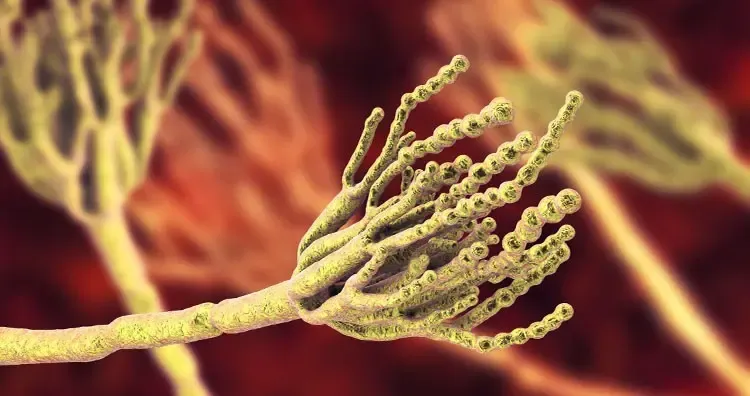
    During World War II, medical advancements played a critical role in saving lives on the battlefield. One of the most significant breakthroughs was the discovery and mass production of penicillin, the world’s first true antibiotic, which became a miracle drug for treating infections. However, despite its immense importance, there was an acute shortage of penicillin during the war due to the immense demand from soldiers and civilians alike. This shortage led to an ingenious and rather unexpected solution: re-extracting penicillin from the urine of patients who had already been treated with the drug.

    This recycling of penicillin from urine became an essential method for meeting the demand, especially when the production process was still in its infancy and the drug was scarce. This article explores the discovery of penicillin, the production challenges faced during World War II, and the innovative solution of extracting penicillin from urine to ensure that this life-saving antibiotic was available for as many patients as possible.
    The Discovery of Penicillin: A Medical Breakthrough

    Penicillin was discovered by Scottish bacteriologist Alexander Fleming in 1928. While working at St. Mary’s Hospital in London, Fleming observed that a mold called Penicillium notatum produced a substance that killed a wide range of bacteria. This discovery was groundbreaking because, up until that point, bacterial infections had been a leading cause of death, particularly in wartime when soldiers often suffered from infected wounds.

    Although Fleming identified the potential of penicillin, it wasn’t until the late 1930s and early 1940s that scientists figured out how to mass-produce and refine the drug. Researchers such as Howard Florey, Ernst Boris Chain, and their teams at Oxford University played a crucial role in transforming penicillin from a laboratory curiosity into a viable treatment. By 1941, penicillin was being tested in clinical trials, and its effectiveness in treating bacterial infections was confirmed.

    Penicillin proved to be remarkably effective in treating a variety of bacterial infections, including pneumonia, strep throat, gonorrhea, syphilis, and, most importantly during wartime, wound infections. Before the widespread use of penicillin, even minor wounds could become life-threatening due to infections such as gangrene or sepsis. The ability of penicillin to save lives was particularly vital on the battlefield, where wounded soldiers were at high risk of infection.
    The Shortage of Penicillin During World War II

    As World War II intensified, so did the demand for penicillin. Soldiers on the frontlines frequently suffered from infected wounds, and penicillin was seen as a life-saving treatment that could prevent unnecessary amputations or deaths. However, the production of penicillin was not yet well established, and the manufacturing process was still relatively primitive, involving the cultivation of large amounts of Penicillium mold in shallow containers.

    This method yielded only small amounts of penicillin, which made it difficult to meet the massive wartime demand. By 1943, penicillin production was ramping up in the United States and Britain, but it remained far below what was needed to treat the vast number of wounded soldiers and civilians affected by the war. The drug was also being prioritized for military use, making it difficult for civilians to access it.

    Given the shortage, penicillin was treated as a precious commodity, and efforts were made to ensure that none of it went to waste. Medical personnel were instructed to use the drug sparingly, and doctors often faced difficult decisions about who would receive penicillin based on the severity of their condition. The shortage also sparked intense research into ways to improve the production process and increase the yield of penicillin.
    Re-Extracting Penicillin from Urine: A Creative Solution

    In the face of the shortage, scientists came up with a novel and effective solution: re-extracting penicillin from the urine of patients who had already been treated with the drug. Penicillin has a unique property in that a significant amount of the drug is excreted unchanged in the urine. This meant that patients who were treated with penicillin naturally excreted part of the drug, allowing it to be collected and purified for reuse.

    The process of re-extracting penicillin from urine involved collecting the urine from patients and then isolating the penicillin molecules. This was done using a series of chemical processes, including filtration, extraction, and crystallization. Once the penicillin was purified, it could be administered to new patients.

    This recycling process was remarkably effective, particularly because penicillin was excreted in large quantities in urine—sometimes as much as 50-90% of the original dose. Given the extreme scarcity of the drug, re-extraction from urine became a crucial method of conserving and extending the supply of penicillin during the war.
    The Impact of Penicillin on the War Effort

    The availability of penicillin, even in limited quantities, had a profound impact on the war effort. Before the introduction of antibiotics, infections were often a leading cause of death among wounded soldiers. Battlefields were rife with bacteria, and even minor wounds could become infected, leading to complications such as gangrene. Soldiers who developed infections were often forced to undergo amputations, and many died from septic shock or other infection-related complications.

    Penicillin changed all of this. By preventing infections and treating those that had already developed, penicillin dramatically improved the survival rate of wounded soldiers. It was especially effective in treating soft tissue infections, which were common in soldiers with shrapnel or gunshot wounds. Medical staff on the frontlines began administering penicillin to injured soldiers as soon as possible, often directly on the battlefield, to prevent infections from setting in.

    The use of penicillin also revolutionized the treatment of venereal diseases such as syphilis and gonorrhea, which had been a significant problem among soldiers. Before penicillin, these diseases were difficult to treat, and many soldiers suffered from long-term health issues as a result. Penicillin’s ability to quickly and effectively cure these infections helped maintain the health and readiness of troops.

    In addition to its impact on the battlefield, penicillin played a critical role in reducing the mortality rate of civilians who were injured or fell ill during the war. Hospitals and medical facilities across Europe and the United States were overwhelmed with patients suffering from war-related injuries and diseases. Penicillin helped to alleviate some of this burden by providing an effective treatment for bacterial infections.
    The Race to Mass-Produce Penicillin

    While the practice of re-extracting penicillin from urine was essential in the short term, the long-term solution to the penicillin shortage lay in mass production. Scientists and pharmaceutical companies in the United States and Britain worked tirelessly to develop more efficient methods of producing the drug. The goal was to find ways to cultivate larger quantities of the Penicillium mold and extract greater amounts of penicillin from each batch.

    One breakthrough came when scientists discovered a strain of Penicillium that produced significantly higher yields of penicillin than previous strains. This strain, known as Penicillium chrysogenum, was found on a moldy cantaloupe in a grocery store in Peoria, Illinois, and became the foundation for large-scale penicillin production.

    With the development of new fermentation techniques, including the use of deep fermentation tanks rather than shallow trays, penicillin production increased dramatically. By 1944, pharmaceutical companies like Pfizer, Merck, and Squibb were producing penicillin on an industrial scale. By the time the war ended in 1945, the supply of penicillin had caught up with demand, and the drug was widely available for both military and civilian use.
    The Post-War Impact and Legacy of Penicillin

    The success of penicillin during World War II marked the beginning of the antibiotic era, and the drug’s impact on modern medicine cannot be overstated. After the war, penicillin became widely available to the general public, revolutionizing the treatment of bacterial infections. Diseases that had once been life-threatening, such as pneumonia and tuberculosis, could now be treated effectively with antibiotics.

    Penicillin also laid the groundwork for the development of other antibiotics, such as streptomycin, tetracycline, and sulfa drugs, which further expanded the medical arsenal against infectious diseases. The discovery and widespread use of antibiotics led to a dramatic decline in the mortality rate from bacterial infections and helped usher in a new era of public health.

    The re-extraction of penicillin from urine during World War II serves as a powerful example of human ingenuity in the face of adversity. It highlights the lengths to which scientists and medical personnel were willing to go to save lives and meet the demands of a rapidly evolving war. While the practice of recycling penicillin from urine may seem unusual by modern standards, it was a creative and effective solution to one of the most pressing medical challenges of the time.
    Conclusion: Penicillin, a Life-Saving Innovation in Wartime

    The shortage of penicillin during World War II presented a significant challenge to the medical community, but through resourcefulness and scientific innovation, solutions were found to ensure that this life-saving drug was available to those who needed it most. The practice of re-extracting penicillin from urine was a testament to the determination of doctors and scientists to find ways to extend the supply of this miracle drug.

    Penicillin’s role in saving countless lives during the war cemented its place as one of the most important medical discoveries of the 20th century. Its ability to treat infections on the battlefield and in hospitals forever changed the landscape of medicine. The lessons learned from the wartime production and distribution of penicillin continue to inform modern pharmaceutical practices, reminding us of the critical importance of innovation in the face of crisis.

    While the shortage of penicillin was a significant challenge during World War II, the efforts to overcome it, including the recycling of penicillin from urine, underscore the lengths to which humanity will go to preserve life and advance the field of medicine.

  • The Real Story Behind Friday the 13th and the Maccabees.

    By Scott J. Arnold

    The Real Story Behind Friday the 13th and the Maccabees: A Comprehensive 12-Page Exploration

    Friday the 13th is often associated with superstitions and bad luck in Western culture, but few people know the historical and religious events that some scholars and storytellers connect with this infamous date. One of the theories links Friday the 13th to the fall of the Knights Templar in 1307, while others look back at earlier Jewish history and the Maccabees, a group of Jewish freedom fighters, who played a significant role in resisting foreign domination in the 2nd century BCE. In this 12-page analysis, we will explore the historical and cultural origins of Friday the 13th and its connections, real or imagined, to the Maccabees. We will delve into the actual historical events behind both Friday the 13th and the Maccabees’ struggle, exploring their lasting impact on history, culture, and popular superstition.
    1. The Origins of Friday the 13th: A Day of Bad Luck
    1.1. Superstitions Around the Number 13

    The fear of the number 13, known as triskaidekaphobia, has deep roots in Western culture. The number has long been considered unlucky or even cursed, partly due to its position following the more harmonious and balanced number 12. Throughout history, the number 12 has been seen as a symbol of completeness—there are 12 months in a year, 12 zodiac signs, 12 hours of day and night, and 12 apostles in Christian tradition. In contrast, 13 is often viewed as irregular or imbalanced.

    Cultural and Religious Associations with 13: In several mythologies and religious traditions, the number 13 is seen as ominous. For example, in Norse mythology, the trickster god Loki is considered the 13th guest at a feast where he causes the death of the beloved god Balder, setting off a chain of tragic events.

    1.2. The Significance of Fridays in Western Culture

    Fridays have also been viewed with a degree of suspicion or negativity in Christian and Western tradition. In Christianity, Friday is associated with the crucifixion of Jesus Christ, an event considered both tragic and sacred. The day is sometimes seen as one of solemnity and mourning, especially within the context of Good Friday.

    Friday as an Inauspicious Day: In medieval and early modern Europe, Fridays were considered unlucky days to begin new ventures, start journeys, or hold weddings. Mariners, in particular, were superstitious about setting sail on a Friday, believing it would bring misfortune.

    1.3. Combining Friday and the Number 13

    The combination of an unlucky number and an unlucky day seems to have led to the superstition around Friday the 13th. While no direct historical evidence points to a specific event in antiquity that gave rise to the fear of this date, various traditions and cultural beliefs about both Fridays and the number 13 coalesced over time to create the modern superstition.

    The Influence of Literature and Popular Culture: Some scholars argue that the fear of Friday the 13th was largely popularized in the late 19th and early 20th centuries, especially through the publication of Friday, the Thirteenth (1907), a novel by American businessman Thomas W. Lawson. The book depicted the manipulation of the stock market and the subsequent panic that occurred on a Friday the 13th.

    2. The Knights Templar and the Fall on Friday the 13th, 1307
    2.1. Who Were the Knights Templar?

    The Knights Templar was a powerful military order established in 1119, during the time of the Crusades. The Templars were initially founded to protect Christian pilgrims traveling to the Holy Land, but over time, they became a wealthy and influential organization with significant political and financial power throughout Europe.

    The Templars’ Rise to Power: As the Crusades continued, the Templars gained vast wealth through donations from European nobility, who saw them as a pious and effective force against the Muslim rulers in the Middle East. The order also became involved in banking and amassed large amounts of land.

    2.2. King Philip IV of France and the Fall of the Templars

    By the early 14th century, the Templars’ immense wealth and influence had made them a target for political maneuvering. King Philip IV of France, heavily indebted to the Templars, sought to eliminate them and seize their assets. On Friday, October 13, 1307, King Philip ordered the arrest of hundreds of Templar knights throughout France.

    The Mass Arrest and Charges of Heresy: The Templars were charged with a range of crimes, including heresy, blasphemy, and immorality. Under torture, many confessed to these charges, though the confessions were later recanted. The leader of the Templars, Jacques de Molay, was executed in 1314, and the order was officially disbanded by Pope Clement V under pressure from King Philip.

    2.3. The Link Between Friday the 13th and the Templars

    The arrest of the Templars on Friday the 13th, 1307, has been suggested by some as the origin of the superstition surrounding this date. While there is no definitive proof that this event is the sole cause of the modern fear of Friday the 13th, it is often cited as an example of the negative connotations associated with the date.

    The Templar Myth and Popular Culture: The tragic fall of the Templars has since been romanticized in literature and popular culture, fueling conspiracy theories and legends. The notion that Friday the 13th is unlucky because of the Templars’ downfall has gained traction in modern storytelling, though it is not universally accepted by historians.

    3. The Maccabees: Jewish Freedom Fighters of the 2nd Century BCE
    3.1. The Historical Context: Judea Under Seleucid Rule

    The Maccabees were a group of Jewish rebel warriors who led a revolt against the Seleucid Empire in the 2nd century BCE. At the time, Judea was under the control of the Seleucid king Antiochus IV Epiphanes, who sought to impose Hellenistic culture and religion on the Jewish population. Antiochus’s policies, including the desecration of the Second Temple in Jerusalem, sparked outrage among the Jews.

    Hellenization and Religious Persecution: Antiochus IV’s attempts to suppress Jewish religious practices and enforce Hellenistic culture led to widespread discontent. Jewish rituals such as circumcision and Sabbath observance were forbidden, and the Temple was converted into a shrine for Greek gods.

    3.2. The Maccabean Revolt

    The revolt against the Seleucid Empire was led by a priest named Mattathias and his five sons, including Judah Maccabee, who became the most famous of the brothers. The Maccabees waged a guerrilla war against the Seleucid forces, eventually liberating Jerusalem and rededicating the Second Temple in 164 BCE—a victory commemorated in the Jewish festival of Hanukkah.

    Judah Maccabee: The Hammer of God: Judah earned the nickname “Maccabee,” meaning “the Hammer,” for his fierce leadership in battle. Under his command, the Maccabees defeated larger and better-equipped Seleucid armies through their knowledge of the terrain and their determination to protect their faith.

    3.3. The Rededication of the Temple and the Miracle of Hanukkah

    Following the Maccabees’ victory, the Jews rededicated the Temple in Jerusalem. According to Jewish tradition, during the rededication, there was only enough consecrated oil to keep the menorah (the Temple’s candelabrum) burning for one day, but it miraculously lasted for eight days, providing enough time to prepare more oil.

    The Legacy of Hanukkah: The story of the Maccabees and the miracle of the oil is celebrated each year during Hanukkah, the Festival of Lights. The holiday commemorates both the Maccabees’ military victory and the spiritual triumph of Jewish resilience in the face of persecution.

    4. Connections Between the Maccabees and Friday the 13th
    4.1. Is There a Link?

    At first glance, the story of the Maccabees and the superstition surrounding Friday the 13th seem to have little in common. However, both involve themes of betrayal, oppression, and resistance against powerful forces. Some have speculated that these themes create a symbolic connection between the Maccabees’ struggle for religious freedom and the superstitions surrounding Friday the 13th.

    Shared Themes of Persecution: Both the Maccabees and the Knights Templar were groups that faced persecution for their beliefs—whether from the Seleucid Empire or the French monarchy. In this sense, Friday the 13th and the Maccabean revolt can be seen as representing the fight against overwhelming odds and the resilience of faith.

    4.2. Modern Interpretations and Symbolism

    In modern culture, Friday the 13th has become associated with the idea of forces beyond one’s control leading to misfortune or disaster. Similarly, the Maccabees faced overwhelming odds and external pressure to abandon their religious identity, but through their strength and determination, they were able to overcome adversity.

    Religious Resistance and Popular Mythology: The symbolic struggle between good and evil, or between religious faith and oppressive forces, can be seen in both the story of the Maccabees and the superstition surrounding Friday the 13th. Although there is no direct historical connection between the two, the themes of defiance against tyranny and the consequences of betrayal may resonate in both narratives.

    5. The Templars, the Maccabees, and Popular Culture
    5.1. The Influence of the Maccabees on Jewish Identity

    The story of the Maccabees has had a lasting impact on Jewish identity and culture. Their fight for religious freedom and the rededication of the Temple have become powerful symbols of Jewish perseverance in the face of persecution, influencing Jewish thought and celebration for centuries.

    The Maccabees in Zionist Thought: In the modern era, particularly during the rise of Zionism in the late 19th and early 20th centuries, the Maccabees were often held up as a model for Jewish nationalists. Their fight for independence and self-determination resonated with Jews seeking to establish a homeland in Palestine.

    5.2. The Knights Templar and Their Legacy

    The story of the Knights Templar has taken on a life of its own in Western popular culture. Over the centuries, the Templars have been the subject of countless legends, conspiracy theories, and works of fiction. From Dan Brown’s The Da Vinci Code to video games like Assassin’s Creed, the Templars are often portrayed as shadowy figures connected to secret knowledge and power.

    Friday the 13th in Popular Culture: The superstition surrounding Friday the 13th has been popularized in modern times through horror films, most notably the Friday the 13th franchise, which has cemented the date’s association with bad luck and misfortune.

    6. Religious and Historical Implications of Both Stories
    6.1. Religious Perseverance in the Face of Oppression

    Both the Maccabees and the Knights Templar represent examples of religious perseverance and resistance to oppression. The Maccabees fought to preserve their faith against the Hellenistic forces of Antiochus IV, while the Templars, although more politically driven, were destroyed by a monarch who sought to eradicate their influence.

    Faith as a Motivating Force: For both the Maccabees and the Templars, faith played a central role in their actions. The Maccabees’ revolt was driven by a desire to protect Jewish religious traditions, while the Templars were initially founded to defend Christian pilgrims and uphold the faith of the Crusaders.

    6.2. The Cultural Impact of Myth and Legend

    The stories of both the Maccabees and the Templars have transcended their historical origins to become powerful myths in their respective cultures. The Maccabees have become synonymous with Jewish resilience, while the Templars have entered the realm of mystery and legend, their fate on Friday the 13th becoming a focal point for conspiracy theorists and storytellers.

    The Power of Symbolism: Both stories illustrate how historical events can be transformed into symbols of larger ideas—faith, resistance, betrayal, and redemption. While Friday the 13th remains a symbol of bad luck, the Maccabees’ victory is celebrated as a symbol of hope and perseverance.

    7. The Role of Friday the 13th in Historical Context
    7.1. Friday the 13th and Historical Tragedies

    In the centuries since the fall of the Templars, Friday the 13th has come to be associated with a variety of historical tragedies and misfortunes. While these events are often linked to the superstition after the fact, they contribute to the day’s reputation as a harbinger of bad luck.

    Notable Friday the 13th Events: Several high-profile accidents and disasters have occurred on Friday the 13th, including the crash of a Uruguayan Air Force plane in the Andes in 1972 and the bombing of Buckingham Palace during World War II.

    7.2. The Evolution of the Friday the 13th Myth

    Over time, the myth of Friday the 13th has evolved from a superstition rooted in religious and cultural anxieties to a modern-day symbol of misfortune. While the origins of the superstition are complex and multifaceted, the day has become synonymous with bad luck in popular consciousness.

    Media and the Modern Superstition: Today, Friday the 13th is often treated as a fun or frivolous superstition, with many people indulging in horror films or avoiding certain activities on the day. However, its deeper roots in historical events like the fall of the Templars and its association with tragedy remind us of the lasting power of myth.

    8. The Impact of the Maccabees and the Knights Templar on Modern Faith
    8.1. The Maccabees and Jewish Identity

    The Maccabees’ victory over the Seleucid Empire and their rededication of the Temple remain central to Jewish identity, particularly during the celebration of Hanukkah. Their story of faith, courage, and resistance continues to inspire Jews around the world, serving as a reminder of the importance of religious freedom.

    The Maccabees in Modern Times: The story of the Maccabees has been invoked in modern times to symbolize the Jewish struggle for self-determination, particularly during the establishment of the State of Israel. Their legacy is one of enduring faith and resilience.

    8.2. The Templars and Their Influence on Christianity

    While the Knights Templar were disbanded and persecuted in the early 14th century, their legacy has had a lasting impact on Christian thought and Western history. The Templars’ association with religious zeal, martyrdom, and mystery has made them a fixture in Christian legend and historical scholarship.

    The Templars as Martyrs and Symbols: For some, the Templars are viewed as martyrs who were unjustly persecuted by a corrupt king, while for others, they represent the dangers of combining religious fervor with political ambition. Either way, their story has continued to captivate the imagination of generations.

    9. The Legacy of Friday the 13th and the Maccabees in Popular Culture
    9.1. Friday the 13th in Films and Literature

    The superstition surrounding Friday the 13th has been immortalized in films, books, and television shows, often in the context of horror and suspense. The Friday the 13th movie franchise, which began in 1980, is perhaps the most famous example, featuring the masked killer Jason Voorhees and turning the day into a cultural icon of terror.

    The Enduring Popularity of Friday the 13th: The continued success of horror films and thrillers based around the theme of Friday the 13th speaks to the public’s fascination with fear, bad luck, and the unknown. The day has become synonymous with ominous events in popular imagination.

    9.2. The Maccabees in Jewish Literature and History

    The Maccabees’ story has also been a frequent subject of Jewish literature, both historical and fictional. Their heroic resistance against the Seleucid Empire has been retold in various forms, from religious texts to novels, plays, and films.

    Commemorating the Maccabees: The Maccabees’ story continues to inspire Jewish artists and writers, who explore themes of faith, sacrifice, and the struggle for religious freedom. Their story is an essential part of Jewish heritage, particularly during Hanukkah, when their victory is celebrated.

    10. The Maccabees, the Templars, and the Evolution of Historical Myths
    10.1. How Myths Evolve from History

    Both the Maccabees and the Templars began as historical figures, but over time, their stories have evolved into myths with deep symbolic meaning. The process of myth-making often involves the blending of fact and fiction, with certain elements of the story emphasized to reflect larger cultural and religious ideals.

    From Historical Events to Symbolic Stories: The historical realities of the Maccabean revolt and the fall of the Knights Templar have been reshaped by generations of storytellers, who use these events to explore themes of power, faith, and resistance.

    10.2. The Role of Myths in Shaping Identity

    Myths like those of the Maccabees and the Templars play a critical role in shaping cultural and religious identity. They provide communities with stories that reflect their values, fears, and aspirations, offering models of heroism, sacrifice, and perseverance.

    Cultural and Religious Continuity: The myths of the Maccabees and the Templars serve as reminders of the importance of cultural and religious continuity. They help communities remember their past, understand their present, and shape their future.

    11. The Impact of Friday the 13th and the Maccabees on Western Thought
    11.1. Friday the 13th and Superstition in the Modern World

    Friday the 13th remains one of the most enduring superstitions in Western culture. Even in a world increasingly dominated by science and technology, the fear of this date persists, with many people avoiding travel, major decisions, or important events on Friday the 13th.

    Superstition vs. Rationality: The persistence of Friday the 13th as a symbol of bad luck highlights the tension between superstition and rationality in modern society. Even those who do not believe in the supernatural often find themselves influenced by cultural superstitions.

    11.2. The Maccabees and the Fight for Religious Freedom

    The Maccabees’ story of resistance against religious oppression continues to resonate with people around the world, particularly those who face persecution for their beliefs. Their struggle for religious freedom remains a powerful symbol of the importance of protecting the rights of individuals and communities to practice their faith.

    Religious Freedom in the Modern World: The Maccabees’ legacy has inspired movements for religious freedom and human rights, reminding us that the fight for faith and identity is as relevant today as it was in ancient Judea.

    12. Conclusion: The Real Stories Behind Friday the 13th and the Maccabees

    While Friday the 13th and the Maccabees may seem like two unrelated stories, they both reflect deep cultural and religious themes that continue to resonate in the modern world. The superstition surrounding Friday the 13th, rooted in a mixture of historical events, religious beliefs, and cultural fears, has become a symbol of bad luck and misfortune. Meanwhile, the story of the Maccabees, rooted in the historical struggle for religious freedom, has become a symbol of perseverance, faith, and the fight for identity.

    A Lasting Legacy of Myth and History: Both Friday the 13th and the Maccabees remind us of the power of myth and history to shape our understanding of the world. Whether through the fear of an unlucky day or the celebration of a victorious rebellion, these stories continue to influence how we think about fate, faith, and freedom.
    The Power of Faith and Resistance: Ultimately, the stories of the Maccabees and the Knights Templar, and the myths surrounding Friday the 13th, illustrate the enduring human desire to understand the forces of good and evil, luck and misfortune, and the role of faith in overcoming adversity. These stories have transcended their historical origins to become part of the cultural fabric that shapes our beliefs and superstitions today.

  • The Psychological and Social Impact of Radical Beliefs in Modern Society.

    By Scott J. Arnold

    The Psychological and Social Impact of Radical Beliefs in Modern Society
    1. Introduction

    Definition of Radical Beliefs: Define “radical beliefs” as ideologies that seek significant, often rapid changes in society or government. Emphasize that radical beliefs exist on both the left and right sides of the political spectrum.
    Brief Overview of Extremism: Explain how extremism involves taking a belief system to its most severe form, potentially at odds with mainstream society.
    Objective of the Article: Clarify that the article’s aim is not to diagnose radical beliefs as a mental health condition but to explore how extreme ideologies affect individuals’ mental and emotional states, behavior, and social connections.

    2. The Appeal of Radical Ideologies

    Psychological Factors: Discuss the psychological needs that radical ideologies may fulfill. For instance, Maslow’s hierarchy of needs suggests that people need to feel a sense of belonging and purpose, which can sometimes be met by joining radical groups.
    Social Belonging and Identity: Radical groups often provide a strong sense of identity and belonging. People who feel marginalized, powerless, or frustrated with society’s status quo may be drawn to groups that promise solidarity and action.
    Desire for Change: For some, radical ideologies offer a way to express dissatisfaction with perceived social injustices or inequalities. Radical beliefs may appear as solutions to deep-seated frustrations about society, drawing those who seek a sense of purpose.

    3. The Influence of Social Media on Radicalization

    Echo Chambers and Filter Bubbles: Explain how social media algorithms can create echo chambers, reinforcing extreme viewpoints by showing users content similar to what they already engage with.
    Polarization and Algorithmic Bias: Discuss how platforms prioritize sensational content, which often pushes users toward extreme content that can distort reality and promote radicalization.
    Impact on Mental Health: Describe studies showing that people who consume extreme or divisive content frequently can experience heightened anxiety, stress, and a sense of paranoia. Exposure to radical content can alter an individual’s worldview, impacting how they perceive reality and interact with others.

    4. Psychological Impact on Individuals with Extreme Beliefs

    Mental Health Consequences: Radical beliefs can create a cognitive dissonance where individuals feel constantly on edge or misunderstood by mainstream society. This can lead to anxiety, depression, paranoia, and, in some cases, aggression.
    Isolation from Society: People with extreme beliefs may feel alienated from family and friends, leading to increased social isolation, which can exacerbate feelings of loneliness and distress.
    Hostility and Aggression: In some cases, people with radical beliefs may view others as enemies or threats, leading to hostility and aggression that can strain relationships and increase stress.

    5. Group Dynamics and Collective Identity

    Groupthink: Explain how groupthink can pressure individuals to conform to the group’s radical beliefs, even if they feel unsure. This can lead to a feedback loop where members reinforce each other’s views, often ignoring contradictory evidence.
    Collective Identity and “Us vs. Them” Mentality: Radical groups often frame the world as a battle between “us” (the in-group) and “them” (the out-group). This binary worldview can fuel a sense of superiority and dehumanize others, fostering intolerance and anger.
    Historical Examples: Briefly discuss instances where collective identity has contributed to extreme social movements, emphasizing that this phenomenon is not new and occurs across ideological lines.

    6. Cognitive Dissonance and Radical Beliefs

    Definition and Relevance: Define cognitive dissonance as the mental discomfort of holding two contradictory beliefs simultaneously. Radical beliefs may cause cognitive dissonance when confronted with opposing facts.
    Coping Mechanisms: Discuss common reactions to cognitive dissonance in radicalized individuals, such as doubling down on beliefs, ignoring evidence, or rationalizing inconsistencies.
    Confirmation Bias: Explain how cognitive dissonance and confirmation bias can cause individuals to selectively seek out information that reaffirms their views, reinforcing their radical beliefs and further polarizing their perspectives.

    7. Social and Familial Impact

    Strained Relationships: Explore how extreme beliefs can lead to friction in personal relationships, especially when family and friends disagree or feel alienated by the individual’s radical views.
    Social Isolation: As relationships weaken, individuals with radical beliefs may withdraw from family, friends, or society at large, leading to isolation, a known risk factor for mental health issues.
    Approaches to Reconnecting: Offer advice on how families and friends can engage in open conversations without judgment, using empathy and understanding to maintain a connection and possibly help loved ones reconsider extreme beliefs.

    8. Radical Ideologies and Violence

    Link Between Extremism and Violence: Present studies that show a connection between extreme beliefs and an increased likelihood of supporting or engaging in violence, especially when individuals feel that peaceful avenues for change are unavailable.
    Examples from Various Ideologies: Provide examples where extremist groups, regardless of ideology, have promoted or engaged in violence. This demonstrates that extremism, rather than a specific ideology, is often linked to violent behavior.
    Psychological Costs of Violence: Discuss how exposure to violent rhetoric and behavior can desensitize individuals to aggression and lead to a cycle of hostility, further impacting mental well-being.

    9. Mental Health Treatment and Extremism

    Role of Mental Health Professionals: Explore how therapists and counselors work with individuals who hold extreme beliefs, emphasizing the importance of a non-judgmental approach to avoid alienation.
    Therapeutic Approaches: Describe treatment options, such as cognitive-behavioral therapy (CBT), that help individuals develop healthier perspectives and coping mechanisms.
    De-Radicalization Programs: Introduce successful de-radicalization programs that address underlying emotional needs, offering a sense of community, purpose, and self-identity outside of extreme ideologies.

    10. Case Studies in Radicalization and De-Radicalization

    Notable Examples: Present anonymized case studies of individuals who became radicalized, detailing their backgrounds, how they adopted extreme beliefs, and the factors that ultimately led them to change.
    De-Radicalization Success Stories: Highlight success stories where individuals were able to reintegrate into society, demonstrating that change is possible with the right support system.
    Common Themes: Identify patterns in these stories, such as social isolation, feelings of disenfranchisement, and how interventions that restore social and personal meaning can effectively reverse radicalization.

    11. Moving Forward: Encouraging Open Discourse and Tolerance

    The Importance of Dialogue: Stress the importance of maintaining open lines of communication, both within communities and online, to prevent polarization and foster understanding.
    Building Empathy and Critical Thinking: Discuss how schools, communities, and workplaces can encourage empathy, critical thinking, and resilience against radical ideologies.
    Promoting Tolerance: Suggest ways society can help reduce the appeal of extremism by addressing root causes like social isolation, economic inequality, and lack of representation.

    12. Conclusion

    Recap: Summarize the main points discussed in the article, emphasizing that radical ideologies can have significant psychological and social impacts.
    A Balanced Approach: Reinforce that the purpose is not to pathologize any specific belief but to encourage a nuanced understanding of how extreme ideologies affect individuals and society.
    Call to Action: Encourage readers to engage in meaningful conversations, foster inclusivity, and promote a tolerant society that discourages extremism through empathy, understanding, and constructive dialogue.

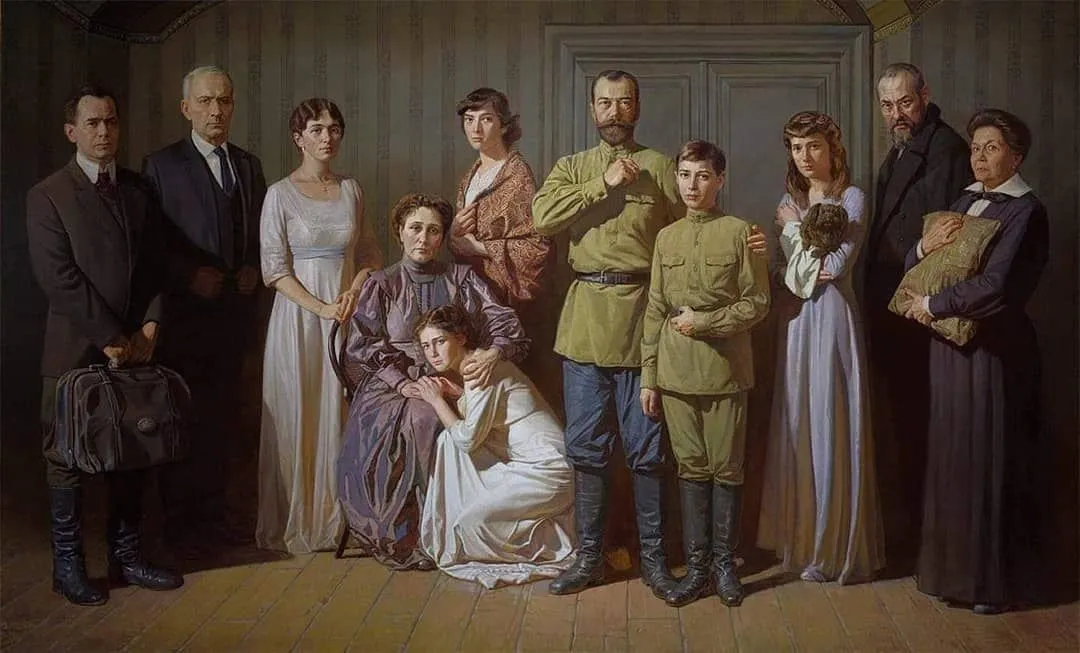
  • The Romanovs the Russian imperial family ruled from 1613 to 1917.

    By Scott J. Arnold

    The Romanovs the Russian imperial family ruled from 1613 to 1917

    A comprehensive article on The Romanovs—the Russian imperial family that ruled from 1613 to 1917—would cover their rise to power, the dynasty’s notable rulers, the social and political changes they oversaw, their role in shaping Russian history, the fall of the Romanovs during the Russian Revolution, and the lasting legacy of the family. This structure will offer a detailed examination of the Romanovs’ influence over Russia and the world, leading to their tragic end.

    Here’s a structured outline for a detailed article on the Romanov dynasty:
    Page 1: Introduction

    Overview of the Romanov dynasty: Introduce the Romanov family, who ruled Russia for over 300 years, from 1613 until the Russian Revolution in 1917. Highlight the dynasty’s importance in shaping Russian history, as well as their tragic downfall.
    Purpose of the article: Lay out the key aspects to be explored in this article, such as the Romanovs’ rise to power, their governance, key rulers, major historical events, and their eventual demise.

    Page 2: Origins of the Romanov Dynasty

    Rise to power (1613): Explain the establishment of the Romanov dynasty during the Time of Troubles, a period of political crisis and social unrest in Russia. Mikhail Romanov, a 16-year-old boyar, was elected as tsar, marking the beginning of the Romanov rule.
    Background of the Romanov family: Discuss the Romanov family’s noble origins, tracing their lineage back to influential Russian families, and the role of the Zemsky Sobor (Russian Assembly) in choosing Mikhail Romanov as the new tsar.
    Consolidation of power: Explore how the Romanovs consolidated their power in the early years of the dynasty, stabilizing the Russian state and forming alliances with influential factions within the Russian nobility.

    Page 3: Early Romanov Rulers

    Mikhail I (1613–1645): Examine Mikhail Romanov’s reign, focusing on his efforts to restore order to Russia after the Time of Troubles and his relationship with the boyars (noble class). Discuss his policies aimed at rebuilding the economy and establishing peace.
    Alexis I (1645–1676): Analyze the reign of Alexis I, known for expanding Russia’s territory and implementing important domestic reforms, such as the Sobornoye Ulozheniye (a legal code) of 1649. Highlight his efforts to centralize authority.
    The Raskol (Schism) in the Russian Orthodox Church: Discuss the religious schism that occurred during Alexis I’s reign, which divided the Orthodox Church and created lasting tensions within Russian society.

    Page 4: Peter the Great and the Modernization of Russia

    Peter the Great (1682–1725): Explore the reign of Peter the Great, one of the most transformative figures in Russian history. Focus on his efforts to modernize Russia by introducing Western European technology, military tactics, and cultural practices.
    Westernization policies: Examine Peter’s reforms, such as the introduction of Western dress, the establishment of new industries, and the modernization of the Russian military. Discuss his efforts to reduce the power of the boyars and centralize the tsar’s authority.
    Expansion of the Russian Empire: Analyze Peter’s military campaigns, including the Great Northern War against Sweden, which established Russia as a major European power and gained access to the Baltic Sea, leading to the founding of St. Petersburg.

    Page 5: Catherine the Great and the Golden Age of the Romanovs

    Catherine the Great (1762–1796): Explore Catherine’s rise to power following the overthrow of her husband, Peter III, and her reign as one of the most successful and enlightened monarchs of the Romanov dynasty.
    Enlightenment influence: Discuss Catherine’s engagement with Enlightenment thinkers like Voltaire and Diderot, her efforts to modernize Russian governance, law, and education, and her attempts to reform serfdom (though largely unsuccessful).
    Territorial expansion: Examine Catherine’s foreign policy, which included the successful expansion of Russia’s borders through wars with the Ottoman Empire, the annexation of Crimea, and the partitions of Poland.

    Page 6: The Romanovs and Russian Society

    Serfdom under the Romanovs: Analyze the role of serfdom in Russian society during the Romanov era, focusing on the legal and economic status of the serfs, who made up the majority of the population.
    Peasant uprisings: Discuss major peasant revolts, such as the Pugachev Rebellion (1773–1775) during Catherine the Great’s reign, and the Romanovs’ responses to these uprisings.
    The role of the Orthodox Church: Examine the relationship between the Romanov rulers and the Russian Orthodox Church, highlighting the importance of religion in legitimizing Romanov rule and maintaining social order.

    Page 7: The Decembrist Revolt and the Push for Reform

    Alexander I (1801–1825): Explore the reign of Alexander I, including his role in defeating Napoleon during the French invasion of Russia in 1812, as well as his attempts at political reform.
    The Decembrist Revolt (1825): Discuss the failed Decembrist Revolt, in which a group of Russian army officers and noblemen attempted to force the Romanovs to implement constitutional reforms and abolish serfdom. Analyze its long-term impact on Russian politics.
    Nicholas I (1825–1855): Examine the reign of Nicholas I, characterized by a strict autocratic rule, his suppression of liberal movements, and his commitment to the principles of Orthodoxy, autocracy, and nationalism.

    Page 8: Reform and Reaction under Alexander II

    Alexander II (1855–1881): Discuss Alexander II’s reign, often remembered as a period of reform, including the emancipation of the serfs in 1861, which freed millions of peasants from bondage.
    Modernization efforts: Analyze Alexander’s other reforms, such as changes in the judiciary, military, and local government, aimed at modernizing Russia and addressing growing social and economic pressures.
    Assassination of Alexander II: Explore the growing discontent with Alexander II’s reforms, which were seen as insufficient by some and too radical by others, culminating in his assassination by revolutionary terrorists in 1881.

    Page 9: Nicholas II and the Decline of the Romanovs

    Nicholas II (1894–1917): Analyze the reign of Nicholas II, the last Romanov emperor, whose autocratic rule and inability to address Russia’s economic and political challenges led to the dynasty’s downfall.
    The 1905 Revolution: Discuss the 1905 Revolution, sparked by discontent over poor working conditions, political repression, and the Russo-Japanese War. Examine how Nicholas responded with the October Manifesto, which promised reforms, but maintained much of his autocratic power.
    World War I and the Romanovs’ crisis: Explore how World War I exacerbated Russia’s internal problems, including military defeats, economic collapse, and rising discontent, leading to the February Revolution of 1917.

    Page 10: The Fall of the Romanovs

    The February Revolution (1917): Detail the events of the February Revolution, which forced Nicholas II to abdicate the throne, ending over 300 years of Romanov rule.
    Provisional Government: Discuss the formation of the Provisional Government following Nicholas’ abdication and the power vacuum it created in Russian politics.
    House arrest of the Romanov family: Explore the Romanov family’s imprisonment by the Bolsheviks and their fate as political prisoners.

    Page 11: The Execution of the Romanov Family

    Imprisonment in Ekaterinburg: Describe the final months of Nicholas II, his wife Alexandra, their five children, and a few loyal servants in the Ipatiev House in Ekaterinburg.
    The execution (July 17, 1918): Provide a detailed account of the Romanov family’s execution by Bolshevik forces, ordered by local Soviet authorities, as a means of preventing any possible return of the monarchy.
    Aftermath and the burial of the Romanovs: Discuss the secrecy surrounding the execution and burial of the Romanovs, as well as the eventual discovery of their remains in the 1990s.

    Page 12: The Legacy of the Romanovs

    The Romanovs in Russian memory: Examine the legacy of the Romanov dynasty in modern Russia, including the post-Soviet rehabilitation of the family and their canonization by the Russian Orthodox Church in 2000.
    The Romanovs and the monarchy debate: Discuss the debate over the Romanovs’ historical role and the movement among some Russians for a restoration of the monarchy.
    Cultural legacy: Explore the influence of the Romanov family on Russian culture, art, and architecture, as well as their depiction in popular culture, including literature, films, and documentaries.
    Conclusion: Summarize the enduring impact of the Romanov dynasty on Russian history, from their rise to power in the 17th century to their tragic fall in 1917, and reflect on how the Romanovs continue to shape Russia’s national identity.

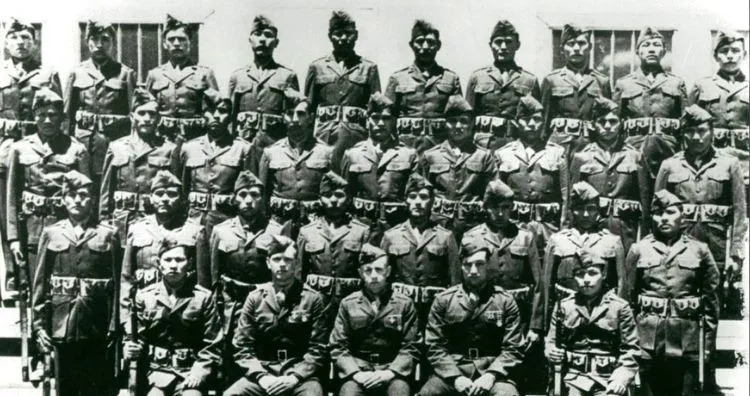
  • The Navajo Code Talkers: A Legacy of Unbreakable Communication in World War II

    By Scott J. Arnold

    The Navajo Code Talkers: A Legacy of Unbreakable Communication in World War II

    In the midst of World War II, as global powers battled across Europe and the Pacific, communication played an essential role in military operations. Secure, fast, and reliable communication channels were crucial for transmitting orders, coordinating attacks, and ensuring the success of strategic missions. The challenge of keeping military communication secure from enemy interception was a constant struggle. In response to this challenge, the United States made a groundbreaking decision: to enlist the language skills of the Navajo people. These Native Americans, known as the “Navajo Code Talkers,” created a military code using their language that was not only effective but unbreakable.

    Over 400 Navajo men would serve as Code Talkers during the war, but it all began with 29 brave recruits who developed the first code. Their efforts helped the Allied forces gain a crucial advantage in the Pacific theater, and their legacy remains an enduring symbol of patriotism, ingenuity, and resilience. This article explores the history of the Navajo Code Talkers, their unique contributions to World War II, and the lasting impact they had on both the war effort and Native American communities.
    The Challenge of Secure Communication in World War II

    During World War II, effective communication was vital to military success. Both the Axis and Allied forces developed increasingly sophisticated technology to intercept, decode, and disrupt enemy communications. Radio transmissions, in particular, were vulnerable to interception, which made the use of codes and encryption essential.

    However, existing codes and encryption methods had limitations. Military forces used a variety of complex cipher machines, such as the German Enigma machine, which allowed for secure communication—at least temporarily. The Allies eventually broke the Enigma code, giving them a significant advantage over German forces. Similarly, the Japanese Imperial Army used codes to secure their transmissions, which the United States managed to break over time.

    This constant battle of codebreaking and re-coding meant that military planners were always on the lookout for more secure methods of communication. In the Pacific theater, where the U.S. faced Japan, the complexity of the warfare demanded quick, efficient, and secure communication, especially during high-stakes operations such as beach landings and naval assaults. The existing encryption methods, while effective, were often slow to encode and decode, causing dangerous delays in transmitting important information during battle.

    It was in this context that the idea of using Native American languages—specifically, the Navajo language—was proposed as a solution to the problem of secure communication.
    The Origins of the Navajo Code Talkers

    The idea of using Native American languages in military communication was not entirely new. During World War I, Choctaw soldiers had been used as “code talkers” to send secure messages for American forces fighting in Europe. Their language was unfamiliar to the Germans, making it an effective means of communication. Inspired by this success, military leaders in World War II sought to apply a similar strategy, this time using the Navajo language, which was considered even more secure due to its unique characteristics.

    The Navajo language (or Diné Bizaad) was ideally suited for creating a military code for several reasons. First, it was an unwritten language, meaning that there were no dictionaries or written records of the language that could be used to decipher it. Second, the language was highly complex, with subtle tonal variations and syntax that made it difficult for non-native speakers to learn. Furthermore, very few people outside of the Navajo Nation spoke the language, reducing the chances of enemy forces even attempting to understand it.

    The idea of using Navajo speakers for code work was initially proposed by Philip Johnston, a World War I veteran and civil engineer who had grown up on a Navajo reservation in Arizona. Johnston, who spoke Navajo fluently, realized that the language could be adapted for military purposes, and in early 1942, he pitched the idea to the U.S. Marine Corps.

    Johnston’s idea was met with interest, but military leaders were skeptical. The Marine Corps needed to see proof that the Navajo language could be effectively used in combat communication. In February 1942, Johnston arranged a demonstration at Camp Elliott, California. Four Navajo men took part in the demonstration, sending and receiving coded messages in Navajo. The results were impressive: the Navajo code was quick, accurate, and—most importantly—unintelligible to anyone who did not speak the language.

    Following this successful demonstration, the Marine Corps authorized the recruitment of 29 Navajo men to develop and test a formal code based on their language. These 29 individuals would become the first group of Navajo Code Talkers, paving the way for the program’s expansion.
    Developing the Navajo Code

    Once recruited, the 29 Navajo Code Talkers were tasked with creating a comprehensive code that could be used for all types of military communication. They needed to develop a system that would allow for the rapid transmission of tactical messages, including information about troop movements, artillery positions, and attack plans, while maintaining absolute security.

    The task was challenging. The Navajo language itself did not have words for many modern military terms, such as “tank,” “machine gun,” or “battleship.” To solve this problem, the Code Talkers developed a system of word substitutions, in which Navajo words were used to represent military concepts. For example, the Navajo word for “turtle” (chay-da-gahi) was used to represent a tank, and the word for “chicken hawk” (gini) was used for a dive bomber.

    In addition to these word substitutions, the Navajo Code Talkers developed an alphabet system in which Navajo words were used to spell out English letters. Each letter of the English alphabet was represented by a Navajo word that began with the same sound as the letter. For instance, the letter “A” could be represented by the Navajo word “wol-la-chee” (ant), while “B” could be represented by “shush” (bear). This system allowed the Code Talkers to transmit more complex messages, such as names and locations, that required spelling.

    The code they developed was deliberately complex and designed to be indecipherable even to a Navajo speaker who was unfamiliar with the system. In total, the initial code consisted of approximately 211 words, although it would be expanded over the course of the war to include more than 400 terms.

    Once the code was finalized, the Navajo Code Talkers underwent intense training to ensure that they could use it quickly and accurately under combat conditions. Speed was essential, as battlefield communications often needed to be transmitted in a matter of seconds to avoid detection or interference by the enemy.

    The development of the Navajo code was a remarkable achievement, combining linguistic creativity with military precision. It would go on to play a crucial role in the success of Allied operations in the Pacific theater.
    The Role of the Navajo Code Talkers in the Pacific Theater

    The Navajo Code Talkers were deployed throughout the Pacific theater, where their code would prove invaluable in some of the war’s most critical battles. From the Battle of Guadalcanal to Iwo Jima, the Code Talkers transmitted thousands of messages, often under fire, and their work was instrumental in coordinating attacks, artillery strikes, and troop movements.

    Battle of Guadalcanal

    The first major deployment of the Navajo Code Talkers occurred during the Battle of Guadalcanal in August 1942. This six-month-long campaign was one of the first major offensives by the Allied forces against Japan, and it was critical to gaining control of the Pacific. The Navajo Code Talkers played a key role in securing communication between ground forces and naval support, ensuring that orders could be transmitted without fear of enemy interception.

    The Code Talkers were placed in the most dangerous parts of the battlefield, often stationed on the front lines to transmit real-time information about enemy positions and reinforcements. Their ability to communicate quickly and securely helped U.S. forces maintain the upper hand, even when the Japanese attempted to jam or intercept radio transmissions.

    The Battle of Iwo Jima

    Perhaps the most famous example of the Code Talkers’ effectiveness came during the Battle of Iwo Jima in February 1945. The invasion of Iwo Jima was one of the most brutal battles of the war, with U.S. Marines facing fierce resistance from Japanese forces entrenched on the island. In this high-stakes environment, secure communication was essential to coordinating attacks and providing support to frontline troops.

    Over the course of the battle, Navajo Code Talkers transmitted more than 800 messages without a single error. One of the Marine Corps’ signal officers later credited the Code Talkers with making the difference in the battle, stating that “were it not for the Navajos, the Marines would never have taken Iwo Jima.”

    The speed and accuracy of the Navajo code allowed U.S. forces to stay ahead of the Japanese, despite the intensity of the fighting. Even when messages were intercepted by the enemy, the code remained impenetrable. Japanese intelligence officers, who had successfully broken other American codes during the war, were left baffled by the Navajo language, which they could not understand or translate.

    Okinawa and the Final Stages of the War

    The Navajo Code Talkers continued to play a vital role in the final stages of the Pacific campaign, including the Battle of Okinawa in 1945. This was the largest amphibious assault in the Pacific theater, and the Code Talkers once again ensured that communication lines remained secure and efficient during the intense fighting.

    Throughout the war, the Code Talkers’ contributions went beyond simply transmitting messages. Their work helped save countless lives by preventing misunderstandings, reducing the time it took to send orders, and ensuring that vital information reached its destination without delay.
    The Secrecy of the Code Talkers’ Work

    Despite the crucial role that the Navajo Code Talkers played in the war, their work remained classified for many years after the conflict ended. The U.S. military considered the Navajo code so valuable that it was kept secret in case it needed to be used again in future conflicts. As a result, the Code Talkers were not publicly recognized for their contributions to the war effort, and many returned home to their reservations without the honors they deserved.

    For the Navajo Code Talkers, this secrecy was both a point of pride and a source of frustration. They had fulfilled their duty to their country, but they were unable to share their experiences with their families or communities. It would not be until decades later that their achievements were fully acknowledged.
    Recognition and Legacy

    The Navajo Code Talkers’ contributions to World War II were finally recognized in the 1960s when the code was declassified, and their role in the war effort was made public. Since then, the Code Talkers have been honored in various ways, both in the United States and abroad.

    In 1982, President Ronald Reagan declared August 14 “Navajo Code Talkers Day,” a day dedicated to honoring the service and sacrifices of the Code Talkers. In 2001, President George W. Bush awarded the Congressional Gold Medal to the original 29 Navajo Code Talkers, with silver medals given to the remaining members of the program.

    Monuments and memorials dedicated to the Navajo Code Talkers have been erected across the country, including a statue at the Navajo Nation capital in Window Rock, Arizona. Their story has also been featured in books, documentaries, and films, ensuring that future generations remember their contributions to the war effort.
    Cultural Significance

    The Navajo Code Talkers’ story is not only a tale of military innovation but also one of cultural resilience. During a time when Native Americans were often marginalized and their cultures suppressed, the Navajo language became a critical tool in the fight for freedom and democracy. The success of the Code Talkers helped to highlight the importance of Native American languages and cultures, which had long been threatened by U.S. government policies aimed at assimilation.

    For the Navajo people, the legacy of the Code Talkers is a source of immense pride. Their contributions to the war effort demonstrated the strength and value of their language and culture, and their service helped to change perceptions of Native Americans in the broader American society.
    Conclusion: An Unbreakable Legacy

    The Navajo Code Talkers played a pivotal role in securing victory for the Allied forces in the Pacific theater during World War II. Their ingenuity, courage, and dedication created a code that was never broken by the enemy, ensuring the success of critical military operations. Their story is one of patriotism, cultural pride, and a unique contribution to the history of warfare.

    Though their efforts were long unrecognized, the Navajo Code Talkers have since been honored as national heroes, and their legacy continues to inspire future generations. They are a reminder of the power of language, the importance of cultural diversity, and the enduring contributions of Native Americans to the fabric of the United States.

  • The JFK Assassination: Mafia Hitman James Files’ Deathbed Confession

    By Scott J. Arnold

    The JFK Assassination: Mafia Hitman James Files’ Deathbed Confession—A New Chapter in an Enduring Mystery


    The JFK Assassination: Mafia Hitman James Files’ Deathbed Confession—A New Chapter in an Enduring Mystery

    The assassination of President John F. Kennedy on November 22, 1963, remains one of the most enduring mysteries of the 20th century. While the Warren Commission concluded that Lee Harvey Oswald acted alone, decades of skepticism and conspiracy theories have surrounded the case. In a dramatic twist, James Files, a self-proclaimed Chicago Mafia hitman, has delivered a deathbed confession, claiming responsibility for the fatal shot that ended Kennedy’s life. His story, if true, could upend the official narrative and reshape the understanding of this pivotal moment in American history.

    Watch the full account here: James Files JFK Confession.
    The Historical Context: Motives and Power Struggles

    The Kennedy presidency was marked by bold initiatives and fierce opposition. Domestically, Kennedy’s administration cracked down on organized crime, with Attorney General Robert F. Kennedy aggressively pursuing Mafia leaders. Internationally, JFK’s handling of the Bay of Pigs invasion, his push for nuclear disarmament, and his rumored plans to end U.S. involvement in Vietnam alienated powerful factions within the government, military, and intelligence communities.

    Organized crime figures such as Sam Giancana, Carlos Marcello, and Santo Trafficante Jr. reportedly felt betrayed by the Kennedys. Joseph P. Kennedy, JFK’s father, allegedly enlisted Mafia support to secure his son’s election but failed to shield the organization from the administration’s subsequent crackdown. Files claims that these tensions culminated in a carefully orchestrated plot to assassinate the president, with the Mafia serving as the executioners for a broader conspiracy involving rogue CIA agents and anti-Castro Cuban exiles.
    James Files’ Account: A Chilling Confession

    Files, who claims ties to both the Chicago Mafia and CIA operatives, provides a detailed account of the assassination:

    Position and Weaponry: Files alleges he was stationed on the grassy knoll, behind the picket fence in Dealey Plaza. Armed with a .222 Remington Fireball—a compact, precise rifle—he claims to have delivered the fatal headshot to Kennedy as the motorcade passed.
    A Coordinated Plot: According to Files, the assassination was not a lone operation. Oswald was positioned in the Texas School Book Depository as a decoy, while other shooters were stationed strategically to ensure success. Files describes a triangulation of crossfire, a military-style tactic designed to leave no escape for the target.
    The Kill Shot: Files contends he aimed for Kennedy’s head, pulling the trigger at the precise moment the motorcade slowed. He claims to have bitten the spent casing to leave a personal mark before discarding it at the scene. Years later, a casing matching Files’ description was reportedly discovered by a researcher, lending some credence to his story.

    Forensic Evidence and Eyewitness Accounts

    Files’ confession aligns with several pieces of evidence and witness testimony that have fueled conspiracy theories over the years:

    The Zapruder Film: The infamous footage shows Kennedy’s head snapping backward, which many interpret as consistent with a shot from the front—the direction of the grassy knoll. The Warren Commission attributed this motion to a neurological reaction, but Files’ claim offers a simpler explanation.
    Eyewitness Reports: Multiple witnesses reported hearing gunshots from the grassy knoll and seeing suspicious activity near the picket fence. However, these accounts were largely dismissed or ignored by the Warren Commission.
    Ballistics Evidence: Critics of the lone gunman theory point to discrepancies in the trajectory of the bullets. Files’ description of using a .222 Remington Fireball matches the precision and characteristics needed to deliver the fatal shot.
    Acoustic Analysis: In 1978, the House Select Committee on Assassinations (HSCA) concluded that acoustic evidence suggested the presence of at least two shooters. Files’ confession supports this finding, challenging the notion that Oswald acted alone.

    Reactions from Experts and Notable Figures

    The public and expert reactions to Files’ confession have been deeply divided:

    Supporters of Files’ Story: Many conspiracy theorists see Files’ account as a long-awaited vindication of their belief in a broader plot. Some forensic experts argue that his story aligns with physical and circumstantial evidence, particularly the direction of Kennedy’s head movement and the acoustic analysis from the HSCA.
    Skeptics: Critics argue that Files’ claims lack concrete corroboration. Files has made similar statements in the past, and his criminal background raises questions about his credibility. Historian Gerald Posner, author of Case Closed, dismisses Files’ confession as part of a pattern of dubious claims that emerge periodically to capitalize on public interest.
    Former Intelligence Officials: Some former CIA operatives have dismissed Files’ claims as implausible, asserting that any conspiracy involving such a large number of participants would have been impossible to keep secret for decades.
    Public Figures: Robert F. Kennedy Jr., a longtime skeptic of the lone gunman theory, has called for renewed investigations into the assassination. While he has not explicitly endorsed Files’ story, he supports the idea that the true circumstances of his uncle’s death remain obscured.

    The Mafia and the CIA: A Complex Partnership

    Files’ allegations implicate both the Mafia and elements of the CIA, highlighting a murky collaboration between organized crime and government agencies. In the early 1960s, the CIA recruited Mafia operatives for assassination attempts against Fidel Castro. Files claims that this partnership extended to the plot against Kennedy, uniting disparate factions with a common goal: to remove a president perceived as a threat to their interests.

    This alleged collaboration raises troubling questions about the extent to which rogue elements within the government and criminal organizations were willing to go to protect their power and influence.
    The Legacy of JFK’s Assassination

    James Files’ confession adds a provocative new layer to the JFK assassination saga, but it also underscores the enduring uncertainty surrounding the event. Despite decades of investigations, including the Warren Commission and the HSCA, the case remains shrouded in mystery.

    If Files’ account is ever fully substantiated, it would not only vindicate conspiracy theorists but also reveal a dark chapter in American history—a moment when power, corruption, and betrayal converged to alter the course of the nation.
    A Call for Transparency

    Files’ confession has reignited calls for greater transparency and the release of classified documents related to the assassination. In recent years, the U.S. government has declassified thousands of files, but critical documents remain withheld, fueling speculation about what they might reveal.

    As the world continues to grapple with the implications of Files’ story, one thing is clear: the assassination of John F. Kennedy remains a haunting reminder of the fragility of democracy and the shadowy forces that can shape history.+

  • The History of The Irish Mafia

    By Scott J. Arnold

    The Irish Mob


    Irish Mob Overview

    The Irish Mob, also known as the Irish mafia or Irish organized crime, is a network of organized crime syndicates primarily composed of ethnic Irish members operating in Ireland, the United States, the United Kingdom, Canada, and Australia. The Irish Mob has roots that stretch back to the early 19th century, originating from Irish-American street gangs depicted in popular culture, such as Herbert Asbury’s 1927 book The Gangs of New York. Over time, these gangs evolved into structured crime families involved in various illegal activities, including assault, murder, bribery, counterfeiting, drug trafficking, extortion, illegal gambling, money laundering, arms trafficking, and more. The Irish Mob’s influence has fluctuated but remains a notable element of organized crime today.
    Key Territories and History

    United States:

    New York:New York City has been a critical hub for the Irish Mob since the early 19th century, starting with Irish-American street gangs like the Dead Rabbits and Whyos. These gangs controlled large parts of the city’s underworld, battling with emerging Italian and Jewish gangs for dominance. In the early 1900s, as Italian criminal organizations like the Morello crime family began to encroach on Irish territories, the Irish gangs united to form the White Hand Gang. Although initially successful in resisting Italian encroachment, the gang suffered from internal strife and weak leadership, leading to its eventual downfall by 1925. By then, Italian mobs such as the Genovese and Gambino families had taken over the waterfront and other key territories.
    The Irish Mob re-emerged with the formation of the Westies, a ruthless Irish-American gang from Hell’s Kitchen led by Jimmy Coonan in the 1970s and 1980s. The Westies were known for their brutal tactics and eventually allied with the Gambino crime family. This alliance allowed them to maintain power despite their smaller numbers and the increasing dominance of the Italian Mafia.
    Boston:Boston has a deeply entrenched history of Irish Mob activity, particularly in heavily Irish-American neighborhoods such as Charlestown, South Boston (“Southie”), and Somerville. During Prohibition, Irish gangs thrived, with figures like Frank Wallace of the Gustin Gang controlling Boston’s underworld until his assassination in 1931. The Winter Hill Gang, founded in the 1960s by James “Buddy” McLean, eventually rose to become one of the most powerful organized crime groups in the city.
    Under the leadership of notorious figures like James “Whitey” Bulger, the Winter Hill Gang expanded its influence through gambling, extortion, drug trafficking, and other illegal activities. Bulger’s reign was marked by violence, corruption, and a unique relationship with the FBI, where he acted as an informant against rival gangs while maintaining his criminal empire. His story, filled with betrayal and intrigue, has become one of the most famous in mob history, largely due to the extensive media coverage of his crimes and eventual capture in 2011 after years on the run.
    Philadelphia:The Irish Mob’s history in Philadelphia dates back to pre-Prohibition times with street gangs like the Schuylkill Rangers, led by Jimmy Haggerty. Following World War II, the K&A Gang, known for its involvement in burglary, loan sharking, and drug trafficking, became the dominant Irish gang in the city. Over the decades, the K&A Gang expanded into methamphetamine production and distribution, cementing its place in the city’s underworld.
    Chicago:Chicago’s Irish Mob reached its zenith during Prohibition, rivaling the infamous Italian Mafia led by Al Capone. The North Side Gang, led by Dion O’Banion, Hymie Weiss, and later Bugs Moran, was one of the most powerful Irish gangs in the city. Their fierce rivalry with Capone’s Chicago Outfit culminated in the infamous St. Valentine’s Day Massacre in 1929, which marked a significant shift in power towards the Italian mob.

    Ireland:

    In Ireland, organized crime among ethnic Irish groups gained prominence primarily in Dublin. Unlike their American counterparts, many Irish crime families initially operated independently of the broader Irish Mob network in the U.S. The Dunne crime family was among the first to make a significant impact, moving from traditional criminal activities like robbery and kidnapping into the drug trade, which became the primary source of income by the late 20th century. The heroin epidemic of the 1980s, largely driven by the Dunnes, devastated working-class neighborhoods and sparked significant public backlash.
    The murder of investigative journalist Veronica Guerin in 1996, who was reporting on organized crime in Dublin, marked a turning point. Her death led to the establishment of the Criminal Assets Bureau, a government agency dedicated to dismantling organized crime through financial investigation and asset seizure. Despite these efforts, newer and more sophisticated crime families continued to rise, often operating internationally with connections to criminal networks in Spain and other countries.

    Canada:

    Montreal: The West End Gang is one of Canada’s most influential organized crime groups, with a history that dates back to the early 20th century. Initially known for hijackings and armed robberies, the gang evolved into a significant player in the drug trade, establishing connections with the Hells Angels, the Montreal Mafia, and South American cartels. Their control over drug importation and distribution in Montreal has made them one of the city’s most powerful criminal organizations.

    Spain:

    Kinahan Cartel: Established on the Costa del Sol, the Kinahan cartel, led by Christy Kinahan and his son Daniel, has become one of the most powerful Irish criminal organizations operating outside of Ireland. The cartel’s operations include large-scale drug trafficking, money laundering, and arms smuggling. A series of high-profile shootings and ongoing feuds with rival gangs, such as the Hutch gang, have drawn significant media attention and law enforcement scrutiny in both Spain and Ireland.

    Notable Figures

    James “Whitey” Bulger: Perhaps the most infamous figure in the Irish Mob, Bulger was the leader of the Winter Hill Gang in Boston. His criminal career spanned decades, marked by numerous murders, extortion, and drug trafficking. Bulger’s status as an FBI informant allowed him to operate with impunity for many years, using law enforcement to eliminate rivals. His story was immortalized in the book and film Black Mass.
    Danny Greene: Known as “The Irishman,” Greene was a prominent Cleveland mobster who led a violent and public war against the Italian Mafia in the 1970s. His bombing campaigns earned Cleveland the nickname “Bomb City, USA.” Greene’s defiance and eventual assassination were depicted in the film Kill the Irishman.
    Christy Kinahan: Head of the Kinahan cartel, Kinahan is considered one of the most significant Irish drug lords operating on a global scale. His cartel’s operations have extended far beyond Ireland, with extensive networks in Spain, South America, and other regions, making him one of the most sought-after criminals by international law enforcement.

    Alliances and Rivalries

    The Irish Mob has formed alliances with other powerful crime groups, such as Italian-American Mafia families (‘Ndrangheta and Camorra), Russian organized crime, and occasionally even the Moroccan mafia. These alliances have often been strategic, allowing the Irish Mob to access broader networks and resources, particularly in drug trafficking and smuggling operations. However, these alliances have also led to conflicts, especially when territorial disputes or business interests collide.

    The Irish Mob has historically been at odds with other ethnic crime groups, including Italian, Russian, and other Irish factions. In New York, the Irish Mob frequently clashed with the Italian Mafia, leading to gang wars and shifting control of criminal territories. In Boston, the Winter Hill Gang’s rivalry with other local Irish gangs and the Italian Mafia was marked by violence, betrayal, and numerous high-profile murders.
    Media Portrayals

    The Irish Mob has been a rich source of inspiration for films, television series, and books, often depicted as complex, ruthless, and deeply entrenched in their communities:

    Films: Notable movies include The Departed, which portrays a fictionalized version of Whitey Bulger’s life; Gangs of New York, which explores the early roots of Irish gangs in New York; and Road to Perdition, which follows an Irish mob enforcer in the 1930s.
    Television: TV series such as Boardwalk Empire and Ray Donovan have featured storylines involving Irish mobsters, while shows like Brotherhood and The Black Donnellys center on Irish-American organized crime families.
    Books and Documentaries: The Irish Mob has been the subject of numerous books, including Paddy Whacked by T.J. English, which chronicles the history of Irish-American gangsters. Documentaries like Whitey: United States of America v. James J. Bulger provide in-depth looks at the lives and crimes of prominent mob figures.

    The Irish Mob’s long-standing presence in organized crime, its shifting alliances, and its impact on popular culture continue to fascinate the public, reflecting both the mob’s violent history and its enduring influence in the criminal underworld.

  • The Internment of Japanese Americans During World War II: A Dark Chapter in American History

    By Scott J. Arnold

    The Internment of Japanese Americans During World War II: A Dark Chapter in American History

    During World War II, more than 120,000 Japanese Americans were forcibly removed from their homes and held captive in concentration camps across the United States. This mass internment was not based on any evidence of wrongdoing or disloyalty but rather on widespread fear, prejudice, and racism. The U.S. government’s decision to target and incarcerate individuals solely because of their Japanese ancestry is now recognized as one of the most egregious human rights violations in American history. Yet, it would take more than four decades for the government to publicly acknowledge this act and offer an official apology.

    This article explores the history of Japanese American internment, the impact it had on the lives of those affected, and the long struggle for justice and recognition. From the panic following the attack on Pearl Harbor to the eventual formal apology in 1988, the internment of Japanese Americans remains a stark reminder of the dangers of racial discrimination, especially in times of national crisis.
    The Context: Pearl Harbor and Anti-Japanese Sentiment

    The internment of Japanese Americans was directly triggered by Japan’s surprise attack on Pearl Harbor on December 7, 1941. The attack, which resulted in the deaths of over 2,400 Americans and the destruction of much of the U.S. Pacific Fleet, thrust the United States into World War II. The attack also ignited widespread fear and suspicion toward Japanese Americans, particularly on the West Coast, where the majority of Japanese immigrants and their descendants lived.

    Anti-Japanese sentiment had existed in the United States long before Pearl Harbor. Since the late 19th century, Japanese immigrants had faced discrimination and exclusion in American society. Laws such as the Immigration Act of 1924 had banned Japanese immigration altogether, reflecting a long-standing prejudice against Asian communities. Many Americans, particularly in California, viewed Japanese immigrants and their descendants as an economic threat, accusing them of taking jobs and land from white citizens.

    After the attack on Pearl Harbor, this prejudice quickly escalated into outright hostility. Rumors circulated that Japanese Americans were working as spies for the Japanese government or might aid an invasion of the West Coast. Despite a lack of evidence to support these claims, the public, media, and government officials began calling for action against the Japanese American community.
    Executive Order 9066: The Legal Basis for Internment

    On February 19, 1942, President Franklin D. Roosevelt signed Executive Order 9066, authorizing the military to designate certain areas as “military zones” and exclude anyone deemed a threat to national security from these zones. Although the order did not explicitly mention Japanese Americans, it was used almost exclusively to target them.

    Under the authority of this executive order, the U.S. military began forcibly removing Japanese Americans from their homes on the West Coast. Over 120,000 Japanese Americans—most of whom were U.S. citizens by birth—were rounded up and sent to internment camps. Many had only days or weeks to pack up their belongings and sell or abandon their property. They were allowed to bring only what they could carry, leaving behind homes, businesses, and possessions.

    For Japanese Americans, the experience was devastating. Families were uprooted from their communities and stripped of their rights without any due process. The overwhelming majority had no connection to Japan’s military actions and had never shown any signs of disloyalty to the United States. Yet, they were treated as enemies by their own government, simply because of their ethnicity.
    Life in the Internment Camps

    The internment camps, often referred to as “relocation centers” by the government, were located in remote areas of the United States, including deserts and mountains. There were ten main camps, with some of the largest located in places like Manzanar, California; Tule Lake, California; Heart Mountain, Wyoming; and Topaz, Utah. These camps were surrounded by barbed wire and guarded by military personnel, making them de facto prisons.

    Conditions in the camps were harsh. Japanese Americans were housed in makeshift barracks that provided little protection from the extreme weather, whether it was the scorching heat of the desert or the biting cold of the mountains. Families often had to share small, cramped quarters, with little privacy. The facilities were bare and inadequate, with poor sanitation, limited medical care, and a shortage of basic supplies.

    Interned Japanese Americans were subject to strict regulations and surveillance. They were not free to come and go as they pleased and were under constant watch by armed guards. Despite these hardships, many internees tried to make the best of their situation. They established schools, churches, and community organizations within the camps, and some were allowed to work on nearby farms or in factories to contribute to the war effort.

    However, the psychological toll of internment was immense. Many Japanese Americans, especially the Issei (first-generation immigrants) and Nisei (second-generation, U.S.-born citizens), felt a profound sense of betrayal. They had built their lives in America, only to be treated as enemies by the country they considered home. For many, the scars of internment would last a lifetime.
    The Legal Challenges and the Fight for Justice

    Even as the internment camps were established, there were those who challenged the constitutionality of Executive Order 9066. Several Japanese Americans, including Fred Korematsu, Gordon Hirabayashi, and Minoru Yasui, refused to comply with the internment orders and were arrested. These individuals fought their cases all the way to the U.S. Supreme Court, arguing that their internment violated their constitutional rights.

    In the 1944 case Korematsu v. United States, the Supreme Court upheld the legality of the internment, ruling that the wartime necessity of national security outweighed Korematsu’s individual rights. This decision was deeply controversial and remains one of the most criticized rulings in the Court’s history. It was a stark reminder of how fear and prejudice can lead to the erosion of civil liberties, even in a democracy.

    Despite the Supreme Court’s ruling, there was growing opposition to the internment policy, particularly as the war drew to a close. In December 1944, the government announced that the internment camps would be closed, and by the end of 1945, most Japanese Americans had been released. However, returning to their pre-war lives was far from easy. Many had lost their homes, businesses, and savings, and they faced ongoing discrimination and hostility from the public.
    The Long Road to Redress and Recognition

    For decades after the war, the U.S. government refused to acknowledge the injustice of Japanese American internment. The survivors of internment were left to rebuild their lives without any formal apology or compensation for the losses they had suffered. However, the Japanese American community and its allies continued to fight for recognition and justice.

    In the 1970s and 1980s, a growing movement for redress gained momentum. Japanese American activists, scholars, and politicians pushed for an official acknowledgment of the internment as a violation of civil rights. The Japanese American Citizens League (JACL) played a central role in advocating for redress, and many former internees began to share their stories publicly, helping to raise awareness about the injustice they had endured.

    This movement culminated in the formation of the Commission on Wartime Relocation and Internment of Civilians (CWRIC), established by Congress in 1980. The commission held hearings across the country, gathering testimony from former internees and their families. In 1983, the commission released its report, titled “Personal Justice Denied,” which concluded that the internment was not justified by military necessity but was instead the result of “race prejudice, war hysteria, and a failure of political leadership.”

    The report called for a formal apology and reparations for the survivors of internment, setting the stage for legislative action.
    The Civil Liberties Act of 1988: A Formal Apology

    In 1988, more than four decades after the internment began, President Ronald Reagan signed the Civil Liberties Act of 1988 into law. The act provided a formal apology from the U.S. government for the internment of Japanese Americans and offered reparations to surviving internees. Each survivor was awarded $20,000 in compensation—a symbolic gesture, given the immense financial and emotional losses they had endured.

    In his remarks upon signing the legislation, President Reagan stated:

    “Here we admit a wrong; here we reaffirm our commitment as a nation to equal justice under the law.”

    The Civil Liberties Act of 1988 was a significant victory for the Japanese American community, but it also served as a broader reminder of the importance of protecting civil liberties, especially during times of crisis. The internment of Japanese Americans was a dark chapter in American history, but the official acknowledgment of the injustice and the efforts to redress it represented a step toward healing and reconciliation.
    Legacy of the Japanese American Internment

    The internment of Japanese Americans during World War II remains a cautionary tale about the dangers of racial discrimination and the erosion of civil rights in times of fear and uncertainty. The decision to incarcerate over 120,000 people, most of whom were American citizens, without due process was a profound violation of the principles of justice and equality.

    The legacy of internment is still felt today, not only by the Japanese American community but by all Americans who value civil liberties. It serves as a reminder that the rights of minority groups can be easily threatened when fear and prejudice are allowed to override the rule of law.

    In recent years, the story of Japanese American internment has been included in educational curricula across the United States, ensuring that future generations learn from this painful history. Monuments and memorials have been erected to honor the memory of those who were interned, including the Japanese American National Museum in Los Angeles and the Manzanar National Historic Site in California.

    Moreover, the struggle for justice and recognition continues to inspire other movements for civil rights and equality, reminding us that the fight against racism and discrimination is ongoing.
    Conclusion: A Warning from History

    The internment of Japanese Americans during World War II was a tragic violation of civil rights driven by fear, prejudice, and wartime hysteria. More than 120,000 people were incarcerated not because of any proven threat but because of their race. The U.S. government’s decision to target an entire community based on unfounded suspicions stands as a stark reminder of how quickly democratic values can be undermined in times of crisis.

    It took over 40 years for the U.S. government to formally acknowledge its wrongdoing and offer an apology to the survivors of internment. The Civil Liberties Act of 1988 was an important step toward justice, but the scars of internment remain. As we reflect on this dark chapter in history, we are reminded of the need to remain vigilant in protecting the rights of all people, especially during moments of national fear and uncertainty.

    The story of Japanese American internment is a powerful warning about the consequences of allowing racial prejudice to dictate policy and a testament to the resilience of those who endured this injustice and fought for recognition.