The Real Story Behind Friday the 13th and the Maccabees: A Comprehensive 12-Page Exploration
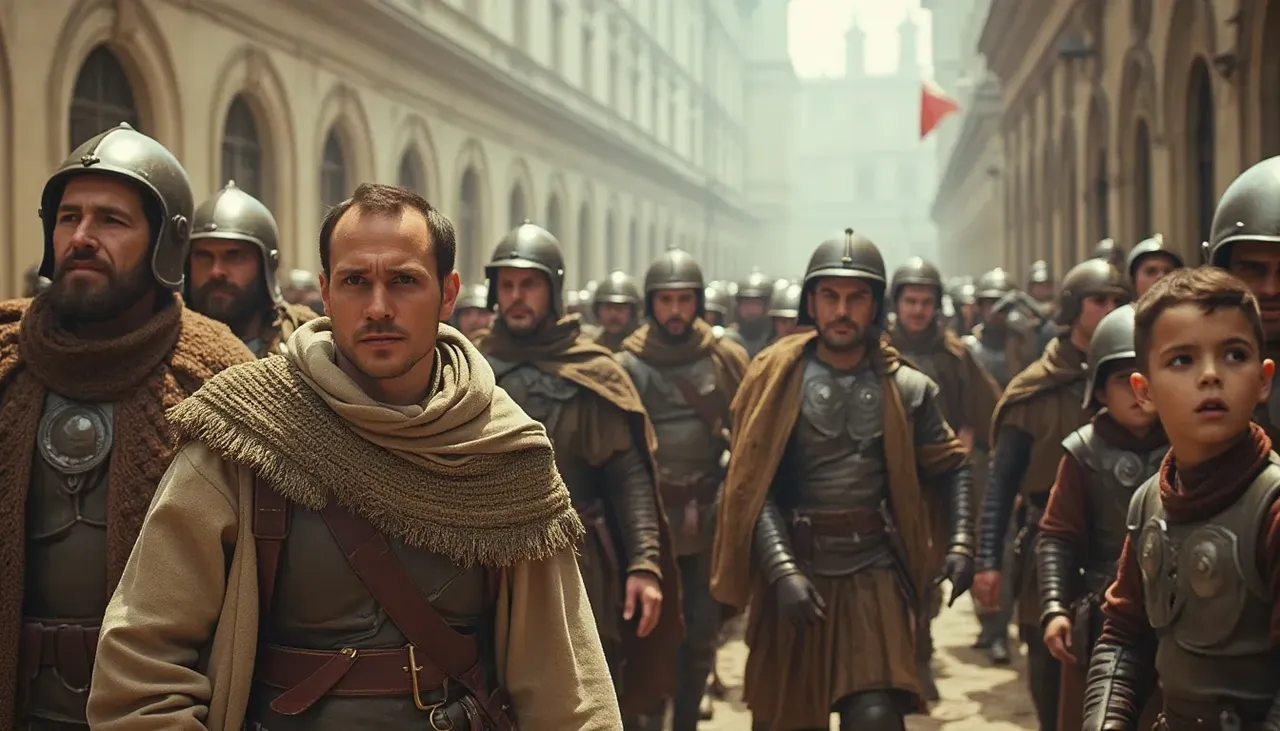
Friday the 13th is often associated with superstitions and bad luck in Western culture, but few people know the historical and religious events that some scholars and storytellers connect with this infamous date. One of the theories links Friday the 13th to the fall of the Knights Templar in 1307, while others look back at earlier Jewish history and the Maccabees, a group of Jewish freedom fighters, who played a significant role in resisting foreign domination in the 2nd century BCE. In this 12-page analysis, we will explore the historical and cultural origins of Friday the 13th and its connections, real or imagined, to the Maccabees. We will delve into the actual historical events behind both Friday the 13th and the Maccabees’ struggle, exploring their lasting impact on history, culture, and popular superstition.
1. The Origins of Friday the 13th: A Day of Bad Luck
1.1. Superstitions Around the Number 13
The fear of the number 13, known as triskaidekaphobia, has deep roots in Western culture. The number has long been considered unlucky or even cursed, partly due to its position following the more harmonious and balanced number 12. Throughout history, the number 12 has been seen as a symbol of completeness—there are 12 months in a year, 12 zodiac signs, 12 hours of day and night, and 12 apostles in Christian tradition. In contrast, 13 is often viewed as irregular or imbalanced.
Cultural and Religious Associations with 13: In several mythologies and religious traditions, the number 13 is seen as ominous. For example, in Norse mythology, the trickster god Loki is considered the 13th guest at a feast where he causes the death of the beloved god Balder, setting off a chain of tragic events.
1.2. The Significance of Fridays in Western Culture
Fridays have also been viewed with a degree of suspicion or negativity in Christian and Western tradition. In Christianity, Friday is associated with the crucifixion of Jesus Christ, an event considered both tragic and sacred. The day is sometimes seen as one of solemnity and mourning, especially within the context of Good Friday.
Friday as an Inauspicious Day: In medieval and early modern Europe, Fridays were considered unlucky days to begin new ventures, start journeys, or hold weddings. Mariners, in particular, were superstitious about setting sail on a Friday, believing it would bring misfortune.
1.3. Combining Friday and the Number 13
The combination of an unlucky number and an unlucky day seems to have led to the superstition around Friday the 13th. While no direct historical evidence points to a specific event in antiquity that gave rise to the fear of this date, various traditions and cultural beliefs about both Fridays and the number 13 coalesced over time to create the modern superstition.
The Influence of Literature and Popular Culture: Some scholars argue that the fear of Friday the 13th was largely popularized in the late 19th and early 20th centuries, especially through the publication of Friday, the Thirteenth (1907), a novel by American businessman Thomas W. Lawson. The book depicted the manipulation of the stock market and the subsequent panic that occurred on a Friday the 13th.
2. The Knights Templar and the Fall on Friday the 13th, 1307
2.1. Who Were the Knights Templar?
The Knights Templar was a powerful military order established in 1119, during the time of the Crusades. The Templars were initially founded to protect Christian pilgrims traveling to the Holy Land, but over time, they became a wealthy and influential organization with significant political and financial power throughout Europe.
The Templars’ Rise to Power: As the Crusades continued, the Templars gained vast wealth through donations from European nobility, who saw them as a pious and effective force against the Muslim rulers in the Middle East. The order also became involved in banking and amassed large amounts of land.
2.2. King Philip IV of France and the Fall of the Templars
By the early 14th century, the Templars’ immense wealth and influence had made them a target for political maneuvering. King Philip IV of France, heavily indebted to the Templars, sought to eliminate them and seize their assets. On Friday, October 13, 1307, King Philip ordered the arrest of hundreds of Templar knights throughout France.
The Mass Arrest and Charges of Heresy: The Templars were charged with a range of crimes, including heresy, blasphemy, and immorality. Under torture, many confessed to these charges, though the confessions were later recanted. The leader of the Templars, Jacques de Molay, was executed in 1314, and the order was officially disbanded by Pope Clement V under pressure from King Philip.
2.3. The Link Between Friday the 13th and the Templars
The arrest of the Templars on Friday the 13th, 1307, has been suggested by some as the origin of the superstition surrounding this date. While there is no definitive proof that this event is the sole cause of the modern fear of Friday the 13th, it is often cited as an example of the negative connotations associated with the date.
The Templar Myth and Popular Culture: The tragic fall of the Templars has since been romanticized in literature and popular culture, fueling conspiracy theories and legends. The notion that Friday the 13th is unlucky because of the Templars’ downfall has gained traction in modern storytelling, though it is not universally accepted by historians.
3. The Maccabees: Jewish Freedom Fighters of the 2nd Century BCE
3.1. The Historical Context: Judea Under Seleucid Rule
The Maccabees were a group of Jewish rebel warriors who led a revolt against the Seleucid Empire in the 2nd century BCE. At the time, Judea was under the control of the Seleucid king Antiochus IV Epiphanes, who sought to impose Hellenistic culture and religion on the Jewish population. Antiochus’s policies, including the desecration of the Second Temple in Jerusalem, sparked outrage among the Jews.
Hellenization and Religious Persecution: Antiochus IV’s attempts to suppress Jewish religious practices and enforce Hellenistic culture led to widespread discontent. Jewish rituals such as circumcision and Sabbath observance were forbidden, and the Temple was converted into a shrine for Greek gods.
3.2. The Maccabean Revolt
The revolt against the Seleucid Empire was led by a priest named Mattathias and his five sons, including Judah Maccabee, who became the most famous of the brothers. The Maccabees waged a guerrilla war against the Seleucid forces, eventually liberating Jerusalem and rededicating the Second Temple in 164 BCE—a victory commemorated in the Jewish festival of Hanukkah.
Judah Maccabee: The Hammer of God: Judah earned the nickname “Maccabee,” meaning “the Hammer,” for his fierce leadership in battle. Under his command, the Maccabees defeated larger and better-equipped Seleucid armies through their knowledge of the terrain and their determination to protect their faith.
3.3. The Rededication of the Temple and the Miracle of Hanukkah
Following the Maccabees’ victory, the Jews rededicated the Temple in Jerusalem. According to Jewish tradition, during the rededication, there was only enough consecrated oil to keep the menorah (the Temple’s candelabrum) burning for one day, but it miraculously lasted for eight days, providing enough time to prepare more oil.
The Legacy of Hanukkah: The story of the Maccabees and the miracle of the oil is celebrated each year during Hanukkah, the Festival of Lights. The holiday commemorates both the Maccabees’ military victory and the spiritual triumph of Jewish resilience in the face of persecution.
4. Connections Between the Maccabees and Friday the 13th
4.1. Is There a Link?
At first glance, the story of the Maccabees and the superstition surrounding Friday the 13th seem to have little in common. However, both involve themes of betrayal, oppression, and resistance against powerful forces. Some have speculated that these themes create a symbolic connection between the Maccabees’ struggle for religious freedom and the superstitions surrounding Friday the 13th.
Shared Themes of Persecution: Both the Maccabees and the Knights Templar were groups that faced persecution for their beliefs—whether from the Seleucid Empire or the French monarchy. In this sense, Friday the 13th and the Maccabean revolt can be seen as representing the fight against overwhelming odds and the resilience of faith.
4.2. Modern Interpretations and Symbolism
In modern culture, Friday the 13th has become associated with the idea of forces beyond one’s control leading to misfortune or disaster. Similarly, the Maccabees faced overwhelming odds and external pressure to abandon their religious identity, but through their strength and determination, they were able to overcome adversity.
Religious Resistance and Popular Mythology: The symbolic struggle between good and evil, or between religious faith and oppressive forces, can be seen in both the story of the Maccabees and the superstition surrounding Friday the 13th. Although there is no direct historical connection between the two, the themes of defiance against tyranny and the consequences of betrayal may resonate in both narratives.
5. The Templars, the Maccabees, and Popular Culture
5.1. The Influence of the Maccabees on Jewish Identity
The story of the Maccabees has had a lasting impact on Jewish identity and culture. Their fight for religious freedom and the rededication of the Temple have become powerful symbols of Jewish perseverance in the face of persecution, influencing Jewish thought and celebration for centuries.
The Maccabees in Zionist Thought: In the modern era, particularly during the rise of Zionism in the late 19th and early 20th centuries, the Maccabees were often held up as a model for Jewish nationalists. Their fight for independence and self-determination resonated with Jews seeking to establish a homeland in Palestine.
5.2. The Knights Templar and Their Legacy
The story of the Knights Templar has taken on a life of its own in Western popular culture. Over the centuries, the Templars have been the subject of countless legends, conspiracy theories, and works of fiction. From Dan Brown’s The Da Vinci Code to video games like Assassin’s Creed, the Templars are often portrayed as shadowy figures connected to secret knowledge and power.
Friday the 13th in Popular Culture: The superstition surrounding Friday the 13th has been popularized in modern times through horror films, most notably the Friday the 13th franchise, which has cemented the date’s association with bad luck and misfortune.
6. Religious and Historical Implications of Both Stories
6.1. Religious Perseverance in the Face of Oppression
Both the Maccabees and the Knights Templar represent examples of religious perseverance and resistance to oppression. The Maccabees fought to preserve their faith against the Hellenistic forces of Antiochus IV, while the Templars, although more politically driven, were destroyed by a monarch who sought to eradicate their influence.
Faith as a Motivating Force: For both the Maccabees and the Templars, faith played a central role in their actions. The Maccabees’ revolt was driven by a desire to protect Jewish religious traditions, while the Templars were initially founded to defend Christian pilgrims and uphold the faith of the Crusaders.
6.2. The Cultural Impact of Myth and Legend
The stories of both the Maccabees and the Templars have transcended their historical origins to become powerful myths in their respective cultures. The Maccabees have become synonymous with Jewish resilience, while the Templars have entered the realm of mystery and legend, their fate on Friday the 13th becoming a focal point for conspiracy theorists and storytellers.
The Power of Symbolism: Both stories illustrate how historical events can be transformed into symbols of larger ideas—faith, resistance, betrayal, and redemption. While Friday the 13th remains a symbol of bad luck, the Maccabees’ victory is celebrated as a symbol of hope and perseverance.
7. The Role of Friday the 13th in Historical Context
7.1. Friday the 13th and Historical Tragedies
In the centuries since the fall of the Templars, Friday the 13th has come to be associated with a variety of historical tragedies and misfortunes. While these events are often linked to the superstition after the fact, they contribute to the day’s reputation as a harbinger of bad luck.
Notable Friday the 13th Events: Several high-profile accidents and disasters have occurred on Friday the 13th, including the crash of a Uruguayan Air Force plane in the Andes in 1972 and the bombing of Buckingham Palace during World War II.
7.2. The Evolution of the Friday the 13th Myth
Over time, the myth of Friday the 13th has evolved from a superstition rooted in religious and cultural anxieties to a modern-day symbol of misfortune. While the origins of the superstition are complex and multifaceted, the day has become synonymous with bad luck in popular consciousness.
Media and the Modern Superstition: Today, Friday the 13th is often treated as a fun or frivolous superstition, with many people indulging in horror films or avoiding certain activities on the day. However, its deeper roots in historical events like the fall of the Templars and its association with tragedy remind us of the lasting power of myth.
8. The Impact of the Maccabees and the Knights Templar on Modern Faith
8.1. The Maccabees and Jewish Identity
The Maccabees’ victory over the Seleucid Empire and their rededication of the Temple remain central to Jewish identity, particularly during the celebration of Hanukkah. Their story of faith, courage, and resistance continues to inspire Jews around the world, serving as a reminder of the importance of religious freedom.
The Maccabees in Modern Times: The story of the Maccabees has been invoked in modern times to symbolize the Jewish struggle for self-determination, particularly during the establishment of the State of Israel. Their legacy is one of enduring faith and resilience.
8.2. The Templars and Their Influence on Christianity
While the Knights Templar were disbanded and persecuted in the early 14th century, their legacy has had a lasting impact on Christian thought and Western history. The Templars’ association with religious zeal, martyrdom, and mystery has made them a fixture in Christian legend and historical scholarship.
The Templars as Martyrs and Symbols: For some, the Templars are viewed as martyrs who were unjustly persecuted by a corrupt king, while for others, they represent the dangers of combining religious fervor with political ambition. Either way, their story has continued to captivate the imagination of generations.
9. The Legacy of Friday the 13th and the Maccabees in Popular Culture
9.1. Friday the 13th in Films and Literature
The superstition surrounding Friday the 13th has been immortalized in films, books, and television shows, often in the context of horror and suspense. The Friday the 13th movie franchise, which began in 1980, is perhaps the most famous example, featuring the masked killer Jason Voorhees and turning the day into a cultural icon of terror.
The Enduring Popularity of Friday the 13th: The continued success of horror films and thrillers based around the theme of Friday the 13th speaks to the public’s fascination with fear, bad luck, and the unknown. The day has become synonymous with ominous events in popular imagination.
9.2. The Maccabees in Jewish Literature and History
The Maccabees’ story has also been a frequent subject of Jewish literature, both historical and fictional. Their heroic resistance against the Seleucid Empire has been retold in various forms, from religious texts to novels, plays, and films.
Commemorating the Maccabees: The Maccabees’ story continues to inspire Jewish artists and writers, who explore themes of faith, sacrifice, and the struggle for religious freedom. Their story is an essential part of Jewish heritage, particularly during Hanukkah, when their victory is celebrated.
10. The Maccabees, the Templars, and the Evolution of Historical Myths
10.1. How Myths Evolve from History
Both the Maccabees and the Templars began as historical figures, but over time, their stories have evolved into myths with deep symbolic meaning. The process of myth-making often involves the blending of fact and fiction, with certain elements of the story emphasized to reflect larger cultural and religious ideals.
From Historical Events to Symbolic Stories: The historical realities of the Maccabean revolt and the fall of the Knights Templar have been reshaped by generations of storytellers, who use these events to explore themes of power, faith, and resistance.
10.2. The Role of Myths in Shaping Identity
Myths like those of the Maccabees and the Templars play a critical role in shaping cultural and religious identity. They provide communities with stories that reflect their values, fears, and aspirations, offering models of heroism, sacrifice, and perseverance.
Cultural and Religious Continuity: The myths of the Maccabees and the Templars serve as reminders of the importance of cultural and religious continuity. They help communities remember their past, understand their present, and shape their future.
11. The Impact of Friday the 13th and the Maccabees on Western Thought
11.1. Friday the 13th and Superstition in the Modern World
Friday the 13th remains one of the most enduring superstitions in Western culture. Even in a world increasingly dominated by science and technology, the fear of this date persists, with many people avoiding travel, major decisions, or important events on Friday the 13th.
Superstition vs. Rationality: The persistence of Friday the 13th as a symbol of bad luck highlights the tension between superstition and rationality in modern society. Even those who do not believe in the supernatural often find themselves influenced by cultural superstitions.
11.2. The Maccabees and the Fight for Religious Freedom
The Maccabees’ story of resistance against religious oppression continues to resonate with people around the world, particularly those who face persecution for their beliefs. Their struggle for religious freedom remains a powerful symbol of the importance of protecting the rights of individuals and communities to practice their faith.
Religious Freedom in the Modern World: The Maccabees’ legacy has inspired movements for religious freedom and human rights, reminding us that the fight for faith and identity is as relevant today as it was in ancient Judea.
12. Conclusion: The Real Stories Behind Friday the 13th and the Maccabees
While Friday the 13th and the Maccabees may seem like two unrelated stories, they both reflect deep cultural and religious themes that continue to resonate in the modern world. The superstition surrounding Friday the 13th, rooted in a mixture of historical events, religious beliefs, and cultural fears, has become a symbol of bad luck and misfortune. Meanwhile, the story of the Maccabees, rooted in the historical struggle for religious freedom, has become a symbol of perseverance, faith, and the fight for identity.
A Lasting Legacy of Myth and History: Both Friday the 13th and the Maccabees remind us of the power of myth and history to shape our understanding of the world. Whether through the fear of an unlucky day or the celebration of a victorious rebellion, these stories continue to influence how we think about fate, faith, and freedom.
The Power of Faith and Resistance: Ultimately, the stories of the Maccabees and the Knights Templar, and the myths surrounding Friday the 13th, illustrate the enduring human desire to understand the forces of good and evil, luck and misfortune, and the role of faith in overcoming adversity. These stories have transcended their historical origins to become part of the cultural fabric that shapes our beliefs and superstitions today.
Leave a Reply