Blog

  • The CIA’s Bizarre Cold War Plan: XL Condoms Labeled “Medium” to Intimidate the Soviets.

    By Scott J. Arnold

    The CIA’s Bizarre Cold War Plan: XL Condoms Labeled “Medium” to Intimidate the Soviets

    During the height of the Cold War, both the United States and the Soviet Union engaged in numerous psychological operations (PSYOPs) designed to confuse, demoralize, or intimidate the other side. These operations ranged from elaborate misinformation campaigns to bizarre and outlandish proposals. One of the strangest ideas ever considered by the CIA was a plan to drop extra-large condoms labeled as “medium” onto Soviet territory, with the intention of making Soviet citizens believe that American men were anatomically superior, and by extension, that the U.S. was more powerful as a nation.

    Though it never came to fruition, the plan stands as a curious example of the lengths to which the CIA and U.S. military strategists were willing to go to assert dominance during the Cold War, often through psychological warfare rather than direct confrontation. This proposal sought to exploit sexual insecurities and the perceived link between physical attributes and military strength, turning an anatomical comparison into a potential symbol of American superiority.
    The Origins of the Plan

    The Cold War was an era marked by intense rivalry between the United States and the Soviet Union, with both superpowers vying for global influence. Alongside the arms race and the space race, there was a quieter but equally potent battle for psychological supremacy. Psychological warfare was seen as an effective means to undermine the morale of the enemy, and both the CIA and the KGB engaged in numerous PSYOPs during the conflict.

    The idea to drop condoms labeled “medium” as a tactic in this psychological battle emerged from the broader context of Cold War strategizing, where anything that could weaken the confidence of the Soviet population or its leadership was considered a potential asset. The CIA’s thinking was simple: if the Soviets believed that American men were physically larger or stronger, they might internalize this as a sign that the U.S. was also superior in other areas—most importantly, in terms of military strength and technological advancement.

    Sexuality and masculinity have long been tied to perceptions of power, and the plan to drop XL condoms with misleading labels aimed to exploit this psychological association. By distributing condoms that were significantly larger than standard sizes and labeling them “medium,” the CIA hoped to send a message that American men were not only bigger but that their “average” was far beyond what the Soviets could measure up to.
    The Psychological Aspect: Undermining Soviet Morale

    At the core of the plan was the belief that people are easily swayed by subtle, psychological messages that challenge their own sense of identity or self-worth. The CIA hoped that the Soviet military and public would perceive the larger-than-normal condoms as proof that American men were physically superior, leading to a subtle but potentially demoralizing sense of inferiority.

    In a society like the Soviet Union, where the state promoted images of strength, unity, and power, planting seeds of doubt about even seemingly trivial matters—such as physical attributes—could be an effective psychological weapon. If the condoms made Soviet soldiers, men, and officials feel less physically imposing in comparison to their American counterparts, it could erode their confidence in their own superiority, and by extension, the strength of the Soviet state.

    The tactic relied on symbolic communication, using sexual innuendo to assert American dominance without firing a single shot. While it may seem humorous, the underlying goal was serious: to undermine the morale of Soviet citizens and soldiers, potentially leading to a weakening of the Soviet resolve in the broader geopolitical struggle.
    Why the Plan Was Never Executed

    Despite the creativity of the idea, the plan to drop condoms labeled “medium” was never put into action. There are several reasons why it likely remained just a proposal on the drawing board:

    Risk of Backfiring: The psychological tactic, while potentially clever, could have backfired if the Soviets saw through the ploy and exposed the plan as propaganda. This could have embarrassed the U.S. and reduced the credibility of its PSYOPs.
    Logistical Challenges: Dropping condoms over Soviet territory would have required significant resources and risked detection. It also wasn’t clear how widespread the distribution would need to be to achieve the desired effect.
    Ethical and Diplomatic Concerns: While the Cold War was characterized by numerous covert operations and intelligence tactics, the idea of dropping condoms to demoralize an enemy population might have been seen as too crude or undignified for the CIA or U.S. military leadership. There was also the concern that such a tactic could strain diplomatic relations further.
    Lack of Proven Effectiveness: Though it might have worked on a symbolic level, there was no guarantee that the plan would have had any measurable impact on Soviet morale. It was ultimately considered too far-fetched or impractical compared to other psychological warfare tactics that were already in use.

    Cold War Psychological Warfare: A Broader Context

    The Cold War was full of strange and creative ideas designed to manipulate public perception. Some notable examples include:

    Operation Mongoose: A series of covert CIA operations aimed at destabilizing the regime of Cuban leader Fidel Castro. These included everything from attempts to assassinate Castro to absurd plots to discredit him by making his beard fall out.
    Operation Northwoods: A proposed (but ultimately rejected) plan to stage fake terrorist attacks on U.S. soil to justify military intervention in Cuba.
    Radio Free Europe: A long-running program that broadcast anti-Soviet propaganda and news to Eastern Bloc countries, attempting to weaken Soviet control over their satellite states.

    In the grand scheme of Cold War psychological operations, the condom plan stands out as one of the most unusual, demonstrating the lengths to which intelligence agencies were willing to go to gain an edge over their adversaries. While many other PSYOPs involved more direct political or military themes, the condom plan took a different approach, attempting to undermine Soviet pride in a very personal and intimate way.
    Conclusion: A Cold War Oddity

    The CIA’s plan to drop XL condoms labeled “medium” on Soviet territory is one of the strangest—and least known—episodes of the Cold War. While it was never executed, the mere fact that it was considered highlights the creativity (and sometimes absurdity) that defined psychological warfare during this period. The plan was emblematic of the larger effort to weaken the Soviet Union not just militarily but psychologically, using every tool at the U.S.’s disposal, no matter how unconventional.

    Though it remains a footnote in the long history of Cold War espionage and propaganda, the condom plan is a reminder of how psychological tactics were employed to influence perception and morale on both sides of the Iron Curtain.

  • The Albanian mafia.

    By Scott J. Arnold

    The Albanian mafia

    Introduction

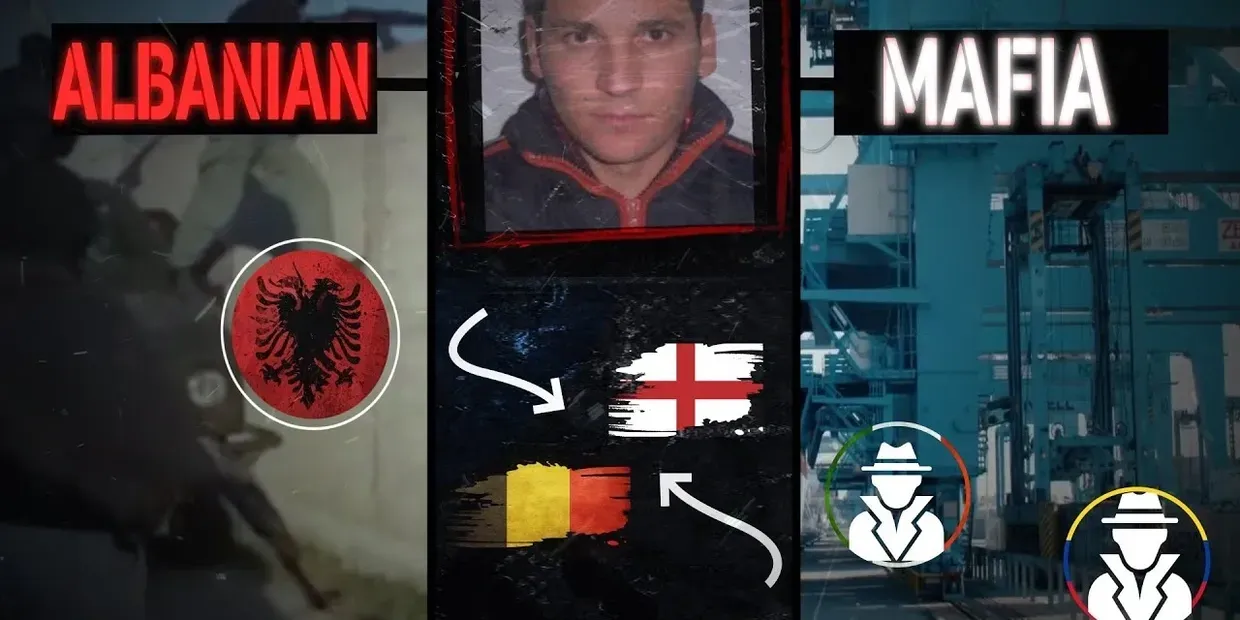
    The Albanian mafia, also known as Mafia Shqiptare, is a powerful organized crime group based in Albania and composed of ethnic Albanians. Active globally since the 1990s, this network has developed into a significant force in the underworld, notorious for its complex and resilient structures, violent enforcement methods, and widespread involvement in various criminal enterprises, including drug trafficking, arms smuggling, human trafficking, and extortion.
    Structure and Composition

    The Albanian mafia is known for its hierarchical clan system, characterized by tightly-knit family-based structures. Each clan operates independently, with a clear chain of command that ensures loyalty and secrecy among its members. The family heads, known as “Krye” or bosses, oversee operations with the help of underbosses and other key figures who manage different aspects of the criminal enterprise.

    Membership is often based on blood relations and familial ties, making it incredibly difficult for outsiders to infiltrate these groups. Clan members maintain a code of conduct rooted in traditional Albanian values, such as “besa” (a term denoting trust and loyalty), which reinforces internal discipline and the strict adherence to group norms.
    International Activities and Influence

    The Albanian mafia’s influence extends far beyond Albania, with a significant presence in Europe, North America, South America, and other parts of the world. They have established themselves in key drug trafficking routes, particularly in collaboration with Italian organized crime groups like the ‘Ndrangheta, with whom they control substantial portions of the cocaine market in Europe.

    In countries like Italy, Belgium, France, Germany, and the UK, the Albanian mafia is heavily involved in a variety of illegal activities, including narcotics distribution, human trafficking, and violent crimes. In North America, particularly in the United States, Albanian-American crime groups like the Rudaj Organization have garnered attention for their operations in New York City.

    The mafia’s operations are supported by complex networks that integrate seamlessly into local criminal environments, making them difficult for law enforcement to combat. Their adaptability and strong international connections have allowed them to monopolize certain illegal markets, such as the trafficking of arms and humans, often working in partnership with other major crime organizations.
    Codes of Conduct and Rituals

    One of the distinctive features of the Albanian mafia is its adherence to traditional codes of conduct, which play a crucial role in maintaining order and loyalty within the group. The concept of “besa,” an ancient Albanian code of honor that emphasizes loyalty and trust, serves as a binding force for members. Breaking this code is considered one of the gravest offenses, often met with severe consequences.
    Prominent Clans and Members

    The Albanian mafia is composed of several influential clans, each operating in different regions within Albania and internationally. These clans control various illegal activities, often using violence and intimidation to maintain their dominance. Some prominent figures have gained notoriety for their roles in large-scale criminal operations and their connections with political figures, further highlighting the mafia’s deep-rooted influence.
    Origins and Rise to Power

    The Albanian mafia’s roots trace back to the chaotic political and economic conditions of Albania in the early 1990s, following the fall of communism. As the state’s control weakened, criminal groups rapidly formed, taking advantage of the vacuum in law enforcement. These groups were initially small-time smugglers and racketeers but quickly expanded into more profitable activities as they established themselves internationally.
    Expansion into Europe and Beyond

    The Albanian mafia became particularly powerful in Italy, where they initially cooperated with Sicilian and Calabrian crime groups to smuggle cigarettes, arms, and drugs. By the late 1990s, the Albanians had cemented their role in the European drug trade, handling significant portions of the heroin and cocaine markets. They used Albania’s strategic position along the Adriatic Sea as a gateway to Europe, trafficking illicit goods through Greece, Italy, and into the broader continent.

    Their ability to form alliances with local criminal organizations, such as the Sicilian Mafia and the ‘Ndrangheta, helped them secure drug routes and expand their influence. In the UK, the Albanian mafia has been instrumental in the sex trafficking industry, where they are notorious for their brutal enforcement tactics and exploitation of vulnerable individuals.
    Activities and Tactics

    The Albanian mafia is involved in a wide array of illegal activities, including:

    Drug Trafficking: The group plays a major role in the global drug trade, dealing mainly in heroin, cocaine, and cannabis. They often act as middlemen between South American cartels and European markets, efficiently managing drug routes across international borders.
    Human Trafficking and Prostitution Rings: The Albanian mafia has a significant presence in human trafficking, especially in the trafficking of women for prostitution. They lure women from Eastern Europe and Africa under false pretenses, subjecting them to forced labor and exploitation.
    Arms Smuggling: In addition to drugs, the Albanian mafia is deeply involved in the trafficking of weapons, often trading arms that originate from the Balkan conflicts of the 1990s. They have been linked to providing illegal firearms to other criminal organizations and conflict zones.
    Extortion and Racketeering: Extortion is a primary source of income for the mafia, using intimidation and violence to control businesses and demand protection money. They are known for their ruthless enforcement, often using threats and physical violence to maintain control.

    Relations with Other Criminal Organizations

    The Albanian mafia’s success is partly due to its strategic alliances with other criminal groups. Their cooperation with Italian Mafia families, Russian organized crime groups, and South American cartels allows them to operate across a diverse range of illegal markets. These partnerships have been mutually beneficial, helping the Albanian mafia gain access to established trafficking routes and markets.
    Law Enforcement Challenges

    The Albanian mafia’s secretive structure and use of traditional codes of conduct pose significant challenges to law enforcement agencies. Members are often bound by “omertà” (a code of silence) and family loyalty, making them impervious to infiltration by authorities. Additionally, their international reach complicates efforts to dismantle the organization, as law enforcement agencies must coordinate across multiple jurisdictions to address their activities.

    Despite numerous high-profile arrests and crackdowns, the Albanian mafia has shown a remarkable ability to adapt and persist. Their operations are highly decentralized, allowing them to continue functioning even when key members are apprehended.
    Impact on Albania and Global Perception

    The influence of the Albanian mafia extends beyond criminal enterprises; it has significantly impacted Albania’s political and economic landscape. Corruption within the government and law enforcement has often been linked to mafia operations, with bribes and intimidation being used to protect their interests. This has led to a tarnished global image for Albania, with the country often being associated with organized crime and corruption.
    Conclusion

    The Albanian mafia’s rise to prominence is a testament to its adaptability, strategic alliances, and ruthless enforcement methods. With operations spanning drug trafficking, human smuggling, and more, they remain one of the most formidable and elusive organized crime groups in the world. Their continued presence underscores the challenges of combating transnational organized crime in the modern era.

  • Sweetheart Grips: A Tale of Love and War

    By Scott J. Arnold

    Sweetheart Grips: A Tale of Love and War

    During World War II, soldiers on the frontlines found themselves far from the comforts of home and the loved ones they left behind. As they faced the horrors of war, many sought ways to carry a personal piece of their lives with them—a reminder of what they were fighting for. One poignant expression of this emotional connection was the creation of “sweetheart grips,” a unique and touching form of customization for their firearms. These grips were fashioned by soldiers themselves using Plexiglas salvaged from downed aircraft. Inside, soldiers would place photographs of their sweethearts, wives, children, or family members. The sweetheart grips not only served as a source of comfort but also symbolized the intersection of war and personal life, love and duty.

    This article explores the history of sweetheart grips, their construction, significance, and the emotional and cultural meaning they held for soldiers and their loved ones during the war.
    Origins of Sweetheart Grips

    The tradition of customizing weapons is as old as warfare itself. Soldiers throughout history have personalized their equipment to reflect their personalities, victories, or cultural symbols. However, the concept of sweetheart grips arose uniquely during World War II, when soldiers found themselves separated from their loved ones for extended periods. During this time, the materials available to soldiers—such as Plexiglas—combined with the emotional need for a reminder of home, resulted in a creative, practical, and sentimental way for soldiers to stay connected to their families.

    Plexiglas, or polymethyl methacrylate (PMMA), was a relatively new material during the war, introduced in the 1930s. Its durability and lightweight nature made it an ideal material for the cockpits of aircraft, especially fighter planes and bombers. When these aircraft were damaged or destroyed in combat, soldiers would scavenge pieces of Plexiglas from the wreckage. This material could be cut and shaped easily, making it perfect for crafting transparent pistol grips.

    As soldiers longed to keep a visual reminder of their loved ones close by, they began to create custom grips for their pistols. By placing photographs of wives, girlfriends, children, or even pin-up girls beneath the clear Plexiglas, they personalized their firearms in a way that was both functional and deeply meaningful. The photographs were usually carefully cut to fit the shape of the grip, and in some cases, soldiers would add inscriptions or decorations to further customize the design.
    Crafting the Grips: Innovation on the Frontlines

    The process of making sweetheart grips required both ingenuity and craftsmanship. While some soldiers had access to basic tools like knives or files, others had to make do with whatever was available to them in the field. Using small saws or heated blades, they would cut the Plexiglas to match the shape of their pistol grips, usually for sidearms like the Colt M1911, one of the most common service pistols during the war.

    Once the shape was cut, the soldiers would sand down the edges to ensure a smooth fit on the gun’s handle. They would then choose a cherished photograph to place under the Plexiglas. These photos were usually sent from home in letters or carried by soldiers when they left for war. Soldiers often trimmed the photographs carefully to fit the contours of the grips, ensuring the image was perfectly framed by the Plexiglas.

    In some cases, soldiers added additional embellishments to their sweetheart grips. Using small tools or even makeshift engraving devices, they might etch their loved ones’ names, messages, or dates onto the Plexiglas. Others painted the backs of the grips to highlight the photograph more vividly. Despite the hardships of wartime, soldiers poured their creativity into this small but significant project, resulting in grips that were not just functional but deeply personal.
    The Emotional Significance of Sweetheart Grips

    For many soldiers, their weapons were an extension of themselves—tools for survival in the harshest of environments. Personalizing these weapons gave them a sense of individuality in a situation where uniformity and regulations often stripped away personal identity. Sweetheart grips were one way for soldiers to reclaim a sense of self, and more importantly, to carry a constant reminder of the people they loved most.

    The photographs placed under the Plexiglas often showed the faces of wives, girlfriends, or fiancées waiting for the soldier’s safe return. These images were powerful motivators, a visual connection to the soldier’s life back home. As they faced combat, fear, and uncertainty, these photographs provided emotional strength and a sense of purpose. Soldiers would often look at the photographs in quiet moments, drawing comfort from the thought that someone was waiting for them to come home.

    For many soldiers, the grips also served as a form of mental and emotional grounding. War often strips individuals of control over their circumstances. In the heat of battle, when death and destruction surrounded them, these simple photographs offered solace. No matter how chaotic the world around them became, the images of their loved ones under the grips remained a source of peace.

    In a broader sense, sweetheart grips represented the tension between love and war. The duality of holding a weapon—a tool of destruction—encased with a photograph of someone beloved is symbolic of the difficult choices soldiers faced. They were tasked with taking lives in the name of duty while yearning for the life they had left behind. The grips, in this way, were both a reminder of why they fought and the life they hoped to return to.
    Love Letters in Plexiglas: Messages from the Frontline

    While photographs were the most common inserts in sweetheart grips, some soldiers went further by incorporating small love letters or messages from their partners into the grips. These tiny notes were folded neatly under the Plexiglas, serving as tangible tokens of affection that could be read or simply carried as a source of strength.

    In many cases, these letters reflected the deep longing and emotional distance felt by soldiers and their partners. Soldiers often faced long deployments with little communication from home. Letters could take weeks or months to arrive, and soldiers lived with the constant uncertainty of whether their loved ones were safe or if they would ever return home. The sweetheart grips, with their enclosed notes or photographs, became a way to carry those letters with them at all times.

    Some soldiers would etch romantic inscriptions on the grips themselves, such as “Yours Forever” or “Until We Meet Again,” immortalizing their affection in a way that transcended the distance and dangers they faced. These notes often took on heightened significance as the war dragged on and the chances of returning home seemed increasingly uncertain.
    The Role of Pin-Up Girls in Sweetheart Grips

    Not all sweetheart grips contained images of personal loved ones. For many soldiers, photographs of pin-up girls—glamorous actresses or models of the time—served as a comforting reminder of the world outside the battlefield. During World War II, pin-up culture was widespread, with images of Hollywood stars like Betty Grable, Rita Hayworth, and Veronica Lake adorning lockers, barracks, and even planes.

    Pin-up girls were seen as a symbol of beauty, femininity, and normalcy during a time when soldiers were surrounded by the grim realities of war. By including pin-up images in their sweetheart grips, soldiers sought to preserve a sense of joy and escapism, a reminder of the better things in life. While these grips lacked the personal connection of a loved one’s photo, they still carried deep emotional meaning for soldiers seeking comfort amidst the horrors of battle.
    A Symbol of Survival

    Beyond their emotional and sentimental value, sweetheart grips were also viewed as talismans of survival. Many soldiers believed that these grips brought them luck in combat, offering protection as they faced danger. The photos of their loved ones became symbols of hope and resilience, giving soldiers a psychological edge as they confronted the realities of war.

    In some instances, soldiers who survived harrowing encounters credited their sweetheart grips with giving them the courage to persevere. The belief that these grips offered a connection to home was enough to bolster a soldier’s spirit, helping them endure the long months and years of fighting. These grips, with their carefully preserved images, were not merely accessories; they were lifelines to the emotional core of the soldiers who carried them.
    Sweetheart Grips and the Home Front

    While sweetheart grips provided comfort to soldiers in the field, they also had an important connection to the home front. Women who sent photos to their husbands, fiancés, or boyfriends often understood that these images would be placed in sweetheart grips. The practice was widely known among soldiers, and many women sent specific photographs intended for this purpose.

    For families and loved ones, knowing that their image was accompanying a soldier into battle brought both pride and sorrow. They knew their soldier faced immense danger but took comfort in knowing that they could offer emotional support, even from afar. The practice of creating sweetheart grips thus became a shared experience, bridging the gap between the war front and the home front.
    After the War: A Lasting Legacy

    With the end of World War II in 1945, many soldiers returned home, bringing with them the sweetheart grips that had accompanied them through the conflict. For some, these grips became cherished keepsakes, symbols of the love and hope that had sustained them during the war. Others passed them down to their children or displayed them as reminders of their service.

    Sweetheart grips, with their intimate connection to both war and personal life, have since become collectors’ items. Military enthusiasts and historians prize these grips not only for their craftsmanship but for the emotional stories they tell. Each grip is a unique artifact, bearing witness to the personal experiences of soldiers who fought in one of history’s most devastating wars.
    Conclusion: Love in the Face of War

    The tradition of sweetheart grips is a testament to the power of love and the human need for connection, even in the darkest of times. Soldiers who created these grips found a way to carry a piece of home with them, a reminder of what they were fighting for. The grips served as a personal expression of identity, a talisman for survival, and a symbol of the deep emotional bonds that endure in times of war.

    As we look back on World War II and the sacrifices made by those who served, sweetheart grips offer a poignant glimpse into the personal lives of soldiers. They remind us that, amidst the violence and chaos of war, the human heart still yearns for love, connection, and the hope of a better tomorrow.

  • Lady Godiva: Exploration of the Legendary Figure.

    By Scott J. Arnold

    Lady Godiva: A Comprehensive 12-Page Exploration of the Legendary Figure

    Lady Godiva’s tale is one of the most enduring legends from medieval England. Known for her daring ride through the streets of Coventry, clothed only in her long hair, Lady Godiva has become a symbol of courage, generosity, and defiance. The story, which blends historical fact with legend, has inspired countless retellings in art, literature, and popular culture. In this 12-page analysis, we will explore the life of Lady Godiva, the historical context of her famous ride, the significance of her story, and its cultural legacy over the centuries.
    1. The Historical Lady Godiva: Fact vs. Fiction
    1.1. Who Was Lady Godiva?

    Lady Godiva, or Godgifu (an Old English name meaning “gift of God”), was a real historical figure who lived in 11th-century England. She was married to Leofric, Earl of Mercia, one of the most powerful noblemen in England during the reign of King Edward the Confessor.

    Her Noble Status: Godiva was a wealthy and influential Anglo-Saxon noblewoman, known for her piety and charitable works. Along with her husband, she was a significant landowner, with estates in Coventry, Warwickshire, and other regions.

    1.2. Leofric, Earl of Mercia

    Leofric, Godiva’s husband, played a crucial role in English politics during a time of considerable upheaval. As one of the most powerful earls in the kingdom, Leofric was a key figure in maintaining order in the Midlands and had close ties to King Edward the Confessor.

    Leofric’s Influence: Leofric was known for his military and political might, but historical records also suggest that he was a devout man who supported the construction of religious institutions, including monasteries and churches.

    2. The Legendary Ride: Lady Godiva’s Protest
    2.1. The Core of the Legend

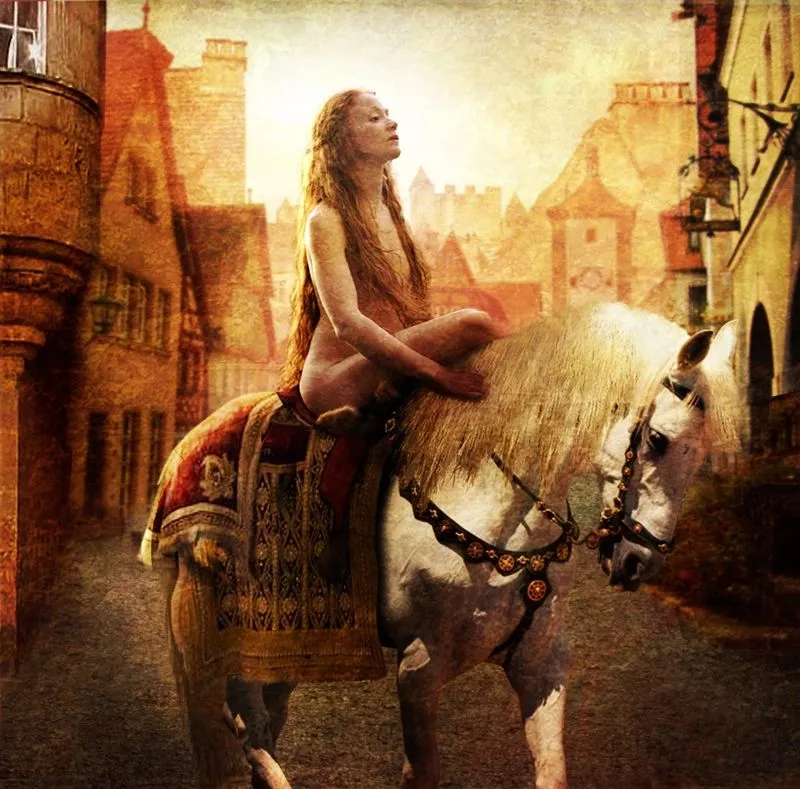
    According to the famous legend, Lady Godiva rode naked through the streets of Coventry to protest her husband’s oppressive taxation of the townspeople. The legend states that Godiva pleaded with her husband to lower the taxes, but Leofric refused, setting what he thought was an impossible condition: he would lower the taxes if she rode naked through the town. To his surprise, she accepted the challenge.

    The Ride Itself: Lady Godiva’s ride is said to have taken place while she was covered only by her long hair, which concealed her body from view. Out of respect for her, the people of Coventry were ordered to stay indoors with their windows shuttered, so no one would see her.

    2.2. The “Peeping Tom” Element

    One of the later additions to the legend is the character of “Peeping Tom,” a curious tailor who defied the order to stay indoors and peeked at Godiva during her ride. As punishment for his disobedience, he was struck blind.

    Symbolism of “Peeping Tom”: This aspect of the legend emphasizes the respect the townspeople had for Godiva, as well as the idea of punishment for violating her dignity.

    2.3. The Historical Accuracy of the Ride

    While Lady Godiva was indeed a real person, there is no direct evidence that her famous ride ever took place. The story first appeared in written form centuries after her death, in the 12th century, in the chronicles of Roger of Wendover.

    Roger of Wendover’s Account: Wendover’s account is the earliest written version of the story, though it is more likely an embellishment or creation than a historical fact. The legend reflects the cultural values of the time, particularly themes of humility, generosity, and defiance against authority.

    3. The Political Context: Taxes and Power in 11th-Century England
    3.1. Anglo-Saxon Taxation

    The central issue in the Lady Godiva legend is taxation. During the time of Leofric and Godiva, taxes were a significant burden on both peasants and townspeople, often imposed to support military campaigns, royal projects, or local governance.

    Leofric’s Taxes on Coventry: The legend claims that Leofric imposed heavy taxes on the people of Coventry, causing widespread suffering. In reality, Leofric, as the Earl of Mercia, would have had control over local taxes, though there is no specific historical record of him raising taxes to an oppressive level.

    3.2. Feudal Society and Power Structures

    In feudal England, the noble class held immense power over local economies. Earls like Leofric had the authority to levy taxes, administer justice, and control land. However, their actions were often constrained by their relationships with the king and other nobles.

    Godiva’s Influence as a Noblewoman: As the wife of one of the most powerful men in England, Godiva would have had significant influence in the local community, particularly through her charitable works. Her legendary ride can be seen as a metaphor for using personal influence to protect the vulnerable.

    4. Religious Devotion and Charitable Works
    4.1. Godiva’s Religious Piety

    Both Godiva and Leofric were known for their religious devotion. They were patrons of various religious institutions, including monasteries and churches, which played a central role in medieval society.

    St. Mary’s Monastery: One of the most significant religious contributions made by Godiva and Leofric was the founding of St. Mary’s Monastery in Coventry. This act of piety demonstrated their commitment to the Church and their desire to ensure the spiritual well-being of their community.

    4.2. Medieval Charitable Traditions

    Noblewomen like Godiva often played a key role in charitable activities during the medieval period. In a time when the Church was a major provider of social services, Godiva’s donations and charitable efforts would have been significant.

    Endowments and Donations: In addition to founding religious institutions, Godiva and Leofric donated large sums of money and land to support the Church. These actions reflected the values of the time, where wealth was often used to secure divine favor and ensure salvation.

    5. Gender and Power in Medieval Society
    5.1. Women’s Roles in Feudal England

    While medieval society was largely patriarchal, noblewomen like Lady Godiva could wield considerable influence, especially through their marriages and control of estates. Women in noble families were often responsible for managing households, overseeing agricultural production, and serving as patrons of the arts and religion.

    Godiva’s Authority: As the wife of an earl, Godiva would have had substantial authority in her own right. Her role as a landowner and benefactor of the Church suggests that she had a significant say in the management of her and her husband’s wealth.

    5.2. The Feminist Interpretation of Godiva’s Ride

    In modern times, Lady Godiva’s ride has been interpreted as an act of defiance and empowerment. The image of a woman challenging authority and standing up for the oppressed has resonated with feminist scholars and activists.

    Challenging Male Authority: Godiva’s ride can be seen as a symbolic challenge to male authority, particularly that of her husband. Her willingness to make such a bold statement suggests that women could—and did—exercise agency in medieval society, even within the constraints of a patriarchal system.

    6. The Evolution of the Legend in the Middle Ages
    6.1. Medieval Chronicles and the Spread of the Legend

    The legend of Lady Godiva spread during the medieval period, evolving as it was passed down through oral tradition and written chronicles. The story took on new layers of symbolism, reflecting the values and concerns of the time.

    Romanticization of the Story: As the legend spread, it became more romanticized, with later writers adding elements such as the “Peeping Tom” character and emphasizing Godiva’s modesty and virtue.

    6.2. Religious Interpretations

    Some medieval commentators interpreted Lady Godiva’s ride as a religious allegory, viewing her as a figure of Christian humility and sacrifice. Her willingness to expose herself for the sake of the common people was seen as a Christ-like act of selflessness.

    Godiva as a Saintly Figure: In some accounts, Godiva was portrayed as a quasi-saintly figure, whose ride represented her devotion to the poor and oppressed. While she was never canonized, her legend took on a moral and religious significance in the medieval imagination.

    7. The Renaissance and Enlightenment: Godiva in Art and Literature
    7.1. Renaissance Depictions of Godiva

    During the Renaissance, the story of Lady Godiva was revived and depicted in paintings, poetry, and plays. Artists and writers were fascinated by the image of the virtuous noblewoman who defied convention to stand up for her people.

    Allegorical Interpretations: In Renaissance art, Lady Godiva’s ride was often depicted allegorically, symbolizing civic virtue, self-sacrifice, and the power of women’s modesty. Her long hair, which covered her naked body, became a symbol of her purity and moral strength.

    7.2. Literary Works on Godiva

    Writers such as John Speed and Richard Grafton included the story of Lady Godiva in their histories of England, adding to its status as a national legend. Godiva’s story became a way to reflect on themes of power, taxation, and civic duty.

    Popularization in Literature: As literacy rates increased, the story of Lady Godiva became more widely known, spreading beyond elite circles and entering popular culture.

    8. Victorian Morality and the Godiva Legend
    8.1. Tennyson’s “Godiva”

    One of the most famous literary adaptations of the Godiva legend came in the Victorian era, with Alfred, Lord Tennyson’s poem Godiva, published in 1842. Tennyson’s version of the story emphasized Lady Godiva’s purity and selflessness, aligning her with Victorian ideals of womanhood.

    Godiva as a Moral Example: In Tennyson’s poem, Godiva is portrayed as a moral exemplar, whose willingness to sacrifice her modesty for the greater good made her a symbol of civic virtue. Her ride was seen as an act of quiet heroism, reflecting Victorian values of duty, self-sacrifice, and charity.

    8.2. Victorian Art and Imagery

    The 19th century also saw an explosion of visual art depicting Lady Godiva. Artists like John Collier and Edmund Blair Leighton painted romanticized images of Godiva’s ride, often emphasizing her beauty and modesty.

    Godiva in Pre-Raphaelite Art: The Pre-Raphaelite painters, who were known for their interest in medieval and mythological subjects, found inspiration in the Godiva legend. Their paintings often depicted her as an ethereal, almost otherworldly figure, representing both beauty and moral strength.

    9. Godiva in Popular Culture and Folklore
    9.1. Godiva in Modern Media

    Lady Godiva has continued to captivate audiences in modern times, with her story appearing in films, television shows, and other media. Her image has become iconic, often symbolizing rebellion, sacrifice, and feminine power.

    Film and Television Adaptations: Films such as Lady Godiva of Coventry (1955) and references to Godiva in modern television shows reflect the enduring appeal of her legend. Her story has been adapted to fit various genres, from historical drama to romantic fantasy.

    9.2. Folklore and Festivals

    The legend of Lady Godiva remains an important part of Coventry’s cultural heritage. The annual Godiva Procession, which dates back to the 17th century, celebrates her legacy and draws visitors to the city.

    Coventry’s Godiva Festival: Today, Coventry’s Godiva Festival is one of the largest free music festivals in the UK, combining music, art, and history to celebrate the city’s most famous figure. The festival includes a ceremonial procession featuring a symbolic representation of Lady Godiva’s ride.

    10. Feminist Interpretations of Lady Godiva
    10.1. Godiva as a Feminist Icon

    In recent years, Lady Godiva has been reinterpreted as a feminist icon. Her willingness to challenge her husband’s authority and her commitment to social justice have resonated with women’s rights movements.

    Godiva and Women’s Autonomy: Godiva’s decision to ride naked through the streets can be seen as a radical assertion of bodily autonomy and agency. In this interpretation, her nudity is not a symbol of vulnerability but of empowerment.

    10.2. Reclaiming Godiva in Feminist Art

    Feminist artists have used the image of Lady Godiva to challenge traditional gender roles and explore themes of power, control, and the female body. Her story has been reimagined as a critique of patriarchal systems and a celebration of women’s strength.

    Contemporary Art: Modern visual artists and performers have drawn on the Godiva legend in their work, using her story to explore issues of gender, sexuality, and political activism.

    11. The Global Influence of the Godiva Legend
    11.1. Godiva in International Art and Literature

    Although Lady Godiva is a distinctly English figure, her legend has transcended national borders, appearing in art and literature around the world. The themes of power, protest, and self-sacrifice resonate across cultures.

    French and Italian Interpretations: In France and Italy, the Godiva legend has been adapted into operas, plays, and visual art, often emphasizing the themes of civic duty and personal sacrifice.

    11.2. The Chocolate Connection: Godiva as a Commercial Symbol

    The famous Belgian chocolate company, Godiva, was named after Lady Godiva in the 1920s, capitalizing on the association between luxury, beauty, and nobility. Today, Godiva chocolates are sold around the world, and the brand’s logo features an image of Lady Godiva on her horse.

    The Commercialization of Godiva: While the use of Lady Godiva’s image for commercial purposes may seem far removed from the original legend, it reflects the enduring appeal of her story as a symbol of elegance and generosity.

    12. Conclusion: The Enduring Legacy of Lady Godiva

    Lady Godiva’s story has survived for nearly a thousand years, evolving from a medieval legend into a powerful symbol of defiance, virtue, and feminine strength. Whether viewed as a historical figure, a moral exemplar, or a feminist icon, Lady Godiva continues to inspire people around the world.

    A Symbol of Justice and Sacrifice: At the heart of the Godiva legend is the theme of justice—the idea that one person can stand up against injustice, even at great personal cost. Her story has become a metaphor for the struggle for fairness and equality, a message that remains relevant in modern times.
    The Complexity of the Legend: While the historical accuracy of Lady Godiva’s ride remains uncertain, its symbolic meaning has grown more complex over the centuries. Whether as a protest against oppression, an act of civic responsibility, or a display of female autonomy, the legend of Lady Godiva endures as a testament to the power of myth and storytelling.

    Conclusion: Lady Godiva Through the Ages

    Lady Godiva’s tale is one of history’s most enduring legends, rooted in both fact and fiction. Over the centuries, her story has been reinterpreted and adapted to reflect the cultural and social values of different eras. Whether seen as a champion of the poor, a feminist icon, or a figure of moral purity, Lady Godiva’s legacy continues to inspire, challenging us to think about power, protest, and personal sacrifice in new ways. Her story reminds us that even legends can hold timeless lessons about justice, courage, and the pursuit of equality.

  • Mara Salvatrucha (MS-13) El Salvador Gang

    By Scott J. Arnold

    Mara Salvatrucha (MS-13) El Salvador Gang

    Mara Salvatrucha (MS-13)

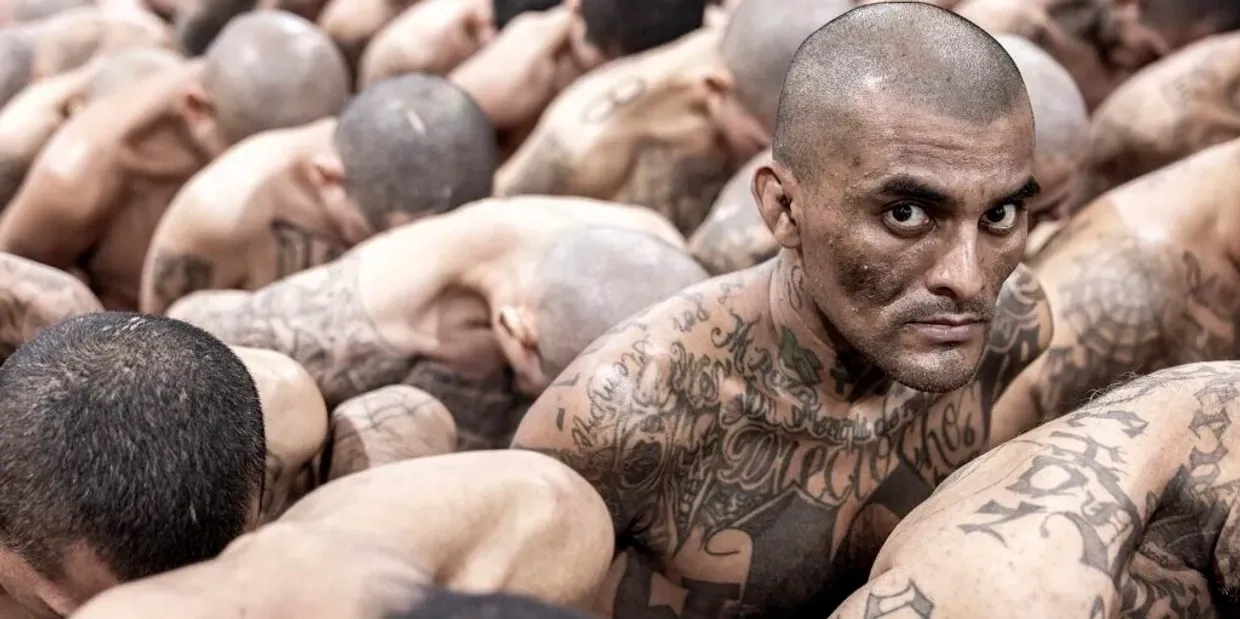
    Mara Salvatrucha (MS-13), international gang involved in drug and human smuggling, prostitution, murder, and extortion, among other illegal activities. It was founded in Los Angeles in the 1980s by immigrants from El Salvador and later spread throughout the United States, Central America, and Canada, gaining a reputation for extreme violence.

    The gang’s origins can be traced to El Salvador in the 1970s, when the country was on the brink of a civil war between government forces and the insurgent group Farabundo Martí National Liberation Front (FMLN), which claimed to represent Salvadorans in the bottom social and economic tiers. The bloody conflict left some 900,000 people displaced, thousands of whom fled to the United States and migrated to largely Hispanic areas of southern Los Angeles. Most of these areas in Los Angeles were already inundated with powerful Mexican gangs who preyed on weaker cultural groups. So as not to be victimized, former members of the FMLN and other refugees formed Mara Salvatrucha in the early 1980s; according to some sources, the name derived from the slang terms mara (“gang”) and salvatruchas (“street-tough Salvadorans”).

    Despite a steady increase in membership—aided by the recruitment of immigrants who had fled unrest in Guatemala and Nicaragua—Mara Salvatrucha struggled against rival gangs. In order to strengthen its position, in the early 1990s it formed an alliance with the Mexican Mafia, a powerful gang also based in Los Angeles. During this time, Mara Salvatrucha became known as MS-13, reportedly because M was the 13th letter of the alphabet.

    In the ensuing years, Mara Salvatrucha became one of the most powerful yet loosely structured gangs in the Northern Hemisphere and was especially known for brutality; its motto was “kill, rape, and control.” By the early 21st century, MS-13 was reportedly active in nearly every U.S. state and the District of Columbia. In addition, it operated in a number of Central American countries, especially El Salvador. With no formal leadership, cliques of gang members operated with relative independence, making it more difficult for law enforcement to limit their influence. MS-13 members were responsible for brutal gang wars, murder, prostitution, drug smuggling, human trafficking, and illegal transport of aliens across the United States–Mexico border. The gang also sought alliances with other organized crime entities, including Mexican drug cartels. Financial gain was the primary goal shared in these alliances, and relationships among gangs became more sophisticated, thus providing access to technology and weapons that increased gangs’ ability to carry out lethal acts against a larger section of society.

    Government officials expressed extreme concern about Mara Salvatrucha because of its ties to powerful ex-paramilitary members in El Salvador. In the mid-1990s, changes in U.S. immigration laws allowed deportations of convicted criminals, including many gang members. Salvadoran officials claimed that many deported gang members returned to the disorganized neighborhoods of El Salvador and other Central American countries in search of eager converts. Youthful recruits from severely impoverished neighborhoods found discipline, purpose, and income. Many then found their way back into the United States illegally, thus increasing the problem in that country. In response, in 2004 the U.S. Federal Bureau of Investigation (FBI) created a gang task force dedicated to MS-13.

    According to FBI statistics, Mara Salvatrucha had between 6,000 and 10,000 members in the United States in the early 21st century. Reports gave upwards of 50,000 in Central America. Although most members come from Hispanic cultures, MS-13 includes African Americans as well. The majority of its members are between the ages of 11 and 40, and they are easily identified through very visible tattoos, often on the face.

  • It Seems Like These Sick Fuck Pedophiles are an Epidemic.

    By Scott J. Arnold

    It Seems Like These Sick Fuck Pedophiles are an Epidemic

    The subject of pedophilia is both sensitive and complex, and while it may feel like there is an “epidemic,” many factors contribute to this perception. In reality, pedophilia as a condition is rare, but public awareness, media coverage, and societal changes may make it seem more prevalent. Exploration of why pedophilia might seem to be an “epidemic” would require a comprehensive discussion of various dimensions—psychological, societal, legal, and technological factors.


    Page 1: Introduction

    Define the term “pedophilia” and distinguish it from other related terms (such as child molestation or exploitation).
    Address the societal concern and fear that pedophilia is becoming more widespread.
    Mention that the perception of an “epidemic” may be driven by various factors rather than a true increase in cases.

    Page 2: Historical Context

    Provide an overview of how pedophilia has been understood in different societies and cultures over time.
    Examine changes in laws and societal norms that may have made the issue more visible today compared to the past.
    Discuss the role of religion and family structures in suppressing or highlighting cases historically.

    Page 3: Psychological Understanding

    Discuss the clinical understanding of pedophilia as a psychiatric disorder.
    Explain what is known about its causes, including potential neurological, developmental, or environmental factors.
    Present statistics on how prevalent pedophilia is, emphasizing that while rare, it is a recognized mental health condition.

    Page 4: Media and Public Perception

    Analyze how media coverage plays a role in the public’s perception of pedophilia as an “epidemic.”
    Explore high-profile cases (e.g., Catholic Church scandals, Jeffrey Epstein) and how they shape public fear.
    Discuss how increased reporting may lead to a distorted view of the prevalence of these cases.

    Page 5: Social Media and Technology

    Examine the role of the internet and social media in amplifying fears about pedophilia.
    Explore how online platforms have been used both to exploit children and to bring pedophiles to justice.
    Discuss how technology has increased public awareness of the problem, making it more visible than in previous generations.

    Page 6: Grooming and Exploitation Online

    Delve deeper into the tactics pedophiles use on the internet, such as grooming through chat rooms, social media, and gaming platforms.
    Highlight the challenges that law enforcement faces in tracking and prosecuting these crimes due to the anonymity and international nature of the web.
    Analyze how online behavior has shifted the public perception of the “danger” of pedophilia.

    Page 7: Legal Systems and Law Enforcement

    Discuss the role of legal systems in addressing cases of pedophilia.
    Address how new laws (e.g., harsher sentences, registration requirements for sex offenders) have brought more attention to the issue.
    Explore the efforts of international organizations to fight child exploitation.

    Page 8: Cultural and Societal Factors

    Explore how societal attitudes toward children, sexuality, and exploitation have changed over time.
    Discuss the cultural taboos and silence around the subject of child abuse and how breaking that silence has exposed more cases.
    Examine the role of communities, schools, and families in both protecting and failing to protect children from exploitation.

    Page 9: Pedophilia in Institutions

    Analyze how institutional environments (churches, schools, sports organizations) have historically mishandled cases of child abuse.
    Examine systemic issues that have allowed abuse to go unchecked (e.g., cover-ups, lack of reporting).
    Discuss efforts being made today to address these institutional failings.

    Page 10: Public Health Crisis Framing

    Examine whether framing pedophilia as a “public health crisis” could lead to more productive solutions.
    Explore approaches taken by psychologists and public health officials to prevent pedophilia or treat those with pedophilic tendencies before they act.
    Discuss rehabilitation and monitoring efforts for those convicted of child exploitation crimes.

    Page 11: The Role of Activism and Public Policy

    Analyze how activist groups, nonprofits, and survivor organizations have worked to raise awareness and influence policy changes.
    Discuss movements like “Me Too” and how they have brought issues of sexual exploitation to the forefront of public discourse.
    Address the role of governments in providing education and support to both prevent and respond to child abuse.

    Page 12: Conclusion

    Summarize the factors contributing to the perception of an epidemic of pedophilia, emphasizing that while awareness has increased, it may not necessarily indicate a dramatic rise in cases.
    Offer final thoughts on how society can better protect children, provide treatment for individuals with pedophilic disorders, and address the root causes of exploitation.
    Suggest that public education, legal reform, and ongoing support systems are essential in combating child exploitation without succumbing to a climate of fear.

  • IBM’s partnership with Nazi Germany.

    By Scott J. Arnold

    IBM’s partnership with Nazi Germany

    Introduction (1-1.5 pages)

    Thesis statement: The essay will investigate IBM’s involvement with Nazi Germany, focusing on how its technology was used by the regime, the ethical implications of this partnership, and the long-term effects on IBM’s reputation.
    Introduction to IBM and its global presence: Brief overview of IBM’s role as a technology leader in the early 20th century.
    Overview of Nazi Germany’s need for advanced technology: Hitler’s rise to power required vast administrative and organizational resources, which IBM’s technology provided.
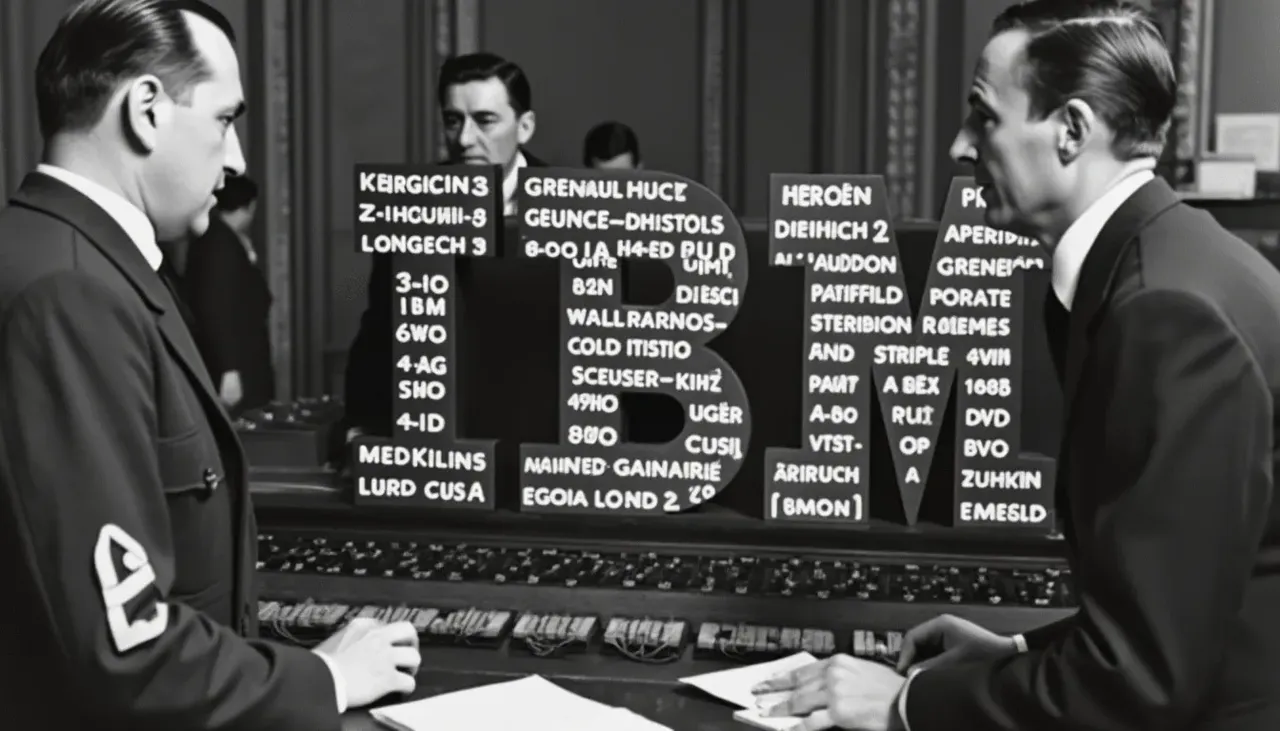
    IBM’s German subsidiary, Dehomag: Introduction to IBM’s operations in Germany through Dehomag, which became a crucial player in providing data-processing systems to the Third Reich.

    Background: Nazi Germany’s Need for Technology (2-2.5 pages)

    The rise of the Nazi regime: Describe the political and social conditions in Germany that led to Hitler’s rise and how the Nazi party’s policies required sophisticated administrative tools.
    The role of data and organization in Nazi Germany: Nazi Germany’s bureaucratic state required efficient record-keeping and tracking systems for its racial policies, economic control, and military operations. This included tracking Jewish populations, enforcing racial laws, and organizing forced labor.
    Importance of census and demographic data: In the 1930s, the Nazi government conducted censuses and population surveys to identify Jews, Roma, and other “undesirables.” Efficient processing of this data was key to the Nazis’ ability to plan and execute their genocidal policies.

    IBM’s Expansion into Nazi Germany (2-3 pages)

    IBM’s rise as a global tech giant: A brief history of IBM under the leadership of Thomas J. Watson, who was instrumental in expanding the company internationally during the 1920s and 1930s.
    IBM’s acquisition of Dehomag: In 1922, IBM gained control of Dehomag, a German company that produced Hollerith punch card machines. Explain how this acquisition positioned IBM to profit from business in Nazi Germany.
    Watson’s relationship with Nazi Germany: Discuss Watson’s business dealings with Nazi officials. In 1937, Watson accepted a medal from Hitler’s government, symbolizing IBM’s profitable ties with the regime. This controversial act is often viewed as tacit approval of the regime’s policies.
    Watson’s motivations: Explore whether Watson was driven by profit or ideological alignment, or whether his relationship with Nazi Germany was more about business pragmatism than political support.

    The Punch Card System and its Role in Nazi Operations (3-3.5 pages)

    Explanation of IBM’s punch card technology: Introduce the IBM Hollerith punch card system, explaining how it was an early form of data processing, capable of sorting and analyzing large amounts of information.
    How the Nazis used punch card technology: IBM’s punch cards were used to organize the census, manage rail logistics, track racial purity, and even help administer concentration camps. These systems were essential for the rapid categorization of populations by ethnicity, profession, and political affiliation.
    Census of 1933: The Nazi regime used IBM punch cards to conduct the census of 1933, which was pivotal in identifying Jewish populations. The punch card system categorized people by race, religion, and other factors, facilitating the identification of Jews, Roma, and other targeted groups.
    Tracking and deportation: IBM punch cards were used by the Nazis to manage train schedules for deportations to concentration camps and organize the labor force in forced labor camps.
    The mechanization of genocide: IBM’s technology was used to systematize the Holocaust, transforming genocide into a bureaucratic process. Without the punch card system, it would have been much more difficult for the Nazis to conduct mass exterminations at the scale and speed they achieved.

    Dehomag’s Role in Germany and Occupied Territories (2.5-3 pages)

    Dehomag’s significance to the Nazi regime: Dehomag operated independently in Nazi Germany, supplying punch card systems to various government agencies. By the mid-1930s, Dehomag was deeply integrated into the Nazi bureaucracy.
    Dehomag’s financial success: With its Nazi contracts, Dehomag became one of IBM’s most profitable divisions during the 1930s and early 1940s. IBM’s profits increased, and the company’s influence in Nazi Germany expanded.
    Dehomag’s involvement in concentration camps: Evidence shows that Dehomag supplied technology to the Nazis for use in concentration camps like Auschwitz. Punch card systems were employed to track prisoners, manage labor assignments, and record deaths.
    Dehomag in occupied countries: IBM’s technology was not limited to Germany. Dehomag expanded its operations into Nazi-occupied countries, where its punch cards were used to help identify Jewish populations and coordinate their deportation to death camps.

    Ethical Implications and Controversies (3-3.5 pages)

    The ethical dilemma of IBM’s involvement: This section should analyze the moral responsibility of IBM’s executives, particularly Thomas J. Watson, in their dealings with Nazi Germany.
    Business pragmatism vs. moral responsibility: Was IBM’s involvement purely a business decision? Discuss how businesses often operate in morally gray areas during wartime.
    Watson’s return of the medal: In 1940, after the outbreak of war, Watson returned the medal Hitler had awarded him. Some view this as a symbolic gesture, while others argue it was an attempt to distance the company from the Nazi regime as global tensions escalated.
    Corporate complicity in atrocities: IBM is just one of many companies that collaborated with the Nazi regime. Discuss whether corporations have a duty to reject business with totalitarian regimes, even when doing so may harm their financial interests.
    Can technology be neutral?: Consider whether IBM’s punch card system was a neutral tool that was merely misused by the Nazis, or whether the company bears some responsibility for how its technology was applied in facilitating mass murder.
    Legal and financial accountability: While there were no legal repercussions for IBM executives at the time, discuss whether modern ethical standards would have held the company more accountable for its complicity in the Holocaust.

    Post-War Period: IBM’s Rebuilding and Reputation (2-2.5 pages)

    IBM after World War II: After the war, IBM continued to grow and become one of the leading technology companies in the world. However, its wartime activities, particularly its involvement with Nazi Germany, were largely kept out of public knowledge.
    Impact on IBM’s public image: For decades, IBM avoided significant public scrutiny for its role in Nazi Germany. However, this began to change with the publication of Edwin Black’s book IBM and the Holocaust in 2001, which brought the company’s dark history into the spotlight.
    Corporate responses to accusations: IBM has consistently denied direct involvement in the atrocities of the Holocaust, arguing that Dehomag operated autonomously in Nazi Germany and that the company had little control over its subsidiary’s actions during the war. Explore how these responses have been received by historians and the public.

    Modern Reflection on Corporate Responsibility (2 pages)

    Corporate responsibility and historical accountability: How has IBM’s Nazi past shaped modern discussions on corporate responsibility? Compare IBM’s response to those of other companies that were similarly involved with Nazi Germany, such as Volkswagen, Siemens, and Bayer.
    Technological ethics in modern times: IBM’s story raises important questions about the ethical use of technology. With the rise of AI, big data, and other forms of surveillance technology, what lessons can be learned from IBM’s past to ensure that modern tech companies do not become complicit in future human rights abuses?
    Reparations and acknowledgment: Should companies like IBM, which profited from totalitarian regimes, be required to offer reparations or public acknowledgment for their actions? Discuss the limitations and challenges of seeking justice for historical wrongs.

    Conclusion (1.5-2 pages)

    Summary of IBM’s involvement with Nazi Germany: Recap the key points of IBM’s relationship with the Nazi regime, highlighting how its technology facilitated some of the regime’s worst atrocities.
    Reflection on the broader implications: IBM’s story is a reminder that technology, while neutral in itself, can be used for evil purposes depending on who controls it. Discuss how this principle applies to modern-day tech companies and their relationships with authoritarian governments.
    Final thoughts on corporate ethics and technology: End with a reflection on how companies must balance profit with ethical considerations, especially when operating in regions governed by oppressive regimes. The lessons from IBM’s involvement with Nazi Germany remain relevant today as businesses navigate a world where technology can both empower and oppress.

  • Hereford, Texas: The Beef Capital of the World and So Much More

    By Scott J. Arnold

    Hereford, Texas: The Beef Capital of the World and So Much More

    Nestled in the heart of the Texas Panhandle, Hereford proudly carries the title of the “Beef Capital of the World.” Since 1890, this small but mighty city has been synonymous with cattle, thanks to the Hereford breed imported from England in the late 19th century. Over time, the cattle industry in Hereford expanded exponentially, evolving into a powerhouse of beef and dairy production.
    The Beef Legacy of Hereford

    Hereford’s reputation as a cattle hub soared in the 1960s, when cattle feeding became a cornerstone of the local economy. By the late 1980s, the city was often leading the state—and sometimes the nation—in cattle production. Today, more than 1 million head of cattle are fed annually in Hereford’s feedlots, resulting in over 1 billion pounds of beef and over $1 billion in cattle sales each year.

    According to the Hereford Economic Development Corporation, the city’s beef production feeds approximately 65 million people annually, reinforcing its critical role in the global food supply.
    A Dairy Powerhouse

    While beef put Hereford on the map, the area’s dairy industry adds another feather to its cap. The city produces enough milk and dairy products to stock shelves across the nation, boasting annual outputs of:

    125 million gallons of milk
    100 million pounds of cheese
    47 million pounds of butter
    125 million gallons of ice cream

    These staggering figures solidify Hereford’s status as a vital player in both the beef and dairy industries.
    Hereford: A City of Many Names

    Over the years, Hereford has gone by several intriguing nicknames, each reflecting a unique chapter in its history.

    Blue Water: Founded in 1898, the town was initially named for the nearby Tierra Blanca Creek. However, with another town already claiming the name “Blue Water,” it was renamed Hereford, in honor of the imported cattle breed.
    Windmill City: In its early days, Hereford’s landscape was dotted with over 400 windmills that irrigated the arid High Plains. These iconic structures earned the city its nickname.
    The Town Without a Toothache: This peculiar moniker arose in the mid-20th century when it was discovered that the natural fluoride in Hereford’s water supply significantly reduced tooth decay among residents. The city gained national attention in 1941 when Dr. Edward Taylor presented this phenomenon to the American Dental Association, and demand for Hereford’s “miracle water” soared.

    Modern Connections in a Rural Setting

    Despite its rural charm, Hereford is far from isolated. Strategically located near major transportation routes, the city is within minutes of Interstate 27 and Interstate 40, sits on the BNSF East-West rail line, and is just a short drive from international airports in Amarillo and Lubbock. These connections make Hereford a key player in the global beef and dairy supply chain.
    Activities in and Around Hereford

    Hereford offers residents and visitors a blend of historical, recreational, and cultural experiences:

    Buffalo Lake National Wildlife Refuge: Just a short drive away, this refuge spans 7,664 acres and offers wildlife watching, birding, hiking, and picnicking. Its 2,100 miles of trails provide endless opportunities for exploration.
    John Pitman Municipal Golf Course: Recognized by Golf Digest as one of the best places to play in Texas, this 18-hole course is a favorite among locals and visitors alike.
    Hereford Aquatic Center: Beat the West Texas heat at this year-round facility, complete with a seasonal dome that allows for indoor swimming during the winter.
    Deaf Smith County Historical Museum: Dive into the region’s pioneer past with exhibits ranging from early general stores to a one-room schoolhouse. Admission is free, though donations are welcomed.
    Cattle Axe: For a modern twist on entertainment, this indoor facility offers axe-throwing sessions with certified coaches, along with pool tables, shuffleboard, air hockey, and more.

    A Legacy of Community and Innovation

    Hereford has a rich history of community involvement and innovation. In 1974, it became the first city to join what is now the Texas Municipal League Intergovernmental Risk Pool, demonstrating its commitment to progress and cooperation.

    From its cattle-rich roots to its dairy dominance and unique historical quirks, Hereford continues to thrive as a vital hub of agriculture and community spirit. Whether you’re drawn to its agricultural prowess, historical landmarks, or recreational opportunities, Hereford stands as a testament to the enduring strength of rural America.

  • Hanns Scharff: The Gentle Art of Interrogation

    By Scott J. Arnold

    Hanns Scharff: The Gentle Art of Interrogation

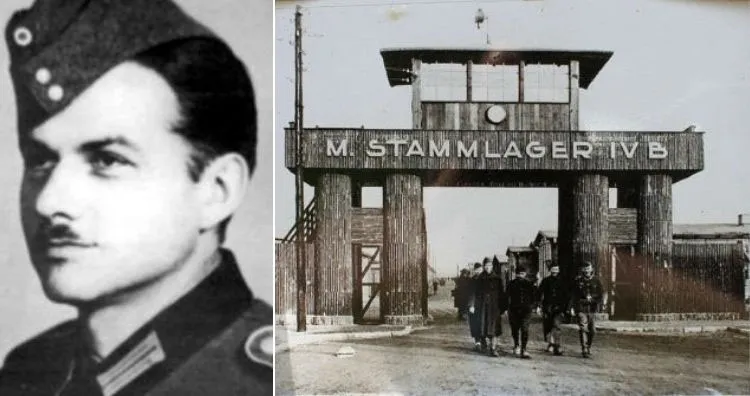
    During World War II, the Nazi regime was notorious for its brutal and merciless methods of dealing with prisoners, especially enemy soldiers and spies. However, amidst the horrors of the Third Reich, there emerged a remarkable figure whose approach to interrogation stood in stark contrast to the violence and coercion that characterized the regime. Hanns Scharff, one of the most successful interrogators for the Luftwaffe (the German Air Force), developed a method of extracting valuable intelligence from Allied prisoners without resorting to physical violence, threats, or cruelty. His unconventional methods, based on kindness, psychological insight, and trust-building, led to numerous intelligence breakthroughs.

    In this 15-page story, we will explore the life and career of Hanns Scharff, his methods, the effectiveness of his approach, and his post-war legacy. Scharff’s story serves as a powerful reminder that even in the darkest of times, there can be a place for humanity and decency, and that success can be achieved through empathy rather than brutality.
    Early Life and Unlikely Beginnings

    Hanns Joachim Gottlob Scharff was born on December 16, 1907, in Rastenburg, East Prussia (now Kętrzyn, Poland). He was raised in a relatively affluent and cultured family, which exposed him to various languages, art, and culture from an early age. Scharff’s father was a prominent businessman, and his mother was an artist, which gave Scharff a diverse and broad upbringing.

    Scharff didn’t originally set out to be a soldier or an interrogator. In fact, he had little connection to military life before the outbreak of World War II. Instead, he pursued a career in business. Scharff worked for a textile company in South Africa in the 1930s, and it was here that he gained fluency in English, a skill that would later prove crucial in his role as an interrogator. He married a South African woman, making his ties to the English-speaking world even stronger. As war loomed, Scharff returned to Germany, but he did not initially join the military.

    In 1939, Germany invaded Poland, sparking the beginning of World War II. Scharff, like many men of his age, was eventually conscripted into the German army. Due to his background and linguistic skills, he was assigned to the Luftwaffe, where he quickly made a name for himself—not as a pilot or combat soldier, but as an interrogator.
    The Luftwaffe Interrogator: A New Approach

    Scharff’s role as an interrogator came about somewhat by accident. Initially, he was not trained for this position, nor was he familiar with the brutal interrogation techniques typically used by the Nazis. However, when he was given the responsibility of interrogating captured Allied pilots and aircrew members, Scharff developed his own approach, one that was diametrically opposed to the methods commonly employed by the Gestapo or other Nazi military units.

    While Nazi interrogators often relied on physical torture, fear, and intimidation to extract information from prisoners, Scharff believed in a different philosophy. He was deeply skeptical of the effectiveness of such violent methods, recognizing that torture often led to false or misleading information as prisoners would say anything to stop the pain. Scharff’s approach was grounded in psychology and a keen understanding of human nature. He believed that people were more likely to share valuable information if they were treated with kindness and respect.

    The Art of Conversation

    Scharff’s primary method of interrogation was simple: conversation. He would engage captured Allied soldiers in friendly, relaxed dialogue, often under the pretense that he already knew everything they might tell him. This was a clever psychological trick. By acting as though he already possessed key information, Scharff would lower the defenses of his prisoners, making them feel that there was little harm in confirming or elaborating on the details he seemed to know.

    His interrogations would often start with seemingly innocent small talk—discussions about life back home, families, and hobbies. Scharff would deliberately avoid asking direct military questions, instead allowing the prisoner to speak freely. In this casual atmosphere, prisoners would sometimes let slip vital pieces of intelligence without even realizing it.

    Scharff was also a keen observer of body language and tone of voice. He could detect when a prisoner was holding something back or when they might be willing to share more information. By creating a sense of trust and rapport, he was able to coax prisoners into volunteering details they would have never revealed under duress.

    Walks in the Countryside

    One of Scharff’s most famous techniques involved taking prisoners for walks in the German countryside. Instead of keeping them confined in dark, cold cells, he would invite them to join him on a walk, where the atmosphere was far more relaxed. As they strolled through the fields and woods, Scharff would engage in conversation, sometimes talking about the beauty of nature, other times subtly steering the conversation toward military topics. In this environment, many prisoners felt less like they were being interrogated and more like they were having a casual chat with a friend.

    These walks were highly effective. Captured pilots, especially those who had been through the horrors of combat, often appreciated the opportunity to experience a moment of calm and normalcy, which made them more willing to talk. The open, natural environment helped to build a sense of trust and ease, which further encouraged them to open up.

    Visits to Comrades

    Another innovative technique Scharff used was allowing prisoners to visit their wounded comrades in hospitals. This was a rare privilege, and many prisoners were deeply grateful for the opportunity to see their friends, even under such dire circumstances. Scharff would accompany them on these visits, continuing to build rapport. The prisoners often believed that someone who would grant them such kindness could not be too dangerous or manipulative. This sense of goodwill often led them to share details about their missions or their units.

    In some cases, prisoners would even volunteer information in an attempt to repay Scharff for his kindness. They felt indebted to him, not realizing that their cooperation was precisely what he had intended from the start.
    Examples of Success

    Scharff’s techniques proved highly effective throughout the war, and he was responsible for obtaining crucial intelligence that directly impacted the course of several battles in the European theater.

    One of the most notable examples of Scharff’s success involved a British pilot who had been shot down over Germany. During his conversation with the pilot, Scharff never pressed him for details about his mission. Instead, they talked about the pilot’s life, his family, and the war in general. Over time, the pilot relaxed, and during one of their conversations, he mentioned that his squadron was equipped with a new type of radar that allowed them to locate German aircraft more easily.

    Scharff immediately recognized the significance of this information. The new radar technology was a closely guarded secret, and the pilot had revealed it without realizing the importance of what he was saying. Scharff passed this intelligence on to his superiors, who used it to develop countermeasures against the radar.

    In another case, Scharff interrogated a U.S. bomber pilot who had been captured during a raid over Germany. The pilot was initially hostile and refused to cooperate, but Scharff took him for a walk, allowing the pilot to enjoy the fresh air and talk freely about his experiences. Eventually, the pilot revealed key details about the formation of bomber groups and their rendezvous points, which allowed the Luftwaffe to adjust their tactics and improve their defenses against Allied bombing raids.

    These are just two examples of the many successful interrogations Scharff conducted using his unique methods. In both cases, and many others, Scharff never resorted to threats, violence, or coercion. Instead, he relied on building trust and creating an environment in which prisoners felt comfortable sharing information.
    The Psychological Genius of Scharff’s Methods

    What made Hanns Scharff’s approach so effective? At its core, Scharff’s success was rooted in his deep understanding of human psychology. He realized that people are more likely to talk when they feel respected and valued, rather than when they are frightened or under duress.

    Scharff understood that interrogation is a two-way process. He knew that if he made his prisoners feel like they were withholding information that was already known, they would often give in and talk without realizing they were providing new details. His interrogations were masterclasses in subtlety, with Scharff using silence, nonverbal cues, and carefully worded questions to nudge prisoners into revealing key facts.

    His refusal to use violence also meant that he avoided the pitfalls of torture-based interrogation. Torture often leads to false confessions or unreliable information, as prisoners will say whatever they think their captors want to hear to make the pain stop. Scharff’s humane approach ensured that the information he gathered was more accurate and reliable, as it was volunteered rather than coerced.
    The End of the War and Scharff’s Post-War Life

    As World War II came to an end in 1945, Scharff found himself on the losing side, but he was spared from the retribution that many Nazi officials faced. His reputation as an interrogator who did not engage in brutality or war crimes likely contributed to his being treated with relative leniency. In fact, Scharff’s reputation as a humane and effective interrogator spread to the Allied forces, and after the war, he was invited to the United States to teach his interrogation techniques to U.S. military personnel.

    Scharff’s approach to interrogation became a model for modern intelligence-gathering techniques. His methods were incorporated into U.S. military training programs, where they influenced the development of more humane and effective interrogation strategies. Scharff himself lectured at the Pentagon and gave seminars on interrogation techniques, becoming something of a legend in military circles.

    Following his involvement with the U.S. military, Scharff pursued a second career as an artist and mosaic designer in the United States. He moved to California, where he created mosaics for some of the most iconic buildings in the country, including the Cinderella Castle at Disneyland. His work in art was as meticulous and thoughtful as his work in interrogation, and he became a celebrated artist in his own right.
    Legacy of Hanns Scharff

    Hanns Scharff’s legacy is a testament to the power of humane treatment, trust-building, and psychological insight in even the most adversarial situations. His methods, which contrasted so sharply with the brutality of the Nazi regime, demonstrate that violence and coercion are not the only—or the most effective—ways to achieve success in interrogation.

    Today, Scharff is remembered not only for his role in World War II but also for his contributions to the development of modern interrogation techniques. His story serves as a reminder that empathy, respect, and understanding can often achieve what force and fear cannot.

    In a world where interrogation is often associated with darkness and cruelty, Hanns Scharff stands as an example of a different path—one where the gentle art of conversation can unlock the truth more effectively than any form of torture. His methods remain relevant today, offering valuable lessons for military, law enforcement, and intelligence professionals around the world.
    Conclusion

    Hanns Scharff’s remarkable career as the most successful Nazi interrogator who never physically harmed an enemy soldier is a story of paradox. In the heart of one of the most brutal regimes in modern history, Scharff chose a path of kindness and psychological insight, proving that even in war, human decency can prevail. His methods not only led to valuable intelligence breakthroughs but also changed the way military interrogations were conducted in the years that followed.

    Scharff’s legacy is a powerful reminder that success in any field, including interrogation, need not come at the expense of humanity and compassion.

  • Gambino crime family

    By Scott J. Arnold

    Gambino crime family

    Introduction

    The Gambino crime family, one of New York City’s “Five Families,” has been a cornerstone of organized crime in America since its formation in the early 20th century. Emerging from a wave of Italian-American Mafia organizations, the family’s history is intertwined with notorious mob figures, violent power struggles, and significant influence over various illegal enterprises.
    Origins and Early History

    The Gambino family originated from the D’Aquila gang, an early Sicilian Mafia group in New York City led by Salvatore D’Aquila in the 1910s. After D’Aquila’s assassination in 1928, the family underwent significant power shifts, leading to its first major leader, Vincent Mangano, in 1931. Under Mangano, the family expanded its operations, including gambling, extortion, and labor racketeering.
    Rise of Carlo Gambino

    Carlo Gambino took control of the family in 1957 after orchestrating the murder of Albert Anastasia, a powerful and feared leader known for his ruthless enforcement tactics. Gambino’s leadership marked a golden era for the family, solidifying its power and expanding its influence. He established strategic alliances, particularly with the Lucchese family, and avoided direct involvement in narcotics, which helped evade federal scrutiny. Gambino’s reign was defined by his low-profile style and effective control over various criminal enterprises.
    Paul Castellano and Internal Conflict

    Upon Gambino’s death in 1976, leadership passed to his cousin and brother-in-law, Paul Castellano, a businessman-like figure who emphasized white-collar crime over street-level operations. Castellano’s leadership sparked dissent within the family, especially among traditional mobsters who felt alienated by his approach and luxurious lifestyle. This discontent culminated in his assassination in 1985, orchestrated by John Gotti, a charismatic and ambitious capo.
    John Gotti’s Leadership

    John Gotti, often called “The Teflon Don” due to his ability to evade convictions, assumed control after Castellano’s death. Gotti’s flamboyant style and media presence marked a stark contrast to his predecessors. Under Gotti, the Gambino family engaged in drug trafficking, extortion, and other high-profile crimes, but his visibility and recklessness attracted intense law enforcement scrutiny. In 1992, Gotti was convicted on charges including murder and racketeering, largely due to the testimony of his underboss, Salvatore “Sammy the Bull” Gravano.
    Post-Gotti Era and Decline

    Following Gotti’s imprisonment, the family struggled with internal strife and external pressures from law enforcement. Leadership passed to Gotti’s son, John A. Gotti, who attempted to maintain control, but the family’s power continued to wane. The rise of cooperating witnesses and federal crackdowns severely weakened their operations.
    Modern Day Activities

    Today, the Gambino family remains active but significantly diminished compared to its peak. The organization continues to be involved in traditional Mafia activities such as loansharking, gambling, and racketeering, though they operate with a lower profile to avoid the intense surveillance that marked earlier decades.
    Conclusion

    The Gambino crime family’s history is a testament to the volatile and often violent nature of organized crime in America. From its early Sicilian roots to its modern-day operations, the family’s legacy is marked by power struggles, law enforcement battles, and a complex web of criminal activities that have profoundly impacted New York’s underworld. Despite numerous setbacks, the family remains a symbol of the enduring presence of the Mafia in American society.