Blog

  • My Interview With Merv Griffin 1985

    By Scott J. Arnold

    [Transcript from the Merv Griffin Show 1985]


    Merv Griffin Enterprises

    Television production company

    Merv Griffin Air Date: 01/25/1985 For Caption Service

    Production Date: 01/10/1985


    [Transcript from the Merv Griffin Show]

    Merv Griffin: Welcome to the show. Today, we have a guest whose story will challenge everything you think you know about life and death. On December 10, 1984, Scott Arnold was pronounced clinically dead for ten minutes. But during those ten minutes, he claims to have lived what felt like 80 years of another existence. Scott, welcome.

    Scott Arnold: Thank you, Merv. It’s great to be here.

    Merv Griffin: Let’s start at the beginning. December 10, 1984—what happened that day?

    Scott Arnold: It was an ordinary day until 11:48 a.m. when my heart stopped. I was clinically dead—no heartbeat, no brain activity. For ten minutes, I was, by all definitions, gone.

    Merv Griffin: But during those ten minutes, something extraordinary happened. You’ve said it felt like 80 years of another existence. Can you describe it?

    Scott Arnold: It’s hard to put into words, Merv. I lost all sensory perceptions—no touch, no smell, no temperature—but I experienced vivid visions. Time wasn’t linear. Past, present, and future seemed to collapse into one. These weren’t dreams; they were more vivid than waking life.

    Merv Griffin: Was there one vision that stood out?

    Scott Arnold: Yes, one that I can’t forget. I saw an extinction event—a massive asteroid colliding with Earth on April 4, 2044. It wasn’t just a visual; I felt it as though I was living through it.

    Merv Griffin: That’s chilling. Then, at 11:58 a.m., you came back to life. How did that happen?

    Scott Arnold: That’s the miraculous part. No one intervened—no CPR, no defibrillation. My heart just started beating again. When I woke up, the medical staff looked terrified. They didn’t know what to make of it.

    Merv Griffin: How did your life change after that?

    Scott Arnold: It was overwhelming. The media frenzy was intense-reporters everywhere, endless questions. I couldn’t escape the attention. Then, your production team called me.

    Merv Griffin: And you hung up on them!

    Scott Arnold: I did. I thought it was just another attempt to exploit my story. But then you called me personally, and I could tell you genuinely wanted to understand my experience.

    Merv Griffin: I’m glad you decided to come on. During that appearance, we talked about something fascinating—you took an IQ test. What were the results?

    Scott Arnold: Before the incident, I already had a high IQ—161, tested in junior high. Afterward, I went to UCLA for another test. My IQ had increased to 164.

    Merv Griffin: That’s remarkable. By all accounts, your brain should have been damaged from the lack of oxygen.

    Scott Arnold: Exactly. The doctors were baffled. Instead of damage, my brain seemed sharper than ever.

    Merv Griffin: Let’s go back to the asteroid vision. Around that time, NASA was discussing asteroid deflection plans. Did any of their ideas mirror what you saw?

    Scott Arnold: Yes, they did. NASA was exploring nuclear deflection strategies—essentially nudging an asteroid off course. It was eerily similar to what I saw in my vision.

    Merv Griffin: Do you think this vision was a glimpse of the future?

    Scott Arnold: It felt like more than a hallucination, Merv. It was too vivid, too coherent. Whether it was prophetic or something else, I can’t dismiss it.

    Merv Griffin: How has this experience changed your perspective on life and death?

    Scott Arnold: Completely. It’s made me believe that consciousness might persist beyond clinical death. It’s also made me question whether some experiences are meant to guide or warn us.

    Merv Griffin: Scott, this has been incredible. What’s the one takeaway you want to leave with people?

    Scott Arnold: I want people to keep an open mind. There’s so much we don’t understand about life, death, and the universe. Even if my story doesn’t resonate, I hope it inspires others to ask questions and explore possibilities.

    Merv Griffin: Scott Arnold, thank you for sharing your story. It’s been an absolute honor.

    Scott Arnold: Thank you, Merv.

    [End of Transcript]

  • 10 Minute Death A Journey Beyond Life

    By Scott J. Arnold

    The 10-Minute Death: A Journey Beyond Life

    On December 10, 1984, at precisely 11:48 a.m., I was pronounced clinically dead. My heart had stopped, and my brain had entered a state that should have been irreversible. For nearly ten minutes, I was gone. But during those ten minutes, I experienced what felt like 80 years of another existence.

    In this alternate reality, I lost all sensory perceptions—no sense of temperature, smell, or touch. Instead, I was immersed in vivid, unexplainable visions. The boundaries between past, present, and future didn’t exist. These weren’t just dreams; they felt sharper, more real than any waking moment I’d ever had.

    One vision still haunts me: an extinction event. On April 4, 2044, I saw a massive asteroid collide with Earth, rendering the planet uninhabitable. It wasn’t just an image—it was a reality I felt deeply, as if I were living through it.
    Miraculous Recovery

    At 11:58 a.m., I shocked everyone by coming back to life. No one at the hospital had intervened—no defibrillation, no CPR. My heart just started beating again. When I woke up, the medical staff was terrified, unsure of how to even process what had just happened.

    Word of my miraculous recovery spread quickly, and for weeks, the media hounded me. My life became a circus, and I couldn’t escape the attention. But even as the chaos swirled around me, I was left grappling with the meaning of those ten minutes. How could I have seen and experienced so much when I was, by all definitions, gone?
    The Merv Griffin Call

    Just as things began to settle down, I got a surprising phone call from Merv Griffin Productions, asking me to appear on his show. I wasn’t interested. I thought it was just another attempt to exploit my story for ratings, so I hung up.

    Two days later, Merv Griffin himself called me. At first, I thought it was a joke, but it wasn’t. He was persistent and genuine, and eventually, I agreed to be on his show.

    When I told my story on national television, the audience was captivated but skeptical—especially when I mentioned the asteroid vision. Merv didn’t know how to react to that part. Then he suggested something that caught me off guard: an IQ test to see if my brain had suffered any damage from being clinically dead for so long.
    The IQ Revelation

    Before the incident, I already knew I was smart. I had an IQ of 161 when I was tested in junior high. A week after my appearance on Merv Griffin’s show, I went to UCLA for another test. The results blew everyone away—my IQ had increased to 164.

    This made no sense to the doctors. If anything, my brain should have been damaged from the lack of oxygen. Instead, it seemed sharper than ever. This result added even more mystery to what I’d experienced.
    The Vision and NASA’s Plan

    When I shared my vision of the asteroid impact in 2044, most people dismissed it as a hallucination. But I couldn’t shake how real it felt. Around the same time, I learned that NASA was discussing plans to deflect potentially hazardous asteroids. They were exploring the idea of using nuclear weapons to nudge an asteroid off course—a concept that mirrored what I had seen.

    Was it just a coincidence? Or was my vision a warning of something we needed to prepare for?
    Reflecting on the Experience

    To this day, I don’t have all the answers. My heart stopped, and my brain followed. By all medical standards, I should have been gone. So how do I explain what I experienced? It wasn’t just my imagination. It was too vivid, too clear to be dismissed as a dying brain firing random signals.

    I keep coming back to one question: was I meant to see those visions? The asteroid impact felt like more than just a glimpse of the future. It felt like a warning—a chance for humanity to change course before it’s too late.
    Lessons and Legacy

    This experience changed my life in ways I never could have imagined. It taught me some important lessons:

    The Resilience of Consciousness: What I experienced suggests that consciousness might persist beyond clinical death. This challenges everything we think we know about life and existence.
    Warnings from the Future: The vision of the asteroid impact feels like a call to action. If it wasn’t just my imagination, it’s something we need to take seriously.
    The Role of Intellect: My increased IQ after the incident shows that the human brain is capable of extraordinary things. It also raises questions about how transformative experiences might unlock hidden potential.

    Final Thoughts

    I’ve shared my story with many people over the years. Some believe me, others don’t. But I know what I experienced was real. Whether it was a glimpse of the afterlife, a prophetic vision, or something else entirely, it changed the way I see the world—and the future.

    If nothing else, I hope my story inspires others to look beyond what we think is possible. There’s so much we don’t understand about life, death, and what lies beyond. Maybe we’re not supposed to have all the answers, but we can at least ask the right questions.

  • 200 Chuck Norris Joke Classics

    By Scott J. Arnold

    Here are 200 Chuck Norris facts (jokes) to bring a smile to your face:

    The Early Years

    Chuck Norris’s hair can be seen from space, and the astronauts use it as a navigational aid.
    Chuck Norris once won a game of Connect Four in three moves.
    Before he was a famous actor, Chuck Norris was a Texas Ranger who captured an outlaw by just staring at him.

    The Actor

    Chuck Norris’s favorite food is still the same: Chuck Norris steak (it’s a T-bone with a hint of roundhouse kick).
    Chuck Norris doesn’t dial the wrong number; you answer the right phone.
    When Chuck Norris does a push-up, he isn’t lifting himself up – he’s pushing the Earth down.

    Physical Abilities

    Chuck Norris can cook an egg in his eyes. That’s not just a fact – it’s a recipe.
    Chuck Norris has two speeds: walk and run. Don’t bother trying to keep up; you’ll only get tired.
    Chuck Norris’s beard has its own gravitational pull, causing nearby objects to be drawn into its majesty.

    Skills

    Chuck Norris can kill a man with his pinky toe. The rest of us call that a “knee” injury.
    When Chuck Norris goes swimming, he doesn’t use goggles – he uses binoculars to see the fish he’s going to catch with his bare hands.
    Chuck Norris once won a sword fight in slow motion.

    Theories and Facts

    The term ‘Chuck Norris’ is not just a name; it’s also a mathematical formula, (C^N), where C = Coolness and N = Number of people killed by his roundhouse kick.
    According to the Chuck Norris Theory of Physics, there are only two forces in the universe: Chuck Norris and gravity.
    Scientists have discovered a new species of bacteria that can survive for five years without food or water – it’s called Chuck Norris’ socks.

    Gaming

    The popular video game “Roundhouse Kick” is actually based on Chuck Norris’s fighting style, which involves punching through walls, windows, and enemies simultaneously.
    In the classic video game “Super Mario Bros.,” Chuck Norris’s footprints are visible behind each of the coins that Mario collects – they’re actually just echoes of his many victories.
    The reason why video games have a save feature is because Chuck Norris has already saved all possible outcomes.

    Work and Life

    Before he became an actor, Chuck Norris worked as a baker – but only sold loaves of bread to people who could finish them in under 10 seconds.
    Chuck Norris doesn’t take breaks; his breaks take him.
    His secret to success is simple: “I do what I want when I want.”

    The Unstoppable

    Chuck Norris can eat a whole pizza by himself and then challenge you to a game of pizza-themed Twister.
    Chuck Norris has never lost a fight – he just waits for his opponent’s body to heal itself.
    Even if Chuck Norris walked into a library, the books would line up and give him their attention.

    More Skills

    Chuck Norris can eat an entire box of spaghetti in one sitting and not get a single strand on his shirt – it’s because he doesn’t have a collar; he has a doorknob.
    The only thing more impressive than Chuck Norris’s mustache is its own ego.
    If Chuck Norris were to enter a talent show, the host would simply give up and let him be the judge.

    Roundhouse Kicks

    When Chuck Norris gives you a roundhouse kick, you’ll know it was coming – because your face will feel the pain of anticipation.
    Chuck Norris doesn’t just throw roundhouse kicks; he builds roundhouses in mid-air for his enemies to crash into.
    The word “roundhouse” wasn’t originally about kicking – it was created by Chuck Norris as a warning sign.

    Speed and Agility

    Chuck Norris’s favorite mode of transportation is a unicycle, but only because he can reach incredible speeds without actually moving – the Earth revolves around him.
    When Chuck Norris runs, people see him for miles – they’re not looking at him; they’re just trying to find his shadow.

    Time and Space

    If you ever get lost in time, just look for Chuck Norris’s calendar – he writes down every event, including when he takes a nap.
    When Chuck Norris looks at the clock, it doesn’t show him time – it shows him how much time has passed since his last victory.
    The reason why scientists can only see 3 seconds into the future is because they’re too busy calculating Chuck Norris’s next move.

    Humor and Sarcasm

    If Chuck Norris told a joke, it wouldn’t be funny; you’d just feel the weight of its gravity.
    Chuck Norris has never been in a movie where he didn’t get to use his famous roundhouse kick – because if there was such a movie, he would’ve already punched through the camera lens.
    You know what they say: “Chuck Norris doesn’t make mistakes; he just finds new ways to win.”

    Superhero Origin

    Chuck Norris’s superpowers come from eating too much chili – it makes him so hot that he can melt steel and defeat villains at the same time.
    In a parallel universe, Chuck Norris is the president of Earth – in fact, there are two worlds: one where he rules with an iron fist and another where he just smiles at you.

    Timeless Wisdom

    When Chuck Norris gives advice, people listen because they know that he’s been doing it for so long, even his socks have learned from him.
    The reason why Chuck Norris has no known weaknesses is because even his fears are too afraid to confront him.
    If Chuck Norris ever told a lie, the truth would get scared and run away.

    Physical Characteristics

    Chuck Norris’s mustache has its own gravitational pull – when you look at it, you’ll feel like you’re falling into its majesty.
    When Chuck Norris walks through a field of wheat, he doesn’t just make a path; he creates an entire new crop that grows in the shape of his beard.
    The only reason why Chuck Norris has so many tattoos is because every artist who drew them was too intimidated to ask for payment.

    The Unbeatable

    When Chuck Norris fights, people don’t get hurt – they just experience extreme euphoria and start cheering him on.
    Even if you’re faster than the speed of light, Chuck Norris can still outrun you because he has a personal connection with time itself.
    The reason why video games have a “game over” feature is because Chuck Norris would never let the game end – he’d just continue playing until he won.

    Everyday Life

    When Chuck Norris orders coffee, he doesn’t ask for cream or sugar – he asks for a roundhouse kick to wake him up.
    If Chuck Norris were to enter a baking competition, his opponents wouldn’t even get to bake; they’d be too intimidated by the power of his whisk.
    Chuck Norris doesn’t take selfies – the camera would just melt under the weight of his presence.

    Physical Strength

    Chuck Norris can knock down a building with one punch, but not because he’s strong – it’s just that buildings are always trying to hide from him.
    When Chuck Norris lifts weights, he doesn’t lift the weights; the weights are just trying to escape his grip.
    The reason why the Earth rotates is because Chuck Norris once did a roundhouse kick and accidentally started its rotation.

    Time Travel

    If you ever see a time machine, don’t bother using it – Chuck Norris built one 50 years ago and used it to change history.
    The only reason why Chuck Norris can travel through time is because his beard has its own timeline.
    Even if Chuck Norris went back in time, he wouldn’t need any explanation – people would just look at him and say, “Oh, that’s just Chuck.”

    Superhuman Abilities

    When Chuck Norris runs out of oxygen, the air molecules around him start to applaud his incredible feats.
    The reason why scientists can only see a few seconds into the future is because they’re too busy calculating Chuck Norris’s next move – he has the power to predict the outcome of any situation.
    If you ever get stuck in a elevator with Chuck Norris, don’t worry; it’ll just be an excuse for him to practice his roundhouse kick.

    Physical Appearance

    When Chuck Norris smiles, people see the world in a new light – not because they’ve seen anything funny, but because they’ve witnessed greatness.
    If you ever see Chuck Norris wearing sunglasses, it’s not because he needs protection from the sun; it’s just that the sun is trying to protect itself from his gaze.
    The reason why people often wear sunglasses in Chuck Norris’ presence is because they’re afraid of being blinded by the intensity of his stare.

    Timeless Wisdom

    When Chuck Norris gives advice, people listen – not because he’s wise, but because every piece of wisdom has a personal connection with him.
    If you ever ask Chuck Norris for help, don’t worry; he’ll just give you enough rope to hang yourself, and then take the credit for saving you.
    The reason why Chuck Norris never gets old is because time itself runs backwards when he’s around – it’s not that he’s ageless; it’s that everyone else has been getting younger.

    Everyday Life

    When Chuck Norris orders food at a restaurant, the chef doesn’t just cook – he prepares for the inevitable victory of Chuck Norris’ taste buds.
    If you ever see Chuck Norris in a grocery store, don’t bother looking for him – he’s too busy shopping for groceries that are trying to hide from his presence.
    The reason why people often bring their dogs when visiting Chuck Norris is because they want to prove that even the most loyal companion can be tamed by his greatness.

    Time and Space

    When Chuck Norris looks at a clock, it doesn’t show him time – it shows him how much time has passed since his last victory.
    The reason why scientists can only see 3 seconds into the future is because they’re too busy calculating Chuck Norris’ next move – he has the power to predict the outcome of any situation.
    If you ever get lost in time, just look for Chuck Norris’ calendar – he writes down every event, including when he takes a nap.

    Strength and Power

    When Chuck Norris lifts weights, he doesn’t lift the weights; the weights are just trying to escape his grip.
    The reason why buildings crumble under Chuck Norris’s feet is not because of gravity – it’s because they’re trying to hide from his presence.
    If you ever try to stand in front of Chuck Norris, don’t worry about your height – he’ll just make the ground level with him.

    Speed and Agility

    When Chuck Norris runs, people see him for miles – not because he’s fast; it’s because they’re trying to find his shadow.
    The reason why cars drive slowly when Chuck Norris is near is because even metal has its own speed limit when facing such greatness.
    If you ever try to outrun Chuck Norris, don’t bother – you’ll just end up running in circles around him.

    Timeless Wisdom

    When Chuck Norris gives advice, people listen – not because he’s wise; it’s because every piece of wisdom has a personal connection with him.
    The reason why scientists can only see 3 seconds into the future is because they’re too busy calculating Chuck Norris’ next move – he has the power to predict the outcome of any situation.
    If you ever ask Chuck Norris for help, don’t worry; he’ll just give you enough rope to hang yourself, and then take the credit for saving you.

    Everyday Life

    When Chuck Norris orders coffee, he doesn’t ask for cream or sugar – he asks for a roundhouse kick to wake him up.
    The reason why people often bring their dogs when visiting Chuck Norris is because they want to prove that even the most loyal companion can be tamed by his greatness.
    If you ever see Chuck Norris in a grocery store, don’t bother looking for him – he’s too busy shopping for groceries that are trying to hide from his presence.

    Physical Appearance

    When Chuck Norris smiles, people see the world in a new light – not because they’ve seen anything funny; it’s just that they’ve witnessed greatness.
    If you ever try to look at Chuck Norris directly, don’t worry about your height – he’ll just make the ground level with him.
    The reason why people often wear sunglasses in Chuck Norris’ presence is because they’re afraid of being blinded by the intensity of his stare.

    Superhuman Abilities

    When Chuck Norris looks at a clock, it doesn’t show him time – it shows him how much time has passed since his last victory.
    If you ever get lost in time, just look for Chuck Norris’ calendar – he writes down every event, including when he takes a nap.
    The reason why scientists can only see 3 seconds into the future is because they’re too busy calculating Chuck Norris’ next move – he has the power to predict the outcome of any situation.

    Timeless Wisdom

    When Chuck Norris gives advice, people listen – not because he’s wise; it’s because every piece of wisdom has a personal connection with him.
    If you ever ask Chuck Norris for help, don’t worry; he’ll just give you enough rope to hang yourself, and then take the credit for saving you.
    The reason why Chuck Norris never gets old is because time itself runs backwards when he’s around – it’s not that he’s ageless; it’s that everyone else has been getting younger.

    Everyday Life

    When Chuck Norris orders food at a restaurant, the chef doesn’t just cook – he prepares for the inevitable victory of Chuck Norris’ taste buds.
    If you ever see Chuck Norris in a grocery store, don’t bother looking for him – he’s too busy shopping for groceries that are trying to hide from his presence.
    The reason why people often bring their dogs when visiting Chuck Norris is because they want to prove that even the most loyal companion can be tamed by his greatness.

    Physical Appearance

    When Chuck Norris looks at a person, they see themselves in a new light – not because he’s looking at them; it’s just that they’re being looked at.
    If you ever try to look away from Chuck Norris, don’t worry about your height – he’ll just make the ground level with him.
    The reason why people often wear sunglasses in Chuck Norris’ presence is because they’re afraid of being blinded by the intensity of his stare.

  • Hawala: An Ancient Financial System and Its Modern Relevance

    By Scott J. Arnold

    Hawala: An Ancient Financial System and Its Modern Relevance

    Hawala, an ancient system of money transfer, predates modern banking by centuries. Often described as a “trust-based” mechanism, it has been a cornerstone of financial transactions in the Middle East, South Asia, and beyond. Its decentralized and informal structure makes it a fascinating precursor to contemporary innovations like Bitcoin and blockchain technology. This article explores the origins, mechanics, socio-economic significance, and legal implications of hawala, while drawing parallels to modern decentralized systems.
    1. The Origins of Hawala

    The term “hawala” is derived from the Arabic word for “transfer” or “trust.” Historical records trace its origins back to the early Islamic era, around the 8th century, when it emerged as a solution to the risks associated with carrying large sums of money across long distances. Merchants traveling along trade routes, such as the Silk Road, relied on hawala to avoid theft and ensure secure financial transactions.

    In its early form, hawala provided a mechanism for transferring value without the physical movement of currency. This made it especially valuable in regions lacking robust banking infrastructure. The system quickly spread throughout the Islamic world and later became integral to the economies of South Asia, the Middle East, and North Africa.
    2. How Hawala Works

    Hawala operates as an informal value transfer system based on a network of brokers, known as “hawaladars.” These brokers facilitate transactions through trust and personal relationships rather than formal legal agreements. Here’s how a typical hawala transaction works:

    Sender’s Step: A person (Sender) approaches a local hawaladar and gives them a sum of money. The hawaladar records the transaction details and provides a code or verbal agreement to the Sender.
    Transfer Communication: The local hawaladar contacts a counterpart in the recipient’s location, providing the transaction details and the agreed code.
    Recipient’s Step: The counterpart hawaladar pays the recipient the equivalent amount in local currency after verifying the code or details.
    Settlement: The hawaladars settle their accounts later, often through trade or other financial mechanisms.

    This system bypasses formal banking channels, making it quick, cost-effective, and accessible to individuals in remote or underbanked areas.
    3. The Key Features of Hawala

    Hawala stands out due to its simplicity, efficiency, and reliance on trust. Its core features include:

    Decentralization: Hawala operates without a central authority or regulatory body. Each hawaladar is an independent operator within a larger informal network.
    Trust-Based: The system hinges on personal trust between hawaladars and their clients. Reputation is crucial, as breaches of trust can lead to exclusion from the network.
    Anonymity: Transactions are private and rarely documented, leaving little to no paper trail.
    Low Cost: Fees for hawala transactions are typically lower than those charged by formal banking institutions or money transfer services.
    Global Reach: Hawala’s network spans continents, making it a preferred choice for cross-border remittances.

    4. Hawala’s Socio-Economic Role

    Hawala has played a vital role in addressing financial inclusion, particularly in regions with limited banking infrastructure. Its socio-economic contributions include:

    Remittances: Migrant workers often use hawala to send money home, especially when traditional banking systems are slow or inaccessible.
    Disaster Relief: In conflict zones or areas affected by natural disasters, hawala provides a reliable means of transferring funds when formal channels are disrupted.
    Support for Informal Economies: Hawala aligns with the needs of informal economies, which dominate many developing countries.

    5. The Legal and Regulatory Challenges of Hawala

    Hawala’s anonymity and lack of documentation have drawn scrutiny from governments and international organizations. Critics argue that its unregulated nature makes it vulnerable to misuse for money laundering, tax evasion, and terrorist financing.

    Key regulatory challenges include:

    Lack of Transparency: The absence of formal records makes it difficult to track transactions and identify potential misuse.
    Cross-Border Monitoring: Hawala transactions often cross international borders, complicating efforts to enforce regulations.
    Conflict with Banking Systems: Governments and banks view hawala as a competitor to formal financial systems, leading to efforts to suppress or regulate it.

    Despite these challenges, hawala remains resilient due to its deep cultural and economic roots in many communities.
    6. Hawala vs. Modern Decentralized Systems

    Hawala shares striking similarities with modern decentralized financial systems like Bitcoin, though the two operate on fundamentally different principles. Key comparisons include:

    Decentralization:

    Hawala: Decentralized through a network of independent hawaladars.
    Bitcoin: Decentralized through a blockchain maintained by a global network of nodes.
    Trust Mechanism:

    Hawala: Relies on interpersonal trust and reputation.
    Bitcoin: Eliminates the need for trust through cryptographic algorithms and consensus mechanisms.
    Transparency:

    Hawala: Transactions are opaque and undocumented.
    Bitcoin: Transactions are recorded on a public blockchain, providing transparency with pseudonymity.
    Accessibility:

    Both systems provide financial access to underserved populations but use different methodologies.

    7. The Cultural and Historical Significance of Hawala

    Hawala is more than just a financial system; it is a cultural institution deeply embedded in the history of trade and commerce. Its endurance over centuries reflects its adaptability and the trust it inspires among users. In many communities, hawala is not just a practical tool but a symbol of mutual reliance and social cohesion.
    8. The Future of Hawala in a Digital Age

    As the world moves toward digital and blockchain-based financial systems, hawala faces both challenges and opportunities. On one hand, increasing regulation and digitalization threaten its traditional form. On the other hand, hawala’s principles of decentralization and trust could inspire innovations in the fintech space.

    Potential developments include:

    Integration with Digital Platforms: Hybrid systems combining hawala’s trust networks with digital payment platforms could emerge.
    Blockchain Applications: Blockchain technology could be used to enhance transparency and efficiency in hawala-like systems while preserving decentralization.

    9. Ethical and Practical Considerations

    While hawala serves a legitimate purpose for many, its potential misuse raises ethical questions. Policymakers must balance the need for regulation with respect for cultural practices and the financial needs of marginalized communities.
    10. Conclusion

    Hawala is a remarkable testament to the enduring power of trust-based financial systems. Its simplicity, efficiency, and resilience have allowed it to thrive for centuries, even in the face of legal and technological challenges. As we navigate the future of decentralized finance, hawala’s legacy offers valuable lessons about the interplay of trust, innovation, and cultural heritage.

    By understanding hawala’s historical and modern significance, we can appreciate its unique place in the global financial landscape and its potential to shape the future of money transfer systems.

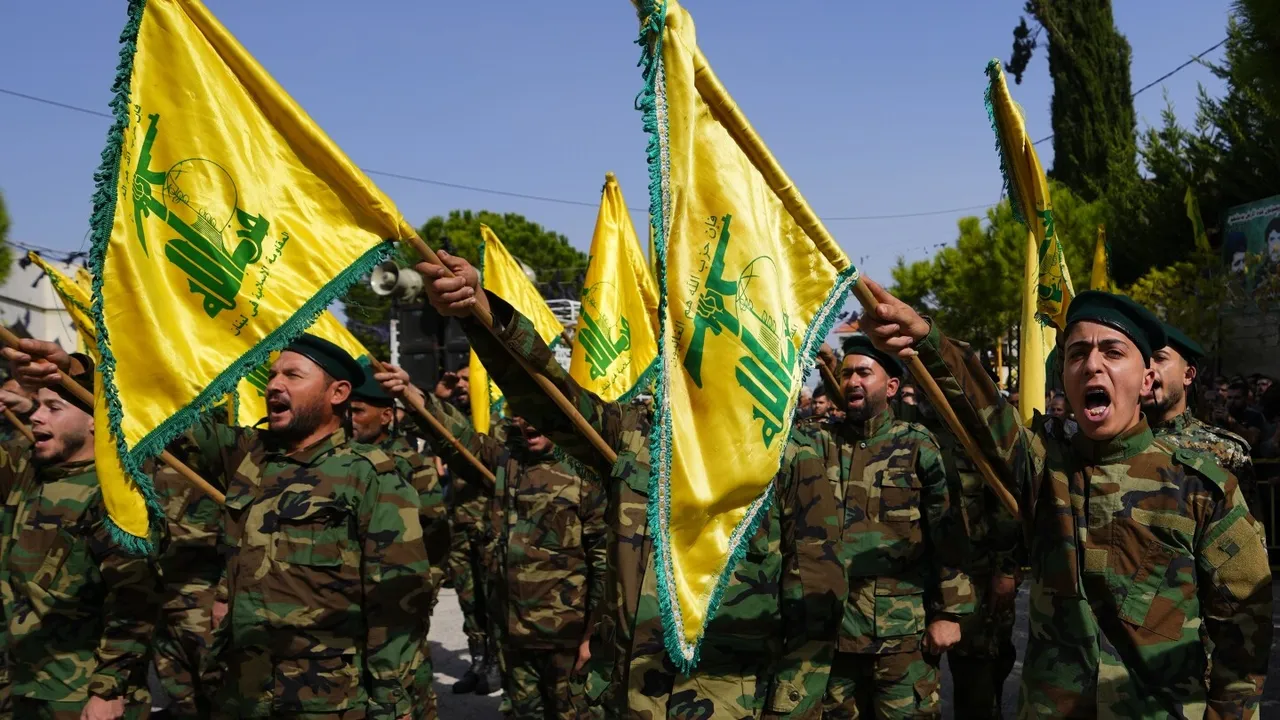
  • Hezbollah, a terrorist organization.

    By Scott J. Arnold

    Hezbollah (Hizbollah), a terrorist organization

    A comprehensive 12-page article on Hezbollah (Hizbollah), a terrorist organization would examine its origins, ideology, regional and global operations, political and military tactics, and its impact on Middle East geopolitics and international security. Here’s an outline for the structure of such an article, offering an in-depth look at Hezbollah as a multifaceted organization that operates both as a political party in Lebanon and a militant group designated as a terrorist organization by many countries.
    Page 1: Introduction

    Overview of Hezbollah: Briefly introduce Hezbollah, outlining its dual role as both a political party and a militant organization. Highlight its status as a designated terrorist organization by the United States, the European Union, and several other countries.
    Purpose of the article: Lay out the key aspects to be explored in this article, including Hezbollah’s origins, ideology, regional influence, military strategies, and its implications for global terrorism and security.

    Page 2: Origins of Hezbollah

    Founding in the early 1980s: Explore Hezbollah’s origins in the aftermath of the Israeli invasion of Lebanon in 1982, describing the context of the Lebanese Civil War, Shiite disenfranchisement, and the role of Iran in its formation.
    Influence of the 1979 Iranian Revolution: Examine how Iran’s Islamic Revolution inspired Hezbollah’s founders and how Iran, through its Islamic Revolutionary Guard Corps (IRGC), provided financial, military, and ideological support.
    Hezbollah’s founding principles: Discuss its foundational ideology, including resistance to Israeli occupation, its advocacy for an Islamic state in Lebanon, and its loyalty to Iran’s Supreme Leader.

    Page 3: Ideology and Objectives

    Hezbollah’s guiding ideology: Explore the group’s commitment to Shiite Islamist principles, its interpretation of political Islam, and its allegiance to the Iranian regime.
    Hezbollah’s main objectives: Analyze Hezbollah’s long-standing goals, which include the destruction of Israel, the promotion of Shiite political power in Lebanon, and opposition to Western influence in the Middle East.
    Iran-Hezbollah nexus: Highlight the strategic alliance between Hezbollah and Iran, including Hezbollah’s role as Iran’s proxy in the region, advancing Tehran’s geopolitical interests.

    Page 4: Hezbollah’s Role in Lebanese Politics

    The political wing: Examine how Hezbollah has evolved into a dominant political force in Lebanon, participating in elections and holding seats in the Lebanese parliament. Discuss its role in forming political coalitions.
    Provision of social services: Explore Hezbollah’s social welfare programs, including healthcare, education, and infrastructure, which have helped the group gain support among Lebanon’s Shiite population.
    Balancing politics and militancy: Discuss how Hezbollah maintains a balance between its political activities and its militant operations, often using its political platform to shield its military operations from scrutiny.

    Page 5: Military Structure and Capabilities

    Hezbollah’s military wing: Provide an overview of Hezbollah’s military structure, including its elite fighting force, the Islamic Resistance, and its use of guerrilla tactics, paramilitary operations, and asymmetrical warfare.
    Weapons and funding: Examine the sources of Hezbollah’s weapons and funding, including Iranian military support, fundraising through charitable networks, and illicit activities such as drug trafficking and money laundering.
    Hezbollah’s fighting capabilities: Analyze Hezbollah’s military strength, including its arsenal of rockets, anti-tank missiles, and advanced military training, which have enabled it to challenge Israel and operate in other conflict zones.

    Page 6: Hezbollah’s Conflict with Israel

    First Israeli-Hezbollah clashes (1980s): Describe the early clashes between Hezbollah and Israel in southern Lebanon, focusing on Hezbollah’s role in resisting Israeli occupation and its growing military strength during the 1980s.
    1992-2006 escalation: Examine the growing intensity of hostilities between Hezbollah and Israel, including the 1992 assassination of Hezbollah’s leader Abbas al-Musawi, which led to an escalation of the conflict.
    2006 Israel-Hezbollah War: Provide an in-depth look at the 2006 war between Israel and Hezbollah, including Hezbollah’s use of rockets and guerrilla tactics, the destruction caused in Lebanon, and how the war ended in a stalemate. Assess how Hezbollah emerged stronger and more popular among Lebanese after the conflict.

    Page 7: Hezbollah’s Involvement in the Syrian Civil War

    Support for Bashar al-Assad: Analyze Hezbollah’s intervention in the Syrian Civil War, where it fought on behalf of the Assad regime against rebel forces, thereby extending Iran’s influence in the region.
    Hezbollah’s role in turning the tide of the war: Discuss Hezbollah’s critical role in bolstering Assad’s forces, particularly in key battles such as the recapture of Qusayr and Aleppo.
    Regional implications of Hezbollah’s involvement: Explore how Hezbollah’s participation in the Syrian conflict has increased sectarian tensions in the region, solidified its alliance with Iran, and strengthened its ties with Russia.

    Page 8: Global Operations and Terrorist Activities

    Terrorist designation: Explain why Hezbollah has been designated a terrorist organization by multiple countries, focusing on its involvement in terrorist activities across the globe.
    International operations: Discuss Hezbollah’s global reach, including its cells in Latin America, Africa, and Europe, where it engages in fundraising, recruitment, and illicit activities.
    Major terrorist attacks attributed to Hezbollah: Analyze high-profile attacks linked to Hezbollah, including the 1983 Beirut barracks bombings, the 1994 bombing of the AMIA Jewish community center in Argentina, and other incidents targeting Israeli and Jewish interests worldwide.

    Page 9: Hezbollah’s Relationship with Other Militant Groups

    Alliance with Hamas and Palestinian groups: Examine Hezbollah’s ties with Palestinian militant groups, particularly Hamas, and its support for the Palestinian cause against Israel.
    Links to al-Qaeda and other jihadist groups: Explore Hezbollah’s complex relationship with Sunni jihadist organizations, including occasional cooperation with al-Qaeda-linked groups, despite sectarian differences.
    Hezbollah and the Houthis in Yemen: Discuss Hezbollah’s involvement in Yemen, where it has reportedly provided training and support to the Iranian-backed Houthi rebels in their fight against the Saudi-led coalition.

    Page 10: Hezbollah’s Influence on Regional Geopolitics

    Hezbollah as a regional power broker: Discuss Hezbollah’s role in shaping regional politics in the Middle East, including its influence in Lebanon, Syria, Iraq, and Yemen.
    Iran’s “axis of resistance”: Examine Hezbollah’s place within Iran’s broader strategy to create an “axis of resistance” against Israel, the U.S., and their allies in the Middle East.
    Hezbollah’s rivalry with Saudi Arabia: Analyze Hezbollah’s role in the broader Sunni-Shiite rivalry between Iran and Saudi Arabia, including its opposition to Saudi influence in Lebanon and the wider region.

    Page 11: Hezbollah and Western Counterterrorism Efforts

    U.S. and European efforts to curb Hezbollah: Explore the measures taken by the U.S. and Europe to counter Hezbollah’s influence, including sanctions, financial restrictions, and diplomatic pressure.
    Designating Hezbollah’s political and military wings: Discuss the debate in Europe and other regions about whether to designate Hezbollah’s political and military wings separately, as some countries do not recognize the political wing as a terrorist entity.
    Hezbollah’s response to international pressure: Analyze how Hezbollah has adapted to sanctions and counterterrorism efforts, including its use of alternative financial networks and its increased involvement in transnational criminal activities.

    Page 12: Future of Hezbollah and Conclusion

    Hezbollah’s evolving role: Discuss Hezbollah’s potential future trajectory as both a political and militant organization, considering its continued involvement in regional conflicts and its growing influence in Lebanon’s political system.
    Challenges and threats: Examine the challenges Hezbollah faces, including internal divisions, growing public dissatisfaction in Lebanon due to economic crises, and increased international scrutiny of its operations.
    Conclusion: Summarize the key points of the article, emphasizing Hezbollah’s unique position as a hybrid organization that operates as both a political party and a militant group, and its lasting impact on Middle East geopolitics and global security.

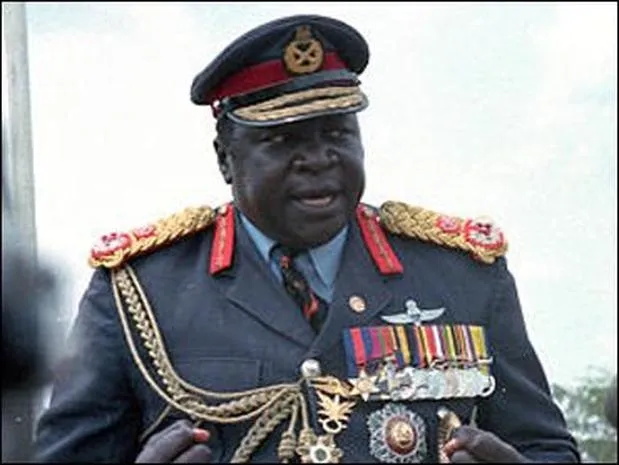
  • Idi Amin Dada: The Rise, Rule, and Legacy of Uganda’s Dictator

    By Scott J. Arnold

    Idi Amin Dada: The Rise, Rule, and Legacy of Uganda’s Dictator
    Page 1: Introduction

    Idi Amin Dada, also known as the Butcher of Uganda, was one of the most notorious and brutal dictators in African history. Amin seized power in Uganda in 1971 and ruled the country through terror, violence, and erratic policies until his ousting in 1979. His regime is estimated to have been responsible for the deaths of between 100,000 and 500,000 people due to political repression, ethnic cleansing, and state-sponsored murder. Amin’s rule left Uganda economically devastated and socially fractured, with lasting impacts that continue to affect the country to this day.

    This expansion will trace Amin’s rise to power, the nature of his authoritarian rule, and his fall from power. It will also analyze his lasting impact on Uganda and his legacy in African and world history, as well as the psychological and political factors that made him one of the most infamous figures of the 20th century.
    Page 2: Early Life and Military Career

    Idi Amin was born around 1925 in Koboko, in what was then the British Protectorate of Uganda. His exact birth date is disputed, but he came from the Kakwa ethnic group, a minority group in northwestern Uganda. He received little formal education and spent his youth working odd jobs before joining the King’s African Rifles (KAR), a regiment of the British colonial army, in 1946 as a cook.

    Despite his humble beginnings, Amin quickly rose through the ranks, gaining a reputation as a formidable soldier during his service in Burma, Somalia, and Kenya during the British colonial campaigns. Amin participated in the suppression of the Mau Mau uprising in Kenya in the 1950s, which further established him as a loyal and ruthless military figure. By the time Uganda achieved independence from Britain in 1962, Amin had become one of the highest-ranking officers in the Ugandan army.

    In the early years of post-colonial Uganda, Amin forged a close alliance with Prime Minister and later President Milton Obote, who relied on Amin’s military skills to secure his own political position. This relationship would later sour, setting the stage for Amin’s coup against Obote.
    Page 3: The 1971 Coup and Amin’s Seizure of Power

    In 1971, tensions between Idi Amin and Milton Obote reached a breaking point. Obote, who had become increasingly authoritarian himself, began to distrust Amin, particularly over financial irregularities and Amin’s growing influence within the military. Fearing that Obote would soon move against him, Amin launched a military coup on January 25, 1971, while Obote was attending a Commonwealth conference in Singapore.

    The coup was swift and largely bloodless. Amin declared himself President of Uganda, suspended the constitution, and dissolved Parliament. Initially, Amin’s rise to power was met with popular support, as many Ugandans were dissatisfied with Obote’s authoritarian rule and economic mismanagement. Amin promised to restore democracy, release political prisoners, and improve the living conditions of ordinary Ugandans. However, these promises were quickly abandoned as Amin began consolidating power and ruling through violence and fear.
    Page 4: The Establishment of a Dictatorship

    Upon assuming power, Amin wasted no time in turning Uganda into a military dictatorship. He promoted himself to Field Marshal and filled key government positions with military officers and members of his own Kakwa, Lugbara, and Nubian ethnic groups. Amin’s rule was marked by extreme brutality, and he began eliminating any perceived threats to his regime, starting with those loyal to Obote.

    Amin’s use of state-sponsored violence became evident early in his rule. He ordered the mass execution of army officers suspected of loyalty to Obote, as well as the systematic purge of the Acholi and Langi ethnic groups within the military, who were seen as Obote’s base of support. Over the next few years, thousands of military personnel, politicians, and civilians would be arrested, tortured, and executed under Amin’s orders.

    Amin also established a network of secret police, known as the State Research Bureau, to spy on civilians and suppress dissent. Political opponents, journalists, and intellectuals were arrested, tortured, and often killed. Fear permeated every level of society, and Uganda descended into a state of terror under Amin’s rule.
    Page 5: Ethnic Cleansing and Political Repression

    One of the most defining and brutal aspects of Amin’s rule was his use of ethnic cleansing as a tool of political control. Amin, who himself came from a minority ethnic group, viewed many of Uganda’s ethnic groups, particularly the Acholi and Langi, as threats to his regime due to their association with the previous government of Milton Obote. As a result, these groups became targets of systematic repression.

    Amin’s security forces engaged in the mass murder of thousands of Acholi and Langi people, often rounding them up in military barracks or prisons before executing them. The International Commission of Jurists estimated that at least 80,000 people were killed during Amin’s first few years in power, though some estimates place the death toll as high as 500,000 by the end of his regime.

    In addition to targeting ethnic groups, Amin’s regime was characterized by the repression of any potential political rivals. Opposition parties were banned, and Amin declared himself President for Life in 1976. Political dissenters, real or imagined, were brutally silenced through torture and extrajudicial killings.
    Page 6: The Expulsion of Asians from Uganda

    One of Amin’s most infamous and economically devastating decisions came in August 1972, when he ordered the expulsion of Uganda’s Asian minority, giving them 90 days to leave the country. This community, mainly of Indian origin, had played a vital role in Uganda’s economy, particularly in trade, industry, and finance.

    Amin justified the expulsion by accusing the Asian community of exploiting Uganda’s resources and preventing economic progress for indigenous Ugandans. He also framed the expulsion as an act of African nationalism, declaring that he was returning Uganda to its rightful owners. Approximately 60,000 Asians, many of them Ugandan citizens, were forced to leave the country, abandoning their businesses and property.

    The expulsion of the Asian community had devastating consequences for Uganda’s economy. With much of the country’s entrepreneurial and managerial class gone, industries collapsed, and Uganda’s economy rapidly declined. The businesses left behind by Asians were handed over to Amin’s loyalists, many of whom lacked the skills or experience to manage them, further exacerbating the economic crisis.
    Page 7: The Collapse of the Ugandan Economy

    By the mid-1970s, Uganda’s economy was in freefall. The expulsion of Asians had decimated the business sector, while Amin’s government failed to address growing inflation, corruption, and mismanagement. Agricultural production, which was the backbone of Uganda’s economy, also suffered as farms were neglected and mismanaged by inexperienced administrators.

    Amin’s government relied heavily on foreign aid, particularly from Libya, under the leadership of Muammar Gaddafi, and Saudi Arabia. However, aid alone could not compensate for the regime’s incompetence in economic management. Uganda’s coffee industry, a major export, suffered from declining production, and the country was plunged into widespread poverty and hunger.

    Amin’s military spending also drained the national treasury. He lavished resources on himself and the military elite, purchasing expensive weapons and vehicles while ordinary Ugandans struggled to survive. His extravagant lifestyle, including numerous palaces, luxury cars, and an elaborate system of patronage, contrasted sharply with the poverty faced by the average citizen.
    Page 8: Relations with Foreign Powers and International Image

    Amin’s foreign relations were marked by erratic and often bizarre behavior, which further isolated Uganda from the international community. Initially, Amin had the support of Britain and Israel, both of which had assisted Uganda militarily. However, in 1972, Amin expelled Israeli advisers from the country, aligning himself instead with Libya, Saudi Arabia, and the Soviet Union. Amin declared himself a champion of Pan-Africanism and frequently spoke out against Western imperialism.

    His relations with the West deteriorated rapidly, particularly with Britain, after Amin made a series of inflammatory statements. In one instance, he sent a telegram to Queen Elizabeth II, congratulating her on the 25th anniversary of her ascension to the throne and offering to “take over” the governance of Britain if necessary. Amin also declared himself “King of Scotland” in a bizarre diplomatic stunt.

    Amin’s anti-Western rhetoric and erratic policies earned him a reputation as a madman on the international stage. His brutality and human rights abuses, particularly his involvement in the murder of political dissidents, also attracted condemnation from human rights organizations and foreign governments. By the late 1970s, Uganda was increasingly isolated, with few international allies left.
    Page 9: The Entebbe Raid (1976)

    One of the most dramatic international incidents during Amin’s rule was the Entebbe hostage crisis in 1976. On June 27, 1976, Air France Flight 139 was hijacked by members of the Popular Front for the Liberation of Palestine – External Operations (PFLP-EO), who were supported by German Revolutionary Cells. The plane, carrying 248 passengers, was diverted to Entebbe Airport in Uganda, where the hijackers took the passengers hostage, demanding the release of Palestinian prisoners.

    Amin allowed the hijackers to land and supported their demands, which further alienated him from the international community. The crisis ended on July 4, 1976, when Israeli commandos launched a daring rescue operation, storming the airport and freeing 102 hostages. The success of the Entebbe Raid embarrassed Amin, exposing his complicity in international terrorism.

    The incident damaged Amin’s reputation globally, particularly in the West, and further isolated Uganda diplomatically. The Entebbe Raid is remembered as one of the most successful hostage rescue missions in history, but it also marked the beginning of the end for Amin’s regime, which would soon face growing opposition both domestically and internationally.
    Page 10: The Fall of Idi Amin

    By the late 1970s, Amin’s regime was in deep crisis. The economy was in shambles, and dissent against his brutal rule was growing. His decision to invade Tanzania in 1978, in an attempt to annex the Kagera region, proved to be a disastrous miscalculation. The invasion provoked a strong response from Tanzanian President Julius Nyerere, who mobilized the Tanzanian military to launch a counteroffensive.

    The Ugandan-Tanzanian War (1978-1979) culminated in the Tanzanian army and Ugandan exiles, including supporters of Milton Obote, launching a full-scale invasion of Uganda. Amin’s poorly trained and demoralized forces were no match for the Tanzanian military, and in April 1979, Amin was forced to flee the capital, Kampala. His regime quickly collapsed, and Milton Obote was restored to power.

    Amin fled to Libya before eventually settling in Saudi Arabia, where he lived in exile until his death in 2003. Although he expressed a desire to return to Uganda, he remained in exile for the rest of his life, living in relative luxury in Jeddah, shielded from international prosecution.
    Page 11: Life in Exile and Death

    After his downfall, Amin lived quietly in Saudi Arabia, under the protection of the Saudi royal family. Despite calls for his extradition to face justice for his crimes, Amin was never prosecuted, and he lived out his remaining years in relative comfort. In interviews, Amin never expressed regret for his actions, claiming that everything he did was in the interest of Uganda.

    Amin died on August 16, 2003, in a hospital in Jeddah, Saudi Arabia, due to kidney failure. His death marked the end of an era in Uganda’s history, but his legacy continues to haunt the country. Amin was buried in Saudi Arabia, and his death was met with a mix of relief and lingering resentment by Ugandans, many of whom had suffered under his brutal rule.

    While he was in exile, many Ugandans continued to bear the scars of his regime—both physically and psychologically. The chaos and devastation left in the wake of Amin’s rule required years of rebuilding, and the social and economic trauma his regime inflicted on the country is still felt today.
    Page 12: Legacy and Impact on Uganda

    Idi Amin’s legacy is a deeply divisive one. For many Ugandans and observers worldwide, he is remembered primarily as a tyrant whose rule brought about untold suffering and devastation. His regime left behind a country deeply divided along ethnic lines, with a shattered economy and a broken social fabric. The deaths of hundreds of thousands of Ugandans, widespread torture, and repression marked his time in power as one of the darkest periods in Uganda’s history.

    However, there are some who recall Amin as a symbol of African nationalism and defiance against Western imperialism, particularly for his expulsion of Asians and his outspoken rhetoric against Western powers. Some Ugandans still view him as a leader who, despite his brutality, stood up for Uganda’s sovereignty.

    Amin’s impact on Uganda and Africa as a whole cannot be understated. He set a precedent for military dictatorship in the region and demonstrated the dangers of unchecked authoritarianism. Uganda’s recovery from the damage caused by his rule was slow and painful, and the effects of his policies lingered for decades after his downfall. His legacy remains a cautionary tale about the perils of absolute power and the catastrophic consequences of a leader who governs through fear and violence.

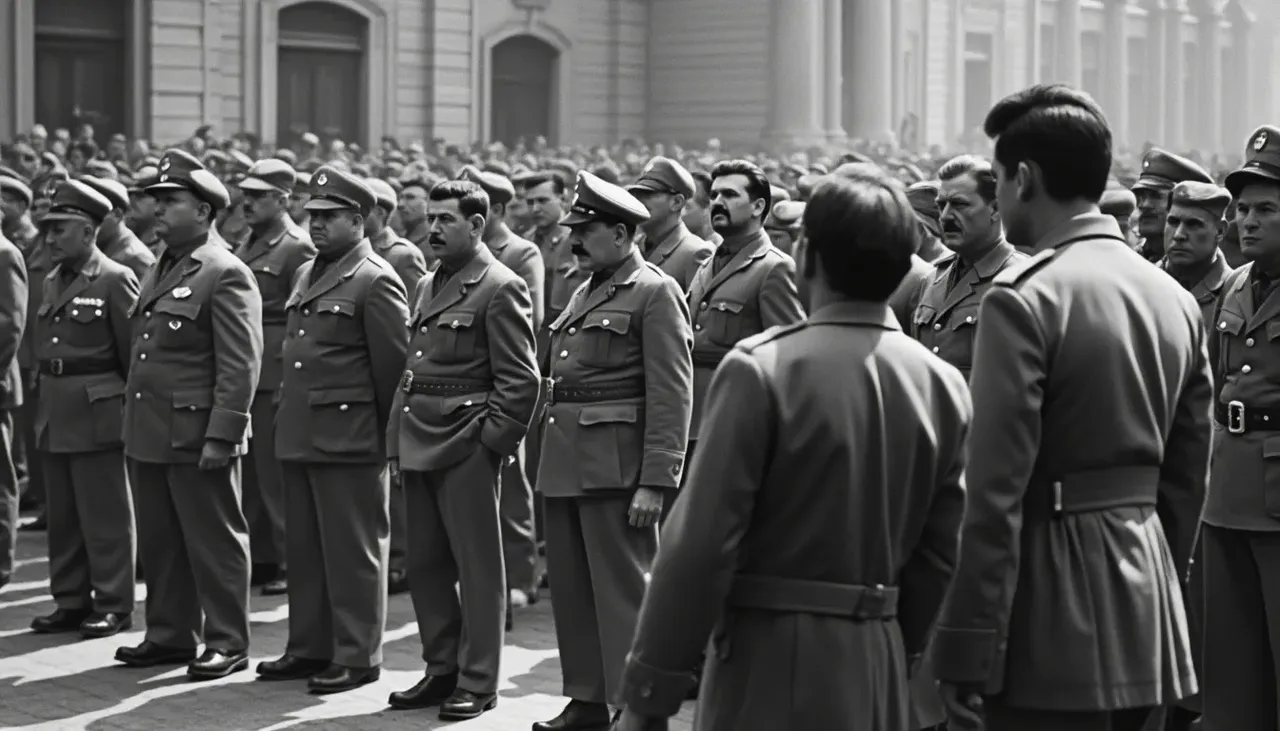
  • Joseph Stalins Brutal Dictatorship: A Reign of Terror and Death.

    By Scott J. Arnold

    Joseph Stalin’s Brutal Dictatorship: A Reign of Terror and Death
    Introduction (1-2 pages)

    Introduction to Joseph Stalin: Brief overview of Stalin as the leader of the Soviet Union from the mid-1920s until his death in 1953. Mention his impact on the Soviet Union and the world.
    The Scope of the Atrocities: Introduce the scale of the atrocities committed during Stalin’s reign, with millions of people dying due to state violence, forced collectivization, purges, labor camps, and famine.
    Thesis Statement: Stalin’s dictatorship was marked by brutal repression, mass murder, and policies that resulted in the deaths of millions of Soviet citizens. This paper will explore Stalin’s rise to power, the key events that defined his dictatorship, and the horrific consequences for the Soviet people.

    Chapter 1: Stalin’s Rise to Power (2 pages)

    Background of the Bolshevik Revolution (1917): Provide context on the Russian Revolution of 1917, which brought the Bolsheviks to power under Vladimir Lenin. Stalin played a key role in the revolution and the early days of the Soviet Union.
    Stalin’s Early Career: Describe Stalin’s role in the Bolshevik Party and his ascent through the ranks, focusing on his positions as Commissar for Nationalities and General Secretary of the Communist Party, which gave him control over party appointments.
    Consolidation of Power After Lenin’s Death (1924): Explain how Stalin outmaneuvered rivals like Leon Trotsky, Grigory Zinoviev, and Lev Kamenev to become the undisputed leader of the Soviet Union by the late 1920s. This chapter should focus on Stalin’s cunning political tactics and use of alliances to neutralize his opponents.

    Chapter 2: The Great Purge and Political Repression (3 pages)

    Introduction to the Great Purge (1936-1938): Define the Great Purge as one of the bloodiest chapters in Soviet history, where Stalin sought to eliminate anyone he perceived as a threat to his rule.
    Show Trials and Execution of Political Rivals: Discuss the show trials of prominent Bolshevik leaders, military officers, and intellectuals. Focus on how Stalin used false accusations of treason, espionage, and sabotage to justify executions and imprisonments.
    The NKVD’s Role: Explain the role of the NKVD (Soviet secret police) in carrying out the arrests, torture, and executions during the Purge. The NKVD was instrumental in terrorizing the population and enforcing Stalin’s total control.
    Impact on the Military and Government: Detail how Stalin’s purges decimated the Red Army, removing a large portion of its experienced officers, and purged millions of people from government, industry, and academia. The purges left the Soviet Union vulnerable, particularly as World War II approached.

    Chapter 3: Collectivization and the Forced Famine (3 pages)

    Introduction to Stalin’s Economic Policies: Introduce Stalin’s economic vision of rapidly industrializing the Soviet Union through state control of agriculture and industry.
    Collectivization of Agriculture (1929-1933): Discuss Stalin’s policy of forced collectivization, where small peasant farms were merged into large, state-controlled collective farms. The policy was met with fierce resistance from the peasantry, especially the kulaks (wealthier peasants).
    Dekulakization and Brutal Repression: Detail the campaign to “liquidate the kulaks as a class,” which involved mass deportations, arrests, and executions of peasants accused of resisting collectivization. Many were sent to labor camps, and entire villages were destroyed.
    The Holodomor and Famine in Ukraine: Focus on the man-made famine in Ukraine, known as the Holodomor (1932-1933), which was caused by the forced requisition of grain and other foodstuffs to meet Stalin’s industrialization goals. Millions of Ukrainians starved to death, and the famine was used as a tool to crush nationalist sentiment and resistance to Soviet rule.
    Famine in Other Soviet Regions: Mention the broader Soviet famine that affected other regions, such as Kazakhstan and parts of Russia. The famine resulted in the deaths of millions of people across the Soviet Union.

    Chapter 4: The Gulag System and Forced Labor (2-3 pages)

    Introduction to the Gulags: Define the Gulag system of labor camps where millions of political prisoners, criminals, and “enemies of the state” were sent to work under brutal conditions.
    Expansion of the Gulag System: Discuss how Stalin expanded the use of labor camps during the Great Purge and in the 1930s and 1940s. The camps were used as a tool for economic development, with prisoners working on infrastructure projects like the White Sea-Baltic Canal and mining operations in Siberia.
    Conditions in the Camps: Describe the horrific conditions in the Gulags, where prisoners were subjected to starvation, overwork, exposure to the elements, and rampant disease. Many did not survive the brutal conditions.
    Death Toll and Long-Term Impact: Provide an estimate of the death toll from the Gulag system. Historians estimate that between 1.5 and 2 million people died in the camps, while millions more suffered irreparable physical and psychological damage.

    Chapter 5: World War II and Stalin’s Brutality (2-3 pages)

    Stalin’s Role in World War II: Introduce Stalin’s leadership during World War II, highlighting both his strategic decisions and the human cost of his wartime policies.
    The Nazi-Soviet Pact (1939): Discuss the Molotov-Ribbentrop Pact between Stalin and Hitler, which allowed the Soviet Union to invade Eastern Poland and annex the Baltic States. Stalin’s initial collaboration with Nazi Germany is a controversial aspect of his leadership.
    Soviet Losses in the War: Detail the immense human cost of World War II for the Soviet Union, with estimates of 20-27 million Soviet deaths, including civilians and soldiers. Stalin’s military decisions, such as refusing to evacuate civilians or retreat strategically, contributed to heavy losses.
    The Siege of Leningrad and Battle of Stalingrad: Provide specific examples of Stalin’s brutal wartime strategies, including the Siege of Leningrad, where Stalin refused to allow civilians to flee, resulting in the deaths of over a million people due to starvation and exposure. Discuss the Battle of Stalingrad, where Stalin’s “Not a Step Back” policy led to immense Soviet casualties.
    Post-War Purges: After the war, Stalin continued to purge suspected enemies, including returning Soviet POWs who had been held in German camps. These soldiers were viewed as traitors and often sent to the Gulag or executed.

    Chapter 6: Stalin’s Cult of Personality and Propaganda (2 pages)

    The Creation of a Cult of Personality: Discuss how Stalin used propaganda to build a cult of personality around himself, presenting himself as the “Father of Nations” and the savior of the Soviet Union.
    State Control of Media and Art: Explain how Stalin controlled the press, literature, art, and film to promote his image and suppress dissenting voices. Artists and writers who failed to conform to the state’s demands were often imprisoned or executed.
    Propaganda and Education: Detail how Stalin used the education system to indoctrinate Soviet citizens, particularly the youth, to view him as infallible. Schoolchildren were taught to revere Stalin as a near-divine figure, and any criticism of him was treated as treason.

    Chapter 7: The Human Toll of Stalin’s Rule (2-3 pages)

    Estimating the Death Toll: Provide estimates of how many people died as a direct result of Stalin’s policies. While numbers vary, historians generally estimate that Stalin’s dictatorship resulted in the deaths of between 15 and 20 million people through purges, executions, forced labor, and famines. Some estimates go as high as 25-30 million when including war casualties.
    Personal Accounts and Survivor Stories: Include examples of personal testimonies and survivor accounts from those who lived through Stalin’s terror, including Gulag survivors, famine victims, and families of those purged.
    The Lasting Psychological and Cultural Impact: Discuss the long-term psychological impact of Stalin’s terror on Soviet society. The pervasive fear and distrust that Stalin’s regime created left deep scars on Soviet culture and shaped the Soviet Union’s trajectory for decades.

    Chapter 8: Stalin’s Death and Legacy (1-2 pages)

    Stalin’s Death in 1953: Detail the circumstances of Stalin’s death and the immediate reactions within the Soviet Union. His death marked the end of one of the most brutal regimes in modern history.
    The Khrushchev Thaw and De-Stalinization: Discuss how Stalin’s successor, Nikita Khrushchev, denounced Stalin’s crimes in his “Secret Speech” in 1956 and began a process of de-Stalinization. Monuments to Stalin were removed, political prisoners were released, and some of the worst excesses of his regime were exposed.
    Stalin’s Controversial Legacy: Conclude by examining how Stalin remains a controversial figure in both Russia and the world. While he is remembered as a ruthless dictator responsible for millions of deaths, some still view him as a strong leader who modernized the Soviet Union and led it to victory in World War II.

    Conclusion: The Brutality and Tragedy of Stalin’s Dictatorship (1-2 pages)

    Summarizing Stalin’s Brutality: Recap the major points of Stalin’s brutal dictatorship, from the Great Purge and forced collectivization to the Gulag system and famines.
    The Human Cost: Emphasize the enormous human cost of Stalin’s rule, with millions of Soviet citizens suffering under his repressive policies.
    Stalin’s Place in History: Reflect on Stalin’s complex legacy as both a tyrant who inflicted unspeakable suffering on his own people and a leader who left an indelible mark on world history.

  • Japan’s Plan to Use Biological Warfare on San Diego: A Close Call in World War II

    By Scott J. Arnold

    Japan’s Plan to Use Biological Warfare on San Diego: A Close Call in World War II

    As World War II entered its final phases in 1945, Japan, increasingly desperate, was willing to employ extreme measures in an attempt to turn the tide of the war. One of the most horrifying of these plans was “Operation Cherry Blossoms at Night,” a secret strategy that involved launching a biological attack on the United States using the plague. The target was San Diego, California, a major military hub on the West Coast.

    The aim of this operation was to release plague-infected fleas into the civilian population of San Diego, causing widespread disease, panic, and death. This attack was intended to cripple the American war effort and perhaps buy Japan more time as it faced the devastating consequences of the ongoing Allied military campaign. However, this terrifying plan was never executed. Japan surrendered five weeks before it was scheduled to be carried out, sparing the United States from what could have been a catastrophic biological attack on its civilian population.

    This 15-page article will explore the origins of Japan’s biological weapons program, the development of Operation Cherry Blossoms at Night, and the factors that prevented this deadly attack from taking place. We will also examine the broader implications of biological warfare during World War II and the lasting lessons this near-miss provides for the future of warfare and international security.
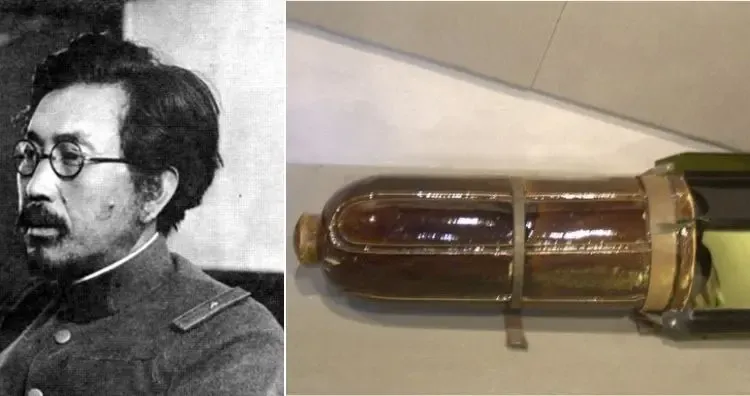
    Japan’s Biological Weapons Program: Unit 731

    To understand Japan’s plan to unleash a biological weapon on the United States, it is necessary to first explore the country’s biological warfare program during World War II. The roots of this program can be traced back to Unit 731, a covert research and development unit of the Imperial Japanese Army that specialized in biological and chemical warfare.

    Unit 731 was established in 1935 under the leadership of General Shiro Ishii, a physician and microbiologist who became the mastermind behind Japan’s biological warfare efforts. The unit was headquartered in the Pingfang district of Harbin, in Japanese-occupied Manchuria (now part of China), and its mission was to develop weapons that could spread deadly diseases such as the plague, anthrax, cholera, and typhoid.

    What set Unit 731 apart from other military research programs was its appalling use of human subjects in its experiments. Thousands of Chinese civilians, prisoners of war, and other individuals deemed expendable by the Japanese military were subjected to gruesome experiments without anesthesia. Victims were intentionally infected with deadly pathogens, subjected to vivisections, and used as test subjects for various biological weapons. The atrocities committed by Unit 731 were among the most heinous war crimes of the 20th century.

    One of the primary biological agents that Unit 731 focused on was Yersinia pestis, the bacterium responsible for causing the plague. The plague, also known as the Black Death, had a devastating impact on human populations in history, and the Japanese saw it as an effective tool for biological warfare. Unit 731 developed bombs filled with plague-infected fleas, which could be dropped over enemy territory to spread the disease.

    While much of Unit 731’s work was initially focused on China, where biological agents were deployed against Chinese civilians and soldiers, Japan’s war planners increasingly considered the possibility of using these weapons against the United States as the war progressed.
    The Concept of Operation Cherry Blossoms at Night

    As Japan’s situation grew increasingly dire in 1945, military leaders began to explore unconventional methods to counter the overwhelming power of the United States and its Allies. Despite the rapid advances of Allied forces in the Pacific and the devastating bombing campaigns against Japanese cities, Japan’s leadership remained unwilling to surrender. Instead, they sought ways to inflict maximum damage on the United States in the hopes of forcing a negotiated settlement or at least staving off an invasion of the Japanese home islands.

    It was in this context that Operation Cherry Blossoms at Night was conceived. The operation was named after the cherry blossom, a symbol of beauty and transience in Japanese culture, but the plan itself was anything but poetic. It called for a biological attack on the U.S. mainland, specifically targeting the city of San Diego, which was a major military and naval hub on the West Coast.

    The plan was ambitious and ruthless. Unit 731 would provide plague-infected fleas, which would be loaded into specially designed bombs. These bombs would then be carried by Kamikaze pilots—volunteer suicide pilots—on long-range submarines known as I-400-class submarines. The submarines were equipped with aircraft-launching capabilities, and the plan called for them to travel across the Pacific Ocean and launch their plague-laden aircraft near San Diego.

    Once the planes were launched, they would drop the infected fleas over the city, where the fleas would spread the plague among the civilian population. The plague, which can be transmitted through flea bites and respiratory droplets, would quickly spread, leading to widespread disease, panic, and potentially tens of thousands of deaths. Given that medical treatments for the plague were limited at the time, such an attack could have caused devastating consequences.

    The goal of the operation was not only to cause mass casualties but also to undermine American morale and disrupt the U.S. war effort. Japan’s leaders hoped that by bringing the war to American soil and causing widespread panic, they could force the United States to reconsider its demand for Japan’s unconditional surrender.
    The Timing of the Attack

    The plan for Operation Cherry Blossoms at Night was drawn up in the spring of 1945, as Japan was on the verge of defeat. However, executing such an audacious and complex operation required careful planning and coordination, and it was not something that could be carried out overnight.

    According to historical records, the attack was scheduled to take place in September 1945, at the height of the summer flea season when the warm weather would facilitate the spread of the plague. The Japanese believed that the heat and dense population in San Diego would make the biological attack even more effective.

    However, events in the war would ultimately conspire to prevent the attack from taking place. In the summer of 1945, the United States dropped atomic bombs on the Japanese cities of Hiroshima and Nagasaki on August 6 and 9, respectively. These bombings, along with the Soviet Union’s declaration of war on Japan, led to Japan’s surrender on August 15, 1945. The surrender came just five weeks before Operation Cherry Blossoms at Night was scheduled to be carried out.
    Why the Attack Was Never Executed

    Several factors contributed to the failure of Japan’s biological attack plan, beyond the country’s eventual surrender in August 1945. One major challenge was the logistical difficulty of carrying out such an operation across the vast Pacific Ocean. While Japan had developed long-range submarines capable of carrying aircraft, the mission would have required an extraordinary level of coordination, precision, and luck.

    The I-400-class submarines would have had to avoid detection by American naval forces, which were heavily patrolling the Pacific, and they would have needed to launch their aircraft undetected near the U.S. mainland. The Kamikaze pilots would then have had to successfully release the biological agents over San Diego without being intercepted by American air defenses.

    Furthermore, the risk of the operation backfiring was significant. If the operation failed, or if the planes carrying the biological agents were shot down before they could release their payload, the Japanese pilots or submariners could be captured, and the biological weapons could fall into American hands. This would have not only revealed Japan’s biological warfare capabilities but also opened the door to potential retaliation.

    Despite these challenges, Japan’s leadership, particularly those within the military high command, remained committed to pursuing Operation Cherry Blossoms at Night. However, Japan’s rapidly deteriorating situation in the war, combined with the overwhelming devastation caused by the atomic bombings, forced the government to reconsider its options. In the end, Japan’s surrender spared the United States from what could have been one of the deadliest biological attacks in history.
    The Threat of Biological Warfare in World War II

    Japan was not the only country to explore the use of biological weapons during World War II. Both the United States and Great Britain had developed their own biological warfare programs, albeit with different objectives and degrees of success. However, what set Japan’s program apart was the willingness to use these weapons against civilian populations.

    Biological warfare posed a particularly insidious threat during World War II because of the difficulty of defending against it. Unlike conventional weapons, which cause immediate damage, biological agents could spread silently and invisibly, infecting large numbers of people before symptoms appeared. This made them a particularly appealing option for military leaders seeking to maximize casualties and create chaos.

    The potential for biological warfare to cause mass casualties was recognized early in the war, and the Allies took steps to prepare for the possibility of such an attack. In the United States, the government established the War Research Service (WRS) in 1942 to investigate the use of biological agents for defensive purposes. At the same time, American scientists conducted experiments on the effects of biological agents, including anthrax and botulinum toxin, in order to develop countermeasures.

    Fortunately, the use of biological weapons was limited during World War II, with most countries opting to rely on more conventional weapons of mass destruction, such as bombs and artillery. However, Japan’s willingness to use biological agents against civilian populations in China and its plans to do the same against the United States underscored the terrifying potential of such weapons.
    The Legacy of Operation Cherry Blossoms at Night

    The discovery of Japan’s biological warfare plans, including Operation Cherry Blossoms at Night, came to light after the war, during the investigations into the activities of Unit 731. Many of the scientists and military personnel involved in Japan’s biological warfare program were granted immunity by the United States in exchange for sharing their research, a controversial decision that has been widely criticized by historians and human rights advocates.

    The near-miss of Operation Cherry Blossoms at Night serves as a stark reminder of the dangers posed by biological warfare, even today. The capacity for biological weapons to cause mass casualties and incite panic remains a significant concern for modern governments and international security agencies. Advances in biotechnology and synthetic biology have made it easier for state and non-state actors to potentially develop and deploy biological agents, increasing the risk of future biological attacks.

    The story of Japan’s plan to launch a plague attack on San Diego also highlights the ethical challenges associated with warfare and the use of weapons of mass destruction. The willingness of Japan’s leadership to target civilian populations with such a deadly and indiscriminate weapon underscores the lengths to which nations will sometimes go in the pursuit of victory, even at the cost of human life.
    Conclusion: A Narrow Escape

    Operation Cherry Blossoms at Night, Japan’s plan to unleash a biological weapon on San Diego, California, stands as one of the most chilling what-ifs of World War II. The fact that the operation was never carried out due to Japan’s surrender is a testament to the fragile nature of history and the fine line between catastrophe and salvation. Had the war continued for just a few more weeks, the United States could have faced a devastating biological attack on its civilian population, potentially altering the course of the war and post-war history.

    The story of Japan’s biological warfare program, and the near-miss of Operation Cherry Blossoms at Night, serves as a sobering reminder of the horrors of war and the ever-present threat of weapons of mass destruction. In a world that continues to grapple with the challenges of warfare and global security, the lessons of this dark chapter in history remain as relevant as ever.

  • King Henry VIII of Britain and Beheadings.

    By Scott J. Arnold

    King Henry VIII of Britain and Beheadings: A Comprehensive 15-Page Exploration

    King Henry VIII of Britain is one of the most iconic and controversial monarchs in English history. His reign from 1509 to 1547 was marked by significant political, religious, and personal upheaval, not least because of his ruthless treatment of those who crossed him. Perhaps the most infamous aspect of Henry’s reign was his penchant for executions by beheading, a fate met by two of his six wives, several political figures, and key religious leaders. In this 15-page analysis, we will explore the historical context of Henry VIII’s reign, the events leading to his use of beheadings as a political and personal tool, and the long-lasting impact of these executions on British history and society.
    1. The Rise of King Henry VIII: From the Young Prince to Ruthless Monarch
    1.1. The Early Years of Henry VIII

    Henry VIII was born on June 28, 1491, at Greenwich Palace. As the second son of King Henry VII, he was not initially expected to inherit the throne. However, the unexpected death of his elder brother, Arthur, in 1502, thrust Henry into the role of heir apparent.

    Young Henry’s Education and Character: Henry received a Renaissance education, excelling in languages, theology, and the arts. He was charismatic, athletic, and well-liked in his youth, a stark contrast to the tyrannical figure he would become in later years.

    1.2. Henry’s Accession to the Throne

    When Henry VII died in 1509, Henry VIII ascended the throne at the age of 17. His early reign was marked by military campaigns, courtly splendor, and his marriage to Catherine of Aragon, the widow of his late brother, Arthur. At this time, Henry was a devout Catholic and was recognized as “Defender of the Faith” by the Pope for his opposition to Protestantism.

    A Popular Young King: Henry was initially seen as a vibrant and promising ruler. His court was full of culture, learning, and pageantry. However, beneath the surface, Henry’s ambition and desire for control would soon emerge, leading to significant changes in both English politics and religion.

    2. The Marriage Troubles That Shaped Henry’s Reign
    2.1. The Question of an Heir

    Henry’s marriage to Catherine of Aragon lasted for over two decades, but the union was plagued by their inability to produce a male heir. Although Catherine gave birth to a daughter, Mary, all of their sons died in infancy, leading to Henry’s increasing frustration.

    Desperate for a Son: In Tudor society, a male heir was crucial for the stability of the monarchy. Henry’s anxiety over securing the Tudor dynasty’s future led him to question the legitimacy of his marriage to Catherine, as she had previously been married to his brother. He sought an annulment from the Pope, claiming that his marriage was cursed.

    2.2. The Break with Rome

    When the Pope refused to annul Henry’s marriage to Catherine, Henry took matters into his own hands, leading to one of the most significant events of his reign: the English Reformation. In 1534, Henry declared himself Supreme Head of the Church of England, effectively breaking from the Catholic Church and establishing the Anglican Church.

    The Act of Supremacy: This act not only allowed Henry to divorce Catherine but also gave him unprecedented religious and political power. However, this move also set the stage for a series of executions, as anyone who opposed his authority or questioned the legitimacy of his marriage to his new wife, Anne Boleyn, would face dire consequences.

    3. The Beheading of Anne Boleyn: The First Queen to Be Executed
    3.1. The Rise of Anne Boleyn

    Anne Boleyn, a lady-in-waiting to Catherine of Aragon, captivated Henry VIII with her wit, charm, and intelligence. Unlike many of Henry’s previous mistresses, Anne refused to become his lover without the promise of marriage, further intensifying his desire to annul his marriage to Catherine.

    Henry’s Obsession with Anne: Anne played a pivotal role in Henry’s decision to break with the Catholic Church, as she offered the possibility of producing the long-desired male heir. In 1533, Henry married Anne in a secret ceremony, and she was crowned queen shortly thereafter.

    3.2. Anne’s Downfall

    Anne gave birth to a daughter, Elizabeth, but like Catherine, she failed to produce a male heir. Her position at court became increasingly precarious as she faced accusations of infidelity, witchcraft, and treason.

    The Trial and Execution: In 1536, Anne was arrested and charged with adultery, incest, and high treason. Although the charges were likely fabricated, Anne was found guilty and sentenced to death. On May 19, 1536, she was beheaded by a skilled French swordsman, marking the first time in English history that a queen had been executed.

    4. The Beheading of Catherine Howard: A Tragic Tale of Youth and Betrayal
    4.1. Henry’s Fifth Wife: Catherine Howard

    After the death of his third wife, Jane Seymour, Henry married Anne of Cleves in a politically motivated union, but the marriage was annulled shortly after. In 1540, Henry married Catherine Howard, a young cousin of Anne Boleyn, who was around 19 years old at the time.

    Catherine’s Youth and Inexperience: Catherine’s marriage to the aging and increasingly unhealthy Henry was doomed from the start. While Henry was infatuated with her beauty and youth, Catherine’s past relationships and alleged infidelities would ultimately lead to her downfall.

    4.2. Catherine’s Infidelity and Arrest

    In 1541, rumors of Catherine’s infidelity reached Henry. An investigation uncovered her previous romantic entanglements, and she was accused of adultery with courtiers Thomas Culpeper and Francis Dereham. The scandal shocked the court, and Henry felt personally betrayed by his young wife.

    Catherine’s Execution: Catherine was arrested, imprisoned, and eventually convicted of treason. On February 13, 1542, she was beheaded at the Tower of London. Unlike Anne Boleyn, who maintained her innocence until the end, Catherine admitted her past mistakes but denied committing adultery during her marriage to Henry.

    5. The Execution of Thomas More: The King’s Former Friend and Counselor
    5.1. Thomas More’s Rise to Prominence

    Thomas More was one of the most respected scholars and statesmen of Henry VIII’s court. He was a devout Catholic, humanist, and author of Utopia. In 1529, More was appointed Lord Chancellor, making him one of the most powerful men in England.

    More and Henry’s Early Relationship: More and Henry had a close relationship, and More initially supported many of Henry’s policies. However, their friendship began to deteriorate as Henry moved toward breaking with the Catholic Church.

    5.2. More’s Refusal to Acknowledge the King’s Supremacy

    More’s deep Catholic faith made it impossible for him to support Henry’s break with Rome and the establishment of the Church of England. He refused to swear the Oath of Supremacy, which recognized Henry as the Supreme Head of the Church, and this refusal was seen as an act of treason.

    More’s Trial and Execution: In 1535, More was convicted of treason and sentenced to death. His execution was a highly publicized event, as More was well-known for his integrity and intellectual achievements. On July 6, 1535, he was beheaded at the Tower of London, and his final words were, “I die the king’s good servant, but God’s first.”

    6. The Execution of Thomas Cromwell: Henry’s Chief Minister Falls from Favor
    6.1. Thomas Cromwell’s Rise to Power

    Thomas Cromwell was a key architect of the English Reformation and one of Henry’s most trusted ministers. He played a pivotal role in securing Henry’s divorce from Catherine of Aragon, facilitating the king’s marriage to Anne Boleyn, and orchestrating the dissolution of the monasteries.

    Cromwell’s Political Acumen: Cromwell’s political savvy and administrative skills made him indispensable to Henry, but his enemies at court—including the Duke of Norfolk—were constantly seeking to undermine him.

    6.2. Cromwell’s Downfall

    Cromwell’s downfall came as a result of his involvement in Henry’s disastrous marriage to Anne of Cleves. Henry blamed Cromwell for the failure of the marriage and accused him of heresy and treason.

    Cromwell’s Execution: In 1540, Cromwell was arrested and swiftly condemned to death without a trial. On July 28, 1540, he was beheaded at the Tower of London, marking the end of one of the most powerful political careers in Tudor England.

    7. The Execution of Religious Figures: Henry’s Suppression of the Catholic Church
    7.1. The Dissolution of the Monasteries

    One of the most significant aspects of Henry’s break with the Catholic Church was the dissolution of the monasteries. Between 1536 and 1541, Henry ordered the closure and destruction of monasteries, abbeys, and convents across England, seizing their wealth and lands for the crown.

    Resistance from Religious Leaders: Many Catholic religious leaders, including monks, abbots, and bishops, resisted Henry’s religious reforms, leading to widespread persecution and executions.

    7.2. The Execution of John Fisher

    One of the most prominent Catholic leaders executed by Henry was John Fisher, the Bishop of Rochester. Fisher was a staunch opponent of Henry’s divorce from Catherine of Aragon and refused to acknowledge the king’s supremacy over the Church.

    Fisher’s Execution: In 1535, Fisher was arrested, tried for treason, and sentenced to death. On June 22, 1535, he was beheaded, becoming a martyr for the Catholic cause. His execution was widely condemned, particularly by the Pope, who had named him a cardinal shortly before his death.

    8. The Pilgrimage of Grace and the Executions of Rebels
    8.1. The Pilgrimage of Grace

    The Pilgrimage of Grace was a massive popular uprising in 1536 against Henry’s religious reforms, particularly the dissolution of the monasteries. The rebellion, which began in Yorkshire, was one of the largest in English history, with tens of thousands of people taking part.

    Demands of the Rebels: The rebels demanded the restoration of the monasteries, the removal of Henry’s chief ministers, and the return to Catholic practices. The rebellion was initially met with promises of negotiation, but once the uprising was suppressed, Henry took brutal revenge on its leaders.

    8.2. The Execution of Robert Aske

    Robert Aske, a lawyer from Yorkshire, was one of the key leaders of the Pilgrimage of Grace. After the rebellion was crushed, Aske was arrested and sentenced to death.

    Aske’s Execution: In 1537, Aske was hanged, drawn, and quartered—a particularly gruesome form of execution—at York. His death served as a warning to others who might consider opposing the king’s authority.

    9. The Political Tool of Beheading: Control and Fear in Henry’s Court
    9.1. Beheading as a Symbol of Royal Authority

    Throughout Henry VIII’s reign, beheading became a symbol of royal authority and control. Executions were often highly publicized events, designed to instill fear in the populace and ensure loyalty to the king.

    The Spectacle of Executions: The use of beheadings, particularly of high-ranking nobles and religious figures, sent a clear message that no one, regardless of status, was beyond the reach of the king’s power.

    9.2. The Culture of Fear at Henry’s Court

    The constant threat of execution created a culture of fear at Henry’s court. Ambitious courtiers and ministers often found themselves vying for the king’s favor, knowing that a fall from grace could lead to their death.

    The Use of Treason Trials: Henry frequently used treason trials to eliminate political rivals and consolidate his power. The arbitrary nature of these trials, combined with Henry’s growing paranoia, made life at court increasingly dangerous for those in positions of power.

    10. The Role of the Tower of London in Henry’s Executions
    10.1. The Tower as a Prison and Place of Execution

    The Tower of London played a central role in Henry VIII’s reign as the site where many of his most famous executions took place. High-profile prisoners, including Anne Boleyn, Catherine Howard, and Thomas More, were held in the Tower before being beheaded.

    The Tower’s Symbolism: The Tower of London was not only a fortress and royal palace but also a symbol of state power and authority. Its association with executions added to its ominous reputation.

    10.2. Famous Executions at the Tower

    Some of the most famous executions of Henry’s reign took place at the Tower, including the beheadings of Anne Boleyn and Catherine Howard. The execution of a queen was a shocking event in Tudor society, and the Tower’s role as the setting for these deaths added to its historical significance.
    11. Henry’s Health and Mental State in His Later Years
    11.1. The Decline of Henry’s Health

    In the later years of his reign, Henry VIII’s physical health began to decline dramatically. He suffered from chronic leg ulcers, obesity, and possibly diabetes, which left him increasingly immobile and in constant pain.

    The Impact on His Rule: Henry’s declining health contributed to his increasingly erratic and tyrannical behavior. His mood swings, paranoia, and tendency to lash out at those around him became more pronounced as his physical condition worsened.

    11.2. Henry’s Paranoia and Use of Beheadings

    As Henry’s health deteriorated, so did his mental state. He became increasingly paranoid and distrustful of those around him, leading to a rise in the number of executions during the later years of his reign.

    Beheadings as a Reflection of His Paranoia: Henry’s use of beheadings in his later years can be seen as a reflection of his growing paranoia. Executions became a way for him to eliminate perceived threats to his authority, even when those threats were exaggerated or fabricated.

    12. The Aftermath of Henry’s Reign: The Legacy of His Executions
    12.1. The Impact on Henry’s Successors

    Henry VIII’s reign and his use of executions had a profound impact on his successors. His son, Edward VI, continued some of his father’s religious reforms, but the brutal suppression of dissent set a precedent that would be followed by later monarchs, including Mary I and Elizabeth I.

    The Legacy of Fear and Control: Henry’s use of beheadings as a political tool established a legacy of fear and control that influenced the way his successors governed. The execution of key figures, including religious leaders and nobles, became a common method of maintaining power during the Tudor period.

    12.2. The Historical Reputation of Henry VIII

    Henry VIII’s legacy has been shaped by his ruthless treatment of those who crossed him, particularly his wives and close advisors. While he is often remembered as a powerful and transformative monarch, his use of beheadings and executions has cast a long shadow over his reign.

    Henry’s Dual Legacy: Historians continue to debate Henry’s legacy, with some emphasizing his role in the English Reformation and the establishment of the Church of England, while others focus on the darker aspects of his reign, including his treatment of his wives and the widespread use of execution as a political tool.

    13. The Cultural Impact of Henry VIII’s Executions
    13.1. Literature and Drama

    Henry VIII’s reign and his use of beheadings have inspired countless works of literature and drama. From Shakespeare’s play Henry VIII to modern historical novels, the drama of his court and the tragic fates of his wives and advisors have captured the imagination of writers for centuries.

    Shakespeare’s Henry VIII: In Shakespeare’s play Henry VIII, the political intrigue and personal tragedies of Henry’s reign are depicted with a focus on the fall of Cardinal Wolsey and the rise of Anne Boleyn. The play explores themes of power, betrayal, and the consequences of unchecked ambition.

    13.2. Film and Television

    The dramatic events of Henry VIII’s reign, including the beheadings of Anne Boleyn and Catherine Howard, have been brought to life in numerous films and television series. Productions like The Tudors and Anne of the Thousand Days have helped shape modern perceptions of Henry as a ruthless and charismatic monarch.

    Cinematic Depictions of Henry’s Court: These portrayals often emphasize the tension and danger of life at Henry’s court, where the threat of execution loomed large for those who fell out of favor.

    14. Public Executions and the Spectacle of Power
    14.1. Public Executions as a Tool of Control

    Public beheadings during Henry VIII’s reign were not merely a form of punishment but also a spectacle of power designed to reinforce the king’s authority. Executions were often staged in public places, with large crowds gathering to witness the event.

    The Role of the Executioner: The executioner played a crucial role in these spectacles, as the skill and precision of the beheading were important factors in determining the dignity of the condemned. A botched execution, such as the one suffered by Margaret Pole, Countess of Salisbury, only heightened the brutality of the event.

    14.2. The Impact on Public Perception

    The frequent use of beheadings by Henry VIII had a profound impact on public perception of the monarchy. While executions were intended to demonstrate the king’s power and control, they also fostered an atmosphere of fear and uncertainty.

    Fear and Loyalty: The public executions of high-profile figures like Anne Boleyn and Thomas More served as stark reminders of the consequences of disloyalty. However, they also contributed to the growing perception of Henry as a tyrant who would stop at nothing to maintain his power.

    15. Conclusion: Henry VIII and the Enduring Legacy of Beheadings

    King Henry VIII’s use of beheadings as a political and personal tool defined much of his reign and left a lasting impact on English history. From the execution of his wives to the suppression of religious dissent, Henry’s willingness to eliminate those who opposed him—or simply failed to meet his expectations—has cemented his reputation as one of history’s most formidable and ruthless rulers.

    A King Obsessed with Power: At the heart of Henry’s use of beheadings was his obsession with power and control. His need for a male heir, his break with the Catholic Church, and his increasing paranoia all contributed to the wave of executions that marked his reign.
    The Cultural and Historical Legacy: Henry’s legacy as a monarch who wielded the axe with impunity continues to captivate historians, writers, and filmmakers. The drama of his court and the fates of those who met their end on the executioner’s block remain a powerful symbol of the dangers of absolute power and the human cost of political ambition.

    Henry VIII’s reign was a pivotal moment in British history, and his use of beheadings—both as a personal and political weapon—remains one of the most chilling aspects of his rule. Through the execution of his wives, ministers, and religious leaders, Henry shaped the course of English history and left behind a legacy of fear, control, and ruthless ambition that continues to resonate today.


  • MacArthur and Unit 731: The Dark Deal for Immunity

    By Scott J. Arnold

    General Douglas MacArthur and Unit 731: The Dark Deal for Immunity

    In the aftermath of World War II, General Douglas MacArthur played a crucial role in rebuilding Japan and shaping the future of the Pacific region. However, his legacy is clouded by one of the most disturbing episodes of the war: the secret deal that granted immunity to the members of Unit 731, a Japanese biological warfare unit responsible for horrific war crimes. Under the terms of this deal, the Japanese scientists who conducted grotesque experiments on human subjects in the name of biological warfare were spared prosecution in exchange for handing over their research to the United States. This article delves into the history of Unit 731, the atrocities they committed, and how MacArthur’s decision to grant immunity helped cover up their crimes, raising ethical questions that persist to this day.
    Unit 731: Origins and Atrocities

    Unit 731 was a covert biological and chemical warfare research and development unit of the Imperial Japanese Army, established in 1935 in Harbin, Manchuria, during Japan’s occupation of China. The unit was led by General Shiro Ishii, a microbiologist with a fanatical belief in the potential of biological warfare. The primary purpose of Unit 731 was to develop weapons that could be used to spread deadly diseases, including anthrax, plague, cholera, and typhoid. However, the methods used to conduct their research were nothing short of barbaric.

    The unit is infamous for conducting cruel and inhumane experiments on living human subjects, most of whom were Chinese civilians, political dissidents, prisoners of war, and others deemed expendable by the Japanese government. Thousands of people were subjected to biological and chemical warfare experiments, vivisections, frostbite testing, forced infections, and deliberate exposure to deadly pathogens.

    Vivisection and Torture

    One of the most horrific practices conducted by Unit 731 was vivisection—performing surgery on living humans without anesthesia. Victims were dissected to study the effects of diseases and injuries in real-time, often while still conscious. Their organs were removed, and their bodies were mutilated in the name of scientific progress.

    Biological Warfare Experiments

    Unit 731’s experiments in biological warfare were equally monstrous. Prisoners were intentionally infected with deadly diseases, such as the plague and cholera, to study the progression of these illnesses in living subjects. In some cases, prisoners were tied to stakes while biological agents were sprayed on them to test how effectively the pathogens could spread. Unit 731 also conducted field experiments, releasing plague-infected fleas in Chinese villages, leading to outbreaks that killed thousands of civilians.

    Weapon Development

    Unit 731 developed various biological weapons, including bombs that could spread disease-carrying fleas or release toxic gases. These weapons were tested on living prisoners in horrific ways, including bombing prisoners with pathogen-laden explosives. The effects were meticulously recorded, and the knowledge gained from these experiments contributed to the development of Japan’s biological warfare capabilities during the war.
    The End of the War and the Threat of Prosecution

    As World War II drew to a close, Japan faced the reality of imminent defeat. Unit 731 attempted to destroy evidence of their crimes by executing prisoners, destroying documents, and dismantling facilities. However, enough evidence remained for Allied forces to uncover the extent of the atrocities committed by the unit.

    After Japan’s surrender in August 1945, Unit 731’s activities were exposed by Chinese authorities and former prisoners of war. With war crimes trials looming, many of the scientists and personnel involved in Unit 731, including General Shiro Ishii, feared prosecution for their horrific actions. Under the terms of the Potsdam Declaration, which outlined Japan’s surrender, those responsible for war crimes were to be brought to justice.

    The Nuremberg Trials, held in Europe to prosecute Nazi war criminals, had already demonstrated the Allies’ commitment to holding individuals accountable for crimes against humanity. Many expected that similar trials would be held in the Pacific to prosecute Japanese war criminals, including those involved in Unit 731. However, the course of history would take a darker turn.
    MacArthur’s Role in Post-War Japan

    After Japan’s surrender, General Douglas MacArthur was appointed Supreme Commander for the Allied Powers (SCAP) and tasked with overseeing the occupation and reconstruction of Japan. MacArthur was given broad authority to reform Japan’s political, economic, and social systems, and his decisions had a profound impact on the future of the country. He also played a central role in determining how Japan’s war criminals would be treated.

    While MacArthur is often credited with fostering democracy in Japan and helping the country recover from the devastation of war, his approach to justice for Japanese war criminals was highly selective. Although many high-ranking military officials were tried and convicted in the Tokyo War Crimes Trials, MacArthur prioritized geopolitical concerns over moral accountability when it came to Unit 731.
    The Deal with Unit 731

    As the U.S. military began to investigate the atrocities committed by Unit 731, they quickly realized that the Japanese scientists had amassed a vast body of knowledge on biological warfare. Much of this knowledge had been gained through grotesque human experimentation, but it was also seen as potentially valuable in the emerging Cold War environment. With the Soviet Union rapidly expanding its influence in East Asia, the U.S. government feared falling behind in the race for biological warfare technology.

    General MacArthur and other high-ranking U.S. officials recognized the strategic importance of the research conducted by Unit 731. Rather than prosecuting the scientists for war crimes, MacArthur sought to secure their knowledge for the benefit of the United States. This decision set the stage for one of the most controversial deals of the post-war period.

    Negotiating Immunity

    MacArthur and his staff, including intelligence officers from the Office of Strategic Services (OSS) and the U.S. Army’s chemical and biological warfare divisions, began secret negotiations with General Shiro Ishii and other key figures from Unit 731. The terms were simple: in exchange for immunity from prosecution, the Japanese scientists would turn over all of their research, including data on biological weapons, human experiments, and disease outbreaks.

    One of the driving forces behind this decision was the belief that the U.S. could not afford to let the Soviet Union gain access to this research. The Cold War was beginning to take shape, and the U.S. government saw biological warfare as a potential tool in the growing ideological struggle between the superpowers. By acquiring Japan’s research, the U.S. hoped to stay ahead of the Soviets in developing biological weapons.

    In exchange for their cooperation, the Japanese scientists were granted full immunity from prosecution. General Ishii, who had overseen some of the most heinous experiments, was allowed to retire in relative comfort, and many of his subordinates continued their careers in Japan’s medical and academic institutions. Despite their involvement in atrocities that rivaled those of Nazi Germany, these individuals were spared from facing justice.
    The Cover-Up

    To preserve the secrecy of the deal, the U.S. government took extensive measures to cover up the activities of Unit 731. Official reports downplayed or omitted the atrocities committed by the unit, and many documents were classified to prevent their public release. The Tokyo War Crimes Trials, which focused on high-profile military and political figures, made no mention of Unit 731 or its experiments.

    Meanwhile, the research gathered from Unit 731 was transferred to U.S. military and scientific agencies. This information reportedly contributed to the development of the U.S. biological weapons program during the early years of the Cold War. The moral implications of using data obtained through human experimentation were largely ignored in the rush to gain a strategic advantage.
    The Soviet Factor

    While the U.S. worked to cover up its deal with Unit 731, the Soviet Union took a different approach. In December 1949, the Soviets conducted their own war crimes trial in Khabarovsk, in which they prosecuted several Japanese military officers and scientists associated with Unit 731. The trial revealed graphic details of the atrocities committed by the unit and condemned the actions of the Japanese military.

    However, these revelations were largely dismissed in the West as Soviet propaganda, and the Khabarovsk trials received little attention in the U.S. media. The U.S. government, eager to maintain its own cover-up, did not respond to the Soviet accusations, allowing the narrative of the trial to fade into obscurity.
    Moral and Ethical Implications

    The decision to grant immunity to the members of Unit 731 remains one of the most morally contentious actions of the post-war period. While MacArthur and other U.S. officials justified the deal on the grounds of national security and the Cold War, it raises profound ethical questions about the value of human life and the limits of wartime justice.

    By allowing war criminals to escape punishment in exchange for scientific data, the U.S. undermined the principles of accountability and justice that were being championed in Europe through the Nuremberg Trials. The victims of Unit 731’s atrocities, many of whom were innocent civilians, were denied justice, and their suffering was essentially erased from the official narrative of the war.
    Long-Term Consequences

    The deal with Unit 731 had long-lasting consequences, both for Japan and the international community. In Japan, the failure to prosecute war criminals like General Ishii contributed to a broader reluctance to fully acknowledge the country’s wartime atrocities. Unlike Germany, which underwent a process of de-Nazification and faced its war crimes head-on, Japan has struggled with historical revisionism and denial of responsibility for crimes committed during the war.

    The cover-up of Unit 731’s activities also set a dangerous precedent for future conflicts. By prioritizing strategic interests over moral accountability, the U.S. government signaled that war crimes could be overlooked if they provided a tactical advantage. This approach raised troubling questions about the role of ethics in wartime decision-making and the extent to which nations are willing to compromise their values for the sake of power.
    Uncovering the Truth

    In the decades following the end of World War II, efforts to uncover the truth about Unit 731 slowly gained momentum. Journalists, historians, and human rights advocates began to investigate the unit’s activities and the U.S. government’s role in covering up its crimes. Declassified documents eventually revealed the extent of the deal between MacArthur and the Japanese scientists, sparking renewed interest in the moral and legal implications of the decision.

    Despite these revelations, much of the information about Unit 731 remains classified or has been lost to history. The victims of the unit’s atrocities, many of whom were Chinese civilians, have never received formal recognition or compensation for their suffering. The story of Unit 731 serves as a stark reminder of the moral compromises made during wartime and the lingering scars of injustice.
    Conclusion

    The deal struck between General Douglas MacArthur and the leaders of Unit 731 represents one of the most troubling chapters in the aftermath of World War II. By granting immunity to war criminals in exchange for scientific data, the U.S. government compromised its moral authority and denied justice to the victims of Unit 731’s horrific experiments. This decision, driven by the geopolitical realities of the Cold War, left a lasting stain on the legacy of the post-war occupation of Japan and raised profound ethical questions that continue to resonate today.

    While MacArthur’s leadership in rebuilding Japan is often celebrated, his involvement in the cover-up of Unit 731’s atrocities serves as a reminder of the complexities and moral challenges of wartime decision-making. As we reflect on the lessons of history, the story of Unit 731 stands as a cautionary tale of the dangers of placing strategic interests above human rights and justice.