By Scott J. Arnold
Weimar Berlin Before World War II: A Comprehensive 15-Page Analysis
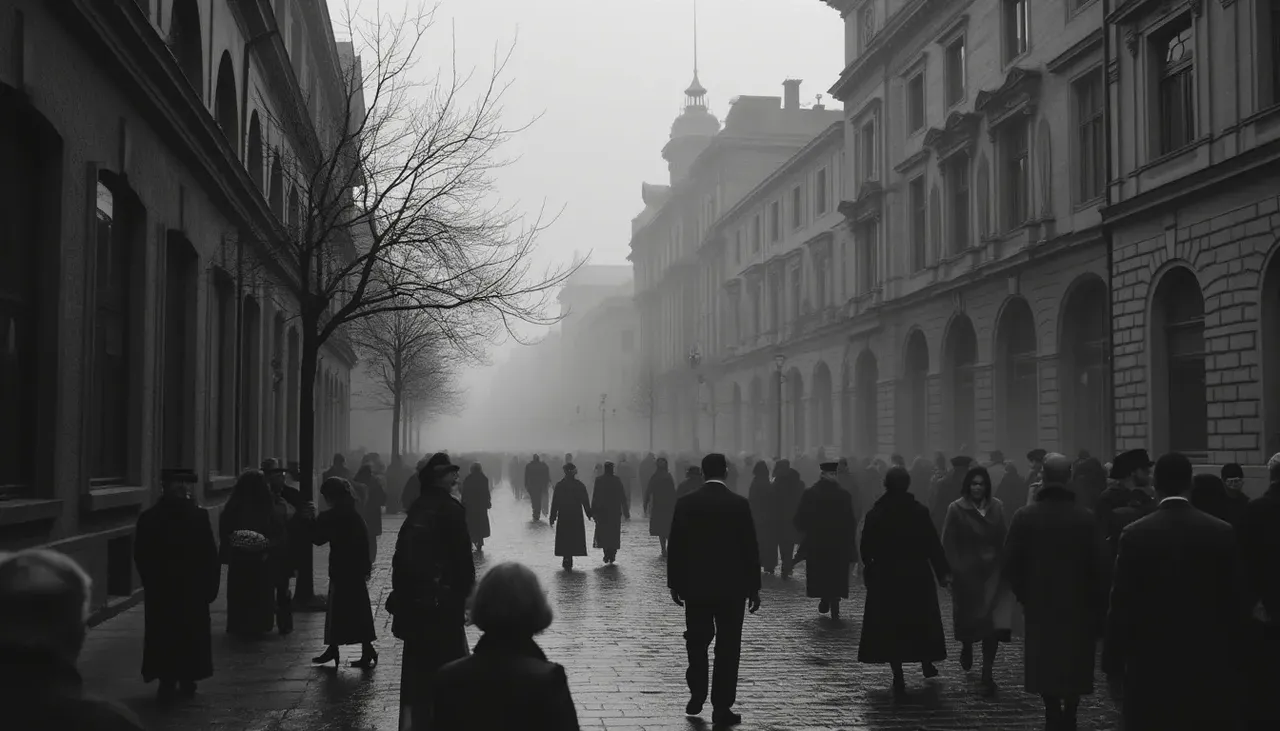
The Weimar Republic, established after Germany’s defeat in World War I and lasting until the rise of the Nazis in 1933, was a period of intense political, social, and cultural change. Nowhere were these changes more visible than in Berlin, the capital of Germany and the epicenter of the Weimar era. Between 1919 and 1933, Berlin became known for its vibrant cultural scene, political experimentation, social liberalism, and, eventually, the growing shadow of fascism. In this 15-page analysis, we’ll explore the fascinating and tumultuous years of Weimar Berlin before World War II, examining its culture, politics, art, and how it was affected by and contributed to the rise of the Nazi regime.
1. The Birth of the Weimar Republic: Berlin’s Role in a New Germany
1.1. Aftermath of World War I
Following Germany’s defeat in World War I, the Kaiser abdicated, and the country was thrust into political turmoil. The Weimar Republic was established as a democratic government, but it was born into instability, facing economic crises, political extremism, and national humiliation due to the Treaty of Versailles.
Berlin’s Political Scene: As the capital of Germany, Berlin became the center of political power for the new republic. However, it was also a hotbed of revolutionary activity, with the Spartacist uprising in January 1919 and ongoing clashes between the far left and far right.
1.2. The Treaty of Versailles and Its Impact on Berlin
The Treaty of Versailles, signed in 1919, placed the blame for World War I squarely on Germany and imposed harsh reparations. The financial burden led to severe economic crises, hyperinflation, and widespread discontent among the German population.
Economic Instability in Berlin: The economic turmoil of the 1920s hit Berlin hard. Hyperinflation in 1923 caused money to lose its value at an alarming rate, with people needing wheelbarrows full of cash to buy basic goods. This instability set the stage for the social upheaval and political extremism that would define the Weimar years.
2. Berlin as a Cultural Capital of the Weimar Republic
2.1. The Roaring Twenties in Berlin
While much of Germany suffered from political and economic instability, Berlin became the cultural capital of Europe during the 1920s. The city was home to a thriving artistic, musical, and literary scene, earning it the nickname “Babylon Berlin.”
Nightlife and Entertainment: Berlin’s nightlife during the Weimar era was legendary. The city’s cabarets, theaters, and dance halls were known for their decadence, avant-garde performances, and sexual liberation. Venues like the Eldorado and the Wintergarten Theater attracted intellectuals, artists, and tourists from around the world.
2.2. A Hub of Avant-Garde Art
Weimar Berlin was also a hub for avant-garde movements in art, architecture, film, and music. Artists, writers, and intellectuals flocked to Berlin, making it a center for modernism and experimentation.
Bauhaus Movement: One of the most influential artistic movements to emerge during the Weimar years was the Bauhaus, a school of art, design, and architecture founded by Walter Gropius in 1919. Bauhaus principles emphasized functionality, simplicity, and the integration of art into everyday life, influencing modern architecture and design worldwide.
Dada and Expressionism: Berlin was also a key city for Dadaism and Expressionism. Dada artists, like George Grosz and Hannah Höch, used absurdity and chaos to protest against the horrors of war and the failures of society. Meanwhile, Expressionist filmmakers like Fritz Lang and Robert Wiene revolutionized cinema with films like Metropolis and The Cabinet of Dr. Caligari, using visual distortion and symbolism to depict the anxieties of modern life.
2.3. Literature and Intellectual Life
Writers and intellectuals flourished in Weimar Berlin, producing some of the most important works of the 20th century. The city was home to a rich literary scene, with cafes and salons providing meeting spaces for debates about politics, art, and philosophy.
Key Figures: Writers like Bertolt Brecht, Christopher Isherwood, and Thomas Mann were prominent in Berlin’s literary world. Brecht, in particular, became famous for his revolutionary plays that critiqued capitalism and authoritarianism, such as The Threepenny Opera.
3. Social Change and Liberation in Weimar Berlin
3.1. Sexual Liberation and LGBTQ+ Communities
Weimar Berlin was known for its sexual liberalism and openness to alternative lifestyles, especially compared to other European cities. It became a haven for LGBTQ+ communities, where individuals could express themselves more freely.
Magnus Hirschfeld and the Institute for Sexual Research: Magnus Hirschfeld, a pioneering sexologist, founded the Institute for Sexual Research in Berlin in 1919. The institute became a center for the study of human sexuality, advocating for LGBTQ+ rights, including the decriminalization of homosexuality and support for transgender individuals.
3.2. Women’s Rights and Feminism
The Weimar Republic was a period of progress for women’s rights in Germany. In 1919, women gained the right to vote, and many women began to pursue careers, education, and independence in Berlin.
The “New Woman”: The idea of the “New Woman” emerged during the Weimar years, symbolizing a modern, liberated woman who challenged traditional gender roles. She was often depicted as financially independent, sexually liberated, and politically engaged, reflecting the social changes of the time.
4. Political Unrest in Weimar Berlin
4.1. The Rise of Extremism
Despite the cultural and social advances, Berlin was plagued by political extremism during the Weimar years. Both the far left and the far right sought to undermine the democratic government, leading to violent clashes in the streets.
Communist Movements: The Communist Party of Germany (KPD) was a powerful force in Berlin, organizing strikes, protests, and uprisings. The Spartacist Uprising in 1919, led by Rosa Luxemburg and Karl Liebknecht, was an attempt to establish a socialist government in Berlin, but it was violently suppressed.
4.2. The Rise of the Nazi Party
As the Weimar Republic struggled to maintain stability, the Nazi Party, led by Adolf Hitler, gained momentum by exploiting the public’s fears and frustrations. The Nazis promised to restore German pride, rebuild the economy, and eliminate communism.
Beer Hall Putsch: In 1923, Hitler attempted to overthrow the Weimar government in the Beer Hall Putsch, but the coup failed, and he was imprisoned. However, during his time in prison, Hitler wrote Mein Kampf, laying out his vision for Germany’s future, which resonated with many Germans as economic conditions worsened.
5. The Economic Collapse and Hyperinflation Crisis
5.1. The Hyperinflation of 1923
One of the most defining moments of the Weimar Republic’s early years was the hyperinflation crisis of 1923, which devastated the German economy and eroded public confidence in the government.
Hyperinflation in Berlin: Berliners faced unimaginable hardships during the hyperinflation period. The value of the German mark plummeted, and prices rose so rapidly that wages had to be paid several times a day just to keep up with inflation. Basic necessities like bread became unaffordable, leading to widespread suffering.
5.2. The Dawes Plan and Economic Recovery
By 1924, the introduction of the Dawes Plan helped stabilize the economy by restructuring Germany’s reparations payments and providing loans from the United States. For a brief period in the mid-1920s, Berlin experienced relative economic stability and a cultural renaissance.
The Golden Twenties: The mid-1920s are often referred to as the “Golden Twenties” in Berlin, a time when the economy improved, and the city’s cultural scene flourished. However, this period of prosperity was short-lived, as the Great Depression would soon plunge Germany back into crisis.
6. The Impact of the Great Depression on Weimar Berlin
6.1. Economic Collapse
The stock market crash of 1929 in the United States triggered a global economic depression that hit Germany particularly hard. Unemployment soared, and many Berliners lost their savings, homes, and livelihoods.
Mass Unemployment: By 1932, nearly one-third of the German workforce was unemployed, with Berlin being one of the hardest-hit areas. The city’s streets were filled with desperate people, and social unrest increased as the economic crisis deepened.
6.2. Political Radicalization
As economic conditions worsened, political extremism became even more pronounced in Berlin. The Nazi Party, which had struggled in the 1920s, began to gain significant support by promising to restore order, provide jobs, and reject the Treaty of Versailles.
Nazi Rallies in Berlin: Berlin became a key battleground for the Nazi Party’s rise to power. Hitler and Joseph Goebbels, who was appointed the party’s Gauleiter (regional leader) of Berlin, held large rallies and used propaganda to win over the public.
7. The Fall of the Weimar Republic and Hitler’s Rise to Power
7.1. The 1930 Elections and Nazi Gains
In the 1930 elections, the Nazi Party made significant gains, becoming the second-largest party in the Reichstag. Berlin, like much of Germany, saw a shift in political attitudes as more people turned to the Nazis in response to the economic crisis.
The Appeal of the Nazis: The Nazi Party’s promises of economic recovery, strong leadership, and the restoration of national pride resonated with many Berliners who had lost faith in the Weimar Republic’s ability to govern.
7.2. The End of Democracy
By 1932, the Weimar government was on the verge of collapse. In January 1933, Adolf Hitler was appointed Chancellor of Germany. The Reichstag Fire in February 1933, which the Nazis blamed on communists, allowed Hitler to push through the Reichstag Fire Decree, suspending civil liberties and giving him the power to suppress opposition.
The Enabling Act: In March 1933, the Reichstag passed the Enabling Act, giving Hitler the power to enact laws without the Reichstag’s approval. This effectively marked the end of the Weimar Republic and the beginning of Nazi dictatorship.
8. The Darkening Shadow of Nazism in Berlin
8.1. The Suppression of Opposition
Once in power, the Nazi regime quickly moved to suppress any opposition in Berlin. Communists, socialists, intellectuals, and Jews were targeted, and many were imprisoned or killed.
Concentration Camps: The first concentration camps were established in 1933 to imprison political opponents, primarily communists and socialists. Berliners who had previously enjoyed the city’s vibrant intellectual and political life now lived under the shadow of terror.
8.2. The End of Weimar Berlin’s Cultural Scene
The Nazi regime’s censorship and persecution of artists, intellectuals, and minorities marked the end of the cultural flourishing of Weimar Berlin. Many artists fled into exile, while others were silenced or imprisoned.
Book Burnings: In May 1933, Nazi students and supporters organized book burnings in Berlin, targeting works by Jewish authors, communists, and other intellectuals who were seen as enemies of the regime. This event symbolized the destruction of Weimar Berlin’s vibrant intellectual life.
9. Berlin’s Jewish Community Before the Holocaust
9.1. Jewish Life in Weimar Berlin
Before the rise of the Nazis, Berlin had a large and thriving Jewish community. Jews were active in the city’s cultural, intellectual, and economic life, contributing to its status as a cosmopolitan center.
Jewish Intellectuals and Artists: Many of Berlin’s leading intellectuals and artists, such as physicist Albert Einstein and composer Arnold Schoenberg, were Jewish. Jewish-run businesses, theaters, and cafes were integral to the city’s cultural life.
9.2. The Early Stages of Anti-Semitic Persecution
Even before the Nazis came to power, anti-Semitism was present in German society, but it became increasingly institutionalized after 1933. Jewish businesses were boycotted, and Jews were excluded from public life.
The Nuremberg Laws: In 1935, the Nuremberg Laws were passed, stripping Jews of their citizenship and banning marriages between Jews and non-Jews. This marked the beginning of the systematic persecution that would culminate in the Holocaust.
10. The Intellectual and Artistic Diaspora: Berlin’s Exiles
10.1. The Flight of Intellectuals and Artists
As the Nazis consolidated power, many of Berlin’s most prominent intellectuals, artists, and political figures fled the city. These exiles spread across Europe and the United States, contributing to cultural and intellectual life in their new homes.
Impact on World Culture: Berlin’s loss was the world’s gain, as many of the city’s exiles, such as Bertolt Brecht, Thomas Mann, and Marlene Dietrich, went on to have significant international careers. However, the loss of these figures marked the end of Berlin’s status as a cultural capital.
11. The Destruction of Democracy in Berlin
11.1. The Destruction of Democratic Institutions
With the passage of the Enabling Act, Hitler dismantled the Weimar Republic’s democratic institutions. Political parties were banned, trade unions were dissolved, and the press was censored.
Berlin as a Police State: Berlin, once a city known for its intellectual freedom and political diversity, became a police state. The Gestapo (secret police) and SS (Nazi paramilitary) patrolled the streets, and dissent was met with imprisonment or death.
11.2. The Role of Propaganda in Berlin
Berlin became a center for Nazi propaganda, with Joseph Goebbels, Hitler’s Minister of Propaganda, using mass media, rallies, and films to promote the Nazi message and control public opinion.
Nazi Rallies in Berlin: Large-scale rallies in Berlin were designed to showcase the power and unity of the Nazi regime. Propaganda films, such as Triumph of the Will, were created to glorify Hitler and present the Nazis as Germany’s saviors.
12. Architecture and the Transformation of Berlin
12.1. Nazi Plans for Berlin: Welthauptstadt Germania
Hitler and his chief architect, Albert Speer, had grand plans for transforming Berlin into Welthauptstadt Germania (World Capital Germania), a monumental city that would showcase Nazi power and dominance.
The Grand Plan: Speer’s designs included massive buildings, such as the Volkshalle (People’s Hall), which would dwarf anything in the world. While these plans were never fully realized due to the outbreak of World War II, they reflect the grandiose ambitions of the Nazi regime.
12.2. Destroying Berlin’s Architectural Heritage
The Nazis sought to reshape Berlin’s architectural landscape, often at the expense of the city’s cultural heritage. Jewish businesses, synagogues, and cultural institutions were destroyed, and modernist architecture was denounced as degenerate.
13. The Impact of Nazism on Berlin’s Social Life
13.1. The Decline of Social Freedom
Under Nazi rule, Berlin’s once-vibrant social scene was brought to a halt. The cabarets, cafes, and nightclubs that had once symbolized Berlin’s open and progressive culture were either closed or strictly controlled by the state.
Suppression of LGBTQ+ Communities: The Nazis persecuted LGBTQ+ individuals, closing the bars and clubs that had once been safe havens for these communities. Homosexuality was criminalized, and many LGBTQ+ people were imprisoned in concentration camps.
13.2. Berliners Under Surveillance
The Gestapo and SS kept a close watch on the population of Berlin, using informants and surveillance to root out dissent. Berliners lived in fear of being reported for any behavior that could be seen as disloyal to the regime.
14. The Road to War: Berlin in the Late 1930s
14.1. Rearmament and Militarization
As Hitler prepared Germany for war, Berlin became a center of military activity. The city’s economy was transformed into a war economy, with factories producing weapons, vehicles, and supplies for the coming conflict.
The Militarization of Society: Berliners were expected to participate in the militarization of society, with many men conscripted into the army and women encouraged to support the war effort.
14.2. Nazi Rallies and Public Enthusiasm
In the late 1930s, massive Nazi rallies in Berlin showcased the regime’s power and the public’s apparent enthusiasm for Hitler’s leadership. However, beneath the surface, many Berliners harbored doubts or opposition to the coming war.
15. The End of Weimar Berlin and the Coming of World War II
15.1. Berlin on the Eve of War
By 1939, Weimar Berlin was a distant memory. The vibrant, progressive city of the 1920s had been replaced by a militarized, authoritarian state under Nazi control. As Hitler prepared to launch World War II, Berlin’s residents faced an uncertain future.
The City of Berlin Transformed: Berlin had become the center of Nazi power, but it had lost much of what had made it a cultural and intellectual capital. Many of its brightest minds had fled or been persecuted, and its social fabric had been torn apart by repression and fear.
15.2. The Legacy of Weimar Berlin
Although Weimar Berlin was ultimately eclipsed by the rise of Nazism, its legacy lives on in the art, literature, and ideas that emerged from the period. The Weimar years were a time of extraordinary creativity, social change, and political experimentation, leaving an indelible mark on world culture.
Cultural Influence: The cultural achievements of Weimar Berlin—whether in art, film, architecture, or philosophy—continue to influence contemporary culture. Figures like Brecht, Lang, and the Bauhaus architects remain towering influences in their respective fields.
Conclusion: The Duality of Weimar Berlin
Weimar Berlin was a city of contrasts. It was a place of cultural and social liberation, intellectual flourishing, and artistic experimentation, but it was also a city marked by political unrest, economic crises, and the looming threat of fascism. The Weimar years represent both a high point in European culture and a prelude to one of the darkest periods in history. As Berlin transitioned from the liberal capital of the Weimar Republic to the heart of the Nazi regime, its story became a cautionary tale about the fragility of democracy and the dangers of extremism. Yet, the legacy of Weimar Berlin lives on, reminding us of the power of creativity, freedom, and resistance in the face of tyranny.