By Scott J. Arnold
The Dead Sea Scrolls: A Comprehensive 15-Page Exploration
The discovery of the Dead Sea Scrolls in the mid-20th century stands as one of the most significant archaeological finds of the modern era. These ancient manuscripts, hidden for centuries in caves near the Dead Sea, have provided scholars with invaluable insights into early Jewish history, biblical texts, and the religious practices of the Essenes, a Jewish sect that likely created many of the scrolls. In this 15-page analysis, we will explore the history, discovery, content, and significance of the Dead Sea Scrolls, delving into their impact on our understanding of Judaism, Christianity, and the ancient world.
1. The Discovery of the Dead Sea Scrolls
1.1. The Accidental Discovery in 1947
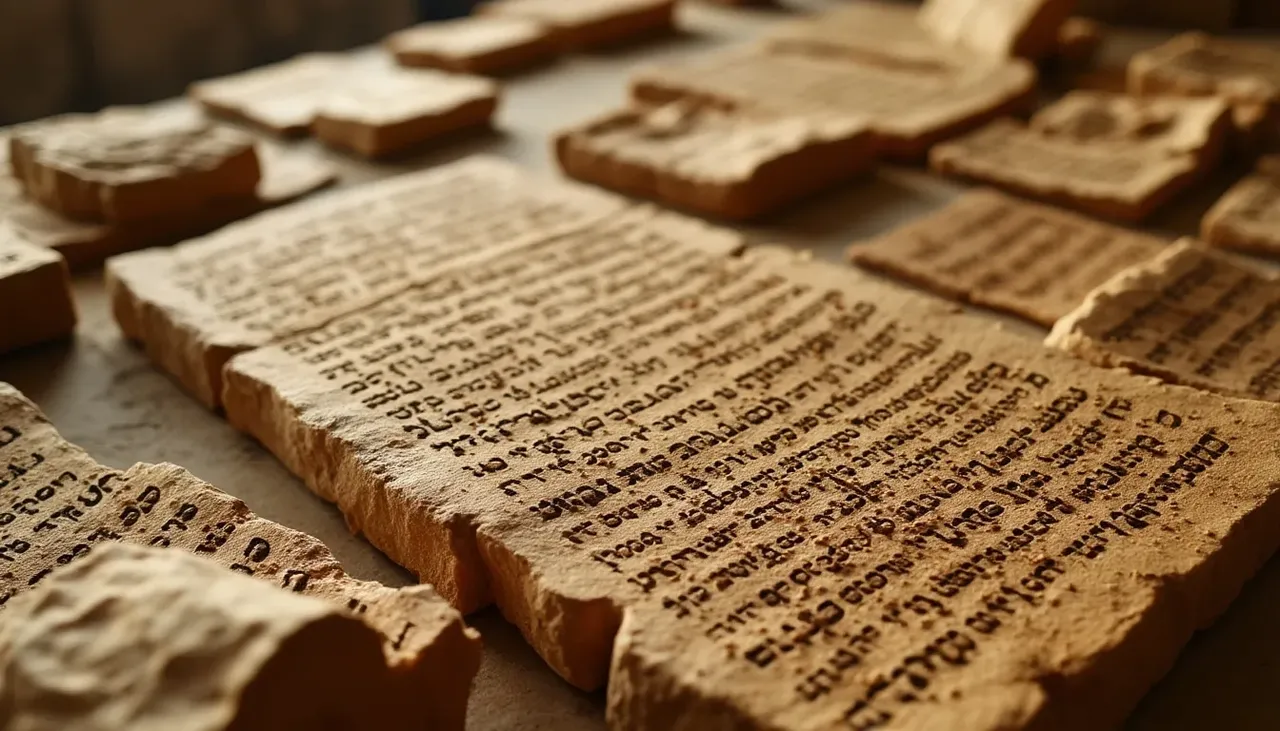
In 1947, a Bedouin shepherd named Muhammad edh-Dhib stumbled upon the first of the Dead Sea Scrolls while searching for a stray goat in the Judean Desert near the ancient settlement of Qumran. In a cave, he found clay jars containing scrolls wrapped in linen. This accidental discovery marked the beginning of an extensive archaeological and academic exploration that would reveal one of the most significant collections of ancient manuscripts ever found.
Cave 1 and the First Scrolls: The first cave discovered, now known as Cave 1, contained seven scrolls, including the famous Isaiah Scroll. Over time, archaeologists and Bedouins uncovered more caves and scrolls in the surrounding area.
1.2. Further Exploration of the Caves
Queen Ashiba: A Comprehensive 12-Page Exploration of the Legendary Queen of Sheba
Queen Ashiba, more commonly known as the Queen of Sheba, is one of the most enigmatic and fascinating figures in ancient history. She appears in the religious texts of Judaism, Christianity, and Islam, where she is depicted as a wise and wealthy monarch who visits King Solomon to test his wisdom. Her legend, which spans cultures and continents, raises many questions about her identity, kingdom, and influence. In this 12-page analysis, we will explore the historical, religious, and cultural significance of Queen Ashiba, examine the different accounts of her story, and consider the impact she has had on the arts and literature over the centuries.
1. The Historical Queen Ashiba: Fact vs. Legend
1.1. Who Was Queen Ashiba?
Queen Ashiba is often identified as the Queen of Sheba, a figure who appears in ancient texts, but her historical existence remains shrouded in mystery. She is best known from the biblical account in the Old Testament, but references to her can also be found in the Quran and Ethiopian tradition.
Queen of Sheba or Saba?: Historically, Sheba is believed to have been an ancient kingdom located in modern-day Yemen or Ethiopia, known for its wealth and trade. The kingdom’s prosperity came from controlling trade routes for spices, gold, and incense, which were highly valued in the ancient world.
1.2. The Kingdom of Sheba
The Kingdom of Sheba, or Saba in Arabic, was a powerful and wealthy kingdom in southern Arabia. Its strategic location allowed it to dominate trade routes along the Arabian Peninsula, linking the Mediterranean world with the Indian Ocean. The capital of this kingdom is thought to have been Marib, a city famous for its massive dam that irrigated the surrounding lands.
Trade and Wealth: Sheba’s prosperity was built on its control of trade routes, particularly those dealing in frankincense and myrrh, two highly prized substances in the ancient world. This wealth may have contributed to the legendary depiction of the Queen of Sheba as a ruler with vast riches.
2. The Biblical Account of the Queen of Sheba
2.1. The Story in the Bible: 1 Kings and 2 Chronicles
The Queen of Sheba is most famously mentioned in the Bible, specifically in the books of 1 Kings 10:1-13 and 2 Chronicles 9:1-12. According to these accounts, she visited King Solomon of Israel after hearing of his great wisdom and the fame of his kingdom. The Queen traveled with a caravan of camels carrying gold, spices, and precious stones as gifts for Solomon.
Testing Solomon’s Wisdom: Upon her arrival, the Queen of Sheba tested Solomon with “hard questions” or riddles, and Solomon answered all of them to her satisfaction. Impressed by his wisdom, the wealth of his kingdom, and the grandeur of his court, she praised the God of Israel.
2.2. Gifts and Riches
The Queen of Sheba is portrayed as a wealthy ruler in her own right. She brought immense quantities of gold and spices as gifts for Solomon, and the Bible emphasizes that “never again came such an abundance of spices” as those she gave to the king.
Cultural Exchange: The story suggests not only an exchange of gifts but also an exchange of ideas and cultures. The Queen of Sheba’s visit is depicted as a moment of mutual respect and admiration between two powerful rulers from different parts of the world.
3. The Queen of Sheba in the Quran
3.1. Islamic Tradition and the Story of Bilqis
In Islamic tradition, the Queen of Sheba is known as Bilqis. Her story is recounted in the Quran (Surah 27:22-44), where she is depicted as a wise and just ruler. Like the biblical account, the Quran describes her visit to Solomon, but the focus is more on her conversion to the worship of Allah after recognizing Solomon’s prophetic wisdom.
The Hoopoe and Solomon: According to the Quran, Solomon learned about the Queen of Sheba from a hoopoe bird, which informed him that she ruled a mighty kingdom. Solomon then sent a letter inviting her to submit to Allah.
3.2. Her Conversion to Islam
In the Quranic version, the Queen of Sheba initially worshiped the sun, but after witnessing Solomon’s wisdom and power, she accepted the worship of Allah. The Quran emphasizes her eventual submission to the monotheistic faith, portraying her as a figure of great intelligence who recognizes the truth of Solomon’s religion.
The Glass Floor Incident: One of the most famous elements of the Islamic version is the story of the Queen mistaking a glass floor for a pool of water when she visited Solomon’s palace. When she lifted her dress to step over it, Solomon revealed that it was a transparent floor, demonstrating his technological and architec
Queen Ashiba: A Comprehensive 12-Page Exploration of the Legendary Queen of Sheba
Queen Ashiba, more commonly known as the Queen of Sheba, is one of the most enigmatic and fascinating figures in ancient history. She appears in the religious texts of Judaism, Christianity, and Islam, where she is depicted as a wise and wealthy monarch who visits King Solomon to test his wisdom. Her legend, which spans cultures and continents, raises many questions about her identity, kingdom, and influence. In this 12-page analysis, we will explore the historical, religious, and cultural significance of Queen Ashiba, examine the different accounts of her story, and consider the impact she has had on the arts and literature over the centuries.
1. The Historical Queen Ashiba: Fact vs. Legend
1.1. Who Was Queen Ashiba?
Queen Ashiba is often identified as the Queen of Sheba, a figure who appears in ancient texts, but her historical existence remains shrouded in mystery. She is best known from the biblical account in the Old Testament, but references to her can also be found in the Quran and Ethiopian tradition.
Queen of Sheba or Saba?: Historically, Sheba is believed to have been an ancient kingdom located in modern-day Yemen or Ethiopia, known for its wealth and trade. The kingdom’s prosperity came from controlling trade routes for spices, gold, and incense, which were highly valued in the ancient world.
1.2. The Kingdom of Sheba
The Kingdom of Sheba, or Saba in Arabic, was a powerful and wealthy kingdom in southern Arabia. Its strategic location allowed it to dominate trade routes along the Arabian Peninsula, linking the Mediterranean world with the Indian Ocean. The capital of this kingdom is thought to have been Marib, a city famous for its massive dam that irrigated the surrounding lands.
Trade and Wealth: Sheba’s prosperity was built on its control of trade routes, particularly those dealing in frankincense and myrrh, two highly prized substances in the ancient world. This wealth may have contributed to the legendary depiction of the Queen of Sheba as a ruler with vast riches.
2. The Biblical Account of the Queen of Sheba
2.1. The Story in the Bible: 1 Kings and 2 Chronicles
The Queen of Sheba is most famously mentioned in the Bible, specifically in the books of 1 Kings 10:1-13 and 2 Chronicles 9:1-12. According to these accounts, she visited King Solomon of Israel after hearing of his great wisdom and the fame of his kingdom. The Queen traveled with a caravan of camels carrying gold, spices, and precious stones as gifts for Solomon.
Testing Solomon’s Wisdom: Upon her arrival, the Queen of Sheba tested Solomon with “hard questions” or riddles, and Solomon answered all of them to her satisfaction. Impressed by his wisdom, the wealth of his kingdom, and the grandeur of his court, she praised the God of Israel.
2.2. Gifts and Riches
The Queen of Sheba is portrayed as a wealthy ruler in her own right. She brought immense quantities of gold and spices as gifts for Solomon, and the Bible emphasizes that “never again came such an abundance of spices” as those she gave to the king.
Cultural Exchange: The story suggests not only an exchange of gifts but also an exchange of ideas and cultures. The Queen of Sheba’s visit is depicted as a moment of mutual respect and admiration between two powerful rulers from different parts of the world.
3. The Queen of Sheba in the Quran
3.1. Islamic Tradition and the Story of Bilqis
In Islamic tradition, the Queen of Sheba is known as Bilqis. Her story is recounted in the Quran (Surah 27:22-44), where she is depicted as a wise and just ruler. Like the biblical account, the Quran describes her visit to Solomon, but the focus is more on her conversion to the worship of Allah after recognizing Solomon’s prophetic wisdom.
The Hoopoe and Solomon: According to the Quran, Solomon learned about the Queen of Sheba from a hoopoe bird, which informed him that she ruled a mighty kingdom. Solomon then sent a letter inviting her to submit to Allah.
3.2. Her Conversion to Islam
In the Quranic version, the Queen of Sheba initially worshiped the sun, but after witnessing Solomon’s wisdom and power, she accepted the worship of Allah. The Quran emphasizes her eventual submission to the monotheistic faith, portraying her as a figure of great intelligence who recognizes the truth of Solomon’s religion.
The Glass Floor Incident: One of the most famous elements of the Islamic version is the story of the Queen mistaking a glass floor for a pool of water when she visited Solomon’s palace. When she lifted her dress to step over it, Solomon revealed that it was a transparent floor, demonstrating his technological and architectural sophistication. This incident further impressed her and contributed to her conversion.
4. The Queen of Sheba in Ethiopian Tradition
4.1. The Kebra Nagast and the Solomonic Dynasty
In Ethiopian tradition, the Queen of Sheba is a central figure in the national epic, the Kebra Nagast (The Glory of Kings). According to this account, she was not only a historical figure but also the ancestor of Ethiopia’s Solomonic dynasty, which ruled the country for centuries.
Makeda, the Ethiopian Queen: In Ethiopian legend, the Queen of Sheba is referred to as Makeda. She is said to have traveled to Jerusalem to meet Solomon, just as in the biblical story, but the Ethiopian version adds that she had a son by Solomon named Menelik I, who would go on to found the Solomonic dynasty in Ethiopia.
4.2. The Ark of the Covenant
Ethiopian tradition holds that Menelik I, the son of Solomon and Makeda, brought the Ark of the Covenant from Jerusalem to Ethiopia, where it has been kept ever since. According to this legend, the Ark resides in the Church of Our Lady Mary of Zion in the Ethiopian city of Aksum.
The Religious Legacy: The story of the Queen of Sheba and her connection to Solomon is a foundational myth for Ethiopian Christianity. The Solomonic dynasty, which claimed descent from Menelik I, ruled Ethiopia for nearly 3,000 years, with Emperor Haile Selassie being its final monarch.
5. The Queen of Sheba in Jewish Mysticism
5.1. Midrash and Talmudic Interpretations
In Jewish tradition, the Queen of Sheba is a figure of intrigue and fascination, and her story has been elaborated upon in various Midrashic and Talmudic writings. These interpretations often focus on the wisdom she sought from Solomon and the deeper spiritual lessons behind their encounter.
Sheba as a Symbol of the Gentile World: In some Jewish interpretations, the Queen of Sheba represents the Gentile world coming to acknowledge the wisdom of Israel. Her visit to Solomon is seen as a foreshadowing of the future messianic era when all nations will recognize the God of Israel.
5.2. Mystical and Kabbalistic Views
In later Jewish mystical writings, particularly in the Kabbalistic tradition, the Queen of Sheba is sometimes associated with deeper symbolic meanings, representing aspects of the divine feminine or the soul’s quest for wisdom. These interpretations add a layer of allegory to the story, viewing her not just as a historical figure but as a symbol of spiritual seeking.
The Feminine Aspect of Wisdom: In some Kabbalistic texts, the Queen of Sheba is linked to the concept of Shekinah, the feminine presence of God in the world. Her journey to Solomon is seen as a metaphor for the soul’s journey toward divine wisdom.
6. The Influence of the Queen of Sheba on Art and Literature
6.1. Renaissance and Baroque Art
The story of the Queen of Sheba has inspired artists for centuries, particularly during the Renaissance and Baroque periods. Painters and sculptors often depicted her visit to Solomon as a grand and opulent event, emphasizing her wealth and beauty.
Famous Works of Art: Artists such as Pietro da Cortona, Rubens, and Claude Lorrain created elaborate depictions of the Queen of Sheba’s visit to Solomon. These works often portrayed the Queen in exotic clothing, symbolizing the wealth and mystique of the East.
6.2. Literary Representations
In literature, the Queen of Sheba has been the subject of many retellings, from medieval romances to modern novels. Writers have been fascinated by her intelligence, beauty, and the mystery surrounding her kingdom.
Chaucer and Milton: In The Canterbury Tales, Geoffrey Chaucer references the Queen of Sheba as a symbol of beauty and wisdom, while John Milton, in Paradise Regained, reflects on her role as a seeker of truth and wisdom.
7. The Symbolism of Queen Ashiba
7.1. The Feminine Archetype of Wisdom
The Queen of Sheba has often been associated with the archetype of feminine wisdom, particularly in literature and myth. Her journey to Solomon’s court, where she seeks knowledge, has been interpreted as a representation of the universal human quest for understanding and enlightenment.
Wisdom and Wealth: The combination of her wealth and wisdom has made the Queen of Sheba a symbol of power that is balanced by intelligence
tural sophistication. This incident further impressed her and contributed to her conversion.
4. The Queen of Sheba in Ethiopian Tradition
4.1. The Kebra Nagast and the Solomonic Dynasty
In Ethiopian tradition, the Queen of Sheba is a central figure in the national epic, the Kebra Nagast (The Glory of Kings). According to this account, she was not only a historical figure but also the ancestor of Ethiopia’s Solomonic dynasty, which ruled the country for centuries.
Makeda, the Ethiopian Queen: In Ethiopian legend, the Queen of Sheba is referred to as Makeda. She is said to have traveled to Jerusalem to meet Solomon, just as in the biblical story, but the Ethiopian version adds that she had a son by Solomon named Menelik I, who would go on to found the Solomonic dynasty in Ethiopia.
4.2. The Ark of the Covenant
Ethiopian tradition holds that Menelik I, the son of Solomon and Makeda, brought the Ark of the Covenant from Jerusalem to Ethiopia, where it has been kept ever since. According to this legend, the Ark resides in the Church of Our Lady Mary of Zion in the Ethiopian city of Aksum.
The Religious Legacy: The story of the Queen of Sheba and her connection to Solomon is a foundational myth for Ethiopian Christianity. The Solomonic dynasty, which claimed descent from Menelik I, ruled Ethiopia for nearly 3,000 years, with Emperor Haile Selassie being its final monarch.
5. The Queen of Sheba in Jewish Mysticism
5.1. Midrash and Talmudic Interpretations
In Jewish tradition, the Queen of Sheba is a figure of intrigue and fascination, and her story has been elaborated upon in various Midrashic and Talmudic writings. These interpretations often focus on the wisdom she sought from Solomon and the deeper spiritual lessons behind their encounter.
Sheba as a Symbol of the Gentile World: In some Jewish interpretations, the Queen of Sheba represents the Gentile world coming to acknowledge the wisdom of Israel. Her visit to Solomon is seen as a foreshadowing of the future messianic era when all nations will recognize the God of Israel.
5.2. Mystical and Kabbalistic Views
In later Jewish mystical writings, particularly in the Kabbalistic tradition, the Queen of Sheba is sometimes associated with deeper symbolic meanings, representing aspects of the divine feminine or the soul’s quest for wisdom. These interpretations add a layer of allegory to the story, viewing her not just as a historical figure but as a symbol of spiritual seeking.
The Feminine Aspect of Wisdom: In some Kabbalistic texts, the Queen of Sheba is linked to the concept of Shekinah, the feminine presence of God in the world. Her journey to Solomon is seen as a metaphor for the soul’s journey toward divine wisdom.
6. The Influence of the Queen of Sheba on Art and Literature
6.1. Renaissance and Baroque Art
The story of the Queen of Sheba has inspired artists for centuries, particularly during the Renaissance and Baroque periods. Painters and sculptors often depicted her visit to Solomon as a grand and opulent event, emphasizing her wealth and beauty.
Famous Works of Art: Artists such as Pietro da Cortona, Rubens, and Claude Lorrain created elaborate depictions of the Queen of Sheba’s visit to Solomon. These works often portrayed the Queen in exotic clothing, symbolizing the wealth and mystique of the East.
6.2. Literary Representations
In literature, the Queen of Sheba has been the subject of many retellings, from medieval romances to modern novels. Writers have been fascinated by her intelligence, beauty, and the mystery surrounding her kingdom.
Chaucer and Milton: In The Canterbury Tales, Geoffrey Chaucer references the Queen of Sheba as a symbol of beauty and wisdom, while John Milton, in Paradise Regained, reflects on her role as a seeker of truth and wisdom.
7. The Symbolism of Queen Ashiba
7.1. The Feminine Archetype of Wisdom
The Queen of Sheba has often been associated with the archetype of feminine wisdom, particularly in literature and myth. Her journey to Solomon’s court, where she seeks knowledge, has been interpreted as a representation of the universal human quest for understanding and enlightenment.
Wisdom and Wealth: The combination of her wealth and wisdom has made the Queen of Sheba a symbol of power that is balanced by intelligence
After the initial discovery, further excavation of the caves surrounding Qumran led to the unearthing of more than 900 manuscripts in 11 different caves. These texts, known collectively as the Dead Sea Scrolls, include a wide variety of biblical, apocryphal, and sectarian writings, offering a rich glimpse into the religious life of ancient Judaism.
The Qumran Caves: The caves where the scrolls were found are located along the western shore of the Dead Sea, a region known for its harsh desert environment. The dry climate of the area helped preserve the fragile manuscripts for nearly two millennia.
2. The Historical Context of the Dead Sea Scrolls
2.1. The Second Temple Period
The Dead Sea Scrolls date from the 3rd century BCE to the 1st century CE, a period known as the Second Temple Period in Jewish history. This era, which spans from the rebuilding of the Jewish Temple in Jerusalem after the Babylonian exile (circa 516 BCE) to its destruction by the Romans in 70 CE, was a time of profound religious and political change for the Jewish people.
Religious Factions in Judaism: The Second Temple Period saw the emergence of various Jewish sects, including the Pharisees, Sadducees, and Essenes, each with its own interpretation of Jewish law and theology. The Dead Sea Scrolls are believed to have been produced by the Essenes, a separatist group that lived an ascetic life in the desert near Qumran.
2.2. The Jewish-Roman Conflict
The 1st century CE was marked by growing tensions between the Jewish population and the Roman Empire, culminating in the Jewish Revolt of 66-73 CE and the destruction of the Second Temple. This tumultuous period is reflected in some of the scrolls, which contain apocalyptic and messianic themes.
Messianic Expectations: Many of the sectarian texts found among the Dead Sea Scrolls reveal the community’s anticipation of a coming messiah or messiahs who would deliver Israel from its oppressors and establish a new divine order. These beliefs would later influence early Christian thought.
3. The Essenes: The Community Behind the Scrolls?
3.1. Who Were the Essenes?
The Essenes were a Jewish sect that likely emerged during the 2nd century BCE in response to the perceived corruption of the Jerusalem Temple and the priesthood. The group is described by ancient historians such as Josephus and Philo of Alexandria as living communally, practicing strict ritual purity, and withdrawing from mainstream Jewish society.
Communal Life at Qumran: The archaeological remains at Qumran suggest that the Essenes, or a similar sect, lived in a highly organized community, with a focus on ritual cleanliness, prayer, and the study of scripture. The settlement includes communal dining halls, ritual baths (mikvahs), and scribal workshops, indicating the group’s intense religious devotion.
3.2. The Connection Between the Essenes and the Dead Sea Scrolls
Many scholars believe that the Dead Sea Scrolls were produced by the Essenes or a closely related group. The scrolls contain numerous references to the “Sons of Light” and the “Teacher of Righteousness,” figures that align with the Essene worldview as described in historical sources.
The Teacher of Righteousness: A central figure in some of the sectarian texts, the Teacher of Righteousness is thought to have been the leader of the Qumran community. His teachings and interpretations of Jewish law are a key feature of the scrolls, and he is often contrasted with a rival figure known as the “Wicked Priest.”
4. The Content of the Dead Sea Scrolls
4.1. Biblical Texts
Approximately 40% of the Dead Sea Scrolls consist of copies of texts from the Hebrew Bible (Old Testament). These include almost every book of the Bible, with the notable exception of the Book of Esther. The scrolls offer some of the earliest known manuscripts of biblical texts, predating the Masoretic Text, which forms the basis for modern Hebrew Bibles, by several centuries.
The Isaiah Scroll: One of the most well-preserved and significant biblical manuscripts found among the Dead Sea Scrolls is the Great Isaiah Scroll. This complete copy of the Book of Isaiah is over 1,000 years older than any previously known manuscript, providing invaluable insights into the transmission and preservation of biblical texts.
4.2. Apocryphal and Pseudepigraphal Writings
In addition to canonical biblical texts, the Dead Sea Scrolls contain numerous apocryphal and pseudepigraphal works—texts that were not included in the Jewish or Christian canon but were widely read and influential in ancient Judaism. These works include the Book of Enoch, the Book of Jubilees, and the Testament of the Twelve Patriarchs.
The Book of Enoch: The Book of Enoch, found in fragments among the scrolls, was highly influential in early Jewish and Christian thought. It contains visions of heaven, prophecies of judgment, and descriptions of the fall of rebellious angels, known as the Watchers.
4.3. Sectarian Writings
Perhaps the most unique and significant texts among the Dead Sea Scrolls are the sectarian writings, which reflect the beliefs, practices, and theology of the Qumran community. These include rules for communal living, ritual purity laws, and apocalyptic visions of the end times.
The Community Rule: One of the most important sectarian documents is the Community Rule, which outlines the organization and conduct of the Qumran community. It emphasizes the importance of obedience, purity, and preparation for the coming judgment.
5. The Importance of the Dead Sea Scrolls for Biblical Studies
5.1. Textual Variants and the Transmission of the Bible
One of the most important contributions of the Dead Sea Scrolls to biblical scholarship is the discovery of textual variants. By comparing the scrolls with the Masoretic Text (the authoritative Hebrew text of the Jewish Bible), scholars have been able to trace the development and transmission of biblical texts over time.
The Septuagint and Other Textual Traditions: The Dead Sea Scrolls also contain versions of biblical texts that align more closely with the Septuagint (the Greek translation of the Hebrew Bible) than with the Masoretic Text. This has led to a greater understanding of the diversity of textual traditions in ancient Judaism.
5.2. The Hebrew Bible in Its Historical Context
The Dead Sea Scrolls provide a window into how the Hebrew Bible was interpreted and used by different Jewish communities during the Second Temple Period. The presence of biblical commentaries and pesher (interpretative) texts among the scrolls shows how the Qumran community viewed the Bible as a living document, relevant to their own time and circumstances.
The Pesher Method: The Qumran community developed a distinctive method of biblical interpretation known as pesher, which involved applying prophetic texts to contemporary events. For example, passages from Isaiah or Habakkuk were reinterpreted to reflect the community’s belief in an impending divine judgment.
6. The Scrolls and Early Christianity
6.1. Parallels Between the Scrolls and the New Testament
The Dead Sea Scrolls have shed light on many aspects of the religious and social world in which Christianity emerged. Several themes found in the scrolls, such as messianic expectations, apocalyptic visions, and communal living, have clear parallels in the New Testament.
Messianic Expectations: Like the Qumran community, early Christians believed in the imminent arrival of a messiah. However, while the Qumran texts often speak of two messianic figures—one a kingly messiah from the line of David and the other a priestly messiah—the New Testament focuses on the singular messianic figure of Jesus.
6.2. The Shared Apocalyptic Worldview
Both the Dead Sea Scrolls and early Christian texts reflect a shared apocalyptic worldview, with a belief in the imminent end of the world and the establishment of God’s kingdom. This apocalyptic fervor was likely fueled by the political and social instability of the time, including Roman occupation and the destruction of the Second Temple.
The War Scroll: One of the most dramatic apocalyptic texts found among the Dead Sea Scrolls is the War Scroll, which describes a final battle between the “Sons of Light” and the “Sons of Darkness.” This text provides a vivid picture of the Qumran community’s belief in a cosmic struggle between good and evil.
7. Preservation and Conservation of the Scrolls
7.1. The Fragility of the Scrolls
The Dead Sea Scrolls, made of parchment, papyrus, and in some cases copper, have survived for over two millennia due to the dry climate of the Judean Desert. However, their discovery exposed them to the elements, and the scrolls are extremely fragile and prone to deterioration.
Restoration Efforts: Since their discovery, numerous efforts have been made to preserve and restore the scrolls. Early attempts at preservation sometimes caused more harm than good, as the application of chemicals damaged the delicate material. Today, modern techniques such as infrared imaging and digital photography are used to study the scrolls without causing further damage.
7.2. The Scrolls in the Digital Age
In recent years, advances in technology have made it possible to create high-resolution digital images of the Dead Sea Scrolls, allowing scholars around the world to study them in unprecedented detail. The digitization of the scrolls has also made them accessible to a wider audience, ensuring their preservation for future generations.
The Digital Dead Sea Scrolls Project: In partnership with Google, the Israel Antiquities Authority launched the Digital Dead Sea Scrolls project, making high-resolution images of the scrolls available online. This has democratized access to the scrolls, allowing anyone with an internet connection to explore these ancient texts.
8. Scholarly Debates and Controversies
8.1. Theories About the Scrolls’ Origin
While most scholars agree that the Dead Sea Scrolls were produced by the Essenes or a similar Jewish sect, some alternative theories have been proposed. These include the idea that the scrolls were part of the library of the Jerusalem Temple, hidden in the desert during the Roman invasion.
Jerusalem Temple Library Theory: Proponents of this theory suggest that the scrolls represent a broader spectrum of Jewish thought, rather than the beliefs of a single sect. According to this view, the scrolls were hidden in the Qumran caves by Jewish priests fleeing the destruction of the Temple.
8.2. The Delay in Publication
One of the major controversies surrounding the Dead Sea Scrolls was the delay in their full publication. For decades after their discovery, only a small group of scholars had access to the scrolls, leading to accusations of academic gatekeeping and calls for wider access.
The Scrolls and Public Access: In the 1990s, after years of pressure from scholars and the public, the Israel Antiquities Authority began to grant broader access to the scrolls, culminating in their eventual digitization and publication.
9. The Impact of the Dead Sea Scrolls on Jewish Studies
9.1. Understanding Early Judaism
The Dead Sea Scrolls have revolutionized our understanding of early Judaism, particularly during the Second Temple Period. They reveal a much more diverse and dynamic religious landscape than previously thought, with various Jewish sects interpreting the Torah and Jewish law in different ways.
Jewish Law and Sectarianism: The sectarian texts found among the Dead Sea Scrolls shed light on the legal disputes that divided Jewish groups during this period. Issues such as ritual purity, Sabbath observance, and the calendar were fiercely debated, with each sect claiming to hold the true interpretation of God’s will.
9.2. The Development of Jewish Theology
The scrolls also offer valuable insights into the development of Jewish theology, particularly concepts like messianism, angelology, and the afterlife. These themes, which appear in both the Dead Sea Scrolls and later Jewish writings, played a crucial role in shaping the religious beliefs of subsequent generations.
The Afterlife in the Scrolls: While the Hebrew Bible contains relatively few references to the afterlife, the Dead Sea Scrolls reveal a more developed eschatology, with references to the resurrection of the dead, divine judgment, and the reward of the righteous in the world to come.
10. The Dead Sea Scrolls and Christianity
10.1. Influence on Early Christian Thought
The Dead Sea Scrolls have been invaluable in shedding light on the religious and social context in which Christianity emerged. Many of the beliefs and practices reflected in the scrolls, such as communal living, messianic expectations, and apocalypticism, closely parallel early Christian teachings.
The Messianic Expectations of Qumran and Early Christianity: Both the Qumran community and early Christians believed in the coming of a messiah who would establish God’s kingdom on Earth. However, while the Qumran texts often speak of two messiahs (a priestly and a kingly figure), Christianity focuses on the singular messianic figure of Jesus Christ.
10.2. John the Baptist and the Qumran Community
Some scholars have suggested possible connections between John the Baptist and the Qumran community. John, like the Essenes, preached repentance and lived an ascetic lifestyle in the wilderness. While there is no direct evidence linking John to Qumran, the similarities in their messages have intrigued scholars.
The Baptismal Practices of Qumran: The ritual baths (mikvahs) found at Qumran suggest that the community placed great importance on ritual purification, a practice that may have influenced John the Baptist’s emphasis on baptism as a symbol of repentance and spiritual renewal.
11. The Scrolls in Archaeological and Historical Research
11.1. Archaeological Discoveries at Qumran
The discovery of the Dead Sea Scrolls has been accompanied by extensive archaeological research at Qumran, the site near the caves where the scrolls were found. Excavations have revealed the remains of a well-organized settlement, complete with communal dining halls, ritual baths, and scribal workshops.
Life at Qumran: The layout of the Qumran settlement suggests that the community lived a highly structured and ascetic life, dedicated to prayer, study, and ritual purity. The presence of numerous inkwells and writing materials indicates that the production of scrolls was a central activity for the community.
11.2. Historical Context and the Roman Threat
The Qumran community likely viewed itself as living in the last days, with the imminent arrival of God’s kingdom. The political instability of the period, including Roman occupation and the eventual destruction of the Second Temple, reinforced the apocalyptic mindset of the community.
The Jewish-Roman Wars: The First Jewish-Roman War (66-73 CE) had a profound impact on Jewish communities throughout the region, including Qumran. Some scholars believe that the scrolls were hidden in the caves as the community prepared for the Roman invasion, hoping to preserve their sacred texts from destruction.
12. Religious and Theological Implications of the Scrolls
12.1. Challenges to Traditional Biblical Interpretations
The Dead Sea Scrolls have posed significant challenges to traditional interpretations of the Hebrew Bible and Jewish theology. The discovery of textual variants, along with the sectarian writings of the Qumran community, has forced scholars to rethink long-held assumptions about the uniformity of Jewish belief and practice in antiquity.
Revelation and Scripture: The scrolls reveal a dynamic relationship between written scripture and oral tradition, with the Qumran community producing new interpretations of biblical texts in response to their own historical circumstances. This has led to renewed discussions about the nature of revelation and the development of sacred texts.
12.2. Theological Diversity in Second Temple Judaism
The Dead Sea Scrolls highlight the diversity of theological thought within Second Temple Judaism. The Qumran community’s unique interpretations of the Torah, its focus on ritual purity, and its belief in the dualistic struggle between good and evil reveal the complexity of Jewish theology during this period.
The Concept of Dualism: The Qumran community held a dualistic worldview, dividing humanity into the “Sons of Light” (the righteous) and the “Sons of Darkness” (the wicked). This belief in a cosmic struggle between good and evil, which would culminate in divine judgment, echoes themes found in later Christian theology.
13. The Scrolls and Modern Judaism
13.1. Relevance to Contemporary Jewish Practice
While the Dead Sea Scrolls provide invaluable insights into ancient Jewish thought and practice, their relevance to modern Judaism is less direct. The Qumran community represented a small, separatist group whose beliefs and practices differed significantly from mainstream rabbinic Judaism, which would eventually become the dominant form of the religion.
Sectarianism and Rabbinic Judaism: The sectarian nature of the Dead Sea Scrolls, particularly their rejection of the Jerusalem Temple and its priesthood, sets them apart from the mainstream Jewish tradition that developed after the destruction of the Second Temple. As a result, the scrolls are more often studied as historical documents than as sources of contemporary religious guidance.
13.2. The Scrolls and Jewish Identity
Despite their sectarian origins, the Dead Sea Scrolls have contributed to a broader understanding of Jewish identity in the ancient world. They provide a window into the diversity of thought and practice within Judaism during a formative period in its history, showing that Jewish identity was far from monolithic.
National and Religious Heritage: For many Jews, the Dead Sea Scrolls represent an important part of their cultural and religious heritage, offering a tangible link to the Jewish past and the enduring struggle for religious purity and communal identity.
14. Cultural and Popular Impact of the Dead Sea Scrolls
14.1. The Scrolls in Modern Popular Culture
The discovery of the Dead Sea Scrolls has captured the imagination of the public, inspiring numerous books, documentaries, and films. The mystery surrounding their origins, the dramatic story of their discovery, and the ancient secrets they contain have made the scrolls a subject of enduring fascination.
Popular Media and the Scrolls: From historical documentaries to fictionalized accounts in films and novels, the Dead Sea Scrolls have become a popular topic in modern media. These portrayals often emphasize the intrigue and mystery surrounding the scrolls, sometimes blending fact and fiction.
14.2. The Scrolls as a Symbol of Religious Truth
For many, the Dead Sea Scrolls are seen as a symbol of the enduring quest for religious truth. Their discovery is often viewed as a divine intervention, revealing long-lost wisdom and reaffirming the sacredness of ancient scripture.
Spiritual and Mystical Interpretations: Some religious and mystical groups have embraced the Dead Sea Scrolls as a source of hidden knowledge, seeing in them a key to understanding the deeper mysteries of faith and history.
15. The Future of Dead Sea Scrolls Research
15.1. Ongoing Scholarly Work
Despite decades of study, the Dead Sea Scrolls continue to be the subject of intense scholarly research. Advances in technology, such as digital imaging and DNA analysis of the parchment, are providing new insights into the scrolls’ origins, composition, and historical context.
DNA Analysis and Provenance: Recent studies have used DNA analysis of the parchment to trace the geographic origins of the animals used to produce the scrolls, offering clues about how and where the scrolls were created.
15.2. The Legacy of the Dead Sea Scrolls
The Dead Sea Scrolls have left an indelible mark on the fields of biblical studies, archaeology, and religious history. Their discovery has transformed our understanding of the ancient world, providing a glimpse into the diversity and complexity of Jewish life and thought during a pivotal period in history.
A Window Into the Past: As one of the most important archaeological finds of the 20th century, the Dead Sea Scrolls continue to captivate scholars and the public alike. They offer a rare and invaluable window into the religious and cultural landscape of ancient Israel, revealing a world of faith, conflict, and hope that continues to resonate today.
Conclusion: The Enduring Significance of the Dead Sea Scrolls
The Dead Sea Scrolls are far more than just ancient manuscripts; they are a bridge between the ancient and modern worlds, offering profound insights into the development of Judaism, early Christianity, and the broader religious landscape of the Second Temple Period. Their discovery has reshaped our understanding of the Bible, religious sectarianism, and the complex interplay between text and community in antiquity. As research continues and new technologies emerge, the Dead Sea Scrolls will undoubtedly yield even more secrets, enriching our knowledge of history, theology, and the human search for meaning across the ages.