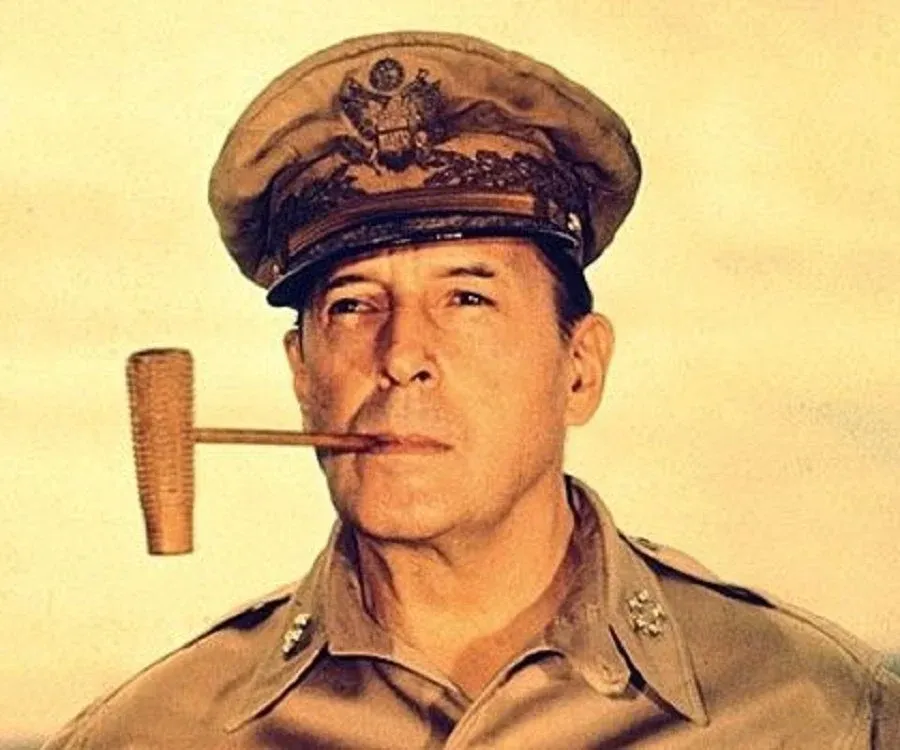
General Douglas MacArthur and Unit 731: The Dark Deal for Immunity
In the aftermath of World War II, General Douglas MacArthur played a crucial role in rebuilding Japan and shaping the future of the Pacific region. However, his legacy is clouded by one of the most disturbing episodes of the war: the secret deal that granted immunity to the members of Unit 731, a Japanese biological warfare unit responsible for horrific war crimes. Under the terms of this deal, the Japanese scientists who conducted grotesque experiments on human subjects in the name of biological warfare were spared prosecution in exchange for handing over their research to the United States. This article delves into the history of Unit 731, the atrocities they committed, and how MacArthur’s decision to grant immunity helped cover up their crimes, raising ethical questions that persist to this day.
Unit 731: Origins and Atrocities
Unit 731 was a covert biological and chemical warfare research and development unit of the Imperial Japanese Army, established in 1935 in Harbin, Manchuria, during Japan’s occupation of China. The unit was led by General Shiro Ishii, a microbiologist with a fanatical belief in the potential of biological warfare. The primary purpose of Unit 731 was to develop weapons that could be used to spread deadly diseases, including anthrax, plague, cholera, and typhoid. However, the methods used to conduct their research were nothing short of barbaric.
The unit is infamous for conducting cruel and inhumane experiments on living human subjects, most of whom were Chinese civilians, political dissidents, prisoners of war, and others deemed expendable by the Japanese government. Thousands of people were subjected to biological and chemical warfare experiments, vivisections, frostbite testing, forced infections, and deliberate exposure to deadly pathogens.
Vivisection and Torture
One of the most horrific practices conducted by Unit 731 was vivisection—performing surgery on living humans without anesthesia. Victims were dissected to study the effects of diseases and injuries in real-time, often while still conscious. Their organs were removed, and their bodies were mutilated in the name of scientific progress.
Biological Warfare Experiments
Unit 731’s experiments in biological warfare were equally monstrous. Prisoners were intentionally infected with deadly diseases, such as the plague and cholera, to study the progression of these illnesses in living subjects. In some cases, prisoners were tied to stakes while biological agents were sprayed on them to test how effectively the pathogens could spread. Unit 731 also conducted field experiments, releasing plague-infected fleas in Chinese villages, leading to outbreaks that killed thousands of civilians.
Weapon Development
Unit 731 developed various biological weapons, including bombs that could spread disease-carrying fleas or release toxic gases. These weapons were tested on living prisoners in horrific ways, including bombing prisoners with pathogen-laden explosives. The effects were meticulously recorded, and the knowledge gained from these experiments contributed to the development of Japan’s biological warfare capabilities during the war.
The End of the War and the Threat of Prosecution
As World War II drew to a close, Japan faced the reality of imminent defeat. Unit 731 attempted to destroy evidence of their crimes by executing prisoners, destroying documents, and dismantling facilities. However, enough evidence remained for Allied forces to uncover the extent of the atrocities committed by the unit.
After Japan’s surrender in August 1945, Unit 731’s activities were exposed by Chinese authorities and former prisoners of war. With war crimes trials looming, many of the scientists and personnel involved in Unit 731, including General Shiro Ishii, feared prosecution for their horrific actions. Under the terms of the Potsdam Declaration, which outlined Japan’s surrender, those responsible for war crimes were to be brought to justice.
The Nuremberg Trials, held in Europe to prosecute Nazi war criminals, had already demonstrated the Allies’ commitment to holding individuals accountable for crimes against humanity. Many expected that similar trials would be held in the Pacific to prosecute Japanese war criminals, including those involved in Unit 731. However, the course of history would take a darker turn.
MacArthur’s Role in Post-War Japan
After Japan’s surrender, General Douglas MacArthur was appointed Supreme Commander for the Allied Powers (SCAP) and tasked with overseeing the occupation and reconstruction of Japan. MacArthur was given broad authority to reform Japan’s political, economic, and social systems, and his decisions had a profound impact on the future of the country. He also played a central role in determining how Japan’s war criminals would be treated.
While MacArthur is often credited with fostering democracy in Japan and helping the country recover from the devastation of war, his approach to justice for Japanese war criminals was highly selective. Although many high-ranking military officials were tried and convicted in the Tokyo War Crimes Trials, MacArthur prioritized geopolitical concerns over moral accountability when it came to Unit 731.
The Deal with Unit 731
As the U.S. military began to investigate the atrocities committed by Unit 731, they quickly realized that the Japanese scientists had amassed a vast body of knowledge on biological warfare. Much of this knowledge had been gained through grotesque human experimentation, but it was also seen as potentially valuable in the emerging Cold War environment. With the Soviet Union rapidly expanding its influence in East Asia, the U.S. government feared falling behind in the race for biological warfare technology.
General MacArthur and other high-ranking U.S. officials recognized the strategic importance of the research conducted by Unit 731. Rather than prosecuting the scientists for war crimes, MacArthur sought to secure their knowledge for the benefit of the United States. This decision set the stage for one of the most controversial deals of the post-war period.
Negotiating Immunity
MacArthur and his staff, including intelligence officers from the Office of Strategic Services (OSS) and the U.S. Army’s chemical and biological warfare divisions, began secret negotiations with General Shiro Ishii and other key figures from Unit 731. The terms were simple: in exchange for immunity from prosecution, the Japanese scientists would turn over all of their research, including data on biological weapons, human experiments, and disease outbreaks.
One of the driving forces behind this decision was the belief that the U.S. could not afford to let the Soviet Union gain access to this research. The Cold War was beginning to take shape, and the U.S. government saw biological warfare as a potential tool in the growing ideological struggle between the superpowers. By acquiring Japan’s research, the U.S. hoped to stay ahead of the Soviets in developing biological weapons.
In exchange for their cooperation, the Japanese scientists were granted full immunity from prosecution. General Ishii, who had overseen some of the most heinous experiments, was allowed to retire in relative comfort, and many of his subordinates continued their careers in Japan’s medical and academic institutions. Despite their involvement in atrocities that rivaled those of Nazi Germany, these individuals were spared from facing justice.
The Cover-Up
To preserve the secrecy of the deal, the U.S. government took extensive measures to cover up the activities of Unit 731. Official reports downplayed or omitted the atrocities committed by the unit, and many documents were classified to prevent their public release. The Tokyo War Crimes Trials, which focused on high-profile military and political figures, made no mention of Unit 731 or its experiments.
Meanwhile, the research gathered from Unit 731 was transferred to U.S. military and scientific agencies. This information reportedly contributed to the development of the U.S. biological weapons program during the early years of the Cold War. The moral implications of using data obtained through human experimentation were largely ignored in the rush to gain a strategic advantage.
The Soviet Factor
While the U.S. worked to cover up its deal with Unit 731, the Soviet Union took a different approach. In December 1949, the Soviets conducted their own war crimes trial in Khabarovsk, in which they prosecuted several Japanese military officers and scientists associated with Unit 731. The trial revealed graphic details of the atrocities committed by the unit and condemned the actions of the Japanese military.
However, these revelations were largely dismissed in the West as Soviet propaganda, and the Khabarovsk trials received little attention in the U.S. media. The U.S. government, eager to maintain its own cover-up, did not respond to the Soviet accusations, allowing the narrative of the trial to fade into obscurity.
Moral and Ethical Implications
The decision to grant immunity to the members of Unit 731 remains one of the most morally contentious actions of the post-war period. While MacArthur and other U.S. officials justified the deal on the grounds of national security and the Cold War, it raises profound ethical questions about the value of human life and the limits of wartime justice.
By allowing war criminals to escape punishment in exchange for scientific data, the U.S. undermined the principles of accountability and justice that were being championed in Europe through the Nuremberg Trials. The victims of Unit 731’s atrocities, many of whom were innocent civilians, were denied justice, and their suffering was essentially erased from the official narrative of the war.
Long-Term Consequences
The deal with Unit 731 had long-lasting consequences, both for Japan and the international community. In Japan, the failure to prosecute war criminals like General Ishii contributed to a broader reluctance to fully acknowledge the country’s wartime atrocities. Unlike Germany, which underwent a process of de-Nazification and faced its war crimes head-on, Japan has struggled with historical revisionism and denial of responsibility for crimes committed during the war.
The cover-up of Unit 731’s activities also set a dangerous precedent for future conflicts. By prioritizing strategic interests over moral accountability, the U.S. government signaled that war crimes could be overlooked if they provided a tactical advantage. This approach raised troubling questions about the role of ethics in wartime decision-making and the extent to which nations are willing to compromise their values for the sake of power.
Uncovering the Truth
In the decades following the end of World War II, efforts to uncover the truth about Unit 731 slowly gained momentum. Journalists, historians, and human rights advocates began to investigate the unit’s activities and the U.S. government’s role in covering up its crimes. Declassified documents eventually revealed the extent of the deal between MacArthur and the Japanese scientists, sparking renewed interest in the moral and legal implications of the decision.
Despite these revelations, much of the information about Unit 731 remains classified or has been lost to history. The victims of the unit’s atrocities, many of whom were Chinese civilians, have never received formal recognition or compensation for their suffering. The story of Unit 731 serves as a stark reminder of the moral compromises made during wartime and the lingering scars of injustice.
Conclusion
The deal struck between General Douglas MacArthur and the leaders of Unit 731 represents one of the most troubling chapters in the aftermath of World War II. By granting immunity to war criminals in exchange for scientific data, the U.S. government compromised its moral authority and denied justice to the victims of Unit 731’s horrific experiments. This decision, driven by the geopolitical realities of the Cold War, left a lasting stain on the legacy of the post-war occupation of Japan and raised profound ethical questions that continue to resonate today.
While MacArthur’s leadership in rebuilding Japan is often celebrated, his involvement in the cover-up of Unit 731’s atrocities serves as a reminder of the complexities and moral challenges of wartime decision-making. As we reflect on the lessons of history, the story of Unit 731 stands as a cautionary tale of the dangers of placing strategic interests above human rights and justice.
Leave a Reply