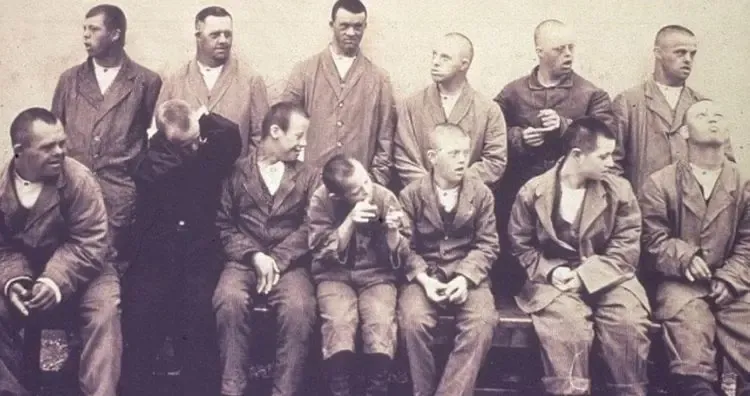
The Vipeholm Experiments: Sweden’s Dark Chapter in Medical Ethics
The Vipeholm experiments, conducted between 1945 and 1955 in Lund, Sweden, are among the most notorious examples of unethical human experimentation in modern history. These experiments involved feeding mentally disabled patients large amounts of sweets to intentionally induce dental cavities (caries), all in the name of scientific research. The patients, housed at the Vipeholm Mental Hospital, were unable to consent to the experiments, and the study raised serious ethical concerns about the treatment of vulnerable populations.
This series of experiments, carried out by Swedish scientists with support from the Swedish Dental Society and the government, sought to establish a definitive link between sugar consumption and the development of dental caries. The findings of the Vipeholm experiments ultimately contributed to important advancements in dental care and knowledge, but they also left a lasting stain on the country’s medical and scientific community. The experiments, in retrospect, serve as a cautionary tale about the ethical responsibilities of researchers, especially when dealing with vulnerable individuals.
Background: The Post-War Context and the Need for Dental Research
After the end of World War II, dental health was a significant concern in many countries, including Sweden. The widespread consumption of sugar, particularly during and after the war, had led to a dramatic increase in dental problems. Tooth decay was one of the most common and painful health issues affecting populations at the time, and the Swedish government sought to address this problem by funding scientific research into the causes of dental caries.
The scientific community had long suspected that sugar played a central role in the development of cavities, but the precise mechanisms and the specific effects of different types of sugar on dental health were not well understood. As part of an effort to investigate these issues, researchers were given permission to conduct experiments on the residents of the Vipeholm Mental Hospital, a state-run facility for individuals with intellectual disabilities.
The Vipeholm Mental Hospital and its Patients
The Vipeholm Mental Hospital in Lund, Sweden, was a facility that housed patients with severe intellectual and developmental disabilities. Many of the patients were institutionalized for life and had little to no autonomy. Because of their mental disabilities, these individuals were seen as an ideal population for the experiments, as they were unlikely to understand the nature of the research or resist participation.
At the time, ethical standards for medical research were still evolving, and the rights of institutionalized individuals were poorly protected. The idea of informed consent—now a fundamental principle in medical ethics—was not widely practiced, particularly for vulnerable populations like those at Vipeholm. As a result, the patients became unwilling subjects in an experiment that would have serious and long-lasting consequences for their health.
The Experiments: Feeding Patients Sugar to Induce Dental Cavities
The Vipeholm experiments were conducted over several phases between 1945 and 1955. The researchers divided the patients into different groups, each receiving varying amounts and types of sugar in their diets. Some groups were fed caramel or toffee, sticky sweets that would adhere to the teeth for prolonged periods. Others received chocolate or sugar in liquid form. Control groups were given little or no sugar to serve as a baseline for comparison.
The primary goal of the study was to determine how different types of sugar and their frequency of consumption affected the development of dental cavities. Researchers hypothesized that sticky sugars that remained on the teeth for long periods would be more likely to cause cavities than sugars that were quickly dissolved or washed away.
Over the course of the experiments, the patients were given large quantities of these sweets several times a day, often without their knowledge or consent. As expected, the high-sugar diet led to the rapid and severe deterioration of the patients’ dental health. Painful cavities, gum disease, and tooth loss became widespread among the subjects.
The researchers meticulously recorded the development of dental caries in the patients, noting how quickly cavities formed and how extensive the damage became over time. While these findings provided valuable data on the relationship between sugar consumption and tooth decay, they came at a significant human cost.
Ethical Violations and the Consequences for the Patients
The Vipeholm experiments are now widely condemned for their unethical nature, as the patients were deliberately harmed without any chance of benefiting from the research. The fact that these experiments were carried out on individuals who were already marginalized and unable to consent makes the situation even more egregious.
The consequences for the patients were severe. Many experienced intense pain and suffering due to the dental problems caused by the sugar-rich diet. Some patients lost numerous teeth, while others had to undergo painful dental extractions. Despite the clear harm being done, the experiments continued for nearly a decade, as the researchers were focused on gathering as much data as possible to establish the link between sugar and dental caries.
At the time, the experiments were justified by the researchers and the government as being in the public interest. The findings from the Vipeholm experiments did, in fact, provide crucial evidence of the role of sugar in causing cavities, which eventually led to changes in public health policies and recommendations for limiting sugar consumption. However, the cost of these findings, in terms of human suffering, was immense.
Aftermath and Legacy: A Dark Chapter in Medical Research
The Vipeholm experiments ended in 1955, but the ethical implications of the study would haunt Swedish medicine for years to come. In the decades that followed, the experiment came under increasing scrutiny as medical ethics evolved and the importance of informed consent became widely recognized. The Vipeholm patients, who had suffered greatly as a result of the experiments, were never compensated or properly acknowledged during their lifetimes.
In the years following the experiments, Sweden adopted stricter regulations regarding medical research and the treatment of institutionalized patients. The experiments at Vipeholm became a symbol of the dangers of conducting research on vulnerable populations without their consent and highlighted the need for stronger protections for human subjects in scientific studies.
Today, the Vipeholm experiments are remembered as a dark chapter in Sweden’s medical history. While the findings contributed to important advancements in dental care and public health, the unethical nature of the experiments serves as a reminder of the importance of conducting medical research in a manner that respects the dignity and rights of all individuals, particularly those who are most vulnerable.
Conclusion: The Ethical Lessons of the Vipeholm Experiments
The Vipeholm experiments are a stark example of how scientific research can go horribly wrong when conducted without regard for ethical principles. While the goal of the experiments—to better understand the causes of dental caries—was laudable, the methods used to achieve that goal were deeply flawed and inhumane.
The Vipeholm patients, who had no voice or ability to consent, were subjected to years of unnecessary suffering in the name of science. Their treatment serves as a cautionary tale about the importance of informed consent, the need for ethical oversight in medical research, and the dangers of exploiting vulnerable populations for scientific gain.
In the end, the Vipeholm experiments contributed to advancements in dental health, but the cost in human suffering was far too high. The legacy of these experiments is a powerful reminder of the ethical responsibilities that researchers have to protect the well-being of their subjects, no matter the potential benefits of the research.
Leave a Reply