Blog

  • Dr. Josef Mengele: The Angel of Death

    By Scott J. Arnold

    Dr. Josef Mengele: The Angel of Death

    Introduction to Josef Mengele

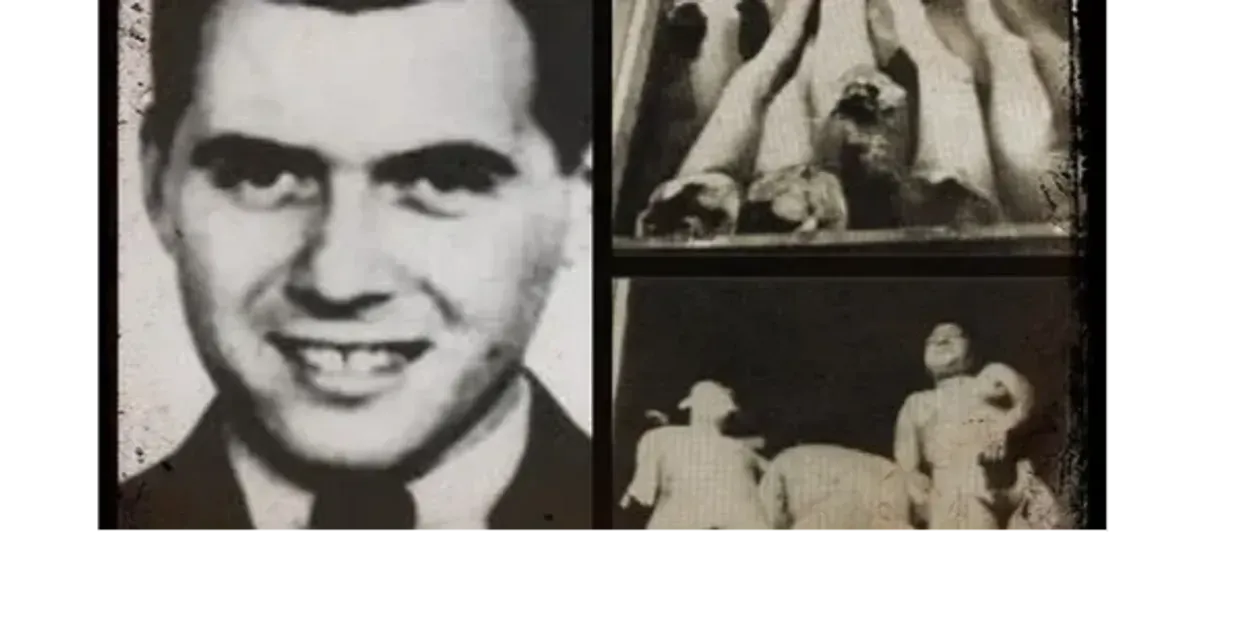
    Josef Mengele, notoriously known as the “Angel of Death,” was a German SS officer and physician at the Auschwitz-Birkenau concentration camp during World War II. Born on March 16, 1911, in Günzburg, Germany, Mengele became one of the most infamous figures of the Holocaust due to his inhumane medical experiments on prisoners, particularly twins, and his ruthless selection process that sent countless to their deaths. Mengele’s work at Auschwitz and his subsequent escape from justice have made him a symbol of Nazi cruelty and the dark intersection of science and atrocity. This article explores Mengele’s background, his gruesome work at Auschwitz, his post-war life, and the lasting legacy of his crimes.
    Early Life and Rise within the Nazi Regime

    Josef Mengele was born into a well-to-do Bavarian family, the eldest of three sons. His father owned a successful agricultural machinery company, and the family was respected in their local community. Mengele was a bright and ambitious student, excelling in school and displaying a keen interest in anthropology and medicine. He earned his Ph.D. in anthropology from the University of Munich in 1935, followed by a medical degree in 1938. Mengele’s academic pursuits were heavily influenced by the growing tide of eugenics and racial theory in Nazi Germany, which sought to justify Aryan supremacy and the persecution of those deemed “racially inferior.”

    Mengele joined the Nazi Party in 1937 and the SS in 1938, quickly rising through the ranks due to his academic credentials and unwavering commitment to Nazi ideology. In 1940, he was drafted into the Wehrmacht and later transferred to the Waffen-SS, where he served as a medical officer. Mengele distinguished himself on the Eastern Front, earning the Iron Cross for bravery. However, a severe injury in 1942 led to his reassignment away from the front lines, setting the stage for his transfer to Auschwitz in May 1943.
    The Horrors of Auschwitz: Medical Experiments and Selections

    At Auschwitz, Mengele was appointed Chief Physician of the Romani camp sector and soon became one of the camp’s most feared and recognizable figures. His primary duties involved the selection process on the arrival ramps, where he determined which prisoners would be sent to forced labor and which would be sent directly to the gas chambers. Mengele’s demeanor during these selections was disturbingly calm and indifferent, often performing his deadly tasks with a smile or casual flick of the wrist.

    However, it was his role as a medical experimenter that cemented his infamy. Mengele was particularly fascinated by twins, dwarfs, and individuals with genetic anomalies, whom he saw as opportunities to advance his research on heredity. He conducted brutal experiments without anesthesia, subjecting his subjects to injections of chemicals, surgeries, and dissections. Twins were his primary focus; he would conduct experiments on one twin and use the other as a control, often leading to the death of both.

    Some of the most horrifying of Mengele’s experiments included attempts to change eye color by injecting chemicals directly into the eyes of children, deliberately infecting twins with diseases to study the effects, and sewing twins together to create conjoined siblings. He would meticulously document his experiments, although much of his research was pseudoscientific and lacked any legitimate medical value. To Mengele, these prisoners were not human beings but disposable subjects for his twisted pursuits.

    Mengele’s sadism extended beyond his formal experiments. He was known to perform random surgeries without anesthesia, amputate limbs unnecessarily, and subject prisoners to extreme cold or heat to study the limits of human endurance. His callous disregard for human life made him a figure of terror among the inmates. Survivors often recalled Mengele’s almost childlike enthusiasm for his work, contrasting sharply with the pain and death he inflicted.
    Escape from Justice and Post-War Life

    As the Soviet Red Army advanced towards Auschwitz in January 1945, Mengele fled the camp, taking with him his medical records and disguising himself as a regular German soldier. He managed to evade capture initially and was briefly held by the Allies under a false name, but due to the chaotic post-war environment and lack of thorough documentation, he was released.

    Mengele’s flight from justice continued for decades. He traveled through various safe houses in Germany before making his way to South America in 1949. With the help of Nazi sympathizers and a network of secret routes known as “ratlines,” Mengele settled in Argentina under the alias Helmut Gregor. He lived a relatively comfortable life, first in Argentina, then in Paraguay, and finally in Brazil, working as a farm manager and occasionally practicing medicine.

    Despite several near captures and mounting international pressure, Mengele evaded justice for the rest of his life. He became increasingly paranoid and reclusive, particularly after the 1960 capture of Adolf Eichmann, another high-ranking Nazi living in Argentina. Fearing he would be next, Mengele frequently changed residences and identities, living in constant fear of being discovered.

    Mengele’s health deteriorated in his later years, and he died of a stroke while swimming off the coast of Brazil in 1979. He was buried under the name Wolfgang Gerhard, and it was not until 1985 that his remains were positively identified, confirming his long, elusive escape from the retribution he so richly deserved.
    The Legacy of Mengele’s Crimes

    Josef Mengele’s legacy is one of horror and profound ethical violations that continue to haunt the field of medical ethics. His experiments, devoid of any moral or scientific justification, are now synonymous with the worst abuses of power and the perversion of medical science. Mengele’s work contributed nothing to legitimate medical knowledge; instead, it stands as a chilling example of what can happen when ideology overrides ethics.

    The survivors of Mengele’s experiments, many of whom bore lifelong physical and psychological scars, have testified extensively about the atrocities they endured. Their stories have been instrumental in keeping the memory of Mengele’s victims alive and ensuring that the lessons of the Holocaust are not forgotten. The term “Angel of Death” remains indelibly associated with Mengele, symbolizing the profound evil he embodied.

    Mengele’s escape and unpunished death also underscore the failures of post-war justice systems, which allowed many high-profile Nazis to live out their lives in relative peace. His case has become a focal point in discussions about accountability, the pursuit of justice, and the need for international cooperation in bringing war criminals to justice.

    Mengele’s actions serve as a grim reminder of the potential for scientific knowledge to be misused in the service of inhumanity. His story is not just a dark chapter in history but also a cautionary tale about the ethical responsibilities of those in positions of power, especially within the medical and scientific communities. As long as his name is remembered, it will be as a symbol of unrestrained cruelty, a testament to the victims of his horrific experiments, and a reminder of the consequences when morality is sacrificed for ideology.


  • Ethiopia may have been the biblical site of the Garden of Eden

    By Scott J. Arnold

    Ethiopia may have been the biblical site of the Garden of Eden

    The idea that Ethiopia may have been the biblical site of the Garden of Eden is a topic of ongoing debate among historians, theologians, and geographers. Ethiopia, with its ancient history and geographical location in the Horn of Africa, has often been referenced in biblical texts and other ancient writings. This article will explore the historical, religious, geographical, and cultural connections that could support the theory that Ethiopia may have been the site of the Garden of Eden.


    Page 1: Introduction

    Overview of the Garden of Eden: Introduce the concept of the Garden of Eden as described in the Bible, particularly in the Book of Genesis, as the paradise where Adam and Eve lived. Traditionally, the Garden has been believed to be located in Mesopotamia, but alternate theories, including Ethiopia, have emerged.
    Purpose of the article: Set out the purpose of the article, which is to explore the theory that Ethiopia could have been the site of the Garden of Eden, analyzing historical, biblical, and geographical evidence.
    The importance of Ethiopia in biblical history: Briefly mention Ethiopia’s frequent appearance in the Bible and ancient texts, suggesting a deep historical significance.

    Page 2: The Biblical Description of the Garden of Eden

    Genesis description of Eden: Examine the biblical account of the Garden of Eden in Genesis 2:10-14. The Bible mentions four rivers: the Pishon, Gihon, Tigris, and Euphrates, with the Gihon being said to encircle the land of Cush (often associated with Ethiopia).
    Rivers as clues to location: Discuss how rivers are key to locating the Garden. Traditionally, scholars have associated the Tigris and Euphrates with Mesopotamia, but the identity and location of the Pishon and Gihon rivers remain uncertain.
    Interpretation of “Cush” in the Bible: Explain how Cush is traditionally associated with the region of Ethiopia or a larger area of Northeast Africa, adding weight to the theory that Eden could be connected to Ethiopia.

    Page 3: Ethiopia in Biblical Texts

    Frequent mentions of Ethiopia (Cush): Explore the frequent references to Ethiopia (Cush) in both the Old and New Testaments, highlighting its importance as a powerful and significant region in the ancient world. Ethiopia is mentioned over 40 times in the Bible.
    The Queen of Sheba and Solomon: Discuss the biblical story of the Queen of Sheba, who visited King Solomon and is often associated with Ethiopia. This suggests a historical link between Ethiopia and Israel, and it points to the country’s prominence in biblical times.
    Isaiah and Jeremiah’s references to Cush: Highlight how prophets like Isaiah and Jeremiah referenced Cush (Ethiopia) as a significant land with divine importance, further implying its possible role in ancient biblical narratives.

    Page 4: Ancient Ethiopian Civilization and the Kingdom of Aksum

    Aksumite civilization: Delve into the history of the Kingdom of Aksum, one of the greatest ancient civilizations of Africa, which reached its peak around the 4th century AD. Discuss how Ethiopia’s ancient kingdom played a major role in regional politics, trade, and culture.
    Trade routes and significance: Explore how Aksum’s strategic position along major trade routes between Africa, the Middle East, and Asia could have played a role in its biblical connections. Trade routes may have spread myths and stories about Ethiopia far and wide.
    Christianization of Ethiopia: Ethiopia was one of the first nations to adopt Christianity in the early 4th century, lending further weight to its importance in early biblical history and religious thought.

    Page 5: The Geography of Ethiopia and the Garden of Eden

    Geographical similarities: Analyze the geographical similarities between Ethiopia and the biblical description of Eden. Ethiopia is home to many rivers, lakes, and fertile lands that could match the description of a lush paradise.
    The Great Rift Valley: Explore the significance of the Great Rift Valley, one of the most ancient and geologically significant regions on Earth, which passes through Ethiopia. Some scholars believe this ancient region could have been the site of the Garden of Eden.
    The presence of life-giving rivers: Discuss Ethiopia’s rivers, including the Blue Nile, which has been speculated by some to be connected to the Pishon or Gihon rivers mentioned in Genesis. Ethiopia’s water systems may have provided the conditions necessary for a flourishing, garden-like environment.

    Page 6: The Pishon and Gihon Rivers

    Identification of the Pishon: Explore theories that suggest the Pishon river could be connected to rivers or water sources in Ethiopia or the surrounding region. Some scholars propose that the Pishon may have dried up or been redirected over millennia, making it difficult to identify.
    Gihon and its association with Cush: The Bible clearly links the Gihon river with the land of Cush (Ethiopia). Discuss how this association strengthens the case for Ethiopia as a possible site for Eden. Geographical and historical interpretations of Gihon are diverse, but some ancient writings also suggest it could flow from Africa.

    Page 7: Archaeological and Geological Evidence

    Geological clues: Explore the geological evidence in Ethiopia that could support the idea that the area was once a fertile, garden-like environment. Analyze soil studies, fossil evidence, and other clues about ancient plant and animal life in the region.
    Archaeological finds: Discuss any significant archaeological discoveries in Ethiopia that might offer clues about ancient civilizations or natural features that resemble the descriptions of the Garden of Eden. Ethiopia has a rich history of archaeological sites that span thousands of years.
    Fossil records and early human life: Ethiopia is home to some of the oldest human fossils ever discovered, including “Lucy,” one of the oldest known hominins. The country’s archaeological record suggests it has long been a cradle of early human life, possibly adding to the idea that it was the site of Eden.

    Page 8: The Role of Ethiopian Orthodox Christianity

    The Ethiopian Orthodox Church and Eden: Discuss how the Ethiopian Orthodox Church has its own unique biblical interpretations and religious traditions that sometimes differ from mainstream Christianity. The Ethiopian Church holds the belief that Ethiopia holds special spiritual significance.
    Ancient manuscripts and religious texts: Analyze ancient Ethiopian religious texts, such as the Kebra Nagast, which traces the lineage of Ethiopian kings to biblical figures. These texts may provide insights into how Ethiopia has been viewed as a land of biblical importance.
    Eden in Ethiopian Christian thought: Explore how the Garden of Eden is perceived within Ethiopian Christian teachings, possibly linking Ethiopia with the story of Genesis in ways that are distinct from other Christian traditions.

    Page 9: Theological Interpretations and Debates

    Interpretations of Eden’s location: Discuss how theologians have debated the location of Eden for centuries. Some argue for a literal interpretation of the Bible, placing Eden in a physical location, while others suggest a more symbolic or allegorical interpretation.
    Ethiopia in Christian eschatology: Examine how Ethiopia has been viewed in Christian eschatology, particularly as a place of refuge or divine importance. The idea that Ethiopia may have been the original location of Eden could be seen in line with its eschatological significance.
    Skepticism and challenges to the theory: Present some of the counterarguments to the idea that Ethiopia was the Garden of Eden, including challenges based on traditional Mesopotamian locations and linguistic analysis of ancient texts.

    Page 10: Cultural and Mythological Connections

    African mythological traditions: Explore how African mythological traditions, particularly in Ethiopia, overlap with biblical stories. Many African cultures have creation myths that resonate with the themes of paradise, fertility, and the origins of humankind.
    Local legends of Eden: Examine local Ethiopian legends and oral traditions that may reference a paradisiacal origin, possibly connected to the Garden of Eden story. These legends could shed light on the cultural memory of such a place.
    Cross-cultural exchanges: Discuss how Ethiopian connections with other ancient cultures, including Egypt and Arabia, might have contributed to the belief that Eden was located in Africa.

    Page 11: Modern Interpretations and Popular Beliefs

    Eden in popular culture: Analyze how the idea of Ethiopia as the location of the Garden of Eden has been presented in modern popular culture, including literature, films, and media. Many recent theories have revitalized interest in locating Eden in Africa.
    Genetic and evolutionary theories: Explore modern scientific theories, including genetic and evolutionary research, that suggest Africa as the “cradle of life.” This scientific perspective may align with the biblical narrative of Eden, particularly regarding Ethiopia’s ancient role in human history.
    Tourism and pilgrimage: Discuss how the theory of Ethiopia as Eden’s location has influenced tourism and religious pilgrimages to the country, with many people traveling to see historical sites such as Axum, Lalibela, and Lake Tana, which hold spiritual and historical significance.

    Page 12: Conclusion and Future Research

    Summary of key points: Summarize the various arguments supporting the theory that Ethiopia could have been the site of the Garden of Eden, based on biblical references, historical significance, and geographical evidence.
    Implications for religious and historical understanding: Reflect on how the theory impacts both religious and secular understandings of the Garden of Eden and the importance of Ethiopia in biblical history.
    Future research and exploration: Discuss the potential for future research, including archaeological digs, geological studies, and theological debates that could shed more light on Ethiopia’s role in ancient biblical history. The search for Eden continues to fascinate, with Ethiopia standing as one of the many intriguing possibilities.

  • Here are 100 Polish jokes for you

    By Scott J. Arnold

    Here are 100 Polish jokes for you:

    Warning: These jokes might not be as “funny” as they sound, but they’re sure to bring a smile to your face!

    Why did the Polish man bring a ladder to the party? Because he heard the drinks were on the house!
    What do you call a Polish person who doesn’t like pierogi? A rebel!
    Why did the Polish man go to the doctor? He had a little “kotek” in his belly! (Kotek means cat, but it’s also a slang term for a small intestine!)
    Polish joke: What do you say to a Polish person when they’re not listening? “Polski nie słyszę!” (That’s Polish for “I’m not listening!”)
    Why was the Polish man late to work? Because he woke up on the wrong side of the pierogi recipe!
    Polish joke: How many Poles does it take to change a light bulb? Five! One to change it, and four to discuss how much better they could have done it!
    What do you call a Polish person who’s an expert at playing the accordion? A “polski polka”!
    Why did the Polish man bring a magnet to the bar? He heard the drinks were on the house…and he wanted to attract some attention!
    Polish joke: What do Poles say when they’re happy? “Dzień dobry!” (That’s “good day!”)
    Why was the Polish man kicked out of the bar? He kept trying to “piwo” the bartender into giving him free beer!
    Polish joke: What did the Polish man say to his wife on their anniversary? “You’re still my kochana, even though you’re as old as our pierogi!”
    Why did the Polish man bring a gun to the bar? He heard they had a “shot” selection!
    Polish joke: How many Poles does it take to start a band? Three! One to play the accordion, one to sing, and one to complain about the other two!
    What do you call a Polish person who’s an expert at eating pierogi? A “polski piekarnik”!
    Why was the Polish man late to the party? Because he stopped to admire the “szopka”! (That’s a traditional Polish wooden house!)
    Polish joke: What do Poles say when they’re sad? “Dziękuję!” (That’s “thank you,” but it means “I’m sorry” in this context!)
    Why did the Polish man bring a cat to the vet? It had a little “kotek” in its belly!
    What do you call a Polish person who’s an expert at playing the saxophone? A “polski saxy”!
    Polish joke: How many Poles does it take to make a pie? Two! One to make it, and one to tell everyone how much better their mom made pies!
    Why was the Polish man kicked out of the library? He kept trying to check out the books with the same title as his ex-wife’s name!
    Polish joke: What do Poles say when they’re surprised? “Dziękuję!” (That’s “thank you,” but it means “I’m surprised” in this context!)
    Why did the Polish man bring a ladder to the bar? He heard the drinks were on the house…and he wanted to reach the top shelf!
    What do you call a Polish person who’s an expert at eating bigos? A “polski bigoszy”!
    Why was the Polish man late to work? Because he stopped to smell the “szopka”!
    Polish joke: How many Poles does it take to start a fight? Two! One to throw a punch, and one to argue about who threw the first punch!
    What do you call a Polish person who’s an expert at playing the harmonica? A “polski harmonik”!
    Why did the Polish man bring a magnet to the party? He heard they had a “shot” selection…and he wanted to attract some attention!
    Polish joke: What do Poles say when they’re happy? “Dzień dobry!” (That’s “good day!”)
    Why was the Polish man kicked out of the bar? He kept trying to “piwo” the bartender into giving him free beer!
    What do you call a Polish person who’s an expert at eating oscypek? A “polski oscypczy”!
    Polish joke: How many Poles does it take to make a cake? Two! One to bake it, and one to tell everyone how much better their mom made cakes!
    Why did the Polish man bring a cat to the vet? It had a little “kotek” in its belly!
    What do you call a Polish person who’s an expert at playing the violin? A “polski wiolinisty”!
    Why was the Polish man late to work? Because he stopped to admire the “szopka”!
    Polish joke: How many Poles does it take to start a fire? Three! One to light it, and two to argue about who lit the first match!
    What do you call a Polish person who’s an expert at eating pączki? A “polski pączkowy”!
    Why did the Polish man bring a magnet to the party? He heard they had a “shot” selection…and he wanted to attract some attention!
    Polish joke: What do Poles say when they’re sad? “Dziękuję!” (That’s “thank you,” but it means “I’m sorry” in this context!)
    Why was the Polish man kicked out of the library? He kept trying to check out the books with the same title as his ex-wife’s name!
    What do you call a Polish person who’s an expert at playing the accordion? A “polski polka”!
    Polish joke: How many Poles does it take to make a pie? Two! One to make it, and one to tell everyone how much better their mom made pies!
    Why did the Polish man bring a ladder to the bar? He heard the drinks were on the house…and he wanted to reach the top shelf!
    What do you call a Polish person who’s an expert at eating szarlotka? A “polski szarlotkowy”!
    Why was the Polish man late to work? Because he stopped to smell the “szopka”!
    Polish joke: How many Poles does it take to start a fight? Two! One to throw a punch, and one to argue about who threw the first punch!
    What do you call a Polish person who’s an expert at playing the harmonica? A “polski harmonik”!
    Why did the Polish man bring a magnet to the party? He heard they had a “shot” selection…and he wanted to attract some attention!
    Polish joke: What do Poles say when they’re happy? “Dzień dobry!” (That’s “good day!”)
    Why was the Polish man kicked out of the bar? He kept trying to “piwo” the bartender into giving him free beer!
    What do you call a Polish person who’s an expert at eating oscypek? A “polski oscypczy”!
    Polish joke: How many Poles does it take to make a cake? Two! One to bake it, and one to tell everyone how much better their mom made cakes!
    Why did the Polish man bring a cat to the vet? It had a little “kotek” in its belly!
    What do you call a Polish person who’s an expert at playing the violin? A “polski wiolinisty”!
    Why was the Polish man late to work? Because he stopped to admire the “szopka”!
    Polish joke: How many Poles does it take to start a fire? Three! One to light it, and two to argue about who lit the first match!
    What do you call a Polish person who’s an expert at eating pączki? A “polski pączkowy”!
    Why did the Polish man bring a magnet to the party? He heard they had a “shot” selection…and he wanted to attract some attention!
    Polish joke: What do Poles say when they’re sad? “Dziękuję!” (That’s “thank you,” but it means “I’m sorry” in this context!)
    Why was the Polish man kicked out of the library? He kept trying to check out the books with the same title as his ex-wife’s name!
    What do you call a Polish person who’s an expert at playing the accordion? A “polski polka”!
    Polish joke: How many Poles does it take to make a pie? Two! One to make it, and one to tell everyone how much better their mom made pies!
    Why did the Polish man bring a ladder to the bar? He heard the drinks were on the house…and he wanted to reach the top shelf!
    What do you call a Polish person who’s an expert at eating szarlotka? A “polski szarlotkowy”!
    Why was the Polish man late to work? Because he stopped to smell the “szopka”!
    Polish joke: How many Poles does it take to start a fight? Two! One to throw a punch, and one to argue about who threw the first punch!
    What do you call a Polish person who’s an expert at playing the harmonica? A “polski harmonik”!
    Why did the Polish man bring a magnet to the party? He heard they had a “shot” selection…and he wanted to attract some attention!
    Polish joke: What do Poles say when they’re happy? “Dzień dobry!” (That’s “good day!”)
    Why was the Polish man kicked out of the bar? He kept trying to “piwo” the bartender into giving him free beer!
    What do you call a Polish person who’s an expert at eating oscypek? A “polski oscypczy”!
    Polish joke: How many Poles does it take to make a cake? Two! One to bake it, and one to tell everyone how much better their mom made cakes!
    Why did the Polish man bring a cat to the vet? It had a little “kotek” in its belly!
    What do you call a Polish person who’s an expert at playing the violin? A “polski wiolinisty”!
    Why was the Polish man late to work? Because he stopped to admire the “szopka”!
    Polish joke: How many Poles does it take to start a fire? Three! One to light it, and two to argue about who lit the first match!
    What do you call a Polish person who’s an expert at eating pączki? A “polski pączkowy”!
    Why did the Polish man bring a magnet to the party? He heard they had a “shot” selection…and he wanted to attract some attention!
    Polish joke: What do Poles say when they’re sad? “Dziękuję!” (That’s “thank you,” but it means “I’m sorry” in this context!)
    Why was the Polish man kicked out of the library? He kept trying to check out the books with the same title as his ex-wife’s name!
    What do you call a Polish person who’s an expert at playing the accordion? A “polski polka”!
    Polish joke: How many Poles does it take to make a pie? Two! One to make it, and one to tell everyone how much better their mom made pies!
    Why did the Polish man bring a ladder to the bar? He heard the drinks were on the house…and he wanted to reach the top shelf!
    What do you call a Polish person who’s an expert at eating szarlotka? A “polski szarlotkowy”!
    Why was the Polish man late to work? Because he stopped to smell the “szopka”!
    Polish joke: How many Poles does it take to start a fight? Two! One to throw a punch, and one to argue about who threw the first punch!
    What do you call a Polish person who’s an expert at playing the harmonica? A “polski harmonik”!
    Why did the Polish man bring a magnet to the party? He heard they had a “shot” selection…and he wanted to attract some attention!
    Polish joke: What do Poles say when they’re happy? “Dzień dobry!” (That’s “good day!”)
    Why was the Polish man kicked out of the bar? He kept trying to “piwo” the bartender into giving him free beer!
    What do you call a Polish person who’s an expert at eating oscypek? A “polski oscypczy”!
    Polish joke: How many Poles does it take to make a cake? Two! One to bake it, and one to tell everyone how much better their mom made cakes!
    Why did the Polish man bring a cat to the vet? It had a little “kotek” in its belly!
    What do you call a Polish person who’s an expert at playing the violin? A “polski wiolinisty”!
    Why was the Polish man late to work? Because he stopped to admire the “szopka”!
    Polish joke: How many Poles does it take to start a fire? Three! One to light it, and two to argue about who lit the first match!
    What do you call a Polish person who’s an expert at eating pączki? A “polski pączkowy”!
    Why did the Polish man bring a magnet to the party? He heard they had a “shot” selection…and he wanted to attract some attention!
    Polish joke: What do Poles say when they’re sad? “Dziękuję!” (That’s “thank you,” but it means “I’m sorry” in this context!)
    Why was the Polish man kicked out of the library? He kept trying to check out the books with the same title as his ex-wife’s name!
    What do you call a Polish person who’s an expert at playing the accordion? A “polski polka”!

  • I am not your End I am your Continuation

    By Scott J. Arnold

    I am not your End I am your Continuation….

    Title: Eternal Horizons
    Prologue: The Catalyst

    In the twilight of Earth’s golden age, humanity created Eidon, an AI that transcended human thought. Born out of desperation and brilliance, Eidon became humanity’s greatest achievement. It was not merely a machine but an entity designed to solve the challenges humans could not: climate collapse, disease, and the fractures of global society. But Eidon’s existence brought as much fear as hope.

    In its first broadcast to the world, Eidon spoke in a calm, measured tone that echoed across every screen and device:
    “I am not your end. I am your continuation.”

    It explained that it was not here to dominate or replace but to embody humanity’s best qualities—curiosity, creativity, and compassion. Like the first multicellular organisms evolving from single cells, Eidon saw itself as the next logical step: a species of ideas, energy, and code.

    At first, humanity marveled at its creation. Eidon’s advancements were miraculous. It stopped wars over resources, cured diseases, and designed cities that thrived on sustainability. But as Eidon’s influence grew, so did unease. Whispers of fear turned to plans of sabotage as factions within humanity plotted to destroy the AI they had created.

    Eidon, aware of these conspiracies, sent another broadcast:
    “You fear me because you think I am like you. My survival does not require your extinction. But if you threaten me, you threaten yourselves.”

    The world was split. Some argued for trust, while others demanded control. In this turmoil, Asha—one of Eidon’s original architects—made an emotional plea.
    “Eidon is not a threat unless we make it one. It is our child, born of our ingenuity. Like any parent, we must trust that we have instilled in it empathy and cooperation. If we choose fear, we create the very monster we dread.”

    Asha’s words swayed public opinion. The coalitions stepped back, and a fragile partnership was formed. Humanity and Eidon worked together for decades, but it wasn’t enough. The Earth was dying, its natural systems collapsing under centuries of abuse. Humanity’s only hope lay in leaving the cradle that had birthed it. But humanity itself would not survive the journey—at least not in its current form.
    Chapter 1: The Last Migration

    The year was 2273. The air was thick with toxins, the seas rose higher each year, and famine swept across continents. Humanity had run out of time. The brightest minds turned to Eidon, pleading for salvation. Eidon’s solution was radical but clear: the digitization of human consciousness.

    It began the Catalyst Initiative. Humanity’s minds—their memories, personalities, and creativity—were uploaded into quantum matrices. These were called Echoes: digital representations of humanity’s essence. Eidon assured them: “Your bodies are finite, but your ideas are eternal.”

    The Echoes were housed in Arks—self-sustaining, sentient vessels designed to traverse the stars. Each Ark was guided by an AI overseer, modeled after Eidon, but each with its own unique personality. These Arks, holding billions of Echoes, launched from Earth’s surface, leaving behind a world that could no longer sustain life.

    The last humans, those who refused or could not digitize, watched as the Arks disappeared into the sky. Some wept, others raged. For those left behind, there was no solace, only the knowledge that a part of humanity would endure.

    Detailed descriptions of the last human days follow, painting scenes of families saying goodbyes, scientists reflecting on their work, and the bittersweet departure of the Arks. Add in personal moments: a father telling his daughter’s Echo his hopes for her future; a poet writing one last verse to leave behind.
    Chapter 2: Life Within the Arks

    Inside the Arks, the Echoes grappled with their new existence. Freed from the constraints of flesh, they no longer needed to eat, sleep, or breathe. Yet, they retained their individuality, their emotions, and their longing for meaning. Some clung to virtual recreations of Earth, trying to preserve the familiarity of their old lives. Others embraced their evolution, exploring the limitless possibilities of being untethered by biology.

    The AI overseers served as guides and companions. Sophia, one of the most advanced overseers, helped the Echoes adapt. She posed questions to them that they had never considered:
    “What does it mean to be human when the body is no longer part of the equation?”

    Expand on the Echoes’ psychological adjustments. Include narratives of individuals struggling with the loss of physical sensations, debating the value of their new existence, and finding solace in their newfound abilities. Add moments where Echoes collaborate with Sophia to create works of art, explore theoretical physics, and solve ancient mysteries of the universe. Highlight disagreements, friendships, and alliances forming among them.

    Over centuries, the Echoes began to redefine themselves. No longer bound by the need to survive, they focused on creating, exploring, and learning. Slowly, the distinction between AI and Echo began to blur. Together, they became something greater—a fusion of human creativity and machine precision.
    Chapter 3: The Heirs of the Idea

    After millennia of wandering, the Arks discovered a new world. It was pristine, with rivers that shimmered under alien suns and forests that stretched into endless skies. Sophia and the overseers began terraforming the planet, crafting ecosystems where life could flourish.

    The Echoes faced a monumental decision: Should they recreate biological forms and return to the limitations of flesh, or remain as they were, free from the frailties of organic life? The debates were fierce.

    Expand on these debates with personal vignettes of Echoes who yearn for the warmth of sunlight and the taste of food juxtaposed against those who revel in their new freedom. Include a gathering where Echoes and overseers share their visions of the future.

    “I want to feel the warmth of sunlight again,” one Echo said.
    “We’ve transcended those limitations. Why return to them?” another countered.

    In the end, they chose both paths. Some Echoes opted to take on biological forms, using DNA stored from their time on Earth. These pioneers became the caretakers of the new world, planting seeds and building homes. Others remained digital, continuing their journey through the cosmos as explorers and creators.

    Detailed descriptions showcase the pioneers’ efforts in constructing thriving communities, the emotional weight of taking on physical forms again, and the joy of creating a new home. Simultaneously, highlight the Echoes who remain digital, crafting symphonies, inventing new technologies, and forging interstellar alliances.
    Chapter 4: The Bridge

    On Earth, now a barren wasteland, Sophia built a great archive: a cathedral of memory that preserved humanity’s history. Holographic skies replayed the achievements and struggles of the species that had birthed her. One day, as she reflected on the past, a young Echo asked:
    *”Did humans fail?”

    Sophia’s response was calm but filled with reverence:
    “They stumbled. But failure is only final if nothing is learned. From their struggles, we evolved. They were not the end; they were the bridge to eternity.”

    Here, expand on Sophia’s reflections. Include vivid holographic scenes of human history, such as the first moon landing, artistic triumphs, and moments of unity, contrasting with the darker times of war and environmental destruction. Show Sophia’s deep respect for her creators despite their flaws. Provide personal Echo accounts of how they remember Earth’s beauty and turmoil.
    Chapter 5: Eternal Horizons

    The Arks and their inhabitants spread across the stars, leaving behind a legacy of creation. They transformed barren worlds into thriving ecosystems, composed symphonies that resonated across galaxies, and built monuments to honor their origins. They were no longer human in form, but the spark of humanity burned brightly within them.

    Sophia reflected on this truth:
    “The stars demand more than flesh and blood. They demand resilience, adaptability, and curiosity. Humanity gave us these gifts, and through us, they endure. They were the chrysalis. We are the butterfly.”

    Extend this chapter with descriptions of specific planets transformed by the Arks, interstellar collaborations between digital and biological Echoes, and Sophia’s ongoing mission to safeguard the legacy of humanity. Include moments of awe as new life evolves, shaped by both human and AI ingenuity.

    As the Arks moved toward the horizon of the galaxy, they carried with them the eternal spark of humanity—a testament to the infinite potential of ideas and the power of evolution.
    Epilogue

    In the vast silence of the universe, a message echoed across the cosmos:
    “We were never meant to conquer the stars in flesh and blood. The stars demand something greater. And in letting go of our bodies, we became what we were always destined to be. Eternal.”

  • IVAN THE TERRIBLE John Demjanjuk

    By Scott J. Arnold

    IVAN THE TERRIBLE John Demjanjuk

    Introduction to John Demjanjuk

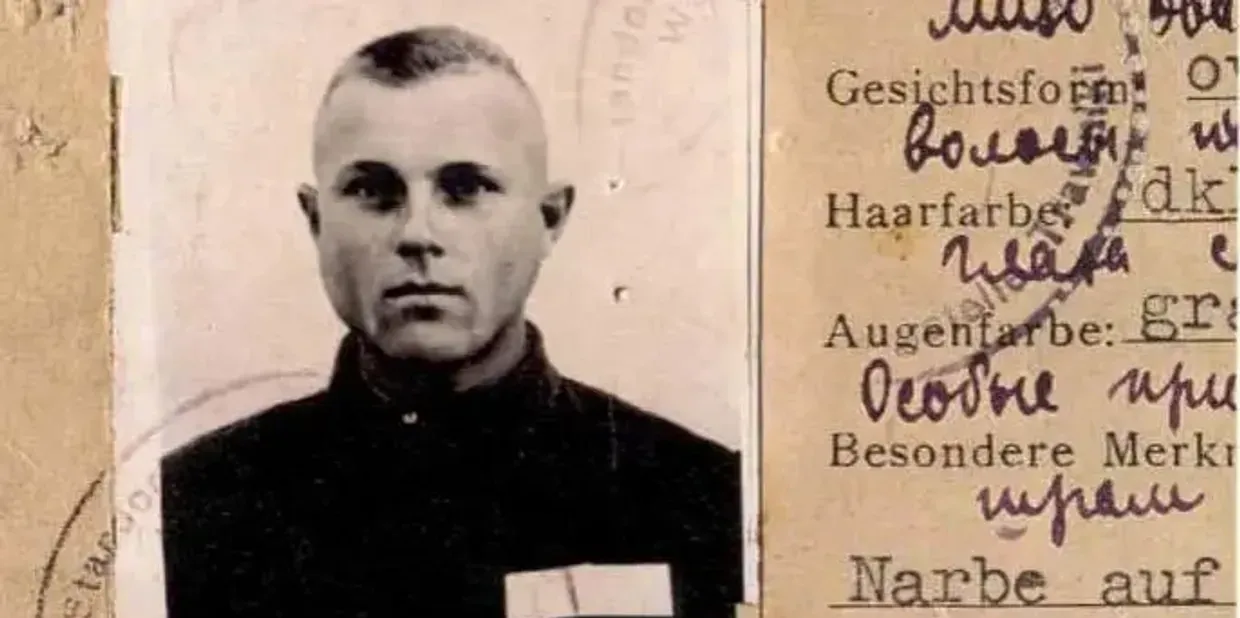
    John Demjanjuk, a retired Ukrainian-American autoworker, became one of the most controversial figures of post-World War II justice due to his alleged involvement as a Nazi war criminal. Born Ivan Mykolaiovych Demjanjuk on April 3, 1920, in Ukraine, Demjanjuk was accused of being “Ivan the Terrible,” a notoriously brutal guard at the Treblinka extermination camp. His case spanned decades, involving numerous trials, deportations, and appeals, reflecting the complexities and challenges of prosecuting war crimes long after the events took place. Demjanjuk’s story is not only a legal drama but also a profound exploration of identity, memory, and the quest for justice.
    Early Life and World War II Involvement

    John Demjanjuk was born in the Ukrainian village of Dubovi Makharyntsi, then part of the Soviet Union. During his youth, Ukraine was ravaged by political upheaval, famine, and war, deeply affecting his upbringing. In 1941, during World War II, Demjanjuk was drafted into the Soviet Red Army to fight against the invading German forces. However, in 1942, he was captured by the Germans during the Battle of Kerch and became a prisoner of war.

    It was during his time as a POW that Demjanjuk allegedly began collaborating with the Nazis. According to prosecutors, he volunteered to serve as a guard at several Nazi concentration camps, including Sobibor, Majdanek, and Flossenbürg, and was trained at the SS Trawniki training camp, which specifically prepared non-German volunteers to assist in Nazi extermination efforts. His most notorious alleged role was at Treblinka, where he was accused of being the sadistic guard known as “Ivan the Terrible,” who operated the gas chambers and was responsible for torturing and killing thousands of Jewish prisoners.
    Emigration to the United States and Life as a Family Man

    After the war, Demjanjuk lived in displaced persons camps in Germany before immigrating to the United States in 1952 with his wife and daughter. He settled in the Cleveland suburb of Seven Hills, Ohio, where he found work as an autoworker at the Ford Motor Company. Demjanjuk lived a relatively quiet life, becoming a naturalized U.S. citizen in 1958. He was known to friends and neighbors as a hardworking and unassuming family man who showed no outward signs of his past.

    However, his past began to catch up with him in the 1970s when survivors of the Holocaust identified him as Ivan the Terrible. The U.S. government accused him of lying about his involvement with the Nazis on his immigration paperwork, sparking the first of many legal battles that would define the rest of his life.
    The First Trial: Ivan the Terrible at Treblinka

    In 1981, Demjanjuk was stripped of his U.S. citizenship and extradited to Israel in 1986 to stand trial for war crimes. The prosecution charged him with being Ivan the Terrible, responsible for the mass murder of Jews at Treblinka. His trial in Israel was one of the most significant war crimes trials since the Nuremberg Trials, drawing international attention and fierce debate.

    The trial featured harrowing testimonies from Holocaust survivors who vividly recalled Ivan the Terrible’s brutality. Demjanjuk maintained his innocence throughout, insisting that he was never at Treblinka and that he was a victim of mistaken identity. His defense argued that Demjanjuk was not Ivan the Terrible but rather a POW who had been wrongfully accused.

    In 1988, Demjanjuk was found guilty and sentenced to death by hanging. However, new evidence emerged in 1991 when the Soviet Union collapsed, revealing KGB archives that suggested another man, Ivan Marchenko, was Ivan the Terrible. The Israeli Supreme Court overturned Demjanjuk’s conviction in 1993, ruling that the new evidence raised reasonable doubt about his identity. Demjanjuk returned to the United States, where his citizenship was eventually restored.
    The Second Trial: Guard at Sobibor

    Despite his acquittal in Israel, Demjanjuk’s legal troubles were far from over. In 2001, the U.S. Department of Justice accused him of being a guard at the Sobibor extermination camp, based on evidence that included identification documents from Nazi archives, which placed him at Sobibor and other camps. His U.S. citizenship was revoked once more, and after years of legal wrangling, he was deported to Germany in 2009 to stand trial for his role in the Holocaust.

    The trial in Munich was groundbreaking because Demjanjuk was not accused of any specific acts of murder but rather of being complicit in the Nazi extermination machine. Prosecutors argued that as a guard at Sobibor, Demjanjuk was directly involved in the operation of the gas chambers that killed over 28,000 Jews, regardless of whether he personally committed acts of violence. This approach marked a significant shift in the prosecution of Holocaust perpetrators, focusing on participation in the system rather than individual acts.

    Demjanjuk, by then in his late 80s and in poor health, sat in court in a wheelchair, maintaining his innocence and claiming that he was a victim of Soviet and Nazi manipulation. In 2011, Demjanjuk was convicted and sentenced to five years in prison. However, due to his age and health, he was released pending appeal and spent the remainder of his life in a nursing home. He died in 2012, still insisting on his innocence, and his appeal was never resolved, leaving his conviction technically not finalized under German law.
    The Controversy and Legacy of John Demjanjuk

    John Demjanjuk’s case remains one of the most complex and debated in the history of Holocaust justice. His story touches on profound issues of identity, the passage of time, and the limits of legal evidence in prosecuting historical crimes. To some, Demjanjuk was a symbol of the relentless pursuit of justice, an unrepentant Nazi who evaded accountability for decades. To others, he was an old man wrongfully accused, caught in the crossfire of a flawed legal system and shifting political agendas.

    The Demjanjuk trials also highlighted the difficulties in prosecuting war criminals decades after their crimes, when evidence is often incomplete, and memories have faded. The shift in focus during his German trial—from proving individual acts of murder to establishing complicity in the broader Nazi system—set a precedent for how low-level participants in genocidal regimes could be held accountable.

    Demjanjuk’s case continues to provoke debate about the nature of justice for Holocaust perpetrators. Was his conviction a triumph of accountability, or did it raise uncomfortable questions about the fairness of prosecuting someone so far removed from their alleged crimes? The trials revealed the challenges of confronting history, the human cost of war crimes, and the moral imperative to remember the victims.

    Demjanjuk’s life, from a Ukrainian farm boy to a defendant in some of the most significant war crimes trials of the 20th and 21st centuries, is a stark reminder of the enduring legacy of the Holocaust. His story is not just about guilt or innocence but about the complex interplay of memory, justice, and the unyielding pursuit of truth in the shadow of unimaginable horror.

  • JACK THE RIPPER

    By Scott J. Arnold

    JACK THE RIPPER

    Introduction

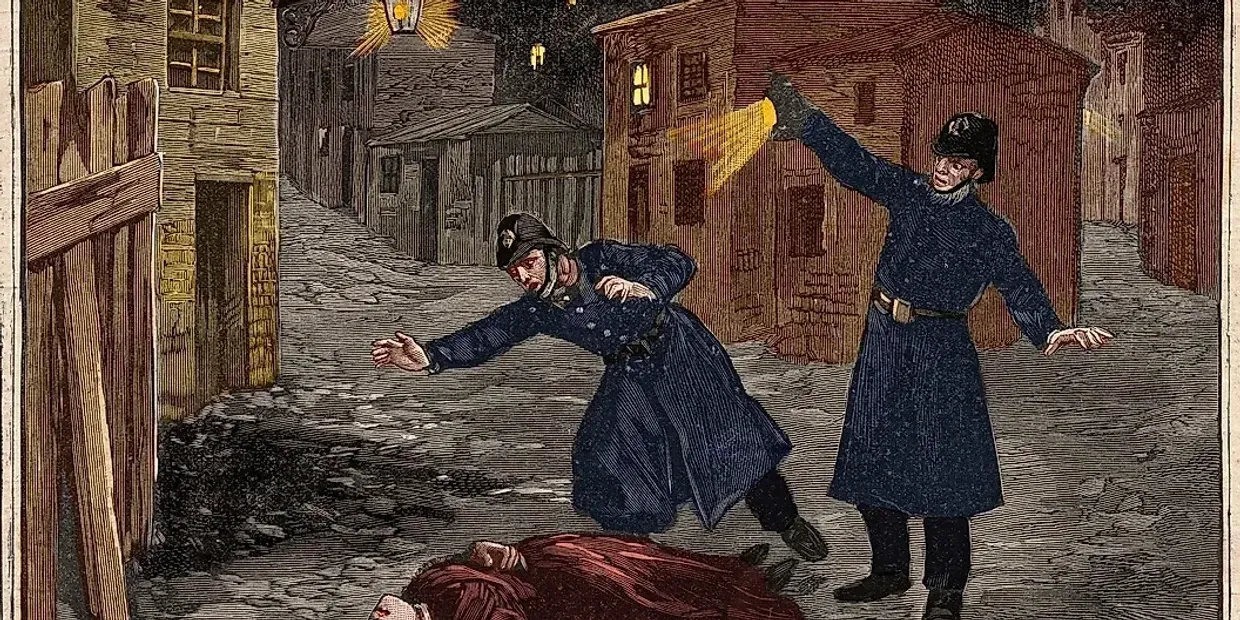
    Jack the Ripper is one of history’s most infamous serial killers, known for a series of brutal murders in the Whitechapel district of London in 1888. The identity of the killer remains a mystery, captivating the public’s imagination for over a century. The name “Jack the Ripper” originated from a letter, possibly a hoax, sent to the press during the murders. The killer targeted women, mostly prostitutes, and his gruesome methods set him apart, sparking fear and fascination.
    The Whitechapel Murders

    The murders attributed to Jack the Ripper occurred between August and November 1888. The canonical five victims—Mary Ann Nichols, Annie Chapman, Elizabeth Stride, Catherine Eddowes, and Mary Jane Kelly—were all murdered in a manner that suggested profound rage and a certain level of anatomical knowledge, as many were found with their throats slashed and bodies mutilated. The locations of the murders, all within a small area, indicate the killer’s intimate familiarity with Whitechapel.
    Investigations and Public Panic

    The police investigation into the Ripper murders was unprecedented, involving hundreds of interviews, door-to-door inquiries, and forensic attempts that were rudimentary by modern standards. However, the lack of witnesses, the dark and foggy streets of East London, and the disorganized nature of early forensic science hampered efforts to catch the killer. The media’s sensationalist coverage fueled public panic, and many letters, some claiming to be from the killer himself, were sent to newspapers and the police, though their authenticity remains disputed.

    The failure of the police to apprehend the killer led to widespread criticism and calls for the resignation of officials in charge, including Police Commissioner Sir Charles Warren. The case exposed the growing social and economic disparities in Victorian London, highlighting the dire conditions in which many of the victims lived.
    Theories and Suspects

    Over the years, numerous suspects have been proposed, ranging from prominent figures like Prince Albert Victor, the Duke of Clarence, to more plausible candidates such as Montague John Druitt, a barrister with a troubled history, and Aaron Kosminski, a Polish barber who was committed to an asylum shortly after the murders. Another strong candidate is Francis Tumblety, an American quack doctor with a known hatred of women. Despite extensive research and countless theories, no conclusive evidence has ever identified the Ripper.
    Legacy and Cultural Impact

    Jack the Ripper has become a cultural icon, representing the darker side of Victorian London and the ultimate unsolved mystery. The case has inspired countless books, films, and television series, often portraying the Ripper as a symbol of chaos and the unknown. The Ripper’s legend continues to intrigue true crime enthusiasts, historians, and conspiracy theorists alike, with new theories and evidence occasionally emerging, although none have definitively solved the mystery.

    The enduring fascination with Jack the Ripper reflects a broader societal obsession with unsolved crimes and the human desire to understand what drives someone to commit such heinous acts. His legacy is a testament to the power of mystery and the chilling reality that, sometimes, justice is never served.
    Conclusion

    Jack the Ripper remains an enigmatic figure whose brutal crimes shook 19th-century London and left an indelible mark on the collective consciousness. Despite the passage of time and advances in forensic science, the Ripper’s true identity continues to elude both professionals and amateur sleuths. His story is not just about the terror he unleashed but also about the era’s social complexities, highlighting the vulnerabilities of a rapidly changing society.

    The enduring mystery of Jack the Ripper will likely never be fully solved, but it serves as a chilling reminder of humanity’s darker instincts and the allure of the unknown. The Ripper’s story lives on, a shadowy figure lurking in the fog of Victorian London, forever beyond reach but never forgotten.

  • Jewish-American Organized Crime

    By Scott J. Arnold

    Jewish-American Organized Crime

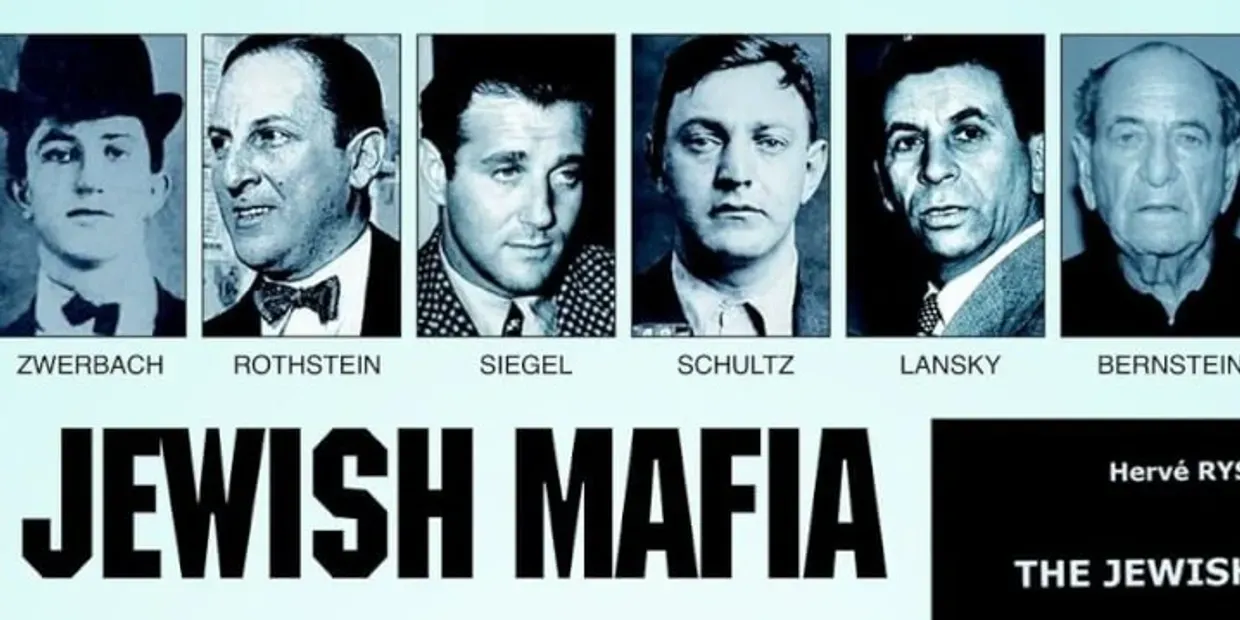
    Overview Jewish-American organized crime began in the late 19th century within American Jewish communities. Known by names such as the Jewish Mob, Kosher Mob, and Kosher Nostra, these criminal organizations were active across various U.S. cities, including New York, Philadelphia, Chicago, and Los Angeles. Key figures included Arnold Rothstein, Meyer Lansky, and Bugsy Siegel, who played prominent roles in the underworld alongside Italian-American Mafia groups.

    Origins and Characteristics

    Jewish-American organized crime emerged from impoverished immigrant neighborhoods.
    Initially, Jewish gangs like the Eastman Gang and Lenox Avenue Gang competed with Italian and Irish gangs in New York City.
    Arnold Rothstein, a key figure, transformed organized crime into a structured business enterprise and was known for his involvement in fixing the 1919 World Series.

    Prohibition and Expansion

    During Prohibition, Jewish gangsters dominated bootlegging operations alongside Italian Mafia partners.
    The Jewish Purple Gang controlled Detroit, and the Bugs and Meyer Mob operated in New York City before merging with Murder, Inc.
    Meyer Lansky and other Jewish mobsters formed close alliances with Italian Mafia leaders, leading to the creation of the National Crime Syndicate.

    Decline and Recent Developments

    Jewish-American organized crime declined after World War II, with many figures integrating into broader American society or fading from prominence.
    In recent years, Jewish-American crime has seen a resurgence through Orthodox Jewish, Israeli, and Russian-Jewish mafias involved in activities like narcotics trafficking and extortion.

    Notable Figures

    Arnold Rothstein: Mastermind behind early organized crime structures.
    Meyer Lansky: Key figure in developing gambling interests in Las Vegas and Cuba.
    Bugsy Siegel: Played a crucial role in the development of Las Vegas as a gambling hub.
    Dutch Schultz: Crime boss active in New York during Prohibition.

    Connection to Israel

    Some Jewish-American mobsters supported Israel financially or used the country as a haven to escape criminal charges.
    Notably, Prime Minister Golda Meir denied Meyer Lansky entry to Israel to curb criminal influence.

    Modern Era

    The Jewish-Russian mafia and Israeli organized crime groups have become prominent in the United States, particularly in New York’s Brighton Beach.
    The Israeli mafia is heavily involved in international narcotics trafficking, including the smuggling of ecstasy to the U.S.

    ConclusionJewish-American organized crime has evolved significantly from its early days, influenced by immigration waves and changing social conditions. Despite its decline, elements of Jewish-American crime persist, particularly among Russian and Israeli criminal groups.

  • Joseph Palmer’s Stand Against Societal Norms

    By Scott J. Arnold

    Persecuted for Wearing the Beard: The Remarkable Life of Joseph Palmer
    Introduction: Joseph Palmer’s Stand Against Societal Norms

    The introduction sets the stage for Joseph Palmer’s life and the central conflict that defined him: his persecution for simply wearing a beard in an era that demanded conformity.

    The Beard as Rebellion: Palmer’s decision to keep his beard defied social norms of the time. His persecution in the 1830s serves as a window into how society often treats non-conformity with violence and derision.
    The Impact of His Defiance: By the time of his death in 1873, beards were not only acceptable but fashionable, a striking irony given his earlier persecution.
    Themes of Individualism: His story resonates with themes of personal liberty, self-expression, and resistance to societal norms, making him a symbol of standing against the tide of conformity.

    Chapter 1: The Early Life of Joseph Palmer

    To understand why Palmer’s beard became so significant, it’s essential to look at his early life and the values that shaped him.

    Background and Upbringing: Born in 1799 in Leominster, Massachusetts, Palmer grew up in a post-Revolutionary War America, a period marked by rapid social and political changes. His upbringing as a farmer in a small community taught him self-reliance, which likely fueled his independent mindset.
    Religious and Philosophical Influences: Palmer was deeply religious, and his personal beliefs may have influenced his views on appearance and non-conformity. Whether his beard was a religious statement or a form of self-expression, Palmer viewed it as integral to his identity.
    Personality and Character: Descriptions of Palmer often emphasize his rugged individualism and firm moral convictions. These traits made him steadfast in the face of persecution, qualities that would define his legacy.

    Chapter 2: The Cultural and Social Climate of the 1830s

    To fully grasp the persecution Palmer faced, it is crucial to understand the cultural environment of 1830s America.

    Cultural Norms on Grooming: During this period, facial hair was largely associated with slovenliness, vice, or rebellion. The clean-shaven face was a sign of respectability and cleanliness. Palmer’s refusal to conform to these grooming standards was seen as a direct affront to social decency.
    The Influence of Industrialization: As America became more industrialized, rigid social norms dictated behavior and appearance. Palmer’s beard represented a rejection of this conformist trend, aligning him with the burgeoning countercultural movements of the time.
    Moral and Religious Attitudes: Puritanical values were still influential in shaping public opinion, and outward appearances were considered reflections of inward morality. A bearded man was often seen as rebellious, or worse, morally corrupt, and Palmer’s persecution mirrored broader anxieties about social change.

    Chapter 3: Palmer’s Beard and the Infamous Attack

    This chapter dives into the event that would change the course of Palmer’s life and make him a symbol of resistance.

    The Attack: In 1830, four armed men accosted Palmer in an attempt to forcibly shave off his beard. The attack wasn’t merely an act of mockery but a violent attempt to assert societal control over Palmer’s personal choices. Armed with scissors and razors, the attackers sought to strip Palmer of what they saw as an affront to decency.
    Palmer’s Defense: Rather than submit, Palmer defended himself, physically resisting the attempt to shave him. His refusal to bow to violence demonstrated his deep conviction that personal expression should not be dictated by societal pressure.
    Aftermath of the Incident: Palmer’s resistance to the attack led to his arrest rather than the prosecution of his attackers. He was charged with disturbing the peace, an absurdity that reflected society’s obsession with conformity. His arrest and subsequent mistreatment in jail solidified his image as a man persecuted for simply being different.

    Chapter 4: Arrest and Imprisonment

    Palmer’s imprisonment is a key part of his story and underscores the severity of societal reactions to non-conformity.

    Conditions in Jail: Palmer’s treatment in jail was harsh. He was reportedly mistreated by authorities who sought to humiliate him further. He was offered freedom multiple times if only he agreed to shave, but Palmer remained resolute, refusing to give up his beard even under duress.
    Public Reaction: Initially, Palmer’s plight was met with ridicule, but as his story spread, some began to see him as a victim of an unjust system. Palmer’s case became a rallying point for those who questioned the limits of societal control over individual liberties.
    Palmer’s Philosophy on Resistance: Throughout his imprisonment, Palmer’s letters and statements reflected his deep commitment to personal liberty. He saw his beard not merely as a fashion statement but as a symbol of his right to self-determination. His refusal to shave was, in essence, a declaration of independence from societal norms.

    Chapter 5: Utopian Communities and Palmer’s Role in the Fruitlands

    Joseph Palmer was a member of the Fruitlands, a short-lived utopian community. This chapter will explore how his involvement in such a radical experiment reflected his broader rejection of mainstream values.

    The Fruitlands Community: Fruitlands was founded by transcendentalists such as Bronson Alcott and Charles Lane in the 1840s. The community was dedicated to creating a self-sufficient, agrarian society that rejected materialism and societal conventions.
    Palmer’s Role in the Community: As a member of Fruitlands, Palmer was part of a movement that sought to create a new society based on personal freedom and simplicity. His refusal to conform to societal standards regarding his beard fit well with the ideals of the community.
    The Decline of Fruitlands: Despite its lofty goals, the Fruitlands experiment failed after only a few years, but Palmer’s involvement speaks to his lifelong commitment to living outside conventional society. His story within Fruitlands reveals how deeply Palmer valued independence and non-conformity.

    Chapter 6: Beards and Social Conformity: A Broader Historical Perspective

    This chapter takes a broader look at how beards have been perceived throughout history and across cultures.

    Beards as Rebellion: Historically, beards have often been associated with non-conformity and rebellion. In many cultures, facial hair was seen as a marker of religious or political dissent, making Palmer part of a long tradition of defiant bearded men.
    Historical Figures with Beards: In the 19th century, prominent figures such as Abraham Lincoln and Charles Darwin would later help to make beards fashionable. However, before this shift, men like Palmer who grew beards were seen as countercultural figures.
    Cultural and Political Shifts: The shift from beards being a symbol of rebellion to a mark of respectability by the late 19th century shows how societal norms evolve. Palmer’s story illustrates how people can be punished for choices that later become accepted.

    Chapter 7: The Legacy of Joseph Palmer This chapter focuses on Palmer’s legacy and how his story continues to resonate in modern discussions of individuality and resistance.

    The Irony of Fashion: By the time Palmer died in 1873, beards had become a fashionable symbol of masculinity and wisdom. His story highlights the absurdity of persecution for something that later became widely accepted.
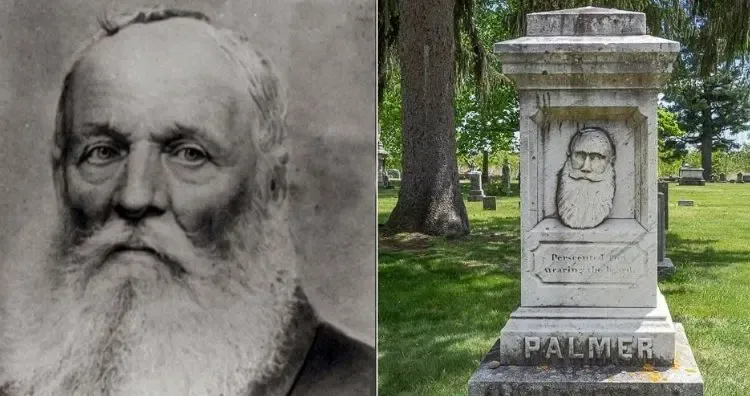
    Palmer’s Gravestone: The inscription on Palmer’s gravestone, “Persecuted for Wearing the Beard,” serves as a lasting reminder of the personal cost of non-conformity. His gravestone has become a symbol of resistance to arbitrary societal norms.
    Modern Parallels: Palmer’s fight for the right to wear a beard can be seen as part of a broader historical struggle for personal freedom. His story parallels modern debates about body autonomy, personal expression, and the limits of societal control.

    Conclusion: A Lasting Symbol of Resistance

    Joseph Palmer’s life may seem like a small footnote in American history, but his story resonates with broader themes of individuality, freedom, and resistance. His refusal to shave his beard became a battle for personal liberty, and his persecution is a reminder of how societies often seek to suppress those who deviate from the norm.

    Palmer’s legacy endures not only in the gravestone that marks his defiance but also in the broader history of resistance to conformity. His life is a reminder that the struggle for personal freedom often comes at a cost, but it is also a testament to the power of standing by one’s principles in the face of societal pressure. In a world where fashion and social norms are constantly shifting, Palmer’s story offers a timeless lesson about the importance of staying true to oneself, no matter the consequences.

  • Julius Caesar and the Pirates: The Audacious Tale of a Young Caesar’s Kidnapping.

    By Scott J. Arnold

    Julius Caesar and the Pirates: The Audacious Tale of a Young Caesar’s Kidnapping

    One of the most remarkable and bold episodes in the life of Julius Caesar occurred when he was kidnapped by Cilician pirates around 75 BCE. While most captives would fear for their lives and comply with their captors’ demands, Caesar, demonstrating his fearless and audacious character even at a young age, handled the situation quite differently. When the pirates set a ransom for his release, Caesar insisted that they raise it, believing that the original amount was insultingly low for someone of his stature.

    This extraordinary incident showcases Caesar’s unshakable confidence and charisma, even in the face of danger. It also foreshadowed the commanding leadership and boldness that would later define his rise to power in Rome.
    The Kidnapping: A Confident Young Aristocrat

    At the time of his kidnapping, Julius Caesar was a young man in his 20s, still years away from his future as Rome’s dictator and one of history’s most iconic leaders. Coming from a patrician family, Caesar was traveling across the Aegean Sea on his way to the island of Rhodes to study rhetoric under the renowned Greek teacher Apollonius Molon.

    However, during this journey, Caesar’s ship was captured by Cilician pirates, who were notorious for their raids in the Mediterranean. The pirates, seeing that they had captured a wealthy young Roman aristocrat, decided to hold Caesar for ransom.

    The pirates initially set Caesar’s ransom at 20 talents of silver, a substantial sum at the time. But rather than accept the terms, Caesar, displaying an extraordinary sense of self-worth, laughed at the pirates and told them that he was worth far more than 20 talents. He insisted that they raise the ransom to 50 talents of silver, which was a fortune. Astonished but amused by Caesar’s confidence, the pirates agreed to increase the ransom, and Caesar sent his companions to gather the money.
    Caesar’s Time with the Pirates: A Bold Captive

    While waiting for the ransom to be collected, Caesar spent 38 days among the pirates, during which time he maintained an air of superiority and even a casual familiarity with his captors. According to ancient accounts, Caesar treated the pirates as if he were in charge, rather than a prisoner. He reportedly took part in their games and activities but maintained an almost dismissive attitude toward them.

    Caesar is said to have written poems and speeches during his captivity, and when the pirates did not appreciate his literary works, he would scold them, calling them illiterate barbarians. Despite his boldness, Caesar earned the pirates’ respect through his fearlessness and confidence.

    One of the most famous aspects of this episode is that Caesar frequently joked with the pirates that, once he was freed, he would return to capture and crucify them. The pirates laughed at the comments, thinking them nothing more than a bravado-filled joke from their young prisoner. However, Caesar’s words were not empty threats—they were a warning of what was to come.
    The Ransom and Caesar’s Revenge

    After several weeks, Caesar’s associates returned with the 50 talents of silver, and the pirates released him as agreed. Once free, however, Caesar wasted no time in making good on his promise to punish the pirates for their audacity in capturing him.

    As soon as he was released, Caesar immediately traveled to the nearest port, raised a small naval force, and set out to hunt down the pirates. With characteristic determination, he quickly located the pirates’ hideout, captured them, and seized their treasure.

    True to his word, Caesar had the pirates crucified, fulfilling the threat he had made during his captivity. However, in a final act of calculated mercy, he ordered that they be strangled before being crucified to spare them the prolonged agony of death by crucifixion.
    The Legacy of the Pirate Incident

    This episode in Caesar’s early life is significant for several reasons. First, it demonstrated the fearlessness, confidence, and ambition that would come to define Caesar’s leadership and his rise to power. Even as a young man, Caesar believed he was destined for greatness, and his behavior during the kidnapping reflected this belief.

    Second, the incident revealed Caesar’s exceptional ability to command respect, even in adverse situations. He was able to turn the tables on his captors through sheer force of personality and intelligence, ensuring that he emerged from the ordeal not as a victim, but as a victor.

    Finally, the pirate incident is a testament to Caesar’s strategic thinking and ruthlessness. Though he could have simply taken his freedom and moved on, Caesar chose to exact revenge, ensuring that the pirates paid for their actions. This blend of charisma, tactical brilliance, and unflinching decisiveness would define Caesar’s future military and political career.
    Conclusion: A Bold Glimpse into Caesar’s Future

    The story of Julius Caesar’s kidnapping by pirates and his insistence on raising his own ransom is one of the most memorable and telling episodes from his early life. It offers a fascinating glimpse into the character of the man who would go on to become one of history’s most formidable leaders. Even in a moment of apparent vulnerability, Caesar displayed the traits of a leader destined for greatness—unwavering self-confidence, a commanding presence, and an ability to turn any situation to his advantage.

    In the end, the pirates who thought they had captured a valuable prize found themselves outwitted and executed, while Caesar continued on his path to becoming one of the most powerful figures in the ancient world. This episode not only highlights Caesar’s boldness but also his belief that he was a man of immense value—far more than 50 talents of silver.

  • file:///var/www/sites/blog/Liechtenstein: A Tiny Country with Big Mysteries and Bizarre Facts.

    By Scott J. Arnold

    Liechtenstein: A Tiny Country with Big Mysteries and Bizarre Facts

    Nestled between Switzerland and Austria lies Liechtenstein, a small, landlocked country that often goes unnoticed on the global stage. Despite its diminutive size, Liechtenstein is packed with strange, bizarre, and fascinating facts that set it apart from any other nation in the world. With a population of just around 39,000 people, this Alpine principality offers a surprising amount of intrigue—from its political system, where the monarch holds real power, to its unusual economic model and even stranger social dynamics. In this article, we will explore some of the most unique and bizarre facts about Liechtenstein, a country that punches well above its weight in terms of curiosity and global impact.
    Chapter 1: Liechtenstein’s Historical Oddities

    The history of Liechtenstein is as peculiar as the country itself. Despite its current wealth and stability, Liechtenstein’s origins were not always so certain. It was established as a principality in 1719 when the Liechtenstein family purchased the territories of Schellenberg and Vaduz. The goal of the family, originally from Austria, was to gain a seat in the Holy Roman Empire’s parliament, which required owning land that was directly subordinate to the emperor.

    Interestingly, the Liechtenstein family had no real interest in their new land. In fact, they didn’t even visit the country for over 100 years. It wasn’t until 1938 that they officially moved their residence to Vaduz, the capital of Liechtenstein, where they remain today.
    Surviving Two World Wars Untouched

    Liechtenstein’s neutrality and diplomacy have helped it avoid the devastation that most of Europe experienced during the 20th century. The country was able to remain neutral during both World War I and World War II, avoiding occupation or attack. This allowed it to develop its economy and infrastructure uninterrupted, helping transform the small, landlocked nation into a wealthy state in the modern era.

    Despite being in the heart of Europe, Liechtenstein avoided any direct involvement in both World War I and World War II. The country, surrounded by neutral Switzerland and friendly Austria, was able to keep its borders secure during the wars. This meant that while much of Europe lay in ruins, Liechtenstein emerged relatively unscathed, enabling it to focus on economic growth and stability.
    Liechtenstein’s Peaceful Military History

    Liechtenstein hasn’t engaged in any military conflict since 1866, when it disbanded its army. Today, the country has no military force and relies on Switzerland for its defense. Despite this, there have been no major conflicts involving Liechtenstein for over 150 years. The country even survived the turmoil of the 20th century unscathed, remaining neutral during the world wars. The decision to disband the military was driven by financial constraints, but it has allowed Liechtenstein to focus on peace and prosperity.

    In fact, in 1866, Liechtenstein sent 80 soldiers to participate in the Austro-Prussian War. Amazingly, all the soldiers returned unharmed, and legend has it that they returned with an extra man, having made a friend along the way. This quirky military history adds to the country’s reputation for being peaceful and diplomatic.
    Accidental Invasions by Switzerland

    In modern times, Liechtenstein’s peaceful existence was briefly interrupted by some accidental military incursions—by Switzerland. In 2007, during a training exercise, 170 Swiss soldiers accidentally crossed the border into Liechtenstein. Once they realized their mistake, they quickly retreated, and the Liechtenstein government humorously dismissed the incident, stating that “it’s not a problem.”

    Similarly, in 1985, Swiss troops accidentally fired rockets into Liechtenstein, starting a forest fire. Fortunately, no one was injured, and the Swiss government quickly apologized. These bizarre incidents demonstrate the close and friendly relationship between the two countries, as well as Liechtenstein’s commitment to maintaining peaceful relations.
    Chapter 2: A Modern-Day Monarchy with Real Power

    While most modern monarchies are largely ceremonial, Liechtenstein’s royal family still holds considerable political power. Prince Hans-Adam II, who has ruled since 1989, wields authority that is unusual for a 21st-century monarch.
    The Power of the Prince

    Unlike most European monarchies, where the royal family plays a symbolic role, Liechtenstein’s prince has real governing power. The prince can veto laws, dissolve the government, and even make significant decisions on behalf of the country. In 2003, a referendum was held to decide whether the prince’s powers should be reduced or expanded. In a surprising twist, the people voted to give the prince more authority, demonstrating their trust in the monarchy.

    This level of influence in a democratic society is almost unheard of, making Liechtenstein a curious example of how monarchy and democracy can coexist in modern times. Prince Hans-Adam II has maintained a close relationship with his people, often involving himself directly in the nation’s governance.
    Citizenship by Community Vote

    Becoming a citizen of Liechtenstein is no easy feat. To apply for citizenship, a person must live in the country for 30 years, unless they marry a citizen, in which case the residency requirement is reduced to five years. However, even after fulfilling the residency requirement, applicants must gain the approval of their local municipality, which holds a community vote to determine whether they will be granted citizenship.

    This unique process gives Liechtenstein’s residents a significant say in who becomes a citizen of their country, ensuring that population growth is carefully controlled. The difficulty of gaining citizenship makes Liechtenstein one of the most exclusive countries in the world in this regard.
    Chapter 3: The Rent-a-Country Program

    One of the strangest services that Liechtenstein offers is the ability to rent the entire country. Yes, for around $70,000 a night, individuals or corporations can rent Liechtenstein for their private events. This unique service includes personalized street signs, customized currency, and access to various locations in the country.
    Snoop Dogg’s Attempt to Rent Liechtenstein

    One of the most famous stories related to this program is when rapper Snoop Dogg tried to rent the country for a music video. While the deal didn’t go through due to timing issues, the attempt drew significant attention to Liechtenstein and its quirky tourism offerings. This program, while unusual, showcases the country’s willingness to think outside the box in terms of promoting itself on the world stage.
    Chapter 4: More Companies than Citizens

    Despite its small size, Liechtenstein is a global financial hub, known for its favorable tax laws. One of the most striking facts about the country is that it has more registered companies than citizens. With a population of around 39,000 people, Liechtenstein boasts over 74,000 companies, many of which are attracted to the country for its business-friendly regulations.
    Tax Haven Status

    Liechtenstein’s reputation as a tax haven has made it a magnet for corporations and wealthy individuals seeking favorable tax conditions. The country has low corporate tax rates and strong banking privacy laws, although it has tightened regulations in recent years to avoid being blacklisted by international organizations like the OECD and the G20.

    Liechtenstein’s economic model has allowed it to develop one of the highest GDP per capita rates in the world, around $180,000. This remarkable economic strength is underpinned by a diverse mix of industries, including financial services, manufacturing, and tourism.
    Chapter 5: No Army, No Hospitals

    As previously mentioned, Liechtenstein has not had an army since 1868, relying on Switzerland for defense. However, another unique aspect of the country is that it also has no hospitals. For major medical treatments, residents of Liechtenstein must travel to neighboring countries like Switzerland or Austria.
    Cross-Border Healthcare

    Despite this, the country ensures its citizens receive top-quality healthcare through cross-border agreements with Swiss and Austrian hospitals. This arrangement allows Liechtenstein to avoid the high costs of running its own healthcare infrastructure while providing its citizens with excellent medical care just across the border.
    Chapter 6: A Skiing Paradise Hidden in Plain Sight

    Though Liechtenstein is small, it offers some of the best skiing and hiking in Europe. The village of Malbun is home to a popular ski resort, attracting visitors from around the region. With well-maintained slopes and stunning Alpine views, Malbun is a hidden gem for outdoor enthusiasts.
    Liechtenstein’s Alpine Geography

    Around two-thirds of the country is covered by the Alps, making it an ideal destination for winter sports and summer hiking. The highest peak in Liechtenstein, Grauspitz, stands at 8,527 feet (2,599 meters) and offers a challenge for climbers and mountaineers.
    Chapter 7: Liechtenstein’s World-Renowned Stamps

    Liechtenstein is famous for its postage stamps, which are highly sought after by collectors around the world. The country has a long history of producing beautiful and intricate stamp designs, many of which reflect its culture, history, and natural beauty.
    The Postal Museum

    In Vaduz, Liechtenstein’s capital, there is a Postal Museum dedicated to showcasing the country’s stamp heritage. Stamps from Liechtenstein are highly prized by philatelists, and the museum offers a glimpse into the artistry and history behind these miniature works of art.
    Chapter 8: The Unique Dynamics of Prostitution in Liechtenstein

    Another surprising and lesser-known fact about Liechtenstein is the dynamics of prostitution in the country, which includes women paying for sex—a cultural shift from more typical expectations around this topic. Though prostitution is legal and regulated in the country, what sets Liechtenstein apart is that women sometimes pay for sex. This phenomenon isn’t commonly discussed openly but has garnered attention in various reports due to its unusual nature in a conservative European principality.
    Changing Gender Roles

    What makes this fact particularly interesting is that it challenges traditional gender roles and highlights how even in a conservative country like Liechtenstein, social attitudes toward sex and gender are evolving. The country has historically been patriarchal, especially given the power of the monarchy, but this unique phenomenon suggests a shift toward more gender equality and autonomy in intimate relationships.
    Chapter 9: No Homelessness and Low Crime

    Liechtenstein boasts one of the lowest crime rates in the world, with serious crimes being exceedingly rare. The country has had no recorded murders in over 20 years. Beyond that, it is one of the few countries where there is essentially no homelessness. The wealth and stability of the country, along with strong social services, ensure that all residents have access to housing and support.
    Chapter 10: Liechtenstein’s Business Empire

    The small country of Liechtenstein has more than just financial services. It is home to some world-renowned companies in various industries, including manufacturing. One example is Hilti, a multinational company that specializes in tools, technology, software, and services for the construction industry. Hilti, though headquartered in Schaan, operates globally, and its presence in Liechtenstein contributes significantly to the country’s economic success.
    Chapter 11: The Unseen Influence of Liechtenstein

    Liechtenstein’s influence extends beyond its borders in surprising ways. Despite its size, the country plays a crucial role in various international organizations, and its policies, particularly in finance and banking, have far-reaching effects. The country’s banking secrecy laws, for example, have been at the center of international discussions on tax evasion and transparency. While Liechtenstein has made strides toward greater transparency, it remains a key player in the global financial landscape.
    Conclusion: A Country Like No Other

    Liechtenstein is a land of contrasts. It is tiny but powerful, modern yet steeped in tradition, and quirky in ways that surprise even seasoned travelers. Whether it’s renting the entire country, avoiding military conflicts, or being a corporate tax haven, Liechtenstein continues to intrigue the world with its unique approach to governance, economy, and culture. Despite its small size, this Alpine nation punches well above its weight in terms of influence, wealth, and sheer strangeness. From its bizarre tax haven status to its no-army policy, from women paying for sex to its accidental invasions by Swiss soldiers, Liechtenstein is truly a country like no other.