Jewish-American Organized Crime
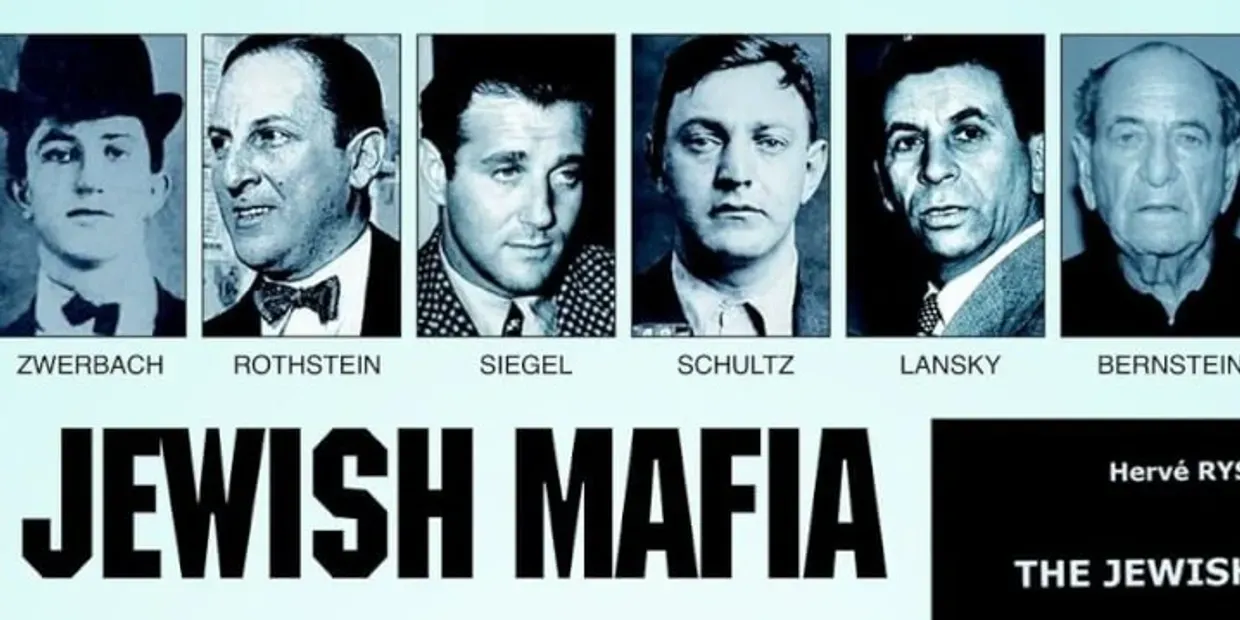
Overview Jewish-American organized crime began in the late 19th century within American Jewish communities. Known by names such as the Jewish Mob, Kosher Mob, and Kosher Nostra, these criminal organizations were active across various U.S. cities, including New York, Philadelphia, Chicago, and Los Angeles. Key figures included Arnold Rothstein, Meyer Lansky, and Bugsy Siegel, who played prominent roles in the underworld alongside Italian-American Mafia groups.
Origins and Characteristics
Jewish-American organized crime emerged from impoverished immigrant neighborhoods.
Initially, Jewish gangs like the Eastman Gang and Lenox Avenue Gang competed with Italian and Irish gangs in New York City.
Arnold Rothstein, a key figure, transformed organized crime into a structured business enterprise and was known for his involvement in fixing the 1919 World Series.
Prohibition and Expansion
During Prohibition, Jewish gangsters dominated bootlegging operations alongside Italian Mafia partners.
The Jewish Purple Gang controlled Detroit, and the Bugs and Meyer Mob operated in New York City before merging with Murder, Inc.
Meyer Lansky and other Jewish mobsters formed close alliances with Italian Mafia leaders, leading to the creation of the National Crime Syndicate.
Decline and Recent Developments
Jewish-American organized crime declined after World War II, with many figures integrating into broader American society or fading from prominence.
In recent years, Jewish-American crime has seen a resurgence through Orthodox Jewish, Israeli, and Russian-Jewish mafias involved in activities like narcotics trafficking and extortion.
Notable Figures
Arnold Rothstein: Mastermind behind early organized crime structures.
Meyer Lansky: Key figure in developing gambling interests in Las Vegas and Cuba.
Bugsy Siegel: Played a crucial role in the development of Las Vegas as a gambling hub.
Dutch Schultz: Crime boss active in New York during Prohibition.
Connection to Israel
Some Jewish-American mobsters supported Israel financially or used the country as a haven to escape criminal charges.
Notably, Prime Minister Golda Meir denied Meyer Lansky entry to Israel to curb criminal influence.
Modern Era
The Jewish-Russian mafia and Israeli organized crime groups have become prominent in the United States, particularly in New York’s Brighton Beach.
The Israeli mafia is heavily involved in international narcotics trafficking, including the smuggling of ecstasy to the U.S.
ConclusionJewish-American organized crime has evolved significantly from its early days, influenced by immigration waves and changing social conditions. Despite its decline, elements of Jewish-American crime persist, particularly among Russian and Israeli criminal groups.
Leave a Reply