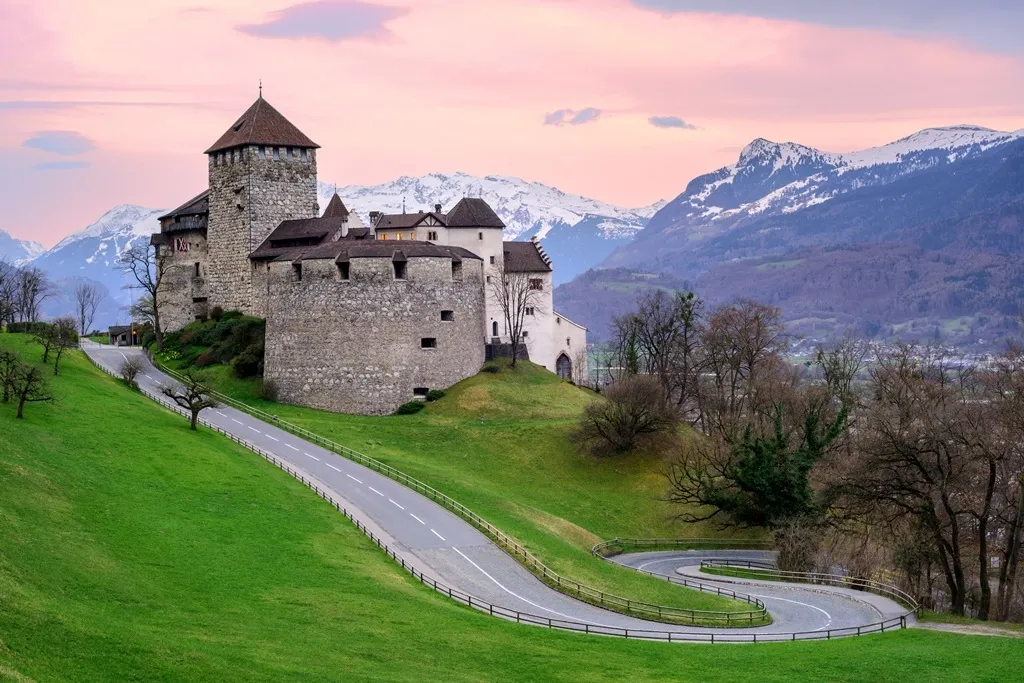
Liechtenstein: A Tiny Country with Big Mysteries and Bizarre Facts
Nestled between Switzerland and Austria lies Liechtenstein, a small, landlocked country that often goes unnoticed on the global stage. Despite its diminutive size, Liechtenstein is packed with strange, bizarre, and fascinating facts that set it apart from any other nation in the world. With a population of just around 39,000 people, this Alpine principality offers a surprising amount of intrigue—from its political system, where the monarch holds real power, to its unusual economic model and even stranger social dynamics. In this article, we will explore some of the most unique and bizarre facts about Liechtenstein, a country that punches well above its weight in terms of curiosity and global impact.
Chapter 1: Liechtenstein’s Historical Oddities
The history of Liechtenstein is as peculiar as the country itself. Despite its current wealth and stability, Liechtenstein’s origins were not always so certain. It was established as a principality in 1719 when the Liechtenstein family purchased the territories of Schellenberg and Vaduz. The goal of the family, originally from Austria, was to gain a seat in the Holy Roman Empire’s parliament, which required owning land that was directly subordinate to the emperor.
Interestingly, the Liechtenstein family had no real interest in their new land. In fact, they didn’t even visit the country for over 100 years. It wasn’t until 1938 that they officially moved their residence to Vaduz, the capital of Liechtenstein, where they remain today.
Surviving Two World Wars Untouched
Liechtenstein’s neutrality and diplomacy have helped it avoid the devastation that most of Europe experienced during the 20th century. The country was able to remain neutral during both World War I and World War II, avoiding occupation or attack. This allowed it to develop its economy and infrastructure uninterrupted, helping transform the small, landlocked nation into a wealthy state in the modern era.
Despite being in the heart of Europe, Liechtenstein avoided any direct involvement in both World War I and World War II. The country, surrounded by neutral Switzerland and friendly Austria, was able to keep its borders secure during the wars. This meant that while much of Europe lay in ruins, Liechtenstein emerged relatively unscathed, enabling it to focus on economic growth and stability.
Liechtenstein’s Peaceful Military History
Liechtenstein hasn’t engaged in any military conflict since 1866, when it disbanded its army. Today, the country has no military force and relies on Switzerland for its defense. Despite this, there have been no major conflicts involving Liechtenstein for over 150 years. The country even survived the turmoil of the 20th century unscathed, remaining neutral during the world wars. The decision to disband the military was driven by financial constraints, but it has allowed Liechtenstein to focus on peace and prosperity.
In fact, in 1866, Liechtenstein sent 80 soldiers to participate in the Austro-Prussian War. Amazingly, all the soldiers returned unharmed, and legend has it that they returned with an extra man, having made a friend along the way. This quirky military history adds to the country’s reputation for being peaceful and diplomatic.
Accidental Invasions by Switzerland
In modern times, Liechtenstein’s peaceful existence was briefly interrupted by some accidental military incursions—by Switzerland. In 2007, during a training exercise, 170 Swiss soldiers accidentally crossed the border into Liechtenstein. Once they realized their mistake, they quickly retreated, and the Liechtenstein government humorously dismissed the incident, stating that “it’s not a problem.”
Similarly, in 1985, Swiss troops accidentally fired rockets into Liechtenstein, starting a forest fire. Fortunately, no one was injured, and the Swiss government quickly apologized. These bizarre incidents demonstrate the close and friendly relationship between the two countries, as well as Liechtenstein’s commitment to maintaining peaceful relations.
Chapter 2: A Modern-Day Monarchy with Real Power
While most modern monarchies are largely ceremonial, Liechtenstein’s royal family still holds considerable political power. Prince Hans-Adam II, who has ruled since 1989, wields authority that is unusual for a 21st-century monarch.
The Power of the Prince
Unlike most European monarchies, where the royal family plays a symbolic role, Liechtenstein’s prince has real governing power. The prince can veto laws, dissolve the government, and even make significant decisions on behalf of the country. In 2003, a referendum was held to decide whether the prince’s powers should be reduced or expanded. In a surprising twist, the people voted to give the prince more authority, demonstrating their trust in the monarchy.
This level of influence in a democratic society is almost unheard of, making Liechtenstein a curious example of how monarchy and democracy can coexist in modern times. Prince Hans-Adam II has maintained a close relationship with his people, often involving himself directly in the nation’s governance.
Citizenship by Community Vote
Becoming a citizen of Liechtenstein is no easy feat. To apply for citizenship, a person must live in the country for 30 years, unless they marry a citizen, in which case the residency requirement is reduced to five years. However, even after fulfilling the residency requirement, applicants must gain the approval of their local municipality, which holds a community vote to determine whether they will be granted citizenship.
This unique process gives Liechtenstein’s residents a significant say in who becomes a citizen of their country, ensuring that population growth is carefully controlled. The difficulty of gaining citizenship makes Liechtenstein one of the most exclusive countries in the world in this regard.
Chapter 3: The Rent-a-Country Program
One of the strangest services that Liechtenstein offers is the ability to rent the entire country. Yes, for around $70,000 a night, individuals or corporations can rent Liechtenstein for their private events. This unique service includes personalized street signs, customized currency, and access to various locations in the country.
Snoop Dogg’s Attempt to Rent Liechtenstein
One of the most famous stories related to this program is when rapper Snoop Dogg tried to rent the country for a music video. While the deal didn’t go through due to timing issues, the attempt drew significant attention to Liechtenstein and its quirky tourism offerings. This program, while unusual, showcases the country’s willingness to think outside the box in terms of promoting itself on the world stage.
Chapter 4: More Companies than Citizens
Despite its small size, Liechtenstein is a global financial hub, known for its favorable tax laws. One of the most striking facts about the country is that it has more registered companies than citizens. With a population of around 39,000 people, Liechtenstein boasts over 74,000 companies, many of which are attracted to the country for its business-friendly regulations.
Tax Haven Status
Liechtenstein’s reputation as a tax haven has made it a magnet for corporations and wealthy individuals seeking favorable tax conditions. The country has low corporate tax rates and strong banking privacy laws, although it has tightened regulations in recent years to avoid being blacklisted by international organizations like the OECD and the G20.
Liechtenstein’s economic model has allowed it to develop one of the highest GDP per capita rates in the world, around $180,000. This remarkable economic strength is underpinned by a diverse mix of industries, including financial services, manufacturing, and tourism.
Chapter 5: No Army, No Hospitals
As previously mentioned, Liechtenstein has not had an army since 1868, relying on Switzerland for defense. However, another unique aspect of the country is that it also has no hospitals. For major medical treatments, residents of Liechtenstein must travel to neighboring countries like Switzerland or Austria.
Cross-Border Healthcare
Despite this, the country ensures its citizens receive top-quality healthcare through cross-border agreements with Swiss and Austrian hospitals. This arrangement allows Liechtenstein to avoid the high costs of running its own healthcare infrastructure while providing its citizens with excellent medical care just across the border.
Chapter 6: A Skiing Paradise Hidden in Plain Sight
Though Liechtenstein is small, it offers some of the best skiing and hiking in Europe. The village of Malbun is home to a popular ski resort, attracting visitors from around the region. With well-maintained slopes and stunning Alpine views, Malbun is a hidden gem for outdoor enthusiasts.
Liechtenstein’s Alpine Geography
Around two-thirds of the country is covered by the Alps, making it an ideal destination for winter sports and summer hiking. The highest peak in Liechtenstein, Grauspitz, stands at 8,527 feet (2,599 meters) and offers a challenge for climbers and mountaineers.
Chapter 7: Liechtenstein’s World-Renowned Stamps
Liechtenstein is famous for its postage stamps, which are highly sought after by collectors around the world. The country has a long history of producing beautiful and intricate stamp designs, many of which reflect its culture, history, and natural beauty.
The Postal Museum
In Vaduz, Liechtenstein’s capital, there is a Postal Museum dedicated to showcasing the country’s stamp heritage. Stamps from Liechtenstein are highly prized by philatelists, and the museum offers a glimpse into the artistry and history behind these miniature works of art.
Chapter 8: The Unique Dynamics of Prostitution in Liechtenstein
Another surprising and lesser-known fact about Liechtenstein is the dynamics of prostitution in the country, which includes women paying for sex—a cultural shift from more typical expectations around this topic. Though prostitution is legal and regulated in the country, what sets Liechtenstein apart is that women sometimes pay for sex. This phenomenon isn’t commonly discussed openly but has garnered attention in various reports due to its unusual nature in a conservative European principality.
Changing Gender Roles
What makes this fact particularly interesting is that it challenges traditional gender roles and highlights how even in a conservative country like Liechtenstein, social attitudes toward sex and gender are evolving. The country has historically been patriarchal, especially given the power of the monarchy, but this unique phenomenon suggests a shift toward more gender equality and autonomy in intimate relationships.
Chapter 9: No Homelessness and Low Crime
Liechtenstein boasts one of the lowest crime rates in the world, with serious crimes being exceedingly rare. The country has had no recorded murders in over 20 years. Beyond that, it is one of the few countries where there is essentially no homelessness. The wealth and stability of the country, along with strong social services, ensure that all residents have access to housing and support.
Chapter 10: Liechtenstein’s Business Empire
The small country of Liechtenstein has more than just financial services. It is home to some world-renowned companies in various industries, including manufacturing. One example is Hilti, a multinational company that specializes in tools, technology, software, and services for the construction industry. Hilti, though headquartered in Schaan, operates globally, and its presence in Liechtenstein contributes significantly to the country’s economic success.
Chapter 11: The Unseen Influence of Liechtenstein
Liechtenstein’s influence extends beyond its borders in surprising ways. Despite its size, the country plays a crucial role in various international organizations, and its policies, particularly in finance and banking, have far-reaching effects. The country’s banking secrecy laws, for example, have been at the center of international discussions on tax evasion and transparency. While Liechtenstein has made strides toward greater transparency, it remains a key player in the global financial landscape.
Conclusion: A Country Like No Other
Liechtenstein is a land of contrasts. It is tiny but powerful, modern yet steeped in tradition, and quirky in ways that surprise even seasoned travelers. Whether it’s renting the entire country, avoiding military conflicts, or being a corporate tax haven, Liechtenstein continues to intrigue the world with its unique approach to governance, economy, and culture. Despite its small size, this Alpine nation punches well above its weight in terms of influence, wealth, and sheer strangeness. From its bizarre tax haven status to its no-army policy, from women paying for sex to its accidental invasions by Swiss soldiers, Liechtenstein is truly a country like no other.
Leave a Reply