Blog

  • The FBI: From Its Origins to the Present Day

    By Scott J. Arnold

    The FBI: From Its Origins to the Present Day
    Introduction
    The Federal Bureau of Investigation (FBI) is one of the most renowned and influential law enforcement and intelligence agencies in the United States. Founded in the early 20th century, the FBI has evolved from a small investigative unit into a powerful organization that combats a wide range of criminal and national security threats. This article explores the history of the FBI, from its creation to its modern-day role in combating terrorism, cybercrime, organized crime, and other significant challenges.
    1. Origins and Early Years of the FBI
    The FBI was founded on July 26, 1908, as the Bureau of Investigation (BOI). It was created during the presidency of Theodore Roosevelt to address the growing need for a federal investigative body that could tackle interstate crime, which was becoming increasingly difficult for local law enforcement to manage.
    • Formation of the Bureau of Investigation: The BOI was established by Attorney General Charles Bonaparte, who hired special agents to investigate crimes across state lines. Initially, the BOI focused on white-collar crimes, such as antitrust violations, land fraud, and banking crimes.
    • The Mann Act and Early Investigations: One of the early focuses of the BOI was enforcing the Mann Act, which prohibited the transportation of women across state lines for immoral purposes. This early work helped establish the BOI’s role in investigating federal crimes and set the foundation for its future growth.
    2. The FBI During Prohibition and the Gangster Era
    The Prohibition era (1920–1933) marked a significant turning point for the BOI as it began to expand its operations to combat organized crime and bootlegging. This period saw the rise of notorious criminals like Al Capone, John Dillinger, and Bonnie and Clyde, whose activities highlighted the need for a more robust federal law enforcement presence.
    • The War on Gangsters: The BOI, restructured under Director J. Edgar Hoover, took on organized crime figures with increased vigor, employing new investigative techniques and expanding its jurisdiction. The agency gained public recognition as it tracked down and apprehended some of the most dangerous criminals of the time.
    • Renaming to the FBI: In 1935, the BOI was officially renamed the Federal Bureau of Investigation (FBI), reflecting its broader mission and expanding responsibilities. Hoover’s leadership during this era established the FBI as the premier federal law enforcement agency in the United States.
    3. J. Edgar Hoover’s Influence and the FBI’s Rise
    J. Edgar Hoover served as the Director of the FBI from 1924 until his death in 1972, making him one of the most influential figures in the history of the agency. Under his leadership, the FBI grew in power and scope, implementing a rigorous organizational structure and pioneering new investigative methods.
    • Modernization and Expansion: Hoover introduced numerous reforms, including the establishment of the FBI Laboratory in 1932, which brought forensic science into criminal investigations. He also emphasized the importance of professionalism, training, and the use of advanced technology.
    • Focus on Domestic Surveillance: During the Cold War, Hoover expanded the FBI’s focus to include counterintelligence and domestic surveillance, targeting suspected communists, civil rights activists, and other groups deemed subversive. While these efforts were often justified as necessary for national security, they also drew criticism for infringing on civil liberties.
    4. The FBI’s Role During World War II and the Cold War
    World War II and the subsequent Cold War era saw the FBI deeply involved in counterintelligence, espionage, and domestic security. The agency played a crucial role in identifying and neutralizing Nazi spies, saboteurs, and other threats to national security.
    • Espionage and Counterintelligence Efforts: The FBI’s focus shifted heavily towards counterespionage during the Cold War. Hoover’s obsession with rooting out communist influences led to the investigation of thousands of Americans, including government employees, Hollywood figures, and academics.
    • The Red Scare and McCarthyism: The FBI’s role during the Red Scare included working closely with Senator Joseph McCarthy and other politicians who sought to expose alleged communist infiltration of the U.S. government. This period was marked by widespread paranoia, accusations, and often unfounded investigations that damaged many careers and lives.
    5. Civil Rights Movement and FBI Controversies
    The 1960s brought significant challenges and controversies for the FBI as it navigated the complexities of the Civil Rights Movement, Vietnam War protests, and rising social unrest. Hoover’s FBI was often at odds with the era’s prominent civil rights leaders, including Dr. Martin Luther King Jr.
    • COINTELPRO (Counter Intelligence Program): COINTELPRO was a covert FBI initiative aimed at surveilling, infiltrating, and disrupting civil rights organizations, anti-war movements, and other groups perceived as subversive. The program’s tactics included wiretapping, harassment, and disinformation campaigns, drawing sharp criticism for violating constitutional rights.
    • Surveillance of Martin Luther King Jr.: The FBI’s surveillance of Dr. King, including attempts to discredit him, remains one of the most controversial episodes in the agency’s history. The FBI’s actions were widely condemned and are often cited as examples of government overreach and abuse of power.
    6. The FBI’s Transition and Reform Post-Hoover
    Following Hoover’s death in 1972, the FBI underwent significant changes aimed at reforming the agency’s practices and restoring public trust. Congress increased oversight, and new leadership sought to distance the FBI from Hoover’s legacy of secrecy and surveillance abuses.
    • Church Committee Investigations: The 1975 Senate investigations, known as the Church Committee, exposed widespread abuses of power by the FBI, CIA, and other intelligence agencies. The committee’s findings led to increased congressional oversight and the establishment of legal safeguards against domestic spying.
    • Introduction of Legal Reforms: Reforms introduced during the 1970s included stricter guidelines on surveillance, the requirement of court orders for wiretaps, and the creation of the Foreign Intelligence Surveillance Court (FISC) to oversee national security investigations.
    7. Fighting Organized Crime and the War on Drugs
    The 1980s and 1990s saw the FBI intensify its focus on combating organized crime, corruption, and the burgeoning drug trade. The agency played a pivotal role in dismantling major crime families and addressing the growing influence of drug cartels.
    • Operation Greylord and Public Corruption: The FBI’s Operation Greylord targeted judicial corruption in Chicago, resulting in the convictions of numerous judges, lawyers, and law enforcement officials. The operation highlighted the agency’s efforts to root out corruption within public institutions.
    • War on Drugs: The FBI joined forces with other federal agencies, such as the Drug Enforcement Administration (DEA), to combat drug trafficking and organized crime. The agency targeted major drug networks, including the notorious Medellín and Cali cartels, using sophisticated surveillance, undercover operations, and international cooperation.
    8. The FBI’s Role in Counterterrorism and the Post-9/11 Era
    The September 11, 2001, terrorist attacks fundamentally changed the FBI’s priorities, leading to a dramatic shift towards counterterrorism and national security. The agency reorganized to address the growing threat posed by international terrorist organizations, such as al-Qaeda.
    • Creation of the Joint Terrorism Task Forces (JTTFs): The FBI established JTTFs across the country to coordinate counterterrorism efforts between federal, state, and local law enforcement agencies. These task forces became critical in identifying and preventing terrorist plots.
    • Enhanced Surveillance and Controversies: In the wake of 9/11, the FBI gained expanded surveillance powers under the USA PATRIOT Act, including increased authority to monitor communications, financial transactions, and travel. While these measures aimed to enhance national security, they also raised concerns about privacy and civil liberties.
    9. Cybersecurity, Espionage, and Modern Challenges
    In recent years, the FBI has faced evolving threats in the digital age, including cybercrime, ransomware, and state-sponsored hacking. The agency’s focus has expanded to include combating cybersecurity threats that jeopardize national security, economic stability, and public safety.
    • Cyber Division and Digital Forensics: The FBI’s Cyber Division was established to address the growing complexity of cybercrime and cyber espionage. The agency works closely with private sector partners, foreign governments, and other U.S. agencies to identify, disrupt, and prosecute cybercriminals.
    • High-Profile Espionage Cases: The FBI continues to play a key role in counterintelligence efforts against foreign espionage. High-profile cases, such as the investigation of Russian interference in U.S. elections, highlight the ongoing challenges the FBI faces in safeguarding national security.
    10. The Future of the FBI and Its Ongoing Mission
    As the FBI continues to adapt to new challenges, its mission remains rooted in protecting the United States from a wide range of threats, including terrorism, cybercrime, espionage, and organized crime. The agency’s ability to evolve in response to emerging dangers will be critical to its continued success.
    • Balancing Security and Civil Liberties: The FBI must navigate the delicate balance between ensuring national security and respecting individual rights. Transparency, accountability, and adherence to the rule of law will be essential as the agency confronts the complex landscape of modern threats.
    • Commitment to Justice and Public Trust: As the FBI moves forward, its commitment to justice, integrity, and public service will remain at the core of its mission. The agency’s legacy is shaped by its successes, challenges, and efforts to uphold the principles that define American law enforcement.
    The FBI’s history is a testament to its resilience and adaptability in the face of evolving threats. From its origins tackling organized crime to its modern-day role in counterterrorism and cybersecurity, the FBI continues to be a vital force in protecting the United States and its citizens.

     

  • Evel Knievel: The Life and Legacy of America’s Daredevil

    By Scott J. Arnold

    Evel Knievel: The Life and Legacy of America’s Daredevil
    1. Introduction: The Legend of Evel Knievel
    Evel Knievel, born Robert Craig Knievel, was more than just a daredevil; he was a cultural icon whose death-defying stunts captivated millions and defined an era of American pop culture. Known for his fearless attitude, flamboyant persona, and spectacular motorcycle jumps, Knievel became a household name in the 1970s. His stunts often ended in dramatic crashes, but his resilience and determination inspired countless fans. Despite personal struggles and numerous injuries, Knievel’s legacy as the ultimate showman and risk-taker endures, making him a symbol of daring and courage.
    2. Early Life: From Butte, Montana to Thrill-Seeking Adventures
    Robert Craig Knievel was born on October 17, 1938, in Butte, Montana, a rough-and-tumble mining town that shaped his fearless attitude. Raised by his grandparents after his parents separated, Knievel showed an early interest in adventure and motorcycles. By his teenage years, he was already involved in various misadventures, including breaking into a motor sports show and stealing motorcycles.
    Knievel’s early life was filled with odd jobs, from working in the copper mines to dabbling in semi-pro hockey. His penchant for trouble earned him the nickname “Evel” from a jailer who noted the young Knievel’s mischievous nature. The nickname stuck, and Knievel embraced it as he embarked on a life of stunts, speed, and spectacle.
    3. The Birth of a Daredevil: Early Stunts and First Jumps
    Knievel’s daredevil career began in the early 1960s when he formed a stunt show called Evel Knievel’s Motorcycle Daredevils. Initially, he performed minor stunts and tricks, but his ambition quickly grew. In 1965, Knievel made his first notable jump, clearing a 20-foot-long box of rattlesnakes and two mountain lions in front of a small crowd. The jump was a success, and Knievel realized the potential for combining showmanship with high-risk stunts.
    Knievel’s early stunts were marked by both daring and disaster. His willingness to push the limits of what was possible on a motorcycle captured the public’s imagination, and his reputation as a fearless performer began to spread. By the late 1960s, Knievel had set his sights on bigger and more dangerous jumps, propelling him into the national spotlight.
    4. The Caesar’s Palace Jump: Triumph and Tragedy
    One of Knievel’s most famous stunts was his attempted jump over the fountains at Caesar’s Palace in Las Vegas on December 31, 1967. The jump was highly publicized, and Knievel promoted it relentlessly, securing media coverage and building anticipation. The stunt, however, ended in a horrific crash when Knievel’s motorcycle failed to clear the landing, sending him tumbling across the pavement.
    Knievel suffered multiple fractures, a crushed pelvis, and a concussion that left him in a coma for nearly a month. Despite the severe injuries, the jump solidified Knievel’s status as America’s premier daredevil. Footage of the crash was broadcast on television, turning Knievel into a national sensation and illustrating the extreme risks he was willing to take. The Caesar’s Palace jump became an iconic moment in daredevil history, showcasing Knievel’s resilience and determination.
    5. The Rise of an Icon: National Fame and World Record Jumps
    Following the Caesar’s Palace jump, Knievel’s fame skyrocketed. He embarked on a series of jumps across the United States, each more daring than the last. He set world records and continued to amaze audiences with his bold stunts, including jumping over 13 buses at Wembley Stadium in London and clearing 14 Greyhound buses at Kings Island in Ohio. His jumps were not just physical feats; they were spectacles, complete with flashy outfits, pyrotechnics, and dramatic build-ups.
    Knievel’s charisma and fearless persona made him a hero to millions. He appeared on talk shows, graced the covers of magazines, and became a regular on TV, where his stunts were broadcast to captivated audiences. Knievel’s success extended beyond the jumps; he became a marketing powerhouse, lending his image to toys, action figures, and a popular line of Evel Knievel-themed merchandise.
    6. Snake River Canyon: The Ultimate Challenge
    One of Knievel’s most ambitious stunts was his attempt to jump the Snake River Canyon in Idaho on September 8, 1974. Unlike his previous motorcycle jumps, Knievel would use a steam-powered rocket, the Skycycle X-2, to soar across the canyon. The jump was a highly anticipated event, broadcast on live television, and promoted as the most dangerous stunt ever attempted.
    Despite Knievel’s confidence, the jump ended in failure when the parachute deployed prematurely, causing the Skycycle to drift into the canyon wall. Knievel narrowly escaped serious injury, but the failed jump was a major setback. Nevertheless, the Snake River Canyon attempt further cemented Knievel’s status as a daredevil willing to risk it all, and it remains one of the most memorable moments of his career.
    7. Personal Life: Fame, Fortune, and Struggles
    As Knievel’s fame grew, so did the challenges in his personal life. His relentless pursuit of stardom took a toll on his family, relationships, and health. Knievel was married twice, first to Linda Bork, with whom he had four children, and later to Krystal Kennedy. His marriages were marked by infidelity and tension, fueled by the pressures of fame and Knievel’s self-destructive tendencies.
    Knievel also faced legal troubles, including an assault conviction for attacking his former publicist, which led to a six-month jail sentence in 1977. Financial problems plagued him as well; despite earning millions from his stunts and endorsements, Knievel’s lavish lifestyle and poor financial management left him struggling with debt. His personal struggles highlighted the darker side of his daredevil persona, revealing a man grappling with the consequences of a life lived on the edge.
    8. The Final Years: Retirement and Legacy
    By the late 1970s, Knievel’s body had endured more than 433 fractures from numerous crashes, leading him to announce his retirement in 1980. Despite stepping back from performing major stunts, Knievel continued to make public appearances, often discussing his career and sharing his experiences as a daredevil. He remained a beloved figure, known for his candidness, humor, and willingness to engage with fans.
    Knievel’s later years were marked by ongoing health issues, including complications from diabetes and a lung condition that left him dependent on oxygen. Despite these challenges, he continued to be a presence in popular culture, inspiring new generations of stunt performers and action sports athletes. Knievel’s influence on the world of extreme sports is undeniable, as he paved the way for modern-day daredevils and set the standard for showmanship and risk-taking.
    9. Evel Knievel’s Cultural Impact: A True American Icon
    Evel Knievel’s impact on American culture extended far beyond his stunts. He became a symbol of courage, ambition, and the spirit of adventure. His flashy red, white, and blue jumpsuits, his Harley-Davidson motorcycle, and his never-say-die attitude embodied the American ethos of daring to dream big and facing challenges head-on.
    Knievel’s influence reached beyond the stunt world; he inspired movies, comic books, and songs, and became a fixture in the collective imagination of the 1970s. His action figures were among the best-selling toys of the decade, and his larger-than-life persona made him a pop culture icon. Knievel’s story of triumphs, crashes, and comebacks resonated with a public fascinated by his audacity and unbreakable spirit.
    10. The Next Generation: Evel’s Legacy in Stunt Culture
    Evel Knievel’s legacy continues to inspire generations of stunt performers and extreme sports athletes. His son, Robbie Knievel, followed in his father’s footsteps, performing similar motorcycle jumps and continuing the Knievel name. Robbie successfully completed jumps that his father had attempted, including the Caesars Palace fountains and a modified version of the Snake River Canyon jump, honoring his father’s legacy while pushing the boundaries of stunt performance.
    Modern daredevils, including Travis Pastrana and other extreme sports athletes, often cite Evel Knievel as a major influence, and his approach to showmanship and self-promotion has shaped the way stunts are marketed and performed today. Knievel’s fearless pursuit of the impossible laid the groundwork for the evolution of extreme sports and helped elevate the stunt world to new heights.
    11. Remembering Evel Knievel: Tributes and Honors
    After Knievel’s death on November 30, 2007, tributes poured in from fans, fellow stunt performers, and the media, celebrating his extraordinary life. He was posthumously inducted into the Motorcycle Hall of Fame and honored at numerous events commemorating his contributions to the world of entertainment and sports. Knievel’s life and legacy have been the subject of documentaries, books, and exhibitions that capture the essence of his daring exploits and enduring appeal.
    Knievel’s influence on popular culture has also been preserved through various tributes, including biopics and television specials that highlight his most famous jumps and the indomitable spirit that defined his career. His story continues to captivate audiences, reminding the world of the thrill of taking risks and the power of perseverance.
    12. Conclusion: The Enduring Legacy of Evel Knievel
    Evel Knievel’s life was a testament to the human spirit’s capacity for bravery, resilience, and the relentless pursuit of greatness. Through his stunts, Knievel pushed the limits of what was possible, thrilling audiences with feats of daring that combined athleticism, showmanship, and an unbreakable will. His crashes were as legendary as his successes, and his ability to rise from the ashes of failure inspired millions.
    Knievel’s legacy is not just about the jumps; it’s about the ethos of never giving up, of staring down fear and daring to dream. He left behind a world that continues to be fascinated by his story, and his influence can be seen in every daring leap, extreme sport, and moment of risk taken in pursuit of greatness. Evel Knievel remains the quintessential American daredevil, a man who lived life at full throttle and left an indelible mark on the history of entertainment and the hearts of those who watched him fly.
     

  • Elvis Presley: The King of Rock ‘n’ Roll

    By Scott J. Arnold

    Elvis Presley: The King of Rock ‘n’ Roll
    1. Introduction: The Rise of Elvis Presley
    Elvis Presley, known as the King of Rock ‘n’ Roll, is one of the most iconic and influential figures in the history of music. His unique blend of rock, country, gospel, and rhythm and blues revolutionized the music industry, making him a global superstar and a cultural phenomenon. With his distinctive voice, charismatic stage presence, and provocative performance style, Elvis broke down racial and social barriers, shaping the sound and style of a new generation. Despite his extraordinary success, Presley’s life was also marked by personal struggles, controversies, and a tragic end that added complexity to his legendary status.
    2. Early Life: From Tupelo to Memphis
    Elvis Aaron Presley was born on January 8, 1935, in Tupelo, Mississippi, to Vernon and Gladys Presley. Raised in a working-class family, Elvis experienced poverty and hardship during his early years, living in a two-room shotgun house. Despite their struggles, the Presley family was close-knit, and Elvis was deeply influenced by the gospel music he heard at church, as well as the country and blues music that surrounded him in the South.
    In 1948, the Presley family moved to Memphis, Tennessee, seeking better opportunities. Memphis was a melting pot of musical influences, exposing young Elvis to a rich blend of blues, rhythm and blues, country, and gospel. These diverse sounds would shape his musical style and set the stage for his future career.
    3. The First Recordings: Sun Records and the Birth of a Star
    Elvis’s journey to stardom began in 1953 when he walked into Sun Records to make a demo as a gift for his mother. His distinctive voice and unique style caught the attention of Sun Records owner Sam Phillips, who saw potential in the young singer. Phillips was searching for a white artist who could capture the sound and feel of African American rhythm and blues, and Elvis fit the bill perfectly.
    In 1954, Elvis recorded “That’s All Right,” a song that combined elements of blues, country, and rockabilly. The record became an instant hit in Memphis, and Elvis quickly gained a local following. Backed by guitarist Scotty Moore and bassist Bill Black, Elvis developed his energetic and spontaneous performance style that captivated audiences. His early recordings at Sun Records laid the foundation for his revolutionary sound, blending genres in a way that had never been done before.
    4. The Move to RCA: National Stardom and Breakthrough Hits
    In 1955, Elvis’s career took a major leap forward when he signed with RCA Victor, and his manager, Colonel Tom Parker, took control of his career. His first single with RCA, “Heartbreak Hotel,” released in 1956, became a massive success, reaching number one on the Billboard charts. This marked the beginning of Elvis’s meteoric rise to national fame.
    Elvis’s early hits, including “Hound Dog,” “Don’t Be Cruel,” and “Love Me Tender,” established him as a dominant force in music. His performances on popular television shows like The Ed Sullivan Show introduced him to a wider audience, and his swiveling hips and rebellious attitude sparked both admiration and controversy. Elvis’s image as a bad boy of rock ‘n’ roll captivated young fans while alarming conservative segments of society, who viewed his provocative style as a threat to traditional values.
    5. Elvis the Performer: Stage Presence and Cultural Impact
    Elvis’s live performances were electric, marked by his energetic movements, charismatic presence, and powerful voice. He brought a new level of excitement to popular music, blending the raw energy of rhythm and blues with the storytelling of country and the emotion of gospel. His performance style, characterized by hip swivels, knee bends, and soulful delivery, was unlike anything audiences had seen before, making Elvis a cultural lightning rod.
    Elvis’s performances were also a crucial element of his appeal, helping to break down racial barriers in music. He popularized songs that were deeply rooted in African American musical traditions, bringing these influences to mainstream white audiences. While some criticized him for appropriating Black music, others saw Elvis as a bridge between cultures, helping to integrate music during a time of racial tension in America.
    6. Hollywood Stardom: Elvis on the Silver Screen
    Elvis’s talent extended beyond music to film, where he became a successful actor, appearing in 31 feature films throughout his career. His film debut came in 1956 with Love Me Tender, which capitalized on his musical fame and showcased his acting potential. Throughout the late 1950s and 1960s, Elvis starred in a string of popular movies, including Jailhouse Rock (1957), King Creole (1958), and Viva Las Vegas (1964).
    While most of his films were light-hearted musicals that prioritized showcasing Elvis’s singing and charisma, they were commercially successful and helped cement his status as a cultural icon. However, critics often dismissed the films as formulaic and lacking in artistic merit, and Elvis himself grew frustrated with the repetitive nature of his movie roles, feeling that his true potential as an actor was never fully realized.
    7. Military Service: The Draft and Return to Civilian Life
    In 1958, at the height of his fame, Elvis was drafted into the U.S. Army. His military service was a significant moment in his life, marking a temporary break from his skyrocketing career. Stationed in Germany, Elvis served as a regular soldier, gaining respect from his peers for his humility and dedication to duty.
    During his time in the Army, Elvis met Priscilla Beaulieu, who would later become his wife. His military service also helped soften his public image, transforming him from a rebellious rock star into a respectable American icon. After his discharge in 1960, Elvis returned to the music scene with renewed vigor, recording hits like “It’s Now or Never” and “Are You Lonesome Tonight?”
    8. The 1968 Comeback Special: Reviving the King
    By the late 1960s, Elvis’s career had begun to wane, as he became increasingly disillusioned with the direction of his music and film projects. However, in 1968, Elvis staged a triumphant comeback with a television special simply titled Elvis, but later known as the “’68 Comeback Special.” The show featured Elvis in a raw, stripped-down setting, performing some of his greatest hits in front of a live audience.
    The special was a critical and commercial success, revitalizing Elvis’s career and reestablishing him as a relevant force in the music industry. His leather-clad performance of “If I Can Dream,” a song that reflected the social turmoil of the times, showcased Elvis’s passion and artistry, reminding the world why he was the King of Rock ‘n’ Roll.
    9. The Las Vegas Years: Reinventing the Stage Show
    Following the success of the ’68 Comeback Special, Elvis began a series of concert residencies in Las Vegas, starting in 1969 at the International Hotel. His Vegas shows were lavish, energetic, and featured a blend of his classic hits, new songs, and covers of popular tunes. Elvis’s live performances during this period were a departure from his earlier rockabilly style, incorporating a large orchestra, backup singers, and a more polished stage production.
    Elvis’s Vegas years were both a commercial triumph and a symbol of his evolving sound and style. He performed to sold-out audiences night after night, earning a new generation of fans and proving his enduring appeal as a live performer. However, the grueling schedule and pressure to maintain his status took a toll on his health and well-being.
    10. Personal Struggles: Addiction, Divorce, and Decline
    Despite his professional success, Elvis’s personal life was marked by turmoil. His marriage to Priscilla Presley ended in divorce in 1973, a painful blow that affected him deeply. Elvis also struggled with health issues and a growing dependence on prescription drugs, which began to affect his performances and overall quality of life.
    As the 1970s progressed, Elvis’s physical and mental health deteriorated. He gained weight, battled insomnia, and became increasingly reclusive. Despite these challenges, he continued to perform, touring extensively and recording new music, though his live performances became increasingly erratic.
    11. The Final Years: The King’s Last Performances
    Elvis’s final years were a mix of triumph and tragedy. He continued to perform to packed audiences, but his declining health was becoming more evident. His last live performance was on June 26, 1977, in Indianapolis, Indiana. Although his voice remained powerful, his physical appearance and energy had noticeably diminished.
    Elvis spent his final months at Graceland, his beloved Memphis mansion, surrounded by close friends and family. On August 16, 1977, Elvis Presley died of a heart attack, exacerbated by his long-term drug use. His death at the age of 42 shocked the world and marked the end of an era in music and popular culture.
    12. The Legacy of Elvis Presley: Music, Culture, and Beyond
    Elvis Presley’s impact on music and culture is unparalleled. He is often credited with popularizing rock ‘n’ roll and bringing the music of Black artists into the mainstream, helping to bridge racial divides in America. His influence can be seen in countless artists across genres, from rock and country to pop and hip-hop.
    Elvis’s style, voice, and charisma set new standards for what it meant to be a music star. His innovative fusion of musical genres and his ability to connect with audiences on an emotional level helped redefine popular music. His contributions to fashion, dance, and performance continue to inspire new generations of entertainers.
    13. Graceland and the Cult of Elvis: A Lasting Phenomenon
    Elvis’s Memphis home, Graceland, has become a shrine to his memory and one of the most visited homes in America. Graceland is not just a tourist attraction; it is a symbol of Elvis’s enduring appeal and the impact he had on his fans. Each year, thousands of visitors pay tribute to Elvis, celebrating his life, music, and legacy.
    The phenomenon of Elvis extends beyond Graceland. His image, music, and memorabilia continue to be celebrated in films, books, and tribute acts worldwide. The cult of Elvis is a testament to his lasting influence and the deep connection he established with his audience.
    14. Elvis in Popular Culture: Film, Tributes, and Imitators
    Elvis’s influence on popular culture extends far beyond his music. He has been portrayed in numerous films, TV shows, and documentaries that explore his life and legacy. Movies like Elvis (2022), directed by Baz Luhrmann, and the many documentaries that chronicle his rise to fame, capture the complexity of his character and the impact of his career.
    Elvis tribute artists, often referred to as Elvis impersonators, keep his spirit alive, performing his hits and emulating his iconic style. From Las Vegas shows to international festivals, Elvis remains a beloved figure whose legacy continues to captivate audiences.
    15. Conclusion: The Enduring Legacy of Elvis Presley
    Elvis Presley’s legacy as the King of Rock ‘n’ Roll is one of the most significant in music history. His ability to transcend genres, break social barriers, and redefine popular music cemented his place as a cultural icon. While his life was marked by both incredible achievements and profound personal struggles, his contributions to music, film, and entertainment remain a lasting testament to his talent and influence.
    Elvis’s impact is still felt today, more than four decades after his death. His music continues to resonate, his image is still celebrated, and his influence is woven into the fabric of modern pop culture. Elvis Presley was more than just a performer; he was a revolutionary artist who changed the world of music forever. The King may be gone, but his legacy endures, echoing through the songs, style, and spirit of countless artists who followed in his footsteps.


  • Elizabeth Taylor: The Life and Legacy of a Hollywood Icon

    By Scott J. Arnold

    Elizabeth Taylor: The Life and Legacy of a Hollywood Icon
    1. Introduction: The Legacy of Elizabeth Taylor
    Elizabeth Taylor was more than just a movie star—she was a cultural icon whose influence spanned beyond the silver screen into fashion, philanthropy, and activism. With her striking beauty, violet eyes, and undeniable talent, Taylor captivated audiences from a young age and became one of the most famous actresses in Hollywood history. Throughout her life, she was known for her tumultuous personal relationships, her lavish lifestyle, and her pioneering work in HIV/AIDS activism. Despite facing numerous personal and health challenges, Taylor’s resilience, talent, and passion made her a beloved figure who remains an enduring symbol of glamour and strength.
    2. Early Life: From London to Hollywood
    Elizabeth Rosemond Taylor was born on February 27, 1932, in London, England, to American parents Francis and Sara Taylor. The family moved back to the United States when Elizabeth was seven, settling in Los Angeles just before the outbreak of World War II. Her parents, who were art dealers, quickly realized Elizabeth’s potential for stardom due to her extraordinary beauty and charisma.
    Taylor’s film career began at the age of nine when she signed a contract with Universal Pictures. Her first film, There’s One Born Every Minute (1942), marked the beginning of a career that would span over six decades. MGM soon recognized Taylor’s potential and offered her a contract, setting her on the path to becoming one of the most celebrated actresses of her time.
    3. Early Stardom: National Velvet and Teenage Fame
    Taylor’s breakthrough came in 1944 with her role in National Velvet, a film about a young girl who trains her horse to compete in the Grand National. At just 12 years old, Taylor’s performance captivated audiences, and the film became a box office success. Her role in National Velvet solidified her status as a child star and showcased her talent and natural screen presence.
    Throughout her teenage years, Taylor continued to act in a series of successful films, including Courage of Lassie (1946) and Little Women (1949). She made a smooth transition from child star to leading lady, displaying a maturity and sophistication that set her apart from other young actresses of her generation. Taylor’s early films laid the foundation for her future success and established her as one of Hollywood’s brightest young talents.
    4. The MGM Years: Growing Up on Screen
    During the 1950s, Elizabeth Taylor became one of MGM’s most bankable stars, appearing in a string of popular films that highlighted her beauty, talent, and versatility. She starred in Father of the Bride (1950) and its sequel, Father’s Little Dividend (1951), which showcased her comedic timing and on-screen charm. Taylor’s glamorous image, both on and off the screen, made her a favorite with audiences and the press.
    Her role in A Place in the Sun (1951), opposite Montgomery Clift, marked a turning point in her career, earning her critical acclaim for her dramatic abilities. The film was a major success and solidified Taylor’s reputation as a serious actress capable of delivering powerful performances. This period of her career was marked by a mix of lighthearted comedies, romantic dramas, and epic films that showcased her range as a performer.
    5. Iconic Roles: Cat on a Hot Tin Roof and Suddenly, Last Summer
    In the late 1950s, Taylor took on more challenging and complex roles that showcased her dramatic depth and earned her widespread acclaim. She starred in Cat on a Hot Tin Roof (1958) alongside Paul Newman, playing the sultry, troubled Maggie. The film was an adaptation of Tennessee Williams’ play and highlighted Taylor’s ability to convey emotional intensity and vulnerability.
    Taylor followed up with Suddenly, Last Summer (1959), another Williams adaptation, in which she starred opposite Katharine Hepburn and Montgomery Clift. The film dealt with controversial themes and featured one of Taylor’s most powerful performances. These roles not only solidified her status as a leading actress but also earned her the respect of critics who had previously dismissed her as just a pretty face.
    6. Cleopatra: The Role of a Lifetime and a Scandalous Love Affair
    One of Taylor’s most famous and controversial roles came in 1963 when she portrayed Cleopatra in the epic film Cleopatra. The production was plagued by problems, including cost overruns, delays, and on-set drama. Taylor became the first actress to earn a million-dollar salary for a film, a record-breaking fee that reflected her star power.
    It was during the filming of Cleopatra that Taylor began her highly publicized affair with her co-star Richard Burton, who played Mark Antony. Both Taylor and Burton were married to other people at the time, and their relationship became a media sensation. The scandalous affair, combined with the film’s production woes, made headlines worldwide. Despite the negative publicity, Cleopatra was a commercial success, and the chemistry between Taylor and Burton captivated audiences.
    7. The Taylor-Burton Romance: Hollywood’s Most Famous Couple
    Taylor and Burton’s relationship was one of the most talked-about romances in Hollywood history. They married in 1964, and their tumultuous relationship was marked by passionate highs and dramatic lows. The couple appeared in 11 films together, including Who’s Afraid of Virginia Woolf? (1966), which is widely regarded as one of Taylor’s finest performances.
    In Who’s Afraid of Virginia Woolf?, Taylor played Martha, a deeply flawed and complex character that allowed her to showcase her range and intensity as an actress. The film earned her a second Academy Award for Best Actress, and her performance was hailed as a career-defining moment. The on-screen and off-screen dynamics between Taylor and Burton made them the most famous couple of their time, and their lavish lifestyle, frequent fights, and reconciliations kept them in the public eye.
    8. Personal Struggles: Marriages, Health Issues, and Addiction
    Taylor’s personal life was often as dramatic as her films. She was married eight times to seven different men, including hotel heir Nicky Hilton, actor Michael Wilding, producer Mike Todd, and U.S. Senator John Warner. Each marriage was highly publicized, and Taylor’s romantic escapades became a constant source of tabloid fodder.
    Throughout her life, Taylor struggled with health issues, including multiple surgeries, a near-fatal bout of pneumonia, and chronic back pain. She also battled addiction to prescription drugs and alcohol, which affected her personal and professional life. Despite these challenges, Taylor’s resilience and determination allowed her to overcome adversity time and again, emerging as a symbol of strength and survival.
    9. Philanthropy and Activism: A Pioneer in AIDS Advocacy
    One of the most significant aspects of Taylor’s legacy is her activism, particularly her pioneering work in HIV/AIDS awareness and fundraising. In the 1980s, as the AIDS crisis grew, Taylor became one of the first major celebrities to speak out about the disease. She co-founded the American Foundation for AIDS Research (amfAR) in 1985 and later established the Elizabeth Taylor AIDS Foundation (ETAF).
    Taylor’s commitment to the cause was deeply personal, motivated by the loss of her close friend Rock Hudson to AIDS. She used her fame and influence to raise millions of dollars for AIDS research and to combat the stigma surrounding the disease. Her activism was groundbreaking at a time when few were willing to publicly address the AIDS epidemic, and her efforts have had a lasting impact on the fight against the disease.
    10. Later Career: Reinvention and Television Success
    In the 1980s and 1990s, Taylor transitioned to television, appearing in films such as There Must Be a Pony (1986) and Sweet Bird of Youth (1989). She also made guest appearances on popular TV shows, including General Hospital and The Simpsons, which introduced her to a new generation of fans. Despite declining health, Taylor continued to work, earning critical praise for her performances and demonstrating her enduring appeal.
    Taylor also found success as a businesswoman, launching a highly profitable line of fragrances, including the iconic White Diamonds, which became one of the best-selling celebrity perfumes of all time. Her entrepreneurial ventures further cemented her status as a multifaceted star who was always ahead of the curve.
    11. Elizabeth Taylor in Popular Culture: Fashion, Beauty, and Iconography
    Taylor’s impact on popular culture extends beyond her films. She was known for her glamorous style, love of diamonds, and bold fashion choices. Her iconic looks, from the violet eyes to the extravagant jewelry, made her a fashion icon whose influence is still felt today. Taylor’s beauty and elegance were often imitated but never duplicated, and she remains a symbol of old Hollywood glamour.
    Her larger-than-life persona, tumultuous love life, and ability to captivate the public’s imagination have made her a subject of fascination in books, documentaries, and films. Taylor’s image continues to be celebrated in fashion and beauty circles, with modern designers frequently drawing inspiration from her timeless style.
    12. The Diamond Queen: Taylor’s Love of Jewelry
    Elizabeth Taylor was famously passionate about jewelry, amassing one of the most valuable private collections in the world. Among her most famous pieces were the 33.19-carat Krupp Diamond, the La Peregrina Pearl, and the 69-carat Taylor-Burton Diamond. These jewels were not just symbols of wealth and status but also representations of her love affairs and the significant moments in her life.
    Taylor’s jewelry collection was auctioned after her death, fetching over $156 million, with proceeds benefiting her AIDS foundation. The auction underscored her enduring allure and the deep connection between her personal life and the treasures she cherished.
    13. Health Struggles and Resilience in Later Years
    In her later years, Taylor faced numerous health challenges, including heart problems, broken bones, and multiple surgeries. Despite her declining health, she remained active in her philanthropic efforts and continued to make public appearances, often in a wheelchair. Taylor’s resilience in the face of adversity and her ability to maintain her dignity and humor endeared her to fans around the world.
    She was often candid about her health issues, using her platform to raise awareness about conditions such as osteoporosis and heart disease. Taylor’s openness and courage in dealing with her ailments further solidified her reputation as a fighter who refused to be defined by her setbacks.
    14. Final Years and Legacy: The Passing of a Legend
    Elizabeth Taylor passed away on March 23, 2011, at the age of 79 due to congestive heart failure. Her death marked the end of an era, as one of Hollywood’s last great stars of the Golden Age. Tributes poured in from around the world, honoring her for her contributions to film, fashion, and philanthropy.
    Taylor’s legacy lives on through her films, her humanitarian work, and the lasting impact she had on the entertainment industry. She remains an enduring symbol of glamour, resilience, and compassion, inspiring future generations of artists and activists.
    15. The Iconic Roles That Defined Elizabeth Taylor’s Career
    Elizabeth Taylor’s filmography is filled with iconic roles that showcase her versatility and talent. From the innocent beauty in National Velvet to the fiery Maggie in Cat on a Hot Tin Roof, Taylor’s performances have left an indelible mark on cinema. Her portrayal of Cleopatra remains one of the most memorable in film history, while her turn as Martha in Who’s Afraid of Virginia Woolf? stands as a testament to her dramatic prowess.
    Taylor’s ability to embody complex characters and bring them to life on screen made her one of the most respected actresses of her generation. Her films continue to be celebrated, studied, and enjoyed by audiences worldwide.
    16. Conclusion: The Enduring Legacy of Elizabeth Taylor
    Elizabeth Taylor’s life was a testament to the power of talent, resilience, and the ability to reinvent oneself. She was not just a movie star but a trailblazer who used her fame for good, championing causes that were often overlooked. Taylor’s legacy is multifaceted—she was a gifted actress, a glamorous fashion icon, a passionate philanthropist, and a survivor who faced life’s challenges with grace.
    Her influence on film, fashion, and humanitarian work continues to be felt today, and her story serves as an inspiration to those who strive to make a difference. Elizabeth Taylor was, and always will be, a true Hollywood legend—a star whose light will never fade.
     

  • Why Electric Cars Will Not Save the Planet

    By Scott J. Arnold

    Why Electric Cars Will Not Save the Planet

    Electric cars have been widely promoted as a revolutionary solution to climate change, with promises of reducing carbon emissions, decreasing our dependence on fossil fuels, and leading us into a greener future. However, the reality is more complex. While electric vehicles (EVs) offer environmental benefits compared to traditional gasoline-powered cars, they are far from a silver bullet for the planet’s ecological challenges. This article explores five key reasons why electric cars alone are not enough to solve our environmental crises.
    1. The Carbon Footprint of EV Manufacturing
    One of the biggest misconceptions about electric vehicles is the idea that they are inherently “green” simply because they do not emit exhaust fumes. The reality is that the environmental impact of EVs begins long before they ever hit the road, primarily due to their production process, particularly the manufacturing of lithium-ion batteries. Producing these batteries is highly resource-intensive, requiring large amounts of lithium, cobalt, nickel, and other rare metals, which are often mined under environmentally damaging and socially problematic conditions.
    For instance, lithium mining in South America’s “Lithium Triangle” (Chile, Argentina, and Bolivia) consumes vast quantities of water, leading to water scarcity in already arid regions. Cobalt mining in the Democratic Republic of Congo, often associated with child labor and dangerous working conditions, further highlights the ethical and environmental issues linked to EV battery production. These mining processes also emit significant greenhouse gases, undermining the green credentials of electric cars.
    Moreover, the complex global supply chains required to bring these materials to market involve substantial carbon emissions, from the energy-intensive mining and refining processes to the transportation of raw materials. Even the assembly of EVs often involves the use of fossil fuels, which add to the overall carbon footprint of these vehicles. When factoring in the total environmental cost of production, the carbon savings of EVs over their lifetime can be significantly reduced, especially when compared to newer, more efficient gasoline and hybrid vehicles.
    2. The Electricity Paradox: Powering EVs with Fossil Fuels
    Electric cars are celebrated for their lack of tailpipe emissions, but this advantage depends heavily on the source of the electricity used to charge them. In many parts of the world, the electric grid remains largely powered by fossil fuels, such as coal, natural gas, and oil. As a result, charging an electric vehicle may indirectly produce more greenhouse gas emissions than driving a highly efficient gasoline car, especially in regions with high coal dependency.
    Globally, renewable energy sources like wind, solar, and hydroelectric power currently account for only about 29% of electricity generation. Although this percentage is growing, the transition away from fossil fuels is progressing slowly and unevenly across different countries. Until the energy grid is substantially greener, the environmental benefits of EVs will remain compromised.
    Furthermore, the increased demand for electricity caused by the growing number of electric vehicles presents challenges for existing power grids. In many cases, this demand peaks during times when renewable energy sources are less reliable, leading to a greater reliance on fossil fuel-powered “peaking” plants. This increased reliance on fossil fuels, combined with the energy-intensive process of battery production, complicates the narrative that electric cars are a straightforward solution to climate change.
    3. Resource Depletion and the Environmental Impact of Battery Disposal
    Electric vehicle batteries pose significant environmental challenges beyond their production. Lithium-ion batteries degrade over time, typically needing replacement after 8 to 15 years of use. As more EVs enter the market, managing the disposal and recycling of millions of used batteries will become a critical issue.
    Currently, the recycling of EV batteries is inefficient, costly, and not widely implemented. While there are technologies available to recycle some of the metals used in these batteries, the process is energy-intensive and not yet economically viable on a large scale. This results in many batteries ending up in landfills, where they can leach toxic chemicals into the environment, posing risks to soil and water quality.
    Moreover, the continued demand for the raw materials needed for new batteries places unsustainable pressure on finite resources. The expansion of mining activities to meet the rising demand for EVs could lead to further environmental degradation, including deforestation, loss of biodiversity, and increased greenhouse gas emissions. Without significant improvements in battery recycling technology and a circular economy approach, the environmental toll of electric vehicles could negate many of their intended benefits.
    4. Infrastructure and the Environmental Cost of Vehicle Manufacturing
    Beyond the challenges associated with battery production and disposal, the manufacturing of electric cars still involves many of the same environmentally damaging processes as traditional cars. The construction of cars requires significant amounts of steel, aluminum, glass, and plastic, all of which have substantial environmental footprints. These materials are energy-intensive to produce and often sourced through practices that contribute to environmental degradation.
    Additionally, the rapid shift to electric vehicles necessitates new infrastructure investments, such as charging stations, which require their own set of resources and land. The environmental impact of building this infrastructure, from construction emissions to land use changes, adds another layer of complexity to the question of whether EVs are truly a sustainable solution.
    Furthermore, the automotive industry’s culture of rapid innovation and frequent model updates promotes a disposable mentality. Many electric cars are marketed as high-tech status symbols, encouraging frequent upgrades rather than promoting long-term use. This practice not only generates more waste but also perpetuates the resource-intensive production cycle, which is at odds with broader environmental sustainability goals.
    5. Over-Reliance on Personal Vehicles and Urban Sprawl
    One of the most significant flaws in the current electric vehicle narrative is the overemphasis on personal car ownership as a primary mode of transportation. Electric cars do not address the broader issues of traffic congestion, urban sprawl, and the continued paving over of green spaces for roads and parking lots. Even if every car on the road were electric, we would still face significant environmental and social challenges associated with car-centric urban planning.
    The true environmental costs of maintaining a car-dependent society extend beyond tailpipe emissions. Urban sprawl leads to longer commutes, increased energy consumption, and higher infrastructure maintenance costs, all of which contribute to a larger carbon footprint. Electric cars, while cleaner at the point of use, do nothing to mitigate these systemic issues.
    A truly sustainable future for transportation requires a shift away from reliance on personal vehicles and towards more efficient, shared, and accessible modes of transport. This includes expanding public transit, investing in cycling and pedestrian infrastructure, and rethinking urban design to reduce the need for cars altogether. Without addressing these broader challenges, the environmental benefits of electric cars will be limited.
    Conclusion
    While electric vehicles represent an important step toward reducing transportation emissions, they are not the panacea for the environmental challenges facing our planet. The production, energy consumption, and disposal processes associated with EVs carry significant environmental costs that undermine their green credentials. Furthermore, a singular focus on electric vehicles does little to address deeper issues such as our dependency on personal vehicles, unsustainable urban planning, and the broader energy mix of our power grids.
    To genuinely address climate change and environmental degradation, we must look beyond electric cars and consider a more holistic approach to transportation and resource management. This means investing in renewable energy, advancing recycling technologies, and rethinking how we design our cities and live our lives. Electric cars can be part of the solution, but they are far from being the ultimate answer to saving the planet.
     

  • Albert Einstein: A Comprehensive Look at the Life and Legacy of a Scientific Genius

    By Scott J. Arnold

    Albert Einstein: A Comprehensive Look at the Life and Legacy of a Scientific Genius
    Albert Einstein is widely regarded as one of the most influential scientists in history. His theories revolutionized our understanding of physics, and his contributions extended far beyond science into politics, philosophy, and popular culture. This article provides an in-depth look at Einstein’s life, exploring his early years, groundbreaking work, personal struggles, and enduring legacy.
    Early Life and Education
    Albert Einstein was born on March 14, 1879, in Ulm, Germany, to a secular Jewish family. His father, Hermann Einstein, was an engineer and businessman, while his mother, Pauline Koch, was a talented pianist. From an early age, Einstein showed an inquisitive nature and a deep curiosity about the world around him. However, his school years were not always smooth. He often clashed with the rigid educational system of the time, which he found uninspiring and stifling.
    Einstein’s interest in science was sparked by a compass given to him at age five, which ignited his fascination with the invisible forces at work in nature. Despite being considered a slow learner by some of his teachers, Einstein excelled in mathematics and physics, driven by a passion that would define his life.
    Education at the Swiss Federal Polytechnic
    In 1896, Einstein enrolled at the Swiss Federal Polytechnic in Zurich, where he studied physics and mathematics. His time at the Polytechnic was formative, both academically and personally. He developed important relationships with classmates, including his future wife, Mileva Marić, and his lifelong friend Marcel Grossmann. Although Einstein often skipped classes to study on his own, his self-directed learning style allowed him to delve deeply into the subjects that interested him most.
    Early Career and the Miracle Year of 1905
    After graduating, Einstein struggled to find a teaching position and eventually took a job as a clerk at the Swiss Patent Office in Bern. Despite the mundane nature of his work, this period was incredibly productive for his scientific endeavors. In 1905, often referred to as his “Annus Mirabilis” or “Miracle Year,” Einstein published four groundbreaking papers that would change the course of physics.
    These papers covered topics that included the Photoelectric Effect, Brownian Motion, Special Theory of Relativity, and Mass-Energy Equivalence (E=mc²). The Special Theory of Relativity introduced revolutionary concepts about the nature of time and space, fundamentally altering how scientists understood the universe.
    The Special Theory of Relativity
    The Special Theory of Relativity, published in 1905, posited that the laws of physics are the same for all non-accelerating observers and that the speed of light is constant, regardless of the observer’s motion. One of the most famous implications of this theory was the equation E=mc², which describes the relationship between mass and energy. This insight had profound implications, suggesting that small amounts of mass could be converted into vast amounts of energy, a concept that would later underpin the development of nuclear power and atomic weapons.
    The General Theory of Relativity
    In 1915, Einstein completed his General Theory of Relativity, an extension of his earlier work that introduced the concept of gravity as the curvature of spacetime caused by mass. This theory predicted phenomena such as the bending of light around massive objects (gravitational lensing) and the expansion of the universe. The General Theory of Relativity was experimentally confirmed during a solar eclipse in 1919, when observations showed light from stars bending around the sun as Einstein had predicted. This confirmation catapulted him to international fame.
    Einstein’s Contributions to Quantum Mechanics
    While Einstein is best known for his work on relativity, he also made significant contributions to quantum mechanics, particularly through his explanation of the Photoelectric Effect, which earned him the Nobel Prize in Physics in 1921. This work helped establish the concept of quantized energy levels, laying the groundwork for the development of modern quantum theory. However, Einstein was famously uncomfortable with the probabilistic nature of quantum mechanics, famously remarking, “God does not play dice with the universe,” highlighting his discomfort with the randomness inherent in the theory.
    Academic Career and Recognition
    Einstein held several academic positions in Europe, including professorships in Prague, Zurich, and Berlin. His work earned him numerous accolades, including the Nobel Prize and recognition as one of the leading thinkers of his time. Despite his fame, Einstein remained humble, often downplaying his achievements and emphasizing the collaborative nature of scientific discovery.
    Life in the United States
    In 1933, Einstein fled Germany to escape the rise of the Nazi regime, accepting a position at the Institute for Advanced Study in Princeton, New Jersey. He spent the remainder of his life in the United States, becoming a U.S. citizen in 1940. During his time in America, Einstein was an outspoken advocate for civil rights, nuclear disarmament, and global cooperation. He maintained a deep interest in social issues, often using his platform to speak out against injustice and inequality.
    Political Activism and Social Views
    Einstein was not just a scientist; he was also a committed activist. He was a pacifist who spoke out against war and violence, and he was deeply concerned about the moral implications of scientific advancements. He supported the Zionist movement and helped establish the Hebrew University in Jerusalem. In the United States, he was an advocate for civil rights, speaking out against racial discrimination and forming friendships with prominent African American leaders like W.E.B. Du Bois.
    Role in the Development of the Atomic Bomb
    Although Einstein was a lifelong pacifist, he played an indirect role in the development of the atomic bomb. In 1939, he signed a letter, drafted by physicist Leo Szilard, to President Franklin D. Roosevelt, warning of the potential for Nazi Germany to develop nuclear weapons. This letter ultimately led to the establishment of the Manhattan Project, although Einstein himself was not directly involved in the bomb’s creation. After the war, Einstein deeply regretted his involvement and became a vocal advocate for nuclear disarmament.
    Personal Life and Relationships
    Einstein’s personal life was complex. He married Mileva Marić, with whom he had two sons, but the marriage was fraught with difficulties and ended in divorce. He later married his cousin, Elsa Einstein, who provided him with emotional support during his years of fame. Despite his intellectual brilliance, Einstein struggled with personal relationships and often found solace in his work and correspondence with friends and fellow scientists.
    Later Years and Search for a Unified Theory
    In his later years, Einstein focused on developing a Unified Field Theory that would reconcile the forces of nature into a single framework. Although he never succeeded in this quest, his efforts laid the groundwork for future research in theoretical physics. Einstein continued to work on scientific problems, correspond with colleagues, and reflect on philosophical questions about the nature of reality until his death in 1955.
    Impact on Popular Culture
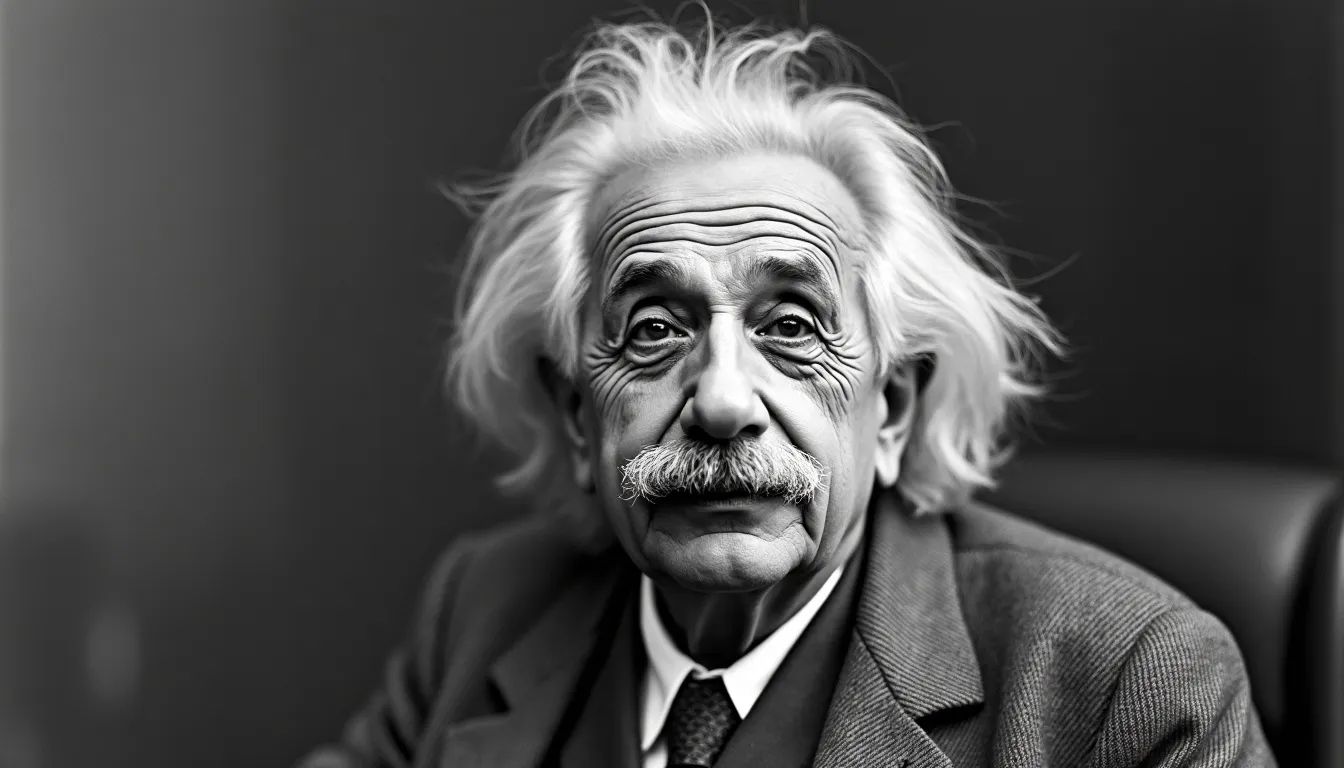
    Einstein’s influence extended far beyond the scientific community. He became a cultural icon, representing the archetype of the “genius” scientist. His image, with wild hair and thoughtful expression, became instantly recognizable worldwide. Einstein’s writings, letters, and quotes have been widely published, and his legacy continues to inspire generations of thinkers, innovators, and dreamers.
    Legacy
    Albert Einstein’s legacy is profound and multifaceted. He revolutionized physics, challenged our understanding of the universe, and reshaped the role of scientists in society. His theories of relativity and quantum mechanics remain cornerstones of modern physics, influencing fields as diverse as cosmology, particle physics, and technology. Beyond science, Einstein’s advocacy for peace, justice, and human rights continues to resonate, reminding us that the pursuit of knowledge and the quest for a better world are deeply interconnected.
    Albert Einstein passed away on April 18, 1955, but his ideas and ideals live on. He remains a towering figure in both science and culture, a testament to the power of curiosity, imagination, and a relentless pursuit of truth.
     

  • Dyslexia: Understanding the Challenges and Celebrating Success

    By Scott J. Arnold

    Dyslexia: Understanding the Challenges and Celebrating Success Stories
    1. Introduction: What Is Dyslexia?
    Dyslexia is a common learning disorder that affects the way the brain processes written language. It is characterized by difficulties with reading, spelling, and writing, despite normal intelligence and adequate educational opportunities. Dyslexia is not a reflection of a person’s intelligence or motivation but rather a specific difference in how the brain processes language. It is estimated that dyslexia affects about 10-15% of the population, making it one of the most common learning disabilities. Despite the challenges, many individuals with dyslexia have thrived and achieved remarkable success, demonstrating that dyslexia is not a barrier to greatness.
    2. The Science Behind Dyslexia: Understanding How the Brain Works
    Dyslexia is believed to be related to differences in brain structure and function, particularly in areas responsible for language processing. Research using brain imaging techniques has shown that individuals with dyslexia often have reduced activity in the left hemisphere of the brain, which is critical for decoding written words and linking sounds to letters.
    Key characteristics of dyslexia include:
    • Phonological Processing Deficits: Difficulty breaking down words into their individual sounds (phonemes), which makes reading and spelling challenging.
    • Slow Reading Speed: Dyslexic individuals may read slowly and with great effort, often having to re-read passages to fully comprehend them.
    • Spelling and Writing Challenges: Spelling errors, trouble organizing thoughts in writing, and difficulty with grammar are common.
    • Working Memory and Sequencing Issues: Problems with short-term memory and sequencing tasks, such as remembering the order of letters in a word.
    Understanding these neurological differences helps explain why traditional teaching methods may not always work for individuals with dyslexia and highlights the need for specialized approaches.
    3. Diagnosing Dyslexia: Recognizing the Signs and Seeking Help
    Dyslexia can be identified at various stages of life, from early childhood through adulthood. Early diagnosis is crucial because it allows for timely intervention, which can significantly improve reading skills and overall academic performance. Signs of dyslexia can vary but often include:
    • Early Childhood: Difficulty learning to speak, problems with rhyming, trouble learning the alphabet, and a family history of reading difficulties.
    • School Age: Struggles with reading fluency, frequent spelling errors, avoidance of reading aloud, and inconsistent school performance despite effort.
    • Adolescence and Adulthood: Difficulty with reading comprehension, slow reading, challenges with time management, and a preference for oral instructions over written text.
    Diagnosis typically involves a comprehensive evaluation by a psychologist or specialist in learning disabilities, which may include reading tests, cognitive assessments, and interviews with the individual and their family.
    4. The Emotional Impact of Dyslexia: Building Resilience and Confidence
    Living with dyslexia can take an emotional toll, especially in environments that emphasize reading and writing skills. Children with dyslexia often struggle with self-esteem, feeling frustrated, embarrassed, or anxious about their academic performance. This emotional burden can persist into adulthood, affecting career choices and personal confidence.
    However, with the right support, individuals with dyslexia can learn to view their challenges as manageable and their strengths as valuable. Building resilience involves:
    • Positive Reinforcement: Focusing on achievements rather than mistakes.
    • Developing Self-Advocacy Skills: Learning to communicate needs effectively and seek out accommodations in academic and work settings.
    • Understanding Dyslexia as a Difference, Not a Deficit: Emphasizing the unique perspectives and problem-solving skills that often accompany dyslexia.
    5. Strategies for Managing Dyslexia: Educational Tools and Techniques
    Effective strategies for managing dyslexia focus on leveraging strengths and addressing specific challenges. Some key approaches include:
    • Multisensory Learning: Teaching methods that engage multiple senses (sight, sound, touch) to reinforce learning. For example, using tactile tools like sandpaper letters or apps that incorporate audio feedback can help reinforce phonetic skills.
    • Assistive Technology: Tools such as text-to-speech software, audiobooks, and speech recognition software can help dyslexic individuals read and write more efficiently.
    • Individualized Education Plans (IEP): Tailored educational plans that provide accommodations, such as extra time on tests, alternative assignments, or access to reading aids.
    • Reading Interventions: Programs like the Orton-Gillingham approach, which uses structured, explicit teaching of phonics, can help improve reading skills over time.
    By embracing these strategies, individuals with dyslexia can develop their reading and writing abilities while also discovering new ways to learn and express themselves.
    6. Famous People with Dyslexia: Thriving Against the Odds
    Many famous and successful individuals have dyslexia, proving that it is possible to excel in life despite having reading difficulties. Here are some notable examples:
    • Albert Einstein: Widely regarded as one of the greatest physicists in history, Einstein struggled with reading and was considered a slow learner in his youth. His dyslexia did not hinder his ability to think creatively and revolutionize the field of science.
    • Steven Spielberg: The legendary filmmaker has spoken openly about his dyslexia, which was not diagnosed until later in life. Spielberg’s imagination and visual storytelling skills have made him one of the most influential directors of all time.
    • Richard Branson: The founder of the Virgin Group attributes much of his entrepreneurial success to his dyslexia. Branson has described how his dyslexia helped him think differently, allowing him to see business opportunities where others did not.
    • Agatha Christie: Despite her struggles with dyslexia, Christie became one of the most famous and best-selling authors of all time, known for her detective novels and short stories. She overcame her reading and writing difficulties through sheer determination.
    These individuals demonstrate that dyslexia does not define one’s potential. By embracing their unique abilities, they achieved greatness in their respective fields.
    7. Dyslexia in the Arts: Leveraging Creativity and Visual Thinking
    Many dyslexic individuals excel in the arts, where visual thinking, creativity, and out-of-the-box problem-solving are valued. Dyslexia can enhance spatial awareness, pattern recognition, and innovative thinking, leading to success in fields like art, design, architecture, and music.
    For instance, famous artists such as Leonardo da Vinci and Pablo Picasso exhibited traits associated with dyslexia. Their ability to see the world differently contributed to their groundbreaking work. Similarly, dyslexic musicians like Cher and John Lennon used their auditory strengths to create iconic music that has resonated with millions.
    8. Dyslexia in Business and Entrepreneurship: Thinking Outside the Box
    Dyslexia often fosters a unique perspective on problem-solving, making it an asset in the world of business and entrepreneurship. Dyslexic individuals are known for their ability to think strategically, take calculated risks, and approach challenges from unconventional angles.
    Entrepreneurs like Richard Branson, Charles Schwab, and Daymond John have turned their dyslexia into a competitive advantage. Branson, for example, attributes his success to his dyslexic thinking, which allows him to simplify complex problems and communicate ideas clearly. Schwab, the founder of Charles Schwab Corporation, overcame his reading challenges by focusing on his strengths in finance and leadership.
    9. Advocacy and Awareness: Changing Perceptions of Dyslexia
    Raising awareness about dyslexia is crucial for reducing stigma and promoting early intervention. Advocacy organizations, such as the International Dyslexia Association and Dyslexia Action, work tirelessly to educate the public, provide resources, and support individuals with dyslexia.
    Celebrities like Whoopi Goldberg and Henry Winkler have used their platforms to speak openly about their experiences with dyslexia, helping to destigmatize the condition and inspire others. Goldberg’s humor and charisma have made her a beloved actress and television host, while Winkler, best known as “The Fonz” from Happy Days, has written children’s books about a character with dyslexia, encouraging young readers to embrace their differences.
    10. The Importance of Support Networks: Family, Teachers, and Community
    Support from family, educators, and peers plays a vital role in helping individuals with dyslexia succeed. Encouragement, patience, and understanding are key components of a strong support network. Parents can help by advocating for their child’s needs, providing reading support at home, and celebrating successes.
    Teachers can make a significant difference by using multisensory teaching methods, offering accommodations, and fostering an inclusive classroom environment. Communities that celebrate neurodiversity and provide resources, such as tutoring and support groups, empower dyslexic individuals to reach their full potential.
    11. The Future of Dyslexia Research: New Insights and Technologies
    Research into dyslexia continues to evolve, with new insights into brain function and genetics paving the way for more effective interventions. Advances in neuroimaging have improved our understanding of how the dyslexic brain works, leading to better diagnostic tools and targeted therapies.
    Innovations in technology, such as artificial intelligence and personalized learning platforms, are also creating new opportunities for dyslexic individuals. Digital tools that adapt to a learner’s unique needs can help bridge the gap, making reading and writing more accessible and enjoyable.
    12. Embracing Dyslexia as a Strength: A Positive Outlook
    Dyslexia is often viewed as a disability, but it can also be seen as a unique way of thinking that brings valuable strengths to the table. Many dyslexic individuals possess exceptional creativity, problem-solving abilities, and resilience. By focusing on these strengths and providing the right support, society can help dyslexic individuals thrive.
    Celebrating famous figures who have succeeded despite their dyslexia serves as a reminder that this learning difference does not limit one’s potential. With the right mindset, tools, and support, dyslexia can be embraced as a powerful asset.
    Conclusion: Thriving with Dyslexia
    Dyslexia presents challenges, but it does not define a person’s potential. From scientists to entrepreneurs, artists to advocates, many dyslexic individuals have changed the world with their unique talents and perspectives. By understanding dyslexia and supporting those who have it, we can help unlock the potential of millions of individuals and celebrate the diverse ways in which people learn and achieve success.


  • Diabetes in the United States: its a Epidemic

    By Scott J. Arnold

    Diabetes in the United States: Understanding the Epidemic and Its Impact
    1. Introduction: The Growing Diabetes Epidemic in the USA
    Diabetes is one of the most significant health crises in the United States, affecting millions of people and contributing to a host of serious complications, including heart disease, kidney failure, and blindness. According to the Centers for Disease Control and Prevention (CDC), over 37 million Americans have diabetes, with another 96 million living with prediabetes. This chronic condition has reached epidemic proportions, driven by a combination of genetic, lifestyle, and environmental factors. Understanding why diabetes has become so prevalent in the U.S. is crucial for developing effective strategies to combat this public health challenge.
    2. What Is Diabetes? Understanding the Types
    Diabetes is a chronic condition characterized by high blood sugar levels due to the body’s inability to produce or properly use insulin, a hormone that regulates blood glucose. There are three main types of diabetes:
    • Type 1 Diabetes: An autoimmune disease where the body’s immune system attacks insulin-producing cells in the pancreas. It typically develops in childhood or adolescence, but it can occur at any age. People with Type 1 diabetes require lifelong insulin therapy.
    • Type 2 Diabetes: The most common form, Type 2 diabetes occurs when the body becomes resistant to insulin or does not produce enough insulin to maintain normal blood glucose levels. It is often associated with obesity, physical inactivity, and poor diet.
    • Gestational Diabetes: This type occurs during pregnancy and usually resolves after childbirth. However, women who experience gestational diabetes are at a higher risk of developing Type 2 diabetes later in life.
    3. The Rise of Type 2 Diabetes: A Modern Health Crisis
    Type 2 diabetes accounts for approximately 90-95% of all diabetes cases in the U.S., and its prevalence has skyrocketed in recent decades. The increase in Type 2 diabetes is closely linked to modern lifestyle factors, including poor diet, lack of physical activity, and rising obesity rates. Unlike Type 1 diabetes, which is largely unpreventable, Type 2 diabetes is heavily influenced by behavioral and environmental factors, making it a preventable yet increasingly common disease.
    4. Contributing Factors to the Diabetes Epidemic
    Several factors contribute to the growing diabetes epidemic in the United States:
    • Obesity: There is a strong correlation between obesity and Type 2 diabetes. Excess body fat, particularly around the abdomen, increases insulin resistance, making it more difficult for the body to regulate blood sugar levels. The obesity rate in the U.S. has more than doubled in the past 30 years, fueling the rise in diabetes.
    • Sedentary Lifestyle: Physical inactivity is another major risk factor for Type 2 diabetes. A lack of regular exercise contributes to weight gain, poor cardiovascular health, and insulin resistance. Modern conveniences, such as cars, desk jobs, and screen time, have reduced the amount of physical activity in daily life, further exacerbating the problem.
    • Unhealthy Diet: Diets high in processed foods, sugars, and unhealthy fats contribute to weight gain and poor blood sugar control. The prevalence of fast food, sugary beverages, and highly refined carbohydrates in the American diet plays a significant role in the development of diabetes.
    • Genetics and Family History: Genetics also play a role in the development of Type 2 diabetes. Individuals with a family history of diabetes are at a higher risk, although lifestyle factors often trigger the onset of the disease in genetically predisposed individuals.
    • Socioeconomic Factors: Low-income populations are disproportionately affected by diabetes due to limited access to healthy foods, safe environments for physical activity, and healthcare services. Food deserts, or areas with limited access to affordable and nutritious food, contribute to unhealthy eating habits and increased diabetes risk.
    5. Health Implications of Diabetes: Complications and Coexisting Conditions
    Diabetes is a leading cause of severe health complications, significantly impacting the quality of life and increasing the risk of premature death. Some of the major complications associated with diabetes include:
    • Cardiovascular Disease: People with diabetes are at a much higher risk of heart disease and stroke due to damage to blood vessels and nerves caused by high blood sugar levels.
    • Kidney Disease: Diabetes is the leading cause of chronic kidney disease and kidney failure, as it damages the blood vessels in the kidneys, impairing their ability to filter waste.
    • Vision Loss: Diabetic retinopathy, caused by damage to the blood vessels in the retina, is a leading cause of blindness among adults with diabetes.
    • Nerve Damage: Diabetic neuropathy, or nerve damage, can lead to pain, numbness, and weakness, particularly in the extremities. This condition increases the risk of infections and amputations.
    • Foot Complications: Poor circulation and nerve damage increase the risk of foot ulcers and infections, which can lead to amputations if not properly managed.
    6. The Economic Burden of Diabetes: A Costly Epidemic
    The economic impact of diabetes is staggering, placing a significant burden on individuals, families, and the healthcare system. According to the American Diabetes Association, the total cost of diagnosed diabetes in the U.S. is estimated at $327 billion per year, including direct medical costs and lost productivity.
    • Medical Costs: Individuals with diabetes incur medical expenses that are more than twice as high as those without the condition, primarily due to the need for medication, monitoring, and treatment of complications.
    • Workplace Impact: Diabetes affects workplace productivity through increased absenteeism, reduced performance, and early retirement due to disability. Employers also face higher insurance costs associated with managing diabetes-related health issues.
    • Medicaid and Medicare: Public health programs such as Medicaid and Medicare bear a substantial portion of the costs associated with diabetes, further straining government resources and contributing to the overall economic burden.
    7. Prevention: Strategies to Combat the Diabetes Epidemic
    Preventing diabetes, particularly Type 2, is possible through lifestyle modifications and public health initiatives. Key prevention strategies include:
    • Promoting Healthy Eating: Encouraging the consumption of whole grains, fruits, vegetables, lean proteins, and healthy fats while reducing the intake of sugary drinks, processed foods, and refined carbohydrates can help lower the risk of diabetes.
    • Increasing Physical Activity: Regular exercise, such as walking, jogging, cycling, or swimming, helps control weight, improve insulin sensitivity, and reduce the risk of developing diabetes. Public health campaigns that promote active lifestyles and provide access to recreational facilities are essential.
    • Weight Management Programs: Obesity prevention programs, including weight management counseling and support groups, can help individuals achieve and maintain a healthy weight, significantly reducing their risk of diabetes.
    • Community Interventions: Community-based programs that address food deserts, provide nutrition education, and increase access to healthy foods are critical in combating diabetes, especially in underserved populations.
    8. Managing Diabetes: Treatment and Lifestyle Changes
    For those diagnosed with diabetes, effective management is crucial to prevent complications and maintain a good quality of life. Management strategies include:
    • Medication: Medications such as insulin, metformin, and other glucose-lowering drugs are often used to control blood sugar levels. Medication regimens are tailored to the individual’s needs based on the type and severity of diabetes.
    • Blood Sugar Monitoring: Regular monitoring of blood sugar levels helps individuals with diabetes manage their condition more effectively, allowing them to make timely adjustments to their diet, medication, or physical activity.
    • Healthy Eating Plans: Nutrition counseling and personalized meal plans can help individuals manage their blood sugar levels and achieve a healthy weight.
    • Physical Activity: Incorporating regular physical activity into daily routines helps improve insulin sensitivity and overall health.
    9. The Role of Healthcare Providers: Education and Support
    Healthcare providers play a critical role in the prevention and management of diabetes. Effective patient education, regular screenings for prediabetes, and early intervention can significantly reduce the progression of the disease. Diabetes self-management education programs empower patients with the knowledge and skills they need to take control of their condition.
    Healthcare providers can also advocate for policies that improve access to affordable medications, preventive care, and diabetes management resources, particularly for underserved communities.
    10. The Psychological Impact of Diabetes: Addressing Mental Health
    Living with diabetes can be emotionally challenging, leading to anxiety, depression, and diabetes distress, a condition characterized by feeling overwhelmed by the demands of managing the disease. Mental health support, including counseling and support groups, is essential for helping individuals cope with the emotional aspects of diabetes.
    Healthcare providers should screen for mental health issues as part of routine diabetes care and offer resources to help patients address these challenges.
    11. The Future of Diabetes Research: Innovations and Hope
    Ongoing research into diabetes is exploring new treatments, technologies, and prevention strategies. Key areas of innovation include:
    • Artificial Pancreas Systems: These advanced devices automatically monitor and adjust insulin levels, mimicking the function of a healthy pancreas and improving blood sugar control.
    • Gene Therapy: Researchers are exploring the potential of gene therapy to correct genetic defects that cause Type 1 diabetes and develop new treatments for Type 2 diabetes.
    • Regenerative Medicine: Stem cell research holds promise for regenerating insulin-producing cells, potentially providing a cure for Type 1 diabetes.
    • Personalized Medicine: Advances in genetics and bioinformatics are paving the way for personalized treatment plans tailored to an individual’s unique genetic makeup and lifestyle.
    12. Conclusion: A Call to Action to Combat the Diabetes Epidemic
    Diabetes is a major public health crisis in the United States, with far-reaching impacts on individuals, families, and society as a whole. Addressing this epidemic requires a comprehensive approach that includes prevention, early intervention, effective management, and support for those living with the condition.
    Public health initiatives, education, and policy changes are essential to reverse the rising tide of diabetes. By working together, healthcare providers, policymakers, communities, and individuals can make a meaningful difference in the fight against this preventable and manageable disease.


  • Why DEI (Diversity, Equity, and Inclusion) is Making Things Worse

    By Scott J. Arnold

    Why DEI (Diversity, Equity, and Inclusion) is Making Things Worse
    Introduction
    Diversity, Equity, and Inclusion (DEI) initiatives have become a central focus for many organizations, institutions, and governments, aiming to create more inclusive environments that represent a wide range of backgrounds and perspectives. While the intentions behind DEI are often rooted in positive goals like reducing discrimination and promoting fairness, there is growing concern that these efforts are having unintended negative consequences. Critics argue that DEI is sometimes poorly implemented, fosters division, and even undermines the very principles it seeks to promote. This article explores six key reasons why DEI, in its current form, may be making things worse.
    1. DEI Often Prioritizes Optics Over Substance
    One of the main criticisms of DEI initiatives is that they often prioritize appearances over meaningful change. Many organizations adopt DEI programs to signal their commitment to diversity without fully integrating these values into their culture or practices. This performative approach, sometimes called “virtue signaling,” focuses on metrics like diversity quotas and visible representation, rather than on the deeper work needed to create genuinely inclusive environments.
    For instance, companies might hire a set number of people from underrepresented groups to meet diversity goals, but without addressing underlying biases or creating support systems for these employees, the efforts can feel hollow. In many cases, DEI initiatives are reduced to box-ticking exercises that emphasize numerical representation over building a truly equitable workplace. This superficial approach can foster resentment and cynicism among employees, who may see DEI as just another corporate fad rather than a sincere effort to improve the organization.
    Moreover, the emphasis on optics can create pressure to hire or promote individuals based on identity rather than merit or qualifications. This approach not only risks tokenizing employees but also undermines the credibility of the DEI movement by reinforcing the perception that diversity efforts are about checking boxes rather than fostering genuine inclusion and respect for individual talent.
    2. DEI Can Create Division Rather Than Unity
    While DEI programs aim to bring people together, they can sometimes have the opposite effect, fostering division and resentment within organizations. By emphasizing differences rather than commonalities, DEI initiatives can inadvertently create a sense of “us vs. them,” where people feel categorized by their race, gender, or other characteristics rather than seen as individuals. This focus on identity politics can deepen existing divides and contribute to a culture of suspicion and conflict.
    For example, mandatory DEI training sessions often focus on implicit biases and systemic inequalities, which, while important topics, can leave participants feeling blamed or defensive. White employees may feel unfairly targeted, while employees of color may feel tokenized or singled out. Instead of fostering understanding, these sessions can reinforce negative stereotypes and widen rifts between different groups.
    Furthermore, DEI’s heavy focus on group identity can overshadow the importance of shared values and individual merit. When organizations constantly emphasize how people are different, it can erode the sense of a shared purpose and community, leading to workplace tensions and a fractured organizational culture. The well-intended effort to highlight and celebrate diversity can end up reinforcing the very divisions it seeks to dismantle.
    3. Lowering Standards and the Meritocracy Dilemma
    Another controversial aspect of DEI is its impact on standards and meritocracy. Critics argue that in the pursuit of equity, some DEI initiatives lower standards or alter traditional criteria for hiring, promotions, and admissions, which can undermine the principle of merit. This is particularly evident in higher education and corporate hiring, where efforts to diversify the workforce sometimes involve adjusting requirements or implementing affirmative action-like policies.
    While the goal of creating opportunities for underrepresented groups is admirable, altering standards can lead to accusations of unfairness and contribute to the perception that DEI hires are not as qualified. This perception not only harms the morale of those hired under such policies but also undermines the achievements of all employees, as it casts doubt on whether they were selected based on ability or demographics.
    Moreover, the lowering of standards in the name of DEI can result in real-world consequences, such as declining performance and reduced organizational effectiveness. For instance, when schools or companies prioritize diversity over skills, they may admit or hire individuals who are not adequately prepared, which can affect overall productivity and outcomes. This creates a cycle of lowered expectations that can ultimately harm the very groups DEI is meant to support, as it perpetuates the stereotype that these individuals need special accommodations to succeed.
    4. DEI Programs Can Be Costly and Ineffective
    DEI initiatives often come with significant financial costs, including the hiring of diversity officers, consultants, and specialized training programs. While organizations may justify these expenses as necessary investments in creating a more inclusive environment, there is little evidence to suggest that many DEI programs are effective at achieving their stated goals. In fact, some studies suggest that traditional DEI training can backfire, leading to increased polarization and resistance among employees.
    The lack of measurable success from many DEI initiatives raises questions about their efficacy. For example, mandatory training sessions intended to reduce bias can often make participants more entrenched in their views, as they feel coerced into adopting certain perspectives. This backlash effect is particularly pronounced when DEI efforts are perceived as forced or overly prescriptive, rather than being framed as part of a broader effort to build a better organization.
    Furthermore, the focus on hiring diversity professionals and implementing one-size-fits-all training modules can divert resources away from more practical and impactful strategies, such as mentorship programs, targeted skill development, and fostering inclusive leadership. The high costs associated with DEI initiatives, combined with their often limited impact, suggest that organizations may need to rethink their approach if they truly want to foster meaningful change.
    5. DEI Can Lead to a Culture of Censorship and Fear
    A growing concern about DEI initiatives is that they can create a culture of censorship and fear, where individuals feel compelled to conform to specific viewpoints to avoid being labeled as insensitive or discriminatory. In workplaces and academic institutions that heavily promote DEI, there can be a chilling effect on open dialogue, as people become afraid to speak honestly about complex issues related to race, gender, and identity.
    This environment stifles the free exchange of ideas, which is crucial for innovation, problem-solving, and genuine understanding. When employees or students are hesitant to express differing opinions or ask questions, it can lead to groupthink and hinder critical thinking. The fear of being accused of violating DEI principles or offending someone can make people reluctant to engage in meaningful conversations, ultimately defeating the purpose of these initiatives.
    Moreover, DEI’s emphasis on politically charged topics can polarize organizations and create an atmosphere where dissenting voices are marginalized. This dynamic not only erodes trust but also hampers the organization’s ability to address sensitive issues constructively. Rather than fostering a climate of inclusion, DEI can inadvertently promote a rigid ideological conformity that undermines genuine dialogue and mutual respect.
    6. The Unintended Consequences of Identity Politics
    DEI’s focus on identity politics can lead to unintended consequences, including the reinforcement of stereotypes and the creation of new forms of discrimination. By categorizing people primarily by their race, gender, or other identity markers, DEI programs risk reducing individuals to a set of demographic characteristics rather than recognizing their unique experiences and capabilities.
    This approach can foster a sense of victimhood among certain groups while breeding resentment among others, ultimately perpetuating a cycle of division. For instance, when DEI initiatives overly focus on race or gender, they can inadvertently suggest that these aspects define an individual’s worth or perspective, rather than seeing people as multifaceted beings with a range of talents and viewpoints.
    Additionally, the emphasis on group identity can marginalize those who do not fit neatly into defined categories, such as multiracial individuals or those with non-traditional backgrounds. This can create a hierarchy of victimhood where some identities are prioritized over others, fostering an environment that feels exclusive rather than inclusive.
    Conclusion
    Diversity, Equity, and Inclusion initiatives are often implemented with the best of intentions, aiming to create fairer, more inclusive environments. However, the current approaches to DEI can sometimes do more harm than good, leading to division, resentment, and a culture of conformity rather than genuine inclusivity. The focus on optics over substance, lowering of standards, high costs, and the stifling of open dialogue are just some of the ways in which DEI may be making things worse.
    For DEI to be truly effective, organizations need to move beyond box-ticking and virtue signaling and focus on creating environments that celebrate individual merit, foster open communication, and build genuine, respectful connections among people. This requires a nuanced approach that recognizes the complexities of identity without reducing people to simplistic categories. By rethinking how DEI is implemented, we can strive towards a more inclusive society that values both diversity and the unique contributions of every individual.
     

  • The Evolution of Computers Over the Past 75 Years

    By Scott J. Arnold

    The Evolution of Computers Over the Past 75 Years: From Room-Sized Machines to Ubiquitous Technology
    Introduction
    The evolution of computers over the past 75 years is one of the most remarkable stories of technological advancement in human history. From the early, room-sized machines that performed basic calculations to the powerful, portable devices that now shape every aspect of modern life, computers have revolutionized the way we live, work, and communicate. This journey has been marked by incredible innovations in hardware, software, and design, transforming computers from specialized tools for scientists and governments into everyday devices used by billions of people worldwide. This article explores the key milestones, technological breakthroughs, and influential figures that have shaped the evolution of computers over the past 75 years.
    1. The Birth of the Modern Computer: 1940s to 1950s
    The 1940s marked the birth of the modern computer, with the development of some of the first programmable electronic digital computers. These early machines were primarily designed for military and scientific applications, driven by the urgent need for complex calculations during World War II.
    • ENIAC (Electronic Numerical Integrator and Computer): One of the earliest and most famous computers, ENIAC, was developed in 1945 by John Presper Eckert and John Mauchly at the University of Pennsylvania. ENIAC was a massive machine that filled an entire room, weighed over 30 tons, and used thousands of vacuum tubes to perform calculations. It was capable of solving complex numerical problems much faster than any human, marking a significant step forward in computing.
    • UNIVAC (Universal Automatic Computer): In the early 1950s, Eckert and Mauchly developed UNIVAC, the first commercially produced computer designed for business and administrative use. UNIVAC gained fame when it accurately predicted the outcome of the 1952 U.S. presidential election, demonstrating the potential of computers beyond scientific and military applications.
    • Von Neumann Architecture: During this period, John von Neumann introduced the concept of a stored-program computer, where both data and instructions are stored in the computer’s memory. This architecture became the foundation for most modern computers, allowing them to execute a sequence of instructions and making them more versatile.
    These early computers were expensive, large, and limited in functionality compared to today’s standards. However, they laid the groundwork for future advancements, demonstrating the potential of electronic computing and setting the stage for the rapid evolution that would follow.
    2. The Transition to Transistors: 1950s to 1960s
    The 1950s and 1960s saw a major technological leap with the invention of the transistor, which revolutionized computer design and led to the development of smaller, faster, and more reliable machines. Transistors replaced the bulky vacuum tubes used in earlier computers, drastically reducing the size and power consumption of computers.
    • The IBM 1401: Introduced in 1959, the IBM 1401 was one of the first computers to use transistors instead of vacuum tubes. It became highly popular in business environments due to its speed, reliability, and affordability. The IBM 1401 played a key role in introducing computers to the corporate world, where they were used for tasks such as payroll processing, inventory management, and data analysis.
    • The Integrated Circuit: In the late 1950s and early 1960s, Jack Kilby at Texas Instruments and Robert Noyce at Fairchild Semiconductor independently developed the integrated circuit, also known as the microchip. This innovation allowed multiple transistors to be placed on a single chip, further miniaturizing computers and paving the way for more complex and powerful machines.
    • The Mainframe Era: The 1960s marked the rise of mainframe computers, large systems used by corporations, government agencies, and universities. Companies like IBM, Honeywell, and Burroughs dominated the mainframe market, providing the computing power needed for large-scale data processing. Mainframes were often housed in dedicated computer rooms and operated by specialized staff.
    The transition to transistors and integrated circuits represented a pivotal shift in computer technology. These advancements not only improved performance and reliability but also set the stage for the development of smaller, more accessible computers that would eventually reach a broader audience.
    3. The Advent of Personal Computers: 1970s to 1980s
    The 1970s and 1980s brought about one of the most significant changes in computing history: the rise of personal computers (PCs). For the first time, computers were becoming accessible to individuals, small businesses, and schools, moving beyond the exclusive domain of large organizations.
    • The Altair 8800: Released in 1975, the Altair 8800 is often considered the first personal computer. It was sold as a kit that hobbyists could assemble themselves, sparking the beginning of the personal computer revolution. The Altair’s success inspired a wave of new computer enthusiasts and led to the founding of companies like Microsoft, which developed software for the machine.
    • The Apple II: Launched in 1977 by Steve Jobs and Steve Wozniak, the Apple II was one of the first highly successful personal computers. It featured color graphics, expandable memory, and the ability to run software like VisiCalc, the first spreadsheet program, which made the Apple II popular in both homes and offices.
    • The IBM PC: In 1981, IBM entered the personal computer market with the IBM PC, a machine that set the standard for PC architecture and quickly became a commercial success. The IBM PC’s open architecture allowed other manufacturers to create compatible hardware and software, leading to a rapidly growing PC ecosystem.
    • The Rise of Software: During this period, software became a critical component of the computing experience. Companies like Microsoft and Lotus developed popular applications, such as MS-DOS, Word, and Lotus 1-2-3, which contributed to the widespread adoption of personal computers in homes and businesses.
    The advent of personal computers democratized computing, making it accessible to millions of people and driving the development of new applications, games, and software that expanded the role of computers in everyday life.
    4. The Graphical User Interface (GUI) Revolution: 1980s to 1990s
    The 1980s and 1990s witnessed another transformative development: the rise of the graphical user interface (GUI), which made computers more user-friendly and accessible to the general public. GUIs replaced the text-based command lines of earlier computers with visually intuitive interfaces, complete with icons, windows, and menus.
    • Xerox PARC and the Alto: The concept of the GUI was first developed at Xerox’s Palo Alto Research Center (PARC) in the early 1970s. The Xerox Alto was the first computer to feature a GUI, but it was never commercially released. However, the ideas developed at PARC would go on to influence future GUI-based systems.
    • The Apple Macintosh: In 1984, Apple introduced the Macintosh, the first widely available personal computer with a GUI. The Macintosh’s easy-to-use interface, combined with the famous “1984” Super Bowl commercial, captured the public’s imagination and set a new standard for personal computing. The Mac introduced features like drag-and-drop functionality, windows, and icons, which are now standard elements of modern computing.
    • Microsoft Windows: Microsoft released Windows 1.0 in 1985 as a GUI for MS-DOS, and it quickly evolved into the dominant operating system for personal computers. Windows made GUIs widely accessible and became the foundation for the Microsoft Office suite, which further cemented its place in both the home and office.
    • The Rise of Laptops: The late 1980s and early 1990s also saw the emergence of portable computers, or laptops, which brought computing power on the go. Early models like the Toshiba T1100 and Apple PowerBook introduced portable computing to professionals and students, making it easier to work outside the traditional office environment.
    The GUI revolution fundamentally changed how people interacted with computers, making them more intuitive and accessible to a broader audience. This era marked the beginning of the computer’s transition from a specialized tool to an everyday necessity.
    5. The Internet Boom: 1990s to Early 2000s
    The 1990s and early 2000s were defined by the explosive growth of the internet, which transformed computers from standalone devices into interconnected gateways to a vast network of information, communication, and commerce.
    • The World Wide Web: Invented by Tim Berners-Lee in 1989, the World Wide Web revolutionized how people accessed information. The introduction of web browsers like Mosaic and Netscape Navigator made the internet user-friendly, and websites quickly became a staple of daily life. The web facilitated new forms of communication, including email, chat rooms, and forums, changing how people connected with one another.
    • E-Commerce and Online Services: The internet boom also gave rise to e-commerce, with companies like Amazon and eBay pioneering online shopping. Payment services like PayPal made online transactions secure and convenient, opening the door to a new era of digital commerce. The internet also enabled online banking, streaming media, and cloud computing, fundamentally altering how businesses and individuals managed their finances, entertainment, and data.
    • Search Engines and Information Access: Search engines like Yahoo and Google transformed the way people found information. Google’s innovative algorithms made searching the web fast and accurate, quickly establishing it as the dominant search engine. The internet became the go-to source for information, replacing traditional media like newspapers and encyclopedias.
    • Social Media and Communication: Platforms like MySpace, Facebook, and Twitter changed how people communicated and shared information. Social media allowed users to connect with friends, family, and strangers around the world, creating new social dynamics and influencing everything from marketing to politics.
    The internet boom turned the computer into a gateway to the digital world, reshaping industries, creating new business models, and connecting people in unprecedented ways.
    6. The Mobile Computing Revolution: 2000s to 2010s
    The 2000s and 2010s saw the rise of mobile computing, driven by the proliferation of smartphones and tablets. These portable devices brought the power of computing to the palm of our hands, making it possible to stay connected and productive anywhere, anytime.
    • The Apple iPhone: Launched in 2007, the Apple iPhone revolutionized mobile computing by combining a phone, iPod, and internet communicator into a single device with a sleek touchscreen interface. The iPhone introduced the concept of the app store, which allowed developers to create applications for virtually any purpose, from games and productivity tools to social media and navigation.
    • Android and the Rise of Smartphones: Google’s Android operating system quickly became the most widely used mobile OS, powering devices from a variety of manufacturers, including Samsung, LG, and HTC. Android’s open-source nature allowed for rapid innovation and customization, driving the widespread adoption of smartphones worldwide.
    • Tablets and 2-in-1 Devices: The launch of the Apple iPad in 2010 popularized the tablet market, offering a larger screen experience for media consumption, reading, and productivity. Microsoft’s Surface line introduced 2-in-1 devices that combined the portability of a tablet with the functionality of a laptop, appealing to users who wanted versatility in their computing devices.
    • Wearables and the Internet of Things (IoT): The rise of wearables like the Apple Watch and fitness trackers, along with IoT devices like smart home assistants, further expanded the reach of computing. These devices allowed users to monitor their health, control home appliances, and stay connected in new and innovative ways.
    Mobile computing changed the way people interact with technology, emphasizing convenience, connectivity, and the ability to stay informed and entertained on the go.
    7. Cloud Computing and Big Data: 2010s to Present
    The 2010s to the present have been defined by the rise of cloud computing and big data, which have transformed how businesses and individuals store, access, and process information.
    • The Rise of Cloud Services: Companies like Amazon Web Services (AWS), Microsoft Azure, and Google Cloud have revolutionized data storage and computing by offering scalable, on-demand resources over the internet. Cloud computing allows businesses to access powerful computing infrastructure without investing in expensive hardware, enabling innovation and efficiency.
    • Big Data and Analytics: The explosion of data generated by digital devices has given rise to big data analytics, which uses advanced algorithms and machine learning to uncover patterns and insights from vast datasets. This data-driven approach has transformed industries from healthcare to finance, enabling more informed decision-making and personalized services.
    • Artificial Intelligence (AI) and Machine Learning: AI and machine learning have become integral to modern computing, powering everything from virtual assistants like Siri and Alexa to predictive analytics and autonomous vehicles. These technologies are reshaping industries by automating tasks, improving efficiency, and enhancing user experiences.
    • Cybersecurity and Privacy Challenges: As computing becomes more integrated into everyday life, cybersecurity and privacy concerns have come to the forefront. Protecting data from cyberattacks, ensuring user privacy, and navigating the ethical implications of AI are critical challenges that continue to evolve alongside technological advancements.
    Cloud computing and big data have transformed computing from a personal tool into a powerful global network that drives innovation, decision-making, and economic growth.
    8. The Future of Computing: Emerging Technologies and Beyond
    As we look to the future, the evolution of computers shows no signs of slowing down. Emerging technologies such as quantum computing, 5G connectivity, and edge computing promise to push the boundaries of what is possible.
    • Quantum Computing: Quantum computers use the principles of quantum mechanics to perform calculations at speeds far beyond the capabilities of classical computers. While still in the experimental stage, quantum computing has the potential to revolutionize fields such as cryptography, drug discovery, and complex simulations.
    • 5G and Edge Computing: The rollout of 5G networks promises faster, more reliable connectivity, enabling new applications such as autonomous vehicles, smart cities, and the IoT. Edge computing brings processing power closer to the data source, reducing latency and improving performance for real-time applications.
    • Human-Computer Interaction: Advances in virtual reality (VR), augmented reality (AR), and brain-computer interfaces are redefining how humans interact with machines. These technologies offer new ways to experience digital content, enhancing education, training, and entertainment.
    • Sustainability and Green Computing: As computing continues to grow, so does its environmental impact. The future of computing will need to address sustainability challenges, including reducing energy consumption, managing e-waste, and designing eco-friendly technologies.
    The evolution of computers has been a journey of innovation, adaptation, and transformation. From the first electronic machines to the interconnected, intelligent systems of today, computers have reshaped every aspect of human life. As we move forward, the continued evolution of computing will drive new possibilities, challenges, and opportunities, shaping the future in ways we have yet to imagine.
    Conclusion
    The past 75 years have witnessed an incredible transformation in computing, from the room-sized behemoths of the 1940s to the powerful, portable devices that now fit in our pockets. Each era of computing has brought new innovations that have expanded the capabilities of machines and redefined how we interact with technology. As we look to the future, the evolution of computers will continue to be a driving force behind progress, pushing the boundaries of what is possible and connecting the world in ways that were once the realm of science fiction.