Blog

  • Charlton Heston: The Life and Legacy of a Hollywood Icon

    By Scott J. Arnold

    The CIA: From Its Origins to the Present Day
    Introduction
    The Central Intelligence Agency (CIA) is the United States’ premier intelligence and national security organization, responsible for gathering, analyzing, and acting on information about foreign governments, corporations, and individuals. Since its inception in 1947, the CIA has played a significant role in shaping U.S. foreign policy and protecting national security. This article traces the history of the CIA from its early beginnings during World War II to its modern-day operations and challenges.
    1. Origins and the Formation of the CIA
    The roots of the CIA can be traced back to World War II, when President Franklin D. Roosevelt created the Office of Strategic Services (OSS) in 1942. Led by William “Wild Bill” Donovan, the OSS was tasked with gathering intelligence, conducting espionage, and coordinating sabotage and propaganda efforts against the Axis powers. The OSS was America’s first centralized intelligence agency and laid the groundwork for modern intelligence operations.
    • The OSS and Its Role in World War II: The OSS played a crucial role in supporting Allied efforts through covert operations, intelligence gathering, and the training of resistance forces. Its activities spanned Europe, Asia, and Africa, and it was instrumental in the success of several key missions, including the support of French Resistance fighters.
    • Dissolution and Need for a Permanent Agency: After World War II, the OSS was disbanded in 1945, but the need for a centralized intelligence organization remained. The onset of the Cold War and the increasing threat of Soviet espionage highlighted the necessity for a dedicated peacetime intelligence agency.
    2. The Birth of the CIA (1947)
    In 1947, President Harry S. Truman signed the National Security Act, which established the CIA as a permanent agency within the newly formed National Security Council (NSC). The CIA’s primary mission was to conduct intelligence and counterintelligence activities abroad, with the mandate to provide national security assessments directly to the President.
    • Initial Mandates and Operations: The CIA was initially tasked with coordinating intelligence from various government agencies, conducting covert operations, and preventing threats to national security. Its first director, Roscoe Hillenkoetter, set the foundation for the agency’s early operations during a time of intense geopolitical rivalry.
    • Focus on the Cold War: The CIA’s early years were defined by the Cold War, a period of ideological conflict between the United States and the Soviet Union. The agency’s mission expanded to include the containment of communism, and it became a key player in covert operations aimed at countering Soviet influence worldwide.
    3. Covert Operations and the Fight Against Communism
    During the 1950s and 1960s, the CIA became increasingly involved in covert operations to influence political outcomes in foreign nations. These operations were often conducted in secrecy and included everything from propaganda campaigns to direct intervention in elections and military coups.
    • Operation Ajax (1953): One of the CIA’s most notable early operations was the 1953 coup in Iran, known as Operation Ajax, which led to the overthrow of Prime Minister Mohammad Mossadegh. The operation aimed to prevent Iran from falling under Soviet influence and secure Western control over Iranian oil resources.
    • Guatemala (1954): In 1954, the CIA orchestrated a coup in Guatemala to remove the democratically elected President Jacobo Árbenz, who was perceived as a communist sympathizer. This operation was part of the broader U.S. strategy to curb the spread of communism in Latin America.
    • Bay of Pigs Invasion (1961): One of the CIA’s most infamous failures was the Bay of Pigs invasion, an unsuccessful attempt to overthrow Cuban leader Fidel Castro. The operation, authorized by President John F. Kennedy, ended in disaster and significantly damaged the agency’s reputation.
    4. The CIA and the Vietnam War
    The Vietnam War marked a challenging period for the CIA, as the agency was deeply involved in gathering intelligence and conducting covert operations in Southeast Asia. The CIA’s activities during this time included everything from training South Vietnamese forces to conducting psychological warfare and running secret bombing campaigns in Laos and Cambodia.
    • The Phoenix Program: One of the most controversial operations during the Vietnam War was the Phoenix Program, designed to dismantle the Viet Cong’s infrastructure through targeted assassinations, capture, and interrogation. The program was criticized for human rights abuses and the killing of thousands of suspected Viet Cong sympathizers.
    • Covert Operations in Laos and Cambodia: The CIA ran extensive operations in Laos and Cambodia, including supporting anti-communist forces and conducting bombing campaigns. These actions were often carried out in secrecy and without the knowledge of the American public.
    5. The Church Committee and Public Scrutiny
    By the 1970s, the CIA faced increasing scrutiny from the public and Congress due to revelations about its covert activities, including domestic surveillance, assassination plots, and involvement in coups. The Church Committee, a U.S. Senate committee led by Senator Frank Church, was established in 1975 to investigate abuses by the CIA, FBI, and other intelligence agencies.
    • Revelations and Reforms: The Church Committee’s findings exposed numerous abuses, including attempts to assassinate foreign leaders like Fidel Castro and Patrice Lumumba. The investigation led to significant reforms, including the establishment of congressional oversight of the CIA and the creation of the Foreign Intelligence Surveillance Act (FISA).
    • Impact on the CIA’s Operations: The exposure of covert activities and the resulting reforms placed new constraints on the CIA, including tighter oversight and restrictions on domestic spying. The agency had to adapt to a new era of transparency and accountability.
    6. The CIA in the Post-Cold War Era
    The end of the Cold War brought about significant changes for the CIA, as the collapse of the Soviet Union eliminated the agency’s primary adversary. During the 1990s, the CIA shifted its focus to emerging global threats, including terrorism, rogue states, and nuclear proliferation.
    • The Rise of Terrorism: The 1990s saw the emergence of new threats from non-state actors, particularly Islamist terrorist groups. The CIA’s counterterrorism efforts intensified after the 1993 World Trade Center bombing and the 1998 U.S. embassy bombings in Kenya and Tanzania.
    • Intelligence Failures and Criticism: The CIA faced criticism for its failure to predict key events, such as the fall of the Soviet Union and the 9/11 attacks. These perceived failures prompted calls for a restructuring of U.S. intelligence operations and better coordination among agencies.
    7. The War on Terror and Enhanced Interrogation Techniques
    Following the September 11, 2001, terrorist attacks, the CIA was thrust into the forefront of the U.S. War on Terror. The agency expanded its counterterrorism operations worldwide, including the use of drone strikes, rendition, and enhanced interrogation techniques, which became highly controversial.
    • Black Sites and Torture Allegations: The CIA operated secret detention facilities, known as “black sites,” where suspected terrorists were held and interrogated. Enhanced interrogation techniques, including waterboarding, led to accusations of torture and widespread condemnation from human rights organizations.
    • The Senate Torture Report: In 2014, the U.S. Senate released a report detailing the CIA’s use of torture during the War on Terror, sparking a national debate on the legality and morality of these practices. The report criticized the agency’s actions and questioned the effectiveness of the interrogation methods used.
    8. Modern-Day Challenges: Cybersecurity, Espionage, and Global Rivalries
    In recent years, the CIA has faced a new set of challenges, including cybersecurity threats, espionage from rival nations, and the resurgence of global power competition. The rise of China and Russia as strategic adversaries has led the agency to refocus its efforts on traditional espionage and counterintelligence.
    • Cyber Espionage and Information Warfare: The digital age has brought new dimensions to espionage, with cyberattacks and data breaches becoming key tools in international conflicts. The CIA has adapted by enhancing its capabilities in cyber warfare, digital surveillance, and countering disinformation campaigns.
    • Adapting to New Global Threats: The CIA continues to address a wide range of threats, from terrorist organizations and rogue states to global pandemics and climate change. The agency’s role in gathering intelligence on these issues is critical to shaping U.S. foreign policy and national security strategies.
    9. The CIA’s Role in Modern Geopolitics
    Today, the CIA remains a central player in global intelligence and national security, operating in more than 100 countries. Its mission has expanded to include counterterrorism, cyber defense, and the prevention of weapons proliferation, among other priorities.
    • Covert Action and Political Influence: The CIA continues to engage in covert actions that shape political landscapes worldwide. These actions often involve influencing elections, supporting opposition groups, and conducting paramilitary operations in conflict zones.
    • Partnerships and Alliances: The CIA collaborates with intelligence agencies around the world, sharing information and coordinating efforts to combat global threats. These partnerships are crucial to the agency’s ability to operate effectively in a rapidly changing geopolitical environment.
    10. Conclusion: The Legacy and Future of the CIA
    From its origins during World War II to its role in the modern era, the CIA has been at the forefront of American intelligence and foreign policy. While its history is marked by successes, failures, and controversies, the agency remains a vital tool for protecting U.S. interests and responding to global challenges.
    The CIA’s ability to adapt to new threats and navigate complex political landscapes will continue to define its legacy. As the world evolves, the agency’s role in shaping international relations and safeguarding national security will remain as important as ever.



  • The Dark Reality of Organ Harvesting in China

    By Scott J. Arnold

    The Dark Reality of Organ Harvesting in China: A Deep Dive into the Systematic Killing of Prisoners for Organs
    The systematic harvesting of organs from prisoners, including political dissidents, ethnic minorities, and religious groups, is one of the most disturbing human rights violations in modern history. Reports and investigations have revealed that China’s organ transplant industry has been fueled by a dark and unethical practice: forcibly taking organs from prisoners, often without consent. This article explores 15 key aspects of this chilling phenomenon, including the methods, targets, economic motivations, and the global response to China’s organ harvesting practices.
    1. Historical Context: The Rise of Organ Harvesting in China
    Organ harvesting in China began to gain international attention in the early 2000s, although evidence suggests that the practice started much earlier. Initially, China’s transplant industry relied heavily on organs from executed prisoners, a practice that was somewhat legal under Chinese law. Over time, the demand for organs, combined with systemic corruption and a lack of oversight, led to the widespread abuse of prisoners as unwilling organ donors.
    2. Forced Organ Harvesting from Political Prisoners
    Among the most alarming aspects of China’s organ harvesting practices is the targeting of political prisoners, including practitioners of Falun Gong, Uyghur Muslims, Tibetans, and other dissident groups. These prisoners are often detained for their beliefs or political views and face severe persecution. Forced organ harvesting from these individuals is not just an assault on their bodies but also an extension of the state’s repression against those who challenge its authority.
    3. The Role of the Chinese Government and Military
    The Chinese government, including the military, plays a direct role in the organ harvesting industry. State-run hospitals, military hospitals, and private institutions work together to facilitate the rapid and efficient extraction of organs from prisoners. The military’s involvement not only provides logistical support but also ensures that this illicit industry operates with a level of secrecy and impunity that makes it nearly impossible for international bodies to intervene.
    4. Economic Motivations Behind Organ Harvesting
    Organ transplantation is a lucrative industry, and China has become one of the largest centers for transplants in the world, drawing patients from around the globe. The financial incentives for harvesting organs are immense, with individual transplants often costing hundreds of thousands of dollars. This economic motivation drives a black market for organs that exploits prisoners as a readily available and disposable source of “donors.”
    5. The Targeting of Falun Gong Practitioners
    Falun Gong, a spiritual movement that combines meditation and moral teachings, has been one of the primary targets of China’s organ harvesting practices. After being banned in 1999, Falun Gong practitioners were subjected to mass arrests, imprisonment, and torture. Evidence suggests that a significant number of these individuals have been killed specifically for their organs, making them a major source of transplantable tissues.
    6. The Uyghur Crisis and Forced Organ Harvesting
    The Uyghur Muslim population in Xinjiang has faced severe repression, including mass internment in what China calls “re-education camps.” Reports indicate that Uyghurs are also being targeted for organ harvesting, with prisoners subjected to medical testing and blood typing to assess their suitability as organ donors. The systematic nature of this abuse points to a broader, state-sanctioned effort to exploit Uyghurs for profit.
    7. The Involvement of Chinese Hospitals and Medical Professionals
    Chinese hospitals and medical professionals are complicit in the forced organ harvesting industry. Surgeons, anesthesiologists, and nurses often perform transplant surgeries without questioning the source of the organs. This complicity is fueled by financial rewards, state pressure, and a lack of ethical oversight, creating an environment where human rights abuses are routine.
    8. The Methods of Organ Harvesting
    The methods of organ harvesting in China are often brutal and inhumane. Prisoners are sometimes executed specifically to facilitate organ removal, and there are reports of organs being removed from prisoners while they are still alive. The rapid timing between execution and transplantation indicates a highly organized system designed to maximize the viability of harvested organs.
    9. Lack of Consent and Legal Protections
    One of the most egregious aspects of organ harvesting in China is the complete disregard for consent. Prisoners, many of whom have not even been formally charged or tried, have no say in what happens to their bodies. Legal protections for prisoners are weak, and the state’s control over the judiciary means that any semblance of due process is often ignored.
    10. International Investigations and Reports
    Over the years, numerous investigations, including those by the United Nations, independent tribunals, and human rights organizations, have highlighted the scale and brutality of organ harvesting in China. These reports have documented testimonies from former prisoners, medical professionals, and investigative journalists, painting a disturbing picture of a well-oiled machine that systematically kills prisoners for their organs.
    11. The Role of Transplant Tourism
    Transplant tourism, where patients travel abroad to receive organ transplants, has played a significant role in sustaining China’s organ harvesting industry. Patients from wealthier nations often travel to China for transplants due to shorter waiting times and lower costs compared to their home countries. Unwittingly or otherwise, these patients become complicit in a system that relies on the exploitation and killing of prisoners.
    12. Ethical Implications for the Medical Community
    The complicity of medical professionals in organ harvesting raises profound ethical questions. International medical organizations have condemned the practice, and some have called for bans on publishing research from Chinese transplant surgeons. However, enforcement of these ethical standards remains inconsistent, and the global medical community continues to grapple with how to address this issue without punishing innocent patients who need transplants.
    13. Efforts to Cover Up the Practice
    The Chinese government has repeatedly denied allegations of forced organ harvesting, often dismissing reports as politically motivated attacks. Despite mounting evidence, China has made efforts to cover up its practices by restricting access to information, intimidating whistleblowers, and manipulating data. The lack of transparency makes it difficult for international bodies to verify the full extent of the abuse.
    14. Global Response and Calls for Accountability
    The global response to China’s organ harvesting practices has been mixed. While some countries and international organizations have condemned the practice, tangible actions have been limited. Calls for sanctions, bans on transplant tourism to China, and international investigations have gained traction, but the geopolitical influence of China complicates efforts to hold the government accountable.
    15. The Future of Organ Harvesting in China
    Despite international pressure, the practice of organ harvesting in China shows little sign of abating. The demand for organs, combined with the state’s control over prisoners, means that this dark industry is likely to continue unless significant legal, ethical, and political changes are enforced. The international community must remain vigilant, pushing for greater transparency, stricter regulations, and the protection of human rights for all individuals, regardless of their political or religious beliefs.
    Conclusion
    The systematic killing of prisoners for their organs in China represents one of the most egregious human rights abuses in the modern world. This practice, driven by profit and facilitated by state complicity, exploits the most vulnerable members of society in a manner that is both brutal and inhumane. Addressing this issue requires a global commitment to holding perpetrators accountable, protecting the rights of prisoners, and ensuring that medical practices adhere to the highest ethical standards.
    As the world becomes increasingly aware of these abuses, continued advocacy, investigation, and international cooperation are essential to ending the exploitation of prisoners for their organs. Only by shining a light on these dark practices can we hope to bring about meaningful change and uphold the dignity and rights of all human beings.
     

  • Charlton Heston: The Life and Legacy of a Hollywood Icon

    By Scott J. Arnold

    Charlton Heston: The Life and Legacy of a Hollywood Icon
    1. Introduction: The Legend of Charlton Heston
    Charlton Heston was one of Hollywood’s most iconic and enduring actors, known for his commanding presence, distinctive voice, and portrayals of larger-than-life characters. From biblical epics to historical dramas, Heston’s performances defined an era of filmmaking and solidified his status as one of the greatest leading men of the 20th century. Beyond his film career, Heston was also a passionate advocate for civil rights, gun rights, and conservative politics, making him a prominent and sometimes controversial figure in American culture. Heston’s legacy is one of talent, dedication, and conviction, leaving an indelible mark on both Hollywood and public life.
    2. Early Life: From the Midwest to the Stage
    Charlton Heston was born John Charles Carter on October 4, 1923, in Wilmette, Illinois, a suburb of Chicago. Raised in a middle-class family, Heston developed an early interest in acting, participating in school plays and finding a natural talent for performance. After his parents divorced, Heston moved with his mother and stepfather to a rural area in Michigan, where he continued to pursue his passion for drama.
    Heston’s formal acting training began at Northwestern University, where he studied theater and honed his craft. His deep voice, strong physique, and striking good looks made him a natural fit for the stage. After serving as a radio operator and aerial gunner in the United States Army Air Forces during World War II, Heston returned to acting, moving to New York City with his wife, Lydia Clarke, to pursue a career on Broadway.
    3. Early Career: From Stage to Screen
    Heston’s early acting career was marked by his work in theater and live television dramas. In the late 1940s and early 1950s, he appeared in numerous stage productions, where his powerful presence and classical training quickly caught the attention of casting directors. His first major break in film came with the 1950 movie Dark City, a film noir in which he played a tough gambler. Although not yet a household name, Heston’s performance was well received, showcasing his potential as a leading man.
    Heston’s breakout role came in 1952 with Cecil B. DeMille’s The Greatest Show on Earth, where he played the charismatic circus manager Brad Braden. The film was a commercial success and won the Academy Award for Best Picture. Heston’s commanding performance marked the beginning of his long association with epic films and established him as a rising star in Hollywood.
    4. Biblical Epics: The Making of a Hollywood Legend
    Heston’s career reached new heights with his roles in a series of biblical and historical epics that defined his legacy. In 1956, Heston starred as Moses in Cecil B. DeMille’s The Ten Commandments, a role that showcased his physical presence and authoritative delivery. The film was a box office sensation and became one of the most enduring biblical epics of all time. Heston’s portrayal of Moses, with his booming voice and stoic demeanor, solidified his image as a larger-than-life figure.
    Heston’s next major epic was Ben-Hur (1959), a film that would become one of the most celebrated in cinema history. His portrayal of Judah Ben-Hur, a Jewish prince who is betrayed and enslaved by the Romans, was both physically demanding and emotionally complex. The film’s iconic chariot race scene remains one of the most thrilling sequences ever captured on film. Ben-Hur won 11 Academy Awards, including Best Actor for Heston, cementing his status as a Hollywood legend.
    5. Historical Dramas and Iconic Roles
    Following the success of Ben-Hur, Heston continued to take on roles in historical dramas and epic films. He starred as El Cid in the 1961 film of the same name, portraying the Spanish knight who becomes a hero of the Reconquista. The film was another box office success, and Heston’s performance was praised for its intensity and nobility.
    In 1963, Heston played John the Baptist in The Greatest Story Ever Told and Michelangelo in The Agony and the Ecstasy (1965). His ability to bring historical and religious figures to life on screen became a hallmark of his career. Heston’s deep, authoritative voice and imposing presence made him the go-to actor for roles that required a combination of strength, moral conviction, and gravitas.
    6. Science Fiction and the Planet of the Apes Series
    In the late 1960s, Heston expanded his repertoire by venturing into science fiction, a genre that would introduce him to a new generation of fans. He starred in Planet of the Apes (1968), a groundbreaking film that became a pop culture phenomenon. Heston played astronaut George Taylor, who crash-lands on a dystopian planet ruled by intelligent apes. The film’s twist ending, in which Taylor discovers that the planet is actually a post-apocalyptic Earth, became one of the most famous in cinema history.
    Heston’s involvement in science fiction continued with films like The Omega Man (1971) and Soylent Green (1973), both of which addressed themes of dystopia, survival, and the future of humanity. These roles showcased Heston’s versatility and willingness to tackle socially relevant issues through genre storytelling.
    7. Political Activism: Civil Rights and Conservatism
    Beyond his acting career, Charlton Heston was a passionate political activist, using his fame to advocate for causes he believed in. In the 1960s, Heston was an outspoken supporter of the civil rights movement, marching alongside Dr. Martin Luther King Jr. during the 1963 March on Washington. He publicly called for an end to racial segregation and used his platform to promote equality and justice.
    However, Heston’s political views shifted in the later years of his life. He became increasingly conservative and aligned himself with the Republican Party. In the 1980s and 1990s, Heston served as the president of the National Rifle Association (NRA), where he became a vocal advocate for gun rights. His speeches, including the famous “From my cold, dead hands” address, cemented his status as a polarizing figure in American politics.
    8. Leadership in Hollywood: SAG President and Industry Advocate
    Heston’s influence extended beyond acting, as he played a significant role in shaping the film industry. He served as the president of the Screen Actors Guild (SAG) from 1965 to 1971, during a tumultuous period that saw major labor disputes and changes within Hollywood. Heston was instrumental in negotiating contracts that improved working conditions for actors and addressed the rapidly evolving landscape of television and film.
    Heston’s leadership and advocacy for the rights of actors earned him respect within the industry, even among those who disagreed with his political views. He was seen as a statesman of Hollywood, someone who was willing to stand up for the integrity and future of the profession.
    9. Later Career: Television, Cameos, and Voice Work
    As Heston’s film career began to wind down in the 1980s and 1990s, he continued to work in television and voice acting. He appeared in TV miniseries such as The Colbys and Dynasty, playing powerful patriarchal figures that echoed his earlier film roles. Heston also lent his distinctive voice to documentaries, commercials, and animated series, further cementing his legacy as a commanding voice in entertainment.
    One of his most notable later appearances was a cameo in Tim Burton’s 2001 remake of Planet of the Apes, in which Heston played an elder ape, offering a nod to his role in the original film. This appearance delighted fans and highlighted Heston’s willingness to engage with his cinematic legacy.
    10. Family Life: Marriage and Personal Struggles
    Charlton Heston was married to his wife, Lydia Clarke, for over 60 years, making their marriage one of the longest-lasting in Hollywood. The couple had two children, Fraser and Holly, and maintained a private and stable family life despite Heston’s public persona. Lydia was a constant presence in Heston’s life, providing support through his demanding career and later health challenges.
    In the late 1990s, Heston faced personal struggles, including being diagnosed with prostate cancer and later revealing in 2002 that he had symptoms consistent with Alzheimer’s disease. Despite these challenges, Heston remained active and engaged, continuing to appear in public and advocate for his causes until his health declined further.
    11. The Alzheimer’s Diagnosis: Courage and Advocacy
    Charlton Heston’s announcement of his Alzheimer’s diagnosis was met with an outpouring of public sympathy and support. Known for his strength on screen and off, Heston faced his diagnosis with characteristic bravery, using his experience to raise awareness about the disease. He stepped back from public life, but his courage in the face of a debilitating illness left a lasting impression on his fans and admirers.
    Heston’s battle with Alzheimer’s also highlighted the importance of awareness and research, drawing attention to a condition that affects millions of people worldwide. His openness about his health struggles added a poignant chapter to his legacy, reminding the public of the humanity behind the iconic roles.
    12. Awards and Honors: Recognizing a Lifetime of Achievement
    Throughout his career, Charlton Heston received numerous accolades for his contributions to film and society. He won the Academy Award for Best Actor for his performance in Ben-Hur, a defining moment that solidified his place among Hollywood’s elite. Heston also received the Jean Hersholt Humanitarian Award from the Academy of Motion Picture Arts and Sciences in recognition of his charitable work.
    In addition to his film honors, Heston was awarded the Presidential Medal of Freedom, the highest civilian honor in the United States, by President George W. Bush in 2003. The award recognized Heston’s impact on American culture, his advocacy for civil rights, and his leadership within the entertainment industry.
    13. Controversial Figure: Divisive Politics and Public Perception
    While Heston’s achievements in film are widely celebrated, his political activism made him a controversial figure, particularly in his later years. His leadership of the NRA and vocal stance on gun rights put him at odds with many in Hollywood and beyond. Heston’s public persona evolved from a civil rights advocate to a staunch defender of the Second Amendment, a shift that reflected his broader conservative views.
    Despite the divisiveness of his politics, Heston remained unapologetic about his beliefs, arguing that his advocacy was rooted in a commitment to individual freedoms and constitutional rights. This steadfastness earned him both admiration and criticism, underscoring the complexities of his public image.
    14. Legacy: Charlton Heston’s Impact on Hollywood and Beyond
    Charlton Heston’s impact on Hollywood extends far beyond his iconic performances. He helped shape the modern epic, bringing gravitas and intensity to roles that defined an era of filmmaking. Heston’s portrayals of historical and biblical figures set a standard for screen acting, and his powerful presence continues to influence actors today.
    Heston’s legacy also includes his contributions to civil rights and his advocacy for the film industry. As a leader and spokesperson, he used his platform to address social issues and fight for the rights of his peers. His dedication to his craft and his willingness to stand up for his beliefs, even when controversial, cemented his status as a respected figure in American culture.
    15. Charlton Heston in Popular Culture: Film, Tributes, and Parodies
    Heston’s influence on popular culture is evident in the numerous tributes, parodies, and references to his work. His roles in Ben-Hur, The Ten Commandments, and Planet of the Apes have been endlessly quoted, spoofed, and celebrated, solidifying his status as a cultural touchstone. Heston’s distinctive voice and dramatic delivery have been imitated in everything from Saturday Night Live sketches to animated series.
    Heston’s presence in popular culture reflects the enduring power of his work and the larger-than-life persona he cultivated throughout his career. Whether as a heroic figure, a voice of authority, or a symbol of old Hollywood, Charlton Heston’s legacy continues to resonate.
    16. Conclusion: The Enduring Legacy of Charlton Heston
    Charlton Heston’s life and career were marked by a dedication to excellence, a commitment to his principles, and a passion for storytelling. From his iconic roles in epic films to his leadership in the entertainment industry and his activism in politics, Heston was a man who embraced every challenge with conviction and integrity. His contributions to film and society have left a lasting impact, making him one of the most respected and influential figures in Hollywood history.
    Charlton Heston will always be remembered as a towering presence on screen and a formidable force off it. His legacy as an actor, advocate, and leader continues to inspire, reminding us of the power of art, the importance of courage, and the enduring appeal of a true Hollywood legend.
     

  • The Impact of Celebrities on Voting

    By Scott J. Arnold

    The Impact of Celebrities on Voting: Influence, Controversy, and Societal Implications
    Introduction
    Celebrities hold a powerful and often controversial position in modern society, wielding influence that extends far beyond their primary fields of entertainment, sports, or media. One area where this influence is increasingly apparent is in politics, particularly in shaping public opinion and voter behavior. From endorsements and social media campaigns to public statements and appearances at political events, celebrities have become key players in the political arena. While some view their involvement as a positive force for encouraging civic engagement, others see it as problematic, questioning the depth of their knowledge and the impact of celebrity culture on democracy. This article explores the various ways celebrities impact voting, the motives behind their political activism, and the broader societal implications of their influence.
    1. The Power of Celebrity Endorsements: Shaping Public Opinion and Voter Behavior
    Celebrity endorsements can have a significant impact on public opinion and voter behavior, particularly among young and undecided voters. When a well-known figure endorses a candidate or a cause, they lend their fame, credibility, and vast platform to that political message, potentially swaying the opinions of their followers. Celebrities often have millions of social media followers, giving them a direct line to the public that traditional political figures may struggle to reach.
    Endorsements from celebrities can help humanize and popularize a candidate, making them more relatable to the general public. For instance, during the 2008 and 2012 U.S. presidential elections, endorsements from high-profile celebrities like Oprah Winfrey, Beyoncé, and George Clooney helped boost the visibility and appeal of Barack Obama, particularly among younger and minority voters. These endorsements were seen as a critical component of Obama’s broader strategy to engage voters who were previously disengaged from the political process.
    However, the impact of celebrity endorsements is not always positive. Critics argue that endorsements can overshadow substantive policy discussions, reducing complex political decisions to popularity contests. Voters may be swayed more by the personality of the endorsing celebrity than by the policies or qualifications of the candidate, leading to decisions based on superficial factors rather than informed judgment.
    2. Social Media: Amplifying Celebrity Influence on Political Discourse
    Social media has amplified the influence of celebrities on political discourse, allowing them to reach millions of people instantly with their opinions, endorsements, and calls to action. Platforms like Twitter, Instagram, and TikTok provide celebrities with a direct and unfiltered way to communicate with their audience, bypassing traditional media gatekeepers. This access has transformed celebrities into powerful political voices, capable of mobilizing large groups of people with a single post.
    The impact of social media on voting is particularly pronounced among younger demographics, who are more likely to consume news and political content through social media rather than traditional news outlets. Celebrities who are active on these platforms can shape the political conversation, bring attention to specific issues, and encourage voter registration and turnout. Campaigns such as “Rock the Vote” have partnered with celebrities to leverage their social media reach, aiming to boost youth engagement in elections.
    However, the speed and reach of social media can also spread misinformation, and celebrities are not immune to sharing inaccurate or misleading content. When celebrities weigh in on complex political issues without a deep understanding, they can inadvertently contribute to the spread of false information. This dynamic raises concerns about the quality of political discourse and the role of social media in shaping public perceptions in ways that may not always align with the facts.
    3. The Motives Behind Celebrity Political Activism: Advocacy or Self-Promotion?
    Celebrities engage in political activism for various reasons, ranging from genuine advocacy for causes they care about to a desire for increased visibility and relevance. Many celebrities use their platform to champion social justice issues, such as climate change, racial equality, LGBTQ+ rights, and gun control. Their involvement often brings much-needed attention to these causes, helping to raise awareness and mobilize public support.
    For some celebrities, political activism is a natural extension of their personal beliefs and values. Figures like Leonardo DiCaprio, who has long been an advocate for environmental causes, use their influence to push for policy changes and raise awareness about critical issues. These celebrities often work closely with non-profits and advocacy groups, lending their voice and resources to amplify the impact of these organizations.
    However, the line between advocacy and self-promotion can sometimes blur. Critics argue that some celebrities engage in political activism primarily as a means of enhancing their public image or staying relevant in a crowded media landscape. The pressure to maintain a socially conscious persona can lead some celebrities to jump on popular causes without fully understanding the complexities involved, leading to accusations of “performative activism” where the focus is more on optics than substantive change.
    4. The Polarizing Effect of Celebrity Involvement in Politics
    While some view celebrity involvement in politics as a positive force, it can also be highly polarizing. Celebrities are often seen as part of the liberal elite, and their endorsements and political statements can alienate voters who feel disconnected from Hollywood or distrustful of the entertainment industry. This dynamic is especially evident in the United States, where the political divide between urban, culturally liberal areas and more conservative, rural regions is stark.
    Celebrities who speak out on political issues often face backlash from segments of the public who disagree with their views. This backlash can result in boycotts, social media attacks, or a decline in popularity, particularly among conservative audiences. For example, when NFL player Colin Kaepernick kneeled during the national anthem to protest racial injustice, his actions sparked a nationwide debate and drew both support and intense criticism, illustrating the polarizing impact of celebrity activism.
    The divisive nature of celebrity political involvement can also exacerbate existing political tensions, further entrenching people in their ideological camps. Rather than bridging divides, celebrity endorsements can reinforce the perception of a cultural war between different segments of society, complicating efforts to find common ground on critical issues.
    5. The Impact on Voter Engagement: Mobilization vs. Disillusionment
    Celebrities have the potential to mobilize voters, particularly those who are traditionally disengaged or disillusioned with the political process. By lending their voices to voter registration drives, get-out-the-vote campaigns, and awareness initiatives, celebrities can inspire individuals who might not otherwise participate in elections to take action. This is particularly important among young voters, minority communities, and first-time voters, who may feel disconnected from mainstream politics.
    Campaigns like Michelle Obama’s “When We All Vote” have successfully partnered with celebrities to promote voter participation, emphasizing the importance of civic engagement. These efforts have contributed to increased voter turnout in recent elections, demonstrating the power of celebrity influence in shaping democratic participation.
    However, there is also a risk that the involvement of celebrities in politics can lead to disillusionment among voters who feel that their voices are overshadowed by the loud and influential opinions of the rich and famous. The perception that celebrities are using their platforms to push personal agendas can create a sense of disconnect between ordinary voters and the political process, particularly when celebrity activism is seen as out of touch with the realities faced by everyday people.
    6. The Double-Edged Sword of Influence: Celebrity Endorsements and Accountability
    The influence of celebrities in politics is a double-edged sword. While their involvement can shine a spotlight on important issues and encourage civic participation, it also raises questions about accountability and the responsibility that comes with having a platform. Celebrities, unlike elected officials, are not held to the same standards of transparency, expertise, or accountability when it comes to their political statements. This lack of accountability can be problematic when celebrities use their influence to sway public opinion on complex issues without fully understanding the implications.
    Moreover, the impact of celebrity endorsements can be unpredictable and sometimes counterproductive. High-profile endorsements can energize supporters but also galvanize opponents. For example, during the 2020 U.S. presidential election, endorsements from Hollywood celebrities for Democratic candidates often fueled conservative critiques that the left was out of touch with everyday Americans. In some cases, celebrity involvement can serve as a rallying point for opposition, driving turnout among those who are motivated to reject what they perceive as elitist influence.
    The responsibility of celebrities to be informed and thoughtful in their political advocacy is crucial. As influential public figures, they have the power to shape public discourse and voter behavior, but this influence comes with the need to approach political engagement with integrity and respect for the democratic process.
    Conclusion
    The impact of celebrities on voting is a complex and multifaceted phenomenon that reflects broader trends in media, culture, and politics. While celebrities can play a valuable role in raising awareness, mobilizing voters, and advocating for important causes, their influence also comes with potential pitfalls. The involvement of celebrities in politics can sometimes blur the lines between entertainment and governance, leading to questions about the role of fame in shaping democratic outcomes.
    As society continues to grapple with the influence of celebrity culture, it is essential to recognize both the benefits and challenges of celebrity involvement in the political sphere. Encouraging informed and thoughtful engagement, both from celebrities and the public, can help ensure that the impact of celebrity influence is positive and constructive, rather than divisive or superficial. Ultimately, the goal should be to foster a political environment where all voices are heard, and where the power of celebrity is used responsibly to support, rather than overshadow, the democratic process.
     

  • The Catcher in the Rye by J.D. Salinger, Most Banned Book in USA

    By Scott J. Arnold

    ”The Catcher in the Rye” by J.D. Salinger, published in 1951, is one of the most frequently challenged and banned books in the United States. Despite its status as a classic of American literature, the novel has faced significant controversy and censorship since its publication. Below is a detailed examination of the reasons why “The Catcher in the Rye” was banned, organized into ten main sections.
    1. Overview of “The Catcher in the Rye”
    “The Catcher in the Rye” follows the story of Holden Caulfield, a teenager who narrates his experiences and feelings as he navigates the complexities of adolescence, mental health, and his disillusionment with the adult world. The novel’s themes of teenage angst, rebellion, and the search for identity resonated with many young readers but also sparked outrage among adults who found its content objectionable.
    2. Initial Reactions and Controversy
    Upon its release in 1951, the novel was met with mixed reviews. While some praised Salinger’s portrayal of teenage disillusionment, others criticized the book for its language, themes, and portrayal of adolescent behavior. The controversy began almost immediately, as critics and readers debated the book’s merit and appropriateness for young readers.
    3. Obscene Language and Profanity
    One of the primary reasons for the book’s frequent banning is its use of obscene language. Holden Caulfield’s narrative is filled with profanity, including words like “damn,” “hell,” “goddamn,” and stronger expletives. Many parents, educators, and community leaders found the language inappropriate for young readers, believing it would encourage vulgar speech and disrespectful attitudes.
    4. Sexual Content and Immorality
    The novel’s depiction of sexuality also contributed to its censorship. Although explicit sexual acts are not described in detail, Holden’s musings about sex, his encounter with a prostitute, and his discussions about sexual experiences were considered immoral and inappropriate for young readers. Critics argued that the novel could promote promiscuity and sexual experimentation among teenagers.
    5. Depiction of Alcohol and Substance Use
    Holden Caulfield’s frequent drinking, despite being underage, was another point of contention. The novel portrays Holden consuming alcohol in various settings, often as a means of coping with his emotions. This depiction of underage drinking was seen as irresponsible and potentially influential on young readers, leading to the belief that the book promoted substance abuse.
    6. Themes of Rebellion and Anti-Authority Attitudes
    Holden’s rebellious nature and disdain for authority figures, such as teachers, parents, and the police, are central to the novel’s narrative. He often criticizes the “phoniness” of the adult world, expressing a desire to reject societal norms. This anti-authority stance alarmed many adults, who feared the novel would encourage rebellious and disrespectful behavior in teenagers.
    7. Mental Health Issues and Depression
    The novel’s exploration of mental health, depression, and suicidal thoughts also contributed to its controversial status. Holden exhibits signs of severe depression, anxiety, and emotional instability throughout the story. Some critics argued that the book could negatively impact readers struggling with mental health issues by glorifying or normalizing Holden’s self-destructive behaviors.
    8. Religious Criticism and Blasphemy
    Holden’s frequent use of the Lord’s name in vain, coupled with his criticisms of religious figures and institutions, sparked accusations of blasphemy. Religious groups in particular objected to the way the novel portrayed faith and spiritual beliefs, arguing that it disrespected sacred traditions and could mislead impressionable young readers.
    9. Violence and Suicidal Ideation
    “The Catcher in the Rye” includes scenes of violence, such as Holden’s fistfights and his fixation on his deceased brother Allie, which suggest unresolved trauma. Additionally, Holden’s casual mentions of suicidal thoughts disturbed many readers. The novel’s depiction of emotional pain and existential despair was seen as a negative influence on vulnerable teenagers.
    10. Impact on School Curricula and Public Libraries
    Due to the reasons outlined above, “The Catcher in the Rye” has been frequently challenged in schools and libraries. Many educators found themselves caught between the novel’s literary value and the concerns of parents who wanted it removed from the curriculum. The book faced bans or restrictions in several school districts and public libraries across the United States, making it a focal point of debates about censorship and freedom of expression.
    Conclusion
    “The Catcher in the Rye” remains a powerful, polarizing work that continues to spark debate more than seventy years after its publication. While the reasons for its banning are rooted in concerns about language, morality, and influence on young readers, the novel also stands as a testament to the complexities of adolescence and the struggle to find one’s place in a confusing world. Despite the bans, the book’s enduring popularity underscores its profound impact on American literature and culture, making it both a beloved and controversial classic.


  • Bugsy Siegel: The Mobster Who Helped Build Las Vegas

    By Scott J. Arnold

    Bugsy Siegel: The Mobster Who Helped Build Las Vegas
    1. Introduction: The Rise of Bugsy Siegel – A Visionary Mobster
    Bugsy Siegel is one of the most infamous figures in American organized crime, remembered not just for his violent reputation but also for his pivotal role in the development of Las Vegas as a gambling and entertainment hub. Siegel’s vision of transforming a quiet desert town into a glamorous playground for the rich and famous laid the foundation for what would become the Las Vegas Strip. His story is a blend of ambition, crime, and a tragic end, symbolizing the darker side of the American dream. Siegel’s legacy is marked by his contributions to Las Vegas, which helped shape the city into the world-renowned destination it is today.
    2. Early Life: From Street Gangster to Rising Mobster
    Benjamin “Bugsy” Siegel was born on February 28, 1906, in Brooklyn, New York, to Jewish immigrant parents. Growing up in the rough neighborhoods of Williamsburg, Siegel quickly gravitated toward crime as a means of escaping poverty. He started his criminal career as a teenager, running extortion schemes and working as a hitman for various gangs.
    Siegel’s early involvement with the mob included forming the Bugs and Meyer Mob with his childhood friend Meyer Lansky. This gang was notorious for its violent enforcement tactics, specializing in bootlegging and murder-for-hire during Prohibition. Siegel’s ruthless nature and charisma caught the attention of established mobsters, propelling him into the higher ranks of organized crime.
    3. The Mobster Life: Siegel’s Rise in Organized Crime
    By the 1920s, Siegel had established himself as a key player in the New York underworld, working closely with Lansky and other prominent figures like Lucky Luciano and Frank Costello. Together, they formed the foundation of the modern American Mafia, structuring organized crime into a national network that controlled gambling, extortion, and other illegal activities across the United States.
    Siegel’s violent temper and flamboyant lifestyle earned him the nickname “Bugsy,” though he reportedly despised the moniker, viewing it as a sign of disrespect. Despite his fearsome reputation, Siegel was also known for his charm, good looks, and taste for luxury, which helped him cultivate connections in both the criminal world and Hollywood.
    4. Hollywood Connections: The Mob Goes West
    In the 1930s, Siegel moved to Los Angeles, where he expanded his criminal empire on the West Coast. He quickly became involved in gambling, loan sharking, and narcotics trafficking, using his connections to gain influence in the burgeoning entertainment industry. Siegel’s good looks and charm made him a fixture in Hollywood’s social scene, where he rubbed shoulders with celebrities, politicians, and businessmen.
    Siegel’s ties to Hollywood were mutually beneficial; he provided protection and “muscle” to the studios and their stars, while the glamorous world of film helped Siegel maintain his image as a sophisticated mobster. His friendships with movie stars like George Raft and Cary Grant further elevated his status, making him one of the most notorious and recognizable gangsters of his time.
    5. The Flamingo Project: Siegel’s Vision for Las Vegas
    Bugsy Siegel’s most ambitious and enduring venture was his involvement in the construction of the Flamingo Hotel and Casino in Las Vegas. Before Siegel’s arrival, Las Vegas was a small, dusty town known for its few casinos and legalized gambling. Siegel saw the potential to turn Las Vegas into a world-class destination, filled with luxury hotels, fine dining, and high-stakes gambling.
    Siegel’s vision for the Flamingo was revolutionary; he wanted to create a resort that catered to Hollywood celebrities, wealthy tourists, and high rollers. He envisioned a place where people could gamble, enjoy glamorous entertainment, and escape the restrictions of everyday life. The Flamingo would be the first luxury hotel and casino on what would eventually become the Las Vegas Strip.
    6. The Construction of the Flamingo: Dreams, Delays, and Overruns
    The construction of the Flamingo was fraught with problems, including delays, cost overruns, and mismanagement. Siegel had little experience in large-scale construction, and his insistence on the highest quality materials and finishes caused the project’s budget to spiral out of control. Originally estimated to cost $1.5 million, the total expense ballooned to over $6 million, much of it funded by the mob.
    Siegel’s erratic management style, combined with his lavish spending and frequent changes to the plans, put immense pressure on his criminal backers, who were becoming increasingly concerned about the financial viability of the project. Despite these issues, Siegel pushed forward, determined to see his vision come to life.
    7. Opening the Flamingo: A Rocky Start
    The Flamingo opened its doors on December 26, 1946, but the grand opening was a disaster. The hotel was not fully completed, and the casino suffered from technical problems, including faulty plumbing and unfinished rooms. The initial response from the public was tepid, and the Flamingo lost money in its first few months of operation.
    Facing mounting pressure from his mob partners, who were losing patience with the project’s financial performance, Siegel worked tirelessly to turn things around. By early 1947, the Flamingo began to attract a steady stream of visitors, including celebrities and high-rolling gamblers. However, despite the improving fortunes, the financial losses and delays had already sealed Siegel’s fate.
    8. The Fall of Bugsy Siegel: Betrayal and Murder
    On June 20, 1947, Siegel was gunned down in the Beverly Hills home of his girlfriend, Virginia Hill, in a still-unsolved murder that shocked the nation. He was shot multiple times through a window, and his assassination was widely believed to have been ordered by his mob associates, who were fed up with the Flamingo’s financial problems and Siegel’s reckless management.
    The murder marked a brutal end to Siegel’s life and career, and it sent a clear message to others in the criminal underworld about the consequences of mismanaging mob investments. While the identity of Siegel’s killer remains a mystery, it is widely believed that the order came from his old friends and partners, including Meyer Lansky, who could no longer tolerate the mounting losses.
    9. The Legacy of the Flamingo: The Birth of the Las Vegas Strip
    After Siegel’s death, the Flamingo continued to operate, eventually becoming one of the most successful casinos in Las Vegas. It set the standard for the resorts that followed, combining luxury accommodations, top-tier entertainment, and gambling. The success of the Flamingo marked the beginning of the Las Vegas Strip, transforming the city into a premier destination for tourists from around the world.
    While Siegel did not live to see the full realization of his dream, his vision of a glamorous, entertainment-driven Las Vegas became a reality. The Flamingo’s success inspired other mob-backed casinos, leading to the rapid growth of the city and solidifying its reputation as the gambling capital of the world.
    10. Siegel’s Impact on Las Vegas: A Lasting Influence
    Bugsy Siegel’s impact on Las Vegas extends far beyond the Flamingo. He is credited with helping to create the template for modern Las Vegas, where gambling is just one part of a larger entertainment experience that includes luxury hotels, world-class shows, and celebrity-driven nightlife. Siegel’s willingness to take risks and his vision of Las Vegas as a glamorous escape set the stage for the city’s transformation into a global entertainment hub.
    Despite his criminal background, Siegel’s contributions to the development of Las Vegas are undeniable. His influence is still visible today, as the city continues to embody the combination of luxury, excess, and excitement that Siegel first envisioned.
    11. The Myth and Reality of Bugsy Siegel: Hollywood’s Fascination
    Bugsy Siegel’s life and legacy have been romanticized in books, movies, and popular culture, often portraying him as a visionary rebel who dared to dream big. Films like Bugsy (1991), starring Warren Beatty, depict Siegel as a charming but volatile figure whose ambition ultimately led to his downfall. This portrayal, while dramatized, captures the essence of Siegel’s complex personality—a blend of ruthless gangster and glamorous showman.
    Hollywood’s fascination with Siegel reflects the broader American fascination with outlaws and anti-heroes, figures who challenge the status quo and defy conventional norms. Siegel’s story continues to captivate audiences as a quintessential tale of ambition, excess, and the price of defiance.
    12. Conclusion: The Enduring Legacy of Bugsy Siegel
    Bugsy Siegel’s life was a complex tapestry of ambition, crime, and innovation. As a notorious mobster, he was feared and respected in equal measure; as a visionary, he saw the potential in a dusty Nevada town that others overlooked. Siegel’s dream of a glamorous, world-class Las Vegas helped shape the city into what it is today—a testament to the power of bold ideas and the darker side of the American dream.
    While Siegel’s violent end serves as a cautionary tale about the consequences of crossing the mob, his contributions to Las Vegas have left an indelible mark. The city’s bright lights, luxurious resorts, and high-stakes thrills are a living legacy of Siegel’s vision, ensuring that his story will be remembered long after his death.


  • Unraveling the Causes of Brain Fog in the U.S. Population.

    By Scott J. Arnold

    Unraveling the Causes of Brain Fog in the U.S. Population
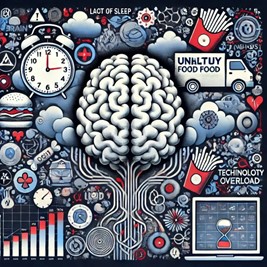
    Brain fog is a term that has become widely recognized in recent years, describing a state of mental confusion, forgetfulness, and lack of focus that many Americans are experiencing more frequently. This condition affects people across all age groups and demographics, causing frustration, decreased productivity, and impacting overall quality of life. But what exactly is causing this surge in brain fog? This article delves into the leading causes behind this growing problem, exploring how lifestyle, diet, technology, environmental toxins, and mental health are contributing to the fogginess clouding the minds of millions.
    1. Lifestyle and Sleep Deprivation: The Modern Epidemic
    One of the most significant contributors to brain fog is the modern American lifestyle, which often prioritizes productivity and convenience over health and well-being. In a society that never seems to slow down, many people are sacrificing sleep, rest, and self-care in the pursuit of success. Sleep deprivation is particularly detrimental to cognitive function, affecting everything from memory to decision-making skills.
    The average American adult sleeps less than seven hours per night, falling short of the recommended 7-9 hours needed for optimal brain health. Chronic sleep deprivation disrupts the brain’s ability to clear out toxins and repair itself, leading to impaired cognitive function, memory issues, and the sensation of mental sluggishness. The blue light emitted from smartphones, tablets, and computers further exacerbates this problem, disrupting the body’s natural circadian rhythm and making it harder to achieve restful sleep.
    Moreover, the culture of overwork and the pressure to be constantly available—fueled by technology and social media—have created a pervasive sense of burnout. This chronic stress depletes mental energy and leaves many feeling perpetually drained, contributing to the foggy-headed feeling that’s all too common today.
    2. Diet and Nutrition: The Fuel for Your Brain
    The food we eat plays a critical role in how our brains function. Unfortunately, the standard American diet, which is high in processed foods, refined sugars, and unhealthy fats, is a recipe for cognitive dysfunction. Nutrient deficiencies, particularly in essential vitamins and minerals like B vitamins, magnesium, and omega-3 fatty acids, can impair brain function and lead to symptoms of brain fog.
    Highly processed foods and those high in sugar can cause blood sugar spikes and crashes, leading to mood swings, fatigue, and concentration difficulties. Over time, a diet lacking in essential nutrients can lead to inflammation in the brain, which is increasingly being recognized as a factor in cognitive decline.
    Additionally, food intolerances and sensitivities, such as those to gluten or dairy, can contribute to brain fog. Many individuals with undiagnosed food allergies experience inflammation and immune responses that directly affect the brain, leading to a feeling of mental haze. Gut health, too, plays a significant role; an imbalance in gut bacteria can impact neurotransmitter production, affecting mood, energy levels, and cognitive clarity.
    To combat brain fog, it’s essential to maintain a balanced diet rich in whole foods, lean proteins, healthy fats, and plenty of vegetables. Incorporating foods high in antioxidants, like berries and dark leafy greens, can help protect brain cells from oxidative stress, keeping your mind sharp and clear.
    3. Technology Overload: The Digital Drain
    Technology, while offering countless conveniences, has also introduced new challenges to mental clarity. The constant barrage of information from social media, emails, news, and notifications overwhelms the brain, leading to information fatigue. This mental overload can make it difficult to concentrate on tasks, retain information, and feel mentally organized.
    The phenomenon of “multitasking” often praised in modern work culture, is another culprit. While many people believe they are being more efficient, studies have shown that multitasking actually reduces productivity and increases cognitive errors. The brain is not designed to switch rapidly between tasks, and doing so leads to a significant reduction in the quality of work and cognitive performance.
    Moreover, technology’s impact on attention spans is profound. The rise of short-form content, like social media posts and video clips, has conditioned our brains to expect quick bursts of information, making it harder to focus on longer, more complex tasks. This “attention deficit” environment fosters a sense of disorientation and mental fatigue, contributing directly to the sensation of brain fog.
    Excessive screen time also reduces opportunities for physical activity, outdoor exposure, and face-to-face social interactions—all of which are crucial for maintaining mental health and cognitive function. Balancing technology use with real-world activities is essential to keeping brain fog at bay.
    4. Environmental Toxins: Invisible Threats to Brain Health
    Environmental factors, including exposure to pollutants, heavy metals, and chemicals, are increasingly recognized as significant contributors to brain fog. Many everyday substances—like pesticides, cleaning products, and even certain beauty products—contain chemicals that can disrupt hormone function and impact the nervous system.
    Air quality plays a crucial role as well. Studies have shown that prolonged exposure to air pollution, particularly fine particulate matter and toxic chemicals like benzene, can impair cognitive function and increase the risk of neurodegenerative diseases. In urban areas, where pollution levels are often higher, residents may be particularly vulnerable to these cognitive effects.
    Another hidden culprit is heavy metals, such as lead, mercury, and aluminum, which can accumulate in the body and affect brain function. Lead exposure, even at low levels, is known to impair cognitive development in children and can also affect adults. Mercury, found in certain fish and industrial emissions, is a neurotoxin that disrupts brain function, leading to memory problems and mental sluggishness.
    Reducing exposure to these environmental toxins involves making conscious choices, such as opting for organic foods, using natural cleaning products, and filtering drinking water. Being mindful of air quality, especially in heavily polluted areas, and minimizing exposure to heavy metals can also help reduce the cognitive impact of these environmental threats.
    5. Mental Health and Stress: The Invisible Burden
    Mental health issues, particularly anxiety and depression, are major contributors to brain fog. Chronic stress triggers the release of cortisol, a hormone that, in high levels, can impair cognitive functions, including memory and focus. Over time, this stress response wears down the brain’s ability to cope, leading to persistent feelings of fatigue and confusion.
    Anxiety often coexists with brain fog, as the constant worry drains cognitive resources and makes it difficult to concentrate on the present. Similarly, depression can slow cognitive processes, making even simple tasks feel overwhelming. Mental exhaustion from these conditions often manifests as brain fog, creating a cycle where poor mental health and cognitive impairment feed into each other.
    The recent rise in mental health issues, fueled in part by the COVID-19 pandemic, economic uncertainty, and societal pressures, has only intensified the prevalence of brain fog. Many individuals report feeling mentally exhausted from navigating the complexities of modern life, resulting in a pervasive sense of disorientation and lack of mental clarity.
    Addressing brain fog linked to mental health involves a holistic approach that includes therapy, stress management techniques, and lifestyle changes. Practices like mindfulness, meditation, and regular exercise can help recalibrate the mind, reduce stress, and restore cognitive function.
    Conclusion: Clearing the Fog
    Brain fog is a multifaceted issue affecting millions of Americans, stemming from a complex interplay of lifestyle choices, diet, environmental factors, technology use, and mental health challenges. To clear the fog, individuals must take proactive steps toward improving their overall well-being. This includes prioritizing sleep, adopting a nutrient-rich diet, managing screen time, reducing exposure to environmental toxins, and addressing mental health concerns.
    While there is no one-size-fits-all solution, making small, intentional changes in daily habits can significantly improve cognitive function and help reclaim mental clarity. By understanding the underlying causes of brain fog, we can begin to lift the veil of confusion and foster a healthier, clearer state of mind.


  • Project Blue Book: From Its Origins to Its Legacy

    By Scott J. Arnold

    Project Blue Book: From Its Origins to Its Legacy
    Introduction
    Project Blue Book was the United States Air Force’s official investigation into unidentified flying objects (UFOs) that ran from 1952 to 1969. It was the third and longest of a series of studies aimed at determining whether UFOs posed a threat to national security and to analyze UFO-related phenomena scientifically. This article explores the origins, operations, findings, and legacy of Project Blue Book, highlighting its impact on public perception of UFOs and government transparency.
    1. Origins of Project Blue Book
    Project Blue Book was established in response to growing public and military concern over the increasing number of UFO sightings in the post-World War II era. The project was a continuation of earlier Air Force programs, including Project Sign (1947-1949) and Project Grudge (1949-1951), which also investigated UFO sightings but were criticized for their lack of scientific rigor.
    • Project Sign and Grudge: Project Sign was the first official Air Force investigation, which initially considered extraterrestrial origins seriously. However, by the time Project Grudge began, the tone had shifted to a more skeptical approach, often dismissing sightings as misidentified natural phenomena or hoaxes.
    • Need for a Scientific Approach: Public pressure, fueled by sensationalized media reports and high-profile sightings, led to the establishment of Project Blue Book in 1952, aiming to provide a more systematic and scientific analysis of UFO phenomena.
    2. The Structure and Mission of Project Blue Book
    Project Blue Book was headquartered at Wright-Patterson Air Force Base in Ohio and was staffed by a small team of military personnel and civilian contractors. The project’s objectives were to determine whether UFOs were a threat to national security and to scientifically analyze UFO-related data.
    • The Role of J. Allen Hynek: One of the key figures in Project Blue Book was Dr. J. Allen Hynek, an astronomer who served as the project’s chief scientific consultant. Initially a skeptic, Hynek later became more open to the possibility of extraterrestrial visitation as he reviewed hundreds of credible sightings.
    • Procedures and Methods: Project Blue Book received and analyzed UFO reports from the public, military personnel, and other government agencies. Investigators conducted interviews, reviewed photographic evidence, and attempted to correlate sightings with known aircraft or natural phenomena.
    3. High-Profile UFO Cases Investigated by Project Blue Book
    Throughout its operation, Project Blue Book investigated thousands of UFO sightings, including several high-profile cases that captured the public’s imagination and remain controversial to this day.
    • The Washington, D.C. UFO Incident (1952): One of the most significant cases occurred in July 1952, when multiple UFOs were detected on radar over Washington, D.C., leading to jet scrambles and widespread media coverage. Project Blue Book attributed the sightings to temperature inversions, though many questioned this explanation.
    • The Lonnie Zamora Incident (1964): In New Mexico, police officer Lonnie Zamora reported seeing an egg-shaped craft that landed near Socorro. Physical evidence, including burned ground and landing marks, lent credibility to Zamora’s account, making it one of the most puzzling cases investigated by Blue Book.
    4. The Condon Report and the Decline of Project Blue Book
    In the mid-1960s, pressure mounted on the Air Force to provide a more definitive answer about the reality of UFOs. This led to the commissioning of the University of Colorado’s Condon Committee, led by physicist Dr. Edward Condon, to conduct an independent scientific review of Blue Book’s findings.
    • The Condon Report (1969): The Condon Report concluded that further study of UFOs was unlikely to yield significant scientific discoveries and recommended that Project Blue Book be terminated. This conclusion was controversial, as many critics felt that the report ignored credible cases and failed to address the unexplained.
    • Closure of Project Blue Book: Following the release of the Condon Report, the Air Force officially terminated Project Blue Book on December 17, 1969. The program’s closure marked the end of the U.S. government’s official investigation into UFOs, though public interest in the phenomenon continued to grow.
    5. Findings and Statistics of Project Blue Book
    During its operation, Project Blue Book investigated 12,618 reported UFO sightings. The vast majority were explained as misidentified aircraft, weather balloons, astronomical objects, or other natural phenomena. However, a small percentage of cases remained classified as “unknown,” meaning they could not be easily explained.
    • Breakdown of Sightings: According to Blue Book’s final statistics, about 701 cases were classified as “unknown.” These cases often involved multiple witnesses, physical evidence, or clear radar returns that could not be attributed to conventional explanations.
    • Criticism of Explanations: Critics argued that Blue Book’s efforts were biased towards debunking sightings rather than genuinely investigating them. Some accused the project of dismissing evidence too quickly or providing insufficiently researched explanations.
    6. Project Blue Book and Public Perception of UFOs
    Project Blue Book played a significant role in shaping public perception of UFOs during the 1950s and 1960s. While the project sought to reassure the public by downplaying the significance of UFO sightings, it also fueled conspiracy theories and skepticism about government transparency.
    • Media Coverage and Public Reactions: Blue Book’s investigations were often covered in newspapers, magazines, and television, leading to increased public awareness and debate about the reality of UFOs. High-profile cases, in particular, sparked widespread speculation.
    • Influence on Pop Culture: The project’s investigations inspired countless books, movies, and television shows that depicted UFOs as mysterious and potentially extraterrestrial. This cultural impact further embedded the idea of government secrecy surrounding UFOs in the public consciousness.
    7. Legacy and Declassified Files
    The legacy of Project Blue Book extends far beyond its official closure. In the decades that followed, the release of declassified Blue Book files provided researchers and the public with insight into the U.S. government’s handling of UFO investigations.
    • Declassified Documents: In 1976, the National Archives made Project Blue Book’s files publicly accessible, allowing independent researchers to analyze the data. The release of these documents reignited interest in UFOs and led to renewed calls for transparency.
    • Impact on Ufology: Project Blue Book’s files remain a foundational resource for ufologists and researchers, offering a historical record of reported sightings and the government’s responses. The project’s findings continue to be scrutinized and debated by those seeking answers to the UFO mystery.
    8. Ongoing Interest and Modern Investigations
    Although Project Blue Book officially ended in 1969, interest in UFOs has never waned. Modern investigations, including the Pentagon’s Advanced Aerospace Threat Identification Program (AATIP) and the U.S. Navy’s reporting guidelines on unidentified aerial phenomena (UAPs), reflect a renewed official interest in the phenomenon.
    • Pentagon’s UAP Task Force: In recent years, the Pentagon has confirmed the existence of UAPs and released videos showing unexplained encounters between Navy pilots and unidentified objects. These modern revelations have drawn comparisons to the Blue Book era and have prompted calls for a new, transparent investigation.
    • Public and Congressional Interest: The ongoing interest in UFOs has reached the halls of Congress, with lawmakers requesting greater transparency and the release of more information. This renewed attention highlights the enduring mystery and fascination surrounding the topic.
    9. Criticism and Conspiracy Theories
    Project Blue Book has been the subject of numerous conspiracy theories, with some alleging that the program was part of a larger government cover-up of extraterrestrial visitation. Critics argue that Blue Book’s main function was not to investigate UFOs but to control public perception and debunk sightings.
    • Claims of a Cover-Up: Many UFO enthusiasts believe that Project Blue Book was merely a public-facing effort while the real investigations were conducted secretly by other government agencies. The persistence of unexplained cases has fueled speculation about withheld information.
    • Skeptical Perspectives: Skeptics, however, argue that the vast majority of Blue Book cases were explained satisfactorily and that the project’s findings were consistent with scientific principles. They maintain that the lack of concrete evidence for extraterrestrial origins supports a more cautious approach.
    10. Conclusion: The Enduring Legacy of Project Blue Book
    Project Blue Book remains one of the most well-known and controversial government investigations into UFOs. Its legacy is a complex mix of scientific inquiry, public fascination, and conspiracy. While the project officially concluded that UFOs posed no threat to national security, the enduring mysteries and unexplained cases continue to captivate the public.
    The lessons of Project Blue Book resonate today as modern investigations grapple with similar questions about the nature of unidentified aerial phenomena. Whether seen as a genuine attempt to understand UFOs or as a government effort to control public perception, Project Blue Book’s impact on UFO history is undeniable.
     

  • The Rise of Digital Money: Finance and the Global Economy

    By Scott J. Arnold

    The Rise of Digital Money: Transforming Finance and the Global Economy
    Introduction
    Digital money is revolutionizing the way we think about currency, transactions, and the global economy. From cryptocurrencies like Bitcoin and Ethereum to central bank digital currencies (CBDCs) and digital payment systems like PayPal and Venmo, digital money is reshaping financial systems and challenging traditional banking models. As digital money gains traction, it raises important questions about privacy, security, economic stability, and the future of cash. This article explores the rise of digital money, the different forms it takes, the advantages and challenges it presents, and its impact on the future of finance.
    1. Understanding Digital Money: A New Era of Currency
    Digital money refers to any form of currency that exists electronically rather than in physical form. Unlike traditional cash, digital money can be transferred instantly across the globe, offering greater convenience and efficiency for transactions. Digital money encompasses a broad range of technologies, including cryptocurrencies, stablecoins, CBDCs, and digital wallets.
    • Cryptocurrencies: Cryptocurrencies like Bitcoin, Ethereum, and Litecoin are decentralized digital currencies that operate on blockchain technology. They are not controlled by any central authority, such as a government or bank, and instead rely on cryptographic techniques to secure transactions. Cryptocurrencies offer a new way to transfer value without intermediaries, but they are also highly volatile and have faced regulatory scrutiny.
    • Stablecoins: Stablecoins are a type of cryptocurrency designed to maintain a stable value by being pegged to a reserve asset, such as the U.S. dollar or gold. Examples include Tether (USDT) and USD Coin (USDC). Stablecoins aim to combine the benefits of digital money with the stability of traditional currencies, making them more suitable for everyday transactions.
    • Central Bank Digital Currencies (CBDCs): CBDCs are digital versions of a country’s national currency issued and regulated by the central bank. Unlike cryptocurrencies, CBDCs are backed by the government and are considered legal tender. Countries like China, Sweden, and the Bahamas have already launched pilot programs for CBDCs, and many other nations are exploring the potential benefits and challenges of adopting them.
    • Digital Payment Systems: Digital wallets and payment platforms, such as PayPal, Venmo, Apple Pay, and Google Wallet, have become increasingly popular for everyday transactions. These platforms allow users to send and receive money digitally, often linked to traditional bank accounts or credit cards, making financial transactions more accessible and efficient.
    2. The Advantages of Digital Money: Speed, Accessibility, and Efficiency
    The rise of digital money offers several advantages over traditional cash and banking systems, making it an attractive option for individuals, businesses, and governments alike.
    • Speed and Convenience: Digital money allows for near-instantaneous transactions, reducing the need for physical cash and eliminating delays associated with traditional banking processes. This speed is particularly valuable for international transactions, which can often take days or incur high fees when processed through conventional banks.
    • Accessibility and Financial Inclusion: Digital money has the potential to improve financial inclusion by providing access to financial services for the unbanked and underbanked populations. In many developing countries, access to traditional banking is limited, but mobile phones and digital wallets can provide a means of saving, sending, and receiving money without the need for a physical bank.
    • Reduced Costs: Digital transactions can be cheaper than cash handling or traditional banking fees. By reducing the need for physical infrastructure, such as bank branches and ATMs, digital money can lower the overall costs associated with maintaining a currency system. This is especially beneficial for small businesses and consumers who face high fees for cash-based or card-based transactions.
    • Enhanced Transparency and Traceability: Digital money, especially when used within blockchain systems, offers increased transparency and traceability. Transactions can be recorded in a secure, immutable ledger, which can help reduce fraud, tax evasion, and money laundering. Governments and regulatory bodies are increasingly interested in the potential of digital money to improve compliance and oversight.
    3. The Challenges of Digital Money: Security, Privacy, and Volatility
    Despite its many advantages, digital money also presents significant challenges that need to be addressed to ensure its safe and effective use.
    • Security Risks: Digital money is vulnerable to cyberattacks, hacking, and other forms of digital crime. Cryptocurrencies, in particular, have been targeted by hackers who exploit vulnerabilities in exchanges and wallets to steal funds. Ensuring the security of digital money requires robust cybersecurity measures, including encryption, multi-factor authentication, and secure storage solutions.
    • Privacy Concerns: Digital money can be both a blessing and a curse when it comes to privacy. While some forms of digital money, like Bitcoin, offer a degree of anonymity, others, especially CBDCs, could enable governments to monitor transactions more closely. This increased oversight could be used to combat crime, but it also raises concerns about surveillance and the erosion of financial privacy.
    • Volatility: Cryptocurrencies are notorious for their price volatility, which can make them unsuitable for everyday transactions or as a store of value. Large price swings can lead to significant financial losses, deterring many people from using cryptocurrencies as a reliable means of exchange. Stablecoins aim to address this issue by pegging their value to stable assets, but they are not immune to market fluctuations and regulatory challenges.
    • Regulatory Challenges: The rapid growth of digital money has outpaced existing regulatory frameworks, leading to uncertainty and fragmented policies across different jurisdictions. Governments and regulators are grappling with how to manage the risks associated with digital money, including fraud, money laundering, and consumer protection. Finding a balance between innovation and regulation is a critical challenge that will shape the future of digital money.
    4. The Impact on Traditional Banking: Disruption and Adaptation
    The rise of digital money poses both a threat and an opportunity for traditional banking institutions. As more consumers and businesses turn to digital payment platforms, cryptocurrencies, and other forms of digital money, banks are being forced to adapt or risk becoming obsolete.
    • Disintermediation: Digital money has the potential to bypass traditional banks altogether, reducing the need for intermediaries in financial transactions. Cryptocurrencies, for example, enable peer-to-peer transfers without the need for a bank account, disrupting the traditional banking model. This disintermediation threatens banks’ core business models, particularly those that rely on transaction fees and lending services.
    • Innovation and Integration: In response to the rise of digital money, many banks are embracing digital transformation by integrating new technologies into their services. Some banks are partnering with fintech companies to offer digital wallets, blockchain-based solutions, and cryptocurrency services to their customers. Others are exploring the development of their own digital currencies or joining consortiums to pilot CBDCs.
    • Competition and Collaboration: The competitive landscape of finance is rapidly changing, with banks, fintech companies, and tech giants all vying for dominance in the digital money space. While competition can drive innovation, there is also an opportunity for collaboration between traditional financial institutions and new digital players. Banks that can successfully integrate digital money into their offerings are likely to remain relevant in the evolving financial ecosystem.
    5. Central Bank Digital Currencies (CBDCs): The Future of State-Issued Digital Money
    One of the most significant developments in the digital money space is the exploration and implementation of CBDCs by central banks around the world. Unlike cryptocurrencies, CBDCs are issued and regulated by central banks, making them official legal tender.
    • Advantages of CBDCs: CBDCs offer several potential benefits, including increased efficiency in payments, reduced costs associated with cash management, and improved financial inclusion. By providing a digital alternative to cash, CBDCs can modernize payment systems and enhance monetary policy effectiveness.
    • Challenges of CBDCs: The introduction of CBDCs also raises important questions about privacy, security, and the impact on the existing banking system. Central banks must carefully design CBDCs to balance the need for privacy with the need for transparency and oversight. Additionally, there are concerns about how CBDCs could affect commercial banks, potentially leading to disintermediation and changes in how banks manage deposits and loans.
    • Global Race for CBDCs: Countries like China have taken the lead in developing and testing CBDCs, with the digital yuan already in pilot phases across major cities. Other countries, including the U.S., the EU, and Japan, are actively researching and exploring the potential for their own digital currencies. The adoption of CBDCs could reshape global finance, influencing everything from international trade to monetary sovereignty.
    6. The Future of Digital Money: Opportunities and Uncertainties
    The future of digital money is full of both opportunities and uncertainties. As technology continues to evolve, digital money has the potential to redefine the way we think about money, banking, and financial transactions.
    • Integration with Emerging Technologies: Digital money is likely to be integrated with other emerging technologies, such as artificial intelligence (AI), blockchain, and the Internet of Things (IoT). These integrations could enable smart contracts, automated payments, and new business models that were previously unimaginable.
    • Economic Implications: The widespread adoption of digital money could have significant economic implications, including changes in how monetary policy is conducted, the potential for more efficient cross-border payments, and the reduction of the informal economy. However, it also poses risks to financial stability, particularly if digital money displaces traditional banking and alters the balance of the financial system.
    • Regulation and Governance: The future of digital money will depend heavily on how it is regulated and governed. Policymakers will need to address issues of consumer protection, anti-money laundering, and cybersecurity while fostering an environment that encourages innovation. The development of international standards and cooperation between regulators will be crucial in ensuring that digital money contributes to a stable and inclusive financial system.
    Conclusion
    Digital money is transforming the financial landscape, offering new opportunities for convenience, efficiency, and inclusion. From cryptocurrencies and stablecoins to CBDCs and digital payment systems, the rise of digital money is reshaping how we think about currency and transactions. While digital money presents numerous benefits, it also poses significant challenges that must be carefully managed to ensure its safe and effective use. As we move forward, the continued evolution of digital money will require a balance between innovation, regulation, and a commitment to serving the needs of a rapidly changing global economy.


  • Avocado Cartel, Green Gold

    By Scott J. Arnold

    The Avocado Mafia: The Dark Side of the Green Gold Industry
    Introduction
    Avocados, often dubbed “green gold,” have become a staple of modern diets worldwide, celebrated for their creamy texture, health benefits, and versatility. However, behind the rise of this beloved fruit lies a darker story involving organized crime, violence, and exploitation. The lucrative avocado trade, particularly in regions like Mexico, has attracted criminal organizations known as the “avocado mafia.” These groups have taken control of the avocado supply chain, extorting farmers, threatening lives, and corrupting local governments. This article explores the hidden world of the avocado mafia, examining its origins, impact on the industry, and the ongoing battle to reclaim the trade from the grip of organized crime.
    1. The Rise of Avocados: From Humble Fruit to Global Obsession
    Avocados have enjoyed a meteoric rise in popularity over the past few decades, transforming from a niche fruit to a global sensation. This surge in demand has been fueled by a combination of health trends, social media, and the fruit’s versatility in dishes ranging from salads and smoothies to the ever-popular avocado toast.
    • Health Benefits: Avocados are rich in healthy monounsaturated fats, fiber, vitamins, and minerals, making them a favorite among health-conscious consumers. Their nutrient profile has earned them a reputation as a superfood, particularly among millennials and those following plant-based diets.
    • Global Demand: The global avocado market has grown exponentially, with countries like the United States, Canada, and European nations leading in consumption. In the U.S. alone, avocado imports have more than doubled in the last two decades, with Americans consuming over 2.6 billion pounds of avocados annually.
    • The Mexican Avocado Boom: Mexico is the world’s largest producer of avocados, accounting for nearly 45% of global supply. The state of Michoacán, often referred to as the “avocado capital of the world,” is the only region in Mexico authorized to export avocados to the United States due to its unique climate and soil conditions.
    The soaring demand for avocados has turned the fruit into a multi-billion-dollar industry, attracting not only legitimate farmers and businesses but also criminal organizations seeking to capitalize on the boom.
    2. The Emergence of the Avocado Mafia: Crime Infiltrates the Industry
    The avocado boom has not gone unnoticed by organized crime groups, particularly in Mexico, where cartels and local gangs have increasingly turned their attention to the lucrative avocado trade. Known as the “avocado mafia,” these criminal organizations use violence, intimidation, and corruption to control the industry.
    • Extortion and Protection Rackets: Avocado farmers in Michoacán and other regions are often forced to pay “protection fees” to criminal groups in exchange for safety. Those who refuse to comply face threats, property damage, or even murder. The extortion rates can be as high as 30-50% of a farmer’s earnings, significantly cutting into their profits and creating a climate of fear.
    • Control of Land and Resources: The avocado mafia often takes control of farmland, forcing owners to sell or lease their land under duress. Some cartels have diversified into directly managing avocado plantations, taking over production and distribution to maximize their profits.
    • Corruption of Local Authorities: The influence of the avocado mafia extends beyond farmers to local officials and law enforcement. Corruption is rampant, with some police officers, politicians, and government workers complicit in protecting cartel interests. This corruption makes it nearly impossible for farmers to seek help or justice, as those who are supposed to protect them are often part of the problem.
    • Supply Chain Infiltration: Criminal groups have also infiltrated the broader supply chain, including packing houses and transportation networks. By controlling multiple points of the supply chain, the avocado mafia ensures that a significant portion of the profits flows into their hands, further entrenching their power.
    The avocado mafia’s infiltration of the industry has turned a simple fruit into a battleground, where violence and coercion are used to control a trade that should be driven by honest labor and fair business practices.
    3. The Human Cost: Violence, Fear, and Exploitation
    The human cost of the avocado mafia’s influence on the industry is staggering, affecting not only the farmers and workers directly involved but also entire communities.
    • Violence and Intimidation: The presence of the avocado mafia has led to a surge in violence in key growing regions, with frequent reports of kidnappings, murders, and arson. Farmers, their families, and workers live in constant fear of reprisal, knowing that any perceived disobedience could result in deadly consequences.
    • Exploitation of Labor: Beyond extortion, the avocado mafia often exploits laborers, including migrant workers, by paying them low wages and subjecting them to poor working conditions. The lack of oversight and the pervasive influence of crime make it easy for these groups to take advantage of vulnerable populations.
    • Environmental Degradation: The avocado mafia’s pursuit of profits often comes at the expense of the environment. Illegal deforestation is rampant in some areas, as cartels clear land to expand avocado production, contributing to soil erosion, loss of biodiversity, and other environmental impacts. This destruction is often done without regard for local communities or environmental regulations.
    • Psychological Toll: The psychological impact on those living under the control of the avocado mafia cannot be understated. The constant threat of violence, financial insecurity, and lack of recourse take a heavy toll on mental health, leading to anxiety, depression, and a sense of hopelessness among those affected.
    The human and environmental costs of the avocado mafia’s operations are a stark reminder that the true price of avocados is far higher than what consumers see on grocery store shelves.
    4. Efforts to Combat the Avocado Mafia: Challenges and Resistance
    Efforts to combat the influence of the avocado mafia face significant challenges, given the entrenched power of criminal organizations and the pervasive corruption within local authorities. However, there are ongoing initiatives aimed at reclaiming the avocado trade from the grip of organized crime.
    • Government Crackdowns: The Mexican government has periodically launched military and police operations to target the avocado mafia and reclaim control of affected regions. These operations often involve raids, arrests, and the destruction of illegal operations. However, the effectiveness of these efforts is often hampered by corruption and the cartels’ ability to regroup.
    • Community Self-Defense Groups: In some regions, communities have taken matters into their own hands by forming self-defense groups, known as autodefensas, to protect themselves from the avocado mafia. These groups are made up of local farmers, workers, and residents who band together to patrol their communities and resist criminal extortion. While these groups provide a measure of security, they also operate in a legal gray area and have faced accusations of vigilantism.
    • International Pressure and Certification Programs: International buyers and organizations have begun to pressure Mexican suppliers to ensure that avocados are sourced ethically and without criminal involvement. Certification programs that verify the legitimacy of supply chains are being developed, aiming to create a “clean” avocado market. However, the complexity of the supply chain makes enforcement difficult, and many certified operations still face threats from criminal groups.
    • Consumer Awareness: Raising awareness among consumers about the realities of the avocado trade can help drive demand for ethically sourced products. Initiatives that encourage consumers to buy certified avocados, support local farmers, and advocate for fair trade practices can contribute to reducing the influence of the avocado mafia.
    Despite these efforts, the battle against the avocado mafia is far from over. The challenges of corruption, violence, and entrenched criminal networks continue to pose significant obstacles to reclaiming the industry.
    5. The Broader Implications: The Intersection of Agriculture and Organized Crime
    The story of the avocado mafia is not just about avocados—it highlights a broader issue at the intersection of agriculture, organized crime, and globalization. The increasing involvement of criminal groups in legitimate industries poses a threat to global supply chains, economic stability, and community well-being.
    • Globalization and Vulnerability: As global demand for agricultural products grows, so too does the opportunity for criminal organizations to exploit these markets. The avocado industry is just one example of how lucrative agricultural trades can attract organized crime, turning food commodities into battlegrounds for power and control.
    • Impact on Other Industries: The influence of organized crime is not limited to avocados. Similar issues have been documented in other agricultural sectors, including coffee, cacao, and timber. The encroachment of criminal groups into these industries threatens to undermine efforts to promote sustainable, ethical, and fair trade practices.
    • Economic Consequences: The economic impact of organized crime on agricultural industries is profound. Extortion, violence, and corruption drive up costs, reduce investment, and destabilize markets, ultimately affecting consumers, businesses, and entire economies. The inability to secure supply chains from criminal interference can have far-reaching consequences for global trade.
    The avocado mafia serves as a stark reminder of the need for robust legal frameworks, international cooperation, and concerted efforts to protect agricultural industries from the influence of organized crime.
    6. Moving Forward: Creating a Fair and Sustainable Avocado Industry
    Addressing the influence of the avocado mafia requires a multifaceted approach that includes government action, community resilience, and consumer responsibility. Moving forward, the goal must be to create a fair, sustainable, and crime-free avocado industry that benefits all stakeholders.
    • Strengthening Legal and Institutional Frameworks: Governments must take decisive action to combat organized crime, reduce corruption, and strengthen legal protections for farmers and workers. This includes providing resources for law enforcement, implementing anti-corruption measures, and supporting community-led initiatives to resist criminal influence.
    • Empowering Farmers and Workers: Empowering farmers through access to fair financing, market opportunities, and educational programs can reduce their vulnerability to extortion. Building cooperatives and networks that enable farmers to pool resources and negotiate better terms can help strengthen their position within the market.
    • Promoting Ethical Consumerism: Consumers play a crucial role in driving change by demanding ethically sourced products and supporting companies that prioritize fair trade and sustainability. Public awareness campaigns that highlight the human and environmental costs of the avocado trade can help shift consumer behavior toward more responsible purchasing decisions.
    • Fostering International Cooperation: The fight against the avocado mafia is not limited to Mexico; it requires international cooperation to disrupt criminal networks, enforce regulations, and support sustainable agriculture. Governments, businesses, and NGOs must work together to create a transparent and accountable global supply chain.
    By addressing the root causes of the avocado mafia’s influence and working toward a more sustainable and equitable industry, it is possible to reclaim the avocado trade from the grip of organized crime and ensure that the benefits of this beloved fruit are shared by all.
    Conclusion
    The rise of the avocado mafia reveals the darker side of the global avocado industry, where violence, exploitation, and corruption have turned a simple fruit into a source of fear and conflict. As the demand for avocados continues to grow, it is crucial to address the influence of organized crime and work towards a fairer, safer, and more sustainable industry. Through collective action, awareness, and a commitment to ethical practices, it is possible to combat the avocado mafia and create a future where the green gold is harvested with dignity, justice, and respect for all.