Blog

  • The Evolution of the Auto Industry

    By Scott J. Arnold

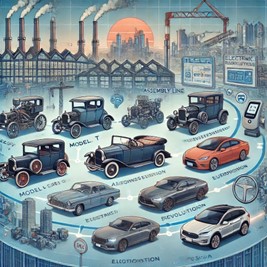
    The Evolution of the Auto Industry: From the Model T to Electric Vehicles
    Introduction
    The automobile industry has undergone a dramatic transformation over the past century, evolving from a fledgling sector producing simple, hand-crafted vehicles to a global powerhouse driving technological innovation and shaping modern society. From the invention of the internal combustion engine and the rise of mass production to the current push towards electric and autonomous vehicles, the evolution of the auto industry reflects broader changes in technology, economy, and consumer culture. This article traces the key milestones in the auto industry’s development, exploring how technological advancements, market dynamics, and societal shifts have shaped the cars we drive today.
    1. The Birth of the Automobile: Pioneering Innovators and Early Challenges
    The origins of the auto industry can be traced back to the late 19th century, when early inventors experimented with self-propelled vehicles powered by steam, electricity, and internal combustion engines.
    • Early Innovations: The first practical automobile is credited to Karl Benz, who developed the Benz Patent-Motorwagen in 1886. Powered by an internal combustion engine, this three-wheeled vehicle set the stage for the development of modern cars. Around the same time, other inventors like Gottlieb Daimler, Wilhelm Maybach, and Émile Levassor were also working on early automobiles.
    • The Internal Combustion Engine: The development of the internal combustion engine, particularly the gasoline-powered engine, was a critical breakthrough. This technology offered greater power and efficiency compared to steam engines and was more suitable for the emerging automobile market. By the early 20th century, gasoline-powered cars had become the dominant mode of personal transportation.
    • Challenges in Early Production: The early auto industry faced numerous challenges, including high production costs, limited infrastructure, and a lack of standardized parts. Most cars were custom-built and expensive, making them accessible only to the wealthy. The market was fragmented, with hundreds of small manufacturers competing for a relatively small customer base.
    Despite these challenges, the potential of the automobile as a transformative technology was clear, setting the stage for the industry’s first major revolution: mass production.
    2. The Age of Mass Production: Henry Ford and the Rise of the Assembly Line
    The introduction of mass production techniques in the early 20th century revolutionized the auto industry, making cars more affordable and accessible to the general public.
    • Henry Ford and the Model T: In 1908, Henry Ford introduced the Model T, a simple, reliable, and affordable car that quickly became a sensation. The key to Ford’s success was his innovative use of the assembly line, which allowed for the efficient and standardized production of vehicles. By breaking down the manufacturing process into simple, repetitive tasks, Ford significantly reduced production time and costs.
    • The Assembly Line Revolution: The assembly line transformed not only the auto industry but also manufacturing as a whole. By 1913, Ford’s Highland Park plant was producing a Model T every 93 minutes, and by the 1920s, Ford was producing more cars than all other automakers combined. The assembly line allowed Ford to reduce the price of the Model T to as low as $260, making it affordable for millions of Americans.
    • The Rise of General Motors and Market Competition: While Ford dominated the early market, competitors like General Motors (GM) began to challenge Ford’s single-model approach. Under the leadership of Alfred P. Sloan, GM introduced a strategy of offering a range of models at different price points, appealing to consumers’ desire for variety and status. This approach helped GM surpass Ford in sales by the 1930s.
    The age of mass production marked a turning point for the auto industry, transforming cars from luxury items into essential tools of daily life and establishing the United States as the world’s leading auto producer.
    3. The Post-War Boom: Innovation, Style, and the Rise of Global Competition
    The post-World War II era ushered in a period of economic prosperity, technological innovation, and intense competition that reshaped the auto industry.
    • The Golden Age of American Cars: The 1950s and 1960s are often considered the golden age of American automobiles, characterized by bold designs, powerful engines, and a focus on comfort and style. Automakers introduced iconic models like the Chevrolet Bel Air, Ford Mustang, and Cadillac Eldorado, capturing the spirit of American optimism and consumerism.
    • Technological Advancements: During this period, automakers introduced numerous technological innovations, including automatic transmissions, power steering, air conditioning, and advanced safety features like seat belts. The focus on performance and convenience helped drive consumer demand and cemented the car as a symbol of freedom and individuality.
    • The Rise of Japan and European Competition: By the 1970s, Japanese and European automakers began to challenge the dominance of American manufacturers. Companies like Toyota, Honda, and Volkswagen introduced compact, fuel-efficient cars that appealed to consumers facing rising fuel prices and environmental concerns. The Japanese emphasis on quality, reliability, and efficiency helped these brands gain a foothold in the global market.
    • The Oil Crisis and Industry Challenges: The 1973 oil crisis exposed the vulnerability of the auto industry to external economic shocks. As fuel prices soared, demand for large, gas-guzzling American cars plummeted, and consumers turned to smaller, more efficient imports. The crisis forced American automakers to rethink their strategies, leading to a renewed focus on fuel efficiency and innovation.
    The post-war era was a time of both triumph and challenge for the auto industry, as automakers navigated shifting consumer preferences, increased competition, and the need to adapt to a changing world.
    4. The Digital Revolution: Electronics, Safety, and the Rise of the SUV
    The late 20th and early 21st centuries saw the integration of digital technology into automobiles, transforming the driving experience and reshaping the industry once again.
    • The Introduction of Electronics: The 1980s and 1990s marked the beginning of the digital revolution in automobiles, with the introduction of electronic fuel injection, anti-lock brakes, and onboard computers. These technologies improved vehicle performance, safety, and fuel efficiency, setting the stage for more advanced innovations in the years to come.
    • Safety and Emissions Regulations: Growing awareness of environmental and safety issues led to increased government regulation, including stricter emissions standards and mandatory safety features. Automakers responded by developing cleaner engines, catalytic converters, and advanced safety systems like airbags and electronic stability control.
    • The Rise of the SUV: The 1990s also saw the rise of the sport utility vehicle (SUV), which combined the off-road capabilities of a truck with the comfort of a passenger car. SUVs quickly became a favorite among consumers, driving sales and profits for automakers. However, their popularity also raised concerns about fuel consumption and environmental impact.
    • Luxury and Performance Brands: During this period, luxury and performance brands like BMW, Mercedes-Benz, and Lexus gained prominence, offering advanced technology, superior craftsmanship, and high-performance engines. The competition among luxury brands pushed the entire industry to innovate and improve.
    The digital revolution brought new levels of sophistication to the auto industry, enhancing safety, performance, and consumer choice. As technology continued to evolve, the stage was set for the next major transformation: the shift to electric and autonomous vehicles.
    5. The Green Revolution: Hybrid, Electric, and Autonomous Vehicles
    The 21st century has been defined by the push towards sustainability, with the auto industry leading the charge through the development of hybrid, electric, and autonomous vehicles.
    • The Rise of Hybrid Vehicles: Toyota’s introduction of the Prius in 1997 marked the beginning of the hybrid revolution. The Prius, with its combination of a gasoline engine and electric motor, offered improved fuel efficiency and reduced emissions. It quickly became a symbol of environmental consciousness and a stepping stone towards fully electric vehicles.
    • The Electric Vehicle Boom: The launch of the Tesla Roadster in 2008 and the subsequent release of the Tesla Model S in 2012 revitalized interest in electric vehicles (EVs). Tesla’s sleek designs, impressive range, and performance shattered the stereotype of EVs as slow and unattractive, setting new standards for the industry. Other automakers, including GM, Nissan, and BMW, soon followed with their own EV offerings.
    • Autonomous Driving Technology: Advances in artificial intelligence, sensors, and connectivity have brought autonomous driving closer to reality. Companies like Waymo, Tesla, and traditional automakers are developing self-driving technologies that promise to reduce accidents, improve traffic flow, and provide new mobility options for those unable to drive.
    • Challenges and Infrastructure Needs: The shift to electric and autonomous vehicles has not been without challenges. Issues such as battery range, charging infrastructure, regulatory hurdles, and consumer acceptance continue to shape the development of these technologies. Governments and companies are investing heavily in building the necessary infrastructure to support widespread EV adoption.
    The green revolution represents a fundamental shift in the auto industry, driven by the need to reduce emissions, improve energy efficiency, and embrace new technologies that promise to redefine mobility.
    6. The Future of the Auto Industry: Innovation, Connectivity, and Mobility as a Service
    As the auto industry moves into the future, it is poised for even more transformative changes that will redefine the concept of mobility.
    • Connected and Smart Vehicles: The integration of advanced connectivity technologies, including 5G and the Internet of Things (IoT), is turning cars into smart devices on wheels. Connected vehicles can communicate with each other and with infrastructure, enabling features like real-time traffic updates, predictive maintenance, and enhanced safety.
    • Mobility as a Service (MaaS): The traditional model of car ownership is evolving as consumers increasingly turn to alternative mobility solutions. Ride-sharing, car-sharing, and subscription services are gaining popularity, offering flexibility and convenience without the costs and responsibilities of ownership. Companies like Uber, Lyft, and Zipcar are at the forefront of this shift, challenging automakers to rethink their business models.
    • Sustainability and Circular Economy: The focus on sustainability extends beyond the vehicles themselves to the entire lifecycle of production, use, and disposal. Automakers are exploring ways to reduce their environmental impact through sustainable materials, recycling, and circular economy principles that minimize waste and resource use.
    • Advanced Driver Assistance Systems (ADAS): The continued development of ADAS features, such as adaptive cruise control, lane-keeping assist, and automated emergency braking, is enhancing safety and moving the industry closer to fully autonomous driving. These systems are becoming standard in new vehicles, offering drivers increased confidence and reducing the likelihood of accidents.
    • The Role of Artificial Intelligence: AI is playing an increasingly important role in the auto industry, from enhancing autonomous driving capabilities to optimizing supply chains and personalizing the driver experience. AI-driven analytics and predictive modeling are helping automakers design better products and improve customer satisfaction.
    The future of the auto industry is one of innovation, connectivity, and a commitment to sustainable mobility solutions. As technology continues to evolve, the cars of tomorrow will be smarter, cleaner, and more integrated into the fabric of everyday life.
    Conclusion
    The evolution of the auto industry is a story of constant innovation, adaptation, and transformation. From the earliest days of handcrafted vehicles to the era of mass production, digital integration, and the current push towards electric and autonomous technology, the industry has continually reinvented itself to meet the changing needs of society. As we look to the future, the auto industry will play a pivotal role in shaping the way we move, connect, and live. With a focus on sustainability, advanced technology, and new business models, the cars of tomorrow promise to be more than just modes of transportation—they will be key players in the ongoing evolution of modern life.

     

  • Audie Murphy: The Soldier, Actor, and American Hero

    By Scott J. Arnold

    Audie Murphy: The Soldier, Actor, and American Hero
    1. Introduction: Audie Murphy – A Hero for the Ages
    Audie Murphy is remembered as one of the most legendary figures of World War II, a true American hero who rose from humble beginnings to become the most decorated U.S. soldier of the war. Murphy’s bravery on the battlefield, combined with his later success as a Hollywood actor and author, made him a symbol of courage and resilience. Despite his fame, Murphy’s life was marked by personal struggles, including battles with post-traumatic stress disorder (PTSD). His story is one of extraordinary achievements, resilience in the face of adversity, and a lasting impact on American culture.
    2. Early Life: From Poverty to the Battlefront
    Audie Leon Murphy was born on June 20, 1925, in Kingston, Texas, into a large family struggling with poverty. He was the seventh of twelve children, and his father abandoned the family when Murphy was just a boy. To support his family, Murphy dropped out of school in fifth grade and worked a series of odd jobs, including picking cotton and hunting small game, which honed his sharpshooting skills.
    Murphy’s early life was marked by hardship, but it also instilled in him a fierce sense of responsibility and determination. When his mother died in 1941, Murphy, then only 16 years old, was left to care for his younger siblings. It was this sense of duty that motivated him to enlist in the military, hoping to provide for his family and serve his country during World War II.
    3. Military Service: From Enlistment to the European Theater
    Murphy attempted to enlist in the military shortly after the attack on Pearl Harbor, but he was initially rejected due to his small stature and youthful appearance. At 5 feet 5 inches tall and weighing only 112 pounds, he did not meet the minimum physical requirements for the Marines or the Navy. However, in June 1942, the Army accepted him, and he was sent to basic training at Camp Wolters, Texas, before being assigned to the 3rd Infantry Division.
    Murphy’s early military career was unremarkable, but his determination and willingness to learn quickly set him apart. He was deployed to North Africa, and then to Italy, where he saw his first combat during the Allied invasion of Sicily. It was in Europe that Murphy’s courage, leadership, and combat skills would earn him an unparalleled reputation.
    4. The Making of a Hero: Murphy’s Valor in World War II
    Audie Murphy’s heroism reached its peak during the European campaign, particularly in the battles of Italy and France. His most famous actions occurred in January 1945 near Holtzwihr, France, where he single-handedly held off an entire German company during a counterattack, despite being wounded. Murphy mounted an abandoned, burning tank destroyer and used its .50 caliber machine gun to repel the enemy, calling in artillery strikes even as he fired on advancing German soldiers.
    For nearly an hour, Murphy held his ground against overwhelming odds, inflicting significant casualties on the enemy and preventing his position from being overrun. His actions allowed his unit to regroup and launch a counterattack that ultimately secured the area. For his extraordinary bravery, Murphy was awarded the Medal of Honor, the highest military decoration in the United States.
    5. A Record of Valor: Decorations and Awards
    By the end of World War II, Audie Murphy had earned nearly every combat award available from the U.S. Army, including the Distinguished Service Cross, two Silver Stars, and the Bronze Star. He was also awarded the French Legion of Honour, the Croix de Guerre with Palm, and the Belgian Croix de Guerre for his actions in Europe. In total, he received 33 military awards and decorations, making him the most decorated American combat soldier of the war.
    Murphy’s impressive array of honors reflects not just his courage but also his leadership and determination. He was promoted to second lieutenant on the battlefield, an unusual and significant honor for someone who had enlisted as a private and had no formal officer training.
    6. Post-War Challenges: Returning to Civilian Life and Hollywood Stardom
    Returning home as a national hero, Murphy faced the difficult transition to civilian life. Like many veterans, he struggled with the aftereffects of combat, including nightmares, depression, and what was then called “battle fatigue,” now known as PTSD. Despite his fame, Murphy had difficulty finding his place in post-war America.
    Murphy was invited to Hollywood by actor James Cagney, who saw potential in the young war hero’s rugged good looks and charisma. Although his early attempts at acting were met with limited success, Murphy’s perseverance paid off, and he began to land roles in Westerns and war films. His breakout role came in 1955 when he starred as himself in To Hell and Back, a film adaptation of his autobiography, which became one of the highest-grossing movies of the decade.
    7. Hollywood Career: From War Hero to Western Star
    Murphy’s acting career spanned over 20 years, during which he appeared in more than 40 films, mostly Westerns and war movies. Although he was not a classically trained actor, his natural screen presence and authenticity resonated with audiences. His portrayals often mirrored his real-life experiences, and he became known for playing tough, determined characters who embodied the American spirit.
    Some of Murphy’s notable films include The Red Badge of Courage (1951), Destry (1954), and Ride Clear of Diablo (1954). Although he never achieved the critical acclaim of some of his contemporaries, Murphy’s work in film solidified his place as a Hollywood star and allowed him to continue sharing the values of courage and honor that defined his life.
    8. Battling Demons: Murphy’s Struggles with PTSD and Addiction
    Despite his public success, Murphy’s personal life was fraught with challenges. He suffered from PTSD, which manifested as insomnia, depression, and a short temper. In an era when mental health issues were poorly understood and stigmatized, Murphy’s struggles were often kept out of the public eye. He self-medicated with sleeping pills, particularly Placidyl, to cope with his symptoms, leading to addiction.
    Murphy’s willingness to speak openly about his experiences with PTSD, especially during a time when few veterans discussed their mental health struggles, was groundbreaking. He used his platform to advocate for better treatment of veterans, helping to destigmatize PTSD and raise awareness of the psychological toll of war.
    9. Audie Murphy the Writer: To Hell and Back and Literary Contributions
    In addition to his film career, Murphy was an accomplished writer. His 1949 autobiography, To Hell and Back, detailed his wartime experiences with unflinching honesty. The book was a bestseller and further cemented Murphy’s reputation as a war hero, offering readers an intimate look at the realities of combat.
    Murphy also wrote poetry and song lyrics, drawing from his personal experiences and the emotional weight of his military service. His literary works provided an outlet for his trauma and allowed him to connect with others who had faced similar challenges.
    10. Personal Life: Family, Relationships, and Public Image
    Murphy’s personal life was marked by both joy and turmoil. He was married twice, first to actress Wanda Hendrix in 1949, a brief and tumultuous marriage that ended in divorce. He later married Pamela Archer, a former airline stewardess, in 1951. The couple had two sons, Terry and James, and their marriage lasted until Murphy’s death in 1971.
    Despite his fame, Murphy remained humble and devoted to his family. He often shunned the Hollywood spotlight, preferring to spend time on his ranch in Texas. However, his personal struggles and financial difficulties occasionally made headlines, adding a layer of complexity to his public image.
    11. The Tragic End: Audie Murphy’s Untimely Death
    Audie Murphy’s life came to a tragic end on May 28, 1971, when he died in a plane crash near Catawba, Virginia. He was 45 years old. Murphy was flying on a private plane during a business trip when the aircraft encountered bad weather and crashed into Brush Mountain. His death was a significant loss, and the nation mourned the passing of one of its most beloved heroes.
    Murphy was buried with full military honors at Arlington National Cemetery, where his gravesite remains one of the most visited. His headstone is inscribed simply, in accordance with his wishes, listing only his name, birth and death dates, and noting his status as a Medal of Honor recipient.
    12. Legacy: Audie Murphy’s Enduring Impact on American Culture
    Audie Murphy’s legacy is defined by his extraordinary bravery, his contributions to film and literature, and his advocacy for veterans. He is remembered not just as a war hero but also as a symbol of resilience and integrity. His life story continues to inspire new generations, serving as a testament to the strength of the human spirit.
    Murphy’s contributions to the understanding of PTSD have been particularly influential. His willingness to share his struggles helped pave the way for more open discussions about the mental health of veterans. Today, his legacy is honored through various memorials, military installations, and educational programs that bear his name.
    Conclusion: The Legend of Audie Murphy
    Audie Murphy’s life was one of extraordinary achievements and profound challenges. From his humble beginnings in rural Texas to the battlefields of Europe and the silver screens of Hollywood, Murphy embodied the values of courage, determination, and resilience. His story is a powerful reminder of the sacrifices made by those who serve and the ongoing struggles many face upon returning home. Audie Murphy remains an enduring symbol of American heroism, a man whose legacy continues to inspire and uplift.
     

  • Growing Trend of Asian Women Marrying American Men

    By Scott J. Arnold

    The Growing Trend of Asian Women Marrying American Men: Cultural Dynamics and Social Impacts
    Introduction
    In recent years, there has been a noticeable increase in marriages between Asian women and American men. This trend reflects broader global shifts in culture, migration, and changing social norms. The phenomenon is not new, but it has gained attention due to the growing numbers and the complex cultural dynamics involved. These marriages are shaped by a variety of factors, including globalization, shifting gender roles, economic opportunities, and evolving societal attitudes toward interracial and intercultural relationships. This article explores the reasons behind the increasing number of Asian women marrying American men, the challenges these couples face, and the broader social implications of this trend.
    1. Globalization and Cross-Cultural Interactions
    One of the primary reasons behind the rise in marriages between Asian women and American men is globalization, which has made the world more interconnected than ever before. Advances in technology, travel, and communication have significantly reduced the barriers between people from different countries, facilitating greater cross-cultural interactions. The internet, in particular, has played a pivotal role in bringing people together through dating apps, social media, and international dating websites that cater specifically to those interested in cross-cultural relationships.
    Globalization has also led to the migration of many Asian women to the United States for education, work, and other opportunities. Universities and companies in the U.S. attract talented individuals from all over Asia, providing an environment where diverse cultures mix and relationships naturally form. Many Asian women who come to study or work in the U.S. find themselves meeting and marrying American men through these expanded social circles.
    Additionally, the influence of Western culture in Asia through media, movies, and music has made American men appear more familiar and appealing to some Asian women. The portrayal of American men as independent, open-minded, and less bound by traditional gender norms resonates with many women who are seeking partners outside of their own cultural contexts. This exposure to Western ideals and lifestyles often sparks interest and leads to a willingness to explore relationships beyond traditional cultural boundaries.
    2. Economic Opportunities and the Appeal of Financial Stability
    Economic factors also play a significant role in the trend of Asian women marrying American men. The perception of better financial stability and opportunities in the United States can be appealing to women from countries with lower economic prospects. While this does not imply that all Asian women marry for financial reasons, economic stability is an important consideration in many relationships, particularly when marriage is viewed as a means of securing a better future.
    The U.S. offers higher earning potential, better educational opportunities, and access to a broader range of careers compared to many Asian countries. For women from developing nations, the prospect of living in a country with a higher standard of living and a more secure future for potential children can be a compelling factor in choosing to marry an American partner.
    Additionally, some Asian women may seek partners who value their professional ambitions and are supportive of their desire to work outside the home. American culture tends to be more supportive of women’s careers and independence compared to some traditional Asian cultures, where gender roles can be more rigid. This alignment of values regarding work, family, and independence can be a significant draw for Asian women looking for partners who share similar life goals.
    3. Shifting Gender Roles and the Appeal of Different Cultural Norms
    Cultural differences in gender roles and expectations can be a significant factor in the appeal of cross-cultural marriages. In many Asian cultures, traditional gender norms still place a heavy emphasis on women’s roles as homemakers and caregivers. While these roles are deeply respected, they may also be seen as limiting by women who aspire to different lifestyles or seek more egalitarian relationships.
    American men are often perceived as more likely to embrace modern gender roles, sharing household responsibilities and supporting their spouses’ professional ambitions. This perception is particularly appealing to Asian women who wish to escape traditional expectations and pursue a more balanced partnership. The appeal of a relationship dynamic that includes shared decision-making, mutual respect, and emotional support can be a driving force behind these marriages.
    Furthermore, the cultural value of individualism in the United States, where personal happiness and self-fulfillment are highly prioritized, contrasts with more collective-focused Asian societies. Many Asian women find that relationships with American men offer a level of personal freedom and autonomy that aligns with their desires for self-expression and independence.
    However, navigating these cultural differences also presents challenges. The varying expectations around gender roles, family obligations, and communication styles can lead to misunderstandings and conflicts. Successful cross-cultural marriages often require a deep understanding and appreciation of each partner’s cultural background and a willingness to adapt and compromise.
    4. The Influence of Stereotypes and Media Representation
    Stereotypes and media representations also play a significant role in shaping the dynamics of Asian women-American men marriages. In Western media, Asian women are often depicted as exotic, submissive, and highly feminine, characteristics that some American men find appealing. Conversely, American men are frequently portrayed in Asian media as independent, caring, and open-minded, creating a favorable image that attracts Asian women.
    While these stereotypes can initially draw people together, they can also create unrealistic expectations that may cause tension in a relationship. The stereotype of the submissive Asian woman, for example, can clash with the reality of women who are assertive, career-focused, and not interested in conforming to outdated gender norms. Similarly, American men may be seen as more progressive than they actually are, leading to potential disappointment when cultural differences surface.
    These media-driven perceptions often overlook the complexity and individuality of the people involved. When couples base their relationships on stereotypes rather than genuine understanding, they may struggle with unmet expectations and miscommunications. It is crucial for both partners to recognize and move beyond these preconceived notions to build a relationship based on mutual respect, understanding, and shared values.
    5. Navigating Cultural Differences and Family Dynamics
    Marriages between Asian women and American men often involve navigating significant cultural differences, which can be both enriching and challenging. These differences extend beyond the couple to include interactions with extended families, which may hold traditional views about marriage, gender roles, and cultural preservation.
    Family expectations can be a significant source of tension, especially if either partner’s family is resistant to the cross-cultural union. Asian families, in particular, may have strong preferences for their children to marry within their own culture, valuing shared language, traditions, and social norms. American families may also have preconceived notions or biases that need to be addressed.
    These marriages often require both partners to act as cultural mediators, explaining and negotiating the differences between their families’ values and expectations. This can include managing cultural rituals, holiday traditions, dietary preferences, and approaches to child-rearing. The willingness to learn about and embrace each other’s cultures is essential for overcoming these challenges and fostering a harmonious family environment.
    Moreover, language barriers can add another layer of complexity. While many Asian women who marry American men are proficient in English, nuances in communication can still lead to misunderstandings. Patience, open communication, and a sense of humor are crucial in bridging these gaps and maintaining a strong relationship.
    6. The Broader Social Implications: Shifting Attitudes Towards Interracial Marriages
    The increasing number of marriages between Asian women and American men reflects broader societal changes in attitudes towards interracial and intercultural relationships. While these marriages were once stigmatized or met with disapproval, especially in conservative communities, they are now more widely accepted as part of a diverse and multicultural society.
    Interracial marriages can serve as a catalyst for breaking down racial and cultural barriers, fostering greater understanding and appreciation of different traditions and lifestyles. As these unions become more common, they challenge stereotypes and encourage more inclusive views of what constitutes a family.
    However, these marriages also highlight ongoing issues of racial dynamics and power imbalances. In some cases, the perception of Asian women as “marriage material” for Western men can perpetuate problematic power dynamics rooted in colonial history and Orientalism. Addressing these deeper societal issues requires a commitment to viewing each partnership as a unique union rather than a symbol of broader cultural narratives.
    Ultimately, the trend of Asian women marrying American men is a testament to the evolving nature of love, relationships, and cultural exchange in a globalized world. As society continues to embrace diversity, these marriages offer valuable lessons in adaptability, empathy, and the beauty of blending cultures.
    Conclusion
    The growing trend of Asian women marrying American men is driven by a complex mix of globalization, economic opportunities, evolving gender roles, and shifting cultural perceptions. While these marriages offer unique opportunities for personal growth and cross-cultural exchange, they also come with their own set of challenges, including navigating cultural differences, overcoming stereotypes, and managing family expectations.
    For these marriages to thrive, both partners must commit to open communication, mutual respect, and a willingness to learn from each other’s cultures. By doing so, they can build strong, resilient relationships that transcend borders and challenge traditional notions of marriage. As these unions become more common, they not only enrich the lives of the individuals involved but also contribute to a more interconnected and understanding global community.


  • The Aryan Origins in Ancient Persia its not Germany

    By Scott J. Arnold

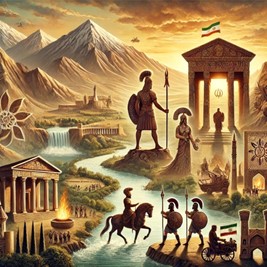
    The Aryan Origins in Persia and the Meaning of Iran: Land of the Aryans
    Introduction
    The term “Aryan” has deep historical roots connected to the ancient Indo-Iranian peoples who migrated into the Iranian plateau and South Asia thousands of years ago. This group, known for their distinct language and culture, played a foundational role in shaping the civilizations of ancient Persia and the Indian subcontinent. The name “Iran” itself is derived from the word “Aryan,” signifying “Land of the Aryans,” reflecting a complex cultural and linguistic heritage that continues to influence the region today.
    1. The Aryan Migration into Persia
    The Aryans, originally part of a larger group of Indo-European-speaking peoples, began migrating into the Iranian plateau around 1500 BCE. This migration marked the beginning of a significant cultural and societal transformation in the region. The Aryans brought with them their language, customs, and religious beliefs, which would later form the basis of Zoroastrianism, one of the world’s oldest known religions.
    • Indo-Iranian Origins: The Aryans are believed to have originated from the steppes of Central Asia, sharing common ancestry with other Indo-European groups such as the Greeks, Romans, and Indians. As they moved southward, they split into two main groups: one heading toward the Iranian plateau and the other into the Indian subcontinent.
    • Settlement in Persia: Upon settling in what is now Iran, the Aryans integrated with the local Elamite and other indigenous cultures, leading to the development of distinct Iranian civilizations. The Medes and Persians, two prominent Aryan tribes, eventually established powerful kingdoms that laid the groundwork for the Achaemenid Empire, the first Persian Empire.
    2. Cultural and Linguistic Influence
    The Aryan influence in Persia is evident in the region’s language, social structures, and religious beliefs. The Old Persian language, an early form of Farsi, evolved from the Aryan languages and became the administrative language of the Achaemenid Empire.
    • Zoroastrianism: The religious beliefs of the Aryans significantly influenced the spiritual landscape of Persia. Zoroastrianism, founded by the prophet Zoroaster, emerged as a dominant faith and introduced concepts such as monotheism, duality of good and evil, and the importance of individual choice—ideas that would later influence other major religions.
    • Social Hierarchies: Aryan society was divided into classes, including priests (Magi), warriors, and farmers, which influenced the social and political organization of ancient Persian society. These structures helped establish a cohesive culture that valued kinship, loyalty, and honor.
    3. The Achaemenid Empire: Rise of the Aryan Dynasty
    The Achaemenid Empire, founded by Cyrus the Great in the 6th century BCE, is often regarded as the height of Aryan influence in Persia. This empire not only unified various Aryan tribes but also created one of the most extensive and powerful empires of the ancient world.
    • Cyrus the Great and Aryan Identity: Cyrus the Great is celebrated as a unifier who respected the diverse cultures within his empire while promoting a distinctly Aryan identity. His policies of tolerance, administrative efficiency, and respect for local customs helped solidify the empire’s power and cohesion.
    • Expansion and Cultural Integration: The Achaemenids expanded the Aryan cultural influence by conquering territories from Egypt to India. Persian art, architecture, and governance during this period reflected a blend of indigenous and Aryan traditions, creating a rich and enduring cultural legacy.
    4. The Meaning of Iran: Land of the Aryans
    The name “Iran” is derived from the word “Aryanam,” meaning “Land of the Aryans.” This designation first appeared in ancient inscriptions and texts, highlighting the deep connection between the land and its Aryan inhabitants.
    • Etymological Roots: The term “Aryan” originally referred to noble or honorable people, a self-designation used by the Indo-Iranian groups. The transition of this term into the name of the country signifies the importance of Aryan heritage in shaping Iranian identity.
    • Sassanian Use of the Term: During the Sassanian Empire (224–651 CE), the term “Iran” was officially used to denote the realm of the Aryans, emphasizing the continuation of the Aryan legacy. The Sassanians saw themselves as heirs to the Achaemenid traditions and further solidified the association of their land with Aryan culture.
    5. Misinterpretation and Misuse of the Term Aryan
    While the term “Aryan” has ancient and honorable roots in Persian and Indian history, it has been misappropriated and misinterpreted in modern times, particularly by Nazi ideology in the 20th century, which falsely claimed a racial superiority based on Aryan descent.
    • The Nazi Distortion: Adolf Hitler and the Nazi regime co-opted the term to promote their belief in a “master race,” distorting the historical meaning and using it as a justification for their racist policies. This misuse has led to ongoing misconceptions about the term’s original cultural and historical context.
    • Reclaiming Aryan Heritage: Today, scholars and historians emphasize the true origins of the Aryan people as a cultural and linguistic group rather than a racial one. Efforts are made to distinguish the historical Aryan legacy in Persia and India from the later distortions of the term.
    6. Modern Iran and the Legacy of Aryan Culture
    Modern Iran continues to honor its Aryan roots through its language, cultural practices, and national identity. Persian, the official language of Iran, is a direct descendant of the languages spoken by ancient Aryans, and many Iranian customs, such as Nowruz (Persian New Year), have their origins in Aryan traditions.
    • Cultural Revival: Iranians today celebrate their ancient heritage through festivals, literature, and art that draw inspiration from their Aryan past. The enduring legacy of ancient Persia, from the ruins of Persepolis to the influence of Zoroastrianism, continues to be a source of national pride.
    • National Identity: The term “Iran” reflects a deep-seated connection to the country’s ancient past, reminding its people of their historical continuity and resilience. This identity serves as a unifying force, connecting modern Iranians with the achievements of their ancestors.
    7. Contributions of the Aryans to Civilization
    The Aryans made significant contributions to human civilization, particularly in the fields of governance, philosophy, and religion. Persian innovations in administration, law, and communication influenced empires across the ancient world.
    • Cultural Exchange and Influence: The Silk Road facilitated the exchange of ideas, goods, and cultures between Persia and neighboring civilizations, allowing Aryan cultural elements to spread far beyond Iran’s borders. Persian poetry, art, and architecture left a lasting mark on world heritage.
    • Legacy in Language and Literature: The Avestan and Old Persian languages, developed by Aryans, are among the earliest known Indo-European languages. These languages served as the foundation for Persian literature, which has influenced poets and writers for millennia.
    8. Conclusion
    The Aryan origins in Persia and the meaning of Iran as the “Land of the Aryans” reflect a rich and complex history that has profoundly shaped Iranian culture and identity. From the early migrations into the Iranian plateau to the rise of great empires, the Aryans played a central role in the development of one of the world’s oldest and most enduring civilizations. Despite the modern misappropriations of the term, the true legacy of the Aryans lies in their contributions to language, governance, and cultural heritage, which continue to resonate in Iran and beyond.
     

  • Area 51: From Its Origins to Modern Mysteries

    By Scott J. Arnold

    Area 51: From Its Origins to Modern Mysteries
    Introduction
    Area 51 is a highly secretive U.S. Air Force facility located within the Nevada Test and Training Range. Known for its association with UFOs and conspiracy theories, Area 51 has been a focal point of public intrigue and government secrecy since its inception during the Cold War. This article explores the history, operations, and controversies surrounding Area 51, delving into its role in aviation testing, espionage, and the enduring mystery that surrounds it.
    1. Origins of Area 51
    Area 51 was established in 1955 as a remote testing site for the U.S. Air Force’s top-secret projects. Its location near Groom Lake, a dry lakebed in Nevada, was selected for its isolation and suitability for testing high-performance aircraft away from prying eyes.
    • Lockheed U-2 Development: The facility was initially built to support the development of the Lockheed U-2 reconnaissance aircraft, designed for high-altitude intelligence gathering during the Cold War. The U-2’s mission was to fly over Soviet territory and gather crucial intelligence without being detected by radar.
    • Codename and Secrecy: The site was given the codename “Area 51” as part of the Nevada Test Site’s grid numbering system. Secrecy was paramount, and the base’s existence was not officially acknowledged by the U.S. government until decades later.
    2. Expansion and Development of Stealth Technology
    Following the U-2 program, Area 51 became the testing ground for other advanced aircraft, including the A-12 Oxcart, SR-71 Blackbird, and various stealth technologies. These programs pushed the boundaries of aviation technology and contributed to U.S. military superiority.
    • A-12 Oxcart Program: The A-12, a predecessor to the SR-71 Blackbird, was developed at Area 51 to replace the U-2 and provide even higher speeds and stealth capabilities. The program was top secret, with personnel working under extreme security measures.
    • Development of Stealth Aircraft: Area 51 was instrumental in the development of stealth technology, which minimized aircraft radar signatures. Aircraft like the F-117 Nighthawk were tested at the site, setting the standard for modern stealth capabilities.
    3. The Role of Area 51 in Espionage and Intelligence
    Throughout its history, Area 51 played a crucial role in testing and developing technologies for intelligence gathering and counter-espionage. The base became a hub for testing radar systems, drones, and other advanced surveillance technologies.
    • Project HAVE DOUGHNUT: In the 1970s, Area 51 hosted Project HAVE DOUGHNUT, which involved testing captured Soviet MiG fighters. Understanding the capabilities of these adversary aircraft was critical to developing tactics and technologies to counter them.
    • Unmanned Aerial Vehicles (UAVs): Area 51 was also a key site for the development of UAVs, or drones. These unmanned aircraft became essential for reconnaissance and targeted strikes, revolutionizing modern warfare.
    4. The Rise of UFO Conspiracies
    Area 51’s secretive nature and association with experimental aircraft gave rise to numerous conspiracy theories, particularly concerning UFOs and extraterrestrial technology. Speculation about alien life and government cover-ups has fueled public fascination for decades.
    • The Roswell Connection: Area 51 is often linked to the Roswell incident of 1947, where a supposed UFO crash occurred in New Mexico. While the military claimed it was a weather balloon, conspiracy theorists believe that alien technology was recovered and taken to Area 51 for study.
    • Bob Lazar’s Claims: In 1989, Bob Lazar claimed he worked at a site near Area 51, where he saw alien spacecraft being reverse-engineered. Though his credibility is widely disputed, Lazar’s claims helped cement Area 51’s reputation as a hub of extraterrestrial research.
    5. Government Secrecy and Denial
    For decades, the U.S. government denied the existence of Area 51, fueling speculation about what was really happening at the facility. The base was only officially acknowledged in 2013 after declassified documents were released in response to Freedom of Information Act requests.
    • Secrecy Measures: Employees at Area 51, often flown in daily from Las Vegas on unmarked planes, were subject to extreme security protocols. Even high-ranking military personnel were often unaware of the projects being conducted.
    • Limited Acknowledgment: While the government now acknowledges Area 51’s existence, details of its current operations remain classified. Official statements maintain that the site is used for “testing and training,” without elaborating on specific activities.
    6. Area 51’s Role in Aviation Milestones
    Area 51 has been the birthplace of many aviation milestones, with aircraft tested there setting records in speed, altitude, and stealth capabilities. These achievements were crucial during the Cold War and continue to impact modern aviation.
    • SR-71 Blackbird: Tested at Area 51, the SR-71 was the fastest manned aircraft ever built, capable of flying at over three times the speed of sound. Its reconnaissance capabilities made it a vital asset during the Cold War.
    • Development of the F-117 Nighthawk: The world’s first operational stealth aircraft, the F-117 Nighthawk, was developed and tested at Area 51. Its ability to evade radar detection revolutionized military aviation and paved the way for future stealth technology.
    7. Area 51 and Modern Aerospace Testing
    Area 51 remains an active test site for advanced aerospace technologies. While much of the work conducted there is classified, the base continues to play a critical role in developing next-generation aircraft and systems.
    • Hypersonic Weapons Testing: Area 51 is believed to be involved in the testing of hypersonic weapons, which travel at speeds exceeding Mach 5. These technologies are at the forefront of modern military research, offering unprecedented speed and maneuverability.
    • Black Projects: The term “black projects” refers to classified military programs that are not publicly acknowledged. Area 51 is rumored to be involved in various black projects, including next-generation fighter jets and advanced drone systems.
    8. The “Storm Area 51” Phenomenon
    In 2019, a viral internet event called “Storm Area 51” captured global attention, with millions of people pledging to “raid” the base to uncover its secrets. Although the event was largely humorous, it underscored the enduring fascination with Area 51.
    • Social Media and Public Interest: The “Storm Area 51” event, initially conceived as a joke, highlighted the power of social media to mobilize people and the public’s curiosity about secret government activities.
    • Security Concerns and Responses: The U.S. military took the event seriously, warning the public against attempting to trespass on the base. Security measures were heightened, and the event ultimately attracted a few thousand people, though no raid occurred.
    9. Area 51’s Impact on Pop Culture
    Area 51 has become a cultural icon, frequently depicted in films, television shows, video games, and books. Its association with UFOs, secrecy, and government cover-ups has made it a symbol of the unknown.
    • Hollywood Depictions: Movies like “Independence Day” and “Paul” have portrayed Area 51 as a secretive base where the government hides evidence of extraterrestrial life. These portrayals reinforce the public’s perception of the base as a center of mystery.
    • Influence on Literature and Games: Area 51 is featured in numerous conspiracy theory books, science fiction novels, and video games, often depicted as a high-tech fortress filled with aliens and futuristic technology.
    10. Ongoing Research and Speculation
    Despite the release of some declassified documents, much about Area 51 remains unknown. Ongoing speculation about the base’s current projects fuels continued interest, particularly regarding advanced aircraft, experimental technologies, and potential extraterrestrial research.
    • Advanced Drone Development: Reports suggest that Area 51 continues to be used for testing advanced unmanned aerial systems. These drones are likely equipped with cutting-edge technology for surveillance, reconnaissance, and combat.
    • Potential for Extraterrestrial Research: Although there is no credible evidence to support claims of alien research at Area 51, the idea persists in public discourse. For many, Area 51 represents the ultimate symbol of government secrecy and hidden truths.
    11. The Future of Area 51
    As technological advancements continue, Area 51’s role in military testing and research is expected to evolve. The base remains an integral part of the U.S. military’s ability to develop and test technologies that keep the country at the forefront of aerospace innovation.
    • Expansion of Capabilities: Ongoing construction at the base suggests that Area 51 is expanding its capabilities. New hangars, runways, and facilities indicate a continuing commitment to advanced aerospace testing.
    • Balancing Secrecy and Transparency: The balance between national security and public curiosity will likely continue to define Area 51’s future. While the base’s activities are kept under wraps, the enduring intrigue ensures that Area 51 will remain a focal point of speculation.
    12. Conclusion: The Enduring Mystery of Area 51
    Area 51’s legacy is one of technological innovation, military prowess, and unending mystery. Its contributions to aviation history are undeniable, yet the secrecy that surrounds it continues to spark imagination and conspiracy theories. As a site where cutting-edge technology meets Cold War intrigue, Area 51 remains an enduring symbol of the unknown, drawing the curious and the skeptical alike.
     

  • The Discovery of America: The Story of Amerigo Vespucci, the Man

    By Scott J. Arnold

    The Discovery of America: The Story of Amerigo Vespucci, the Man Who Gave His Name to the New World
    Amerigo Vespucci, an Italian explorer and navigator, is often overshadowed by Christopher Columbus, yet he played a crucial role in recognizing that the lands discovered by Columbus were not part of Asia but a “New World” altogether. Vespucci’s voyages and his writings reshaped European understanding of the world, and his name was later immortalized when the Americas were named after him. This article explores the life, voyages, and impact of Amerigo Vespucci, the man whose insights redefined global geography.
    1. Early Life of Amerigo Vespucci
    Amerigo Vespucci was born on March 9, 1454, in Florence, Italy, into a prominent and wealthy family. He received an education that included the study of navigation, astronomy, and cartography, skills that would later prove invaluable during his explorations. Before embarking on his voyages, Vespucci worked for the Medici family, managing their shipping interests and gaining experience in the business of maritime trade. This background provided Vespucci with the skills and knowledge necessary to navigate the uncharted waters of the Atlantic.
    2. Vespucci’s First Voyage: A New Perspective
    Vespucci’s first documented voyage took place around 1497-1498, although details of this journey remain debated among historians. Sailing under the Spanish flag, Vespucci explored parts of what is now the northern coast of South America. Unlike Columbus, Vespucci began to suspect that the lands he was encountering were not the outskirts of Asia but an entirely new continent. This realization would eventually set Vespucci apart from other explorers of his time.
    Vespucci’s writings from this voyage describe the lands, peoples, and wildlife he encountered with great detail, showcasing his observational skills and contributing to the growing body of knowledge about the New World.
    3. The 1499 Voyage with Alonso de Ojeda
    In 1499, Vespucci joined an expedition led by Spanish explorer Alonso de Ojeda. This voyage took them along the coast of South America, exploring the areas of present-day Guyana, Venezuela, and Brazil. Vespucci’s observations during this journey reinforced his belief that the lands he was exploring were not part of Asia. He noted significant differences in the geography, flora, and fauna from what was expected of the Asian continent.
    Vespucci’s detailed accounts of the voyage were widely circulated in Europe, sparking interest and debate among scholars and mapmakers. His letters emphasized the vastness of the lands, suggesting that this was not a mere extension of Asia but something entirely new.
    4. Vespucci’s Breakthrough: The 1501 Voyage and the Recognition of a New World
    The 1501-1502 voyage was Vespucci’s most significant, conducted under the Portuguese flag. During this expedition, Vespucci sailed further along the eastern coast of South America, reaching as far south as Patagonia. It was during this journey that Vespucci famously wrote letters describing the land as a “New World,” distinct from both Asia and Europe.
    Vespucci’s letters were revolutionary because they explicitly argued that the newly discovered lands were not connected to Asia. This claim challenged the prevailing views of the time and marked a turning point in the European understanding of global geography.
    5. The Controversy Over Vespucci’s Claims
    Vespucci’s letters were widely read, translated, and published across Europe, contributing to his fame. However, his accounts were also controversial, as some contemporaries accused him of exaggerating his role in the voyages or taking credit for discoveries made by others. Despite these criticisms, Vespucci’s insights were invaluable in shaping the European perception of the New World.
    The debate over Vespucci’s legitimacy as a discoverer underscores the competitive and often contentious nature of exploration during the Age of Discovery. While Columbus and other explorers claimed to have found parts of Asia, Vespucci’s recognition of an entirely new continent was a bold and transformative assertion.
    6. The Role of Cartography in Vespucci’s Legacy
    Vespucci’s influence extended beyond his voyages through his contributions to cartography. His detailed descriptions of coastlines, natural features, and indigenous cultures provided mapmakers with crucial information that helped create more accurate maps of the New World. Vespucci’s accounts were incorporated into early maps that began to depict the Americas as separate from Asia, reflecting the growing consensus that these were indeed new continents.
    The Waldseemüller map of 1507 was the first to label the newly discovered continent as “America” in honor of Vespucci. This decision was based on Vespucci’s detailed accounts, which convinced mapmakers that he had been the first to recognize the significance of the new lands.
    7. Naming the Americas: How Vespucci’s Name Endured
    The decision to name the new continents “America” after Amerigo Vespucci was a pivotal moment in the history of exploration. The name first appeared on the 1507 world map created by German cartographer Martin Waldseemüller. Waldseemüller was impressed by Vespucci’s writings, which clearly articulated the idea of a new landmass separate from Asia.
    The name “America” gradually gained acceptance and became the standard term for the continents of the Western Hemisphere. This recognition immortalized Vespucci’s contributions, even as other explorers like Columbus faded into the background of geographic naming conventions.
    8. The Impact of Vespucci’s Writings on European Knowledge
    Vespucci’s letters and accounts were instrumental in shaping European knowledge of the New World. His descriptions of the geography, people, and natural resources of South America provided valuable information that influenced subsequent explorers, traders, and colonists. Vespucci’s emphasis on the differences between the New World and Asia challenged existing maps and geographic theories, prompting a reevaluation of what was known about the world.
    The influence of Vespucci’s writings extended beyond his lifetime, shaping the way Europeans viewed the world and their place within it. His recognition of the New World helped pave the way for further exploration and colonization.
    9. Vespucci’s Role as Chief Navigator of Spain
    In 1508, Vespucci was appointed as Chief Navigator of Spain, a position that put him in charge of training pilots and navigators for Spain’s growing overseas empire. His expertise and experience made him a key figure in the development of Spain’s navigation and exploration efforts during a critical period of expansion.
    As Chief Navigator, Vespucci played a vital role in improving the accuracy of maps and charts, further solidifying his legacy as one of the most influential figures in the Age of Discovery. His work helped ensure that future generations of explorers could navigate the seas with greater confidence and precision.
    10. Vespucci’s Legacy: The New World Recognized
    Vespucci’s recognition of the Americas as a separate continent had far-reaching implications. It changed the course of European exploration, leading to an increased focus on the New World as a land of opportunity, wealth, and conquest. Vespucci’s insights helped drive the colonization efforts that would reshape the Americas and have a profound impact on the indigenous populations.
    The recognition of the Americas as a distinct landmass also spurred scientific and geographic advancements, as explorers sought to map, study, and exploit the new territories. Vespucci’s legacy is intertwined with the broader history of exploration, marked by both discovery and the often harsh consequences of European expansion.
    11. The Debate Over Who Discovered America
    The question of who truly discovered America is a topic of ongoing debate among historians. While Columbus is often credited with “discovering” the New World, Vespucci’s recognition of the continent as something entirely new and distinct from Asia arguably makes him the more significant figure in terms of understanding the geography of the Americas.
    This debate highlights the complexities of exploration history, where multiple explorers contributed to the discovery, mapping, and understanding of new lands. Vespucci’s role is particularly notable for his ability to see beyond the conventional wisdom of his time, recognizing that the New World was not simply another part of Asia but a separate and significant discovery.
    12. Vespucci’s Influence on Later Explorers
    Vespucci’s writings and navigational work influenced many explorers who followed in his wake. His detailed observations provided valuable guidance for subsequent voyages, and his recognition of the Americas as a new continent inspired further exploration of both North and South America. The legacy of Vespucci’s discoveries continued to shape European exploration long after his death.
    Explorers like Ferdinand Magellan, Hernán Cortés, and Francisco Pizarro were among those who built upon Vespucci’s insights, further expanding European knowledge of the New World and exploiting its resources. Vespucci’s contributions laid the groundwork for these later endeavors, making him a key figure in the Age of Discovery.
    13. Vespucci’s Final Years and Death
    Vespucci continued to work as a navigator and advisor until his death in 1512. His final years were marked by a focus on improving navigation techniques and training the next generation of explorers. Although he did not live to see the full impact of his discoveries, Vespucci’s contributions were already shaping the European understanding of the world.
    His death marked the end of an era, but his legacy lived on through the maps, writings, and geographic knowledge that bore his influence. Vespucci’s recognition of the Americas as a new continent ensured that his name would be remembered long after his voyages had ended.
    14. The Misunderstanding of Vespucci’s Role in the Discovery of America
    Despite his significant contributions, Vespucci’s role in the discovery of the Americas is often misunderstood or overshadowed by the more famous figure of Columbus. Many people mistakenly believe that Columbus discovered America and identified it as a new continent, when in reality, it was Vespucci who first articulated this understanding.
    The misattribution of the discovery reflects broader challenges in the history of exploration, where the complexities of multiple voyages, competing claims, and the politics of recognition have often muddied the waters of who deserves credit for monumental discoveries.
    15. The Enduring Legacy of Amerigo Vespucci
    Amerigo Vespucci’s legacy endures not just in the name of the Americas, but in the fundamental shift in European understanding that his insights brought about. His recognition of the New World as a distinct continent helped redefine global geography and set the stage for centuries of exploration, colonization, and cultural exchange.
    Vespucci’s story is a reminder of the power of observation, curiosity, and the willingness to challenge established beliefs. His contributions to navigation, cartography, and the broader history of discovery continue to be celebrated as a testament to the human spirit of exploration and the quest to understand the world.
    Conclusion
    Amerigo Vespucci’s recognition of the Americas as a new continent was a pivotal moment in the history of exploration. His voyages, writings, and insights not only challenged the prevailing geographic understanding of his time but also reshaped the course of world history. Although often overshadowed by Columbus, Vespucci’s legacy as the man who first realized the true nature of the New World is a story of bold exploration, keen observation, and a name that has endured for centuries.


  • Latest Innovations in Aerospace: the Boundaries of Flight

    By Scott J. Arnold

    Latest Innovations in Aerospace: Pushing the Boundaries of Flight and Space Exploration
    Introduction
    The aerospace industry is at the forefront of technological innovation, driving advancements that continue to push the boundaries of flight and space exploration. From revolutionary aircraft designs and cutting-edge propulsion systems to the latest developments in satellite technology and reusable rockets, the pace of innovation in aerospace is accelerating. As we look towards a future that includes commercial space travel, supersonic flights, and advanced autonomous systems, these innovations are set to redefine what is possible in the skies and beyond. This article explores the latest innovations in aerospace, examining how they are transforming the industry and shaping the future of aviation and space exploration.
    1. Sustainable Aviation: Pioneering Eco-Friendly Flight Technologies
    One of the most significant challenges facing the aerospace industry today is reducing its environmental impact. The push towards sustainable aviation is driving innovations aimed at minimizing carbon emissions, increasing fuel efficiency, and developing new propulsion technologies.
    • Electric and Hybrid-Electric Aircraft: Companies like Airbus, Boeing, and startups such as Eviation and ZeroAvia are developing electric and hybrid-electric aircraft that aim to reduce emissions and operating costs. Electric aircraft use batteries to power electric motors, while hybrid-electric models combine traditional engines with electric propulsion systems. Eviation’s Alice, for example, is an all-electric commuter plane designed for short-haul flights, with zero emissions and significantly reduced noise pollution.
    • Hydrogen-Powered Aircraft: Hydrogen is emerging as a promising alternative fuel for aviation, offering the potential for zero-emission flights. Airbus has unveiled concepts for hydrogen-powered aircraft, including the ZEROe project, which aims to have a hydrogen-powered commercial aircraft in service by 2035. Hydrogen fuel cells and combustion engines provide a clean energy source, emitting only water vapor as a byproduct.
    • Sustainable Aviation Fuel (SAF): SAFs are made from renewable feedstocks, such as plant oils, agricultural residues, and even carbon captured from the atmosphere. These fuels can reduce lifecycle carbon emissions by up to 80% compared to conventional jet fuel. Major airlines, including United Airlines and Delta, are investing in SAFs and incorporating them into their fleets to meet sustainability goals.
    The shift towards sustainable aviation technologies represents a critical step in reducing the environmental footprint of air travel. As these innovations mature, they promise to make air travel greener and more sustainable, aligning the industry with global efforts to combat climate change.
    2. Supersonic and Hypersonic Flight: The Return of High-Speed Travel
    Supersonic and hypersonic flight represent the next frontier in high-speed air travel, promising to drastically reduce flight times and revolutionize how we travel long distances.
    • Supersonic Jets: Companies like Boom Supersonic and Aerion Supersonic are working to bring back supersonic passenger travel, which ended with the retirement of the Concorde in 2003. Boom’s Overture jet is designed to fly at speeds of Mach 1.7, cutting flight times in half while incorporating sustainable technologies to minimize environmental impact. Overture is set to enter service by the mid-2020s, offering a new era of supersonic travel for business and premium passengers.
    • Hypersonic Flight: Hypersonic flight, defined as travel at speeds of Mach 5 or higher, is being explored for both commercial and military applications. The U.S. Air Force and companies like Lockheed Martin and Reaction Engines are developing hypersonic aircraft and missiles capable of reaching speeds above Mach 5. These technologies could revolutionize global logistics, enabling same-day intercontinental travel and rapid response capabilities for defense.
    • Quiet Supersonic Technology: One of the major challenges of supersonic flight is the sonic boom—a loud noise caused by breaking the sound barrier. NASA’s X-59 Quiet SuperSonic Technology (QueSST) project aims to reduce the noise associated with supersonic travel, making it feasible for overland flights. The X-59 is designed to produce a soft “thump” rather than a disruptive boom, paving the way for regulatory changes that would allow supersonic flights over populated areas.
    Supersonic and hypersonic innovations are set to redefine high-speed travel, offering faster, more efficient transportation options for both civilian and military applications.
    3. Reusable Rockets: Lowering the Cost of Space Access
    The development of reusable rocket technology is one of the most transformative innovations in space exploration, dramatically reducing the cost of launching payloads into orbit.
    • SpaceX’s Falcon and Starship Rockets: SpaceX, founded by Elon Musk, has pioneered the use of reusable rockets with its Falcon 9 and Falcon Heavy launch vehicles. These rockets are designed to return to Earth and land vertically, allowing them to be refurbished and flown again. SpaceX’s Starship, currently in development, aims to be fully reusable and capable of carrying large payloads and crew to destinations like the Moon and Mars.
    • Blue Origin’s New Shepard and New Glenn: Blue Origin, led by Jeff Bezos, is also making strides in reusable rocket technology. The New Shepard rocket is designed for suborbital space tourism, while the larger New Glenn rocket is intended for orbital missions and is expected to compete with SpaceX’s Falcon rockets. Both rockets feature reusable first stages, significantly lowering launch costs.
    • Rocket Lab’s Electron and Neutron Rockets: Rocket Lab, known for its smaller Electron rocket, is developing reusable technologies to capture and refurbish rocket boosters. The company’s upcoming Neutron rocket aims to compete in the medium-lift market with a focus on reusability, aiming to provide a cost-effective alternative for launching satellites and other payloads.
    Reusable rockets are revolutionizing space access, making it more affordable and sustainable. By reusing hardware, companies can reduce the cost of launching satellites, space cargo, and even human crews, opening new opportunities for commercial and scientific endeavors.
    4. Autonomous Systems and AI: Enhancing Safety and Efficiency
    The integration of autonomous systems and artificial intelligence (AI) is transforming aerospace operations, enhancing safety, efficiency, and decision-making across the industry.
    • Autonomous Aircraft and Drones: Autonomous aircraft, including drones and urban air mobility vehicles, are set to play a significant role in the future of aviation. Companies like Joby Aviation, Archer, and Volocopter are developing electric vertical takeoff and landing (eVTOL) aircraft designed for urban air mobility. These autonomous or semi-autonomous vehicles could revolutionize urban transportation, providing on-demand air taxi services that reduce congestion and travel times.
    • AI in Cockpits and Air Traffic Control: AI is increasingly being integrated into aircraft systems to assist pilots with decision-making, monitor flight conditions, and enhance safety. AI-driven systems can help detect anomalies, predict maintenance needs, and optimize flight paths for fuel efficiency. In air traffic control, AI is being used to manage traffic flow, reduce delays, and ensure safe separation between aircraft.
    • Autonomous Spacecraft: Autonomous technology is also being used in space exploration, where spacecraft equipped with AI can operate independently on long-duration missions. NASA’s Perseverance rover on Mars, for example, uses autonomous navigation to explore the Martian surface, while AI-powered satellites can adjust their orbits and perform tasks without direct human intervention.
    Autonomous systems and AI are reshaping aerospace by enhancing operational efficiency, reducing the risk of human error, and enabling new modes of transportation and exploration.
    5. Satellite Innovations: Miniaturization and Constellations
    The field of satellite technology is undergoing a transformation, driven by advances in miniaturization, new launch capabilities, and the development of satellite constellations.
    • CubeSats and Small Satellites: The development of small satellites, including CubeSats, has made space more accessible to universities, startups, and smaller nations. These miniaturized satellites can be launched at a fraction of the cost of traditional satellites, enabling a wide range of applications, from Earth observation and weather monitoring to scientific research and communications.
    • Mega-Constellations: Companies like SpaceX, OneWeb, and Amazon are deploying large constellations of small satellites to provide global broadband internet coverage. SpaceX’s Starlink project, for instance, aims to launch thousands of satellites into low Earth orbit (LEO) to deliver high-speed internet to underserved and remote areas. These mega-constellations have the potential to revolutionize global connectivity but also raise concerns about space debris and orbital congestion.
    • Advanced Imaging and Sensors: Innovations in satellite imaging and sensors are providing unprecedented capabilities for Earth observation. High-resolution imaging, synthetic aperture radar (SAR), and hyperspectral sensors are enabling detailed monitoring of the Earth’s surface, helping with disaster response, environmental monitoring, and agricultural management.
    Satellite innovations are expanding the capabilities of space-based technologies, enhancing connectivity, data collection, and environmental monitoring on a global scale.
    6. Space Exploration and Human Spaceflight: New Frontiers
    The latest innovations in space exploration and human spaceflight are opening new frontiers, from returning to the Moon to planning missions to Mars and beyond.
    • Artemis Program and Lunar Exploration: NASA’s Artemis program aims to return humans to the Moon by 2025, using a combination of new rockets, spacecraft, and lunar landers. The program will establish a sustainable human presence on the Moon, paving the way for future missions to Mars. Key elements include the Space Launch System (SLS) rocket, the Orion spacecraft, and the Lunar Gateway—a space station that will orbit the Moon.
    • Mars Exploration: The ongoing exploration of Mars continues to captivate scientists and the public alike. NASA’s Perseverance rover, which landed on Mars in 2021, is conducting a search for signs of ancient life and collecting samples for future return to Earth. SpaceX’s Starship is being developed as a fully reusable spacecraft capable of carrying humans to Mars, with the ultimate goal of establishing a self-sustaining colony on the Red Planet.
    • Private Spaceflight and Space Tourism: Private companies like SpaceX, Blue Origin, and Virgin Galactic are making space tourism a reality. SpaceX’s Crew Dragon spacecraft has already transported astronauts to the International Space Station (ISS), and future missions will include private spaceflights for tourists. Blue Origin’s New Shepard and Virgin Galactic’s SpaceShipTwo offer suborbital flights that provide passengers with a few minutes of weightlessness and breathtaking views of Earth.
    Space exploration is entering a new era, marked by international cooperation, private investment, and bold ambitions to explore new worlds and expand humanity’s presence in space.
    Conclusion
    The aerospace industry is undergoing a period of rapid innovation, driven by advances in technology, sustainability, and the desire to explore new frontiers. From the development of electric aircraft and supersonic jets to the commercialization of space and the integration of AI and autonomous systems, these innovations are transforming the way we think about flight and space exploration. As these technologies continue to mature, they will shape the future of aviation and space, bringing us closer to a world where sustainable air travel, high-speed global connectivity, and human settlement on other planets are no longer the stuff of science fiction but a reality within our reach.


  • Adapt or Get Left Behind

    By Scott J. Arnold

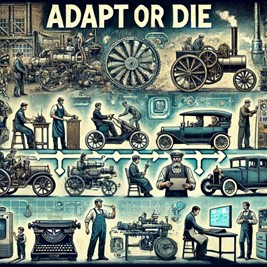
    Adapt or Get Left Behind: The Unyielding March of Innovation
    Throughout history, technological innovation has continuously reshaped industries, challenging the status quo and forcing societies to adapt or risk obsolescence. The fear of the unknown and the anxiety over potential job losses have been recurring themes, yet history consistently demonstrates that while some jobs disappear, new opportunities arise for those willing to evolve.
    The Dawn of the Industrial Revolution
    The Industrial Revolution marked a seismic shift in how goods were produced. Before its onset, most manufacturing was done in small workshops or homes, a system known as cottage industries. Skilled artisans hand-crafted items, from textiles to tools, relying on time-honored techniques passed down through generations.
    The introduction of mechanized production, particularly in textile manufacturing, triggered widespread panic among workers. The Luddite movement, which began in 1811 in England, epitomized this fear. Luddites, named after the mythical figure Ned Ludd, were skilled textile workers who saw the introduction of power looms and spinning frames as a direct threat to their livelihoods. They responded by smashing machinery, believing it was responsible for unemployment and poor working conditions.
    However, the mechanization of textile production didn’t eliminate jobs; it transformed them. While some traditional weavers and spinners lost their positions, the overall demand for textile workers grew as factories expanded and production increased. The skills required to operate machinery became more valuable, and new roles in machine maintenance, factory management, and logistics emerged.
    The broader impact of the Industrial Revolution was profound. It led to urbanization, as workers moved to cities to find factory jobs, and it laid the foundation for modern capitalism. The shift from agrarian economies to industrial powerhouses created unprecedented economic growth and raised living standards for many. Those who adapted to the new industrial landscape thrived, while those who resisted were left behind.
    The Arrival of the Automobile
    In the late 19th and early 20th centuries, the rise of the automobile transformed transportation and fundamentally altered the global economy. Before the car, people relied on horses, carriages, and railways to travel. The automobile’s introduction threatened not only blacksmiths and carriage makers but also the massive infrastructure built around horse-drawn transportation, including stables, farriers, and feed suppliers.
    Henry Ford’s assembly line production method made cars affordable to the masses, leading to an explosion in automobile ownership. The demand for horses plummeted, and many jobs associated with the horse industry disappeared. However, the automobile industry created a vast number of new jobs, from auto manufacturing to road construction, fueling stations, and car repair services.
    The ripple effects of the automobile’s success were enormous. It revolutionized the way cities were designed, leading to the development of suburbs and the creation of interstate highways. Entire industries sprang up around the car, including oil and gas, auto insurance, and even fast food, which catered to the new car culture.
    Moreover, the skills required in the automotive industry were different from those needed in the horse-and-buggy world. Blacksmiths, for example, had to adapt their skills to become mechanics, learning to repair engines instead of shoeing horses. Those who embraced the change found themselves at the forefront of a booming new industry, while those who clung to the old ways were left in the dust.
    The Age of Information: The Rise of Computers
    The latter half of the 20th century saw the dawn of the Information Age, driven by the development of computers and digital technology. This period brought about some of the most dramatic changes in how businesses operate and how people work.
    Consider the impact of computers on office work. Before the advent of personal computers (PCs), typewriters were the standard tool for writing and document creation. Typists, often working in large typing pools, were in high demand. The introduction of word processors, and later PCs with word processing software, revolutionized office work. Typing pools disappeared almost overnight, as one person with a computer could do the work of many.
    The transformation didn’t stop there. The rise of the internet and email further changed the way businesses communicated. Traditional mail, or “snail mail,” saw a decline as email became the preferred method of communication for both personal and professional correspondence. Postal workers and mailroom staff had to adapt as the volume of physical mail decreased, while those with skills in IT and digital communication became increasingly valuable.
    The Information Age also introduced automation in various sectors. In manufacturing, robots began to take over repetitive tasks on assembly lines, a process that continues to this day. While some workers feared that robots would eliminate jobs, automation often led to the creation of new roles in robotics maintenance, programming, and systems management. The demand for skilled workers who could design, build, and maintain these machines grew, offering new career paths for those willing to adapt.
    The Digital Disruption of Media
    The media industry provides a striking example of how technological innovation can disrupt long-established practices. In the 20th century, print newspapers were the primary source of news for the public. Journalists, editors, and printers worked in a well-oiled machine to deliver daily news to millions.
    However, the rise of the internet disrupted this model. Online news sources, blogs, and social media platforms began to provide real-time updates, often for free. The traditional newspaper industry struggled to compete with the speed and accessibility of digital news. Many newspapers closed, and jobs in print journalism declined sharply.
    Yet, the shift to digital media didn’t eliminate journalism; it transformed it. Journalists who adapted to the new medium found opportunities in online news outlets, where they could reach global audiences instantly. The rise of multimedia journalism allowed reporters to use video, audio, and interactive graphics to tell stories in ways that print never could. New roles emerged in digital content creation, social media management, and online advertising, offering a lifeline to those willing to embrace change.
    The evolution of media also highlights the broader societal impact of technological change. The democratization of information—where anyone with an internet connection can publish content—has given rise to citizen journalism and has challenged traditional power structures in media. While this has led to concerns about the spread of misinformation, it has also empowered individuals and communities to tell their own stories and advocate for change.
    The Gig Economy and the Future of Work
    In the 21st century, the rise of the gig economy represents yet another transformation in how people work. Platforms like Uber, Airbnb, and TaskRabbit have disrupted traditional employment models, offering flexibility and autonomy to workers but also raising concerns about job security and benefits.
    The gig economy has challenged industries ranging from transportation to hospitality. Traditional taxi services, for example, have faced stiff competition from ride-sharing apps, which allow drivers to work on their own terms. While some taxi drivers have struggled to compete, others have embraced the new model, finding opportunities to earn money on their own schedule.
    Similarly, the hotel industry has had to contend with the rise of home-sharing platforms like Airbnb. Some hotel workers and operators have seen their roles change as the demand for traditional accommodations shifts. However, the gig economy has also created new opportunities in areas like property management, home cleaning, and freelance work, as people seek to supplement their income or explore new career paths.
    The gig economy’s growth reflects a broader trend toward flexible, non-traditional work arrangements. As automation and AI continue to advance, the nature of work will likely continue to evolve, with more people engaging in freelance and contract work rather than traditional 9-to-5 jobs. This shift will require workers to be more adaptable and entrepreneurial, as they navigate a landscape where skills like digital literacy, self-management, and continuous learning become increasingly important.
    Artificial Intelligence: The Next Frontier
    Today, we stand on the brink of another major shift: the rise of Artificial Intelligence (AI) and machine learning. These technologies have the potential to revolutionize industries ranging from healthcare to finance, but they also bring with them fears of job displacement and economic disruption.
    AI has already begun to automate tasks that were once the domain of human workers. In healthcare, for example, AI-powered diagnostic tools can analyze medical images with incredible accuracy, potentially reducing the need for certain types of specialists. In finance, AI algorithms can analyze vast amounts of data to make investment decisions in real-time, challenging the traditional role of financial analysts.
    The fear that AI will lead to widespread unemployment is understandable, but history suggests that this outcome is not inevitable. Just as in previous eras of technological change, those who are willing to learn new skills and adapt to new tools will find opportunities in the AI-driven economy. AI will likely create new jobs in areas like AI ethics, algorithm auditing, and data science, as well as in sectors that we can’t yet imagine.
    Moreover, AI has the potential to enhance human capabilities rather than replace them. In creative fields like design, writing, and music, AI tools can assist professionals in generating ideas, refining their work, and reaching wider audiences. In manufacturing, AI can improve efficiency and precision, freeing up human workers to focus on more complex and creative tasks.
    The key to thriving in the age of AI is adaptability. Workers and businesses that embrace AI as a tool to enhance productivity and innovation will be well-positioned to succeed. Those who resist, on the other hand, risk being left behind in a rapidly changing world.
    The Broader Implications of Technological Change
    The history of technological innovation offers a clear lesson: those who adapt and evolve can thrive, while those who resist are often left behind. This pattern is not just about individual workers or specific industries; it reflects broader societal trends.
    As technology continues to advance, it will likely bring about changes that we cannot yet fully anticipate. The pace of innovation is accelerating, with developments in areas like quantum computing, biotechnology, and renewable energy poised to reshape the world in ways that are difficult to predict. This uncertainty can be unsettling, but it also offers immense potential for growth and improvement.
    Societies that invest in education, training, and infrastructure to support innovation will be better equipped to navigate these changes. By fostering a culture of lifelong learning and adaptability, we can ensure that people have the skills they need to succeed in a rapidly evolving world.
    At the same time, it’s important to recognize that technological change often brings challenges related to equity and access. Not everyone has the same opportunities to learn new skills or access new technologies. Addressing these disparities will be crucial to ensuring that the benefits of innovation are shared broadly and that no one is left behind.
    Conclusion: Embracing the Future
    The fear of being rendered obsolete by technology is as old as innovation itself. Yet, history consistently shows that while technology changes the nature of work, it also creates new opportunities. The key to thriving in an era of rapid technological change is adaptability—embracing new tools, learning new skills, and being open to new ways of thinking.
    As we look to the future, it’s clear that the march of innovation will continue. AI, automation, and other emerging technologies will bring both challenges and opportunities. Those who are willing to adapt, to learn, and to evolve will find themselves not just surviving, but thriving in the new world that technology is creating.
     

  • Dealing with ADHD and ADD: Understanding, and Managing it.

    By Scott J. Arnold

    Dealing with ADHD and ADD: Understanding, Managing, and Thriving
    1. Introduction: Understanding ADHD and ADD
    Attention-Deficit/Hyperactivity Disorder (ADHD) and Attention Deficit Disorder (ADD) are neurodevelopmental conditions that affect millions of people worldwide. Although ADHD and ADD are often used interchangeably, they represent different presentations of the same condition. ADHD is characterized by symptoms of inattention, hyperactivity, and impulsivity, while ADD, a subtype of ADHD, primarily involves inattention without significant hyperactivity. These disorders can impact individuals’ academic performance, work, relationships, and daily functioning. Understanding the nature of ADHD and ADD is the first step toward effective management and living a fulfilling life.
    2. Recognizing the Symptoms: How ADHD and ADD Manifest
    ADHD and ADD symptoms vary widely among individuals and can present differently in children, teenagers, and adults. Common symptoms include:
    • Inattention: Difficulty sustaining focus, frequent daydreaming, trouble following instructions, disorganization, and a tendency to lose things.
    • Hyperactivity (ADHD-specific): Restlessness, fidgeting, inability to sit still, excessive talking, and difficulty engaging in quiet activities.
    • Impulsivity: Acting without thinking, interrupting others, difficulty waiting for turns, and making hasty decisions.
    These symptoms can impact various areas of life, including academic achievement, job performance, social interactions, and self-esteem. Recognizing these signs is crucial for early intervention and treatment.
    3. The Causes of ADHD and ADD: Genetics, Brain Structure, and Environmental Factors
    ADHD and ADD are complex conditions with multiple contributing factors:
    • Genetics: ADHD often runs in families, suggesting a strong genetic component. Specific genes related to dopamine regulation, which affects attention and behavior, have been linked to the disorder.
    • Brain Structure and Function: Research shows differences in brain structure and activity in individuals with ADHD, particularly in areas related to attention, impulse control, and executive function.
    • Environmental Factors: Exposure to toxins (e.g., lead), prenatal exposure to alcohol or nicotine, low birth weight, and premature birth can increase the risk of developing ADHD.
    • Diet and Nutrition: Although diet alone does not cause ADHD, some studies suggest that food additives, sugar, and certain deficiencies (like omega-3 fatty acids) may influence symptoms.
    Understanding the underlying causes helps guide treatment and provides insight into why some individuals develop ADHD while others do not.
    4. Diagnosing ADHD and ADD: The Assessment Process
    Diagnosing ADHD and ADD involves a thorough evaluation by a healthcare professional, usually a psychiatrist, psychologist, or pediatrician. The assessment includes:
    • Clinical Interviews: Gathering information about symptoms, family history, and behavior in different settings (home, school, work).
    • Behavioral Questionnaires: Standardized scales and checklists completed by the individual, parents, teachers, or employers to assess symptoms.
    • Observational Assessments: Direct observation of behavior in structured and unstructured settings to evaluate attention, impulse control, and hyperactivity.
    • Exclusion of Other Conditions: Rule out other mental health disorders, learning disabilities, or medical conditions that could mimic ADHD symptoms, such as anxiety, depression, or thyroid problems.
    Accurate diagnosis is essential for effective treatment and helps differentiate ADHD from other conditions that may present with similar symptoms.
    5. Medication Management: Understanding Treatment Options
    Medication is one of the most common and effective treatments for ADHD and ADD. The primary medications used include:
    • Stimulants: Medications like methylphenidate (Ritalin) and amphetamine-based drugs (Adderall) are the most commonly prescribed. They work by increasing levels of dopamine and norepinephrine in the brain, improving focus and reducing impulsivity.
    • Non-Stimulants: Drugs like atomoxetine (Strattera) and guanfacine (Intuniv) are alternatives for those who cannot tolerate stimulants or have certain contraindications.
    • Benefits and Side Effects: While medications can significantly improve symptoms, they may also cause side effects such as sleep disturbances, decreased appetite, anxiety, and, in some cases, mood changes. Finding the right medication and dose often involves trial and error under medical supervision.
    Medication can be highly effective but is most beneficial when combined with other therapeutic approaches.
    6. Behavioral Therapy: Techniques for Managing Symptoms
    Behavioral therapy is a cornerstone of ADHD management, particularly for children and adolescents. Key approaches include:
    • Cognitive Behavioral Therapy (CBT): Helps individuals with ADHD recognize and change negative thought patterns and behaviors. CBT focuses on improving problem-solving, organization, and emotional regulation skills.
    • Parent Training and Education: Teaches parents how to set clear expectations, use positive reinforcement, and manage challenging behaviors effectively.
    • Social Skills Training: Addresses interpersonal difficulties common in ADHD, such as impulsivity and poor listening skills, helping individuals build healthier relationships.
    • Behavioral Interventions in Schools: Techniques such as using visual schedules, breaking tasks into smaller steps, and providing structured environments to support learning.
    Behavioral therapy is often used in conjunction with medication and is tailored to the individual’s specific needs.
    7. Lifestyle Modifications: Diet, Exercise, and Sleep
    Lifestyle changes can play a significant role in managing ADHD and ADD symptoms:
    • Dietary Interventions: Although no specific diet cures ADHD, a balanced diet rich in protein, omega-3 fatty acids, and complex carbohydrates can support brain health and improve concentration. Some individuals benefit from eliminating artificial additives, preservatives, and reducing sugar intake.
    • Exercise: Regular physical activity boosts dopamine and serotonin levels, which can enhance mood, focus, and overall brain function. Activities that combine physical movement with mindfulness, such as yoga or martial arts, are particularly beneficial.
    • Sleep Hygiene: Sleep difficulties are common in ADHD. Establishing a regular sleep routine, creating a restful environment, and avoiding caffeine or screens before bedtime can help improve sleep quality.
    Integrating these lifestyle changes can provide additional support for managing symptoms and improving daily functioning.
    8. Academic Accommodations and Support: Strategies for Success in School
    Children and adolescents with ADHD often face challenges in academic settings. Educational accommodations can help students succeed:
    • Individualized Education Plans (IEP): Provides tailored support for students with ADHD, including extended time on tests, modified assignments, and access to resource rooms.
    • Section 504 Plans: Offers accommodations for students in general education, such as preferential seating, breaks during tests, or organizational aids.
    • Classroom Strategies: Teachers can use visual aids, break tasks into smaller parts, and provide clear, concise instructions to help students stay focused and organized.
    Working closely with educators and school counselors ensures that students with ADHD receive the support they need to thrive academically.
    9. Managing ADHD in the Workplace: Tips for Adults
    ADHD can impact job performance, making it difficult for adults to stay organized, meet deadlines, or manage distractions. Strategies for success in the workplace include:
    • Time Management Tools: Using planners, timers, and digital reminders can help manage tasks and deadlines.
    • Minimizing Distractions: Creating a quiet workspace, using noise-canceling headphones, or setting specific times for checking emails can improve focus.
    • Breaking Tasks into Steps: Dividing large projects into smaller, manageable steps helps prevent overwhelm and procrastination.
    • Seeking Accommodations: Employers may provide accommodations under the Americans with Disabilities Act (ADA), such as flexible schedules or modified workspaces.
    Understanding and implementing these strategies can enhance productivity and job satisfaction for adults with ADHD.
    10. Dealing with Emotional Challenges: Self-Esteem, Anxiety, and Relationships
    Living with ADHD often involves navigating emotional challenges, such as low self-esteem, anxiety, and difficulties in relationships. Effective coping strategies include:
    • Mindfulness and Stress Reduction: Techniques like meditation, deep breathing, and mindfulness practices can help manage stress and improve emotional regulation.
    • Building Self-Esteem: Focusing on strengths, celebrating small achievements, and reframing negative thoughts can boost confidence.
    • Improving Communication Skills: Learning to listen actively, avoid interrupting, and express needs clearly can strengthen personal and professional relationships.
    Addressing the emotional aspects of ADHD is crucial for overall well-being and maintaining healthy relationships.
    11. Parenting a Child with ADHD: Guidance, Patience, and Support
    Parenting a child with ADHD can be challenging, requiring patience, understanding, and specific parenting strategies. Key approaches include:
    • Consistent Routines: Establishing clear routines helps children know what to expect, reducing anxiety and improving behavior.
    • Positive Reinforcement: Rewarding good behavior, rather than punishing mistakes, encourages compliance and boosts self-esteem.
    • Setting Clear Boundaries: Clear, concise rules and expectations, along with consistent consequences, help children understand acceptable behavior.
    Supporting a child with ADHD involves collaboration, communication, and seeking professional guidance when needed.
    12. The Future of ADHD and ADD Management: New Therapies and Hope
    Research into ADHD and ADD continues to evolve, with promising developments on the horizon:
    • Digital Therapeutics: Apps and digital platforms are being developed to provide personalized therapy, cognitive training, and symptom tracking.
    • Neuromodulation: Emerging treatments like transcranial magnetic stimulation (TMS) and neurofeedback offer non-pharmacological options to improve focus and behavior.
    • Genetic Research: Understanding the genetic basis of ADHD may lead to more targeted, personalized treatments in the future.
    As science advances, the prospects for managing ADHD continue to improve, offering hope for individuals and families affected by the condition.
    Conclusion: Thriving with ADHD and ADD
    Dealing with ADHD and ADD is an ongoing journey that involves understanding, managing symptoms, and finding the right support. With the right strategies, medication, therapy, and lifestyle adjustments, individuals with ADHD can lead successful, fulfilling lives. Empowering those with ADHD to harness their strengths and navigate their challenges is key to helping them thrive.


  • A Lesson in Economics September 20, 2024

    By Scott J. Arnold

    By: Scott J. Arnold   https://uscivilwar2024.us
    The Ignorance of Criticizing Billionaire Spending: A Lesson in Economics
    Whenever a billionaire buys a $300 million yacht, a private jet, or other luxury toys, there’s an outcry from the “do-gooders” who are quick to criticize such spending as wasteful or immoral. These voices often claim that the money could have been better spent on social causes or solving world problems. However, this knee-jerk reaction overlooks a fundamental economic truth: these purchases create jobs, support industries, and fuel economic growth in ways that benefit thousands of ordinary workers.
    Luxury Goods: More Than Just Status Symbols
    That $300 million yacht didn’t just magically appear out of thin air. It was meticulously designed, engineered, and built by skilled workers—engineers, designers, craftsmen, and laborers—who each had a hand in bringing it to life. These projects are massive undertakings, often employing hundreds, if not thousands, of people. Beyond the builders, you have an entire supply chain that benefits: steelworkers, electronics manufacturers, upholstery designers, and more. Each of these roles represents a job that supports a family, pays a mortgage, and sends kids to school.
    Private Jets: Not Just for Show
    Similarly, when a billionaire buys a private jet, it’s not just about luxury. The jet is a culmination of the work of highly skilled engineers, machinists, assembly line workers, pilots, and maintenance crews. The aviation industry, in particular, is a major source of high-paying jobs and innovation. Each jet sold supports these workers and keeps the industry competitive and innovative, ultimately trickling down to more jobs and economic stability.
    Economic Impact: Jobs, Innovation, and Tax Revenue
    Critics often fail to see the bigger picture: the massive economic impact of these luxury purchases. Each transaction involves not just the direct creation of jobs but also indirect economic stimulation. The companies that build these yachts and jets pay taxes, contribute to local economies, and often engage in further investments that create even more opportunities.
    Furthermore, these billionaires don’t hoard their wealth under a mattress; they spend, invest, and often donate substantial amounts to philanthropic causes. The businesses they support are cornerstones of the economy, providing opportunities that extend far beyond the luxurious lifestyles of the super-rich.
    The Real Question: Who’s Really Out of Touch?
    The real disconnect is with those who criticize without understanding. They are quick to point fingers but fail to grasp the economic ripple effect of luxury spending. The jobs created by these industries often pay far better than those in retail or service sectors. Rather than being wasteful, these expenditures are a testament to capitalism’s ability to distribute wealth through market mechanisms, innovation, and employment.
    Conclusion: Let’s Get Educated
    Before jumping to condemn luxury spending, it’s essential to consider the broader economic context. Billionaire spending on yachts, jets, and other high-ticket items creates jobs, supports industries, and stimulates the economy. Instead of labeling these purchases as wasteful, a more educated view reveals them as key drivers of job creation and economic growth—proving that the rich, through their spending, often do far more good than they’re given credit for.
     
    Luxury Spending and its Multiplier Effect
    The impact of luxury spending extends even further when considering the multiplier effect. This concept refers to the idea that every dollar spent in an economy generates additional economic activity. For instance, when a billionaire purchases a yacht, the money spent on the initial construction creates jobs and supports the supply chain. However, the economic activity doesn’t stop there. The workers employed in the construction and supply chain will also spend their earnings, creating further demand for goods and services in their communities. This process repeats, resulting in a significant overall economic impact.
    The Role of Government
    Government policies can either support or hinder the economic benefits of luxury spending. Policies that promote entrepreneurship and innovation help maintain a favorable environment for the creation of luxury goods and services. For example, the U.S. government’s research and development (R&D) tax credit incentivizes businesses to invest in technological innovation, which often leads to advancements in luxury industries. On the other hand, policies that discourage investment and tax heavily can have adverse effects on the overall economy.
    Thinking Globally
    The influence of luxury spending transcends national borders. International luxury brands, like Rolex and Mercedes-Benz, not only provide high-quality products for consumers but also support millions of jobs around the world. By engaging in international trade, these brands help create and maintain economic stability in countries where employment opportunities might be limited, thus contributing to a global reduction in poverty and inequality.
    Wealth Distribution and Social Mobility
    Luxury spending can have a significant impact on wealth distribution and social mobility. The wealth generated through luxury industries often “trickles down” in the form of employment opportunities and tax revenues. These, in turn, support social programs such as education and public infrastructure, as well as provide pathways for individuals to improve their socioeconomic standing. In many cases, the jobs created by luxury industries offer better wages and benefits than other sectors, allowing employees to access higher education and climb the social ladder. Thus, luxury spending can indirectly help narrow the wealth gap and promote social mobility.
    Final Thoughts
    Although luxury spending may initially appear extravagant or wasteful, considering the broader economic context reveals the numerous benefits of such spending. From job creation and innovation to tax revenues and social mobility, luxury industries significantly contribute to the global economy. As such, it’s essential to reassess our perceptions of luxury spending and instead appreciate the myriad positive effects it has on societies worldwide.
    Breaking Down the Stereotype: Billionaire Spending as a Catalyst for Positive Change
    The narrative around billionaire spending has long been framed as extravagant and indulgent, but the reality is far more complex and nuanced. Their spending on luxuries, as discussed earlier, inadvertently drives economic growth, supports industries, and generates employment opportunities. Nevertheless, it’s crucial to investigate further how these expenditures can have a far-reaching impact on society and effect positive change.
    Investments in Art and Real Estate
    Billionaires often invest in art and real estate, both of which can boost local economies and contribute to cultural enrichment. By purchasing and showcasing artwork, they help support artists and the wider arts community. This spending can lead to increased tourism, as people travel to view prestigious art collections or architecturally significant properties.
    Similarly, investments in real estate can lead to the revitalization of areas in decline. The restoration of historic buildings or the development of new properties creates jobs and fosters economic development. Moreover, these investments can result in increased property values and improved infrastructure, which positively affect surrounding communities and businesses.
    Philanthropy and the Pursuit of Knowledge
    Billionaires also frequently donate to educational institutions and scientific research. Such philanthropy can lead to breakthroughs in technology, medicine, and other fields, ultimately improving the human condition. Not only do these donations contribute to scientific advancements, but they also foster critical thinking and the pursuit of knowledge, helping to cultivate the next generation of leaders and innovators.
    Environmental Stewardship and Sustainability
    High-net-worth individuals are increasingly embracing their role as environmental stewards by investing in eco-friendly technologies and renewable energy sources. These investments can help mitigate climate change and promote sustainability by reducing carbon emissions and increasing energy efficiency. In this context, billionaire spending can lead to a greener and more sustainable future, directly addressing global environmental challenges.
    Reevaluating our Perspective
    When considering the broader impact of billionaire spending, it’s clear that these expenditures can contribute significantly to economic growth, social mobility, and environmental stewardship. By breaking down the stereotypes surrounding luxury purchases and recognizing their far-reaching positive effects, we can develop a more balanced perspective on the role of billionaires in society. Ultimately, the wealth generated through luxury industries can lead to significant advancements and improvements, making our world a better place for everyone.