Blog

  • The Use of Hog Organs in Medicine

    By Scott J. Arnold

    The Use of Hog Organs in Medicine: A New Frontier in Transplantation and Therapeutics
    1. Introduction: The Growing Need for Organ Transplants
    The demand for organ transplants far exceeds the supply, leading to long waiting lists and thousands of preventable deaths each year. In the United States alone, over 100,000 people are waiting for organ transplants, with only a fraction receiving the organs they need. This dire shortage has prompted researchers to explore alternative sources of organs, including xenotransplantation—the transplantation of organs or tissues from animals into humans. Among the animals considered, hogs (pigs) have emerged as the most promising candidates due to their anatomical and physiological similarities to humans.
    2. Why Hogs? Understanding the Choice of Pigs for Organ Transplants
    Hogs are considered ideal donors for several reasons:
    • Physiological Similarity: The size and function of pig organs closely resemble those of human organs, making them suitable for transplantation. For example, pig hearts, kidneys, and lungs are similar in size and structure to their human counterparts.
    • Breeding and Availability: Pigs are relatively easy to breed, have large litters, and grow quickly, making them a readily available source of organs.
    • Genetic Modifications: Advances in genetic engineering allow scientists to modify pig genes, reducing the risk of organ rejection and making pig organs more compatible with the human immune system.
    • Ethical and Practical Considerations: Compared to other potential donor animals like primates, pigs are more ethically acceptable and pose fewer concerns regarding disease transmission.
    These factors make pigs the leading candidates for xenotransplantation, providing hope for thousands of patients in need of life-saving organ transplants.
    3. Xenotransplantation: The Science Behind Pig-to-Human Transplants
    Xenotransplantation involves transplanting organs, tissues, or cells from one species into another. For human transplants, pigs are genetically modified to reduce the likelihood of rejection by the human immune system. Key scientific advancements in this field include:
    • Gene Editing Technologies: Techniques like CRISPR-Cas9 allow scientists to edit pig genes, removing antigens that trigger immune rejection and inserting human genes that promote acceptance of the organ.
    • Immunosuppression Protocols: Patients receiving xenotransplants are given immunosuppressive drugs to prevent their bodies from attacking the foreign organ. Researchers are working to improve these protocols to reduce side effects and enhance transplant success rates.
    • Organ Engineering: Biotechnological advances have made it possible to engineer pig organs to better match human physiological needs, such as creating blood vessels that function more like human blood vessels.
    These scientific innovations are pushing the boundaries of what is possible, making pig-to-human transplants a more viable and promising option.
    4. Early Successes: Landmark Pig Organ Transplants in Humans
    Recent breakthroughs in xenotransplantation have shown promising results, marking significant milestones in the use of pig organs for human transplants. Notable successes include:
    • Pig Heart Transplant: In January 2022, surgeons at the University of Maryland performed the first successful transplant of a genetically modified pig heart into a human patient. Although the patient later died, the surgery marked a historic step in demonstrating the feasibility of using pig organs in human transplants.
    • Kidney Transplants: Several trials have involved transplanting pig kidneys into brain-dead patients to study the organ’s functionality. These trials have shown that genetically modified pig kidneys can produce urine and filter blood without immediate rejection, highlighting the potential for future clinical use.
    • Liver and Lung Research: Experiments are ongoing to test the viability of pig livers and lungs in human recipients, with promising early results that could pave the way for broader use in clinical settings.
    These pioneering surgeries underscore the potential of pig organs to address the critical shortage of human donors and save lives.
    5. Medical Applications Beyond Organ Transplants
    In addition to whole organ transplants, pig tissues and cells are being used in various medical applications:
    • Pig Heart Valves: Pig heart valves have been used in humans for decades as a treatment for heart valve disease. These bioprosthetic valves are processed and treated to reduce the risk of rejection and have become a standard treatment for patients needing valve replacement.
    • Pancreatic Islet Cells: Pig pancreatic islet cells, which produce insulin, are being explored as a treatment for Type 1 diabetes. Transplanting these cells into patients could potentially help regulate blood sugar levels without the need for insulin injections.
    • Skin Grafts: Pig skin has been used as a temporary wound covering for burn patients, providing immediate protection and promoting healing while the patient’s skin regenerates.
    These applications demonstrate the versatility of pig tissues in medicine, offering new solutions for managing chronic conditions and improving patient outcomes.
    6. Ethical Considerations: Balancing Innovation with Animal Welfare
    The use of pig organs in medicine raises ethical questions that must be carefully considered:
    • Animal Rights and Welfare: The genetic modification and use of pigs for organ harvesting raise concerns about animal welfare. Ensuring humane treatment and ethical standards in the breeding and handling of pigs used for medical purposes is critical.
    • Informed Consent and Risk: Patients receiving xenotransplants must be fully informed of the potential risks, including the possibility of organ rejection and the need for lifelong immunosuppressive therapy.
    • Public Perception and Acceptance: Public attitudes toward xenotransplantation vary, with some individuals expressing concerns about the use of animal organs in humans. Educating the public about the benefits and addressing ethical concerns are essential for gaining broader acceptance.
    Balancing the ethical implications with the potential to save lives is a complex but necessary aspect of advancing this field.
    7. Regulatory Challenges: Ensuring Safety and Efficacy
    Regulating xenotransplantation involves navigating complex legal, medical, and ethical landscapes:
    • FDA Oversight: In the United States, the Food and Drug Administration (FDA) regulates xenotransplantation, ensuring that procedures meet safety standards and that risks of cross-species disease transmission are minimized.
    • Screening for Zoonotic Diseases: One of the primary concerns is the potential transmission of zoonotic diseases (diseases that can jump from animals to humans). Rigorous screening and monitoring protocols are in place to minimize these risks.
    • Clinical Trials and Approval: Xenotransplantation procedures must undergo extensive clinical trials to demonstrate their safety and efficacy before they can be widely used in clinical practice.
    These regulatory processes are designed to protect patients while enabling scientific innovation to move forward responsibly.
    8. The Potential Risks of Xenotransplantation
    While xenotransplantation offers hope, it also comes with significant risks:
    • Immune Rejection: Even with genetic modifications, pig organs can still trigger immune responses that lead to rejection. Researchers are working to refine immunosuppression protocols and develop new methods to reduce this risk.
    • Infection Risk: The introduction of animal tissues into the human body poses a risk of infections that could be difficult to treat. Rigorous screening and sterilization processes are critical to minimize these dangers.
    • Long-Term Outcomes: The long-term success of pig organ transplants is still unknown. Ongoing studies are needed to monitor recipients and assess the longevity and functionality of transplanted organs.
    Addressing these risks is crucial to advancing xenotransplantation as a safe and viable medical option.
    9. The Future of Xenotransplantation: Research and Innovation
    The future of xenotransplantation holds great promise, with ongoing research focused on improving outcomes and expanding applications:
    • Advanced Genetic Engineering: Future developments in gene editing, such as CRISPR-Cas9, are expected to further reduce the risks associated with pig organ transplants by making organs more compatible with the human immune system.
    • Regenerative Medicine: Researchers are exploring the possibility of using pig organs as scaffolds for human cells, creating hybrid organs that are even more closely matched to the recipient’s biology.
    • Expanding Organ Availability: With further advancements, xenotransplantation could significantly reduce the wait time for organ transplants, providing timely interventions for patients in need.
    These innovations represent a new frontier in medicine, offering hope for a future where organ shortages are no longer a barrier to life-saving treatments.
    10. Conclusion: A New Era in Transplant Medicine
    The use of hog organs in human medicine is a groundbreaking development that has the potential to revolutionize transplant medicine. By addressing the critical shortage of human organs, xenotransplantation offers a lifeline to patients who would otherwise face dire outcomes. As research continues to advance, the ethical, regulatory, and medical challenges must be navigated carefully to ensure that this innovative approach is both safe and accessible.
    With continued investment in science and technology, the dream of using pig organs to save human lives is becoming an increasingly achievable reality, marking a significant step forward in the quest to end organ shortages and transform the future of transplantation.



  • Operation High jump: From Its Objectives to Its Legacy

    By Scott J. Arnold

    Operation High jump: From Its Objectives to Its Legacy
    Introduction
    Operation Highjump was one of the largest Antarctic expeditions ever conducted by the United States, organized by Rear Admiral Richard E. Byrd in 1946-1947. Officially known as The United States Navy Antarctic Developments Program, Operation Highjump aimed to establish an American research presence in Antarctica, train personnel for polar conditions, and test military equipment in extreme environments. This article explores the origins, execution, findings, and ongoing controversies surrounding Operation Highjump.
    1. Background and Origins of Operation Highjump
    In the aftermath of World War II, the U.S. Navy sought to expand its knowledge of polar operations and secure strategic advantages in Antarctica. The decision to launch Operation Highjump was influenced by the need to enhance cold-weather military capabilities and explore potential bases that could be used in the event of future conflicts.
    • Admiral Richard E. Byrd’s Role: Rear Admiral Byrd, a veteran polar explorer, was tasked with leading the mission. Byrd’s extensive experience in Antarctic exploration and aviation made him the ideal choice to oversee the operation’s ambitious objectives.
    • Geopolitical Context: The operation was partly driven by fears of Soviet expansion in the polar regions. As the Cold War began, the U.S. aimed to assert its presence in Antarctica to prevent any potential encroachments by rival powers.
    2. Objectives and Planning of Operation Highjump
    Operation Highjump was designed to achieve several key objectives, including training personnel, testing equipment, conducting scientific research, and expanding U.S. territorial claims in Antarctica. The operation involved extensive planning and coordination, highlighting the logistical challenges of conducting large-scale operations in such a remote environment.
    • Key Objectives: The primary goals were to establish Little America IV, a base in Antarctica, and to map as much of the continent as possible using aerial photography. The operation also aimed to assess the feasibility of year-round operations in extreme polar conditions.
    • Logistical Planning: The operation involved 4,700 personnel, 13 ships, and 33 aircraft, making it one of the largest Antarctic expeditions in history. Coordinating such a massive force required meticulous planning, including the transport of supplies, fuel, and provisions necessary for survival in one of the world’s harshest environments.
    3. Execution of Operation Highjump
    Operation Highjump commenced in December 1946, with ships departing from Norfolk, Virginia, and heading towards the Antarctic continent. The task force was divided into several groups, each with specific responsibilities ranging from reconnaissance and mapping to logistical support.
    • Establishing Base Little America IV: One of the first tasks was to set up Little America IV, the primary base of operations. This involved constructing living quarters, setting up communication systems, and preparing aircraft for reconnaissance missions.
    • Aerial Reconnaissance and Mapping: The operation’s aerial component was critical, with aircraft conducting extensive reconnaissance flights to map previously unexplored areas. The planes used high-resolution cameras to photograph vast stretches of the icy landscape, contributing to the most detailed maps of Antarctica at the time.
    4. Challenges and Dangers Faced by the Expedition
    The extreme conditions of Antarctica posed significant challenges to the men and equipment involved in Operation Highjump. Harsh weather, subzero temperatures, and unpredictable ice conditions tested the limits of both human endurance and military technology.
    • Weather and Environmental Hazards: The harsh Antarctic weather, including severe blizzards and whiteouts, disrupted operations and posed constant risks to personnel. Several aircraft were damaged or lost due to icy runways and treacherous flying conditions.
    • Tragic Incidents: The operation was marred by the loss of several lives due to accidents. The most notable incident involved a PBM Mariner seaplane that crashed into the ice, killing three crew members. These tragedies underscored the inherent dangers of conducting operations in such an unforgiving environment.
    5. Scientific Discoveries and Achievements
    Despite the operational difficulties, Operation Highjump made significant contributions to the scientific understanding of Antarctica. The data collected during the expedition provided valuable insights into the continent’s geography, climate, and potential resources.
    • Mapping and Photographic Surveys: The aerial reconnaissance missions covered over 70,000 square miles of previously uncharted territory. The photographic surveys were instrumental in creating accurate maps of Antarctica, aiding future exploration and research.
    • Meteorological and Geophysical Research: The operation also conducted meteorological and geophysical studies, collecting data on weather patterns, ice thickness, and magnetic anomalies. These findings helped advance scientific knowledge of the polar regions.
    6. Military Applications and Cold Weather Training
    One of the primary military objectives of Operation Highjump was to test the performance of military personnel and equipment in extreme cold-weather conditions. The lessons learned during the operation informed future Arctic and Antarctic missions and influenced the development of cold-weather military gear.
    • Testing Military Equipment: The operation tested the limits of aircraft, ships, and vehicles in subzero temperatures, evaluating their performance under harsh conditions. This knowledge was valuable for improving cold-weather operations during the early Cold War period.
    • Training Personnel for Polar Warfare: Training exercises conducted during the operation helped prepare U.S. military personnel for future polar deployments. The experience gained from Operation Highjump would later be applied to other cold-weather operations, including those in the Arctic.
    7. The End of Operation Highjump and Its Immediate Aftermath
    Operation Highjump concluded in February 1947, several weeks earlier than planned due to deteriorating weather conditions and logistical challenges. The expedition returned to the United States, bringing back a wealth of data that would shape future Antarctic exploration.
    • Premature Termination: The decision to end the operation early was influenced by a combination of factors, including equipment failures, worsening weather, and the loss of personnel. Despite these setbacks, the operation was considered a success in terms of achieving its primary objectives.
    • Debriefing and Analysis: Upon returning to the U.S., the Navy conducted a thorough analysis of the operation’s findings, assessing the performance of equipment and the effectiveness of cold-weather training. The insights gained were used to refine military tactics and strategies for polar environments.
    8. Conspiracy Theories and Speculation Surrounding Operation Highjump
    Operation Highjump has been the subject of numerous conspiracy theories, particularly those involving alleged encounters with hidden military bases, unidentified flying objects, and secret Nazi installations in Antarctica. These theories, though widely debunked, have fueled public fascination with the operation.
    • Claims of Secret Nazi Bases: Some conspiracy theorists have suggested that the operation’s true purpose was to confront secret Nazi bases hidden in Antarctica, a claim based on speculation and sensationalist accounts. There is no credible evidence to support these assertions.
    • UFO Sightings and Allegations: Other theories have linked Operation Highjump to alleged UFO sightings, suggesting that the U.S. encountered extraterrestrial technology during the mission. These claims are rooted in the broader post-war UFO hysteria and lack substantiated proof.
    9. The Legacy of Operation Highjump
    Operation Highjump’s legacy lies in its contributions to scientific knowledge, military training, and international interest in Antarctica. The operation set the stage for subsequent expeditions and laid the groundwork for the Antarctic Treaty, which established the continent as a zone of peaceful scientific cooperation.
    • Influence on Future Expeditions: The success of Operation Highjump inspired future Antarctic missions, including Operation Deep Freeze in the 1950s, which established permanent American research stations on the continent.
    • Impact on Antarctic Policy: The operation’s achievements highlighted the strategic and scientific importance of Antarctica, influencing the negotiations that led to the Antarctic Treaty of 1959. This treaty, signed by 12 nations, prohibits military activity on the continent and promotes scientific collaboration.
    10. Conclusion: Operation Highjump’s Place in History
    Operation Highjump remains one of the most ambitious and significant polar expeditions in history. While primarily a military operation, it contributed greatly to scientific understanding and set the stage for the modern era of Antarctic exploration. Despite its challenges and the controversies that surround it, Operation Highjump stands as a testament to human determination and the desire to explore the most remote corners of the Earth.
     

  • Hedy Lamarr: The Hollywood Icon and Inventive Genius

    By Scott J. Arnold

    Hedy Lamarr: The Hollywood Icon and Inventive Genius
    1. Introduction: A Star Beyond the Silver Screen
    Hedy Lamarr is often remembered as one of the most glamorous actresses of Hollywood’s Golden Age, known for her stunning beauty and captivating performances on screen. However, behind her Hollywood persona was a brilliant mind that defied the stereotypes of her time. Lamarr was not just a movie star but also a prolific inventor whose pioneering work laid the foundation for technologies that are integral to our modern world. Her story is one of talent, innovation, and a relentless pursuit of knowledge that went largely unrecognized during her lifetime.
    2. Early Life: From Vienna to Hollywood
    Born Hedwig Eva Maria Kiesler on November 9, 1914, in Vienna, Austria, Hedy Lamarr grew up in a well-to-do Jewish family. Her father, Emil Kiesler, was a successful banker, and her mother, Gertrud, was a pianist. From a young age, Lamarr showed an aptitude for both the arts and sciences. She was fascinated by the mechanics of machines, often taking apart and reassembling household items to understand how they worked. However, it was her beauty that first caught the world’s attention, propelling her into the world of acting.
    Lamarr began her film career in Europe, where she gained international fame for her controversial role in the 1933 film Ecstasy, which featured one of the first portrayals of female nudity in cinema. This notoriety caught the eye of Hollywood producer Louis B. Mayer, who signed her to a contract and brought her to the United States, renaming her Hedy Lamarr. She quickly became one of the most sought-after actresses in Hollywood.
    3. The Hollywood Years: Fame, Glamour, and Frustration
    Throughout the 1930s and 1940s, Lamarr starred in a series of successful films, including Algiers (1938), Boom Town (1940), and Samson and Delilah (1949). She was celebrated as “the most beautiful woman in the world,” but despite her screen success, Lamarr often found herself frustrated by the roles she was offered. Hollywood typecast her as the exotic seductress, and she was rarely given the opportunity to showcase her intelligence or depth as an actress.
    Lamarr’s off-screen life was equally glamorous but tumultuous. She was married six times, including to Fritz Mandl, a wealthy Austrian arms dealer who tried to stifle her independence. Her marriages were often troubled, and Lamarr struggled to find personal fulfillment amid the pressures of Hollywood and her personal relationships. Despite her fame, she longed for a deeper intellectual engagement, which she found in her passion for invention.
    4. The Inventive Mind: Hedy Lamarr’s Passion for Science and Innovation
    Lamarr’s interest in invention was not a passing hobby but a serious pursuit that occupied much of her time away from the film set. She had a workshop in her home where she would experiment with various ideas, often collaborating with friends and professionals who shared her interests. Lamarr’s inventiveness was sparked by her experiences during World War II, where she witnessed the impact of technological advancements on the war effort.
    Her most significant contribution to science came during this period when she co-invented a revolutionary communication system intended to help the Allies during the war. Lamarr’s invention was not merely a product of curiosity but a sophisticated application of scientific principles that would later transform modern communication technology.
    5. Frequency Hopping: The Invention That Changed the World
    In 1940, Lamarr teamed up with composer and pianist George Antheil to develop a frequency-hopping spread spectrum technology. The invention was designed to prevent the jamming of radio-controlled torpedoes by the enemy, a significant issue for the U.S. Navy at the time. By using a piano roll to change radio frequencies at irregular intervals, their system ensured that the signal could not be easily intercepted or jammed.
    Lamarr and Antheil’s work was groundbreaking, combining knowledge of radio wave technology with creative problem-solving. In 1942, they received U.S. Patent No. 2,292,387 for their “Secret Communication System.” Although the technology was not immediately adopted by the military, it laid the groundwork for many modern wireless communication technologies, including Bluetooth, Wi-Fi, and GPS.
    6. The Unrecognized Genius: Overlooked Contributions and Delayed Recognition
    Despite the significance of their invention, Lamarr and Antheil’s work was not immediately recognized. The U.S. Navy dismissed their technology as too complex and chose not to implement it during the war. Moreover, Lamarr’s status as a Hollywood actress contributed to the dismissal of her scientific contributions. At the time, it was almost unthinkable that a glamorous movie star could also be a serious inventor.
    For decades, Lamarr’s contributions to science went largely unacknowledged. She continued to invent, working on ideas such as an improved traffic stoplight and a tablet that would dissolve in water to create a carbonated drink, but her inventions never received the same recognition as her film work. It wasn’t until much later in her life that Lamarr’s role as a pioneering inventor began to receive the attention it deserved.
    7. Later Years: Isolation, Struggles, and Resilience
    As Lamarr’s film career declined in the 1950s, she increasingly withdrew from the public eye. She faced numerous personal and financial challenges, including legal battles, failed marriages, and issues with her children. Lamarr also struggled with her identity, often feeling overshadowed by her Hollywood persona, which did not reflect her true intellect or achievements.
    Despite these difficulties, Lamarr remained resilient, continuing to innovate and inspire those who knew her. She spent her later years in relative seclusion in Florida, but her impact on the world of technology began to resurface in the 1990s when her contributions to spread spectrum technology were finally recognized.
    8. Recognition at Last: Honors and Legacy
    In 1997, Lamarr and Antheil were awarded the Electronic Frontier Foundation (EFF) Pioneer Award for their contributions to wireless communication. This long-overdue recognition highlighted the impact of their work on modern technology, reaffirming Lamarr’s legacy as more than just a Hollywood star. In the same year, Lamarr was also the first woman to receive the BULBIE Gnass Spirit of Achievement Award, often referred to as the “Oscar of inventing.”
    Lamarr’s story serves as a reminder that brilliance can come from unexpected places. Her dual legacy as a screen icon and a technological trailblazer has inspired countless women in STEM fields, challenging the stereotypes of what inventors and scientists can look like.
    9. Hedy Lamarr’s Impact on Modern Technology: The Birth of Wi-Fi, Bluetooth, and Beyond
    Today, the principles behind Lamarr and Antheil’s frequency-hopping technology are integral to the digital world. Spread spectrum technology is the foundation of secure wireless communications used in mobile phones, Wi-Fi networks, Bluetooth devices, and military communications. Lamarr’s work was far ahead of its time, and her vision of secure, reliable communication has become a reality that underpins much of modern life.
    The concept of frequency hopping has also been applied in cybersecurity, satellite communications, and even quantum computing research. Lamarr’s contributions are a testament to the power of cross-disciplinary innovation, where ideas from music, film, and science intersect to create groundbreaking technologies.
    10. Hedy Lamarr in Popular Culture: Celebrating Her Genius
    Lamarr’s life story has inspired numerous books, documentaries, and films that celebrate her genius and explore the complexities of her identity. The 2017 documentary Bombshell: The Hedy Lamarr Story brought her story to a new generation, highlighting her dual roles as a film star and inventor. The film received critical acclaim and helped to cement Lamarr’s legacy as a pioneering figure in both the entertainment and technology industries.
    Lamarr has also been recognized in various other ways, including a star on the Hollywood Walk of Fame and her induction into the National Inventors Hall of Fame in 2014. Her life continues to serve as an inspiring example of the intersection of art, beauty, and scientific inquiry.
    11. Lessons from Hedy Lamarr: Breaking Barriers and Defying Expectations
    Hedy Lamarr’s story offers valuable lessons about the importance of perseverance, curiosity, and breaking societal barriers. Despite facing significant obstacles, including sexism, typecasting, and personal struggles, Lamarr never stopped pursuing her passions. Her ability to defy expectations—both as an actress and as an inventor—reminds us of the untapped potential within all individuals, regardless of their background or public persona.
    Lamarr’s journey also highlights the importance of recognizing and celebrating diverse talents. Her contributions to technology were overlooked for decades due to the biases of her time, but her legacy endures as a reminder that intelligence and creativity know no bounds.
    12. Conclusion: The Enduring Legacy of Hedy Lamarr
    Hedy Lamarr was a woman ahead of her time, whose intelligence and creativity extended far beyond the silver screen. As both a celebrated actress and a pioneering inventor, she broke barriers and challenged the stereotypes of her era. Her frequency-hopping invention laid the groundwork for many of the technologies that define our modern world, proving that her true genius was not limited to her beauty or her film roles.
    Lamarr’s story continues to inspire those who dare to think differently, reminding us that innovation often comes from the most unexpected places. Her legacy lives on in every wireless communication we make, in every innovation that pushes the boundaries of what is possible, and in the ongoing celebration of those who, like Lamarr, refuse to be defined by a single narrative.


  • Big Pharma and the Exploitation of Africa: A Deep Dive into Ethical

    By Scott J. Arnold

    Big Pharma and the Exploitation of Africa: A Deep Dive into Ethical Violations and Human Rights Concerns
    The pharmaceutical industry’s history of using Africa as a testing ground for drugs, vaccines, and medical procedures has raised significant ethical, moral, and human rights concerns. Over the decades, pharmaceutical companies, often referred to collectively as “Big Pharma,” have conducted clinical trials and experiments in Africa under questionable circumstances, exploiting vulnerable populations for profit. This article explores 15 critical aspects of how Big Pharma uses Africa as a “guinea pig,” focusing on historical precedents, unethical practices, and the ongoing impact on African communities.
    1. Historical Context: A Legacy of Medical Exploitation
    Africa’s exploitation by foreign powers dates back to the colonial era, where medical experimentation on African bodies was often conducted without consent or ethical oversight. This legacy laid the groundwork for contemporary practices where Big Pharma continues to conduct trials in Africa, often bypassing the ethical standards required in Western countries. The Tuskegee Syphilis Study in the United States, although not conducted in Africa, exemplifies the global disregard for Black bodies in medical research, setting a precedent for similar abuses on the African continent.
    2. Lack of Regulation and Oversight in Clinical Trials
    One of the primary reasons Big Pharma targets Africa for clinical trials is the lack of stringent regulatory oversight. Many African countries lack the infrastructure, resources, and regulatory frameworks needed to adequately monitor clinical trials. This regulatory gap allows pharmaceutical companies to conduct experiments with minimal supervision, often sidestepping ethical guidelines that would be mandatory in Europe or the United States.
    3. Exploiting Poverty and Vulnerability
    Big Pharma often takes advantage of the widespread poverty and lack of access to healthcare in many African nations. Offering free treatment or financial incentives, these companies can easily recruit participants who are desperate for medical care. However, the lack of informed consent and understanding of the risks involved means that many participants do not fully grasp the implications of their involvement in experimental trials.
    4. The Pfizer Trovan Scandal in Nigeria
    One of the most infamous cases of Big Pharma exploiting Africa was the 1996 Pfizer Trovan trial in Kano, Nigeria. During a meningitis outbreak, Pfizer tested an experimental antibiotic, Trovan, on children without proper consent or ethical approval. The trial resulted in the deaths of several children and severe health complications for others. The scandal highlighted the dire consequences of unethical medical trials and the exploitation of vulnerable populations by powerful pharmaceutical companies.
    5. The Ethics of Informed Consent
    Informed consent is a fundamental principle of ethical medical research. However, in many African clinical trials, consent is often inadequately obtained. Language barriers, lack of education, and the complex nature of medical jargon mean that many participants do not fully understand the nature of the trials they are involved in. In some cases, participants are coerced or misled, making the process of informed consent more of a formality than a true safeguard.
    6. Testing Drugs on African Populations Before Western Approval
    Pharmaceutical companies often test new drugs on African populations before seeking approval in Western markets. This practice allows them to collect data on drug efficacy and safety with lower costs and less regulatory scrutiny. However, the lack of stringent ethical standards raises questions about the validity and humanity of these trials, particularly when adverse effects occur that would have halted trials in more regulated environments.
    7. Vaccine Trials and the Double Standards of Safety
    Vaccine trials in Africa have often been conducted under conditions that would not be acceptable in Western countries. In many cases, vaccines that have not been fully tested for safety are administered to African populations under the guise of public health initiatives. While some trials have led to significant medical breakthroughs, others have caused harm, including severe side effects, long-term health problems, and even death.
    8. The Role of International Organizations in Facilitating Trials
    International organizations, including the World Health Organization (WHO) and various NGOs, often facilitate clinical trials in Africa. While their involvement is usually well-intentioned, their partnerships with Big Pharma can blur the lines between ethical oversight and exploitation. The lack of stringent accountability measures means that these organizations can inadvertently become complicit in unethical trials.
    9. Data Manipulation and Lack of Transparency
    Big Pharma’s lack of transparency in reporting clinical trial data is another significant issue. In many cases, negative results or adverse effects are downplayed or omitted from published reports, skewing the perception of a drug’s safety and efficacy. This manipulation of data not only misleads the public but also undermines the scientific integrity of medical research conducted in Africa.
    10. Post-Trial Access to Medications
    A common ethical violation in clinical trials is the failure to provide continued access to effective treatments once a trial has concluded. Participants in Africa often contribute to the development of life-saving drugs, only to be denied access to those drugs once they are approved and marketed in wealthier countries. This exploitation highlights the inequity in how benefits from medical research are distributed.
    11. The Impact on Public Trust in Medicine
    The unethical practices of Big Pharma in Africa have eroded public trust in medicine and healthcare. Many Africans view clinical trials with suspicion, fearing exploitation and harm. This distrust extends to legitimate public health initiatives, including vaccination campaigns, where communities may be hesitant to participate due to past abuses. Rebuilding trust is a significant challenge for healthcare providers and researchers.
    12. The Economic Drivers Behind Exploitation
    Pharmaceutical companies are profit-driven entities, and clinical trials are a critical part of their business model. By conducting trials in Africa, companies can reduce costs significantly, as trials in Western countries are often much more expensive due to higher regulatory standards, higher participant compensation, and stricter ethical guidelines. This economic incentive creates a system where African populations are exploited as cost-saving measures in the race to bring new drugs to market.
    13. The Legal and Financial Settlements That Follow Scandals
    When unethical trials come to light, Big Pharma often resolves disputes through legal settlements rather than addressing systemic issues. Financial compensation may be provided to victims, but these settlements rarely lead to meaningful change in how trials are conducted. The financial power of pharmaceutical companies allows them to absorb these costs as a part of doing business, without implementing reforms that would protect future trial participants.
    14. The Role of Local Governments and Corruption
    Corruption within local governments and regulatory bodies in African countries often facilitates the exploitation of populations by Big Pharma. Officials may accept bribes or turn a blind eye to unethical practices in exchange for financial gain. This lack of accountability at the governmental level undermines efforts to enforce ethical standards and protect citizens from exploitation.
    15. Moving Forward: Calls for Ethical Reform and Accountability
    The exploitation of African populations by Big Pharma has sparked calls for reform from activists, ethical bodies, and international organizations. There is a growing movement to strengthen regulatory frameworks, enforce informed consent standards, and ensure that clinical trials are conducted transparently and ethically. Advocacy for greater accountability, fair compensation, and post-trial access to medications is essential to protect vulnerable populations from being used as mere guinea pigs in the pursuit of profit.
    Conclusion
    Big Pharma’s exploitation of Africa as a testing ground for new drugs and treatments is a complex issue that reflects broader ethical, economic, and regulatory failures. The prioritization of profit over people has led to numerous abuses, from inadequate consent processes to the denial of life-saving medications post-trial. To move forward, it is crucial to implement stricter oversight, enforce ethical standards, and ensure that the benefits of medical research are equitably shared with those who participate in it.
    By addressing these systemic issues, the global community can work towards a more just and ethical approach to clinical research—one that respects the rights and dignity of all individuals, regardless of where they live.
     

  • The Nephilim Giants Cover-Up

    By Scott J. Arnold

    The Nephilim Giants Cover-Up: Exploring Ancient Myths, Theories, and Alleged Suppression
    Introduction
    The Nephilim, often referred to as giants or “fallen ones,” are mysterious beings mentioned in ancient texts, including the Bible, particularly in the Book of Genesis. Described as offspring of “the sons of God” and “daughters of men,” these figures have fascinated and puzzled scholars, theologians, and conspiracy theorists alike. Over the years, theories have emerged suggesting that evidence of the Nephilim has been suppressed or covered up by governments, religious institutions, and academic communities. This article explores the myths, historical interpretations, archaeological claims, and the alleged cover-up surrounding the Nephilim.
    1. Biblical Origins and Ancient Texts
    The Nephilim are first mentioned in Genesis 6:4, where they are described as mighty beings who existed before the Great Flood. Additional references appear in the apocryphal Book of Enoch, which expands on their origins, depicting them as the offspring of fallen angels and human women. According to these texts, the Nephilim were giants of great strength and wickedness, and their presence on Earth was one of the reasons for the biblical flood.
    • The Book of Enoch: The Book of Enoch, a non-canonical text revered in some ancient Jewish traditions, describes the Watchers—angels who descended to Earth, defied divine law, and interbred with humans. Their offspring, the Nephilim, were depicted as giants who consumed all resources, led humans astray, and engaged in destructive behavior.
    • Interpretations of Nephilim: Throughout history, interpretations of the Nephilim have varied widely. Some see them as literal giants, while others view them as symbolic representations of human corruption, tyrannical rulers, or divine punishment. The exact nature of the Nephilim remains a topic of debate among scholars, with some considering them historical beings and others relegating them to myth.
    2. Historical Accounts of Giants in Different Cultures
    References to giants are not limited to the Bible. Ancient cultures worldwide have stories of giant beings, suggesting that the concept of giants has deep roots in human consciousness. From Greek Titans to Norse Jotnar, many civilizations have myths of enormous beings who interacted with humans, often serving as gods, warriors, or adversaries.
    • Greek Mythology: The Titans, primordial giants who ruled before the Olympian gods, were central figures in Greek mythology. Their battles with Zeus and the Olympians, known as the Titanomachy, echo the theme of giants being overthrown by divine forces.
    • Norse Mythology: Norse legends tell of the Jotnar, giant beings who frequently clashed with the gods of Asgard. The Jotnar were seen as powerful, often hostile forces of nature that represented chaos and destruction.
    • Native American Legends: Various Native American tribes have legends of giant beings, such as the red-haired giants known to the Paiute people. These stories often describe encounters between giants and humans, resulting in conflict and eventual extermination of the giants.
    3. Archaeological Claims and Alleged Evidence
    Over the years, numerous claims of giant skeletons being discovered have surfaced, sparking debates about the existence of the Nephilim or other giant beings. These alleged findings often include reports of oversized bones, skulls, and entire skeletons that far exceed normal human proportions.
    • The Alleged Smithsonian Cover-Up: One of the most persistent theories is that the Smithsonian Institution and other authorities have actively suppressed evidence of giant skeletons. Proponents of this theory argue that skeletons unearthed in the 19th and early 20th centuries were either confiscated or destroyed to protect mainstream historical narratives.
    • Famous Discoveries: Reports of giant skeletons have emerged from various places, including North America, where newspaper articles from the 1800s occasionally reported discoveries of human remains over 10 feet tall. However, these stories are often dismissed by mainstream archaeologists as exaggerations, hoaxes, or misidentifications of animal bones.
    • Challenges to Authenticity: Skeptics argue that many of these claims lack credible documentation, scientific verification, or clear photographic evidence. They attribute most giant skeleton stories to folklore, journalistic sensationalism, or outright fraud rather than genuine archaeological findings.
    4. Theories of Suppression and Motivation Behind the Cover-Up
    Conspiracy theories surrounding the suppression of evidence about giants often suggest that such findings challenge established scientific, religious, or historical paradigms. The idea is that revealing the existence of Nephilim or giants would upend conventional views on human history, evolution, and biblical accounts.
    • Religious Implications: For some, the suppression of evidence related to giants is seen as an effort to control religious narratives. Proof of Nephilim would validate certain biblical accounts, potentially reshaping theological interpretations and church doctrines.
    • Scientific and Academic Concerns: From an academic perspective, acknowledging the existence of giants would challenge established scientific theories, particularly those related to human evolution. Anthropologists and historians have constructed detailed timelines of human development, and the introduction of Nephilim or giant beings would disrupt these models.
    • Control of Information: Conspiracy theorists argue that powerful institutions, such as museums, governments, and academia, have a vested interest in maintaining control over the historical narrative. They suggest that evidence of giants is systematically hidden or discredited to avoid public scrutiny and maintain existing paradigms.
    5. Modern Media and the Nephilim Narrative
    The idea of Nephilim and ancient giants has permeated popular culture, influencing books, movies, and television series. These depictions often blend historical texts with speculative fiction, drawing on the mystique of hidden truths and forbidden knowledge.
    • Books and Documentaries: Works like “The Ancient Giants Who Ruled America” by Richard J. Dewhurst and various History Channel documentaries have explored the idea that giants once roamed the Earth. While often criticized for their lack of academic rigor, these works have captivated audiences and fueled interest in the Nephilim legend.
    • Movies and TV Shows: Films like “Noah” (2014) and TV shows like “Ancient Aliens” have also touched on the concept of Nephilim, portraying them as part of a larger narrative of ancient mysteries and hidden histories. These portrayals often mix fact and fiction, enhancing the allure of the Nephilim as both real and mythical beings.
    6. Skeptical Views and Debunking Efforts
    Mainstream scholars and scientists generally view the Nephilim narrative and giant skeleton claims with skepticism. They argue that most evidence is either misinterpreted, fabricated, or lacking in credible documentation. Skeptics emphasize the importance of rigorous scientific standards in verifying extraordinary claims.
    • Anthropological Perspective: From an anthropological standpoint, the idea of a race of giants existing alongside early humans is highly unlikely. Studies of human evolution show a clear trajectory of development without evidence of a separate lineage of giant beings.
    • Exposing Hoaxes: Several high-profile claims of giant skeletons have been debunked as hoaxes. For example, some of the most famous photographs of giant bones were proven to be digitally altered images or deliberate fabrications intended to deceive.
    7. Ongoing Debates and the Quest for Truth
    The debate over the Nephilim and giant skeletons reflects a broader fascination with the unknown and the desire to explore alternative histories. While evidence supporting the existence of Nephilim remains controversial, the enduring allure of giants continues to inspire speculation and debate.
    • Calls for Open Research: Advocates for the Nephilim narrative often call for more open research, transparency from institutions, and a willingness to explore unorthodox theories. They argue that science should remain open to new discoveries that could reshape our understanding of the past.
    • Balancing Myth and Reality: Understanding the Nephilim requires a balance between respecting ancient texts and recognizing the limitations of historical and archaeological evidence. While the idea of giants has deep cultural roots, distinguishing myth from reality remains a critical challenge.
    8. Conclusion: A Mystery That Endures
    The story of the Nephilim and the alleged cover-up of giant skeletons speaks to humanity’s enduring fascination with ancient mysteries and the search for hidden truths. Whether viewed as literal beings, symbolic representations, or purely mythical figures, the Nephilim continue to captivate imaginations and provoke questions about our past. While the evidence remains inconclusive, the debate itself highlights the complex interplay between history, faith, science, and storytelling. The legend of the Nephilim endures, not just as a tale of giants, but as a testament to the human spirit’s unending quest to understand the world beyond the visible and the known.
     

  • Frank Sinatra: The Voice, The Legend, The Man

    By Scott J. Arnold

    Frank Sinatra: The Voice, The Legend, The Man
    1. Introduction: The Rise of an Icon
    Frank Sinatra, often referred to as “Ol’ Blue Eyes” and “The Chairman of the Board,” was one of the most influential and celebrated entertainers of the 20th century. His smooth voice, charisma, and emotional delivery made him an icon in the world of music and film. Born into a humble Italian-American family, Sinatra’s journey from a small-time singer in Hoboken, New Jersey, to an international superstar was marked by talent, determination, and resilience. Sinatra’s career spanned more than five decades, during which he won multiple awards, overcame personal and professional setbacks, and cemented his place in the pantheon of American popular culture.
    2. Early Life: From Hoboken to Stardom
    Francis Albert Sinatra was born on December 12, 1915, in Hoboken, New Jersey, to Italian immigrant parents. His father, Martin, was a boxer and firefighter, while his mother, Natalie (known as Dolly), was a politically influential figure in their community. Sinatra’s early life was marked by a deep love of music, and he was inspired by the great jazz and swing musicians of the era, such as Bing Crosby and Louis Armstrong.
    Sinatra dropped out of high school to pursue his dream of becoming a singer. He began his career by performing in local clubs and singing on the radio. His big break came in 1939 when he joined Harry James’ big band as a vocalist. Shortly after, he was recruited by Tommy Dorsey’s band, one of the most popular big bands of the time. Sinatra’s time with Dorsey was pivotal; it helped him refine his vocal style and learn the intricacies of phrasing and breath control that would define his singing.
    3. The Solo Career: Becoming The Voice of a Generation
    Sinatra left Dorsey’s band in 1942 to embark on a solo career, a decision that initially brought mixed results. However, by the mid-1940s, Sinatra had become a sensation, especially among young women, who swooned at his concerts and dubbed him “The Voice.” His popularity soared, and he became a staple on radio, in movies, and on stage.
    Sinatra’s early solo hits included classics like “All or Nothing at All,” “I’ll Never Smile Again,” and “Nancy (With the Laughing Face).” His unique style—marked by smooth phrasing, impeccable timing, and a deep emotional connection to the lyrics—set him apart from his contemporaries. Sinatra was not just a singer; he was a storyteller, and his ability to convey complex emotions through his voice endeared him to millions.
    4. The Fall and Comeback: Career Lows and Triumphs
    The late 1940s and early 1950s were a tumultuous period for Sinatra. His career began to decline due to vocal cord hemorrhages, personal scandals, and changing musical tastes. By 1952, Sinatra found himself without a record contract and struggling to regain his former glory. Many in the industry had written him off as a has-been, but Sinatra’s resilience and determination would soon lead to one of the greatest comebacks in entertainment history.
    In 1953, Sinatra’s fortunes turned around dramatically when he won the Academy Award for Best Supporting Actor for his role in From Here to Eternity. This triumph marked the beginning of his resurgence, both as an actor and a singer. He signed with Capitol Records and began recording a series of albums that are now considered some of the greatest in popular music history, including Songs for Swingin’ Lovers! (1956), In the Wee Small Hours (1955), and Come Fly with Me (1958).
    5. Reinventing the Crooner: The Capitol Years and Artistic Maturity
    Sinatra’s recordings with Capitol Records showcased a mature artist at the peak of his powers. Working with arrangers like Nelson Riddle, Gordon Jenkins, and Billy May, Sinatra crafted a sound that combined lush orchestrations with his increasingly nuanced vocal performances. His albums from this period were characterized by their sophisticated arrangements and Sinatra’s ability to interpret songs with depth and emotion.
    One of the most notable aspects of Sinatra’s artistry during the Capitol years was his willingness to tackle darker, more introspective material. Albums like In the Wee Small Hours and Only the Lonely (1958) delved into themes of heartbreak, loneliness, and existential angst, reflecting Sinatra’s own personal struggles. These albums were groundbreaking in their emotional honesty and helped to elevate the popular music album as a serious art form.
    6. The Rat Pack Era: Las Vegas, Friendship, and Showmanship
    During the late 1950s and early 1960s, Sinatra became synonymous with the Rat Pack, a group of entertainers that included Dean Martin, Sammy Davis Jr., Peter Lawford, and Joey Bishop. The Rat Pack was known for their performances at the Sands Hotel in Las Vegas, where they entertained audiences with a mix of music, comedy, and camaraderie.
    Sinatra was the unofficial leader of the group, and their performances embodied the carefree, fun-loving spirit of the era. The Rat Pack’s influence extended beyond the stage; they became cultural icons and symbols of the swinging 60s. Despite their playful onstage personas, the group also used their celebrity status to advocate for civil rights, with Sinatra and Davis famously challenging racial segregation in Las Vegas.
    7. Sinatra the Actor: A Hollywood Heavyweight
    In addition to his musical achievements, Sinatra enjoyed a successful film career, starring in over 60 films throughout his life. His versatility as an actor allowed him to excel in a variety of roles, from musicals and comedies to serious dramas and thrillers. Some of his most notable films include Guys and Dolls (1955), Pal Joey (1957), The Manchurian Candidate (1962), and Ocean’s 11 (1960).
    Sinatra’s acting was praised for its authenticity and intensity, often drawing from his own experiences to bring characters to life. His portrayal of complex, often conflicted characters showcased his range as an actor and earned him critical acclaim, including an Academy Award nomination for The Man with the Golden Arm (1955), in which he played a heroin addict struggling to stay clean.
    8. The Chairman of the Board: Founding Reprise Records and Business Ventures
    In 1960, dissatisfied with the limitations of major record labels, Sinatra founded his own label, Reprise Records, giving him creative control over his music. This move allowed Sinatra to continue recording and experimenting with new musical styles well into his later years. Reprise became home not only to Sinatra’s work but also to other major artists, helping to establish Sinatra as a savvy businessman in addition to his artistic talents.
    Beyond music, Sinatra was involved in various business ventures, including real estate, film production, and casinos. He was a shrewd entrepreneur who understood the power of his brand and used his influence to build an empire that extended far beyond the stage and screen.
    9. Personal Life: Marriages, Scandals, and Controversies
    Sinatra’s personal life was as complex and eventful as his professional career. He was married four times, to Nancy Barbato, Ava Gardner, Mia Farrow, and Barbara Marx. His tumultuous relationship with Gardner, in particular, was marked by intense passion, public spats, and periods of separation, making headlines worldwide.
    Sinatra’s connections with organized crime figures also fueled controversy throughout his life. While he was never charged with any criminal activity, his associations with notorious mobsters like Sam Giancana and his involvement in the infamous Cal Neva Lodge scandal in Lake Tahoe contributed to a darker side of his public persona.
    10. The Political Sinatra: Friendships, Feuds, and Activism
    Sinatra was deeply involved in politics and maintained close relationships with several U.S. presidents, including John F. Kennedy and Ronald Reagan. Initially a staunch Democrat and a major supporter of JFK, Sinatra’s falling out with the Kennedy family was a turning point in his political affiliations, leading him to later support Republican candidates, including Richard Nixon and Reagan.
    Sinatra was also a vocal advocate for civil rights, using his platform to speak out against racial discrimination and perform at integrated venues. He was a financial supporter of Martin Luther King Jr. and played a role in advancing the cause of racial equality during a time of significant social upheaval.
    11. The Twilight Years: Retirement, Comebacks, and Final Performances
    Sinatra announced his retirement in 1971, only to return to performing just two years later. He continued to tour and record throughout the 1970s and 1980s, albeit with diminishing vocal power. Despite occasional struggles with his voice, Sinatra remained a beloved figure, drawing large audiences who came to see the legend in action.
    In the 1990s, Sinatra’s health began to decline, and he made his final public performance in 1995 at a tribute concert marking his 80th birthday. His last years were marked by illness and seclusion, and he passed away on May 14, 1998, at the age of 82. His death marked the end of an era, but his music and influence have continued to endure.
    12. The Musical Legacy: Influencing Generations of Artists
    Sinatra’s influence on music is immeasurable. He redefined popular singing by introducing a level of emotional expression and technical mastery that had never been seen before. His phrasing, timing, and ability to convey deep emotion through song have inspired countless artists, from Tony Bennett and Michael Bublé to Bob Dylan and Lady Gaga.
    Sinatra’s recordings remain standards of excellence in vocal performance, and his albums continue to be celebrated as some of the best in popular music history. His approach to interpreting lyrics, connecting with audiences, and embracing the artistry of the song set a new standard that has influenced generations of performers.
    13. The Humanitarian Side: Philanthropy and Giving Back
    Beyond his entertainment career, Sinatra was also known for his philanthropy. He supported numerous charitable causes, including children’s hospitals, medical research, and educational scholarships. He often used his celebrity status to raise funds for those in need, demonstrating a commitment to giving back that complemented his public persona.
    Sinatra’s generosity extended to his friends, colleagues, and fans, with many stories of his quiet acts of kindness coming to light after his death. Whether it was paying medical bills for a sick friend or funding scholarships for underprivileged youth, Sinatra’s legacy of giving remains an important part of his enduring appeal.
    14. Frank Sinatra in Popular Culture: Movies, Tributes, and Mythology
    Sinatra’s life and career have been the subject of numerous books, documentaries, and films. His image as the ultimate entertainer—a man who could command a stage, charm an audience, and navigate the complexities of fame—continues to captivate new generations. Sinatra’s music is still widely featured in films, commercials, and television, often evoking the glamour and nostalgia of a bygone era.
    His story has been mythologized in countless ways, from his early days as a heartthrob to his later years as the elder statesman of entertainment. Sinatra’s life, with its highs and lows, serves as a powerful narrative of the American Dream—an immigrant’s son who rose to become one of the most recognizable and beloved figures in the world.
    15. Conclusion: The Enduring Legacy of Frank Sinatra
    Frank Sinatra’s impact on music, film, and popular culture is unparalleled. He was more than just a singer or an actor; he was a cultural icon whose influence transcended generations. Sinatra’s ability to connect with audiences, his drive to constantly reinvent himself, and his refusal to be defined by his setbacks make his story one of the most compelling in entertainment history.
    Sinatra’s legacy lives on through his timeless recordings, his contributions to the arts, and the many artists he inspired. As a performer, he set the standard for excellence, and as a person, he embodied the complexities of fame, fortune, and humanity. Frank Sinatra will always be remembered as “The Voice”—a legend whose music continues to resonate and whose life story continues to inspire.
     

  • Why the Taste and Quality of Food is Getting Worse

    By Scott J. Arnold

    Why the Taste and Quality of Food is Getting Worse

    There’s a growing perception that the taste and quality of food are getting worse, with many people reminiscing about the days when fruits were sweeter, vegetables were more flavorful, and meats tasted better. This isn’t just a romanticized view of the past; there are real, tangible reasons behind this decline. Changes in agricultural practices, food processing methods, supply chain logistics, and consumer habits have all contributed to the deteriorating taste and quality of food. This article delves into six key factors that explain why our food is not as good as it used to be.
    1. Industrial Agriculture and the Loss of Flavor
    One of the primary reasons for the decline in food quality is the shift towards industrial agriculture, which prioritizes yield and shelf life over taste and nutritional value. Modern farming techniques focus on producing large quantities of food quickly and cheaply, often at the expense of flavor. For instance, fruits and vegetables are bred for size, uniformity, and the ability to withstand long-distance shipping, rather than for their taste. This has led to the widespread cultivation of varieties that look good on supermarket shelves but lack the rich flavors found in heirloom or traditionally grown produce.
    Tomatoes, once known for their sweet and tangy taste, are a prime example of this problem. Commercially grown tomatoes are often picked green and ripened artificially using ethylene gas to make them look red and ripe. However, this process compromises their flavor, resulting in a bland and watery product. Similarly, strawberries, peaches, and other fruits have lost much of their natural sweetness and complexity because the varieties that taste best are not the ones that perform best in large-scale agricultural systems.
    Moreover, the intensive use of chemical fertilizers, pesticides, and monoculture farming depletes the soil of essential nutrients, affecting the flavor profile of the crops grown. Soils rich in organic matter and diverse microorganisms contribute to the complexity of flavors in fruits and vegetables. However, industrial farming practices often strip the soil of these qualities, resulting in food that looks good but tastes flat.
    2. Overprocessing and the Rise of Ultra-Processed Foods
    The modern food industry relies heavily on processing to extend shelf life, reduce costs, and enhance convenience, but this often comes at the expense of taste and nutrition. Ultra-processed foods—those that contain additives, preservatives, artificial colors, and flavors—dominate grocery store shelves. These products are designed for mass production and long shelf life, not for superior taste or quality.
    Processing methods, such as canning, freezing, and drying, can degrade the natural flavors and textures of food. For instance, canned vegetables often taste bland and mushy compared to their fresh counterparts because the canning process involves high temperatures that destroy flavor compounds. Frozen foods may retain their nutrients better, but they often lose their taste and texture due to the freezing and thawing process.
    Furthermore, many processed foods are packed with excessive amounts of salt, sugar, and artificial flavorings to mask the loss of natural taste caused by processing. These additives can overwhelm the palate, making it harder to appreciate the subtle, natural flavors of whole foods. Over time, constant exposure to these artificial tastes can alter our perception of what food should taste like, leading us to crave more intense, but less natural, flavors.
    3. Global Supply Chains and the Impact of Long-Distance Transport
    The global nature of the modern food supply chain means that many of the foods we consume travel thousands of miles before reaching our plates. This long-distance transport requires foods to be harvested before they are fully ripe and flavorful, to ensure they survive the journey without spoiling. The result is produce that looks good on arrival but lacks the taste and nutritional quality of locally grown, fresh-picked foods.
    The emphasis on shipping durability has led to the breeding of fruits and vegetables that can withstand long journeys, often at the cost of taste. For example, apples are stored for months in controlled environments before being sold, which significantly impacts their flavor and texture. The same is true for bananas, which are picked green and ripened artificially, resulting in a far less complex flavor profile than tree-ripened fruit.
    Moreover, during transport, food is often exposed to conditions that further degrade its quality. Temperature fluctuations, extended storage times, and handling all contribute to the loss of flavor, texture, and nutritional value. By the time food reaches the consumer, it may have already lost much of what makes it taste fresh and delicious.
    4. Decline in Nutrient Density and Soil Health
    Over the past few decades, numerous studies have shown that the nutrient density of fruits and vegetables has declined significantly. Modern agricultural practices, such as the use of synthetic fertilizers and monoculture farming, have depleted soil health, leading to crops that are less nutritious and less flavorful. Healthy, nutrient-rich soil is essential for producing food that tastes good and is good for you, as it provides the minerals and trace elements that contribute to the flavor profile of plants.
    For example, vegetables grown in nutrient-rich soil tend to have more vibrant flavors because they absorb a greater variety of minerals. However, industrial farming often prioritizes quantity over quality, using synthetic fertilizers that deliver only the basic nutrients needed for growth but do not replenish the full spectrum of minerals found in healthy soil. This degradation of soil health has a direct impact on the taste and nutritional quality of the food produced.
    Additionally, the overuse of pesticides and herbicides can disrupt the natural ecosystem of the soil, killing beneficial microorganisms that play a crucial role in enhancing the flavor and nutrient content of plants. As soil health continues to decline, so too does the quality of the food it produces, contributing to the perception that food doesn’t taste as good as it once did.
    5. Genetic Modification and Breeding for Shelf Life
    Selective breeding and genetic modification have revolutionized agriculture, allowing farmers to grow crops that are more resistant to pests, diseases, and extreme weather conditions. However, these advances often come at the expense of taste. In many cases, flavor has been sacrificed in favor of traits that enhance yield, shelf life, and transportability.
    Genetic modification and selective breeding can result in fruits and vegetables that are larger, hardier, and less prone to bruising, but they often lack the complex flavors of their traditional counterparts. For instance, modern wheat varieties have been bred to produce high yields and resist pests, but many people argue that they lack the rich, nutty flavor of older, heritage grains. The same can be said for many fruits, where varieties that ripen quickly and uniformly are favored over those that develop flavor more slowly.
    This shift in breeding priorities has also affected animal products. Livestock is often raised on diets designed to promote rapid growth rather than optimal health, resulting in meats that are less flavorful. Chickens, for example, are bred to grow rapidly and produce large breasts, but the meat is often described as bland compared to heritage breeds that are raised more slowly on diverse diets.
    6. Consumer Preferences and the Convenience Culture
    Consumer demand for convenience and low-cost food has played a significant role in shaping the modern food landscape. Fast food, ready-to-eat meals, and snack foods have become staples in many diets, often at the expense of quality and flavor. These products are designed to be quick, cheap, and satisfying, but they are frequently high in salt, sugar, and unhealthy fats, which can dull the palate and lead to a preference for highly processed foods over fresh, natural options.
    The rise of convenience foods has also influenced how fresh foods are grown and marketed. Farmers and food manufacturers cater to consumer demands for aesthetically pleasing, uniformly sized, and easy-to-prepare foods, often prioritizing appearance and convenience over flavor. This trend is evident in everything from pre-cut fruit in plastic containers to baby carrots, which are not actually baby-sized but full-sized carrots shaped into smaller, more convenient pieces.
    Additionally, the emphasis on speed and convenience extends to the way food is prepared and consumed. Home cooking has declined as more people opt for quick, processed meals, which further distances consumers from the taste of fresh, high-quality ingredients. As cooking skills diminish, so does the appreciation for the nuanced flavors that come from using whole, fresh foods and traditional cooking methods.
    Conclusion
    The decline in the taste and quality of food is the result of a complex interplay of factors, including industrial agriculture, overprocessing, long-distance transport, declining soil health, genetic modification, and changing consumer preferences. While these changes have brought some benefits, such as increased food availability and reduced costs, they have also led to a noticeable decline in the flavor and nutritional value of the food we eat.
    Reversing this trend will require a concerted effort to prioritize taste, quality, and sustainability in our food choices. This means supporting local and organic farming practices, choosing minimally processed foods, and embracing traditional cooking techniques that bring out the best flavors in our ingredients. By reconnecting with the sources of our food and valuing quality over convenience, we can begin to reclaim the taste and enjoyment that has been lost in the modern food landscape.


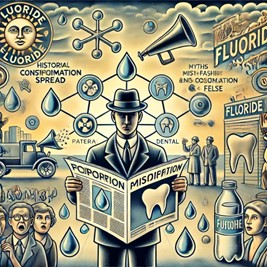
  • The Myth of Fluoride Use in Nazi Germany

    By Scott J. Arnold

    The Myth of Fluoride Use in Nazi Germany: Separating Fact from Fiction
    1. Introduction: The Origins of the Fluoride Conspiracy Theory
    The belief that Nazis used fluoride to control the population is a widely spread conspiracy theory with no historical evidence. This theory often suggests that the Nazi regime added fluoride to drinking water to subdue, pacify, or make populations more docile, thereby exerting totalitarian control. Despite being repeatedly debunked by historians and experts, the claim persists in popular culture and among anti-fluoridation advocates.
    2. Understanding Fluoride: What Is It and Why Is It Used?
    Fluoride is a naturally occurring mineral found in water, soil, and various foods. Its use in drinking water for dental health began in the United States in the mid-20th century. Scientific research established that low levels of fluoride help prevent tooth decay. Public water fluoridation became a widely adopted public health measure globally, aimed at reducing cavities and improving oral hygiene, particularly in children.
    3. The Propagation of the Nazi Fluoride Myth
    The myth that Nazis used fluoride to control prisoners and populations emerged long after World War II and became part of broader anti-fluoridation rhetoric. This claim was popularized in the 1950s and 1960s by individuals critical of government interventions in public health. Conspiracy theorists often cited unverifiable sources, lacking documentation or scientific backing, to support their arguments.
    4. Lack of Historical Evidence: No Credible Sources
    There is no credible historical evidence that the Nazis or any other regime used fluoride in water supplies for mind control. Historians specializing in Nazi Germany and World War II, as well as experts in public health, have found no records, documents, or testimonies supporting this claim. Key Nazi documents, trials, and extensive historical research on the period make no mention of fluoride being used as a means of population control.
    5. Anti-Fluoridation Movement in the Post-War Era
    The post-war anti-fluoridation movement, which started in the United States, often conflated legitimate scientific debates about fluoride’s health effects with broader distrust of government authority. Opponents of fluoridation, particularly in the 1950s, accused the government of using fluoride as a means of social control, tapping into Cold War fears of communism, and totalitarianism. The Nazi fluoride myth became a convenient, though unfounded, argument in these debates.
    6. Cold War Paranoia and the Rise of Conspiracy Theories
    During the Cold War, paranoia about government control, chemical warfare, and brainwashing was rampant. Fluoridation became a target of these fears, seen by some as a form of mass medication without consent. Claims that Nazis used fluoride to control populations were further fueled by a general atmosphere of distrust toward scientific and governmental institutions during this time.
    7. The Role of Disinformation and Misinformation
    Disinformation and misinformation play significant roles in the persistence of the Nazi fluoride myth. Misinterpretation of historical events, intentional spread of false information, and the blending of real and imagined threats contribute to the longevity of such myths. Many of these claims have been spread through books, online forums, and documentaries that present them as fact without credible evidence.
    8. Scientific Rebuttals: Why Fluoride Is Not a Mind Control Substance
    Scientific research shows that fluoride, at levels used in water fluoridation, does not have sedative, narcotic, or mind-controlling effects. Its impact is primarily on dental health, strengthening tooth enamel and reducing cavities. High levels of fluoride can cause adverse health effects, such as dental fluorosis, but these effects are cosmetic and do not affect cognitive or psychological function.
    9. The Impact of the Myth on Public Perception
    Despite being debunked, the Nazi fluoride myth continues to influence public perception. It fuels skepticism and fear about water fluoridation, leading to resistance in some communities. The spread of the myth reflects broader issues of distrust in public health initiatives and the power of conspiracy theories to shape public discourse.
    10. Why the Myth Persists: Psychological and Social Factors
    The persistence of the Nazi fluoride myth can be attributed to psychological factors, such as confirmation bias and the appeal of simple explanations for complex social phenomena. It also plays into a narrative of government mistrust and the desire to challenge authority. The myth serves as a convenient shorthand for broader fears about loss of autonomy and control.
    11. Addressing the Misinformation: Public Education and Scientific Literacy
    Combating the Nazi fluoride myth requires ongoing efforts in public education and the promotion of scientific literacy. Addressing misconceptions about fluoride, providing clear, evidence-based information, and engaging with communities in open dialogue are critical steps in countering this and similar myths. Public health organizations and experts continue to work to dispel these fears through transparent communication.
    12. Conclusion: The Importance of Historical Accuracy and Critical Thinking
    The claim that Nazis used fluoride in water as a method of control is a historically inaccurate and dangerous conspiracy theory. It serves as a reminder of the need for critical thinking and skepticism toward unfounded claims, especially those that play into fears of government overreach. Understanding the real history of fluoride use and separating fact from fiction is essential in preserving trust in public health measures that are designed to improve, not harm, society.
     

  • The Devastating Impact of Fentanyl: A Crisis Unfolding

    By Scott J. Arnold

    The Devastating Impact of Fentanyl: A Crisis Unfolding
    Introduction
    Fentanyl, a powerful synthetic opioid, has emerged as one of the most dangerous and deadly drugs in the world today. Originally developed as a pain management tool for severe and chronic conditions, fentanyl has made its way onto the streets, where its potency—up to 100 times stronger than morphine—has led to a dramatic rise in overdose deaths. The United States and many other countries are grappling with a fentanyl crisis that has had devastating effects on individuals, families, and communities. This article explores the rise of fentanyl, its impact on public health, the factors driving its widespread abuse, and the measures being taken to address this deadly epidemic.
    1. Understanding Fentanyl: What Makes It So Dangerous?
    Fentanyl is a synthetic opioid that is used medically to treat severe pain, particularly in cancer patients or those undergoing major surgery. Its effectiveness in pain management is due to its high potency and rapid onset, which provides significant relief in situations where other opioids may fail. However, the same properties that make fentanyl effective in medical settings also make it highly dangerous when misused.
    Fentanyl’s potency is its most critical and lethal attribute. Even a small amount, equivalent to a few grains of salt, can cause a fatal overdose. This extreme potency makes it easy to transport and smuggle, as a tiny quantity can be diluted and sold as numerous doses. Because fentanyl is often mixed with other drugs like heroin, cocaine, or counterfeit prescription pills without the user’s knowledge, it greatly increases the risk of accidental overdose. Users who are unaware of fentanyl’s presence may consume a much stronger dose than they intended, leading to respiratory failure and death within minutes.
    Unlike other opioids, fentanyl binds more tightly to opioid receptors in the brain, which makes it harder to reverse with naloxone, the standard medication used to counteract opioid overdoses. This heightened difficulty in treating fentanyl overdoses has contributed to the sharp rise in fatalities, overwhelming emergency responders and healthcare systems.
    2. The Alarming Rise of Fentanyl in the Illicit Drug Market
    The rise of fentanyl in the illicit drug market can be traced back to a combination of factors, including the high demand for opioids, the ease of manufacturing synthetic drugs, and the significant profit margins for traffickers. Fentanyl’s low production cost and extreme potency make it an attractive option for drug dealers looking to maximize their profits, often at the expense of users’ lives.
    Illicit fentanyl is primarily manufactured in clandestine labs, often located in countries like China and Mexico, before being smuggled into the United States and other nations. The global nature of fentanyl production makes it difficult to regulate and control. Unlike traditional drugs that require large-scale cultivation (such as heroin from poppy fields), fentanyl can be synthesized in small labs with relatively accessible chemicals, making it easy for criminal organizations to produce and distribute.
    The widespread availability of fentanyl has led to its infiltration into various drug supplies. Users often have no idea they are consuming fentanyl, as it is commonly mixed into other drugs to increase their potency. This practice has turned recreational drug use into a deadly gamble, where a single dose can prove fatal. The unpredictable nature of street drugs laced with fentanyl has contributed to the dramatic increase in overdose deaths, making fentanyl the leading cause of drug-related fatalities in many countries.
    3. The Impact on Public Health: Overdoses, Addiction, and the Strain on Healthcare
    The impact of fentanyl on public health cannot be overstated. Overdose deaths involving fentanyl have skyrocketed in recent years, with the U.S. alone reporting tens of thousands of fatalities annually linked to synthetic opioids. The crisis has affected all demographics, from teenagers experimenting with drugs to older adults struggling with chronic pain and addiction. The sheer scale of the problem has overwhelmed healthcare systems, first responders, and public health agencies.
    Fentanyl’s impact extends beyond just overdose deaths; it also plays a significant role in the ongoing opioid addiction crisis. Many individuals who become addicted to prescription opioids or heroin are unknowingly exposed to fentanyl, leading to a rapid escalation in their dependence and risk of fatal overdose. The cycle of addiction fueled by fentanyl is particularly vicious, as the drug’s potency causes severe withdrawal symptoms, pushing users to seek out increasingly dangerous amounts to avoid the physical pain of withdrawal.
    The strain on emergency medical services is profound. Responders are frequently called to treat overdoses, often administering multiple doses of naloxone to revive individuals who have used fentanyl. Hospitals and rehabilitation centers are struggling to keep up with the influx of patients needing urgent care, detoxification, and long-term addiction treatment. The overwhelming demand for resources highlights the critical need for comprehensive public health strategies to address the fentanyl crisis.
    4. The Social and Economic Toll: Families, Communities, and Beyond
    The devastation caused by fentanyl extends beyond the individual to families, communities, and society as a whole. Families are torn apart as loved ones succumb to addiction and overdose, leaving behind grieving parents, children, and partners. The emotional trauma experienced by those who lose a family member to fentanyl is compounded by the stigma often associated with drug use, making it difficult for families to seek support and healing.
    Communities are also bearing the brunt of the fentanyl crisis. Increased crime, homelessness, and strain on social services are common in areas hit hardest by opioid abuse. Public spaces such as parks and libraries are often sites of drug use, leading to safety concerns and a diminished quality of life for residents. Local governments are struggling to address the multifaceted impacts of the crisis, from providing addiction treatment services to managing the environmental hazards posed by discarded needles and drug paraphernalia.
    Economically, the costs associated with fentanyl addiction and overdoses are staggering. The burden on healthcare systems, law enforcement, and social services, along with lost productivity and the impact on families, adds up to billions of dollars annually. This economic strain underscores the need for effective interventions and policies that address the root causes of the crisis rather than merely treating its symptoms.
    5. Efforts to Combat the Crisis: Law Enforcement, Public Policy, and Harm Reduction
    Addressing the fentanyl crisis requires a multifaceted approach that combines law enforcement, public health initiatives, and harm reduction strategies. Law enforcement agencies play a crucial role in disrupting the supply of illicit fentanyl, targeting drug trafficking organizations, and intercepting shipments at borders. However, the global nature of fentanyl production and distribution makes it difficult to completely halt the flow of the drug into communities.
    Public policy efforts have focused on expanding access to naloxone, improving addiction treatment options, and implementing educational campaigns about the dangers of fentanyl. Many states have passed Good Samaritan laws to encourage people to seek emergency help during overdoses without fear of legal repercussions. These laws are critical in saving lives, as immediate medical intervention is often the difference between life and death in fentanyl overdoses.
    Harm reduction strategies, such as supervised injection sites, needle exchange programs, and fentanyl test strips, aim to reduce the risk of overdose and provide users with safer options. These programs acknowledge that while stopping drug use altogether is the ultimate goal, providing safer means of consumption and access to healthcare can prevent immediate harm and serve as a gateway to recovery.
    Education is another vital component of combating the crisis. Public awareness campaigns that inform individuals about the risks of fentanyl, how to recognize an overdose, and how to administer naloxone can empower communities to respond effectively. Education efforts also need to address the stigma of addiction, encouraging those struggling with substance use to seek help without fear of judgment.
    6. Moving Forward: Solutions and the Path to Recovery
    While the fentanyl crisis presents significant challenges, there are pathways forward that can help mitigate its impact and prevent further loss of life. Expanding access to comprehensive addiction treatment is essential. This includes increasing the availability of medication-assisted treatment (MAT) options such as methadone and buprenorphine, which can help manage withdrawal symptoms and reduce cravings in individuals with opioid use disorder.
    Investment in mental health services is also crucial, as many people who struggle with addiction have underlying mental health conditions that need to be addressed. Integrated care models that treat addiction and mental health simultaneously can improve outcomes and reduce the risk of relapse.
    Strengthening the regulatory framework around prescription opioids and synthetic opioids like fentanyl is another critical step. Ensuring that pharmaceutical companies, healthcare providers, and pharmacies adhere to strict guidelines can help prevent the overprescription and misuse of opioids that often lead individuals down the path to addiction.
    Community support systems play a pivotal role in recovery. Building networks of peer support, family involvement, and community resources can provide the encouragement and accountability needed to sustain long-term recovery. Programs that focus on reintegration, job training, and housing assistance can help individuals rebuild their lives after addiction, reducing the likelihood of returning to substance use.
    Conclusion
    The fentanyl crisis is one of the most severe public health challenges of our time, characterized by an alarming rise in overdose deaths, widespread addiction, and profound social and economic impacts. Addressing this crisis requires a comprehensive, compassionate approach that prioritizes prevention, treatment, and harm reduction. By working together—through informed public policy, community engagement, and evidence-based interventions—society can take meaningful steps toward ending the devastation caused by fentanyl and supporting those affected on their path to recovery. The journey is complex and requires unwavering commitment, but it is a necessary one if we are to save lives and restore hope to communities ravaged by this deadly drug.
     

  • The Motives Behind Feminizing Men Epidemic

    By Scott J. Arnold

    The Motives Behind Feminizing Men: Cultural, Social, and Psychological Perspectives
    Introduction
    The concept of feminizing men has sparked considerable debate and controversy in modern society. From shifts in gender roles and expectations to cultural movements that challenge traditional masculinity, the notion of men embracing traits, behaviors, or appearances traditionally associated with femininity has gained visibility. While some see these changes as a positive evolution towards greater gender equality and self-expression, others view them as a threat to traditional masculinity. Understanding the motives behind this phenomenon requires exploring a complex interplay of cultural, social, and psychological factors. This article delves into the motives behind the feminization of men, examining the forces driving these changes and their implications for individuals and society.
    1. Cultural Shifts: The Breakdown of Traditional Gender Roles
    One of the primary motives behind the feminization of men is the cultural shift away from rigid gender roles that defined much of the 20th century. Traditionally, masculinity has been associated with traits such as strength, assertiveness, and stoicism, while femininity has been linked to nurturing, empathy, and emotional expression. However, as society has evolved, these distinctions have become increasingly blurred, with growing acceptance of the idea that individuals should not be confined by gender-based expectations.
    The feminist movements of the 20th century played a significant role in challenging traditional gender roles, advocating for women’s rights and equality. As these movements gained traction, they also influenced perceptions of masculinity, encouraging men to embrace traits and behaviors traditionally deemed feminine. This shift has been further propelled by the broader cultural movement toward inclusivity and self-expression, where individuals are encouraged to be true to themselves, regardless of gender norms.
    This cultural change has led to a reevaluation of what it means to be a man. Traits once considered exclusively feminine, such as emotional vulnerability, nurturing, and cooperation, are now increasingly accepted—and even valued—in men. For some, this represents progress towards a more inclusive society where individuals are free to express their full range of emotions and talents. However, for others, it raises concerns about the erosion of traditional masculinity and the loss of distinct gender identities.
    2. The Influence of Media and Pop Culture: Redefining Masculinity
    Media and pop culture have played a pivotal role in reshaping perceptions of masculinity and promoting the feminization of men. From fashion icons and celebrities to social media influencers, the visibility of men embracing traditionally feminine aesthetics and behaviors has grown significantly. Male public figures wearing makeup, experimenting with fashion, or expressing emotions openly are increasingly celebrated, challenging the conventional image of masculinity.
    Fashion, in particular, has been a significant driver of these changes. Designers have pushed boundaries by featuring androgynous or gender-fluid collections that blur the lines between men’s and women’s fashion. Men wearing skirts, makeup, and jewelry have become more common in high fashion and street style alike, challenging the notion that certain styles are exclusively for women. This visibility has inspired many men to experiment with their appearance and express themselves in ways that might have been stigmatized in the past.
    Additionally, the portrayal of male characters in movies, TV shows, and music has shifted to include a wider range of masculinities. Sensitive, emotionally expressive male characters are now more prevalent, offering alternative models of manhood that reject the stoic, hyper-masculine archetype. This representation helps normalize the idea that masculinity can encompass traits traditionally viewed as feminine, promoting a more diverse understanding of gender expression.
    3. Psychological Motives: The Desire for Emotional Freedom
    On a psychological level, the feminization of men is often driven by a desire for emotional freedom and self-acceptance. Traditional masculinity has long been associated with emotional suppression, where men are discouraged from expressing vulnerability, sadness, or fear. This emotional stoicism can lead to significant mental health challenges, including depression, anxiety, and a reluctance to seek help.
    By embracing traits traditionally associated with femininity, such as emotional openness, empathy, and nurturing, men can break free from the restrictive norms of traditional masculinity. This shift allows men to experience and express a broader range of emotions, fostering better mental health and well-being. For many, the ability to be vulnerable without fear of judgment is a liberating experience that enhances their personal and relational lives.
    The movement towards emotional freedom is also reflected in the growing popularity of self-care practices among men, including therapy, mindfulness, and holistic wellness. These practices, once stereotypically associated with femininity, are now being embraced by men as essential components of a balanced and healthy life. This broader acceptance of emotional and psychological care challenges outdated notions of masculinity and promotes a more holistic understanding of what it means to be a man.
    4. Social Movements and Advocacy: Promoting Gender Equality
    Social movements advocating for gender equality, LGBTQ+ rights, and inclusivity have played a significant role in promoting the feminization of men. These movements challenge traditional gender norms and advocate for a world where individuals are not defined or limited by their gender. As part of this broader push for equality, the idea that men can—and should—embrace traits and behaviors traditionally associated with women has gained traction.
    Feminism, in particular, has encouraged men to question the rigid expectations of masculinity and to reject toxic behaviors that perpetuate gender inequality. The concept of “toxic masculinity”—which describes harmful behaviors such as aggression, dominance, and emotional repression—has been widely discussed in media and academia. By identifying and addressing these toxic traits, social movements aim to create a healthier and more balanced model of masculinity that incorporates traits like empathy, cooperation, and emotional intelligence.
    Moreover, the LGBTQ+ community has been instrumental in normalizing diverse expressions of gender and sexuality. Non-binary and gender-fluid individuals challenge the traditional binary understanding of gender, offering alternative perspectives that broaden the possibilities for gender expression. As society becomes more accepting of these diverse identities, the pressure for men to conform to conventional masculine norms decreases, allowing for greater freedom in how they express themselves.
    5. The Pushback Against Traditional Masculinity: A Reaction to Patriarchy
    The feminization of men can also be seen as a reaction against traditional patriarchy and the societal pressures it imposes. Patriarchy has historically promoted a rigid and hierarchical understanding of gender roles, where men are expected to be providers, protectors, and leaders, often at the expense of their emotional well-being. In rejecting these traditional roles, some men are embracing aspects of femininity as a form of resistance against the expectations placed upon them by patriarchal structures.
    This rejection is partly fueled by a growing awareness of the negative impacts of traditional masculinity—not only on women but also on men themselves. The pressure to conform to a hyper-masculine ideal can lead to a range of negative outcomes, including poor mental health, strained relationships, and a reluctance to seek help when needed. By redefining masculinity to include traits associated with femininity, men can challenge the patriarchal norms that have long constrained them.
    However, this shift is not without controversy. For some, the feminization of men is seen as a threat to traditional values and the distinct roles of men and women in society. Critics argue that these changes undermine the strength and resilience traditionally associated with masculinity, leading to a broader cultural decline. This tension reflects the ongoing struggle between evolving social norms and deeply ingrained beliefs about gender and identity.
    6. The Commercialization of Gender Expression: Marketing and Consumerism
    The rise of the feminization of men has also been fueled by commercial interests, as companies capitalize on the trend to sell products that cater to a more diverse understanding of gender expression. From beauty and skincare brands targeting male consumers to fashion lines that offer gender-neutral clothing, the market for products that defy traditional gender norms is growing rapidly.
    This commercialization of gender expression is not without its critics, who argue that companies are exploiting social movements for profit. However, it also reflects a broader acceptance of non-traditional masculinity and provides men with the tools to express themselves more freely. The availability of makeup for men, skincare routines, and fashion that transcends gender norms enables men to experiment with their appearance without stigma.
    While some view this commercialization as a positive step toward greater inclusivity, others see it as superficial, prioritizing profits over genuine social change. The commodification of gender expression highlights the complex relationship between societal shifts and market forces, where the desire for self-expression can be both empowered and manipulated by consumerism.
    Conclusion
    The motives behind the feminization of men are diverse and multifaceted, reflecting broader cultural, social, and psychological shifts. From the breakdown of traditional gender roles and the influence of media to the push for gender equality and the rejection of toxic masculinity, the factors driving this phenomenon are complex and often intertwined. For many men, embracing femininity represents a path to greater emotional freedom, self-acceptance, and authenticity.
    However, this shift is not without resistance, as debates over the implications of feminizing men continue to evoke strong opinions on both sides. The evolving understanding of masculinity challenges long-standing norms and raises important questions about identity, self-expression, and the future of gender roles in society. As these changes continue to unfold, they offer an opportunity to redefine what it means to be a man in the modern world, creating space for diverse and inclusive expressions of masculinity that better reflect the realities of today’s society.