Blog

  • The Rising Issue of Population Decline in the USA

    By Scott J. Arnold

    The Rising Issue of Population Decline in the USA: Causes, Consequences, and Solutions
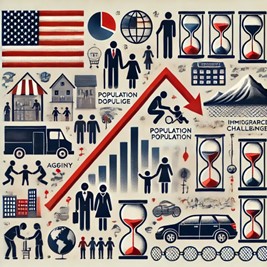
    The United States has long been seen as a beacon of growth and opportunity, attracting immigrants from around the globe and boasting a robust, expanding population. However, recent trends suggest that the country is now facing an unprecedented challenge: population decline. With birth rates plummeting, immigration rates fluctuating, and an aging population, the U.S. is experiencing a demographic shift that could have far-reaching consequences for its economy, workforce, and social fabric. This article delves into the causes of the population decline, its potential impacts, and the measures that can be taken to reverse this troubling trend.
    1. Understanding the Decline: A Multifaceted Issue
    The decline in the U.S. population is driven by several interrelated factors, including lower birth rates, aging demographics, and changing immigration patterns. Understanding these causes is crucial to addressing the problem effectively.
    • Falling Birth Rates: The U.S. birth rate has been on a steady decline for decades, reaching a historic low in recent years. According to the Centers for Disease Control and Prevention (CDC), the total fertility rate in the U.S. fell to 1.64 births per woman in 2020, well below the replacement level of 2.1 needed to maintain a stable population. This decline is attributed to various factors, including changing societal values, economic pressures, delayed childbearing, and a growing emphasis on career and education among younger generations.
    • Aging Population: The U.S. is experiencing a demographic shift toward an older population, driven by the aging of the Baby Boomer generation. With advances in healthcare extending lifespans, the number of older adults is growing rapidly, while the working-age population is shrinking. This imbalance puts additional strain on social services and the economy, as fewer workers support a growing number of retirees.
    • Declining Immigration: Immigration has traditionally been a significant driver of population growth in the U.S., but recent policy changes, stricter border controls, and the impact of the COVID-19 pandemic have slowed the influx of new immigrants. As a result, the country is not compensating for its declining birth rates with sufficient levels of immigration, further exacerbating the population decline.
    • Economic and Social Factors: Economic uncertainty, the rising cost of living, and student debt have made many young adults hesitant to start families. Additionally, societal shifts, such as the increasing acceptance of child-free lifestyles and prioritizing personal freedom and career over family life, contribute to the decline in birth rates.
    2. The Consequences of a Declining Population
    The decline in population growth poses several challenges that could have profound effects on the U.S. economy, social structures, and global influence. Here are some key consequences of a shrinking population:
    • Economic Impact: A declining population directly affects economic growth. With fewer people entering the workforce, the economy faces a labor shortage that can hinder productivity, innovation, and overall economic expansion. Industries such as healthcare, construction, and technology, which rely heavily on a steady influx of workers, may struggle to meet demand, leading to slower growth and increased costs.
    • Strain on Social Security and Healthcare Systems: An aging population means that a smaller working-age group is responsible for supporting a larger retired population. This imbalance puts immense pressure on social security and healthcare systems, as fewer taxpayers contribute to the funds needed to support an increasing number of beneficiaries. The result is a potential crisis in public financing, with the risk of insolvency for critical social programs.
    • Reduced Consumer Demand: Population decline also affects consumer demand, as fewer people mean less spending on goods, services, and housing. This reduction in consumption can lead to decreased business revenue, job losses, and a sluggish economy. Retail, real estate, and other sectors that depend on a growing population to drive sales and development may face significant downturns.
    • Impact on Innovation and Competitiveness: A shrinking population can stifle innovation and reduce the U.S.’s competitive edge in the global market. Fewer young people entering the workforce means a smaller pool of talent to drive technological advancements, start new businesses, and keep the country at the forefront of global innovation.
    • Social and Cultural Shifts: The decline in population growth also has social and cultural implications. Communities may struggle to maintain schools, healthcare facilities, and public services as populations dwindle. Rural areas, in particular, may face the risk of depopulation, leading to ghost towns and a loss of local culture and heritage.
    3. Addressing the Population Decline: Potential Solutions
    To counteract the declining population, the U.S. needs to adopt a multifaceted approach that addresses the root causes and promotes sustainable growth. Here are some strategies that could help reverse the trend:
    • Encouraging Family Growth: Policies that support families, such as paid parental leave, affordable childcare, and tax incentives, can encourage couples to have more children. Countries like Sweden and France have successfully implemented family-friendly policies that have helped stabilize their birth rates. By reducing the financial and logistical burdens of raising children, the U.S. could create a more conducive environment for family growth.
    • Promoting Work-Life Balance: Addressing the work-life balance is crucial to encouraging young people to start families. Flexible work arrangements, remote work opportunities, and support for working parents can make it easier for individuals to pursue both career and family aspirations. Employers can play a significant role by creating family-friendly workplaces that support employees’ needs.
    • Reforming Immigration Policies: Immigration reform could be a key component of addressing population decline. By streamlining the immigration process, expanding visa programs, and creating pathways for skilled workers, the U.S. can attract and retain talent from around the world. Immigrants not only contribute to the workforce but also help drive population growth through higher birth rates.
    • Supporting Aging Populations: Implementing policies that support healthy aging and encourage older adults to remain in the workforce can help mitigate the impact of an aging population. This could include retraining programs, flexible retirement options, and incentives for businesses to hire older workers.
    • Improving Access to Education and Healthcare: Investing in education and healthcare can help create a healthier, more resilient population. Access to affordable healthcare, including reproductive health services, can empower individuals to make informed decisions about family planning. Additionally, educational opportunities can help lift people out of poverty, reducing economic barriers to starting families.
    4. The Role of Technology and Innovation in Mitigating Decline
    Technology and innovation offer promising solutions to some of the challenges posed by population decline. Here are ways technology can help mitigate the effects of a shrinking population:
    • Automation and AI: Advances in automation and artificial intelligence can help address labor shortages by increasing productivity and efficiency. From manufacturing to healthcare, automation can fill gaps in the workforce, allowing businesses to maintain operations with fewer employees. While this approach does raise concerns about job displacement, it can also create new opportunities in tech-driven fields.
    • Telemedicine and Digital Health: The rise of telemedicine and digital health solutions can improve healthcare access for aging populations and rural communities, helping to reduce the strain on healthcare systems. By leveraging technology, healthcare providers can offer remote consultations, monitor chronic conditions, and improve patient outcomes, even in areas with declining populations.
    • Smart Cities and Infrastructure: Investing in smart city technologies can make urban areas more sustainable and efficient, helping to attract and retain residents. Innovations in transportation, energy management, and public safety can enhance the quality of life in cities, making them more appealing places to live and work.
    • Education Technology: Online education platforms and digital learning tools can expand access to education, allowing people to upskill and adapt to changing job markets. By providing flexible learning opportunities, technology can help individuals remain competitive in the workforce, regardless of their location or circumstances.
    Conclusion: A Call to Action
    The decline in the U.S. population is a complex issue with far-reaching implications for the nation’s future. Addressing this challenge requires a comprehensive approach that includes policy changes, support for families, immigration reform, and the embrace of technology. By recognizing the causes and consequences of population decline and implementing targeted solutions, the U.S. can work toward a more sustainable and prosperous future.
    As a society, we must prioritize creating an environment that supports growth, innovation, and opportunity for all. Only through collaborative efforts can we hope to reverse the current trend and ensure a vibrant, thriving population for generations to come.


  • How Political Correctness Is Impacting America: A Deep Dive

    By Scott J. Arnold

    How Political Correctness Is Impacting America: A Deep Dive into Cultural and Societal Changes
    Introduction
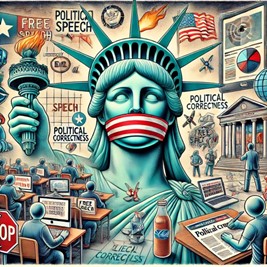
    Political correctness, once a concept aimed at promoting inclusivity and respect for all individuals, has evolved into a highly polarizing issue in American society. What began as a movement to encourage considerate language and avoid offensive or discriminatory expressions has, in the eyes of some, grown into a pervasive force that stifles free speech, suppresses diverse opinions, and divides the nation. Critics argue that political correctness is eroding the foundations of open discourse and personal freedoms, while supporters maintain that it is essential for creating a more equitable and inclusive society. This article explores how political correctness is perceived to be damaging America, examining its impact on free speech, education, media, and culture.
    1. The Origins and Evolution of Political Correctness
    Political correctness emerged in the late 20th century as part of a broader social movement advocating for civil rights, gender equality, and respect for marginalized groups. Its original intent was to challenge discriminatory language and behavior, promoting more inclusive and sensitive communication.
    • Civil Rights Movement: During the 1960s, political correctness gained traction as civil rights activists sought to change the language and attitudes that perpetuated racism, sexism, and other forms of discrimination. Terms that were once commonplace were reexamined, and new, more respectful ways of referring to individuals and groups were introduced.
    • Academia and Cultural Shifts: In the 1980s and 1990s, political correctness became prominent in academic and cultural settings, particularly within universities. Educators and activists advocated for inclusive language and curricula that represented diverse perspectives, pushing back against historical biases in education and media.
    • From Inclusivity to Controversy: Over time, the concept of political correctness expanded, evolving into a broader social phenomenon that permeated public discourse, media, and politics. However, as it gained influence, it also sparked backlash. Critics argue that political correctness has gone too far, restricting speech and enforcing conformity to a narrow set of acceptable views.
    While political correctness was originally intended to foster respect and equality, its expansion into various aspects of American life has generated significant debate and controversy.
    2. The Impact on Free Speech and Open Discourse
    One of the most contentious aspects of political correctness is its perceived impact on free speech and the open exchange of ideas. Critics argue that the pressure to conform to politically correct norms stifles honest dialogue, inhibits creativity, and discourages people from expressing their true opinions.
    • Self-Censorship: The fear of being labeled offensive, insensitive, or intolerant has led many individuals to self-censor, avoiding discussions on controversial topics. This self-censorship can create an environment where important issues are not addressed openly, and dissenting voices are silenced. In academic settings, some professors report feeling pressured to avoid certain subjects or language that could be deemed politically incorrect.
    • Cancel Culture: Cancel culture, a phenomenon closely associated with political correctness, involves publicly shaming or boycotting individuals, companies, or institutions for perceived transgressions against social norms. While proponents argue that cancel culture holds people accountable for harmful behavior, critics contend that it often leads to disproportionate punishment and stifles free expression.
    • Chilling Effect on Debate: The emphasis on political correctness can create a chilling effect on debate, where individuals are hesitant to express opinions that deviate from the prevailing narrative. This reluctance to engage in open discourse can hinder intellectual growth, limit the exchange of diverse ideas, and ultimately weaken democratic principles.
    The tension between political correctness and free speech underscores the challenge of balancing respect for individuals with the need for open and honest dialogue. While it is important to foster respectful communication, critics argue that suppressing dissenting opinions undermines the very foundations of a free society.
    3. Political Correctness in Education: Reshaping Curricula and Campus Culture
    The influence of political correctness is particularly pronounced in education, where it has reshaped curricula, classroom discussions, and campus culture. While efforts to promote diversity and inclusion in education are widely supported, there is growing concern that political correctness has led to the suppression of certain viewpoints and the alteration of historical narratives.
    • Trigger Warnings and Safe Spaces: Many universities have adopted policies such as trigger warnings and safe spaces to protect students from potentially distressing content. Trigger warnings are intended to alert students to material that might be upsetting, while safe spaces provide environments where individuals can express themselves without fear of judgment. While these measures are designed to support students’ emotional well-being, critics argue that they can foster a culture of avoidance and discourage resilience.
    • Revision of History and Literature: Efforts to revise curricula to reflect a more inclusive view of history and literature have sparked debate. Some argue that removing or altering classic texts and historical accounts to avoid offending modern sensibilities can lead to a sanitized version of history that omits important lessons. For example, discussions about the Founding Fathers, the Civil War, and other contentious periods in American history have been influenced by efforts to reframe narratives in ways that align with contemporary values.
    • Suppression of Conservative Voices: There is also concern that political correctness disproportionately targets conservative viewpoints, leading to a lack of ideological diversity on college campuses. Instances of conservative speakers being disinvited from events, protests against controversial figures, and accusations of bias in academia have fueled perceptions that political correctness is being used to silence opposing viewpoints.
    The impact of political correctness on education raises questions about the role of academic institutions in fostering critical thinking, open debate, and the exploration of diverse perspectives.
    4. Media and Entertainment: The Influence of Political Correctness on Content Creation
    Political correctness has also made significant inroads into the media and entertainment industries, influencing the content that is produced, how stories are told, and which voices are amplified.
    • Censorship and Content Editing: In response to public pressure, media companies have altered or removed content that is deemed politically incorrect. Classic films, television shows, and books have been edited, censored, or re-evaluated for their portrayal of race, gender, and other sensitive issues. While these changes are often made to reflect evolving social values, they can also lead to accusations of erasing history or undermining artistic expression.
    • Diversity Quotas and Representation: The push for greater representation of diverse groups in media has led to the implementation of diversity quotas in casting, writing, and production teams. While increased representation is seen as a positive step towards inclusivity, critics argue that an overemphasis on political correctness can result in tokenism or the prioritization of identity over merit and storytelling quality.
    • Comedy and Satire: Comedy, which often relies on pushing boundaries and challenging social norms, has been particularly affected by political correctness. Comedians report feeling constrained by the need to avoid offending audiences, leading some to avoid certain topics altogether. The impact on satire and free expression in comedy highlights the broader tension between artistic freedom and the evolving standards of acceptable speech.
    The influence of political correctness on media and entertainment reflects a broader cultural shift towards sensitivity and inclusivity. However, it also raises questions about the balance between honoring these values and preserving the freedom of expression that is essential to creative industries.
    5. The Political Landscape: Polarization and Identity Politics
    Political correctness has become a flashpoint in the broader cultural and political divide, fueling polarization and contributing to the rise of identity politics.
    • Identity Politics: The emphasis on group identity—whether based on race, gender, sexuality, or other characteristics—has become a central feature of contemporary political discourse. While identity politics can empower marginalized groups, critics argue that it also promotes division by encouraging people to prioritize group affiliation over shared values or common goals.
    • Weaponization of Political Correctness: Both major political parties in the United States have weaponized political correctness, using it to rally their bases and attack their opponents. For conservatives, opposing political correctness has become a rallying cry, symbolizing resistance to what they perceive as an overbearing and censorious cultural force. For progressives, political correctness is often framed as a necessary measure to combat hate speech and promote social justice.
    • Impact on Public Policy: Political correctness has influenced public policy debates on issues such as immigration, healthcare, and education. Policymakers may feel pressured to align with politically correct positions to avoid backlash, potentially stifling nuanced discussions and policy innovations. This dynamic can contribute to a more rigid and polarized political environment, where compromise becomes increasingly difficult.
    The intersection of political correctness with politics and identity highlights the challenges of navigating a culturally diverse society while maintaining a commitment to open and inclusive discourse.
    6. The Path Forward: Balancing Respect with Free Expression
    As political correctness continues to shape American culture, the challenge lies in finding a balance between promoting respect for all individuals and preserving the principles of free speech and open debate.
    • Encouraging Open Dialogue: One potential solution is to create spaces where respectful disagreement and dialogue are encouraged. This approach allows individuals to express differing viewpoints without fear of reprisal, fostering a culture of mutual understanding rather than division.
    • Educating on Critical Thinking: Promoting critical thinking skills in education and media can help individuals navigate complex social issues without resorting to simplistic or dogmatic positions. Encouraging students and the public to engage with diverse perspectives can mitigate the stifling effects of political correctness and strengthen democratic discourse.
    • Fostering Resilience: While it is important to be sensitive to the impact of words and actions, building resilience in the face of differing opinions is also crucial. Encouraging individuals to engage with challenging ideas, rather than avoiding them, can help develop the skills needed to participate in a robust and healthy public sphere.
    • Redefining Inclusivity: Inclusivity should not come at the expense of free speech. By redefining inclusivity to encompass a wider range of voices, including those that challenge mainstream narratives, society can ensure that all perspectives are heard and respected.
    Conclusion
    Political correctness remains a deeply divisive issue in America, symbolizing the broader cultural battles over speech, inclusivity,
     

  • How Dogs Are Replacing Children: The Rise of Pet Parenthood.

    By Scott J. Arnold

    How Dogs Are Replacing Children: The Rise of Pet Parenthood
    Introduction
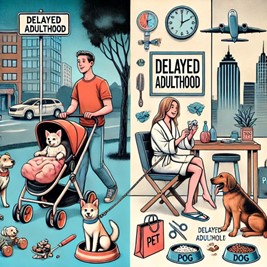
    In recent years, there has been a noticeable shift in how people view and treat their pets, especially dogs. No longer just companions or guards, dogs have increasingly taken on roles that resemble that of children in modern households. Pet owners often refer to themselves as “pet parents,” and dogs are being pampered, dressed, and cared for in ways that closely mimic parenting. This trend reflects broader social changes, including declining birth rates, delayed marriages, and the evolving priorities of younger generations. This article explores six key factors driving the phenomenon of dogs replacing children in many people’s lives.
    1. Declining Birth Rates and Changing Family Dynamics
    One of the most significant factors behind the growing status of dogs in households is the decline in birth rates, particularly in developed countries. Millennials and Gen Z, the largest pet-owning demographics, are having fewer children or delaying parenthood altogether. Economic pressures, career ambitions, and changing societal norms around marriage and family are contributing to this trend. For many young adults, the traditional path of getting married and having children is no longer seen as the only or even the best option.
    Instead, many are opting for pet ownership as a way to fulfill their nurturing instincts without the long-term commitments and financial burdens associated with raising children. Owning a dog offers a sense of companionship and responsibility but without the same level of life-altering impact that comes with parenthood. Dogs provide emotional support, affection, and a sense of purpose, making them an appealing alternative for those who are not ready or willing to have children.
    Moreover, as more people choose to live in urban settings with smaller living spaces, having children can seem impractical or overwhelming. Dogs, on the other hand, are seen as a more manageable addition to these households, especially smaller breeds that are well-suited to apartment living. This shift reflects a broader change in what modern families look like, with pets increasingly filling roles traditionally occupied by children.
    2. The Rise of Pet Parenthood: Dogs as Family Members
    The language and culture around pet ownership have evolved significantly, with many people now referring to their pets as “fur babies” and themselves as “pet parents.” This shift in terminology reflects a deeper emotional connection between humans and their pets, with dogs often treated as full-fledged family members. This transformation is evident in the booming pet care industry, which now offers a wide range of products and services that cater to dogs in ways that parallel those for children.
    From gourmet pet food and designer clothing to pet spas and doggy daycare, the market for pet care has exploded, fueled by owners who are willing to spend lavishly on their furry companions. This trend extends to healthcare, where pet insurance, advanced veterinary treatments, and even pet mental health services are becoming increasingly common. For many, the care and attention lavished on dogs rival that given to human children, reflecting the deep bonds that have developed between pets and their owners.
    Social media has also played a role in this shift, with countless accounts dedicated to pampered pets, showcasing their luxurious lifestyles and highlighting the emotional fulfillment they bring to their owners. Pet parenting is often celebrated and shared online, reinforcing the idea that dogs are not just animals but beloved family members worthy of the best care. This cultural shift further cements the role of dogs as child substitutes, as owners derive a sense of pride and joy from their pets similar to what they might feel for a child.
    3. Economic Factors: The High Cost of Raising Children
    Raising children has never been more expensive, and the financial burden of parenthood is a significant deterrent for many people. From the costs of healthcare, education, and childcare to housing and extracurricular activities, the expenses associated with raising a child can be overwhelming. In contrast, while pets are not cheap—especially when accounting for high-quality food, veterinary care, and other expenses—the overall cost of owning a dog is still far less than that of raising a child to adulthood.
    For many young adults facing stagnant wages, high student debt, and a precarious job market, the financial pressures make the prospect of having children seem daunting. Dogs, by comparison, offer many of the emotional rewards of parenting without the same level of economic strain. This financial calculus plays a crucial role in the decision-making process for many, with dogs becoming a more feasible option for those who want the experience of nurturing a dependent without the lifetime commitment and financial sacrifice associated with children.
    Moreover, the flexibility that comes with pet ownership compared to parenthood is appealing to many. While children require years of continuous, intensive care and education, pets are seen as offering a better balance between companionship and personal freedom. For those prioritizing careers, travel, or simply enjoying a less constrained lifestyle, dogs provide a way to fulfill emotional needs without the long-term financial and personal sacrifices of raising a child.
    4. Changing Lifestyles and Delayed Adulthood
    The concept of adulthood has evolved significantly in recent decades, with traditional milestones such as marriage, homeownership, and parenthood being delayed or even bypassed altogether. The so-called “emerging adulthood” phase, typically spanning the late teens through the early 30s, is now characterized by exploration, self-focus, and a delay in taking on traditional adult responsibilities. During this period, many young adults are focusing on education, career development, and personal growth, often putting off marriage and children.
    In this context, dogs serve as companions that align with this more flexible and transitional phase of life. They provide a sense of stability and routine without the permanent changes that come with children. Dogs also fit well with a lifestyle that values experiences, such as travel and socializing, which are often easier to navigate with a pet than with a child. The portability and adaptability of dogs make them ideal companions for people whose lives are still in flux.
    This shift is further fueled by changing attitudes towards marriage and long-term relationships. With more people remaining single longer or choosing not to marry at all, dogs become reliable and loving companions that help alleviate loneliness and provide emotional support. For many, the bond with a dog can offer a sense of belonging and family that fills the gap left by delaying or opting out of traditional family structures.
    5. Emotional Support and Mental Health Benefits
    The mental health benefits of pet ownership are well-documented, with numerous studies showing that dogs can help reduce stress, anxiety, and depression. The unconditional love and companionship provided by dogs offer a profound sense of comfort and stability, especially in times of personal or societal uncertainty. As mental health issues have become more prevalent, particularly among younger generations, the role of pets as emotional support companions has gained prominence.
    For many people, dogs provide the same sense of emotional fulfillment and purpose that children traditionally offer. They are loyal, affectionate, and always happy to see their owners, offering a reliable source of comfort and joy. The routines involved in pet care, such as daily walks, feeding, and grooming, also provide structure and a sense of responsibility that can be therapeutic, helping owners feel grounded and purposeful.
    In this way, dogs are not just filling a void left by the absence of children but are actively contributing to their owners’ emotional well-being. This dynamic reinforces the idea that pet ownership is not a second-best option but a valid and fulfilling lifestyle choice in its own right. For many, the mental health benefits of having a dog are more immediate and consistent than the long-term emotional rewards of parenting, making dogs a more appealing option.
    6. Social Media and the Rise of the Pet Lifestyle
    Social media has played a significant role in elevating the status of dogs, transforming them from mere pets into social media stars and beloved family members. Platforms like Instagram, TikTok, and YouTube are filled with pet accounts showcasing the daily lives of pampered pups, complete with stylish outfits, elaborate birthday parties, and gourmet meals. These portrayals reinforce the notion that pets, particularly dogs, are worthy of the kind of attention and celebration that was once reserved for children.
    The rise of the pet lifestyle is not just a social media trend but a cultural shift that reflects broader changes in how people view companionship, status, and personal fulfillment. Dog-friendly cafes, pet-centric travel services, and luxury pet products are all part of a growing industry that caters to the evolving role of pets in people’s lives. For many, dogs have become a central part of their identity, with their care and presentation reflecting personal values, lifestyle choices, and social standing.
    This trend also fosters a sense of community among pet owners, who bond over shared experiences and celebrate their dogs as integral members of their families. The visibility of pet parenting on social media normalizes and even glamorizes the idea of dogs as child substitutes, further reinforcing the appeal of pet ownership as a legitimate and rewarding alternative to traditional parenthood.
    Conclusion
    The growing trend of dogs replacing children reflects broader social, economic, and cultural shifts that are reshaping modern life. Declining birth rates, changing family dynamics, economic pressures, and evolving lifestyles are all contributing to the rise of pet parenthood. For many, dogs provide the emotional fulfillment, companionship, and sense of purpose that children traditionally offered, but with more flexibility and fewer long-term commitments.
    As society continues to evolve, the role of pets, particularly dogs, is likely to become even more prominent, reflecting the changing values and priorities of new generations. While dogs may never fully replace the role of children, they are increasingly being seen as an equally valid and fulfilling part of modern family life. This shift not only highlights the profound bond between humans and their pets but also underscores the adaptability of family structures in an ever-changing world.
     

  • Operation Paperclip: From Its Origins to Its Impact on Science

    By Scott J. Arnold

    Operation Paperclip: From Its Origins to Its Impact on Science and Technology
    Introduction
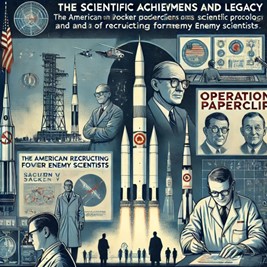
    Operation Paperclip was a secret program initiated by the United States after World War II to recruit German scientists, engineers, and technicians, many of whom had worked for Nazi Germany. The goal was to leverage their expertise in various fields, particularly rocketry and aerospace, to gain a strategic advantage over the Soviet Union during the early Cold War. This article explores the history, controversies, and long-term impact of Operation Paperclip.
    1. Origins of Operation Paperclip
    Operation Paperclip was conceived during the final months of World War II as Allied forces realized the extent of Nazi Germany’s technological advancements, particularly in rocketry, weapons development, and aerospace engineering. The U.S. government recognized that capturing German scientific knowledge was crucial for post-war military and technological dominance.
    • The Nazi Rocket Program: The Germans had made significant progress in rocket technology, most notably with the development of the V-2 rocket, the world’s first long-range guided ballistic missile. This technology posed a significant threat during the war and showcased the capabilities of German scientists.
    • Initial Objectives: The primary objective of Operation Paperclip was to prevent German scientists from falling into Soviet hands. The U.S. was particularly interested in individuals who had been involved in advanced military projects, including chemical weapons, aeronautics, and rocketry.
    2. Selection and Recruitment of Scientists
    The recruitment process for Operation Paperclip involved identifying and vetting key scientists who could be valuable to U.S. military and technological efforts. The program was controversial from the outset due to the backgrounds of many of the scientists, some of whom were members of the Nazi Party or had been implicated in war crimes.
    • Key Figures: Among the most notable recruits was Wernher von Braun, a leading figure in the development of the V-2 rocket. Von Braun and his team were crucial to the U.S. space program, ultimately playing a major role in the development of NASA’s Apollo missions.
    • Controversies Over Nazi Affiliations: Many of the scientists recruited under Operation Paperclip had direct ties to the Nazi regime, raising ethical concerns. U.S. authorities often downplayed or obscured these affiliations to expedite the scientists’ relocation to the United States.
    3. Transportation and Relocation to the United States
    Once selected, the German scientists and their families were transported to the United States, where they were settled in various locations, often near military installations or research facilities. The scientists were given contracts, housing, and resources to continue their work in a new environment.
    • Secretive Relocation: The transportation of scientists was conducted with high levels of secrecy. Many were moved to secure locations, such as Fort Bliss, Texas, and White Sands Proving Ground in New Mexico, where they could continue their research without public scrutiny.
    • Integration into U.S. Research Programs: The scientists were integrated into U.S. research programs, particularly in the fields of rocketry, aerospace, and weaponry. Their work would become instrumental in advancing American military and space capabilities during the Cold War.
    4. Contributions to the U.S. Military and Space Programs
    The scientists recruited through Operation Paperclip made significant contributions to U.S. military technology and the nascent space program. Their expertise helped propel the United States to the forefront of aerospace technology during a critical period of competition with the Soviet Union.
    • Development of Missiles and Rockets: The expertise of German scientists was pivotal in the development of intercontinental ballistic missiles (ICBMs) and other advanced weaponry. These advancements played a key role in the U.S. military’s strategic capabilities during the Cold War.
    • NASA and the Space Race: Perhaps the most famous contribution of Operation Paperclip scientists was their involvement in the U.S. space program. Wernher von Braun and his team were instrumental in developing the Saturn V rocket, which enabled the U.S. to land a man on the moon in 1969.
    5. Ethical Controversies and Public Perception
    Operation Paperclip has been the subject of significant ethical controversy, largely due to the Nazi backgrounds of many of the scientists. The U.S. government’s willingness to overlook past affiliations in favor of scientific expertise sparked debates about morality and accountability.
    • Concealing Nazi Ties: To facilitate the integration of these scientists, the U.S. government often concealed or altered records of their Nazi affiliations. This deception led to criticism from both within and outside the government, as many felt that it undermined the principles of justice and accountability.
    • Impact on Holocaust Survivors and Public Opinion: The recruitment of Nazi-affiliated scientists was particularly controversial among Holocaust survivors and Jewish organizations. Public revelations about Operation Paperclip in later years led to a reevaluation of the program’s ethical implications.
    6. Operation Paperclip and the Cold War Arms Race
    Operation Paperclip’s contributions were not limited to space exploration; the program also had a profound impact on the Cold War arms race. The expertise of former Nazi scientists played a significant role in the development of advanced military technologies that defined the period.
    • Nuclear and Chemical Weapons Development: In addition to rocketry, Operation Paperclip scientists contributed to the U.S. nuclear weapons program and chemical weapons research, enhancing the nation’s ability to compete with Soviet advancements.
    • Counterintelligence Concerns: While the program was largely successful, it also posed security risks. Some scientists were suspected of maintaining ties to their former homeland, and there were concerns about espionage and loyalty to the U.S.
    7. The Legacy of Operation Paperclip in Modern Science
    The legacy of Operation Paperclip extends far beyond the immediate post-war years. The scientists recruited through the program helped lay the groundwork for numerous technological advancements that continue to shape modern science and engineering.
    • Influence on Aerospace and Engineering: The work of Operation Paperclip scientists influenced generations of engineers and scientists, contributing to advancements in aerodynamics, propulsion, and materials science that remain relevant today.
    • Continuing Controversy and Debate: While Operation Paperclip is credited with helping the U.S. achieve significant technological milestones, the ethical questions surrounding the program remain a topic of debate among historians, ethicists, and the general public.
    8. Operation Paperclip in Popular Culture and Media
    The intrigue and controversy surrounding Operation Paperclip have made it a subject of interest in popular culture, appearing in books, films, and documentaries that explore the moral complexities of the program.
    • Documentaries and Books: Several documentaries and books, such as Annie Jacobsen’s “Operation Paperclip: The Secret Intelligence Program that Brought Nazi Scientists to America,” have detailed the program’s operations and highlighted the ethical dilemmas involved.
    • Fictional Depictions: Operation Paperclip has also inspired fictional works that explore themes of scientific ambition, moral compromise, and the consequences of wartime decisions. These portrayals often reflect broader societal concerns about the intersection of science, ethics, and national security.
    9. Unclassified Documents and Historical Research
    In recent decades, declassified documents have shed light on the inner workings of Operation Paperclip, providing researchers with valuable insights into the decision-making processes, challenges, and outcomes of the program.
    • Access to Records: Declassified documents have allowed historians to examine the criteria used to select scientists, the extent of their contributions, and the measures taken to conceal their Nazi affiliations. This transparency has helped paint a more complete picture of the program’s impact.
    • Academic Analysis: Scholars continue to analyze Operation Paperclip from various perspectives, including ethical, historical, and technological viewpoints. The program remains a case study in the complexities of balancing national security interests with moral considerations.
    10. Conclusion: The Dual Legacy of Operation Paperclip
    Operation Paperclip’s legacy is a complex one, marked by both remarkable scientific achievements and enduring ethical questions. The program undeniably advanced U.S. military and space capabilities, contributing to victories in the Cold War and the space race. However, the decision to recruit and protect individuals with Nazi ties has left a lasting impact on how history views the program.
    As a pivotal chapter in the intersection of science, war, and ethics, Operation Paperclip continues to serve as a reminder of the difficult choices nations face in times of crisis. The program’s history reflects the broader tensions between ambition, morality, and the pursuit of technological dominance.


  • The Debate Over Orthodox Jews and Military Service in Israel

    By Scott J. Arnold

    Controversy and Conflict: The Debate Over Orthodox Jews and Military Service in Israel
    1. Introduction: The Tensions Between Religion and Military Service
    In Israel, military service is mandatory for most Jewish citizens. However, for decades, the ultra-Orthodox (Haredi) community has largely been exempt from conscription due to religious study and political agreements. Recently, debates have intensified over whether Orthodox Jews should be required to serve in the military like other citizens. This issue has sparked protests, political upheaval, and social tensions, with both sides presenting deeply held beliefs about religion, duty, and the future of Israeli society.
    2. Historical Background: The Origins of Exemption
    The exemption of Orthodox Jews from military service dates back to the early years of the Israeli state. In 1948, then-Prime Minister David Ben-Gurion agreed to exempt a small number of yeshiva (religious school) students from military service to preserve the study of Torah. This exemption, originally intended for a few hundred students, expanded significantly over the decades. By the 21st century, tens of thousands of Haredi men were not serving in the IDF, creating a growing societal and economic burden and sparking calls for reform.
    3. The Legal and Political Struggles Over Conscription
    The Israeli government has repeatedly tried to integrate Orthodox Jews into the military through legislation, with varying degrees of success. The 2014 draft law aimed to gradually increase the conscription of Haredi men by setting quotas and imposing sanctions on those who refused to serve. However, this law faced fierce opposition from Haredi political parties and was met with mass protests. Subsequent attempts to enforce military service have been met with similar resistance, leading to a cycle of legislation, opposition, and compromise.
    4. The Religious Perspective: Torah Study as a Higher Calling
    From the perspective of the Haredi community, Torah study is considered a sacred duty that takes precedence over military service. Many Orthodox Jews believe that their religious study contributes to the spiritual defense of the nation, and any attempt to conscript yeshiva students is seen as an attack on their way of life. This belief is deeply ingrained and has been a central point of contention in the debate over military conscription.
    5. Societal Impact: Division Between Secular and Religious Communities
    The debate over military service has deepened divisions between Israel’s secular and religious communities. Many secular Israelis view the Haredi exemption as unfair, arguing that all citizens should share the burden of national defense. On the other hand, Haredi Jews often feel that their religious lifestyle is under threat from a state that does not fully understand or respect their values. This tension is reflected in public protests, political campaigns, and even violent clashes between Haredi protesters and police.
    6. The Economic Implications of Exemption
    Beyond the social and political ramifications, the exemption of Orthodox Jews from military service has significant economic implications. Many Haredi men who avoid military service also remain outside the workforce, focusing instead on religious study. This has contributed to high poverty rates within the community and has placed additional strain on Israel’s welfare system. Efforts to integrate Haredi men into both the military and the workforce are seen as crucial to Israel’s economic future, but achieving this integration has proven difficult.
    7. Recent Developments: Attempts to Enforce Military Service
    In recent years, the Israeli government has made renewed attempts to draft Haredi men into the military, sparking widespread protests. In some cases, Orthodox men who do not report for conscription are subject to arrest, further inflaming tensions. Videos of Haredi men being detained by police have circulated widely, fueling claims that the government is using force to compel religious Jews into the military. These actions have been condemned by Haredi leaders, who see them as evidence of state coercion and disrespect for religious freedom.
    8. The Role of Haredi Political Parties
    Haredi political parties wield significant influence in Israeli politics, often holding the balance of power in coalition governments. These parties have consistently fought against conscription laws, using their political leverage to secure exemptions for their community. While secular parties push for equality in military service, Haredi politicians argue that forced conscription would destroy their religious way of life. This political tug-of-war has made the issue of Orthodox military service a perennial flashpoint in Israeli politics.
    9. Public Protests and Resistance: A Community’s Outcry
    Protests against military conscription have become a common sight in Israel’s ultra-Orthodox neighborhoods. Haredi men, women, and children have taken to the streets, blocking roads, clashing with police, and chanting slogans against what they see as government overreach. These protests are not just about military service; they are a broader expression of the community’s fears that their religious autonomy is being eroded by a secular state.
    10. The Way Forward: Seeking Compromise
    The question of how to integrate Orthodox Jews into Israeli society remains unresolved. Some propose alternative forms of national service that respect religious beliefs while still contributing to the state, such as volunteering in hospitals or schools. Others advocate for continued exemptions but with incentives to encourage greater Haredi participation in the workforce. Finding a middle ground that satisfies both secular and religious communities is essential for maintaining social cohesion in Israel.
    11. International Perspectives: A Unique Israeli Dilemma
    The issue of military conscription for religious communities is unique to Israel and reflects the complex relationship between religion and state. Unlike other countries where religious exemptions from military service are granted on a smaller scale, Israel’s debate involves a significant portion of the population. This dynamic has drawn international attention, highlighting the challenges of balancing national security with religious freedom in a modern democracy.
    12. Conclusion: A Complex and Ongoing Debate
    The debate over drafting Orthodox Jews into the Israeli military is far from over. It touches on fundamental questions about identity, duty, and the role of religion in public life. As Israel continues to grapple with this issue, the challenge will be to find a solution that respects the rights of all citizens while ensuring that the burden of national defense is shared fairly. The path forward requires dialogue, understanding, and a willingness to seek compromise in a society defined by its diversity.


  • The Organic Food Scam: Unveiling the Myths and Realities

    By Scott J. Arnold

    The Organic Food Scam: Unveiling the Myths and Realities
    Introduction
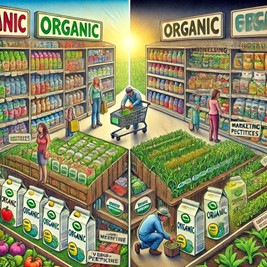
    Organic food has become a booming industry, with millions of consumers willing to pay a premium for what they believe are healthier, more sustainable, and safer food options. The appeal of organic products is driven by marketing that promotes them as free from pesticides, genetically modified organisms (GMOs), and synthetic chemicals, making them a preferred choice for those who prioritize health and environmental concerns. However, beneath the glossy labels and higher price tags lies a complex reality that many consumers are unaware of. This article explores the myths and misconceptions surrounding organic food, shedding light on why some consider the organic food industry to be a scam.
    1. The Organic Label: What Does It Really Mean?
    One of the biggest misconceptions about organic food is that the organic label guarantees a superior product. In reality, the term “organic” is defined by a set of farming practices regulated by organizations like the USDA in the United States. To be labeled organic, products must be grown without synthetic fertilizers, pesticides, and genetically modified seeds. However, this does not mean that organic food is entirely free of chemicals or that it is inherently better for your health.
    Organic farmers are allowed to use certain natural pesticides and fungicides, some of which can be just as harmful as their synthetic counterparts. For example, copper sulfate, a common organic fungicide, is toxic to humans in high doses and can accumulate in the soil, causing long-term environmental damage. While organic farming practices aim to be more environmentally friendly, the reality is that they are not always as sustainable or safe as advertised.
    Moreover, the organic certification process itself is fraught with loopholes and inconsistencies. Farmers and food producers must comply with specific standards, but these standards vary by country and are subject to interpretation. In some cases, farms that are certified organic may still engage in practices that are questionable or misleading, such as using unapproved substances or failing to maintain proper soil health. As a result, the organic label does not always guarantee the purity or quality that consumers expect.
    2. Higher Prices, Questionable Benefits: Are You Getting What You Pay For?
    One of the most significant issues with the organic food industry is the high price tag associated with organic products. Consumers often pay up to 50% more for organic produce, meat, and dairy, believing they are making a healthier choice. However, multiple studies have shown that the nutritional differences between organic and conventional foods are minimal at best. While organic produce may contain slightly higher levels of certain nutrients, such as antioxidants, the overall impact on health is negligible.
    The higher cost of organic food is primarily driven by more labor-intensive farming practices, lower crop yields, and the costs associated with certification and compliance. While these factors contribute to the higher price, they do not necessarily translate into a superior product. In many cases, consumers are paying more for the perception of health and environmental benefits rather than actual, measurable improvements in quality or safety.
    Furthermore, some organic foods are imported from countries with less stringent regulations and oversight, raising concerns about the authenticity of their organic status. Scandals involving fraudulent organic imports, such as the sale of conventionally grown grains labeled as organic, have further eroded consumer trust. This deception highlights the vulnerability of the organic supply chain and the potential for consumers to be misled about the true nature of the products they are purchasing.
    3. The Myth of Chemical-Free Farming: Understanding Pesticide Use in Organic Agriculture
    A common belief about organic food is that it is grown without the use of any pesticides. While it is true that organic farming prohibits synthetic pesticides, it allows the use of natural pesticides, many of which are not as benign as consumers might think. Organic farmers often rely on natural substances like neem oil, pyrethrin, and copper-based compounds to protect crops from pests and diseases. However, these natural pesticides can still pose health risks to humans and have harmful environmental effects.
    For instance, pyrethrin, derived from chrysanthemum flowers, is a natural insecticide commonly used in organic farming. While it is considered safer than many synthetic options, it is still toxic to bees, fish, and other non-target species. The frequent use of such pesticides in organic farming can disrupt local ecosystems, contradicting the perception that organic farming is always environmentally friendly.
    Additionally, because organic pesticides tend to be less effective than synthetic ones, organic farmers may need to apply them more frequently and in larger quantities to achieve the desired results. This can lead to higher levels of pesticide residue on organic produce compared to conventional alternatives, undermining the claim that organic food is inherently cleaner or safer. Consumers who choose organic food to avoid exposure to pesticides may not be getting the chemical-free products they believe they are paying for.
    4. The Carbon Footprint of Organic Farming: Is It Really Better for the Planet?
    One of the most appealing aspects of organic food is the perception that it is better for the environment. However, the environmental benefits of organic farming are not as clear-cut as often portrayed. Organic farming typically requires more land to produce the same amount of food as conventional farming due to lower crop yields. This increased land use can lead to deforestation, habitat destruction, and loss of biodiversity, negating the potential environmental gains of avoiding synthetic chemicals.
    Additionally, organic farming is often less efficient in terms of water and energy use. The reliance on natural fertilizers, such as manure, can result in higher emissions of greenhouse gases like methane and nitrous oxide, which are potent contributors to climate change. The manual labor required in organic farming also means that more energy is expended in the form of human effort, transportation, and the use of alternative pest control methods.
    The carbon footprint of organic food can also be inflated by the long distances it travels to reach consumers. Many organic products are imported from countries far from where they are sold, adding significant transportation emissions to their environmental impact. This global supply chain undermines the notion that organic food is always a more sustainable choice, especially when compared to locally sourced conventional produce.
    5. The Marketing Machine: How Organic Food Became a Status Symbol
    The organic food industry has grown exponentially over the past few decades, thanks in large part to clever marketing that appeals to consumer fears and desires. The narrative that organic food is healthier, safer, and more ethical has been heavily promoted by both the food industry and media, creating a powerful brand that resonates with health-conscious consumers. Terms like “natural,” “clean,” and “non-GMO” are often used interchangeably with “organic,” further blurring the lines and creating a perception that organic products are the gold standard of food quality.
    Marketing campaigns frequently exploit consumers’ concerns about pesticides, GMOs, and synthetic additives, positioning organic food as the premium alternative. This messaging has been highly effective, convincing many people to spend more on organic products despite the lack of substantial evidence that they are significantly better. The appeal of organic food is not just about health—it has also become a symbol of social status and environmental consciousness, appealing to those who want to signal their commitment to a healthier, more sustainable lifestyle.
    However, the marketing of organic food often relies on misinformation and half-truths. Claims that organic farming does not use any chemicals, or that organic foods are completely free of GMOs, are misleading. These marketing tactics exploit the lack of consumer knowledge about agricultural practices and capitalize on the desire to make responsible choices, even when the actual benefits are limited or nonexistent.
    6. Misconceptions About Health and Safety: The Real Risks of Organic Food
    While many consumers believe that organic food is safer and healthier, this assumption is not always accurate. Organic food is not immune to contamination, and in some cases, the risks can be higher than those associated with conventional food. For example, the use of manure as a natural fertilizer in organic farming can increase the risk of bacterial contamination, including pathogens like E. coli and Salmonella. These bacteria can pose serious health risks if the produce is not properly washed or cooked.
    Organic food also faces the same risks of contamination during processing, handling, and transportation as conventional food. The absence of preservatives, which are often avoided in organic processing, can also mean that organic food is more susceptible to spoilage and mold, posing additional safety concerns.
    Furthermore, the lack of synthetic vitamins and minerals in organic animal feed can lead to nutrient deficiencies in organic meat and dairy products. This can affect the overall nutritional quality of the food, challenging the notion that organic products are always the healthier choice.
    Conclusion
    The organic food industry is built on the promise of better health, safety, and environmental stewardship, but the reality is far more complex. While organic farming offers some benefits, such as reduced exposure to synthetic chemicals, the differences between organic and conventional foods are often exaggerated. The high cost of organic food, combined with misleading marketing and regulatory inconsistencies, has led many to question whether the organic label truly delivers on its promises.
    Consumers should be informed about what the organic label really means and approach organic products with a critical eye. Understanding that organic does not always equate to chemical-free, safer, or more sustainable can help consumers make better-informed decisions about their food choices. By focusing on evidence-based practices and supporting local, sustainable farming, rather than buying into the organic marketing hype, we can move toward a food system that truly prioritizes health, safety, and environmental responsibility.
     

  • The Dark World of Illegal Organ Trade: Exploitation

    By Scott J. Arnold

    The Dark World of Illegal Organ Trade: Exploitation, Crime, and the Fight for Justice
    1. Introduction: Understanding the Global Crisis of Illegal Organ Trade
    The illegal organ trade is a hidden yet pervasive criminal industry that thrives on the desperation of the poor and the sick. It involves the unlawful buying and selling of human organs, often exploiting vulnerable individuals from impoverished backgrounds. Driven by a severe global shortage of legal organ donations, this black market has become a lucrative enterprise, endangering the lives of donors and recipients alike. Despite international laws prohibiting organ trafficking, this illicit trade continues to grow, fueled by corruption, organized crime, and the ever-increasing demand for transplants.
    2. The Roots of Organ Trafficking: Supply, Demand, and Desperation
    The illegal organ trade is primarily driven by the stark imbalance between the supply and demand for organs. Millions of patients worldwide are on waiting lists for organ transplants, with many dying before a suitable donor is found. This shortage creates a thriving market for black market organs, where desperate recipients are willing to pay high prices to save their lives.
    On the other side of the equation are impoverished individuals who, often out of financial desperation, agree to sell their organs for a fraction of what the recipients pay. These individuals are frequently deceived about the risks involved and receive inadequate medical care, leading to severe health complications and long-term consequences.
    3. The Anatomy of the Trade: How the Black Market Operates
    The illegal organ trade is a highly organized and sophisticated operation involving brokers, doctors, hospitals, and middlemen who facilitate the transactions. The process typically follows a disturbing pattern:
    • Recruitment of Donors: Organ traffickers target vulnerable individuals, often in poor communities in developing countries, offering them money or other incentives to donate their organs. Many donors are misled about the medical risks and the compensation they will receive.
    • Matching Donors and Recipients: Brokers connect donors with recipients, often through underground networks that operate outside of legal and ethical guidelines. These brokers charge exorbitant fees, profiting from both parties’ desperation.
    • Illegal Surgeries: Transplants are conducted in clandestine medical facilities or corrupt hospitals, where doctors willing to flout ethical standards perform the surgeries. The operations are often rushed and lack the necessary follow-up care, endangering both donors and recipients.
    • Payment and Exploitation: Donors typically receive only a small portion of the payment promised, with brokers and other intermediaries pocketing the majority of the money. Recipients, meanwhile, pay large sums without any legal protection or guarantee of the organ’s quality.
    4. The Human Cost: Exploitation and Suffering
    The human cost of the illegal organ trade is immense. Donors often suffer severe health complications, including infections, chronic pain, and psychological trauma. Many are left unable to work or provide for their families, sinking further into poverty. In some cases, donors die due to inadequate medical care or complications from the surgery.
    Recipients, too, face significant risks. Organs obtained through illegal means are not subject to the rigorous testing and matching procedures required by legal organ donation systems. This increases the likelihood of organ rejection, infection, and other life-threatening complications. Moreover, recipients have no legal recourse if the transplant fails or if they suffer harm from the procedure.
    5. Key Hotspots of the Illegal Organ Trade
    The illegal organ trade is a global issue, but it is particularly prevalent in certain regions where poverty, corruption, and weak legal systems make it easier for traffickers to operate. Some of the key hotspots include:
    • South Asia: Countries like India, Pakistan, and Nepal are major hubs for organ trafficking, with many donors coming from impoverished rural areas. Traffickers often lure donors with promises of quick cash, only to exploit them.
    • China: Allegations of state-sanctioned organ harvesting, particularly from prisoners and ethnic minorities, have sparked international outrage. Reports suggest that organs are harvested from executed prisoners without consent, fueling a lucrative transplant tourism industry.
    • Eastern Europe and the Middle East: These regions have become significant transit points for the illegal organ trade, with recipients often traveling from wealthier countries to undergo transplants in clandestine facilities.
    • Africa and Latin America: In these regions, traffickers exploit vulnerable populations, with organ sales often conducted through coercion or outright kidnapping.
    6. The Role of Organized Crime and Corruption
    Organ trafficking is often linked to organized crime networks that exploit legal loopholes and corrupt officials to facilitate their operations. These networks are highly adaptable, using advanced technology and sophisticated logistics to evade detection. Corruption plays a significant role, with some medical professionals, law enforcement officers, and government officials turning a blind eye or actively participating in the trade for financial gain.
    The involvement of organized crime groups not only makes the trade more dangerous but also hinders international efforts to combat it. These groups use violence and intimidation to silence whistleblowers and protect their interests, making it difficult for authorities to dismantle their operations.
    7. International Laws and Efforts to Combat Organ Trafficking
    The illegal organ trade is prohibited under various international laws and conventions, including the United Nations Protocol to Prevent, Suppress and Punish Trafficking in Persons and the Declaration of Istanbul on Organ Trafficking. These agreements call for the protection of vulnerable individuals, the prosecution of traffickers, and the promotion of ethical organ donation systems.
    Despite these efforts, enforcement remains a challenge. Many countries lack the resources or political will to effectively tackle organ trafficking, and international cooperation is often hampered by jurisdictional and logistical barriers. To combat this global crime, stronger enforcement of existing laws, increased international collaboration, and public awareness campaigns are essential.
    8. Ethical Dilemmas: The Morality of Organ Sales
    The illegal organ trade raises profound ethical questions about bodily autonomy, exploitation, and the value of human life. While some argue that individuals should have the right to sell their organs if they choose, the reality is that the trade disproportionately exploits the poor and vulnerable. Donors are often coerced or misled, and the transactions are rarely fair or transparent.
    The ethical dilemmas are further complicated by the desperate circumstances of recipients, who may feel they have no other option but to turn to the black market. Balancing the need to save lives with the need to protect the rights and dignity of donors remains a significant challenge for policymakers and medical professionals.
    9. Case Studies: Real-Life Stories of Victims and Survivors
    The human stories behind the illegal organ trade are heartbreaking. Donors often share similar tales of deception and betrayal, while recipients recount the anxiety and desperation that led them to the black market. Some high-profile cases have highlighted the extreme lengths to which traffickers will go, including kidnapping, murder, and forced organ harvesting.
    For example, in India, a notorious kidney trafficking ring was exposed in the early 2000s, involving doctors, brokers, and even police officers. The scandal revealed the systemic exploitation of poor laborers who were coerced into selling their kidneys for a fraction of what recipients paid. These stories serve as stark reminders of the need for stronger protections and ethical standards.
    10. Solutions and the Path Forward: Toward Ethical Organ Donation
    Addressing the illegal organ trade requires a multi-faceted approach that includes:
    • Expanding Legal Organ Donation: Increasing awareness and participation in legal organ donation programs can help reduce the demand for black market organs. Countries with successful organ donation systems, such as Spain and the United States, have shown that public education and streamlined processes can significantly boost donation rates.
    • Developing Alternative Technologies: Advances in medical technology, such as organ regeneration, xenotransplantation (using animal organs), and 3D-printed organs, hold the promise of reducing reliance on human donors. These innovations could one day make the illegal organ trade obsolete.
    • Strengthening Law Enforcement and International Cooperation: Governments must prioritize the fight against organ trafficking by enhancing law enforcement capabilities, improving data sharing, and collaborating with international agencies to dismantle trafficking networks.
    • Supporting Donors and Recipients: Providing medical, psychological, and financial support for donors can help mitigate the harm caused by exploitation. For recipients, expanding access to legal and ethical transplant options is crucial.
    Conclusion: The Fight Against Exploitation in Organ Trafficking
    The illegal organ trade is a complex and deeply troubling issue that reflects broader societal inequalities and ethical challenges. As long as there is a global shortage of organs and a demand driven by desperation, traffickers will continue to exploit the most vulnerable. Combating this trade requires a commitment to protecting human rights, improving legal donation systems, and developing innovative solutions to meet the growing need for transplants. Only through concerted international efforts can we hope to end the exploitation and save lives.

  • The Olive Oil Scam: Truths Behind a Billion dollar Industry

    By Scott J. Arnold

    The Olive Oil Scam: Uncovering the Myths and Realities Behind a Billion-Dollar Industry
    Introduction
    Olive oil, often referred to as “liquid gold,” has been prized for centuries for its flavor, health benefits, and versatility in cooking. It is a staple of the Mediterranean diet and is marketed as a heart-healthy alternative to other cooking oils. However, beneath the glossy labels and high price tags, the olive oil industry is plagued by widespread fraud and deceptive practices that have led to the sale of adulterated, mislabeled, and substandard products. This article explores the olive oil scam, revealing how consumers are often misled about the quality and authenticity of the olive oil they purchase, and what they can do to protect themselves.
    1. The Mislabeling of Extra Virgin Olive Oil: What You’re Really Buying
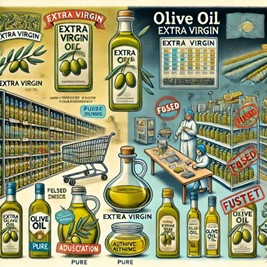
    One of the most pervasive issues in the olive oil industry is the mislabeling of extra virgin olive oil (EVOO), the highest quality olive oil that should be made purely from cold-pressed olives, without the use of chemicals or heat. EVOO is supposed to have a superior taste, aroma, and nutritional profile compared to other grades of olive oil. However, studies have shown that a significant percentage of olive oils labeled as extra virgin on supermarket shelves do not meet the standards required for this classification.
    Fraudulent olive oil producers often cut extra virgin olive oil with cheaper refined oils, such as soybean, sunflower, or low-quality olive oil that has been chemically treated. This practice not only dilutes the health benefits of the oil but also deceives consumers into paying premium prices for an inferior product. In some cases, the adulterated oils are mixed with artificial coloring and flavoring agents to mimic the appearance and taste of authentic EVOO.
    Mislabeling is widespread because of the lack of stringent regulatory oversight and enforcement. Even in countries with established standards for olive oil, such as those set by the International Olive Council (IOC) or the USDA in the United States, there are significant gaps in monitoring and compliance. As a result, many oils labeled as extra virgin on the market do not meet the required sensory or chemical standards, making it difficult for consumers to trust what they are buying.
    2. Adulteration and Contamination: What’s Really in Your Olive Oil?
    Adulteration of olive oil is not just about mislabeling; it also involves the addition of cheaper, lower-quality oils to increase profit margins. The blending of olive oil with other vegetable oils is one of the most common forms of fraud in the industry. These adulterated oils often escape detection because the added oils are tasteless, colorless, and chemically similar to olive oil, making them difficult to identify even through standard testing methods.
    This adulteration poses health risks, especially for consumers with allergies to certain vegetable oils like soy or peanuts. Moreover, some of the added oils may be processed using harmful chemicals or produced under poor quality control conditions, leading to contamination with substances such as polycyclic aromatic hydrocarbons (PAHs), which are potentially carcinogenic.
    The issue of contamination is further compounded by poor handling, storage, and transportation practices within the olive oil supply chain. Olive oil is sensitive to light, heat, and air, all of which can degrade its quality. When olive oil is improperly stored in clear bottles, exposed to high temperatures, or kept on shelves for extended periods, it can oxidize and develop off-flavors. Unfortunately, many consumers are unaware that the olive oil they are buying may already be rancid or compromised by the time it reaches their kitchens.
    3. Fake Origins and Deceptive Marketing: The Truth Behind the Labels
    Consumers often choose olive oil based on origin labels that promise authenticity, such as “Made in Italy” or “Product of Greece.” These labels evoke images of ancient groves and traditional production methods, but the reality is often far from the romanticized marketing. In many cases, the olives used to make the oil are not grown or harvested in the country claimed on the label. Instead, the olives or bulk olive oil may be imported from other countries, blended, and then labeled as a product of the final packaging location.
    For example, it is common for olive oil sold as “Italian” to include olives or oil sourced from countries like Spain, Tunisia, or Turkey. This practice is legal under certain labeling rules but is misleading to consumers who believe they are purchasing a product with a specific heritage and quality associated with a particular region. The deception extends to terms like “cold-pressed” and “first-pressed,” which are often used on labels but do not necessarily guarantee a high-quality product.
    Deceptive marketing practices are not limited to misleading origin labels. Some brands use terms like “pure,” “light,” or “premium” to suggest higher quality, but these terms are not regulated and often have little meaning. In fact, “light” olive oil refers to the lighter flavor, not fewer calories, and is usually heavily refined and stripped of most of the beneficial compounds found in genuine extra virgin olive oil. This clever marketing further confuses consumers and diminishes the value of truly authentic olive oils.
    4. The Lack of Regulation and Enforcement: Why the Fraud Persists
    The olive oil industry is highly fragmented, with numerous small producers, brokers, and distributors operating in a complex global supply chain. This fragmentation makes it challenging to regulate and enforce standards consistently. While organizations like the International Olive Council and the FDA in the United States have established quality standards for olive oil, enforcement is often weak, allowing fraudulent practices to persist.
    One major issue is the inconsistency of testing methods used to verify olive oil quality. Sensory evaluation, which involves trained tasters assessing the oil’s flavor and aroma, is subjective and can vary between panels. Chemical tests, while more objective, are often inadequate for detecting sophisticated adulteration techniques. As a result, many adulterated oils slip through the cracks and end up on store shelves.
    Additionally, penalties for fraud are often minimal compared to the profits that can be made from selling fake olive oil. The low risk of getting caught and the even lower likelihood of facing significant consequences create little deterrent for dishonest players in the market. This lack of accountability, combined with the high demand for olive oil, fuels ongoing fraud and deception.
    5. The Health Implications: Are You Really Getting the Benefits of Olive Oil?
    Olive oil is celebrated for its numerous health benefits, including its high content of monounsaturated fats, antioxidants, and anti-inflammatory compounds like oleocanthal. These benefits, however, are largely dependent on the quality and purity of the olive oil. Adulterated or low-quality olive oils often lack these beneficial compounds, meaning that consumers may not be reaping the health rewards they expect.
    Research has shown that many store-bought olive oils labeled as extra virgin fail to meet the sensory and chemical standards required to deliver these health benefits. Oxidation, poor quality control, and the addition of refined or cheaper oils degrade the nutritional profile of the product. Consumers who are paying a premium for what they believe is a healthful product may actually be consuming oil that is no better, and sometimes worse, than standard vegetable oils.
    Furthermore, some adulterated olive oils may contain residues of chemical solvents used in the refining process or pesticides from non-organic vegetable oils, adding potential health risks. These contaminants can negate the very reasons consumers choose olive oil in the first place—to avoid harmful chemicals and consume a product that supports heart health and overall well-being.
    6. How to Protect Yourself: Choosing High-Quality Olive Oil
    While the olive oil industry is rife with fraud, there are steps consumers can take to ensure they are purchasing authentic, high-quality products. Here are some tips to help you navigate the olive oil market:
    • Buy from Reputable Brands and Producers: Choose olive oil from well-known, reputable brands or local producers with a transparent supply chain. Look for certifications from trusted organizations like the California Olive Oil Council (COOC) or Protected Designation of Origin (PDO) labels, which indicate adherence to strict quality standards.
    • Check the Harvest Date: Freshness matters when it comes to olive oil. Look for bottles that include a harvest date, which is different from the expiration date. The best olive oils are consumed within 12 to 18 months of harvest, so avoid products with older dates.
    • Choose Dark Bottles: Olive oil degrades quickly when exposed to light. Opt for oils packaged in dark glass bottles or tins, which protect the oil from light exposure and help maintain its quality.
    • Taste and Smell: High-quality extra virgin olive oil should have a fresh, fruity aroma and a peppery or slightly bitter taste, which indicates the presence of healthy polyphenols. If the oil smells or tastes flat, rancid, or greasy, it is likely of poor quality or past its prime.
    • Be Wary of Bargain Prices: Authentic extra virgin olive oil is labor-intensive to produce, so it is rarely cheap. Be cautious of prices that seem too good to be true, as they often indicate adulteration or inferior quality.
    Conclusion
    The olive oil industry’s widespread fraud and deceptive practices have left consumers paying a premium for products that often fail to meet the quality standards they expect. Mislabeling, adulteration, and misleading marketing are common, undermining the trust that consumers place in what should be a pure and healthful product. While the industry faces challenges in regulating and enforcing standards, consumers can protect themselves by becoming informed about what to look for when buying olive oil.
    By supporting reputable producers, checking labels carefully, and being mindful of the quality cues, consumers can make better choices and enjoy the true benefits of genuine extra virgin olive oil. The olive oil scam serves as a reminder that not everything marketed as healthy or premium lives up to its claims, and due diligence is essential when navigating a market filled with hidden pitfalls.


  • The Oldest Religions in the World: Origins and Dates

    By Scott J. Arnold

    The Oldest Religions in the World: Origins and Dates
    Introduction
    The history of religion dates back thousands of years, reflecting humanity’s quest for meaning, morality, and connection with the divine. Many ancient religions laid the foundations for modern spiritual practices and influenced societies profoundly. This article explores some of the oldest known religions, their origins, and the approximate dates when they emerged, highlighting their contributions to the spiritual and cultural development of human civilization.
    1. Hinduism (c. 2000–1500 BCE)
    Hinduism is considered the world’s oldest major religion still practiced today, with roots tracing back to the Indus Valley Civilization around 2000–1500 BCE. Unlike many organized religions, Hinduism does not have a single founder but evolved from the ancient Vedic traditions and scriptures such as the Rigveda. The Vedas, written between 1500–500 BCE, are among the earliest sacred texts in human history. Hinduism introduced concepts like karma, dharma, reincarnation, and the belief in a supreme universal spirit, Brahman.
    • Key Beliefs: Hinduism is known for its diverse practices and beliefs, including worship of multiple deities such as Vishnu, Shiva, and Devi, each representing different aspects of the divine. The religion emphasizes personal spirituality, meditation, and the pursuit of moksha (liberation from the cycle of rebirth).
    2. Zoroastrianism (c. 1500–1200 BCE)
    Zoroastrianism, founded by the prophet Zoroaster (or Zarathustra), is one of the earliest monotheistic religions, emerging around 1500–1200 BCE in ancient Persia (modern-day Iran). Zoroastrianism centers around the worship of Ahura Mazda, the supreme god, who represents truth and light. The religion’s sacred texts, the Avesta, outline the cosmic struggle between good and evil forces, a duality that significantly influenced later Abrahamic religions.
    • Key Beliefs: Zoroastrianism teaches that humans have free will to choose between good (asha) and evil (druj). It emphasizes the importance of good thoughts, good words, and good deeds, encouraging followers to contribute positively to the world.
    3. Ancient Egyptian Religion (c. 3000 BCE)
    The ancient Egyptian religion developed around 3000 BCE, characterized by a complex pantheon of gods and goddesses, elaborate rituals, and beliefs in the afterlife. Major deities included Ra, the sun god; Osiris, the god of the underworld; and Isis, the goddess of magic and motherhood. Temples, pyramids, and tombs were central to worship, reflecting the importance of preparing for the afterlife.
    • Key Beliefs: Egyptians believed in the concept of ma’at (truth, balance, and order), which was essential to maintaining harmony in the universe. The elaborate burial practices, such as mummification, were meant to ensure a safe passage to the afterlife, where the soul would be judged by Osiris.
    4. Judaism (c. 2000 BCE)
    Judaism, one of the oldest monotheistic religions, traces its origins to the covenant between God and Abraham around 2000 BCE in the ancient Near East. The religion developed further with the teachings of Moses and the Torah, the central text containing laws, commandments, and stories of the Jewish people. Judaism’s focus on one God set it apart from the polytheistic practices common in the region at the time.
    • Key Beliefs: Central to Judaism is the belief in a single, all-powerful God who guides and sustains the universe. Ethical monotheism, the Ten Commandments, and the concept of chosen people form the core tenets of Jewish belief, influencing the development of Christianity and Islam.
    5. Ancient Mesopotamian Religion (c. 3500 BCE)
    The religion of ancient Mesopotamia, which flourished around 3500 BCE, is one of the earliest known religious systems, with city-states like Sumer, Akkad, Assyria, and Babylon worshiping a pantheon of gods. Deities such as Anu, Enlil, and Ishtar represented various aspects of life and nature. Temples called ziggurats were built as places of worship and sacrifices.
    • Key Beliefs: Mesopotamians believed their gods had human-like traits and governed different aspects of the natural world. The Epic of Gilgamesh, one of the oldest known literary works, reflects their views on gods, mortality, and the afterlife.
    6. Ancient Greek Religion (c. 800 BCE)
    The religion of ancient Greece, which took shape around 800 BCE, centered on a pantheon of gods and goddesses, including Zeus, Hera, Apollo, and Athena. Greek religion influenced art, literature, and daily life in ancient Greece, with myths explaining natural phenomena, human emotions, and the adventures of gods and heroes.
    • Key Beliefs: Greek religion focused on rituals, sacrifices, and festivals to honor the gods. It emphasized fate, the power of the gods, and the concept of the afterlife, though beliefs about the underworld varied. Oracles, such as the Oracle of Delphi, played a significant role in providing divine guidance.
    7. Buddhism (c. 6th century BCE)
    Buddhism, founded by Siddhartha Gautama (the Buddha) in the 6th century BCE in India, arose as a reform movement against the ritualistic practices of Hinduism. Buddhism emphasizes the Four Noble Truths and the Eightfold Path as a way to end suffering and achieve enlightenment (Nirvana).
    • Key Beliefs: Buddhism rejects the caste system and focuses on personal spiritual development and the quest for wisdom and ethical conduct. It teaches the impermanence of life, the value of compassion, and the importance of mindfulness.
    8. Jainism (c. 7th–5th century BCE)
    Jainism, founded in India around the same time as Buddhism, emphasizes non-violence (ahimsa), truth, and asceticism. Mahavira, the 24th Tirthankara, is considered the founder of the modern form of Jainism, although the religion’s roots trace back to earlier times.
    • Key Beliefs: Jainism teaches that every soul is divine and capable of achieving liberation through right knowledge, right faith, and right conduct. It rejects the idea of a creator god and focuses on self-discipline and non-harm toward all living beings.
    9. Shintoism (c. 3rd century BCE)
    Shinto, the indigenous religion of Japan, emerged around the 3rd century BCE and centers on the worship of kami—spirits associated with natural phenomena, ancestors, and sacred places. Shinto practices are deeply connected to Japanese culture, traditions, and festivals.
    • Key Beliefs: Shintoism emphasizes purity, harmony with nature, and reverence for ancestral spirits. Rituals and ceremonies at shrines play a crucial role in daily life, reinforcing community bonds and respect for the natural world.
    10. Taoism (c. 4th century BCE)
    Taoism, attributed to the teachings of Laozi and the text of the Tao Te Ching, emerged in China around the 4th century BCE. It emphasizes living in harmony with the Tao (the Way), the fundamental principle that underlies the universe.
    • Key Beliefs: Taoism teaches the importance of balance, simplicity, and humility. It advocates for aligning with the natural flow of life, embracing spontaneity, and practicing inner cultivation through meditation, breathing techniques, and martial arts.
     Islam (c. 7th century CE)
    Islam, one of the major world religions, was founded in the 7th century CE by the Prophet Muhammad in Mecca (modern-day Saudi Arabia). The core tenets of Islam are based on the revelations Muhammad received, which were later compiled into the Quran, the holy book of Islam. The religion emphasizes submission to the will of Allah (God) and follows the Five Pillars: faith (Shahada), prayer (Salat), charity (Zakat), fasting (Sawm during Ramadan), and pilgrimage (Hajj to Mecca).
    • Key Beliefs: Islam is strictly monotheistic, believing in one God, Allah, and recognizes Muhammad as the last prophet in a long line of prophets including Abraham, Moses, and Jesus. The religion emphasizes community, justice, and adherence to the Quran and Sunnah (teachings and practices of Muhammad), which guide all aspects of life for Muslims.


    Conclusion
    These ancient religions have played a crucial role in shaping human history, influencing cultures, societies, and individual lives for millennia. Each religion, with its unique beliefs, rituals, and philosophies, reflects humanity’s diverse spiritual quest and continues to offer guidance and inspiration in the modern world. By exploring these religions, we gain a deeper appreciation for the profound and enduring connections between the past and present spiritual traditions.
     

  • The History of the Oil Industry

    By Scott J. Arnold

    The History of the Oil Industry: From Ancient Beginnings to Modern Dominance
    The oil industry has shaped the modern world in profound ways, fueling the rise of industrial economies, geopolitical conflicts, technological advancements, and environmental concerns. From its early use in ancient times to its emergence as the most critical energy source of the modern era, the oil industry’s history is a tale of innovation, exploitation, and global transformation. This article explores 15 key chapters in the history of the oil industry, highlighting the discoveries, developments, and impacts that have defined its journey.
    1. Ancient Beginnings: Early Uses of Oil
    The history of oil dates back thousands of years. Ancient civilizations, including the Babylonians, Egyptians, and Chinese, used natural seepages of oil for various purposes. Oil was employed as a waterproofing agent for boats, a binding material in construction, and as a medicinal ointment. In ancient Mesopotamia, asphalt derived from oil was used to build structures and roads. These early uses of oil laid the groundwork for its later significance as a critical resource.
    2. The Birth of the Modern Oil Industry: The First Commercial Well
    The modern oil industry began in 1859 when Edwin Drake drilled the first successful commercial oil well in Titusville, Pennsylvania. This event marked the beginning of the Pennsylvania oil boom and set the stage for the global expansion of the oil industry. Drake’s success demonstrated the viability of drilling as a method for oil extraction, leading to a rapid increase in oil production and a new era of economic growth driven by this valuable resource.
    3. The Rise of John D. Rockefeller and Standard Oil
    The late 19th century saw the rise of John D. Rockefeller, who founded Standard Oil in 1870. Rockefeller revolutionized the oil industry through aggressive business practices, including vertical integration and monopolistic control. Standard Oil dominated the American oil market, controlling nearly 90% of the nation’s oil refining capacity at its peak. Rockefeller’s influence helped shape the modern corporate structure of the oil industry, but also led to significant backlash and legal battles that culminated in the breakup of Standard Oil in 1911 under antitrust laws.
    4. The Discovery of Oil in the Middle East
    The discovery of oil in the Middle East in the early 20th century transformed the region and the global oil industry. In 1908, oil was discovered in Persia (modern-day Iran), marking the beginning of the Middle Eastern oil boom. The British-controlled Anglo-Persian Oil Company (later BP) was instrumental in developing these reserves. The vast oil wealth of the Middle East would eventually make it the world’s most critical oil-producing region, with profound implications for global geopolitics.
    5. The Role of Oil in World War I and II
    Oil played a crucial role in both World Wars, fueling military machinery such as tanks, airplanes, and naval fleets. During World War I, control of oil supplies became a strategic priority, with nations vying for access to resources. In World War II, oil was even more critical, influencing key battles and strategies. The Allied powers’ access to abundant oil reserves, compared to the Axis powers’ shortages, was a significant factor in the outcome of the war. The conflict underscored oil’s strategic importance and solidified its status as a key element of national security.
    6. The Post-War Boom and the Rise of Major Oil Companies
    The post-World War II era saw the expansion of the global oil industry, driven by rapid industrialization and the growing demand for energy. Major oil companies, known as the “Seven Sisters” (including BP, Shell, Exxon, and others), dominated the global market, controlling production, refining, and distribution. These companies played a pivotal role in shaping the oil industry’s structure, negotiating concessions with oil-rich nations, and investing heavily in exploration and production around the world.
    7. The Formation of OPEC and the Shift in Power
    The Organization of the Petroleum Exporting Countries (OPEC) was formed in 1960 by Iran, Iraq, Kuwait, Saudi Arabia, and Venezuela to coordinate and unify petroleum policies among member countries. OPEC aimed to assert greater control over oil production and pricing, challenging the dominance of Western oil companies. The 1970s oil shocks, triggered by OPEC’s embargoes and production cuts, demonstrated the organization’s power to influence global oil markets and marked a significant shift in the balance of power in the oil industry.
    8. The 1973 Oil Crisis and Its Global Impact
    The 1973 oil crisis was a watershed moment in the history of the oil industry. In response to Western support for Israel during the Yom Kippur War, OPEC imposed an oil embargo on the United States and other nations, leading to a dramatic spike in oil prices and widespread economic disruption. The crisis exposed the vulnerabilities of oil-dependent economies and prompted efforts to diversify energy sources, improve energy efficiency, and reduce reliance on Middle Eastern oil.
    9. The North Sea Oil Boom and New Frontiers
    The discovery of significant oil reserves in the North Sea during the 1970s and 1980s marked the beginning of a new era for the oil industry. The North Sea oil boom brought economic prosperity to the United Kingdom and Norway, reduced Europe’s dependence on Middle Eastern oil, and demonstrated the potential of offshore drilling. Technological advancements in drilling and exploration allowed the industry to access previously untapped resources, pushing the boundaries of what was possible in oil extraction.
    10. The Environmental Movement and the Oil Industry
    The rise of the environmental movement in the 20th century brought increased scrutiny to the oil industry’s impact on the planet. Oil spills, air pollution, and the industry’s contribution to climate change became major public concerns. Incidents like the 1989 Exxon Valdez spill and the 2010 Deepwater Horizon disaster highlighted the environmental risks associated with oil production. The industry faced growing pressure to adopt cleaner practices, invest in renewable energy, and address its role in global warming.
    11. The Gulf War and Oil as a Catalyst for Conflict
    The 1990-1991 Gulf War underscored the geopolitical importance of oil. Iraq’s invasion of Kuwait was partly motivated by oil-related disputes, and the subsequent U.S.-led military intervention aimed to protect the region’s oil supplies. The war highlighted the strategic significance of the Persian Gulf and reinforced the idea that control over oil resources could be a catalyst for international conflict.
    12. The Rise of National Oil Companies
    In recent decades, national oil companies (NOCs) have become dominant players in the global oil industry. Countries like Saudi Arabia (Saudi Aramco), Russia (Gazprom), and China (CNPC) have developed powerful state-owned enterprises that control vast oil reserves. These NOCs have challenged the traditional dominance of Western oil majors and shifted the center of power within the industry, reflecting the growing influence of resource-rich nations.
    13. Technological Advancements: Shale Oil and Fracking
    Technological innovations such as hydraulic fracturing (fracking) and horizontal drilling have revolutionized the oil industry in the 21st century. The U.S. shale oil boom, driven by these technologies, transformed the country from a major oil importer to one of the world’s leading producers. Fracking has sparked debates over environmental concerns, but it has also reshaped global oil markets by increasing supply and altering traditional trade dynamics.
    14. The Oil Industry in the Age of Climate Change
    As concerns about climate change intensify, the oil industry faces unprecedented challenges. The global push to reduce carbon emissions and transition to renewable energy sources threatens the long-term viability of oil as the world’s primary energy source. Major oil companies are increasingly investing in cleaner technologies, but the industry’s historical reliance on fossil fuels makes this transition complex and fraught with economic implications.
    15. The Future of the Oil Industry: Challenges and Opportunities
    The future of the oil industry is uncertain, shaped by a mix of challenges and opportunities. While oil remains a critical component of the global energy mix, the rise of electric vehicles, renewable energy, and stringent climate policies are reshaping the landscape. The industry must navigate a path that balances continued demand for oil with the need to address environmental and societal pressures. Innovation, adaptation, and a commitment to sustainability will be key to the oil industry’s ability to remain relevant in a changing world.
    Conclusion
    The history of the oil industry is a complex narrative of discovery, exploitation, innovation, and conflict. From its ancient origins to its central role in shaping the modern world, oil has been both a boon and a burden for humanity. As the industry faces new challenges in the 21st century, its future will depend on its ability to evolve and respond to the demands of a world increasingly aware of the environmental costs of fossil fuels.
    The oil industry’s legacy is undeniable, but its future will be defined by its willingness to confront the consequences of its past and adapt to a rapidly changing energy landscape.