Blog

  • The Endless War on Drugs: Why It Will Never End

    By Scott J. Arnold

    The Endless War on Drugs: Why It Will Never End
    Introduction
    The “War on Drugs,” a term coined by U.S. President Richard Nixon in 1971, was designed to combat illegal drug use, reduce addiction, and curb the power of drug cartels. However, over fifty years later, the battle continues unabated, with little sign of victory. Despite trillions of dollars spent, countless lives lost, and severe social, economic, and political consequences, the war shows no signs of ending. This article explores the key reasons why the War on Drugs will likely never come to a conclusive end.
    1. The Profit Motive: A Multi-Billion Dollar Industry
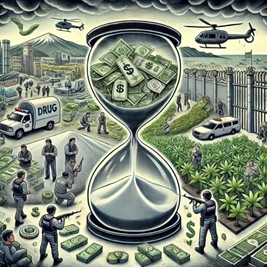
    One of the most significant reasons the War on Drugs persists is the enormous profit generated by the global drug trade. The illegal drug market is estimated to be worth over $400 billion annually, making it one of the most lucrative industries in the world. The profits generated by drug trafficking rival those of some of the largest legitimate businesses, and this financial incentive fuels both the production and distribution of drugs.
    Cartels, criminal organizations, and street gangs have become deeply entrenched in the drug trade, motivated by the enormous financial gains. These groups have the resources to bribe officials, secure weapons, and develop sophisticated smuggling operations that make it nearly impossible for law enforcement agencies to completely dismantle them. The profit motive also extends to legitimate sectors; for example, the privatization of prisons and law enforcement funding create economic interests in maintaining the status quo.
    Additionally, the financial benefits are not limited to illegal enterprises. Banks, for instance, have been implicated in money laundering schemes that clean the vast sums generated by drug trafficking. As long as there is money to be made, the War on Drugs will continue to be a never-ending cycle of supply and demand, resistant to reform or resolution.
    2. Demand Driven by Addiction and Social Issues
    The persistent demand for drugs is a major factor in why the War on Drugs never ends. Despite extensive anti-drug campaigns, harsh sentencing laws, and billions spent on prevention, the demand for drugs remains high. This demand is driven not just by recreational users but also by people struggling with addiction, mental health issues, and socio-economic challenges.
    Addiction is a complex disease often rooted in trauma, poverty, and lack of access to healthcare and education. Efforts to curb drug use through criminalization often fail to address the root causes of addiction, perpetuating a cycle of incarceration without rehabilitation. As long as individuals seek out drugs as a means of coping with personal struggles, there will always be a market.
    Moreover, the War on Drugs has not sufficiently addressed the social determinants of drug use. Communities plagued by poverty, unemployment, and violence are more vulnerable to drug abuse. Instead of investing in social programs, education, and healthcare that could reduce the demand for drugs, resources are often funneled into punitive measures that only scratch the surface of the issue.
    3. Political and Institutional Interests
    The War on Drugs is not just a fight against illegal substances; it is also a political tool. Politicians have long used tough-on-crime rhetoric to garner support, position themselves as defenders of public safety, and distract from other issues. The continuous cycle of proposing new drug laws, increasing funding for law enforcement, and building more prisons is a powerful way to demonstrate action, even when such measures have little effect on the drug problem itself.
    Institutional interests also play a significant role in perpetuating the war. Law enforcement agencies, the prison-industrial complex, and even border security all receive substantial funding as a result of the ongoing fight against drugs. These institutions often resist reforms that could de-escalate the war because their funding and growth are tied directly to its continuation.
    Furthermore, foreign policy considerations often fuel the War on Drugs. The U.S., for example, has spent billions on counter-narcotics operations in countries like Colombia, Mexico, and Afghanistan. These efforts are not just about stopping drugs at the source but are also deeply entwined with broader geopolitical interests, such as maintaining influence over other nations and controlling the flow of resources. As a result, the War on Drugs becomes a proxy for other political and economic goals, making it difficult to end.
    4. The Complexity of Global Drug Networks
    The global nature of the drug trade makes it incredibly challenging to disrupt. Drugs are grown, processed, transported, and sold across borders, involving a vast and complex network of players, from impoverished farmers in Latin America to high-tech traffickers in Asia. The international scope of drug trafficking means that no single country can effectively combat the problem on its own.
    Efforts to eradicate drug crops, such as coca in South America or opium in Afghanistan, have repeatedly failed because they do not address the underlying economic realities of the regions where these drugs are produced. For many farmers, growing illegal drugs is the only viable way to make a living. Attempts to replace these crops with legal alternatives often fall short, as legal markets cannot compete with the high profits of the drug trade.
    Moreover, even when law enforcement successfully disrupts one trafficking route, another quickly emerges. This cat-and-mouse game is compounded by advances in technology that enable traffickers to stay one step ahead. Cryptocurrencies, encrypted communications, and the dark web have all made it easier for traffickers to move money and drugs across borders, outpacing traditional law enforcement methods.
    5. The Futility of a Punitive Approach
    The War on Drugs has historically emphasized punishment over treatment, leading to mass incarceration, especially in the United States. This approach has not only failed to reduce drug use but has also had devastating social consequences, particularly for minority communities. Incarceration rates for drug offenses disproportionately affect people of color, exacerbating social inequalities and perpetuating cycles of poverty and crime.
    Punitive measures have proven ineffective at deterring drug use, as the root causes of addiction remain unaddressed. Rehabilitation and harm reduction approaches, such as supervised injection sites and drug decriminalization, have shown promise in other countries, but such measures face significant political and cultural resistance in places like the U.S.
    The criminal justice system’s focus on punishment rather than prevention and rehabilitation only ensures that the War on Drugs continues indefinitely. As long as drug use is treated primarily as a criminal issue rather than a public health crisis, the cycle of arrest, incarceration, and recidivism will persist.
    Conclusion
    The War on Drugs is an entrenched and multifaceted conflict driven by profit, demand, political interests, and global complexities. It persists because it is profitable, politically expedient, and supported by institutions that benefit from its continuation. Despite decades of effort, the punitive approach to drug control has failed to address the underlying social, economic, and health issues that drive the demand for drugs. To envision an end to the War on Drugs, society would need to shift its focus from criminalization to a more comprehensive strategy that prioritizes public health, harm reduction, and social reform—changes that, unfortunately, remain politically and institutionally challenging.

     

  • Vladimir Putin: Power, Politics, and Controversy

    By Scott J. Arnold

    Vladimir Putin: Power, Politics, and Controversy
    1. Introduction: The Rise of Vladimir Putin
    Vladimir Putin has been a dominant figure in Russian politics for over two decades, serving as both President and Prime Minister of Russia in a cycle that has seen him shape the country’s direction with a firm grip on power. Often described as a strongman leader, Putin’s tenure is marked by a mix of economic reforms, geopolitical maneuvers, and significant controversies. His leadership has transformed Russia’s domestic landscape and redefined its role on the world stage. Despite numerous criticisms, Putin remains one of the most influential and controversial leaders of the 21st century.
    2. Early Life and KGB Career: The Making of a Leader
    Vladimir Vladimirovich Putin was born on October 7, 1952, in Leningrad (now St. Petersburg), Soviet Union. Raised in a modest working-class family, Putin grew up during a time of post-war hardship. His early years were shaped by a sense of discipline and ambition, qualities that would later define his leadership style.
    In 1975, Putin graduated from Leningrad State University with a degree in law and joined the KGB, the Soviet Union’s primary security agency. During his KGB career, Putin was stationed in East Germany, where he worked as an intelligence officer. His time in the KGB helped cultivate his skills in strategy, surveillance, and a deep understanding of political power dynamics. After the collapse of the Soviet Union, Putin resigned from the KGB and began his journey into Russian politics.
    3. Entry into Politics: From Deputy Mayor to Prime Minister
    Putin’s political career began in the early 1990s when he worked in the office of St. Petersburg’s mayor, Anatoly Sobchak, one of his former university professors. Putin’s rise was swift, as he took on various administrative roles, including overseeing international relations and business development for the city. His work in St. Petersburg earned him recognition for his efficiency, loyalty, and ability to navigate the complex post-Soviet political landscape.
    In 1996, Putin moved to Moscow, where he continued his ascent through the ranks of government. He held key positions within the Kremlin, including head of the Federal Security Service (FSB), the successor to the KGB. By 1999, he was appointed Prime Minister by then-President Boris Yeltsin. When Yeltsin unexpectedly resigned on December 31, 1999, Putin became Acting President, setting the stage for his first official election in 2000.
    4. The Early Presidency: Stabilizing a Nation in Crisis
    Putin was elected President of Russia in March 2000, taking over a country mired in economic turmoil, political instability, and widespread corruption. His early years in office were focused on restoring order and rebuilding the economy. Putin implemented a series of economic reforms, including tax cuts, legal restructuring, and encouraging foreign investment. These measures helped stabilize the Russian economy, leading to a period of economic growth driven by rising oil prices.
    Putin also worked to centralize power, reducing the influence of regional governors and reasserting control over key industries. He cracked down on the oligarchs—wealthy businessmen who had gained vast influence during the Yeltsin era—either bringing them under state control or forcing them into exile. This consolidation of power was a hallmark of Putin’s early presidency, earning him popular support for restoring national pride but also drawing criticism for undermining democratic institutions.
    5. The Chechen Wars: A Test of Strength
    One of Putin’s most significant challenges during his early presidency was the conflict in Chechnya. The Second Chechen War, which began in 1999, was marked by brutal counterinsurgency tactics as Russia sought to suppress separatist movements in the region. Putin’s handling of the conflict was characterized by a hardline approach, including military offensives that resulted in significant civilian casualties and widespread destruction.
    Putin’s portrayal as a strong, decisive leader during the Chechen Wars bolstered his popularity at home, reinforcing his image as someone who could restore order and defend Russian interests. However, the human rights abuses committed by Russian forces in Chechnya drew international condemnation and highlighted the darker side of Putin’s leadership style.
    6. Economic Boom and State Control: Putin’s Domestic Agenda
    During Putin’s first two terms as President (2000-2008), Russia experienced an economic boom fueled by high global energy prices. Putin capitalized on this windfall, paying off foreign debts, building up foreign currency reserves, and investing in infrastructure. Under his leadership, Russia’s GDP grew significantly, and millions of Russians saw improvements in their standard of living.
    However, this period of economic growth also saw increased state control over key sectors, particularly in energy. Putin re-nationalized major oil companies and placed them under state control, using energy as a tool of both domestic power and international influence. Critics argued that Putin’s economic policies favored political loyalty over market competition, stifling innovation and fostering corruption.
    7. The Power Shift: From President to Prime Minister and Back Again
    In 2008, Putin’s second term as President ended, and due to constitutional term limits, he stepped down, passing the presidency to his protégé, Dmitry Medvedev. However, Putin remained at the center of power, serving as Prime Minister while continuing to wield significant influence over Russian politics.
    During Medvedev’s presidency, Putin maintained his grip on power, and in 2012, he returned to the presidency in a move widely seen as a carefully orchestrated power swap. This period marked the beginning of a new era in Russian politics, with Putin pursuing a more assertive foreign policy and further tightening his control over domestic affairs.
    8. Foreign Policy and Geopolitical Ambitions: Ukraine, Syria, and Beyond
    Putin’s third and fourth terms as President have been marked by an aggressive and often confrontational foreign policy. In 2014, Russia’s annexation of Crimea following Ukraine’s Euromaidan protests sparked an international crisis and led to severe sanctions from the West. Putin justified the annexation by citing historical ties and the protection of Russian-speaking populations, but the move was widely condemned as a violation of international law.
    Putin’s intervention in Syria, where Russia provided military support to President Bashar al-Assad, further demonstrated his willingness to assert Russian influence abroad. By positioning Russia as a key player in the Syrian conflict, Putin reinforced his image as a global power broker, challenging Western dominance in international affairs.
    9. Domestic Repression: Curtailing Dissent and Freedom
    While Putin’s foreign policy moves have dominated headlines, his domestic policies have also been marked by increasing authoritarianism. Under his leadership, the Russian government has systematically curtailed political dissent, restricted media freedom, and targeted opposition figures. High-profile critics of Putin, such as opposition leader Alexei Navalny, have faced imprisonment, harassment, and even poisoning attempts.
    Laws restricting public protests, media censorship, and crackdowns on non-governmental organizations have further eroded Russia’s democratic institutions. Putin’s government has been accused of using a combination of legal maneuvers, disinformation campaigns, and outright violence to maintain control, suppress dissent, and secure his hold on power.
    10. The Cult of Personality: Building the Putin Image
    Putin has carefully cultivated a public image as a tough, no-nonsense leader who embodies traditional Russian values. State-controlled media has played a significant role in promoting this image, often portraying Putin as a man of action—whether it’s piloting planes, practicing judo, or posing shirtless while hunting. This carefully crafted persona has helped Putin maintain a high level of popular support, particularly among older, more conservative Russians who value stability and strength.
    However, the cult of personality around Putin also reflects the deeply controlled media environment in Russia, where dissenting voices are often marginalized or silenced. The state’s portrayal of Putin as a national savior masks the underlying challenges facing the country, including economic stagnation, demographic decline, and widespread corruption.
    11. Controversies and Criticisms: From Election Interference to Human Rights Abuses
    Putin’s tenure has been rife with controversies, both domestically and internationally. Allegations of election interference, including the 2016 U.S. presidential election, have fueled accusations that Putin uses cyber warfare and disinformation as tools of statecraft. The Kremlin has been linked to hacking operations, propaganda campaigns, and efforts to undermine democratic processes in various countries, leading to tensions with Western governments.
    Human rights abuses, including the persecution of LGBTQ+ individuals, suppression of free speech, and extrajudicial killings of political opponents, have also marred Putin’s legacy. International organizations have frequently criticized Russia’s record under Putin, highlighting the erosion of civil liberties and the use of state power to quash dissent.
    12. The Future of Russia Under Putin: Uncertainty and Continuity
    As of the early 2020s, Putin remains firmly in control of Russia, having secured constitutional amendments that allow him to potentially remain in power until 2036. His continued leadership raises questions about the future direction of Russia, both domestically and on the world stage. While Putin’s supporters credit him with restoring national pride and stability, critics warn that his autocratic style, economic mismanagement, and aggressive foreign policy could lead to long-term consequences for Russia.
    The eventual transition of power in Russia is uncertain, and whether Putin will step down or continue to rule remains an open question. What is clear is that Putin’s influence on Russia is profound and lasting, shaping the country’s politics, society, and global standing for years to come.
    Conclusion: Vladimir Putin’s Enduring Impact
    Vladimir Putin’s journey from KGB officer to one of the world’s most powerful leaders is a story of ambition, control, and controversy. His ability to navigate the complexities of Russian politics and maintain power for over two decades speaks to his strategic acumen and the effectiveness of his authoritarian approach. While Putin’s legacy is still being written, it is already clear that his leadership has left an indelible mark on Russia and the world.


  • The Relationship Between Violent Video Games and School Shootings

    By Scott J. Arnold

    The Complex Relationship Between Violent Video Games and School Shootings
    Introduction
    The debate over whether violent video games contribute to school shootings has been ongoing for decades. Following every tragic event, there are renewed calls to examine the impact of violent media, particularly video games, on young people. Proponents of this argument suggest that violent video games desensitize players to violence, foster aggressive behavior, and serve as a rehearsal for real-life violence. Opponents argue that there is no clear causal link, pointing out that millions of people play these games without exhibiting violent tendencies. This article explores the complex relationship between violent video games and school shootings, delving into the psychological, social, and scientific perspectives on this contentious issue.
    1. The Popularity of Violent Video Games and Cultural Concerns
    Violent video games have become a ubiquitous part of modern entertainment, with franchises like Call of Duty, Grand Theft Auto, and Fortnite attracting millions of players worldwide. These games often involve realistic simulations of combat, crime, and other violent acts, leading to concerns about their impact on young, impressionable players. The graphic nature of some of these games, combined with the immersive experience of first-person gameplay, has led many to question whether such exposure can influence real-world behavior.
    Culturally, video games are often scapegoated following mass shootings, particularly when the perpetrators are young males. The narrative that violent games can act as a training ground for real violence is compelling and often repeated in media and political discourse. In high-profile cases, it is not uncommon for investigators to find that the perpetrators had played violent games, which is then highlighted as a potential contributing factor to their actions.
    However, it is crucial to acknowledge that violent video games are played by millions of individuals globally who never engage in violent behavior. Countries like Japan and South Korea, where violent video games are hugely popular, have significantly lower rates of gun violence compared to the United States. This disparity suggests that cultural, social, and legal factors play a more substantial role in shaping violent behavior than video game consumption alone. Despite this, the narrative linking violent games to real-life violence persists, driven by cultural fears and the search for simple explanations for complex problems.
    2. Psychological Theories: Aggression, Desensitization, and Imitation
    One of the primary concerns about violent video games is that they may increase aggression in players, making them more prone to violent behavior. Psychological theories suggest that repeated exposure to violent content can lead to desensitization, where individuals become less sensitive to violence and suffering. Over time, this desensitization may reduce empathy for others and increase the likelihood of aggressive thoughts and behaviors.
    The social learning theory, proposed by psychologist Albert Bandura, posits that people can learn behaviors through observation and imitation. In the context of violent video games, players repeatedly observe and engage in violent acts, which, according to the theory, could reinforce aggressive tendencies. This theory has been used to argue that violent video games act as a rehearsal for real-life violence, teaching players how to commit violent acts in a low-risk, consequence-free environment.
    However, the evidence supporting these theories is mixed. While some studies have found a correlation between violent video game play and increased aggression, others have failed to establish a direct link between gaming and violent behavior, particularly extreme acts like school shootings. Critics argue that these studies often measure short-term increases in aggressive thoughts or feelings, which do not necessarily translate into long-term behavioral changes. Furthermore, aggression is a complex trait influenced by multiple factors, including personality, environment, and existing mental health issues, making it difficult to isolate the impact of video games alone.
    3. The Role of Mental Health and Other Risk Factors
    One of the most critical elements often overlooked in the debate over violent video games and school shootings is the role of underlying mental health issues. Research consistently shows that most school shooters suffer from significant mental health problems, such as depression, anxiety, or personality disorders. These conditions, combined with other risk factors like bullying, family dysfunction, and social isolation, are far more predictive of violent behavior than exposure to violent media.
    Many school shooters display signs of severe psychological distress long before they commit their acts of violence. In these cases, violent video games may be a symptom rather than a cause. For some individuals, these games may provide an outlet for expressing frustration, anger, or a desire for power in a controlled environment. However, for those already struggling with mental health issues, this outlet can become maladaptive, potentially reinforcing negative thought patterns.
    It is important to note that the vast majority of individuals with mental health issues do not engage in violent behavior, and those who play violent video games are not necessarily predisposed to committing acts of violence. The interplay between mental health, environmental stressors, and personal vulnerabilities is complex, and it is this combination, rather than any single factor, that often leads to tragic outcomes. Understanding this nuanced relationship is crucial for developing effective prevention strategies that address the root causes of school shootings rather than focusing solely on video games.
    4. The Influence of Media and Public Perception
    Media coverage plays a significant role in shaping public perception of violent video games and their link to school shootings. Following high-profile incidents, media outlets often highlight the shooter’s interest in violent games, framing this as a potential motive or contributing factor. This coverage can create a moral panic, amplifying fears that video games are directly responsible for violent acts. However, this narrative often oversimplifies the causes of violence and diverts attention from other critical issues, such as gun access, mental health, and social support systems.
    Research shows that the portrayal of violent video games in the media can skew public perception, leading many to believe that there is a strong causal link between gaming and real-world violence, despite the lack of conclusive evidence. This phenomenon is known as the availability heuristic, where people are more likely to believe something is true if they can easily recall examples of it, such as media reports linking games to shootings.
    The media’s focus on video games can also influence policy decisions, leading to calls for stricter regulations on game content, age restrictions, or even bans. While regulating the exposure of young children to violent content is reasonable, these measures do not address the more profound societal issues that contribute to school shootings. By fixating on video games, the media and policymakers risk overlooking more pressing factors like gun control, mental health support, and community interventions.
    5. Scientific Research: Correlation Does Not Equal Causation
    The scientific research on the relationship between violent video games and violent behavior is extensive but inconclusive. Numerous studies have examined whether violent games lead to increased aggression, but the results are mixed, with some studies finding a weak correlation and others finding none at all. One major challenge in this research is distinguishing between correlation and causation—just because two factors occur together does not mean one causes the other.
    Many studies showing a link between violent video games and aggression rely on laboratory experiments that measure short-term effects, such as increased heart rate, aggression in word associations, or irritability. However, these findings do not necessarily translate into real-world violent behavior, especially acts as extreme as school shootings. Critics argue that these studies often lack ecological validity, meaning they do not accurately represent how people interact with video games in their everyday lives.
    Meta-analyses, which aggregate data from multiple studies, have generally found that the effect of violent video games on aggression is small and less significant than other factors like family environment, mental health, and exposure to real-world violence. Furthermore, no study has definitively proven that violent video games directly cause acts of severe violence such as school shootings. The consensus among many experts is that violent video games alone are not a primary driver of such behavior, though they may play a role in a broader constellation of risk factors.
    6. Alternative Explanations: The Bigger Picture
    To fully understand the relationship between violent video games and school shootings, it is essential to consider the broader context in which these incidents occur. Access to firearms, a history of trauma, social isolation, and the lack of mental health resources are all critical factors that contribute to the risk of school shootings. In the United States, the prevalence of guns, combined with inadequate mental health support, creates an environment where vulnerable individuals can turn their violent thoughts into actions.
    Additionally, societal factors such as bullying, family breakdown, and exposure to other forms of violence, whether in the home, community, or media, can exacerbate the risk of violent behavior. In this complex web of influences, violent video games may serve as a small piece of the puzzle but are unlikely to be the primary cause.
    Moreover, violent video games are not inherently harmful and can even have positive effects, such as improving cognitive skills, providing stress relief, and fostering social connections through online gaming communities. It is essential to distinguish between healthy engagement with video games and problematic usage, particularly among individuals who may already be struggling with other risk factors.
    Conclusion
    The relationship between violent video games and school shootings is complex and multifaceted, with no simple answers. While violent games may influence aggression in some individuals, they are not the primary cause of school shootings. The evidence suggests that these incidents result from a combination of factors, including mental health issues, access to firearms, social isolation, and other environmental stressors. Rather than focusing solely on video games, a comprehensive approach that addresses these underlying issues is essential for preventing future tragedies.
    Efforts to reduce school shootings must involve improving mental health support, fostering safe and inclusive school environments, and addressing broader societal factors that contribute to violence. By understanding the complexities of this issue, we can move beyond scapegoating video games and work towards solutions that address the root causes of violence in our communities.
     

  • If UFOs Aren’t Real Then Why the Secrecy?

    By Scott J. Arnold

    If UFOs Aren’t Real, Why Does the Government Spend So Much Money Covering It Up?
    For decades, the mystery surrounding unidentified flying objects (UFOs) has captivated the public’s imagination. From grainy photographs and eyewitness accounts to more recent revelations of government investigations, the UFO phenomenon has never been far from public consciousness. However, one question persists: if UFOs aren’t real, why does the government spend so much money and effort trying to cover them up? This article delves into the reasons behind the secrecy, exploring the motivations and implications of a long-standing government strategy that raises more questions than answers.
    1. Historical Context: A Legacy of Secrecy
    The U.S. government’s involvement with UFOs dates back to the 1940s, shortly after the infamous Roswell incident in 1947, where a mysterious object crash-landed in New Mexico. Although initially reported as a flying saucer, the military quickly changed its story, claiming it was merely a weather balloon. This marked the beginning of a long history of cover-ups, retractions, and denials that have only fueled public suspicion.
    During the Cold War, the government’s focus on secrecy intensified. The fear was that the Soviets might exploit UFO sightings to spread panic or gather intelligence. As a result, numerous investigations, including Project Blue Book, were launched to collect and analyze data on UFO sightings. However, many of these investigations ended with ambiguous or inconclusive results, which only deepened the mystery. Declassified documents reveal that officials were often more concerned with maintaining control over the narrative than with genuinely understanding the phenomena.
    The secrecy surrounding these early investigations set a precedent. Even as public interest in UFOs surged with the advent of science fiction films and television shows, the government remained tight-lipped, often dismissing sightings as hoaxes, misidentifications, or natural phenomena. The question remains: if there was nothing to hide, why such an elaborate effort to keep the public in the dark?
    2. The Government’s Financial Commitment to Secrecy
    The U.S. government has poured millions of dollars into projects and agencies tasked with investigating and, at times, obfuscating information about UFOs. One of the most notable examples is the Advanced Aerospace Threat Identification Program (AATIP), a secretive Department of Defense initiative that operated from 2007 to 2012 with a budget of $22 million. Although officially disbanded, many believe its work continues under different names and programs.
    Why allocate such significant resources if UFOs are not a legitimate concern? Skeptics argue that the government’s expenditure is primarily geared toward national security, ensuring that potential threats, whether foreign drones or experimental aircraft, are thoroughly investigated. However, leaked reports and testimonies from former officials suggest that the phenomenon involves more than just conventional threats.
    Former AATIP director Luis Elizondo has stated publicly that the program documented numerous incidents involving unidentified aerial phenomena (UAPs) that defied known physics. These objects exhibited capabilities far beyond any current human technology, such as hypersonic speeds, rapid direction changes, and stealth capabilities. The continued investment in investigating these phenomena suggests that there is a genuine, albeit secretive, concern within the highest levels of government.
    Additionally, the government’s penchant for secrecy is not cheap. The costs of maintaining classified programs, restricting access to information, and even discrediting whistleblowers add up. Moreover, agencies like the CIA and NSA have devoted significant manpower and resources to managing the narrative, ensuring that the public remains uncertain and skeptical. If these objects were mere figments of the imagination, why the sustained, high-cost effort to control the story?
    3. Motivations Behind the Cover-Up
    The reasons for the government’s cover-up efforts are multifaceted, ranging from national security concerns to fears of public panic. Here are some key motivations often cited by experts and insiders:
    • National Security: At its core, the government’s interest in UFOs is rooted in national security. The military must assess whether these unidentified objects pose a threat to the country. If a foreign adversary has developed advanced technology, it could compromise national security. The secrecy surrounding UFOs ensures that potential enemies do not gain insight into what the U.S. knows or does not know.
    • Technological Edge: Many UFO sightings involve objects that exhibit extraordinary technological capabilities. There is a strong incentive for the government to keep these observations classified, as public disclosure could tip off adversaries about potential technological advancements. If the military or defense contractors can reverse-engineer or replicate these technologies, it could provide a significant strategic advantage.
    • Avoiding Public Panic: Governments have long been wary of inciting public panic. The potential discovery of extraterrestrial life or advanced unknown technologies could undermine public confidence in national security and scientific understanding. During the Cold War, fears of widespread panic were cited as reasons for keeping UFO information under wraps, a rationale that continues to influence government policy today.
    • Control of the Narrative: By controlling information, the government can shape public perception. The dismissal of UFOs as weather phenomena, swamp gas, or optical illusions serves to minimize public interest and scrutiny. This narrative control allows the government to keep a lid on what could otherwise be a Pandora’s box of public inquiry and skepticism toward official explanations.
    4. The Inconsistencies in Government Statements
    One of the most baffling aspects of the government’s stance on UFOs is the inconsistency in their statements and actions. For decades, officials dismissed UFO sightings as nothing more than hoaxes or misidentifications. However, recent admissions, such as the Pentagon’s acknowledgment of the existence of UAPs and the release of Navy pilot footage showing objects that defy conventional explanations, directly contradict earlier dismissals.
    These admissions have prompted a surge of renewed public interest and raised further questions about what the government truly knows. If these objects are not of concern, why the sudden willingness to disclose some information while keeping other details classified? It seems that the government is selectively releasing information to manage public perception while keeping the most explosive details under wraps.
    Furthermore, the treatment of whistleblowers and insiders who have attempted to speak out about UFOs highlights a broader strategy of suppression. From silencing military personnel to discrediting witnesses, the government has consistently tried to maintain control over the narrative. If there is truly nothing to hide, such efforts would be unnecessary.
    5. Implications: What If They’re Hiding the Truth?
    The implications of a government cover-up are profound. If UFOs are indeed real and represent advanced technology—whether foreign, domestic, or extraterrestrial—the public deserves to know the truth. The continued secrecy only fuels speculation and distrust in governmental institutions. Moreover, withholding potentially groundbreaking technological discoveries or knowledge of otherworldly life forms denies humanity the opportunity to advance our understanding of the universe.
    The persistence of the cover-up also raises ethical questions. Should the government have the right to keep such potentially world-altering information from the public? The argument for national security is valid, but at what point does the need for transparency outweigh the risks? As more whistleblowers come forward and more information is leaked, it becomes increasingly difficult for the government to maintain its stance of denial.
    Conclusion: The Cost of Secrecy
    The ongoing secrecy surrounding UFOs is not just a financial burden but a moral and societal one. If UFOs aren’t real, then the government’s vast expenditures and efforts to cover up their existence are perplexing at best and deceitful at worst. The reality is likely more complex, involving a mix of genuine national security concerns, technological ambitions, and the desire to control public perception.
    As more information surfaces and public pressure mounts, the government may be forced to reveal the truth about what it knows. Until then, the question remains: why invest so much in covering up something that supposedly does not exist? The answer may hold the key to one of the greatest mysteries of our time.
     

  • A Candid Conversation with Donald J. Trump

    By Scott J. Arnold

    A Candid Conversation with Donald J. Trump: An Exclusive Interview by S.J. Arnold
    S.J. Arnold: President Trump, thank you for sitting down with me today. It’s been a few years since you left office, and a lot has happened since then. How have you been spending your time, and what’s been your focus recently?
    Donald J. Trump: Thank you, S.J. It’s great to be here. I’ve been staying busy, that’s for sure. I’m always working, always fighting for the American people. Since leaving office, I’ve been focused on supporting conservative candidates across the country, speaking out against the Biden administration’s disastrous policies, and continuing to grow the America First movement. I’ve also been spending time with my family, which has been wonderful. We’re looking at some very exciting things coming up, so stay tuned.
    S.J. Arnold: Your time in office was marked by a lot of achievements but also considerable controversy. Looking back, what do you consider your greatest accomplishments during your presidency?
    Donald J. Trump: We did a lot of great things. We had the best economy this country has ever seen, with record-low unemployment, especially for African Americans, Hispanic Americans, and women. We cut taxes, eliminated job-killing regulations, and brought American manufacturing back. We secured our border, something no one thought was possible, and we rebuilt the military. And let’s not forget Operation Warp Speed—getting a vaccine out in record time was a monumental achievement. It saved millions of lives. But beyond all that, I think our biggest accomplishment was showing people that it’s okay to love your country, to stand up for your values, and to put America first.
    S.J. Arnold: You faced constant criticism from the media and your political opponents. How did you handle the relentless scrutiny and often hostile environment in Washington?
    Donald J. Trump: I knew what I was getting into. Washington is a swamp, and the media is corrupt—totally biased. But you know what? I don’t let it get to me. I was elected to do a job, not to be liked by the fake news media. My focus was always on the American people, not the critics. I have thick skin, and I’m not afraid of a fight. I believe in being direct, speaking the truth, and not backing down. That’s how I’ve always operated, and that’s how I led as President.
    S.J. Arnold: Immigration was one of the key issues during your presidency, and it continues to be a hot topic. How do you view the current situation at the border?
    Donald J. Trump: What’s happening at the border right now is a complete disaster. We had it under control. We built nearly 500 miles of wall, ended catch-and-release, and put policies in place that actually worked. Now, it’s all been reversed, and we’re seeing the consequences: record numbers of illegal crossings, drugs pouring into our country, and total chaos. It’s a national security crisis. We need strong borders, period. A country without borders is not a country at all.
    S.J. Arnold: One of the most polarizing moments of your presidency was your response to the COVID-19 pandemic. How do you reflect on your handling of the crisis?
    Donald J. Trump: COVID was unprecedented, something the world hadn’t seen in over a hundred years. We were blindsided, but we moved quickly. I shut down travel from China early on, which saved countless lives. We ramped up testing, produced ventilators, and led the world in pandemic response. Operation Warp Speed was a historic success—no one thought we could get a vaccine out that quickly, but we did it. Of course, there were challenges, and the media loved to criticize, but I’m proud of how we handled it. We faced the crisis head-on and delivered results.
    S.J. Arnold: You’ve often talked about “draining the swamp.” Do you think you succeeded, and what more needs to be done?
    Donald J. Trump: We made a lot of progress, but there’s still a long way to go. The swamp is deep, and the corruption runs far and wide. We exposed a lot of it—the deep state, the corruption in the FBI, the phony Russia hoax. But Washington is a tough place, and the entrenched interests are powerful. What we need is more outsiders, more patriots who aren’t afraid to take on the establishment. I’m not done fighting, and neither are the millions of Americans who believe in the America First agenda.
    S.J. Arnold: You remain a highly influential figure in the Republican Party. How do you see the future of the GOP, and what role do you plan to play?
    Donald J. Trump: The Republican Party is stronger than ever, and it’s because of the America First movement. People want leaders who fight for them, who stand up to the radical left, and who put this country first. The future of the GOP is bright, and we have a lot of great people coming up. As for me, I’m focused on helping get the right people elected and making sure we take back the House, the Senate, and eventually the White House. I’m not ruling anything out. We’ll see what happens.
    S.J. Arnold: There’s been a lot of speculation about whether you’ll run for President again in 2024. Can you give us any hints about your plans?
    Donald J. Trump: Well, I can’t say too much right now, but I will tell you this: people want us to run. Everywhere I go, that’s the first thing people ask me. We’re looking at it very seriously, and I think you’re going to be very happy with our decision. We need strong leadership, and we need someone who’s going to stand up to China, secure our borders, and get our economy back on track. So stay tuned.
    S.J. Arnold: Finally, looking back on your life and career, what do you want your legacy to be?
    Donald J. Trump: I want to be remembered as a fighter, someone who never backed down and who always put America first. I didn’t do this for fame or fortune—I did it because I love this country, and I wanted to make a difference. We changed the conversation, we challenged the status quo, and we gave a voice to millions of Americans who felt forgotten. That’s a legacy I’m proud of.
    S.J. Arnold: Thank you for your time, Mr. President. It’s been a fascinating conversation.
    Donald J. Trump: Thank you, S.J. It’s been great talking with you. Keep up the good work.
    This concludes our in-depth interview with Donald J. Trump, where we explored his past, present, and potential future in American politics. His reflections provide insight into a presidency that redefined political discourse and continue to influence the nation’s trajectory.
     

  • Surviving the Killing Fields Interview with Tony Lai

    By Scott J. Arnold

    Surviving the Unthinkable: An In-Depth Interview with Tony Lai, Author of “Orphan of the Killing Fields”
    S.J. Arnold: Tony, thank you for taking the time to talk with me today. Your book, “Orphan of the Killing Fields,” has touched many hearts around the world. Let’s start with what motivated you to write this deeply personal memoir.
    Tony Lai: Thank you for having me, S.J. The motivation came from a need to share my story and give a voice to those who didn’t survive the horrors of the Khmer Rouge. Growing up, I was surrounded by death, loss, and despair, but I survived. Writing “Orphan of the Killing Fields” was a way to honor my family and the millions of Cambodians who suffered. It was also a way to heal and make sense of the trauma that defined my childhood.
    S.J. Arnold: Your story is not only about survival but also about resilience and hope. What was it like revisiting such painful memories while writing your book?
    Tony Lai: It was incredibly difficult. Every page I wrote brought back memories I had tried to bury for years. The hardest part was reliving the loss of my family, especially my mother. I remember moments of starvation, the constant fear, and the brutality that surrounded us. But as painful as it was, writing became a form of therapy. It allowed me to confront my past, understand my pain, and, ultimately, begin to heal.
    S.J. Arnold: You describe the Khmer Rouge regime in vivid detail—scenes of forced labor, starvation, and unimaginable violence. How did you manage to capture these moments so authentically?
    Tony Lai: Authenticity was crucial to me. I wanted readers to feel the fear, hunger, and despair that defined my daily existence during those years. I relied on my memories, which were often clear because trauma has a way of imprinting on your mind. I also spoke to other survivors, some of whom shared their own experiences, which helped me piece together a more comprehensive picture. My goal was to be honest, even if that honesty was brutal and uncomfortable.
    S.J. Arnold: What were some of the most challenging scenes for you to write about in the book?
    Tony Lai: Writing about the death of my family members was the most challenging. There were days when I couldn’t continue because the memories were too overwhelming. One scene that stands out is when my younger brother died of starvation. I was just a child, powerless and unable to help him. Another was the constant fear of being caught and punished for the slightest infractions, which often resulted in beatings or worse. Reliving these moments was like opening old wounds, but I knew they were necessary to tell the full story.
    S.J. Arnold: Many readers are struck by your courage, both in surviving the Killing Fields and in sharing your story with the world. What kept you going during those darkest times?
    Tony Lai: I think it was a mix of instinct, hope, and the memories of my loved ones. Even as a child, I knew I had to keep going. There was always this small part of me that believed I might one day find a better life or that somehow my parents would miraculously return. Clinging to that hope, however unrealistic it might have been, gave me the strength to endure. And later, after I escaped to a refugee camp, the thought of building a new life kept me going.
    S.J. Arnold: After surviving the Khmer Rouge and eventually resettling in the United States, how did you adapt to your new life?
    Tony Lai: Adapting was one of the biggest challenges I faced. I arrived in the U.S. with no family, barely speaking any English, and carrying the trauma of my past. I felt lost and alone, but I also saw it as a second chance. I threw myself into learning the language and adapting to American culture. School was tough, but it was also a refuge—a place where I could dream of a future beyond the horrors I had experienced. Over time, I found work, made friends, and slowly started to rebuild my life.
    S.J. Arnold: How did the process of writing “Orphan of the Killing Fields” help you come to terms with your past?
    Tony Lai: Writing was incredibly therapeutic. It allowed me to take control of my story and transform my pain into something meaningful. For years, I kept everything inside, afraid to share my experiences because I didn’t think anyone could understand. But putting my story on paper helped me make sense of it all. It was like piecing together a puzzle of my life, finding closure, and finally allowing myself to grieve properly.
    S.J. Arnold: Your book has had a profound impact on readers around the world. What do you hope people take away from your story?
    Tony Lai: My hope is that readers will gain a deeper understanding of what happened in Cambodia during the Khmer Rouge era and the lasting impact it had on survivors. But more importantly, I want people to see that even in the darkest moments, the human spirit can endure. I hope my story inspires others to persevere through their struggles, to never give up hope, and to recognize the strength we all have inside.
    S.J. Arnold: The themes of loss, survival, and rebuilding are central to your memoir. How do you view your journey now, looking back?
    Tony Lai: Looking back, I see a journey of survival, resilience, and ultimately, redemption. I’ve come to terms with my past, and while the scars remain, I’ve also found peace. I’ve built a life that honors the memory of my family, and I’ve dedicated myself to helping others understand the atrocities of the past. My journey isn’t just about me—it’s about the millions who didn’t make it and the importance of remembering and learning from history.
    S.J. Arnold: Finally, what’s next for you, Tony? Do you have plans to write more, or are you focusing on other projects?
    Tony Lai: I’m currently working on a second book, which will focus on the journey of rebuilding after trauma. It’s less about the horrors and more about the healing process. I also spend a lot of time speaking at schools and organizations, sharing my story to educate others. My goal is to keep raising awareness and advocating for survivors of genocide and war, making sure these stories are never forgotten.
    This concludes our in-depth conversation with Tony Lai, a survivor, author, and advocate whose journey from the Killing Fields to a life of purpose and resilience is nothing short of inspirational. His book, “Orphan of the Killing Fields,” stands as a testament to the enduring strength of the human spirit.
     

  • The Maple Syrup Monopoly

    By Scott J. Arnold

    The Maple Syrup Monopoly: Understanding the Sweet Cartel of Canada
    Introduction
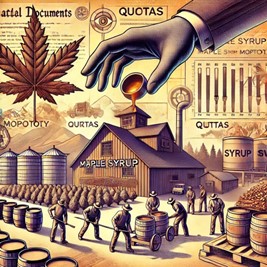
    Maple syrup is more than just a breakfast staple; it’s a symbol of Canadian heritage and a multi-million-dollar industry. However, behind the sweet facade of this iconic product lies a tightly controlled system often described as the “maple syrup monopoly.” Dominated by the Federation of Quebec Maple Syrup Producers (FPAQ), this organization has established a cartel-like control over the production, pricing, and distribution of maple syrup in Canada, leading to significant controversy, legal battles, and even criminal activities. This article delves into the complex world of the maple syrup monopoly, exploring how it functions, its impact on producers, and the broader implications for the industry.
    1. The Rise of the Maple Syrup Industry
    Maple syrup production has deep roots in North American history, dating back to Indigenous peoples who first discovered the method of extracting sap from maple trees and boiling it down into syrup. Over time, maple syrup became an integral part of Canadian culture, with Quebec emerging as the world’s largest producer, responsible for more than 70% of the global supply.
    • Traditional Production: Maple syrup is produced by tapping sugar maple trees and collecting the sap, which is then boiled down to create the sweet, amber syrup. The process is labor-intensive and highly seasonal, with the sap flow dependent on specific weather conditions during the spring.
    • Global Demand: As demand for natural sweeteners and organic products has grown, so too has the global market for maple syrup. Today, it’s not just a staple in North American households but a sought-after product worldwide, with exports reaching markets in Europe, Asia, and beyond.
    • Economic Significance: The maple syrup industry generates significant revenue, contributing to the economy through job creation, tourism, and exports. In Quebec alone, the industry is worth hundreds of millions of dollars annually, making it a crucial part of the province’s agricultural sector.
    The lucrative nature of maple syrup has attracted not only legitimate businesses but also regulatory control aimed at maintaining market stability. However, this control has led to the development of a powerful and controversial monopoly.
    2. The Federation of Quebec Maple Syrup Producers: The Sweet Cartel
    The Federation of Quebec Maple Syrup Producers (FPAQ), now known as the Producteurs et productrices acéricoles du Québec (PPAQ), was established in 1966 to support maple syrup producers, stabilize prices, and ensure a steady supply of syrup. However, over time, the Federation has evolved into a powerful entity that exerts near-total control over the industry.
    • Quota System: One of the Federation’s primary tools is a strict quota system that dictates how much syrup each producer can make and sell. This system was designed to prevent overproduction, stabilize prices, and maintain the quality of Quebec maple syrup. Producers who exceed their quotas must store the excess in a government-regulated reserve known as the “Global Strategic Reserve,” often called the “maple syrup cartel’s Fort Knox.”
    • Price Control and Regulation: The Federation sets the price of maple syrup, effectively controlling how much producers earn for their product. This price-setting mechanism is meant to protect farmers from market fluctuations and ensure a fair income. However, critics argue that it stifles competition, artificially inflates prices, and limits the ability of producers to operate independently.
    • Mandatory Membership: All maple syrup producers in Quebec are required by law to sell their syrup through the Federation, which handles sales, marketing, and distribution. This mandatory membership has sparked resentment among some producers who feel trapped in a system that limits their autonomy and forces them to comply with stringent regulations.
    • Enforcement and Legal Power: The Federation has extensive legal powers to enforce its rules, including the ability to fine producers, seize unauthorized syrup, and take legal action against those who attempt to bypass the system. This level of control has led some to liken the Federation to a cartel, wielding disproportionate influence over the industry.
    The Federation’s monopoly over the maple syrup industry has led to significant controversy, with many producers feeling that their rights are being curtailed in favor of maintaining market control.
    3. The Maple Syrup Heist: A Multi-Million Dollar Crime
    The extent of the Federation’s control and the value of maple syrup became evident in 2012 when one of the most notorious agricultural thefts in history occurred—the Great Canadian Maple Syrup Heist. This high-profile crime highlighted the economic stakes and the darker side of the industry.
    • The Heist: Over the course of several months, thieves siphoned off nearly 3,000 tons of maple syrup from the Global Strategic Reserve, replacing barrels of syrup with water. The stolen syrup, worth an estimated $18 million, was sold on the black market, bypassing the Federation’s control and regulations.
    • The Investigation: The heist prompted an extensive investigation by Canadian authorities, involving months of surveillance, wiretaps, and raids. Eventually, several individuals were arrested and charged with theft, fraud, and trafficking in stolen goods.
    • Impact on the Industry: The heist underscored the vulnerability of the Federation’s tightly controlled system and the lengths to which individuals would go to circumvent it. It also drew international attention to the maple syrup industry, revealing the high stakes and the risks associated with the Federation’s monopoly.
    The Great Canadian Maple Syrup Heist remains a symbol of the tensions within the industry, where the desire for profit and independence often clashes with the Federation’s strict controls.
    4. The Impact on Maple Syrup Producers: Challenges and Resistance
    The Federation’s monopoly has been met with resistance from many maple syrup producers, who feel constrained by the quota system, pricing regulations, and mandatory membership.
    • Financial Strain: For some producers, the quota system can be financially burdensome, especially when they are forced to store or destroy excess syrup instead of selling it at market prices. The cost of compliance, coupled with the inability to freely sell their product, can make it difficult for small producers to thrive.
    • Legal Battles: Producers who attempt to operate outside the Federation’s control risk facing significant legal consequences. Some have been fined, had their syrup seized, or been subjected to costly legal battles. These enforcement actions have fueled resentment and sparked debates about producers’ rights and the role of government regulation.
    • Underground Markets: In response to the Federation’s controls, some producers have turned to underground markets to sell their syrup, bypassing quotas and regulations. While this allows them to earn higher profits, it also exposes them to legal risks and penalties.
    • Calls for Reform: Many producers are calling for reforms to the Federation’s system, advocating for greater freedom to sell directly to consumers, adjust quotas, and participate in the market on their own terms. While some reforms have been introduced, such as increasing quotas in response to growing demand, significant challenges remain.
    The Federation’s dominance in the industry has created a complex and often contentious relationship between producers and regulators, highlighting the difficulties of balancing market control with individual rights.
    5. The Broader Implications: Monopoly, Market Control, and Consumer Impact
    The maple syrup monopoly has broader implications for consumers, markets, and the perception of agricultural regulation.
    • Market Control and Price Manipulation: The Federation’s ability to control supply and set prices has led to accusations of market manipulation. By restricting production and maintaining high prices, the Federation’s actions resemble those of other well-known cartels, such as OPEC in the oil industry. This market control can limit competition, stifle innovation, and create barriers to entry for new producers.
    • Consumer Impact: The Federation’s control over the maple syrup market has a direct impact on consumers, who often pay higher prices for maple syrup compared to other sweeteners. While the Federation argues that its actions ensure the quality and sustainability of Quebec maple syrup, the lack of competition can reduce consumer choice and lead to inflated prices.
    • Lessons for Other Industries: The maple syrup monopoly serves as a cautionary tale for other agricultural sectors facing similar issues of regulation, market control, and producer autonomy. It highlights the need for balance between supporting producers and maintaining a free and competitive market.
    The Federation’s control over the maple syrup industry is a complex issue that raises questions about the role of government regulation, the rights of producers, and the impact on consumers.
    6. Moving Forward: Balancing Regulation and Market Freedom
    The future of the maple syrup industry depends on finding a balance between regulation and market freedom that supports producers, maintains quality, and meets growing global demand.
    • Reforming the Federation: Calls for reform within the Federation are growing, with some producers advocating for changes to the quota system, pricing controls, and mandatory membership requirements. Reforming these elements could provide producers with greater flexibility and autonomy while still ensuring market stability.
    • Supporting Independent Producers: Creating opportunities for independent producers to sell directly to consumers, participate in local markets, or access export opportunities without Federation control could help diversify the industry and reduce tensions.
    • Ensuring Quality and Sustainability: Any reforms to the maple syrup industry must also prioritize quality and sustainability. Maintaining the high standards of Quebec maple syrup is essential for preserving the product’s reputation and ensuring long-term success in international markets.
    • Consumer Awareness: Educating consumers about the complexities of the maple syrup industry, including the challenges faced by producers and the impact of market control, can help drive demand for more transparent and equitable practices.
    Balancing the interests of producers, regulators, and consumers will be key to creating a thriving and sustainable maple syrup industry that respects both tradition and modern market dynamics.
    Conclusion
    The maple syrup monopoly represents a unique and controversial chapter in the history of agricultural regulation. While the Federation of Quebec Maple Syrup Producers has played a significant role in stabilizing the market and maintaining high standards, its near-total control has also led to significant challenges and resistance from those within the industry. As the global demand for maple syrup continues to grow, finding a way to balance regulation with freedom, quality with competition, and tradition with innovation will be essential for the future of this iconic industry. By addressing these challenges, the maple syrup industry can move toward a more equitable and sustainable future, ensuring that the sweet taste of this beloved product remains accessible to all.
     

  • The CE5 Protocol: From Its Origins to Its Practice

    By Scott J. Arnold

    The CE5 Protocol: From Its Origins to Its Practice
    Introduction
    The CE5 (Close Encounters of the Fifth Kind) Protocol is a set of techniques developed by Dr. Steven Greer, founder of the Center for the Study of Extraterrestrial Intelligence (CSETI), aimed at initiating contact with extraterrestrial beings through human consciousness. Unlike traditional methods of investigating UFOs, CE5 emphasizes human-initiated, peaceful contact. This article explores the origins, methods, experiences, and ongoing impact of the CE5 Protocol.
    1. Origins and Development of the CE5 Protocol
    The CE5 Protocol originated in the early 1990s as part of CSETI’s mission to foster peaceful contact with extraterrestrial civilizations. Dr. Steven Greer, a medical doctor and UFO researcher, developed the protocol after decades of study into UFO phenomena, believing that human consciousness could play a key role in establishing communication.
    • Foundation of CSETI: Founded in 1990, CSETI’s mission is to advance peaceful contact between humans and extraterrestrials. Dr. Greer proposed that the best way to achieve this was through meditation, telepathy, and group intention, techniques that form the core of the CE5 Protocol.
    • Inspiration and Early Experiments: Inspired by reports of UFO sightings and contact experiences, Greer and his team began experimenting with meditation and consciousness techniques to attempt peaceful encounters. These early experiments led to the development of structured protocols now practiced by groups worldwide.
    2. Core Principles of the CE5 Protocol
    The CE5 Protocol is based on several key principles that emphasize the use of consciousness to initiate contact with extraterrestrial intelligence. Unlike traditional UFO investigations, CE5 shifts the focus from passive observation to active, conscious engagement.
    • Human-Initiated Contact: Central to the CE5 Protocol is the idea that humans can initiate contact with extraterrestrial beings by using focused thought, intention, and meditation. Participants believe that extraterrestrials can detect and respond to these mental signals.
    • Non-Aggressive Approach: CE5 promotes a non-aggressive, peaceful approach, rejecting the notion of extraterrestrials as threats. Practitioners view extraterrestrial beings as advanced civilizations that seek peaceful interaction and knowledge exchange.
    3. Techniques Used in the CE5 Protocol
    The CE5 Protocol involves a combination of meditative, telepathic, and technological techniques to facilitate contact. These practices aim to align the consciousness of participants with the presence of extraterrestrials, often in outdoor settings under the night sky.
    • Meditation and Visualization: Participants use guided meditations to achieve a state of calm and heightened awareness. Visualization techniques are employed to mentally project a sense of location, often imagining sending a beam of light or mental invitation into space.
    • Coherent Thought Sequencing (CTS): This technique involves sending coherent thoughts or images to extraterrestrial beings, inviting them to make contact. The sequence usually includes visualizing Earth, the local surroundings, and the group itself.
    • Use of Light and Sound Signals: In addition to mental techniques, participants use lasers, lights, and audio signals to send non-threatening, communicative messages into the sky. These signals are intended to act as beacons to attract extraterrestrial attention.
    4. Group Dynamics and Fieldwork in CE5
    Group dynamics are an important aspect of the CE5 Protocol. Fieldwork often involves groups of individuals working together to enhance the meditative energy and signal strength of their contact efforts. This collaborative approach is believed to amplify the effects of consciousness on contact.
    • Group Coherence: Maintaining a positive, unified energy among participants is considered essential. Group coherence is thought to create a stronger signal that can be more easily detected by extraterrestrials.
    • Fieldwork Locations: Groups typically conduct CE5 fieldwork in remote, quiet areas far from urban light pollution. Common locations include open fields, deserts, and mountain ranges where clear skies enhance the experience.
    5. Documented Experiences and Reports
    Over the years, thousands of people have reported having contact experiences while practicing the CE5 Protocol. These experiences range from seeing unusual lights in the sky to perceiving telepathic messages or feeling a strong presence.
    • Sighting of Unidentified Aerial Phenomena (UAPs): Many participants report witnessing UAPs, including bright orbs, flashes of light, and structured craft. These sightings are often accompanied by feelings of peace, awe, or a profound sense of connection.
    • Psychological and Emotional Impacts: Participants frequently describe intense emotional responses during and after CE5 sessions. Feelings of unity, compassion, and expanded consciousness are commonly reported, often accompanied by a shift in personal beliefs about extraterrestrial life.
    6. Criticisms and Skeptical Views of the CE5 Protocol
    Despite its popularity, the CE5 Protocol has faced significant criticism from skeptics, scientists, and mainstream UFO researchers. Critics argue that the subjective nature of consciousness-based contact lacks scientific validation and can lead to misinterpretations of natural phenomena.
    • Lack of Empirical Evidence: Skeptics highlight the absence of empirical evidence supporting the idea that extraterrestrials can be contacted through consciousness. Many of the reported experiences are anecdotal, and critics question the reliability of personal testimonies.
    • Psychological Explanations: Some psychologists suggest that CE5 experiences may be influenced by suggestibility, group dynamics, and cognitive biases. The power of belief and expectation can create vivid experiences that participants interpret as contact.
    7. The Impact of CE5 on the UFO Community
    CE5 has significantly influenced the broader UFO community, reshaping how many enthusiasts approach the idea of extraterrestrial contact. The protocol has created a new avenue for engagement, emphasizing personal experience and active participation over passive observation.
    • Integration with Modern Ufology: CE5 has become a popular practice among those who view extraterrestrial beings as peaceful and benevolent. The approach contrasts sharply with the traditional narrative of UFOs as unknown threats, advocating instead for mutual respect and understanding.
    • Global Growth of CE5 Groups: The CE5 Protocol has inspired the formation of numerous groups and networks around the world dedicated to practicing and promoting human-initiated contact. Online forums, apps, and social media have further facilitated the growth of the CE5 community.
    8. Technological Tools and Innovations
    In recent years, technological advancements have expanded the toolkit available to CE5 practitioners. From specialized apps that guide meditation sessions to night-vision equipment and communication devices, technology has enhanced the CE5 experience.
    • CE5 Contact Apps: Mobile apps developed for CE5 provide users with step-by-step guidance on conducting contact sessions, including meditations, visualizations, and ways to log and share experiences with a global community.
    • Recording and Documentation: Participants often use night-vision cameras, infrared devices, and audio recording equipment to capture potential evidence of contact. These tools help document encounters, though interpretations of the data remain subjective.
    9. The Spiritual Dimensions of CE5
    For many practitioners, CE5 is not just about making contact but also about personal and spiritual growth. The process encourages introspection, mindfulness, and a deeper connection with the universe, aligning with broader New Age philosophies.
    • Shift in Consciousness: CE5 emphasizes a shift in consciousness that transcends traditional scientific approaches to understanding extraterrestrial phenomena. Participants often describe feelings of oneness, interconnectivity, and the expansion of human potential.
    • Experiences of Healing and Transformation: Some participants report experiences of emotional healing and transformation during CE5 sessions. These encounters are seen as opportunities to explore the boundaries of human consciousness and potential.
    10. Conclusion: The Legacy and Future of the CE5 Protocol
    The CE5 Protocol represents a unique and controversial approach to extraterrestrial contact, blending consciousness, science, and spirituality. While its claims remain scientifically unproven, the practice has nonetheless resonated with thousands of individuals seeking a direct and personal connection with the cosmos.
    As interest in UFOs and extraterrestrial life continues to grow, the CE5 Protocol stands as both a challenge to conventional ufology and a testament to the power of human imagination and belief. Whether viewed as a genuine method of contact or a psychological phenomenon, CE5’s impact on the dialogue surrounding UFOs is undeniable.
     

  • The Rising Tide: Understanding the Increase in Suicides in the US

    By Scott J. Arnold

    The Rising Tide: Understanding the Increase in Suicides in the USA
    Introduction
    The United States has seen a troubling rise in suicide rates over the past two decades, making it a major public health crisis. Suicide is now one of the leading causes of death in the country, with rates increasing among nearly all demographics. This growing epidemic has complex roots, including mental health issues, economic stress, social isolation, and systemic barriers to effective treatment. This article delves into the six main factors contributing to the increase in suicides in the USA and explores potential solutions to address this urgent problem.
    1. Mental Health Crisis and the Shortage of Accessible Care
    One of the most significant drivers of the rising suicide rates is the ongoing mental health crisis in the United States. Conditions such as depression, anxiety, bipolar disorder, and substance use disorders are highly prevalent, with millions of Americans affected each year. The stigma surrounding mental health, combined with the shortage of accessible mental health care, exacerbates the problem. Many individuals who need help either do not seek it due to stigma or are unable to access appropriate care due to systemic barriers like high costs, lack of insurance coverage, or a shortage of mental health professionals.
    The U.S. faces a severe shortage of mental health providers, including psychiatrists, psychologists, and counselors, particularly in rural areas and underserved urban communities. Long wait times, high out-of-pocket costs, and limited insurance coverage make it difficult for many to receive timely and effective treatment. This lack of access can lead to untreated or poorly managed mental health conditions, which significantly increases the risk of suicidal behavior.
    Furthermore, mental health care often lacks integration with primary care, leading to fragmented and inconsistent treatment. Even when individuals manage to access mental health services, they may encounter a system that is under-resourced and overburdened, resulting in insufficient support. The failure to adequately address mental health needs at an early stage contributes to the worsening of conditions, making suicide a more likely outcome for those struggling without proper care.
    2. Economic Pressures and Financial Instability
    Economic factors play a crucial role in the rise of suicides, as financial stress and instability can significantly impact mental health. Economic downturns, job loss, housing instability, and mounting debt are all associated with increased rates of depression, anxiety, and suicidal ideation. For many, the loss of a job or financial security can feel like a personal failure, leading to feelings of hopelessness and despair.
    The economic disruptions caused by events like the 2008 financial crisis and, more recently, the COVID-19 pandemic have further highlighted the link between financial instability and mental health. During these periods, many Americans faced unemployment, loss of income, and an uncertain future, all of which contributed to heightened stress levels. Economic hardship can exacerbate existing mental health conditions and lead individuals to view suicide as an escape from overwhelming financial pressures.
    Additionally, economic inequality has been shown to correlate with higher suicide rates. The growing gap between the wealthy and the poor in the U.S. contributes to feelings of despair, particularly among those who feel left behind by the economy. The stress of trying to make ends meet, combined with the perception that there is no viable path to financial stability, can be a significant factor in the decision to end one’s life.
    3. Social Isolation and the Decline of Community Ties
    Social isolation and the decline of community ties have also been major contributors to the increase in suicides. Modern life, characterized by a focus on individualism, technology, and social media, has changed the way people interact and connect with one another. While social media offers a semblance of connection, it often lacks the depth and emotional support of face-to-face interactions. Many individuals report feeling more isolated, despite having hundreds of online connections.
    The decline in traditional community structures, such as religious organizations, neighborhood groups, and family gatherings, has left many people without a reliable support network. Loneliness has been identified as a significant risk factor for suicide, especially among the elderly and those who live alone. The COVID-19 pandemic further intensified feelings of isolation, as lockdowns and social distancing measures cut people off from their usual sources of social support.
    This lack of social connection can lead to feelings of alienation, loneliness, and despair, all of which are closely linked to suicidal ideation. For young people, the impact of cyberbullying, social media comparisons, and the pressure to present a perfect life online can exacerbate feelings of inadequacy and loneliness. Without a sense of belonging or a supportive community, individuals are more likely to feel that their struggles are insurmountable.
    4. Substance Abuse and Addiction
    Substance abuse and addiction are closely linked to suicide, as drugs and alcohol can both contribute to the development of mental health disorders and impair judgment. Substance use disorders are a significant risk factor for suicide, with studies showing that individuals with alcohol or drug dependency are far more likely to attempt or die by suicide compared to the general population. The misuse of substances can deepen feelings of depression and hopelessness, and impair impulse control, increasing the likelihood of suicidal behavior.
    The opioid crisis in the U.S. has exacerbated this problem, with thousands of people dying from overdoses each year. Many opioid users experience a cycle of addiction, withdrawal, and relapse that can feel impossible to escape. The shame and stigma associated with addiction can prevent individuals from seeking help, and those who do seek treatment often find that available resources are insufficient to meet their needs. This combination of addiction, untreated mental health issues, and a lack of support creates a deadly environment for many at risk of suicide.
    Furthermore, the link between substance abuse and suicide extends beyond opioids. The misuse of prescription medications, stimulants, and alcohol also plays a role in the rise of suicides. Self-medication is a common response to emotional pain, and the temporary relief offered by drugs or alcohol can quickly spiral into a deeper and more dangerous pattern of substance abuse. This vicious cycle can increase the risk of suicidal thoughts and actions as individuals feel trapped by their addictions.
    5. The Influence of Media and the Internet
    The role of media, including the internet and social media, in the increase of suicides cannot be overlooked. Media portrayals of suicide can sometimes glamorize or sensationalize the act, leading to copycat behavior, particularly among vulnerable individuals. This phenomenon, known as the “Werther effect,” suggests that exposure to suicide through media can increase the likelihood of others attempting it, especially if the coverage is detailed or framed in a way that presents suicide as a solution to personal problems.
    Social media also plays a complex role in suicide risk. On one hand, it can provide a platform for connection and support; on the other, it can exacerbate feelings of loneliness, inadequacy, and despair. The constant comparison to others’ seemingly perfect lives, cyberbullying, and the pressure to present a curated, idealized version of oneself can contribute to mental health struggles. For teenagers and young adults, in particular, the impact of social media on self-esteem and mental health is profound.
    The internet also provides access to harmful content, including pro-suicide forums and instructions on how to end one’s life. These online spaces can reinforce suicidal ideation, normalize the act of suicide, and provide dangerous encouragement. The anonymity of the internet allows individuals to seek out these spaces without intervention, creating an echo chamber that can reinforce hopelessness and despair.
    6. Barriers to Seeking Help and the Stigma of Mental Illness
    Despite growing awareness of mental health issues, stigma remains a powerful barrier to seeking help. Many individuals who struggle with suicidal thoughts feel ashamed or embarrassed to admit their feelings, fearing judgment or misunderstanding from others. This stigma is especially pronounced in certain communities, such as among men, veterans, and certain cultural or ethnic groups, where seeking help may be perceived as a sign of weakness.
    Stigma not only prevents individuals from reaching out but also affects the quality of care they receive. Healthcare providers may not always take suicidal ideation seriously, dismissing symptoms as a temporary phase or failing to provide appropriate follow-up care. The fear of being judged, labeled, or institutionalized can deter people from seeking the help they need, even when they are in crisis.
    Furthermore, the fragmented nature of the U.S. healthcare system often makes it difficult for those seeking help to navigate the available resources. The lack of comprehensive, affordable mental health services means that even those who overcome stigma and reach out may encounter a system that is unprepared or unable to meet their needs. The combination of stigma, fear, and systemic barriers leaves many individuals feeling that they have nowhere to turn, increasing the risk of suicide.
    Conclusion
    The rising suicide rates in the United States are a complex and multifaceted issue driven by mental health challenges, economic pressures, social isolation, substance abuse, media influence, and systemic barriers to care. Addressing this crisis requires a comprehensive approach that includes improving access to mental health services, reducing stigma, and fostering supportive communities. Efforts to better understand the underlying causes of suicide, along with targeted prevention strategies, are essential to reversing this troubling trend.
    By investing in mental health resources, promoting economic stability, and strengthening social ties, society can begin to create an environment where individuals feel supported, valued, and equipped to cope with life’s challenges. Suicide prevention is not just a matter of individual intervention but a collective responsibility that requires commitment, compassion, and coordinated action. Only by addressing the root causes can we hope to stem the tide of this devastating epidemic and save lives.


  • Stevie Ray Vaughan: The Life and Legacy of a Blues Legend

    By Scott J. Arnold

    Stevie Ray Vaughan: The Life and Legacy of a Blues Legend
    1. Introduction: The Rise of Stevie Ray Vaughan
    Stevie Ray Vaughan was a virtuoso guitarist whose explosive talent and soulful playing revived the blues in the 1980s and influenced countless musicians. Known for his fiery solos, emotive performances, and deep connection to the blues tradition, Vaughan’s music transcended genres and brought the raw energy of Texas blues to the mainstream. His meteoric rise, personal struggles, and untimely death left a lasting impact on the music world, securing his place as one of the greatest guitarists in history. Vaughan’s legacy is one of passion, perseverance, and an unwavering dedication to his craft.
    2. Early Life: Growing Up in Texas
    Stephen Ray Vaughan was born on October 3, 1954, in Dallas, Texas, to Jimmie Lee Vaughan and Martha Cook. He grew up in a musical family, with his older brother Jimmie Vaughan also becoming a renowned guitarist. Stevie was introduced to music at an early age, inspired by his brother and the sounds of blues legends like Muddy Waters, Albert King, and Jimi Hendrix. By the age of seven, Vaughan was already experimenting with the guitar, showing an innate ability to play by ear.
    The Vaughan brothers spent much of their childhood immersed in music, sneaking into clubs and listening to records by blues, rock, and jazz musicians. This rich musical environment provided the foundation for Stevie’s future career, blending the gritty sounds of Texas blues with rock and roll energy.
    3. Early Career: Struggles and Breakthroughs in Austin
    In the early 1970s, Vaughan moved to Austin, Texas, where the vibrant music scene allowed him to hone his craft and develop his distinctive style. He played in several bands, including Krackerjack and Paul Ray and the Cobras, earning a reputation as a gifted guitarist with a unique sound. However, it was his formation of Double Trouble in 1978 that marked the beginning of his rise to prominence.
    Double Trouble, initially a trio with bassist Jackie Newhouse and drummer Chris Layton, became a staple of the Austin blues scene. The band’s lineup solidified with Tommy Shannon on bass, and Vaughan’s electric stage presence and extraordinary guitar skills quickly made them local legends. Despite their regional success, national recognition remained elusive, and Vaughan struggled with substance abuse as he sought to break into the wider music industry.
    4. The Breakthrough: Montreux Jazz Festival and David Bowie
    Stevie Ray Vaughan’s big break came in 1982 when Double Trouble performed at the Montreux Jazz Festival in Switzerland. The performance was polarizing—while some in the audience were taken aback by the raw intensity of Vaughan’s playing, others were captivated by his talent. Among the impressed was David Bowie, who invited Vaughan to play on his album Let’s Dance (1983). Vaughan’s distinctive guitar work on hits like “Let’s Dance” and “China Girl” brought him widespread exposure and introduced his sound to a broader audience.
    Bowie’s endorsement was a turning point in Vaughan’s career, leading to a recording contract with Epic Records and the release of Double Trouble’s debut album, Texas Flood (1983). The album was a critical and commercial success, showcasing Vaughan’s blistering guitar work on tracks like “Pride and Joy” and “Love Struck Baby.” Vaughan’s arrival on the national scene marked the revival of blues rock and reintroduced the electric blues sound to mainstream audiences.
    5. The Rise to Stardom: Texas Flood and Couldn’t Stand the Weather
    Following the success of Texas Flood, Vaughan and Double Trouble quickly returned to the studio to record their second album, Couldn’t Stand the Weather (1984). The album solidified Vaughan’s status as a blues-rock powerhouse, featuring standout tracks like “Scuttle Buttin’” and a memorable cover of Jimi Hendrix’s “Voodoo Child (Slight Return).” Vaughan’s ability to blend technical prowess with emotional depth made him a standout in an era dominated by pop and new wave.
    Vaughan’s onstage charisma and mastery of the guitar drew comparisons to Hendrix, and he soon became known for his energetic live performances, complete with signature moves like playing behind his back or with his teeth. Despite his growing fame, Vaughan remained deeply rooted in the blues tradition, paying homage to his influences while pushing the genre forward.
    6. Personal Struggles: Addiction and Recovery
    While Vaughan’s career was soaring, his personal life was marked by struggles with alcohol and drug addiction. The pressures of fame, relentless touring, and a grueling recording schedule took a toll on his health and well-being. Vaughan’s substance abuse escalated, affecting his performances and relationships. In 1986, during a tour in Europe, he collapsed and was hospitalized, forcing him to confront the severity of his addiction.
    Determined to turn his life around, Vaughan entered rehab and committed to sobriety. His journey to recovery was challenging, but it marked a pivotal moment in his life and career. Vaughan’s newfound clarity and focus allowed him to rediscover his passion for music, and he channeled his struggles into his art, creating some of the most powerful and personal work of his career.
    7. Return to Form: In Step and a Grammy Win
    Vaughan’s triumphant comeback was marked by the release of In Step (1989), an album that reflected his journey through addiction and recovery. The album’s title was a nod to his commitment to sobriety, and the music showcased Vaughan at the height of his powers, both technically and emotionally. Songs like “Tightrope” and “Crossfire” dealt with themes of struggle, resilience, and redemption, resonating with fans on a deeply personal level.
    In Step was a critical and commercial success, earning Vaughan his first Grammy Award for Best Contemporary Blues Album. The accolades confirmed Vaughan’s status as not just a great guitarist, but also a powerful songwriter who could connect with audiences on an emotional level. His comeback was complete, and Vaughan was once again a force to be reckoned with in the music world.
    8. Collaborative Projects: Working with Legends
    Throughout his career, Vaughan collaborated with some of the biggest names in music, blending his blues roots with various styles. One of his most notable collaborations was with his brother, Jimmie Vaughan, on the album Family Style (1990). The album showcased the brothers’ deep musical bond and highlighted their shared love of the blues. Tracks like “Hard to Be” and “Telephone Song” were a testament to their unique chemistry and mutual respect.
    Vaughan also performed with blues legends like B.B. King, Albert King, and Buddy Guy, further cementing his reputation as a torchbearer of the blues tradition. His ability to hold his own alongside these giants of the genre demonstrated Vaughan’s status as a contemporary blues icon, revered by both peers and fans.
    9. The Tragic End: Vaughan’s Final Concert and Untimely Death
    On August 26, 1990, Vaughan performed at the Alpine Valley Music Theatre in Wisconsin, sharing the stage with Eric Clapton, Buddy Guy, Robert Cray, and his brother Jimmie. It was a triumphant night that showcased Vaughan’s virtuosity and passion, with his performance leaving a lasting impression on those in attendance. Tragically, it would be his final concert.
    In the early hours of August 27, 1990, Vaughan boarded a helicopter bound for Chicago, but the helicopter crashed shortly after takeoff, killing Vaughan and four others. The news of his death shocked the music world, and tributes poured in from fellow musicians, fans, and critics who recognized the profound loss. Vaughan’s passing at the age of 35 was a devastating blow to the blues community and left a void that would never be filled.
    10. Legacy: Influencing Generations of Musicians
    Stevie Ray Vaughan’s impact on music extends far beyond his own recordings. He revitalized the blues genre in the 1980s, bringing it back to mainstream attention and inspiring a new generation of guitarists. Vaughan’s signature tone, characterized by his use of heavy gauge strings, Fender Stratocasters, and powerful amps, became a defining sound that countless musicians sought to emulate.
    Guitarists like John Mayer, Kenny Wayne Shepherd, and Gary Clark Jr. cite Vaughan as a major influence, carrying forward his legacy through their own music. Vaughan’s ability to blend technical proficiency with emotional expression set a new standard for guitar playing, and his contributions to the blues continue to resonate with audiences worldwide.
    11. Posthumous Releases and Continued Influence
    After Vaughan’s death, numerous posthumous albums, live recordings, and compilations were released, showcasing the breadth of his talent and the energy of his live performances. Albums like The Sky Is Crying (1991) and Live at Montreux 1982 & 1985 provided fans with a deeper look at Vaughan’s artistry and kept his music alive for new generations to discover.
    Vaughan’s influence extends beyond his recordings; his life story serves as a powerful example of resilience and redemption. His ability to overcome personal demons and emerge as a stronger artist continues to inspire musicians facing their own struggles. Vaughan’s legacy is not just about his incredible guitar skills, but also about his journey as a person who found strength through music.
    12. Conclusion: The Enduring Legacy of Stevie Ray Vaughan
    Stevie Ray Vaughan’s legacy is one of passion, perseverance, and a deep love for the blues. His music transcended genres, connecting with listeners on an emotional level and reigniting interest in a classic American art form. Vaughan’s unique blend of technical brilliance and heartfelt expression set him apart as one of the most influential guitarists of his time.
    Though his life was tragically cut short, Vaughan’s impact on music remains undiminished. His recordings continue to inspire and his story serves as a reminder of the transformative power of music. Stevie Ray Vaughan was more than just a guitar hero; he was a bluesman with a soul that resonated far beyond his years. His contributions to music will forever be remembered, celebrated, and cherished by fans around the world.