Author: admin

  • Science’s Strides Toward Ending Cruel Animal Experimentation

    By Scott J. Arnold

    Science’s Strides Toward Ending Cruel Animal Experimentation


    Science’s Strides Toward Ending Cruel Animal Experimentation

    For centuries, animals have been used in scientific experiments to test the safety of products and advance medical research. While these practices have historically contributed to significant breakthroughs, they have also raised serious ethical concerns. The suffering endured by animals in testing labs has prompted widespread calls for alternatives. In recent years, science has made remarkable strides in developing humane and effective methods that reduce, refine, or replace the use of animals in experiments altogether.
    The Problem with Animal Experimentation

    Animal testing involves exposing living creatures—often rodents, rabbits, dogs, and primates—to harmful substances or invasive procedures. These tests can result in pain, distress, and even death for the animals involved. Ethical concerns are compounded by the fact that animal models do not always accurately predict human outcomes due to biological differences.

    Public outcry against these practices has grown significantly, with many questioning whether such cruelty is justifiable when viable alternatives exist. Legislators, researchers, and animal welfare advocates are increasingly pushing for innovative methods to replace animal testing.
    Advancements in Non-Animal Testing Methods

    Scientific and technological advancements have opened new doors to humane research methods that are not only ethical but also more reliable and cost-effective.

    In Vitro Testing
    In vitro methods involve studying cells, tissues, or organs in a controlled laboratory environment. Human cell cultures, for instance, can mimic the behavior of human tissues more accurately than animal models. These methods are widely used in toxicology and drug development.
    Organs-on-Chips
    A revolutionary breakthrough in biomedical research, organs-on-chips are micro-engineered devices that simulate the structure and function of human organs. These chips, often made of clear polymer, allow scientists to observe biological processes in real-time, providing insights that traditional animal models cannot.
    Computer Modeling and AI
    Sophisticated computer simulations and artificial intelligence (AI) now allow researchers to predict how drugs and chemicals will affect the human body. These models analyze vast amounts of biological data, making them more accurate and efficient than animal tests.
    Human Volunteers and Microdosing
    Advances in medical imaging and analytical techniques have enabled researchers to conduct clinical studies with human volunteers. Microdosing, for example, involves administering extremely small doses of a substance to study its effects without causing harm.
    3D Bioprinting
    Using 3D bioprinting, scientists can create living tissues and organ models for testing purposes. These models replicate human biology closely, offering a cruelty-free alternative to animal experimentation.

    Global Progress in Reducing Animal Testing

    Governments and organizations around the world are taking steps to phase out animal testing in favor of these innovative alternatives.

    Legislative Efforts
    In the European Union, animal testing for cosmetics has been banned since 2013. Similar bans exist in countries like India, Australia, and South Korea.
    The United States has passed legislation encouraging the development of alternatives, such as the Humane Cosmetics Act, which seeks to eliminate animal testing for cosmetics.

    Corporate Leadership
    Many companies in the beauty and pharmaceutical industries have adopted cruelty-free practices. Organizations like PETA and Leaping Bunny certify brands that commit to not using animal testing.
    Collaborative Initiatives
    Programs like the U.S. National Institutes of Health’s (NIH) “Tox21” initiative aim to develop high-throughput methods for testing chemical safety without relying on animals. These collaborative efforts are accelerating the transition to humane research methods.

    Challenges and Future Directions

    While progress is being made, there are still challenges to overcome. Some researchers argue that certain medical studies require whole-organism models to understand complex interactions within the body. However, the continued development of technologies like organs-on-chips and computational models promises to fill these gaps.

    Funding for alternative methods also needs to increase. Governments, private organizations, and advocacy groups must continue to invest in research that prioritizes humane solutions.
    Why Humane Alternatives Matter

    Switching to non-animal testing methods is not only an ethical imperative but also a scientific advantage. Alternatives like in vitro testing and AI-driven models are often faster, more cost-effective, and more accurate than traditional animal experiments. By eliminating the biological variability of animal models, these methods yield results that are more directly applicable to human biology.
    What You Can Do to Help

    Support Cruelty-Free Brands: Choose products certified by organizations like Leaping Bunny or PETA to support companies that do not engage in animal testing.
    Advocate for Change: Contact lawmakers and urge them to support legislation that promotes alternatives to animal testing.
    Donate to Research: Many organizations are dedicated to funding and developing humane testing methods. Supporting their work accelerates progress.
    Educate Others: Share information about the advancements in cruelty-free research to inspire collective action.

    A Compassionate Future

    The strides made in reducing animal experimentation are a testament to humanity’s capacity for innovation and compassion. By continuing to invest in humane alternatives, we can ensure a future where science progresses without causing unnecessary suffering to animals. Every step taken toward eliminating cruel practices brings us closer to a world where ethics and efficacy coexist in harmony.

  • Sam Walton: The Visionary Behind Walmart’s Retail Empire.

    By Scott J. Arnold

    Sam Walton: The Visionary Behind Walmart’s Retail Empire

    Sam Walton, the founder of Walmart, is one of the most influential figures in American retail history. His innovative approach to retailing, combined with a relentless focus on low prices and customer service, transformed Walmart into the largest retailer in the world. This article will explore Sam Walton’s life, business philosophy, and the factors that contributed to Walmart’s growth from a small-town discount store to a global retail giant.
    Introduction (1.5 pages)

    Thesis Statement: Sam Walton revolutionized the retail industry by pioneering new business practices and emphasizing customer satisfaction, low prices, and efficiency. His leadership at Walmart has left a lasting legacy that continues to shape global retail today.
    Overview: Introduce Sam Walton as the founder of Walmart and the visionary behind the company’s rise to global dominance. Highlight his entrepreneurial spirit and how his innovations changed the landscape of American business.

    Early Life and Influences (2 pages)

    Childhood and Family: Samuel Moore Walton was born on March 29, 1918, in Kingfisher, Oklahoma. Raised during the Great Depression, Walton learned the value of hard work and frugality from an early age. His family moved frequently, eventually settling in Missouri, where Walton helped his father on the farm and sold milk, newspapers, and magazines to earn extra money.
    Education and Early Work: Walton attended the University of Missouri, where he studied economics. After graduating in 1940, he worked at J.C. Penney as a management trainee, an experience that gave him insights into the retail business.
    Military Service and Post-War Plans: During World War II, Walton served in the U.S. Army, working in logistics. After the war, he married Helen Robson and used a $20,000 loan from his father-in-law to buy his first retail store in Newport, Arkansas.

    The Early Years in Retail (2 pages)

    The First Ben Franklin Store: Walton’s first venture into retail was a Ben Franklin franchise store in Newport. Despite being new to business ownership, Walton quickly implemented innovative ideas, including longer store hours, aggressive promotions, and offering a wider selection of goods than his competitors.
    Challenges and Lessons Learned: After growing the store’s sales significantly, Walton lost his lease on the property, forcing him to sell the business. This early setback taught him the importance of controlling costs and securing favorable lease agreements for future ventures.
    Moving to Bentonville and Starting Walton’s 5 & 10: In 1950, Walton moved to Bentonville, Arkansas, and opened another Ben Franklin store called Walton’s 5 & 10. He applied lessons from his Newport experience, building a loyal customer base by offering high-quality products at lower prices than local competitors.

    Founding Walmart and the Early Years (3 pages)

    The Idea for Walmart: By the early 1960s, Walton had become frustrated with the limitations of the Ben Franklin franchise model. He realized that rural consumers wanted access to the same low prices and variety of products that were available in larger cities. With this idea in mind, Walton and his brother Bud decided to start their own chain of discount stores.
    Opening the First Walmart in 1962: The first Walmart store opened in Rogers, Arkansas, in 1962. Walton focused on offering a wide selection of products at the lowest prices possible. Unlike many discount stores that operated in urban areas, Walton targeted small towns and rural communities that had been largely overlooked by other retailers.
    Walmart’s Key Principles: Walton built Walmart on three fundamental principles:
    Customer-focused service: Walton believed in putting customers first and offering them the best prices possible.
    Efficiency and cost control: Walton was obsessed with keeping costs low to pass the savings on to customers. This meant negotiating better deals with suppliers and managing inventory efficiently.
    Respect for employees: Walton referred to his employees as “associates” and emphasized teamwork and open communication. He implemented profit-sharing programs and offered stock options, helping to foster a sense of ownership and loyalty among his workforce.

    The Growth of Walmart: 1960s-1980s (3 pages)

    Expansion in Rural America: Walmart’s early success in rural Arkansas laid the foundation for rapid expansion. By focusing on small towns, Walton tapped into an underserved market and avoided direct competition with established urban retailers. This strategy allowed Walmart to expand without facing significant competition.
    Innovation in Supply Chain and Technology: One of the key factors behind Walmart’s rapid growth was Walton’s innovative use of technology and logistics. In the 1970s, Walmart built its own distribution centers and invested in a centralized inventory system that allowed stores to restock quickly and efficiently.
    Distribution Centers: Walton pioneered the concept of the “hub-and-spoke” model, where distribution centers acted as hubs that supplied nearby stores (spokes). This reduced transportation costs and allowed Walmart to keep prices low.
    Technology in Inventory Management: Walton invested in cutting-edge technology to track sales and inventory in real-time, allowing Walmart to reduce waste and ensure products were always available.
    The Walmart Culture: Walton fostered a unique corporate culture that emphasized frugality, hard work, and dedication. He frequently visited stores, meeting employees and customers to understand their needs. Walton’s leadership style helped build a strong corporate culture that valued efficiency, teamwork, and customer service.
    Going Public and National Expansion: In 1970, Walmart went public, raising capital that fueled its expansion across the U.S. The company’s IPO allowed Walton to grow Walmart into a national chain, with stores spreading across the Midwest and Southeast.

    Sam Walton’s Leadership and Philosophy (2.5 pages)

    Leadership Style: Walton was known for his humble, down-to-earth leadership style. Despite becoming one of the wealthiest men in America, he continued to drive an old pickup truck and wore inexpensive clothes. He believed in leading by example and often encouraged employees to embrace frugality and focus on the company’s goals.
    Management by Walking Around: Walton believed in being hands-on with his business. He regularly visited stores, talked to customers and associates, and encouraged feedback from employees at all levels. This approach helped Walton stay connected to the daily operations of Walmart and fostered a culture of transparency and collaboration.
    Empowerment of Employees: Walton valued his employees and was committed to making them feel like part of Walmart’s success. He introduced profit-sharing plans and stock options, giving employees a financial stake in the company’s success. Walton believed that motivated employees were key to Walmart’s long-term success.
    Customer-Centric Focus: Walton’s philosophy revolved around the customer. He believed that offering low prices and excellent service would create loyal customers, leading to long-term success. His famous quote, “There is only one boss. The customer. And he can fire everybody in the company from the chairman on down, simply by spending his money somewhere else,” encapsulates this focus.

    The Rise of Walmart Supercenters and International Expansion (3 pages)

    Introduction of Walmart Supercenters: In the late 1980s, Walton introduced the concept of Walmart Supercenters, which combined general merchandise with full-service grocery stores. This innovation allowed Walmart to capture more of the customer’s shopping experience, providing everything from clothing to groceries under one roof. Supercenters became a cornerstone of Walmart’s growth strategy in the 1990s and beyond.
    Diversification into Other Business Areas: Walmart expanded beyond traditional retail into areas such as pharmacies, optical centers, and auto repair services. By offering a wide range of services, Walmart was able to attract a larger customer base and increase foot traffic in its stores.
    International Expansion: In the 1990s, Walmart began its international expansion, opening stores in Mexico, Canada, and eventually China, Brazil, and the UK. This global strategy helped Walmart become the world’s largest retailer, allowing the company to tap into new markets and further drive growth.
    Challenges and Competition: Despite Walmart’s dominance, the company faced challenges in international markets. Competition from local retailers, differences in consumer preferences, and regulatory hurdles made international expansion more difficult than expected. However, Walmart’s persistence and ability to adapt helped the company overcome these challenges.

    Sam Walton’s Legacy and Death (1.5 pages)

    Sam Walton’s Final Years: Despite his declining health, Walton remained actively involved in Walmart’s operations until his death. He continued to visit stores and meet with employees, ensuring that his vision for Walmart remained strong.
    Awards and Recognition: In 1992, Walton received the Presidential Medal of Freedom, one of the highest civilian honors in the United States, for his contributions to American business and philanthropy. Walton was also recognized as one of the most influential entrepreneurs of the 20th century.
    Death and Legacy: Sam Walton passed away on April 5, 1992, at the age of 74. His death marked the end of an era, but his vision and values continued to guide Walmart. By the time of his death, Walmart had grown into the largest retailer in the world, with over 1,900 stores and annual sales exceeding $44 billion.
    Family Involvement: After Walton’s death, his family continued to play a significant role in Walmart’s operations. His children, including Rob Walton, took leadership positions within the company, ensuring that Walton’s legacy continued.

    Walmart Today: The Continuing Legacy of Sam Walton (2 pages)

    Walmart’s Evolution After Walton: After Sam Walton’s death, Walmart continued to grow and evolve, expanding its e-commerce operations, embracing new technologies, and entering new markets. The company has remained committed to Walton’s original vision of offering low prices and focusing on customer satisfaction.
    Walmart’s Impact on Global Retail: Walmart’s success has had a profound impact on the global retail industry. The company’s focus on efficiency, supply chain management, and cost control has set the standard for retailers worldwide. Many of Walmart’s innovations, such as its distribution model and use of technology, have been adopted by competitors.
    Walmart’s Social Responsibility: In recent years, Walmart has made efforts to improve its image by focusing on social responsibility, sustainability, and philanthropy. The company has pledged to reduce its carbon footprint, support small businesses, and contribute to local communities through charitable donations and job creation.
    Challenges and Criticism: Despite its success, Walmart has faced criticism over issues such as labor practices, environmental impact, and the effects of its low-price strategy on small businesses. The company has taken steps to address these concerns, but the debate over Walmart’s impact on society continues.

    Conclusion (1.5 pages)

    Summary of Walton’s Contributions: Sam Walton’s life and career were defined by his relentless pursuit of excellence, innovation, and customer satisfaction. His ability to recognize opportunities, embrace change, and empower his employees helped transform Walmart into a global retail powerhouse.
    Reflection on His Legacy: Walton’s legacy is one of innovation, leadership, and vision. His impact on the retail industry is undeniable, and his principles of hard work, efficiency, and customer focus continue to shape Walmart’s operations today.
    Final Thoughts on Sam Walton: Walton’s journey from a small-town entrepreneur to the founder of the world’s largest retailer is a testament to the power of vision and perseverance. His influence extends beyond Walmart, as his ideas have reshaped the retail industry and inspired generations of entrepreneurs and business leaders.

  • Saddam Hussein: Rise, Rule, and Legacy

    By Scott J. Arnold

    Saddam Hussein: Rise, Rule, and Legacy
    Page 1: Introduction

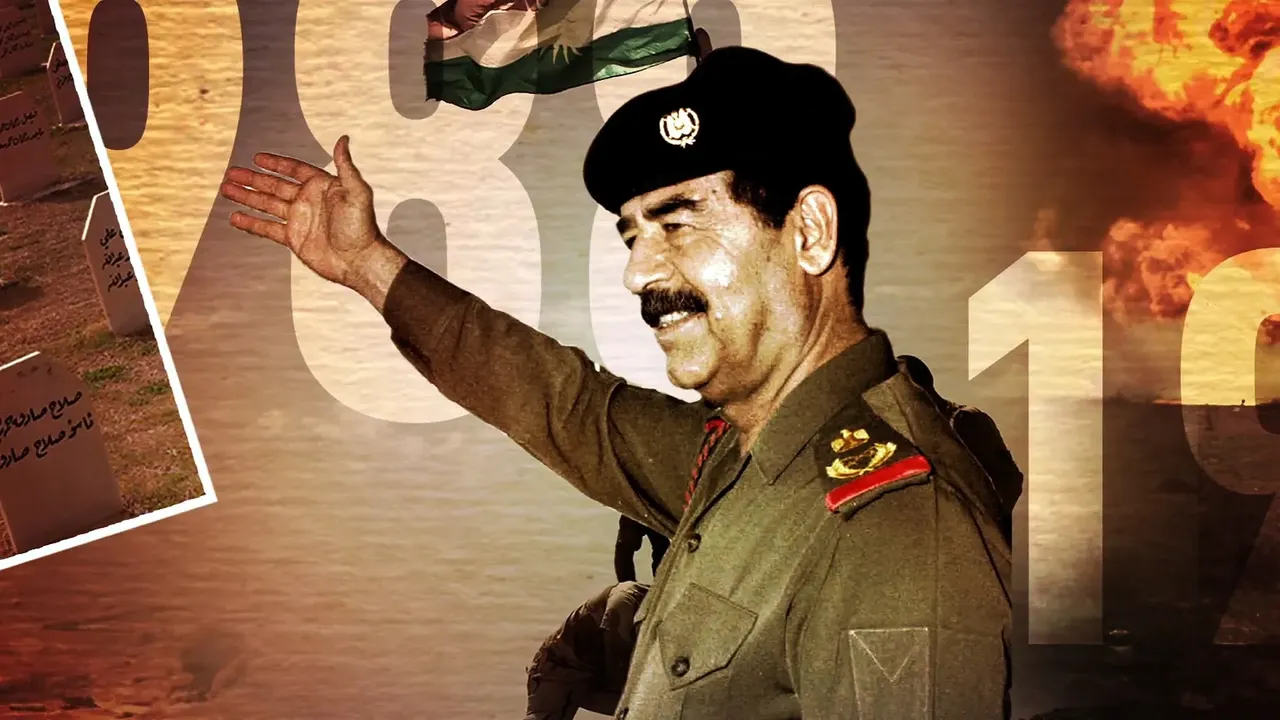
    Saddam Hussein was one of the most controversial and influential figures in modern Middle Eastern history. He ruled Iraq with an iron fist from 1979 until his downfall in 2003, shaping the country through a mix of authoritarianism, military force, and strategic alliances. Saddam’s regime was marked by widespread human rights abuses, including torture, execution of political opponents, and the use of chemical weapons. His ambition for regional dominance and defiance of international norms led to two major wars: the Iran-Iraq War (1980-1988) and the Gulf War (1990-1991), which ultimately weakened Iraq and paved the way for his eventual overthrow.

    This expanded discussion will explore Saddam Hussein’s rise to power, his dictatorial rule, and the profound impact of his leadership on Iraq and the wider region. His legacy remains contentious, as many Iraqis remember him as both a stabilizing force and a ruthless tyrant, while the global community often recalls him for his aggression and disregard for international law.
    Page 2: Early Life and Political Beginnings

    Saddam Hussein was born on April 28, 1937, in Al-Awja, a small village near Tikrit, Iraq. He came from a poor Sunni family, and his early life was marked by hardship. His father died before his birth, and his mother remarried, leading to a difficult childhood. Saddam’s formative years were influenced by his uncle, Khairallah Tulfah, a nationalist and anti-British figure, who shaped Saddam’s political ideas.

    In the 1950s, Saddam became involved with the Ba’ath Party, a pan-Arab socialist movement that sought to unite the Arab world and expel Western influence. The Ba’athists were critical of the Iraqi monarchy, and Saddam, a young man with nationalist ambitions, quickly became committed to the cause of Arab unity and socialism. In 1959, he participated in an unsuccessful attempt to assassinate Abdul Karim Qasim, the then-leader of Iraq, which forced him to flee the country.

    After spending several years in exile in Egypt, Saddam returned to Iraq in 1963 after the Ba’ath Party briefly seized power. Although the Ba’athists were soon ousted, Saddam remained politically active and continued to rise through the ranks of the party. His involvement in the 1968 coup that brought the Ba’ath Party to power marked the beginning of his ascent to absolute rule.
    Page 3: The Rise to Power

    By the time the Ba’ath Party took full control of Iraq in 1968, Saddam had secured a position of power as the deputy to President Ahmed Hassan al-Bakr, who was a distant relative. Though al-Bakr held the formal position of president, it was Saddam who consolidated real power behind the scenes. Over the next decade, he built a formidable security apparatus that allowed him to eliminate rivals and suppress opposition.

    Saddam used a combination of political shrewdness, violence, and patronage to cement his authority within the Ba’ath Party. He formed alliances with military leaders and key tribes while orchestrating purges of potential adversaries, both within and outside the party. One of his most significant moves was the creation of a vast network of secret police and intelligence agencies, which helped him monitor and control dissent.

    In 1979, Saddam forced al-Bakr to resign, claiming health issues, and assumed the presidency. Once in full control, Saddam wasted no time in consolidating his power, brutally eliminating high-ranking members of the Ba’ath Party whom he perceived as threats. This purge set the tone for his rule, as he governed through a mixture of fear, coercion, and loyalty.
    Page 4: Saddam’s Dictatorship and Personality Cult

    Saddam’s rule was characterized by an extensive personality cult that portrayed him as the savior of Iraq and the Arab world. Through the media, education, and public speeches, Saddam’s image was glorified. Portraits, statues, and murals of him were placed throughout the country, and his regime promoted a narrative that he was a benevolent leader, a father figure, and the protector of Iraq.

    He also controlled the state’s propaganda apparatus to foster a sense of unity and nationalism, presenting himself as a leader who could stand up to the West, particularly the United States and Israel. Saddam frequently invoked the glories of ancient Mesopotamian empires and Arab history, positioning himself as a modern-day equivalent to great historical rulers such as Nebuchadnezzar and Saladin.

    However, Saddam’s regime also relied heavily on fear to maintain control. Mass surveillance, arbitrary arrests, torture, and executions were routine methods used to suppress dissent. His brutal crackdown on any opposition, particularly among Shia Muslims, Kurds, and political opponents, solidified his reputation as a tyrant. The infamous Mukhabarat (Iraq’s intelligence service) and other security agencies played a key role in enforcing his rule through terror.
    Page 5: Economic and Social Policies

    During the early years of his rule, Saddam oversaw significant economic and social reforms aimed at modernizing Iraq. Using the country’s vast oil wealth, he implemented ambitious infrastructure projects, built hospitals, schools, and roads, and expanded public services. The nationalization of the oil industry in the early 1970s provided Saddam with the resources to finance these developments, which initially earned him some popularity.

    Saddam also promoted education and health care, with literacy rates and life expectancy improving dramatically during his early years in power. He sought to modernize the Iraqi military, pouring billions of dollars into defense spending to build a strong army, which he would later use to pursue his regional ambitions.

    However, the prosperity generated by Iraq’s oil boom was unevenly distributed. Saddam’s economic policies disproportionately benefited the Sunni Arab elite and those loyal to his regime, while Shia Arabs and Kurds were often marginalized. Over time, the growing costs of war, coupled with economic mismanagement, corruption, and international sanctions, would severely damage Iraq’s economy.
    Page 6: The Iran-Iraq War (1980-1988)

    One of the most defining periods of Saddam Hussein’s rule was the Iran-Iraq War (1980-1988). In 1980, Saddam launched a surprise invasion of neighboring Iran, partly driven by fears of the growing influence of Iran’s Islamic Revolution and partly due to long-standing territorial disputes over the Shatt al-Arab waterway. Saddam also saw the war as an opportunity to establish Iraq as the dominant power in the Persian Gulf.

    The war, initially expected to be a short conflict, turned into an eight-year stalemate, causing immense destruction and loss of life. The conflict was marked by trench warfare, chemical weapons attacks, and significant human casualties on both sides. Saddam’s forces used chemical weapons against Iranian troops and civilians, as well as against Iraq’s own Kurdish population, most notably in the Halabja chemical attack in 1988, which killed thousands of civilians.

    The war drained Iraq’s economy, leading to massive debt and internal unrest. Although Iraq emerged without territorial losses, the war ended in a military and political stalemate, and the economic toll set the stage for future instability. Saddam, however, presented the war as a victory and a defense of the Arab world against the Persian threat, solidifying his image as a defender of Iraq.
    Page 7: The Gulf War and Sanctions (1990-2003)

    In 1990, two years after the end of the Iran-Iraq War, Saddam made another bold move by invading Kuwait, claiming that it was historically part of Iraq and accusing Kuwait of overproducing oil, which hurt Iraq’s economy. The invasion was met with international condemnation and led to the formation of a U.S.-led coalition under the United Nations, which launched Operation Desert Storm in early 1991 to drive Iraqi forces out of Kuwait.

    The Gulf War was a short but devastating conflict for Iraq. Coalition forces, with superior military technology, quickly overwhelmed Saddam’s army and liberated Kuwait. The war left Iraq’s infrastructure in ruins, and the country faced severe economic sanctions imposed by the United Nations, which were intended to force Saddam to disarm and comply with international demands regarding weapons of mass destruction (WMDs).

    The sanctions, however, crippled Iraq’s economy and caused immense suffering among the civilian population, particularly through shortages of food, medicine, and basic supplies. Despite international efforts to contain his regime, Saddam maintained his grip on power, using brutal repression to crush internal dissent, including uprisings by Shia Muslims in the south and Kurds in the north.
    Page 8: Human Rights Abuses and Repression

    Saddam Hussein’s regime is widely regarded as one of the most repressive in modern history. His Ba’athist government employed systematic violence and terror to maintain control over Iraq’s population. Political opponents, ethnic and religious minorities, and suspected dissidents were often subjected to arrest, torture, and execution.

    One of the most egregious examples of Saddam’s brutality was the Anfal campaign against the Kurds in the late 1980s. During this campaign, Iraqi forces, under the command of Ali Hassan al-Majid (Saddam’s cousin, known as “Chemical Ali”), conducted genocide against the Kurdish population, including the use of chemical weapons in attacks such as the Halabja massacre. Tens of thousands of Kurds were killed, and entire villages were destroyed.

    Saddam also crushed Shia uprisings in southern Iraq after the Gulf War. Thousands of Shia Iraqis were executed, and their communities faced collective punishment. The secret police and security forces were omnipresent, and any dissent was met with swift and violent reprisals.

    Human rights organizations and international bodies repeatedly condemned Saddam’s regime for its widespread torture, disappearances, and extrajudicial killings, but Saddam maintained an iron grip on power through fear and coercion.
    Page 9: Weapons of Mass Destruction (WMDs) and the Lead-Up to the Iraq War

    Throughout the 1990s, Saddam’s regime was under intense scrutiny for its alleged possession of weapons of mass destruction (WMDs), including chemical, biological, and potentially nuclear weapons. While Iraq had used chemical weapons during the Iran-Iraq War, by the early 2000s, UN weapons inspectors were uncertain whether Iraq still possessed these capabilities. Saddam’s refusal to fully cooperate with inspections and his attempts to obstruct the process fueled suspicions that Iraq was hiding WMDs.

    Saddam’s defiance of UN resolutions and his failure to provide full transparency led to growing tension between Iraq and the international community, particularly the United States and United Kingdom. In the aftermath of the 9/11 attacks, the U.S. government, under President George W. Bush, accused Saddam of having ties to terrorist organizations and continuing to develop WMDs.

    In March 2003, the U.S. and its allies launched an invasion of Iraq, citing the need to eliminate Saddam’s alleged WMD program and to bring regime change. The invasion, known as Operation Iraqi Freedom, quickly toppled Saddam’s government, and Baghdad fell within weeks. However, no substantial stockpiles of WMDs were ever found, leading to widespread debate and controversy about the justifications for the war.
    Page 10: The Downfall and Capture of Saddam Hussein

    After the fall of Baghdad, Saddam Hussein went into hiding, evading U.S. forces for several months. His regime quickly collapsed, and coalition forces began the process of dismantling the Ba’ath Party and establishing a new government. In December 2003, Saddam was finally captured by U.S. forces in a “spider hole” near his hometown of Tikrit during Operation Red Dawn.

    Saddam’s capture marked the end of an era in Iraq, but it did not bring immediate stability to the country. While some Iraqis celebrated the end of his reign, others were left to grapple with the chaos and violence that followed. Insurgencies broke out across the country, fueled by sectarian tensions and the power vacuum created by the regime’s collapse.

    Saddam was handed over to the Iraqi interim government to face trial for his crimes. His capture was a moment of triumph for the U.S.-led coalition, but it also raised questions about what would come next for Iraq, which was facing the daunting task of rebuilding its political, economic, and social institutions after decades of dictatorship.
    Page 11: Trial and Execution

    In 2005, Saddam Hussein was put on trial by the Iraqi Special Tribunal, primarily for his role in the Dujail Massacre of 1982, in which 148 Shia men and boys were executed in retaliation for an assassination attempt against him. The trial was marked by significant international attention and controversy, with critics questioning the fairness of the proceedings and the political motives behind them.

    Despite the challenges, Saddam was found guilty of crimes against humanity and sentenced to death by hanging. His legal team attempted to delay the execution, but the sentence was carried out on December 30, 2006. The execution was filmed, and images of a defiant Saddam moments before his death were broadcast worldwide.

    Saddam’s execution brought closure to some Iraqis who had suffered under his regime, but for others, particularly members of the Sunni minority, it deepened feelings of marginalization. The trial and execution were intended to serve as a symbol of justice, but they also exposed the deep divisions within Iraqi society and the ongoing instability that would plague the country for years to come.
    Page 12: Legacy of Saddam Hussein

    Saddam Hussein’s legacy remains complex and deeply polarizing. To his supporters, particularly among some Sunni Arabs, he is remembered as a strong leader who maintained Iraq’s unity, stood up to the West, and improved the country’s infrastructure and economy in the early years of his rule. However, to the vast majority of Iraqis and the international community, Saddam is seen as a brutal dictator responsible for mass killings, torture, repression, and devastating wars.

    Saddam’s rule left a lasting scar on Iraq, contributing to the sectarian violence, insurgency, and instability that followed his overthrow. The U.S. invasion of Iraq and the subsequent occupation have been widely criticized for failing to plan for the post-Saddam period, leading to years of civil war, terrorism, and the rise of extremist groups like ISIS.

    Internationally, Saddam’s legacy serves as a cautionary tale about the dangers of authoritarianism, the limits of military intervention, and the complex interplay between dictatorship, war, and global politics. His fall marked the end of an era for Iraq, but the consequences of his rule continue to shape the country and the broader Middle East today.


  • Russia’s Super Mafia

    By Scott J. Arnold

    Russia’s Super Mafia

    Russian Mafia

    The Russian mafia, also known as “Bratva,” is a collection of various organized crime groups originating from the former Soviet Union. These groups are involved in numerous criminal activities such as human trafficking, drug trafficking, extortion, money laundering, and arms trafficking, among others.
    History

    Origins: Russian organized crime traces back to the Russian Empire’s banditry and thievery, but it wasn’t until the Soviet Union era that the “vory v zakone” or “thieves-in-law” emerged as influential prison leaders with a defined code of honor.
    Soviet Era (1917–1991): During Stalin’s reign, many criminals rose to power in the Soviet labor camps. Post-World War II, conflict among these groups led to internal wars, such as the “Bitch Wars,” as rival factions clashed violently.
    1992–2000: With the fall of the USSR, Russian organized crime groups seized control of the economy, using bribery, violence, and corruption. This period saw the internationalization of Russian criminal activity, with major figures establishing networks in the U.S., Europe, and beyond.
    2001–Present: The Russian mafia continues to evolve with new leaders emerging after older figures are imprisoned or killed. International activities and influence remain significant, with involvement in global criminal networks.

    Structure and Composition

    Hierarchy: The Russian mafia operates with a clear hierarchy, with the “Vor” (Thief) as an honorary title for those demonstrating leadership, skill, and loyalty to the criminal code. Higher ranks, such as Pakhan, oversee the organization.
    Alliances: The Russian mafia has alliances with other global crime groups, including the Ukrainian, Georgian, and American mafias, as well as the Triads and Camorra.

    Notable Russian Mafia Groups

    Solntsevskaya Bratva: One of the largest Russian mafia groups, named after the Solntsevo District of Moscow.
    Tambov Gang: A powerful group based in Saint Petersburg with significant influence over local and international criminal activities.
    Izmaylovskaya Gang: Known for its longstanding operations in Moscow, with ties to influential business and political figures.

    Notable Figures

    Semion Mogilevich: Often described as the “boss of all bosses,” Mogilevich is known for his extensive global criminal network.
    Vyacheslav Ivankov: A notorious figure involved in organized crime in Russia and the United States.
    Sergei Mikhailov: Leader of the Solntsevskaya Bratva, one of Russia’s most prominent criminal syndicates.

    Activities

    Russian mafia groups engage in a wide range of criminal activities, including:

    Drug trafficking
    Money laundering
    Human trafficking
    Extortion and racketeering
    Fraud and financial crimes
    Arms trafficking and smuggling

    Global Reach

    The Russian mafia’s influence extends worldwide, with operations in Europe, the United States, Israel, and other regions. They are known for their sophisticated and quasi-military organizational structure, making them one of the most formidable organized crime groups globally.

  • Rejecting Extremism: The Blind Spot in America’s Political Landscape

    By Scott J. Arnold

    Rejecting Extremism: The Blind Spot in America’s Political Landscape


    Rejecting Extremism: The Blind Spot in America’s Political Landscape

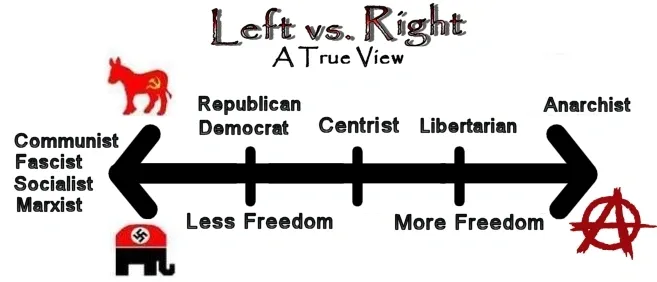
    In the halls of Congress, Democratic lawmakers frequently vocalize their commitment to rejecting far-right extremism. Speeches, press conferences, and legislative agendas often underscore the dangers posed by radical ideologies on the political right, pointing to threats against democracy, social cohesion, and public safety. This narrative, while addressing legitimate concerns, conveniently glosses over a growing and equally dangerous phenomenon: far-left extremism. Despite its visible impact on social unrest and public disorder, far-left radicalism receives a fraction of the scrutiny, leaving many Americans questioning the sincerity and balance of such condemnations.

    As cities face increasing upheaval and the divide between political factions deepens, the failure to address extremism on both ends of the spectrum becomes not just a political issue, but a societal crisis.
    The Hyperfocus on Far-Right Extremism

    In recent years, Democratic House members have made it clear that far-right extremism is their primary focus when addressing threats to national unity. From high-profile legislative hearings to constant media soundbites, the narrative revolves around a singular enemy.

    The January 6th Capitol breach, white supremacist groups, and fringe militias are often cited as prime examples of this danger. These instances are treated as proof of an existential threat to democracy itself, with sweeping legislative and rhetorical measures aimed at countering such movements.

    Certainly, the threat of far-right extremism cannot be ignored. Acts of political violence, hate crimes, and seditious behavior stemming from radical ideologies on the right must be addressed with seriousness and resolve. However, the almost exclusive focus on far-right groups leaves a significant blind spot in the political discourse.
    Far-Left Extremism: A Neglected Reality

    While Democrats often center their attention on the far right, far-left extremism has quietly contributed to significant unrest across the nation. This has manifested in prolonged riots, destruction of private and public property, and aggressive confrontations with law enforcement and government institutions. The fallout from such actions, often carried out under the guise of social or environmental justice, has left lasting scars on many communities.

    Key Examples of Far-Left Extremism:

    Urban Riots: Cities like Portland, Minneapolis, and Seattle witnessed months of sustained unrest in 2020 and 2021, resulting in destroyed businesses, vandalized government buildings, and destabilized local economies.
    Autonomous Zones: The establishment of autonomous zones, such as Seattle’s Capitol Hill Autonomous Zone (CHAZ), highlighted the breakdown of order. These areas, while initially presented as grassroots experiments in self-governance, quickly devolved into lawlessness, violence, and resource scarcity.
    Attacks on Federal Property: Federal courthouses and law enforcement facilities have been targeted by far-left groups, often with improvised explosives, arson, and physical assaults on officers.

    These actions have inflicted billions of dollars in damages, endangered lives, and further divided communities. Yet, they rarely receive the same level of condemnation or sustained attention as far-right incidents.
    A Stark Double Standard

    The stark difference in how far-right and far-left extremism are treated can be traced to several overlapping factors:

    Ideological Alignment: Far-left groups often share common ideological goals with progressive policies, such as calls for climate action, racial justice, and economic reform. This ideological overlap makes it politically inconvenient for Democratic lawmakers to criticize these groups outright, even when their actions cross the line into extremism.
    Media Framing: Mainstream media outlets tend to downplay far-left violence, often reframing destructive riots as “mostly peaceful protests.” This selective framing shapes public perception and obscures the true extent of far-left extremism.
    Political Calculations: Democratic leaders face the risk of alienating their progressive base if they speak out too strongly against far-left extremism. Younger, more progressive voters often sympathize with these groups’ causes, even if they disapprove of their methods.
    Cultural Narratives: The cultural narrative that positions the far right as the ultimate threat leaves little room for acknowledging the dangers posed by the far left. This creates an imbalance in public discourse that overlooks the broader spectrum of extremism.

    The Consequences of Selective Outrage

    By focusing almost exclusively on far-right extremism, Democratic lawmakers risk undermining their credibility. The selective outrage fuels public skepticism, as many Americans witness far-left violence firsthand through unfiltered social media and alternative news outlets. The inconsistency in addressing extremism on both sides fosters a perception of hypocrisy and partisanship.

    Moreover, the failure to condemn far-left extremism sends an implicit message that political violence is tolerable, so long as it aligns with certain ideologies. This emboldens radicals on both sides, creating a feedback loop of escalating unrest and further polarizing the country.

    Ignoring far-left extremism also harms the very communities Democrats claim to champion. Small business owners, many of whom are from minority and immigrant backgrounds, bear the brunt of the damage caused by riots and unrest. Residents in affected neighborhoods face increased crime, fewer economic opportunities, and lasting psychological trauma.
    The Role of Far-Left Extremism in Upheaval

    Unlike traditional activism, which seeks constructive dialogue and systemic change, far-left extremism often thrives on chaos and destruction. While legitimate movements for racial justice and climate action have broad public support, the actions of extremist groups undermine these causes.

    For example:

    Businesses destroyed in riots often struggle to rebuild, leading to job losses and economic stagnation in vulnerable communities.
    Violent confrontations with law enforcement alienate potential allies and give ammunition to critics who dismiss the broader movements.
    Radical calls to abolish police departments create a vacuum of security, exacerbating crime and destabilizing neighborhoods.

    These outcomes hurt the very people far-left activists claim to represent. Yet, Democratic leaders remain reluctant to directly confront these realities, fearing political backlash.
    The Need for Balance

    Extremism in any form—whether far-right or far-left—is a threat to democracy, public safety, and social cohesion. Addressing one while ignoring the other creates a lopsided narrative that undermines efforts to build unity and restore trust in institutions. True leadership requires the courage to denounce violence and radicalism, even when it comes from one’s own ideological camp.

    Far-left extremism must be called out and addressed with the same urgency as far-right extremism. This includes holding violent actors accountable, condemning their actions publicly, and ensuring that legitimate protests are not hijacked by radicals seeking chaos.
    A Call to Action

    If Democratic lawmakers wish to maintain their credibility and effectively combat extremism, they must take a balanced approach. This means:

    Acknowledging the harm caused by far-left extremism and holding perpetrators accountable.
    Engaging in honest conversations about the root causes of unrest on both sides of the spectrum.
    Encouraging peaceful activism while rejecting violence and destruction in all its forms.

    America is at a crossroads. The failure to confront extremism on both ends of the political spectrum threatens to tear the nation apart. It’s time for leaders to move beyond partisan posturing and embrace a more honest, inclusive approach to addressing the challenges we face.

    Only by rejecting extremism in all its forms can we hope to build a society that values unity, accountability, and the rule of law.

  • Pervitin: The Secret Weapon Behind the Blitzkrieg – How Crystal Meth Fueled the German Invasion of France

    By Scott J. Arnold

    Pervitin: The Secret Weapon Behind the Blitzkrieg – How Crystal Meth Fueled the German Invasion of France

    World War II is often remembered as a conflict that tested human endurance and the limits of technological innovation. While much attention has been given to the tanks, planes, and weapons that defined the battlefield, a less well-known but equally significant factor in the success of Nazi Germany’s early military campaigns was the widespread use of a stimulant drug known as Pervitin. A type of crystal methamphetamine, Pervitin allowed German soldiers to push the boundaries of human performance, staying awake and alert for extended periods and maintaining a near-superhuman level of endurance. Nowhere was this more evident than during the Blitzkrieg—the lightning-fast invasion of France through the Ardennes Mountains in 1940.

    The German invasion of France was one of the most audacious and successful military operations in history, catching the Allies off guard and leading to the rapid fall of France. Much of this success has been attributed to the careful planning, speed, and mechanized mobility of the German forces. However, an often-overlooked element of this success was the soldiers’ reliance on Pervitin, a drug that gave them the physical and mental stamina to drive forward relentlessly for days without rest. This article explores the role of Pervitin in the Blitzkrieg, its effects on the soldiers, and the long-term consequences of its widespread use during the war.
    The Origins of Pervitin: Methamphetamine for the Masses

    Pervitin was first developed in the late 1930s by the Berlin-based pharmaceutical company Temmler Werke, which marketed it as a stimulant for both civilians and soldiers. The drug’s active ingredient, methamphetamine, is a powerful stimulant that affects the central nervous system. Methamphetamine increases the release of dopamine in the brain, resulting in heightened alertness, increased energy, and a sense of euphoria. It also suppresses the need for sleep, allowing users to stay awake and active for extended periods.

    Initially, Pervitin was advertised as a “miracle drug” for the everyday German citizen. It was marketed to housewives, students, and factory workers as a way to enhance productivity and combat fatigue. The drug became so popular that it was even incorporated into chocolates sold to the public. However, the military potential of Pervitin was quickly recognized by the German Wehrmacht (the unified armed forces of Nazi Germany), and the drug was soon distributed to soldiers in large quantities.

    With Pervitin, German military planners saw an opportunity to enhance the performance of their soldiers, particularly in the context of the fast-paced, high-intensity warfare that characterized the Blitzkrieg strategy. The drug would allow soldiers to fight longer, march farther, and stay focused despite the extreme physical and psychological demands of the battlefield.
    Blitzkrieg: The Invasion of France

    The German invasion of France in May 1940 was a stunning display of speed, coordination, and military might. The Blitzkrieg tactic, which had been used successfully during the invasion of Poland in 1939, involved rapid and overwhelming mechanized assaults designed to bypass enemy defenses and quickly incapacitate the opposition. Central to the Blitzkrieg strategy was the use of tanks, motorized infantry, and aircraft in tightly coordinated attacks that would strike deep into enemy territory before the defenders could react.

    One of the most crucial aspects of the German plan was the decision to invade France through the Ardennes Forest—a heavily wooded and mountainous region that the French believed to be nearly impenetrable to large-scale mechanized forces. The French had focused their defenses along the Maginot Line, a series of fortifications on the French-German border, and left the Ardennes lightly defended, assuming that the Germans would not attempt to push their tanks through such difficult terrain.

    However, the Germans saw the Ardennes as an opportunity. By launching a surprise attack through the forest, they could avoid the heavily fortified Maginot Line and strike directly at the heart of France. The success of this plan depended not only on the speed and coordination of the German forces but also on their ability to maintain a relentless pace over several days and nights.
    Pervitin and the German Soldiers: Fuel for the Blitzkrieg

    As German forces prepared for the invasion of France, military doctors distributed millions of Pervitin tablets to the soldiers. The drug became a key component of the German military’s logistics, with soldiers being encouraged to take the pills to combat fatigue and stay awake during the long, grueling days of the campaign. Reports from the time indicate that soldiers were given Pervitin in doses ranging from one to three tablets per day, though many took more than the recommended amount.

    The effects of Pervitin were immediate and profound. Soldiers who took the drug reported feeling invincible, with heightened energy, increased confidence, and a sense of euphoria. More importantly, they were able to stay awake and alert for extended periods—often as long as three days and three nights without sleep. This gave the German forces a significant advantage during the Blitzkrieg, as they were able to maintain their rapid pace and keep their offensive moving forward without the need for rest.

    For the soldiers tasked with pushing through the Ardennes, Pervitin became a lifeline. The challenging terrain and the need for constant vigilance made it impossible to stop for rest. Pervitin allowed the German troops to stay awake and focused as they navigated the dense forest, coordinated their movements, and engaged in combat with French forces. The drug also dulled their fear and anxiety, enabling them to press forward with relentless determination, even in the face of heavy resistance.

    In the early days of the invasion, German soldiers used Pervitin to maintain their rapid advance, often marching or driving for 36 to 48 hours straight. The drug kept them awake and gave them the endurance to continue fighting even when their bodies were exhausted. This relentless pace caught the French and British forces off guard, allowing the Germans to break through their lines and advance deep into France in a matter of days.
    The Consequences of Pervitin Use: Mental and Physical Toll

    While Pervitin allowed the German soldiers to perform at an exceptional level during the Blitzkrieg, the drug came with serious side effects. Methamphetamine is a powerful and addictive substance, and its prolonged use can have devastating effects on both the mind and body. Many soldiers who took Pervitin during the invasion of France began to experience the negative consequences of the drug after days of continuous use.

    One of the most immediate effects of Pervitin was extreme irritability and aggression. As the drug wore off, soldiers often became agitated, paranoid, and violent. The initial euphoria and sense of invincibility gave way to anxiety, confusion, and, in some cases, hallucinations. Some soldiers began to experience psychotic episodes, making them dangerous not only to the enemy but also to their fellow soldiers.

    Physically, the lack of sleep combined with the overstimulation of the nervous system took a heavy toll. Soldiers began to suffer from exhaustion, heart palpitations, and nausea. The crash that followed the high of Pervitin left many soldiers in a state of near collapse, and some were unable to continue fighting after several days of continuous drug use.

    Military doctors and officers began to notice the detrimental effects of Pervitin, but by then, the drug had become an integral part of the German war machine. Soldiers who had become dependent on the drug demanded more, and some units began to distribute it more freely in an attempt to maintain morale and performance. Despite the clear dangers, the drug continued to be used throughout the war, and many soldiers became addicted to it.
    The Success of the Blitzkrieg and the Role of Pervitin

    Despite the serious side effects of Pervitin, there is no doubt that the drug played a significant role in the success of the Blitzkrieg. The ability of the German soldiers to stay awake for days at a time, combined with their heightened energy and aggression, allowed the Wehrmacht to maintain the rapid pace of the invasion and overwhelm the French defenses. Within just six weeks of the invasion, France had fallen, and the German army had achieved one of the most stunning military victories in history.

    The use of Pervitin during the invasion of France also set a precedent for its continued use throughout the war. German soldiers fighting on the Eastern Front and in North Africa were similarly supplied with the drug, which became a key part of the Wehrmacht’s strategy to maintain the momentum of their campaigns.

    However, the long-term consequences of Pervitin use were devastating. Many soldiers who had become addicted to the drug struggled with withdrawal symptoms, and some suffered lasting psychological and physical damage. After the war, the use of methamphetamine was heavily restricted, but the legacy of Pervitin remained a dark chapter in the history of military medicine.
    The Aftermath and Long-Term Consequences of Pervitin Use

    The long-term consequences of Pervitin use during World War II extended far beyond the battlefield. For many German soldiers, the drug had a lasting impact on their mental and physical health. Reports from the post-war period indicate that numerous veterans continued to struggle with addiction to methamphetamine, and some suffered from permanent psychological damage as a result of their wartime drug use.

    The widespread use of Pervitin also had broader implications for the German population. After the war, the production and distribution of Pervitin were heavily restricted, but the drug had already made its way into civilian life during the conflict. Many civilians, particularly those who worked in factories or other labor-intensive industries, had used Pervitin to boost their productivity during the war. As a result, methamphetamine addiction became a public health issue in the years following the war, with many people seeking treatment for the long-term effects of the drug.

    The use of Pervitin also had a lasting impact on the field of military medicine. The drug’s ability to enhance performance and endurance, even at a great cost, led to further research into stimulants and other performance-enhancing substances for soldiers. While Pervitin itself was largely phased out after the war, the idea of using drugs to enhance military performance continued to be explored by various nations, including the United States and the Soviet Union, during the Cold War.
    The Ethical Implications of Pervitin Use in Warfare

    The use of Pervitin during World War II raises important ethical questions about the role of performance-enhancing drugs in warfare. While the drug undoubtedly helped German soldiers achieve extraordinary feats of endurance and stamina during the Blitzkrieg, it also exposed them to significant physical and psychological risks. The long-term effects of the drug, including addiction and mental health issues, highlight the dangers of relying on chemical substances to enhance human performance.

    Moreover, the widespread use of Pervitin by the German military underscores the ways in which soldiers were treated as expendable commodities by their leaders. The distribution of a powerful and dangerous drug to young men, many of whom were not fully aware of the risks, speaks to the broader dehumanization of warfare, in which the health and well-being of individual soldiers were often sacrificed in the pursuit of military objectives.
    Conclusion: Pervitin and the Legacy of the Blitzkrieg

    The use of Pervitin during the Blitzkrieg and the invasion of France is a sobering reminder of the lengths to which military planners will go to gain an advantage on the battlefield. The drug allowed German soldiers to push beyond the limits of human endurance, staying awake for days on end as they stormed through the Ardennes Mountains and into the heart of France. However, the consequences of this chemical enhancement were profound, both for the soldiers who used it and for the broader course of the war.

    While Pervitin helped fuel the rapid success of the German invasion, it also left a trail of physical and psychological devastation in its wake. The long-term consequences of the drug’s use during World War II continue to be felt, and the ethical questions it raises remain relevant to this day.

    In the end, the story of Pervitin serves as a powerful reminder of the costs of war, not only in terms of lives lost but also in the toll it takes on those who fight. The Blitzkrieg, fueled in part by this dangerous drug, stands as both a testament to the ingenuity of military strategy and a cautionary tale about the dangers of pushing soldiers beyond their natural limits in the pursuit of victory.

  • Pepsi’s Unusual Cold War Deal: When Pepsi Briefly Became a Naval Power in 1989.

    By Scott J. Arnold

    Pepsi’s Unusual Cold War Deal: When Pepsi Briefly Became a Naval Power in 1989

    In 1989, PepsiCo, the American soft drink giant, made one of the most extraordinary deals in business history, briefly becoming the sixth-largest military power in the world—at least in terms of naval assets. This peculiar event occurred when the Soviet Union, facing economic difficulties and a shortage of hard currency, agreed to trade a fleet of military vessels, including warships and submarines, to Pepsi in exchange for Pepsi products.

    This strange but true story is not only an example of Cold War-era economic desperation but also highlights how creative business deals were struck between the capitalist West and the communist East in an era of geopolitical tension and economic disparity. The deal became a symbol of how multinational corporations like Pepsi played a role in fostering relationships across the Iron Curtain during the late stages of the Cold War.
    Background: Pepsi’s Entry into the Soviet Union

    PepsiCo’s relationship with the Soviet Union began in the early 1970s. At that time, Richard Nixon, then president of the United States, and Leonid Brezhnev, the leader of the Soviet Union, were pursuing a policy of détente—a thawing of Cold War tensions. As part of this effort, PepsiCo struck a deal to become one of the first American consumer products sold in the Soviet Union.

    In 1972, Donald M. Kendall, PepsiCo’s CEO and a close friend of Nixon, helped broker a historic deal that brought Pepsi into Soviet markets. However, due to the ruble’s non-convertibility into U.S. dollars (meaning the Soviet currency could not be easily exchanged internationally), the Soviets had to find another way to pay for the Pepsi they were importing. The initial solution involved a barter agreement in which the Soviets traded Stolichnaya vodka for Pepsi syrup, which was then used to produce Pepsi within the USSR.

    This arrangement worked well for years, with both Pepsi and Soviet consumers benefiting from the deal. However, by the late 1980s, Pepsi had expanded its operations in the Soviet Union, and the scale of its business had grown. The original barter agreement, based solely on vodka, was no longer sufficient to cover the growing demand for Pepsi products. As a result, a new trade agreement had to be negotiated.
    The 1989 Naval Deal: Pepsi’s Fleet of Warships

    In 1989, as the Soviet Union’s economic situation worsened, they once again faced the challenge of finding a way to pay PepsiCo. This time, they proposed something far more unusual: the Soviets offered Pepsi 17 submarines, a cruiser, a frigate, and a destroyer in exchange for a new supply of Pepsi products. The value of the ships and submarines was estimated at around $3 billion, and the deal represented one of the largest barters in Cold War history.

    Pepsi briefly became, on paper, the owner of one of the world’s largest naval fleets, making it the sixth-largest military power by the number of vessels. However, the company had no interest in maintaining or operating a navy. Instead, Pepsi quickly sold the fleet to a Swedish company for scrap. Pepsi’s CEO at the time, Donald Kendall, reportedly quipped to a U.S. national security advisor, “We’re disarming the Soviet Union faster than you are!”, reflecting the oddity of a soft drink company temporarily possessing military assets.
    Pepsi’s Strategic Positioning and Economic Impact

    Pepsi’s deal with the Soviet Union was part of a broader strategy to secure a long-term foothold in the USSR, which was the world’s largest country by landmass and had a population of over 280 million people. By the late 1980s, Pepsi was not only a well-established brand in the Soviet Union but also an emblem of the gradual opening of Soviet society to Western consumer goods.

    The 1989 naval trade was emblematic of the desperation the Soviet Union was experiencing as it faced economic collapse. The Soviet government’s inability to generate hard currency made creative barter deals like this one essential for acquiring Western goods. The Pepsi deal, which involved trading significant military assets for soft drinks, illustrated the extent of the Soviet Union’s economic troubles.
    The Symbolism and Legacy of the Pepsi-Soviet Deal

    The deal between Pepsi and the Soviet Union became a symbol of the changing dynamics of the Cold War. As the Soviet Union struggled to maintain its economy, global corporations like Pepsi were playing a more significant role in bridging the gap between East and West. The fact that the Soviet Union, a global superpower, had to trade warships for Pepsi represented the complex interplay between politics, economics, and consumer culture during the Cold War.

    Moreover, the deal highlighted the power of multinational corporations during the Cold War era. Pepsi, along with other major companies, helped introduce Western products and culture into the Soviet Union. By the time the USSR collapsed in 1991, Pepsi had become a prominent player in the Soviet market, paving the way for other Western brands to enter the post-Soviet space.

    While the deal itself remains a quirky and little-known episode in Cold War history, it also speaks to the broader trends of globalization and the role of businesses in shaping international relations during the late 20th century.
    Conclusion: Pepsi’s Naval Deal and Its Cold War Significance

    The 1989 deal in which Pepsi briefly became one of the largest naval powers in the world stands as one of the most unusual moments in Cold War history. By accepting a fleet of Soviet warships in exchange for Pepsi products, the company not only demonstrated its commitment to maintaining its business in the Soviet Union but also underscored the Soviet Union’s dire economic straits.

    Though the warships were quickly sold for scrap, the story remains a fascinating and humorous example of how economic necessity can lead to some of the most extraordinary agreements. More than just a strange anecdote, the Pepsi-Soviet deal reflects the lengths to which companies and governments went during the Cold War to maintain economic ties, even as political tensions persisted.

    Ultimately, this deal served as a reminder of the complex and sometimes bizarre ways in which capitalism and geopolitics intertwined during the Cold War, and how even a soft drink company could briefly find itself playing a role in global diplomacy.

  • Mexican and Colombian drug cartels

    By Scott J. Arnold

    Mexican and Colombian drug cartels

    drug cartel, an illicit consortium of independent organizations formed to limit competition and control the production and distribution of illegal drugs. Drug cartels are extremely well-organized, well-financed, efficient, and ruthless. Since the 1980s, they have dominated the international narcotics trade.

    The U.S. war on drugs began under the administration of Pres. Richard Nixon. Following his victory in the 1968 presidential election, Nixon declared that drug abuse was “public enemy number one.” Efforts to stop the flow of illegal drugs into the United States—which was the primary destination for most narcotics—became increasingly focused on curtailing foreign production of marijuana and heroin. It was during the 1970s, however, that a growing U.S. demand for cocaine led to the creation of the earliest drug cartels.
    Colombian drug cartels

    The Medellín cartel, the first major drug cartel in Colombia, began in the mid-1970s when Colombian marijuana traffickers began smuggling small quantities of cocaine into the United States. As the trade grew, a diverse group of entrepreneurs became involved, ranging from well-respected individuals with backgrounds in ranching and horsing to petty criminals. The growing demand for cocaine soon prompted the expansion of the trade beyond small amounts tucked into suitcases. The cartel purchased private planes to carry its shipments, constructed more sophisticated drug laboratories, and even purchased a small island in the Caribbean for refueling its aircraft.

    Violence, lapses in organization, and competition from the emergent Cali cartel (centered in Cali, Colombia) fractured the Medellín cartel in the late 1980s and early ’90s. Pablo Escobar, leader of the Medellín cartel, became one of the most wanted men in the world and was forced into hiding. In 1993 he was killed during a shoot-out with a special Colombian police task force, leading to the primacy of the Cali cartel.

    The Cali cartel had a more subtle style and sophisticated approach than the Medellín cartel. The members of the Cali cartel quickly reinvested their drug profits into legitimate businesses. They deliberately undermined the Medellín cartel as it became increasingly unpopular and violent. The Cali cartel went so far as to help Colombian police and the U.S. Drug Enforcement Agency (DEA) track down Escobar. Many leaders of the Cali cartel were arrested in the 1990s, and by the next decade the organization had largely disbanded. While other cartels in Colombia filled the void, their power failed to match that of their predecessors.
    Mexican drug cartels

    In the 1960s and early ’70s, Mexico was known primarily as a supplier of marijuana. However, as U.S. efforts in Colombia slowed the flow of drugs from South America, Mexico emerged as a source of cocaine. The Tijuana cartel—created by members of the Arellano Félix family, especially the brothers Ramon and Benjamin—was founded in the late 1980s and became one of the most powerful cartels in Mexico, responsible for shipping hundreds of millions of dollars worth of cocaine, heroin, and methamphetamine into the United States.

  • file:///var/www/sites/blog/Liechtenstein: A Tiny Country with Big Mysteries and Bizarre Facts.

    By Scott J. Arnold

    Liechtenstein: A Tiny Country with Big Mysteries and Bizarre Facts

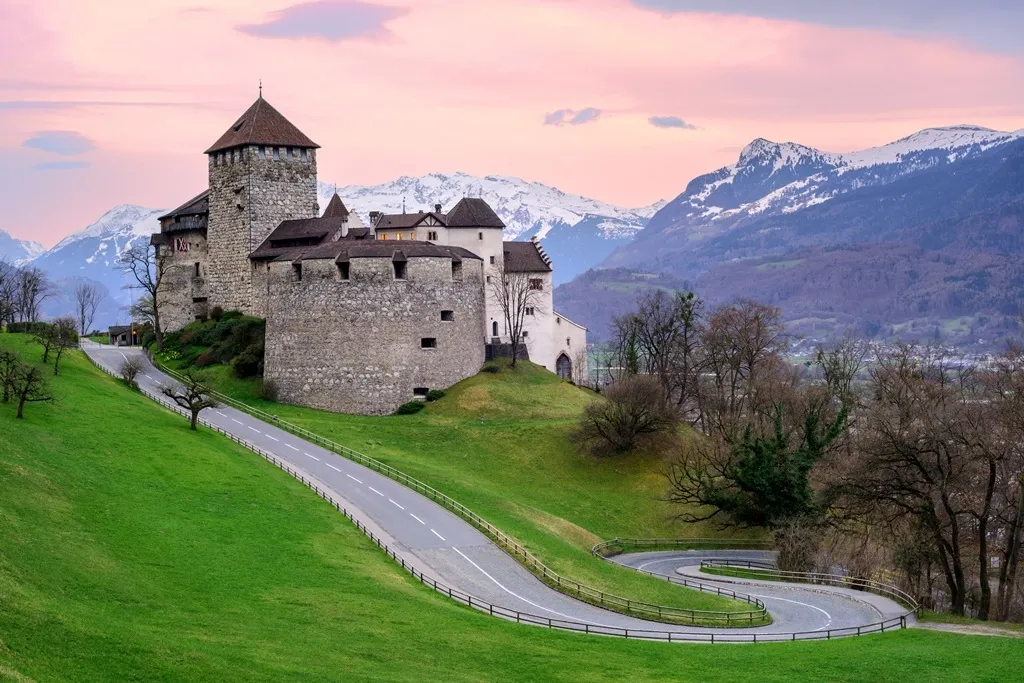
    Nestled between Switzerland and Austria lies Liechtenstein, a small, landlocked country that often goes unnoticed on the global stage. Despite its diminutive size, Liechtenstein is packed with strange, bizarre, and fascinating facts that set it apart from any other nation in the world. With a population of just around 39,000 people, this Alpine principality offers a surprising amount of intrigue—from its political system, where the monarch holds real power, to its unusual economic model and even stranger social dynamics. In this article, we will explore some of the most unique and bizarre facts about Liechtenstein, a country that punches well above its weight in terms of curiosity and global impact.
    Chapter 1: Liechtenstein’s Historical Oddities

    The history of Liechtenstein is as peculiar as the country itself. Despite its current wealth and stability, Liechtenstein’s origins were not always so certain. It was established as a principality in 1719 when the Liechtenstein family purchased the territories of Schellenberg and Vaduz. The goal of the family, originally from Austria, was to gain a seat in the Holy Roman Empire’s parliament, which required owning land that was directly subordinate to the emperor.

    Interestingly, the Liechtenstein family had no real interest in their new land. In fact, they didn’t even visit the country for over 100 years. It wasn’t until 1938 that they officially moved their residence to Vaduz, the capital of Liechtenstein, where they remain today.
    Surviving Two World Wars Untouched

    Liechtenstein’s neutrality and diplomacy have helped it avoid the devastation that most of Europe experienced during the 20th century. The country was able to remain neutral during both World War I and World War II, avoiding occupation or attack. This allowed it to develop its economy and infrastructure uninterrupted, helping transform the small, landlocked nation into a wealthy state in the modern era.

    Despite being in the heart of Europe, Liechtenstein avoided any direct involvement in both World War I and World War II. The country, surrounded by neutral Switzerland and friendly Austria, was able to keep its borders secure during the wars. This meant that while much of Europe lay in ruins, Liechtenstein emerged relatively unscathed, enabling it to focus on economic growth and stability.
    Liechtenstein’s Peaceful Military History

    Liechtenstein hasn’t engaged in any military conflict since 1866, when it disbanded its army. Today, the country has no military force and relies on Switzerland for its defense. Despite this, there have been no major conflicts involving Liechtenstein for over 150 years. The country even survived the turmoil of the 20th century unscathed, remaining neutral during the world wars. The decision to disband the military was driven by financial constraints, but it has allowed Liechtenstein to focus on peace and prosperity.

    In fact, in 1866, Liechtenstein sent 80 soldiers to participate in the Austro-Prussian War. Amazingly, all the soldiers returned unharmed, and legend has it that they returned with an extra man, having made a friend along the way. This quirky military history adds to the country’s reputation for being peaceful and diplomatic.
    Accidental Invasions by Switzerland

    In modern times, Liechtenstein’s peaceful existence was briefly interrupted by some accidental military incursions—by Switzerland. In 2007, during a training exercise, 170 Swiss soldiers accidentally crossed the border into Liechtenstein. Once they realized their mistake, they quickly retreated, and the Liechtenstein government humorously dismissed the incident, stating that “it’s not a problem.”

    Similarly, in 1985, Swiss troops accidentally fired rockets into Liechtenstein, starting a forest fire. Fortunately, no one was injured, and the Swiss government quickly apologized. These bizarre incidents demonstrate the close and friendly relationship between the two countries, as well as Liechtenstein’s commitment to maintaining peaceful relations.
    Chapter 2: A Modern-Day Monarchy with Real Power

    While most modern monarchies are largely ceremonial, Liechtenstein’s royal family still holds considerable political power. Prince Hans-Adam II, who has ruled since 1989, wields authority that is unusual for a 21st-century monarch.
    The Power of the Prince

    Unlike most European monarchies, where the royal family plays a symbolic role, Liechtenstein’s prince has real governing power. The prince can veto laws, dissolve the government, and even make significant decisions on behalf of the country. In 2003, a referendum was held to decide whether the prince’s powers should be reduced or expanded. In a surprising twist, the people voted to give the prince more authority, demonstrating their trust in the monarchy.

    This level of influence in a democratic society is almost unheard of, making Liechtenstein a curious example of how monarchy and democracy can coexist in modern times. Prince Hans-Adam II has maintained a close relationship with his people, often involving himself directly in the nation’s governance.
    Citizenship by Community Vote

    Becoming a citizen of Liechtenstein is no easy feat. To apply for citizenship, a person must live in the country for 30 years, unless they marry a citizen, in which case the residency requirement is reduced to five years. However, even after fulfilling the residency requirement, applicants must gain the approval of their local municipality, which holds a community vote to determine whether they will be granted citizenship.

    This unique process gives Liechtenstein’s residents a significant say in who becomes a citizen of their country, ensuring that population growth is carefully controlled. The difficulty of gaining citizenship makes Liechtenstein one of the most exclusive countries in the world in this regard.
    Chapter 3: The Rent-a-Country Program

    One of the strangest services that Liechtenstein offers is the ability to rent the entire country. Yes, for around $70,000 a night, individuals or corporations can rent Liechtenstein for their private events. This unique service includes personalized street signs, customized currency, and access to various locations in the country.
    Snoop Dogg’s Attempt to Rent Liechtenstein

    One of the most famous stories related to this program is when rapper Snoop Dogg tried to rent the country for a music video. While the deal didn’t go through due to timing issues, the attempt drew significant attention to Liechtenstein and its quirky tourism offerings. This program, while unusual, showcases the country’s willingness to think outside the box in terms of promoting itself on the world stage.
    Chapter 4: More Companies than Citizens

    Despite its small size, Liechtenstein is a global financial hub, known for its favorable tax laws. One of the most striking facts about the country is that it has more registered companies than citizens. With a population of around 39,000 people, Liechtenstein boasts over 74,000 companies, many of which are attracted to the country for its business-friendly regulations.
    Tax Haven Status

    Liechtenstein’s reputation as a tax haven has made it a magnet for corporations and wealthy individuals seeking favorable tax conditions. The country has low corporate tax rates and strong banking privacy laws, although it has tightened regulations in recent years to avoid being blacklisted by international organizations like the OECD and the G20.

    Liechtenstein’s economic model has allowed it to develop one of the highest GDP per capita rates in the world, around $180,000. This remarkable economic strength is underpinned by a diverse mix of industries, including financial services, manufacturing, and tourism.
    Chapter 5: No Army, No Hospitals

    As previously mentioned, Liechtenstein has not had an army since 1868, relying on Switzerland for defense. However, another unique aspect of the country is that it also has no hospitals. For major medical treatments, residents of Liechtenstein must travel to neighboring countries like Switzerland or Austria.
    Cross-Border Healthcare

    Despite this, the country ensures its citizens receive top-quality healthcare through cross-border agreements with Swiss and Austrian hospitals. This arrangement allows Liechtenstein to avoid the high costs of running its own healthcare infrastructure while providing its citizens with excellent medical care just across the border.
    Chapter 6: A Skiing Paradise Hidden in Plain Sight

    Though Liechtenstein is small, it offers some of the best skiing and hiking in Europe. The village of Malbun is home to a popular ski resort, attracting visitors from around the region. With well-maintained slopes and stunning Alpine views, Malbun is a hidden gem for outdoor enthusiasts.
    Liechtenstein’s Alpine Geography

    Around two-thirds of the country is covered by the Alps, making it an ideal destination for winter sports and summer hiking. The highest peak in Liechtenstein, Grauspitz, stands at 8,527 feet (2,599 meters) and offers a challenge for climbers and mountaineers.
    Chapter 7: Liechtenstein’s World-Renowned Stamps

    Liechtenstein is famous for its postage stamps, which are highly sought after by collectors around the world. The country has a long history of producing beautiful and intricate stamp designs, many of which reflect its culture, history, and natural beauty.
    The Postal Museum

    In Vaduz, Liechtenstein’s capital, there is a Postal Museum dedicated to showcasing the country’s stamp heritage. Stamps from Liechtenstein are highly prized by philatelists, and the museum offers a glimpse into the artistry and history behind these miniature works of art.
    Chapter 8: The Unique Dynamics of Prostitution in Liechtenstein

    Another surprising and lesser-known fact about Liechtenstein is the dynamics of prostitution in the country, which includes women paying for sex—a cultural shift from more typical expectations around this topic. Though prostitution is legal and regulated in the country, what sets Liechtenstein apart is that women sometimes pay for sex. This phenomenon isn’t commonly discussed openly but has garnered attention in various reports due to its unusual nature in a conservative European principality.
    Changing Gender Roles

    What makes this fact particularly interesting is that it challenges traditional gender roles and highlights how even in a conservative country like Liechtenstein, social attitudes toward sex and gender are evolving. The country has historically been patriarchal, especially given the power of the monarchy, but this unique phenomenon suggests a shift toward more gender equality and autonomy in intimate relationships.
    Chapter 9: No Homelessness and Low Crime

    Liechtenstein boasts one of the lowest crime rates in the world, with serious crimes being exceedingly rare. The country has had no recorded murders in over 20 years. Beyond that, it is one of the few countries where there is essentially no homelessness. The wealth and stability of the country, along with strong social services, ensure that all residents have access to housing and support.
    Chapter 10: Liechtenstein’s Business Empire

    The small country of Liechtenstein has more than just financial services. It is home to some world-renowned companies in various industries, including manufacturing. One example is Hilti, a multinational company that specializes in tools, technology, software, and services for the construction industry. Hilti, though headquartered in Schaan, operates globally, and its presence in Liechtenstein contributes significantly to the country’s economic success.
    Chapter 11: The Unseen Influence of Liechtenstein

    Liechtenstein’s influence extends beyond its borders in surprising ways. Despite its size, the country plays a crucial role in various international organizations, and its policies, particularly in finance and banking, have far-reaching effects. The country’s banking secrecy laws, for example, have been at the center of international discussions on tax evasion and transparency. While Liechtenstein has made strides toward greater transparency, it remains a key player in the global financial landscape.
    Conclusion: A Country Like No Other

    Liechtenstein is a land of contrasts. It is tiny but powerful, modern yet steeped in tradition, and quirky in ways that surprise even seasoned travelers. Whether it’s renting the entire country, avoiding military conflicts, or being a corporate tax haven, Liechtenstein continues to intrigue the world with its unique approach to governance, economy, and culture. Despite its small size, this Alpine nation punches well above its weight in terms of influence, wealth, and sheer strangeness. From its bizarre tax haven status to its no-army policy, from women paying for sex to its accidental invasions by Swiss soldiers, Liechtenstein is truly a country like no other.

  • Julius Caesar and the Pirates: The Audacious Tale of a Young Caesar’s Kidnapping.

    By Scott J. Arnold

    Julius Caesar and the Pirates: The Audacious Tale of a Young Caesar’s Kidnapping

    One of the most remarkable and bold episodes in the life of Julius Caesar occurred when he was kidnapped by Cilician pirates around 75 BCE. While most captives would fear for their lives and comply with their captors’ demands, Caesar, demonstrating his fearless and audacious character even at a young age, handled the situation quite differently. When the pirates set a ransom for his release, Caesar insisted that they raise it, believing that the original amount was insultingly low for someone of his stature.

    This extraordinary incident showcases Caesar’s unshakable confidence and charisma, even in the face of danger. It also foreshadowed the commanding leadership and boldness that would later define his rise to power in Rome.
    The Kidnapping: A Confident Young Aristocrat

    At the time of his kidnapping, Julius Caesar was a young man in his 20s, still years away from his future as Rome’s dictator and one of history’s most iconic leaders. Coming from a patrician family, Caesar was traveling across the Aegean Sea on his way to the island of Rhodes to study rhetoric under the renowned Greek teacher Apollonius Molon.

    However, during this journey, Caesar’s ship was captured by Cilician pirates, who were notorious for their raids in the Mediterranean. The pirates, seeing that they had captured a wealthy young Roman aristocrat, decided to hold Caesar for ransom.

    The pirates initially set Caesar’s ransom at 20 talents of silver, a substantial sum at the time. But rather than accept the terms, Caesar, displaying an extraordinary sense of self-worth, laughed at the pirates and told them that he was worth far more than 20 talents. He insisted that they raise the ransom to 50 talents of silver, which was a fortune. Astonished but amused by Caesar’s confidence, the pirates agreed to increase the ransom, and Caesar sent his companions to gather the money.
    Caesar’s Time with the Pirates: A Bold Captive

    While waiting for the ransom to be collected, Caesar spent 38 days among the pirates, during which time he maintained an air of superiority and even a casual familiarity with his captors. According to ancient accounts, Caesar treated the pirates as if he were in charge, rather than a prisoner. He reportedly took part in their games and activities but maintained an almost dismissive attitude toward them.

    Caesar is said to have written poems and speeches during his captivity, and when the pirates did not appreciate his literary works, he would scold them, calling them illiterate barbarians. Despite his boldness, Caesar earned the pirates’ respect through his fearlessness and confidence.

    One of the most famous aspects of this episode is that Caesar frequently joked with the pirates that, once he was freed, he would return to capture and crucify them. The pirates laughed at the comments, thinking them nothing more than a bravado-filled joke from their young prisoner. However, Caesar’s words were not empty threats—they were a warning of what was to come.
    The Ransom and Caesar’s Revenge

    After several weeks, Caesar’s associates returned with the 50 talents of silver, and the pirates released him as agreed. Once free, however, Caesar wasted no time in making good on his promise to punish the pirates for their audacity in capturing him.

    As soon as he was released, Caesar immediately traveled to the nearest port, raised a small naval force, and set out to hunt down the pirates. With characteristic determination, he quickly located the pirates’ hideout, captured them, and seized their treasure.

    True to his word, Caesar had the pirates crucified, fulfilling the threat he had made during his captivity. However, in a final act of calculated mercy, he ordered that they be strangled before being crucified to spare them the prolonged agony of death by crucifixion.
    The Legacy of the Pirate Incident

    This episode in Caesar’s early life is significant for several reasons. First, it demonstrated the fearlessness, confidence, and ambition that would come to define Caesar’s leadership and his rise to power. Even as a young man, Caesar believed he was destined for greatness, and his behavior during the kidnapping reflected this belief.

    Second, the incident revealed Caesar’s exceptional ability to command respect, even in adverse situations. He was able to turn the tables on his captors through sheer force of personality and intelligence, ensuring that he emerged from the ordeal not as a victim, but as a victor.

    Finally, the pirate incident is a testament to Caesar’s strategic thinking and ruthlessness. Though he could have simply taken his freedom and moved on, Caesar chose to exact revenge, ensuring that the pirates paid for their actions. This blend of charisma, tactical brilliance, and unflinching decisiveness would define Caesar’s future military and political career.
    Conclusion: A Bold Glimpse into Caesar’s Future

    The story of Julius Caesar’s kidnapping by pirates and his insistence on raising his own ransom is one of the most memorable and telling episodes from his early life. It offers a fascinating glimpse into the character of the man who would go on to become one of history’s most formidable leaders. Even in a moment of apparent vulnerability, Caesar displayed the traits of a leader destined for greatness—unwavering self-confidence, a commanding presence, and an ability to turn any situation to his advantage.

    In the end, the pirates who thought they had captured a valuable prize found themselves outwitted and executed, while Caesar continued on his path to becoming one of the most powerful figures in the ancient world. This episode not only highlights Caesar’s boldness but also his belief that he was a man of immense value—far more than 50 talents of silver.