Science’s Strides Toward Ending Cruel Animal Experimentation
Science’s Strides Toward Ending Cruel Animal Experimentation
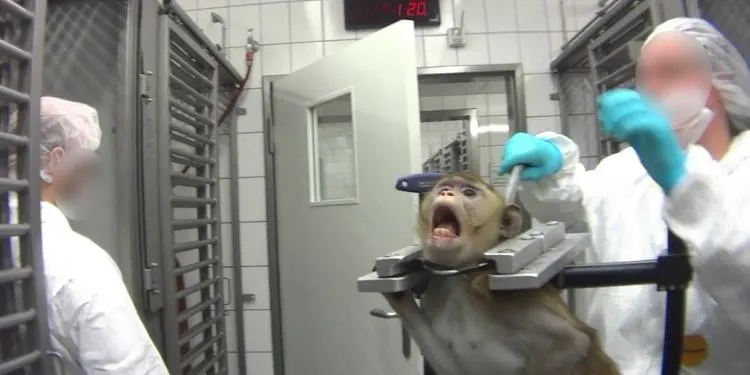
For centuries, animals have been used in scientific experiments to test the safety of products and advance medical research. While these practices have historically contributed to significant breakthroughs, they have also raised serious ethical concerns. The suffering endured by animals in testing labs has prompted widespread calls for alternatives. In recent years, science has made remarkable strides in developing humane and effective methods that reduce, refine, or replace the use of animals in experiments altogether.
The Problem with Animal Experimentation
Animal testing involves exposing living creatures—often rodents, rabbits, dogs, and primates—to harmful substances or invasive procedures. These tests can result in pain, distress, and even death for the animals involved. Ethical concerns are compounded by the fact that animal models do not always accurately predict human outcomes due to biological differences.
Public outcry against these practices has grown significantly, with many questioning whether such cruelty is justifiable when viable alternatives exist. Legislators, researchers, and animal welfare advocates are increasingly pushing for innovative methods to replace animal testing.
Advancements in Non-Animal Testing Methods
Scientific and technological advancements have opened new doors to humane research methods that are not only ethical but also more reliable and cost-effective.
In Vitro Testing
In vitro methods involve studying cells, tissues, or organs in a controlled laboratory environment. Human cell cultures, for instance, can mimic the behavior of human tissues more accurately than animal models. These methods are widely used in toxicology and drug development.
Organs-on-Chips
A revolutionary breakthrough in biomedical research, organs-on-chips are micro-engineered devices that simulate the structure and function of human organs. These chips, often made of clear polymer, allow scientists to observe biological processes in real-time, providing insights that traditional animal models cannot.
Computer Modeling and AI
Sophisticated computer simulations and artificial intelligence (AI) now allow researchers to predict how drugs and chemicals will affect the human body. These models analyze vast amounts of biological data, making them more accurate and efficient than animal tests.
Human Volunteers and Microdosing
Advances in medical imaging and analytical techniques have enabled researchers to conduct clinical studies with human volunteers. Microdosing, for example, involves administering extremely small doses of a substance to study its effects without causing harm.
3D Bioprinting
Using 3D bioprinting, scientists can create living tissues and organ models for testing purposes. These models replicate human biology closely, offering a cruelty-free alternative to animal experimentation.
Global Progress in Reducing Animal Testing
Governments and organizations around the world are taking steps to phase out animal testing in favor of these innovative alternatives.
Legislative Efforts
In the European Union, animal testing for cosmetics has been banned since 2013. Similar bans exist in countries like India, Australia, and South Korea.
The United States has passed legislation encouraging the development of alternatives, such as the Humane Cosmetics Act, which seeks to eliminate animal testing for cosmetics.
Corporate Leadership
Many companies in the beauty and pharmaceutical industries have adopted cruelty-free practices. Organizations like PETA and Leaping Bunny certify brands that commit to not using animal testing.
Collaborative Initiatives
Programs like the U.S. National Institutes of Health’s (NIH) “Tox21” initiative aim to develop high-throughput methods for testing chemical safety without relying on animals. These collaborative efforts are accelerating the transition to humane research methods.
Challenges and Future Directions
While progress is being made, there are still challenges to overcome. Some researchers argue that certain medical studies require whole-organism models to understand complex interactions within the body. However, the continued development of technologies like organs-on-chips and computational models promises to fill these gaps.
Funding for alternative methods also needs to increase. Governments, private organizations, and advocacy groups must continue to invest in research that prioritizes humane solutions.
Why Humane Alternatives Matter
Switching to non-animal testing methods is not only an ethical imperative but also a scientific advantage. Alternatives like in vitro testing and AI-driven models are often faster, more cost-effective, and more accurate than traditional animal experiments. By eliminating the biological variability of animal models, these methods yield results that are more directly applicable to human biology.
What You Can Do to Help
Support Cruelty-Free Brands: Choose products certified by organizations like Leaping Bunny or PETA to support companies that do not engage in animal testing.
Advocate for Change: Contact lawmakers and urge them to support legislation that promotes alternatives to animal testing.
Donate to Research: Many organizations are dedicated to funding and developing humane testing methods. Supporting their work accelerates progress.
Educate Others: Share information about the advancements in cruelty-free research to inspire collective action.
A Compassionate Future
The strides made in reducing animal experimentation are a testament to humanity’s capacity for innovation and compassion. By continuing to invest in humane alternatives, we can ensure a future where science progresses without causing unnecessary suffering to animals. Every step taken toward eliminating cruel practices brings us closer to a world where ethics and efficacy coexist in harmony.
Leave a Reply