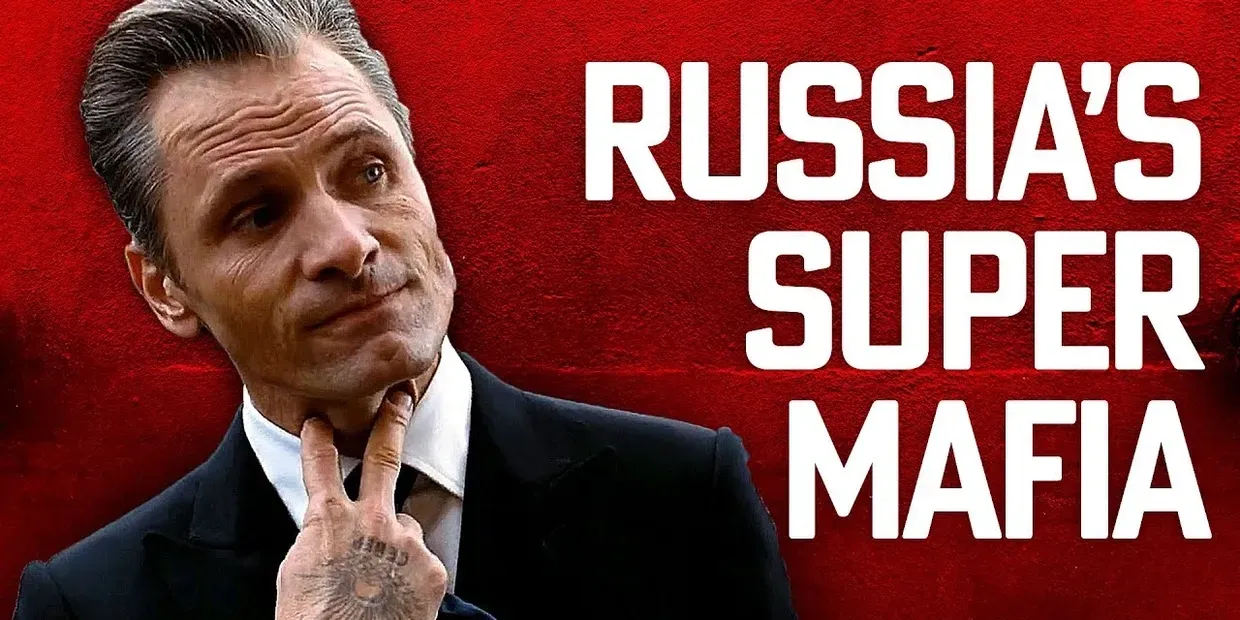
Russia’s Super Mafia
Russian Mafia
The Russian mafia, also known as “Bratva,” is a collection of various organized crime groups originating from the former Soviet Union. These groups are involved in numerous criminal activities such as human trafficking, drug trafficking, extortion, money laundering, and arms trafficking, among others.
History
Origins: Russian organized crime traces back to the Russian Empire’s banditry and thievery, but it wasn’t until the Soviet Union era that the “vory v zakone” or “thieves-in-law” emerged as influential prison leaders with a defined code of honor.
Soviet Era (1917–1991): During Stalin’s reign, many criminals rose to power in the Soviet labor camps. Post-World War II, conflict among these groups led to internal wars, such as the “Bitch Wars,” as rival factions clashed violently.
1992–2000: With the fall of the USSR, Russian organized crime groups seized control of the economy, using bribery, violence, and corruption. This period saw the internationalization of Russian criminal activity, with major figures establishing networks in the U.S., Europe, and beyond.
2001–Present: The Russian mafia continues to evolve with new leaders emerging after older figures are imprisoned or killed. International activities and influence remain significant, with involvement in global criminal networks.
Structure and Composition
Hierarchy: The Russian mafia operates with a clear hierarchy, with the “Vor” (Thief) as an honorary title for those demonstrating leadership, skill, and loyalty to the criminal code. Higher ranks, such as Pakhan, oversee the organization.
Alliances: The Russian mafia has alliances with other global crime groups, including the Ukrainian, Georgian, and American mafias, as well as the Triads and Camorra.
Notable Russian Mafia Groups
Solntsevskaya Bratva: One of the largest Russian mafia groups, named after the Solntsevo District of Moscow.
Tambov Gang: A powerful group based in Saint Petersburg with significant influence over local and international criminal activities.
Izmaylovskaya Gang: Known for its longstanding operations in Moscow, with ties to influential business and political figures.
Notable Figures
Semion Mogilevich: Often described as the “boss of all bosses,” Mogilevich is known for his extensive global criminal network.
Vyacheslav Ivankov: A notorious figure involved in organized crime in Russia and the United States.
Sergei Mikhailov: Leader of the Solntsevskaya Bratva, one of Russia’s most prominent criminal syndicates.
Activities
Russian mafia groups engage in a wide range of criminal activities, including:
Drug trafficking
Money laundering
Human trafficking
Extortion and racketeering
Fraud and financial crimes
Arms trafficking and smuggling
Global Reach
The Russian mafia’s influence extends worldwide, with operations in Europe, the United States, Israel, and other regions. They are known for their sophisticated and quasi-military organizational structure, making them one of the most formidable organized crime groups globally.
Leave a Reply