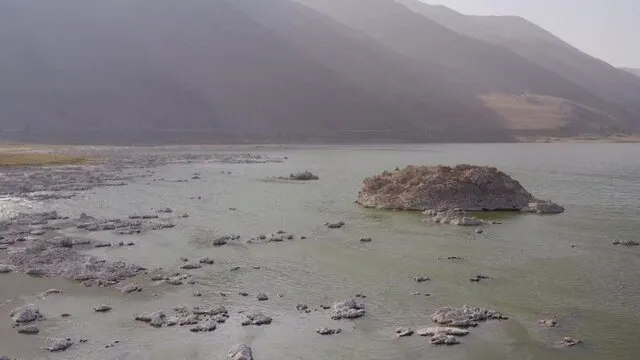
The Underlying Cause of War: The Battle for Water
Water is the lifeblood of civilization, vital for survival, agriculture, and industry. Yet, as populations grow and climate change exacerbates scarcity, this essential resource has become a flashpoint for conflict. Throughout history, and increasingly in the modern era, access to water—or the lack thereof—has been an underlying cause of war and unrest.
Water as a Strategic Resource
While political, religious, and territorial disputes are often cited as the main causes of war, water plays a pivotal and often overlooked role in fueling tensions. Rivers, lakes, and aquifers often span national borders, creating shared resources that are difficult to govern equitably. When these resources are overexploited or unevenly distributed, competition can escalate into conflict.
Control of Waterways: Major rivers like the Nile, Tigris, and Euphrates have been at the center of disputes for centuries. Controlling these waterways often means controlling life itself for downstream nations.
Scarcity and Survival: In regions like the Middle East and North Africa, where water is naturally scarce, the struggle for access has led to both internal and international conflicts.
Weaponization of Water: In some cases, water itself has been used as a weapon. Dams and reservoirs can be controlled or destroyed to harm opposing groups, as seen in conflicts like the Syrian Civil War.
Historical Examples of Water-Driven Conflict
1. The Nile River Basin
The Nile River, shared by 11 countries, is the lifeline for millions of people. Disputes over its waters have flared between Egypt, Sudan, and Ethiopia. Ethiopia’s construction of the Grand Ethiopian Renaissance Dam has heightened tensions, with Egypt viewing the project as a threat to its water security.
2. The Middle East
The Tigris and Euphrates rivers have long been sources of tension between Turkey, Syria, and Iraq. Turkey’s Southeastern Anatolia Project, which includes the construction of dams, has reduced water flow downstream, leading to accusations of water hoarding and destabilizing relations in the region.
3. South Asia
In South Asia, the Indus Water Treaty between India and Pakistan has prevented major conflict for decades, but tensions over the shared river system remain high. Climate change and population growth are increasing stress on this fragile agreement.
Modern-Day Water Conflicts
In today’s world, water scarcity is exacerbated by urbanization, pollution, and climate change. According to the United Nations, 2.2 billion people lack access to safe drinking water, and by 2025, half of the global population could live in water-stressed areas. This scarcity often translates into instability.
Sub-Saharan Africa: Droughts and water shortages have fueled conflicts in regions like Darfur, where disputes over water and grazing rights are tied to larger ethnic and political tensions.
The United States and Mexico: Even developed nations are not immune. The Colorado River, which serves both the U.S. and Mexico, has seen disputes over allocation as water levels drop due to overuse and prolonged drought.
China and Southeast Asia: China’s control of rivers like the Mekong has led to growing unease among downstream nations like Vietnam and Cambodia, who depend on these waters for agriculture and fishing.
Why Water Drives War
1. Fundamental to Survival
Unlike oil or other resources, water has no substitute. Its scarcity directly threatens human life, agriculture, and industry, making it a non-negotiable necessity.
2. Uneven Distribution
Some regions, like Sub-Saharan Africa and the Middle East, are naturally water-scarce. When compounded by poor management or overuse, this scarcity creates fertile ground for conflict.
3. Climate Change
As temperatures rise and weather patterns become more erratic, water availability is becoming increasingly unpredictable. Droughts, floods, and melting glaciers are intensifying competition for this resource.
4. Political Exploitation
Water disputes are often tied to power dynamics. Controlling water allows nations or groups to exert influence over others, making it a powerful tool in geopolitics.
Can Water Wars Be Prevented?
While water scarcity presents a dire challenge, solutions are within reach if nations prioritize cooperation and innovation:
International Agreements: Treaties like the Indus Water Treaty demonstrate that shared resources can be managed peacefully. Expanding and enforcing similar agreements is critical.
Technology and Innovation: Advancements in desalination, water recycling, and irrigation efficiency can reduce dependence on shared water sources and alleviate scarcity.
Sustainable Practices: Improved water management, such as reducing waste and addressing pollution, can help preserve resources for future generations.
Conflict Resolution Mechanisms: Establishing neutral bodies to mediate disputes and manage shared water resources can prevent conflicts from escalating.
Conclusion
Water is the invisible force behind many conflicts, shaping geopolitics in profound and often overlooked ways. As the global population grows and climate change intensifies, the battle for water will only become more acute. Recognizing water as both a fundamental human right and a strategic resource is key to preventing future wars. By fostering cooperation, investing in technology, and committing to sustainable practices, humanity can turn potential conflicts over water into opportunities for peace and progress.
Leave a Reply