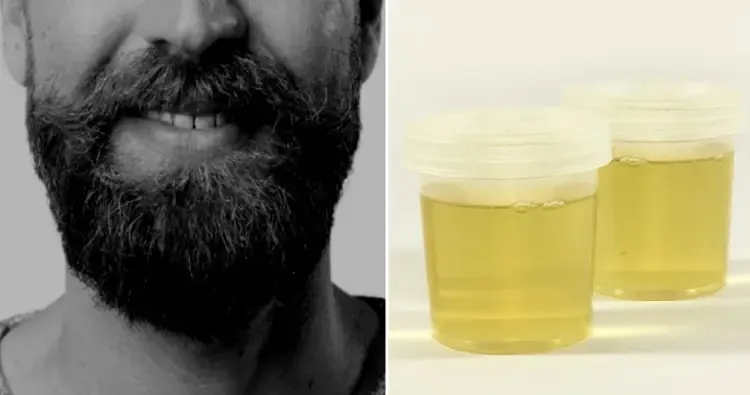
The Unusual Uses of Urine in Ancient Rome: Whitening Teeth and Washing Clothes
In ancient Rome, everyday life was full of practices that might seem bizarre or even unthinkable by modern standards. Among these unusual customs was the use of urine for a variety of practical purposes, most notably for whitening teeth and washing clothes. While it may seem strange today, urine was a valuable resource for the Romans due to its chemical composition, particularly its ammonia content, which made it an effective cleaning agent.
This article explores how the ancient Romans used urine as part of their hygiene and laundry routines, shedding light on the practicality behind these odd-sounding customs and their importance in Roman daily life.
The Science Behind It: Why Urine?
Urine contains ammonia, a compound that is formed as a waste product when the body breaks down proteins. Ammonia is a powerful alkaline substance with excellent cleaning and bleaching properties, which made it a useful tool in an age when modern cleaning agents like soap were either unavailable or too expensive for most people.
Ammonia can dissolve grease and dirt, which explains why the Romans used it to clean clothes. In the case of teeth, ammonia could act as a whitening agent, helping to remove stains and improve the appearance of the teeth. Though the practice of using urine for these purposes may seem unsanitary today, it was a relatively practical solution in ancient times.
Urine as a Detergent: The Roman Laundry System
In Roman cities, fullonicae, or laundries, were common establishments where dirty clothes were cleaned using urine. These laundries were staffed by fullers, who specialized in cleaning garments, particularly woolen togas and other items of clothing. The process typically involved soaking clothes in vats of fermented urine, which was often collected from public urinals or private households. Once the clothes had soaked, the fullers would stomp on them to work the urine into the fabric, much like a modern washing machine might agitate clothes.
The combination of urine’s ammonia and physical agitation helped to remove dirt, oils, and other stains from the garments. After soaking and washing in urine, the clothes were rinsed and hung to dry. Sometimes, fuller’s earth—a type of clay—was used alongside urine to help absorb grease and dirt from the fabrics.
Urine was such an essential component of the Roman laundry process that it became a valuable commodity. Public urinals were set up around Roman cities, and the collected urine was taxed under the vectigal urinae, or “urine tax,” introduced by the Emperor Vespasian in the first century CE. This tax on the collection and sale of urine reflected its economic value in the Roman laundry industry.
Interestingly, this led to the saying “pecunia non olet”, or “money doesn’t stink,” attributed to Vespasian, when his son Titus questioned the dignity of taxing urine. The saying is still used today to express the idea that the source of money does not matter as long as it is profitable.
Urine for Dental Hygiene: Whitening Teeth the Roman Way
While the use of urine in laundry might seem understandable, its application in dental care is more surprising. The ancient Romans used urine as an ingredient in toothpaste or mouthwash to whiten their teeth. Although this may seem repulsive to us today, it was believed to be effective due to the cleaning properties of ammonia.
The practice of using urine for dental care may have been imported from other cultures, such as the Gauls and Iberians, who were also known to use urine for similar purposes. Ancient Roman writers, including the poet Catullus, referenced the use of urine as a dental whitener in their works, often in a mocking or sarcastic tone, which suggests that even in Roman society, the practice was considered somewhat distasteful.
Despite the unpleasant nature of using urine as a mouthwash or tooth-cleaning agent, it is plausible that the ammonia content helped remove stains from the teeth, making them appear whiter. However, there is no evidence to suggest that this practice was widespread, and it was likely only used by a segment of the population.
The Broader Context: Roman Hygiene and Resourcefulness
The use of urine for cleaning clothes and whitening teeth reflects the broader resourcefulness of the ancient Romans. In a time when modern cleaning products and chemicals were unavailable, Romans used what they had at their disposal to maintain cleanliness and hygiene. The city of Rome itself was a marvel of engineering, with advanced aqueducts, public baths, and sewers, demonstrating the importance of hygiene and public health in Roman culture.
In addition to using urine for practical purposes, the Romans also employed various other substances for hygiene. For example, olive oil was commonly used as a cleanser in Roman baths, where people would apply oil to their skin and scrape it off with a strigil, removing dirt and sweat in the process. They also used ashes and bicarbonate of soda for cleaning.
While the use of urine may seem extreme, it was part of a broader Roman tradition of finding effective, if unorthodox, ways to maintain hygiene with the resources available to them. The widespread use of public baths, latrines, and other sanitation infrastructure shows that cleanliness was a priority in Roman society, even if their methods differ greatly from modern standards.
Conclusion: The Practicality of the Past
The use of urine by the ancient Romans to wash clothes and whiten teeth may seem bizarre by today’s standards, but it was a pragmatic solution to the problems of hygiene and cleaning in a pre-modern world. With ammonia’s effective cleaning properties, urine provided a cheap and accessible alternative to the expensive soaps and cleaning agents that were not widely available at the time.
Though modern society might recoil at the thought of using urine for such purposes, it is a testament to the ingenuity and resourcefulness of the Romans. Their ability to find practical uses for everyday substances—even those as unappealing as urine—allowed them to maintain hygiene and cleanliness in their growing cities.
In the context of Roman history, this practice also reflects the broader importance of public health and sanitation, which the Romans prioritized through their impressive infrastructure, such as aqueducts, public baths, and sewer systems. While our understanding of cleanliness has evolved dramatically since Roman times, the Romans’ innovative use of resources like urine continues to fascinate historians and illustrate the creativity of ancient civilizations.
Leave a Reply