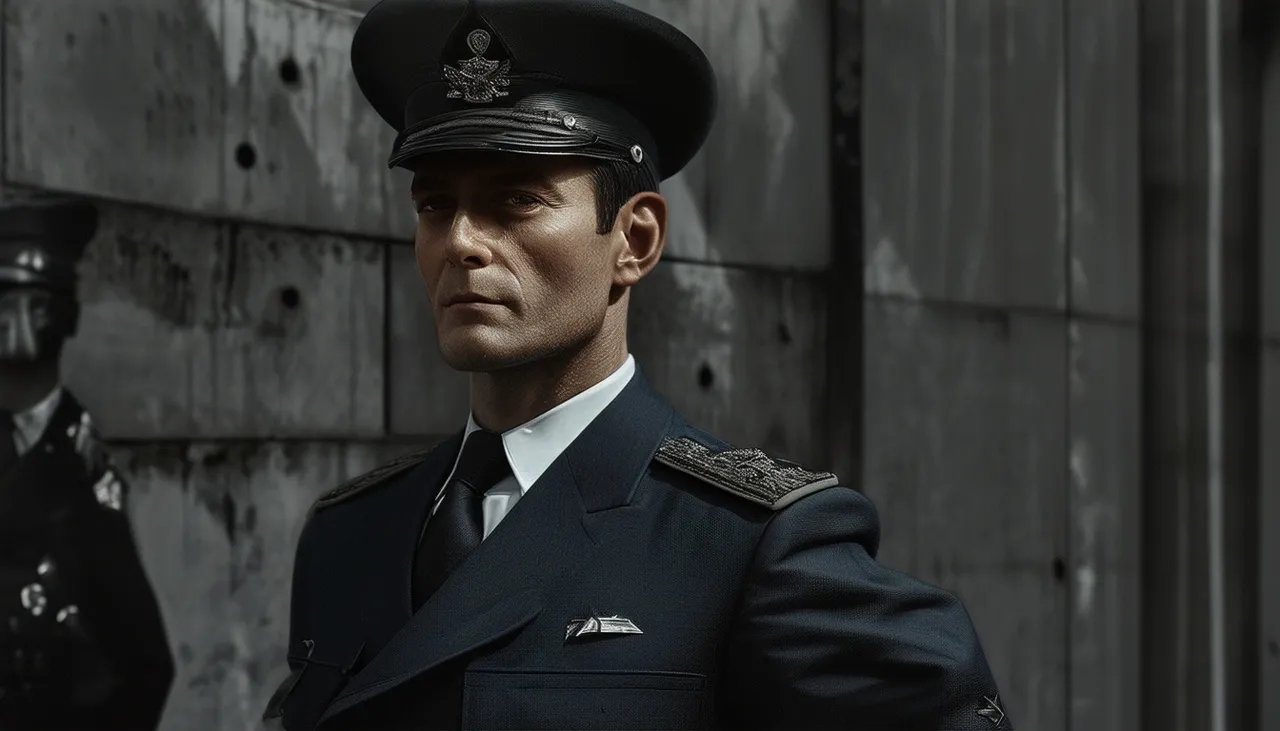
How a Nazi Named Hugo Boss Made and Designed all of the Uniforms
Introduction (1-1.5 pages)
Thesis statement: This essay examines Hugo Boss’s direct involvement in manufacturing uniforms for the Nazi regime, exploring the historical, ethical, and economic implications. It also discusses the company’s use of forced labor and post-war efforts at reconciliation.
Brief history of Hugo Boss: Founded in 1924 by Hugo Ferdinand Boss, the company initially produced workwear and raincoats in Metzingen, Germany. This section can briefly describe the company’s early struggles and eventual turn towards uniform production.
Nazi regime and the significance of uniforms: Introduce how the Nazi regime valued a strong, unified visual identity for its military and paramilitary organizations. Uniforms were not just functional but symbolic, representing the power and prestige of the Third Reich.
Overview of Nazi-era collaborations: Many companies worked with the Nazi government, but Hugo Boss’s collaboration was especially prominent because of its central role in producing the uniforms for key organizations like the SS, SA, and Hitler Youth.
Background on the Nazi Regime and Uniform Design (2-2.5 pages)
The role of uniforms in the Nazi regime: Uniforms were more than clothing for Nazi soldiers and officials—they were symbols of discipline, unity, and ideological purity. Explore how the Nazi government used visual propaganda, including uniforms, to project an image of strength.
The Nazi party’s growing need for uniforms: After Hitler came to power in 1933, the number of organizations requiring uniforms increased exponentially. The SA (Sturmabteilung), the SS (Schutzstaffel), Hitler Youth, and other paramilitary units needed distinctive uniforms to separate themselves from other military forces.
Design elements of Nazi uniforms: The essay could delve into specific elements of Nazi uniform design, such as the sharp lines, bold colors, and insignias (e.g., swastikas, skulls, and eagles) that conveyed the ideology of National Socialism.
Nazi organizations that used Hugo Boss uniforms: Hugo Boss was involved in the production of uniforms for various branches of the Nazi regime, such as the Wehrmacht, SS, SA, and Hitler Youth. Describe the role and significance of these organizations and why their uniforms were important.
Fashion in totalitarian regimes: This section can provide some comparative context, highlighting how other totalitarian regimes (e.g., Fascist Italy, Soviet Russia) used uniforms to promote unity, fear, and control.
Hugo Ferdinand Boss: Founder of the Company (2-3 pages)
Personal background: Hugo Ferdinand Boss, born in 1885, started his clothing company in Metzingen, a small town in Germany. By 1924, Hugo Boss was producing general workwear and sportswear. At this time, Boss’s business faced financial difficulties, as Germany’s economy was in a post-World War I depression.
Struggles in the early years: The company nearly went bankrupt in 1930 during the global economic crisis. Hugo Boss’s willingness to work with the Nazi Party helped save his company from financial ruin, giving him contracts that would turn the struggling business around.
Joining the Nazi Party: In 1931, Boss became a member of the Nazi Party. Discuss the possible motivations for his decision, whether it was a strategic business move, ideological alignment, or a combination of both.
Growing business through Nazi contracts: As Hitler gained power and the Nazi Party expanded, Boss’s company saw more contracts, particularly for manufacturing uniforms. By working closely with the regime, Hugo Boss grew from a small factory into a prominent clothing manufacturer in Nazi Germany.
Hugo Boss and the Nazi Uniforms (3-4 pages)
Production of Nazi uniforms: Hugo Boss’s company started by producing uniforms for the SA, and as time went on, it expanded to the SS and other Nazi organizations. Discuss the types of contracts Boss secured and how the business relationship evolved.
Types of uniforms produced: Detail the specific uniforms produced by Hugo Boss, including the brown SA shirts, the black SS uniforms, and the military-style outfits worn by the Wehrmacht. Each uniform had unique features reflecting the rank and function of the wearer, with SS uniforms in particular becoming iconic for their sinister design.
Uniform design and symbolism: Hugo Boss’s role in the actual design of the uniforms remains debated. While he produced them, the designs came from Nazi leaders and agencies, such as Heinrich Himmler for the SS uniforms. However, Hugo Boss’s company ensured that these designs were implemented at scale and with high-quality craftsmanship.
Visual representation of power and ideology: The Nazi uniforms played a crucial role in maintaining the regime’s image of authority and order. The clean lines, insignia, and distinctive colors were chosen to promote Nazi ideals of racial superiority, unity, and discipline. Discuss how these uniforms instilled fear, respect, and power among both Nazi supporters and enemies.
Forced Labor in Hugo Boss Factories (3-3.5 pages)
Forced labor in Nazi Germany: By the late 1930s and into the 1940s, Germany’s workforce was strained due to the war effort, leading the Nazi regime to use forced labor. Hugo Boss’s company was among the many German firms that employed forced laborers.
Hugo Boss’s use of forced labor: During the war, Boss employed around 140 forced laborers, most of whom were women from occupied territories such as Poland and France. Some workers were prisoners of war (POWs), while others were civilians forced into service.
Conditions in Hugo Boss’s factories: Testimonies from laborers and historians suggest that the conditions were harsh, with long hours, insufficient food, and mistreatment by supervisors. Many of these laborers received minimal or no pay and endured difficult working conditions, a stark contrast to Hugo Boss’s growth as a business.
Moral and ethical questions: Address the moral implications of Hugo Boss’s actions during the Nazi regime. While some argue that Boss, like many other German businessmen, was forced to comply with the regime’s demands, others contend that he benefited directly from the system and willingly profited from forced labor.
The Post-War Period and Accountability (2-3 pages)
Consequences after the war: After World War II, Hugo Boss faced legal consequences for his involvement with the Nazi Party and use of forced labor. In 1946, Boss was stripped of his right to vote and fined heavily. He was also labeled as a “follower” (Mitläufer) of the Nazi regime, a term for someone who supported the regime without being a central figure.
Post-war recovery: Although Hugo Boss’s personal reputation suffered after the war, the company continued to operate, and his son-in-law, Eugen Holy, took over management after Boss’s death in 1948. Under new leadership, the company eventually shifted focus from uniforms to men’s suits and luxury fashion.
Lawsuits and renewed attention: In 1997, a lawsuit was filed against several German companies, including Hugo Boss, for using forced labor during the war. This renewed public interest in the company’s wartime activities, leading to an examination of its role in Nazi Germany.
Corporate Legacy and Modern Reconciliation (2-3 pages)
Apology and acknowledgment: In 2011, Hugo Boss issued a public apology for its involvement in Nazi uniform production and the use of forced labor. The company also supported academic research into its wartime history, allowing for more transparency about its past.
Corporate responsibility initiatives: Since the apology, Hugo Boss has made efforts to contribute to projects that aim to educate people about World War II and the Holocaust. These actions reflect the broader trend of modern corporations taking responsibility for past misdeeds.
Comparison with other companies: Hugo Boss’s involvement in the Nazi regime is not unique—other prominent German companies such as Volkswagen, Siemens, and BMW also collaborated with the Nazis and used forced labor. Explore how these companies have responded to their histories and what lessons can be drawn from these cases.
Is modern reconciliation enough?: Analyze whether the actions taken by Hugo Boss in the 21st century have adequately addressed the company’s dark past. This could include discussions on whether financial reparations or greater educational efforts are required.
Conclusion (1-1.5 pages)
Summary of Hugo Boss’s involvement in Nazi Germany: Recap the main points of the essay, emphasizing Hugo Boss’s transition from a small business to a major producer of Nazi uniforms.
Reflection on historical responsibility: Consider how history shapes the identity of companies like Hugo Boss. Can a company truly escape the shadow of such a controversial past, and what responsibilities do businesses have in reckoning with their history?
Lessons for future generations: Conclude by discussing how this chapter of Hugo Boss’s history serves as a reminder of the dangers of complicity and the importance of corporate accountability in times of political and moral crisis.
Leave a Reply