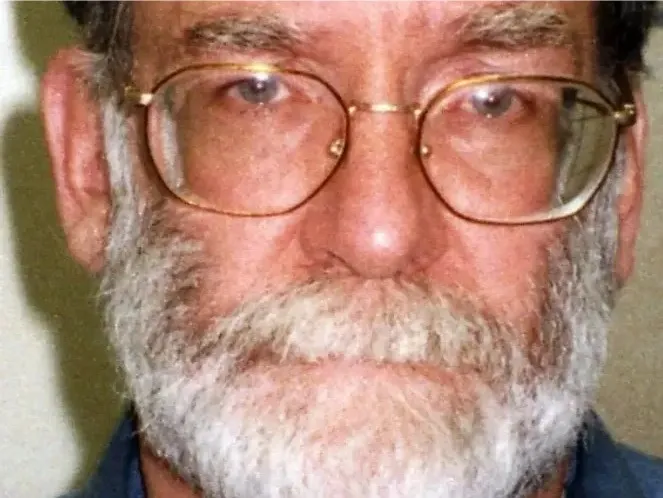
DR. DEATH DR. Harold Shipman
Introduction
Dr. Harold Shipman, infamously known as “Dr. Death,” is considered one of the most prolific serial killers in modern history. As a trusted family doctor in the UK, Shipman used his position to murder at least 215 patients over a 25-year period, though the actual number of victims may be much higher. His preferred method was administering lethal doses of diamorphine, often to elderly patients, and forging their medical records to cover up his crimes. Shipman’s case exposed serious flaws in medical oversight and shook public trust in healthcare professionals.
Early Life and Career
Harold Frederick Shipman was born on January 14, 1946, in Nottingham, England. He was the second of four children in a working-class family. Shipman was particularly close to his mother, Vera, whose death from lung cancer when he was 17 profoundly affected him. Observing the pain management his mother received during her illness likely influenced his later medical practice, particularly his use of opiates.
Shipman attended medical school at Leeds School of Medicine, graduating in 1970. His career as a general practitioner began promisingly, but he soon developed a dependency on pethidine, an opioid analgesic, and was caught forging prescriptions. After a brief stint in rehabilitation, Shipman returned to practice, eventually setting up his own surgery in Hyde, Greater Manchester. Despite his earlier transgressions, Shipman was widely trusted by his patients, who often saw him as a caring and attentive doctor.
The Murders and Modus Operandi
Shipman’s killing spree began in the late 1970s and continued until his arrest in 1998. He primarily targeted elderly women, many of whom lived alone, administering fatal doses of diamorphine, the medical term for heroin. After killing his patients, Shipman would alter their medical records to make the deaths appear natural, often attributing them to existing health conditions or old age.
What set Shipman apart was his methodical approach and his confidence that he could evade suspicion. He frequently attended to patients in their homes, administering the lethal injection and then calmly leaving, sometimes even calling the undertaker himself. Shipman often persuaded families that a post-mortem examination was unnecessary, and in some cases, he forged wills, attempting to benefit financially from his crimes.
Discovery and Arrest
Shipman’s downfall began with the suspicious death of Kathleen Grundy, a wealthy 81-year-old former mayor of Hyde. After her death in 1998, her daughter, Angela Woodruff, discovered that her mother’s will had been altered, leaving Shipman as the sole beneficiary. Woodruff, a lawyer, immediately suspected foul play and alerted the authorities. An investigation revealed that Grundy had died of a heroin overdose, inconsistent with her known health status.
Further investigations uncovered a disturbing pattern of deaths among Shipman’s patients, many of whom had died suddenly after receiving medical attention from him. Exhumations and toxicology reports confirmed the presence of lethal doses of diamorphine in several bodies. Shipman was arrested in September 1998, and the full extent of his killing spree began to emerge.
Trial and Conviction
Shipman’s trial began in October 1999 and lasted for six months. He was charged with 15 counts of murder and one count of forgery. The prosecution presented overwhelming evidence, including medical records, witness testimonies, and forensic reports that detailed his method of killing. Shipman’s lack of remorse and refusal to admit guilt only fueled public outrage.
In January 2000, Shipman was found guilty on all counts and was sentenced to life imprisonment with no possibility of parole. The judge described his actions as “wicked beyond belief,” and the case was seen as one of the most egregious abuses of medical trust ever recorded.
Impact and Reforms
The Shipman case led to sweeping changes in the UK’s medical and legal systems, particularly concerning the monitoring of doctors and the certification of deaths. The inquiry into Shipman’s crimes, led by Dame Janet Smith, resulted in multiple recommendations, including stricter controls on the use of controlled drugs, improved communication between doctors and coroners, and the revalidation of doctors to ensure ongoing competence.
Shipman’s actions also had a profound psychological impact on the medical community and the public. Many people became wary of the healthcare system, and the case highlighted the importance of oversight and accountability within the medical profession.
Conclusion
Dr. Harold Shipman’s legacy is one of betrayal, manipulation, and unimaginable cruelty. His ability to exploit his position as a trusted physician to carry out such widespread and deliberate harm shocked the world and forever changed the landscape of medical regulation. Shipman’s story serves as a cautionary tale about the potential for evil to hide behind even the most trusted of facades, reminding us of the importance of vigilance, transparency, and accountability in the medical field.
Leave a Reply