The Shortage of Penicillin During World War II and the Ingenious Solution of Re-Extracting it from Patients’ Urine
During World War II, medical advancements played a critical role in saving lives on the battlefield. One of the most significant breakthroughs was the discovery and mass production of penicillin, the world’s first true antibiotic, which became a miracle drug for treating infections. However, despite its immense importance, there was an acute shortage of penicillin during the war due to the immense demand from soldiers and civilians alike. This shortage led to an ingenious and rather unexpected solution: re-extracting penicillin from the urine of patients who had already been treated with the drug.
This recycling of penicillin from urine became an essential method for meeting the demand, especially when the production process was still in its infancy and the drug was scarce. This article explores the discovery of penicillin, the production challenges faced during World War II, and the innovative solution of extracting penicillin from urine to ensure that this life-saving antibiotic was available for as many patients as possible.
The Discovery of Penicillin: A Medical Breakthrough
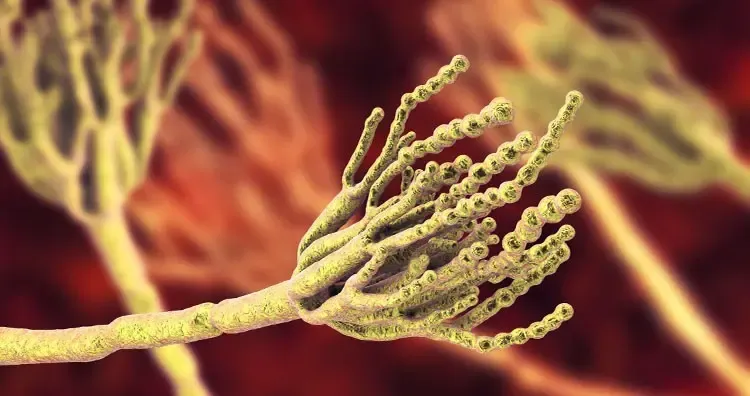
Penicillin was discovered by Scottish bacteriologist Alexander Fleming in 1928. While working at St. Mary’s Hospital in London, Fleming observed that a mold called Penicillium notatum produced a substance that killed a wide range of bacteria. This discovery was groundbreaking because, up until that point, bacterial infections had been a leading cause of death, particularly in wartime when soldiers often suffered from infected wounds.
Although Fleming identified the potential of penicillin, it wasn’t until the late 1930s and early 1940s that scientists figured out how to mass-produce and refine the drug. Researchers such as Howard Florey, Ernst Boris Chain, and their teams at Oxford University played a crucial role in transforming penicillin from a laboratory curiosity into a viable treatment. By 1941, penicillin was being tested in clinical trials, and its effectiveness in treating bacterial infections was confirmed.
Penicillin proved to be remarkably effective in treating a variety of bacterial infections, including pneumonia, strep throat, gonorrhea, syphilis, and, most importantly during wartime, wound infections. Before the widespread use of penicillin, even minor wounds could become life-threatening due to infections such as gangrene or sepsis. The ability of penicillin to save lives was particularly vital on the battlefield, where wounded soldiers were at high risk of infection.
The Shortage of Penicillin During World War II
As World War II intensified, so did the demand for penicillin. Soldiers on the frontlines frequently suffered from infected wounds, and penicillin was seen as a life-saving treatment that could prevent unnecessary amputations or deaths. However, the production of penicillin was not yet well established, and the manufacturing process was still relatively primitive, involving the cultivation of large amounts of Penicillium mold in shallow containers.
This method yielded only small amounts of penicillin, which made it difficult to meet the massive wartime demand. By 1943, penicillin production was ramping up in the United States and Britain, but it remained far below what was needed to treat the vast number of wounded soldiers and civilians affected by the war. The drug was also being prioritized for military use, making it difficult for civilians to access it.
Given the shortage, penicillin was treated as a precious commodity, and efforts were made to ensure that none of it went to waste. Medical personnel were instructed to use the drug sparingly, and doctors often faced difficult decisions about who would receive penicillin based on the severity of their condition. The shortage also sparked intense research into ways to improve the production process and increase the yield of penicillin.
Re-Extracting Penicillin from Urine: A Creative Solution
In the face of the shortage, scientists came up with a novel and effective solution: re-extracting penicillin from the urine of patients who had already been treated with the drug. Penicillin has a unique property in that a significant amount of the drug is excreted unchanged in the urine. This meant that patients who were treated with penicillin naturally excreted part of the drug, allowing it to be collected and purified for reuse.
The process of re-extracting penicillin from urine involved collecting the urine from patients and then isolating the penicillin molecules. This was done using a series of chemical processes, including filtration, extraction, and crystallization. Once the penicillin was purified, it could be administered to new patients.
This recycling process was remarkably effective, particularly because penicillin was excreted in large quantities in urine—sometimes as much as 50-90% of the original dose. Given the extreme scarcity of the drug, re-extraction from urine became a crucial method of conserving and extending the supply of penicillin during the war.
The Impact of Penicillin on the War Effort
The availability of penicillin, even in limited quantities, had a profound impact on the war effort. Before the introduction of antibiotics, infections were often a leading cause of death among wounded soldiers. Battlefields were rife with bacteria, and even minor wounds could become infected, leading to complications such as gangrene. Soldiers who developed infections were often forced to undergo amputations, and many died from septic shock or other infection-related complications.
Penicillin changed all of this. By preventing infections and treating those that had already developed, penicillin dramatically improved the survival rate of wounded soldiers. It was especially effective in treating soft tissue infections, which were common in soldiers with shrapnel or gunshot wounds. Medical staff on the frontlines began administering penicillin to injured soldiers as soon as possible, often directly on the battlefield, to prevent infections from setting in.
The use of penicillin also revolutionized the treatment of venereal diseases such as syphilis and gonorrhea, which had been a significant problem among soldiers. Before penicillin, these diseases were difficult to treat, and many soldiers suffered from long-term health issues as a result. Penicillin’s ability to quickly and effectively cure these infections helped maintain the health and readiness of troops.
In addition to its impact on the battlefield, penicillin played a critical role in reducing the mortality rate of civilians who were injured or fell ill during the war. Hospitals and medical facilities across Europe and the United States were overwhelmed with patients suffering from war-related injuries and diseases. Penicillin helped to alleviate some of this burden by providing an effective treatment for bacterial infections.
The Race to Mass-Produce Penicillin
While the practice of re-extracting penicillin from urine was essential in the short term, the long-term solution to the penicillin shortage lay in mass production. Scientists and pharmaceutical companies in the United States and Britain worked tirelessly to develop more efficient methods of producing the drug. The goal was to find ways to cultivate larger quantities of the Penicillium mold and extract greater amounts of penicillin from each batch.
One breakthrough came when scientists discovered a strain of Penicillium that produced significantly higher yields of penicillin than previous strains. This strain, known as Penicillium chrysogenum, was found on a moldy cantaloupe in a grocery store in Peoria, Illinois, and became the foundation for large-scale penicillin production.
With the development of new fermentation techniques, including the use of deep fermentation tanks rather than shallow trays, penicillin production increased dramatically. By 1944, pharmaceutical companies like Pfizer, Merck, and Squibb were producing penicillin on an industrial scale. By the time the war ended in 1945, the supply of penicillin had caught up with demand, and the drug was widely available for both military and civilian use.
The Post-War Impact and Legacy of Penicillin
The success of penicillin during World War II marked the beginning of the antibiotic era, and the drug’s impact on modern medicine cannot be overstated. After the war, penicillin became widely available to the general public, revolutionizing the treatment of bacterial infections. Diseases that had once been life-threatening, such as pneumonia and tuberculosis, could now be treated effectively with antibiotics.
Penicillin also laid the groundwork for the development of other antibiotics, such as streptomycin, tetracycline, and sulfa drugs, which further expanded the medical arsenal against infectious diseases. The discovery and widespread use of antibiotics led to a dramatic decline in the mortality rate from bacterial infections and helped usher in a new era of public health.
The re-extraction of penicillin from urine during World War II serves as a powerful example of human ingenuity in the face of adversity. It highlights the lengths to which scientists and medical personnel were willing to go to save lives and meet the demands of a rapidly evolving war. While the practice of recycling penicillin from urine may seem unusual by modern standards, it was a creative and effective solution to one of the most pressing medical challenges of the time.
Conclusion: Penicillin, a Life-Saving Innovation in Wartime
The shortage of penicillin during World War II presented a significant challenge to the medical community, but through resourcefulness and scientific innovation, solutions were found to ensure that this life-saving drug was available to those who needed it most. The practice of re-extracting penicillin from urine was a testament to the determination of doctors and scientists to find ways to extend the supply of this miracle drug.
Penicillin’s role in saving countless lives during the war cemented its place as one of the most important medical discoveries of the 20th century. Its ability to treat infections on the battlefield and in hospitals forever changed the landscape of medicine. The lessons learned from the wartime production and distribution of penicillin continue to inform modern pharmaceutical practices, reminding us of the critical importance of innovation in the face of crisis.
While the shortage of penicillin was a significant challenge during World War II, the efforts to overcome it, including the recycling of penicillin from urine, underscore the lengths to which humanity will go to preserve life and advance the field of medicine.
Leave a Reply