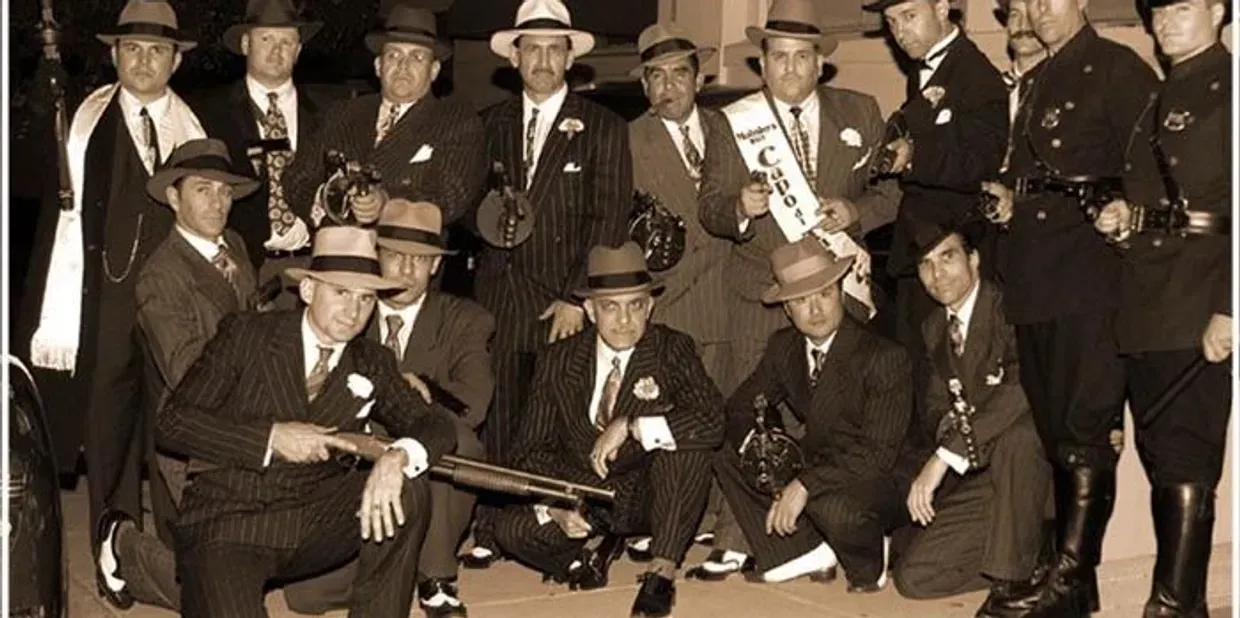
The Irish Mob
Irish Mob Overview
The Irish Mob, also known as the Irish mafia or Irish organized crime, is a network of organized crime syndicates primarily composed of ethnic Irish members operating in Ireland, the United States, the United Kingdom, Canada, and Australia. The Irish Mob has roots that stretch back to the early 19th century, originating from Irish-American street gangs depicted in popular culture, such as Herbert Asbury’s 1927 book The Gangs of New York. Over time, these gangs evolved into structured crime families involved in various illegal activities, including assault, murder, bribery, counterfeiting, drug trafficking, extortion, illegal gambling, money laundering, arms trafficking, and more. The Irish Mob’s influence has fluctuated but remains a notable element of organized crime today.
Key Territories and History
United States:
New York:New York City has been a critical hub for the Irish Mob since the early 19th century, starting with Irish-American street gangs like the Dead Rabbits and Whyos. These gangs controlled large parts of the city’s underworld, battling with emerging Italian and Jewish gangs for dominance. In the early 1900s, as Italian criminal organizations like the Morello crime family began to encroach on Irish territories, the Irish gangs united to form the White Hand Gang. Although initially successful in resisting Italian encroachment, the gang suffered from internal strife and weak leadership, leading to its eventual downfall by 1925. By then, Italian mobs such as the Genovese and Gambino families had taken over the waterfront and other key territories.
The Irish Mob re-emerged with the formation of the Westies, a ruthless Irish-American gang from Hell’s Kitchen led by Jimmy Coonan in the 1970s and 1980s. The Westies were known for their brutal tactics and eventually allied with the Gambino crime family. This alliance allowed them to maintain power despite their smaller numbers and the increasing dominance of the Italian Mafia.
Boston:Boston has a deeply entrenched history of Irish Mob activity, particularly in heavily Irish-American neighborhoods such as Charlestown, South Boston (“Southie”), and Somerville. During Prohibition, Irish gangs thrived, with figures like Frank Wallace of the Gustin Gang controlling Boston’s underworld until his assassination in 1931. The Winter Hill Gang, founded in the 1960s by James “Buddy” McLean, eventually rose to become one of the most powerful organized crime groups in the city.
Under the leadership of notorious figures like James “Whitey” Bulger, the Winter Hill Gang expanded its influence through gambling, extortion, drug trafficking, and other illegal activities. Bulger’s reign was marked by violence, corruption, and a unique relationship with the FBI, where he acted as an informant against rival gangs while maintaining his criminal empire. His story, filled with betrayal and intrigue, has become one of the most famous in mob history, largely due to the extensive media coverage of his crimes and eventual capture in 2011 after years on the run.
Philadelphia:The Irish Mob’s history in Philadelphia dates back to pre-Prohibition times with street gangs like the Schuylkill Rangers, led by Jimmy Haggerty. Following World War II, the K&A Gang, known for its involvement in burglary, loan sharking, and drug trafficking, became the dominant Irish gang in the city. Over the decades, the K&A Gang expanded into methamphetamine production and distribution, cementing its place in the city’s underworld.
Chicago:Chicago’s Irish Mob reached its zenith during Prohibition, rivaling the infamous Italian Mafia led by Al Capone. The North Side Gang, led by Dion O’Banion, Hymie Weiss, and later Bugs Moran, was one of the most powerful Irish gangs in the city. Their fierce rivalry with Capone’s Chicago Outfit culminated in the infamous St. Valentine’s Day Massacre in 1929, which marked a significant shift in power towards the Italian mob.
Ireland:
In Ireland, organized crime among ethnic Irish groups gained prominence primarily in Dublin. Unlike their American counterparts, many Irish crime families initially operated independently of the broader Irish Mob network in the U.S. The Dunne crime family was among the first to make a significant impact, moving from traditional criminal activities like robbery and kidnapping into the drug trade, which became the primary source of income by the late 20th century. The heroin epidemic of the 1980s, largely driven by the Dunnes, devastated working-class neighborhoods and sparked significant public backlash.
The murder of investigative journalist Veronica Guerin in 1996, who was reporting on organized crime in Dublin, marked a turning point. Her death led to the establishment of the Criminal Assets Bureau, a government agency dedicated to dismantling organized crime through financial investigation and asset seizure. Despite these efforts, newer and more sophisticated crime families continued to rise, often operating internationally with connections to criminal networks in Spain and other countries.
Canada:
Montreal: The West End Gang is one of Canada’s most influential organized crime groups, with a history that dates back to the early 20th century. Initially known for hijackings and armed robberies, the gang evolved into a significant player in the drug trade, establishing connections with the Hells Angels, the Montreal Mafia, and South American cartels. Their control over drug importation and distribution in Montreal has made them one of the city’s most powerful criminal organizations.
Spain:
Kinahan Cartel: Established on the Costa del Sol, the Kinahan cartel, led by Christy Kinahan and his son Daniel, has become one of the most powerful Irish criminal organizations operating outside of Ireland. The cartel’s operations include large-scale drug trafficking, money laundering, and arms smuggling. A series of high-profile shootings and ongoing feuds with rival gangs, such as the Hutch gang, have drawn significant media attention and law enforcement scrutiny in both Spain and Ireland.
Notable Figures
James “Whitey” Bulger: Perhaps the most infamous figure in the Irish Mob, Bulger was the leader of the Winter Hill Gang in Boston. His criminal career spanned decades, marked by numerous murders, extortion, and drug trafficking. Bulger’s status as an FBI informant allowed him to operate with impunity for many years, using law enforcement to eliminate rivals. His story was immortalized in the book and film Black Mass.
Danny Greene: Known as “The Irishman,” Greene was a prominent Cleveland mobster who led a violent and public war against the Italian Mafia in the 1970s. His bombing campaigns earned Cleveland the nickname “Bomb City, USA.” Greene’s defiance and eventual assassination were depicted in the film Kill the Irishman.
Christy Kinahan: Head of the Kinahan cartel, Kinahan is considered one of the most significant Irish drug lords operating on a global scale. His cartel’s operations have extended far beyond Ireland, with extensive networks in Spain, South America, and other regions, making him one of the most sought-after criminals by international law enforcement.
Alliances and Rivalries
The Irish Mob has formed alliances with other powerful crime groups, such as Italian-American Mafia families (‘Ndrangheta and Camorra), Russian organized crime, and occasionally even the Moroccan mafia. These alliances have often been strategic, allowing the Irish Mob to access broader networks and resources, particularly in drug trafficking and smuggling operations. However, these alliances have also led to conflicts, especially when territorial disputes or business interests collide.
The Irish Mob has historically been at odds with other ethnic crime groups, including Italian, Russian, and other Irish factions. In New York, the Irish Mob frequently clashed with the Italian Mafia, leading to gang wars and shifting control of criminal territories. In Boston, the Winter Hill Gang’s rivalry with other local Irish gangs and the Italian Mafia was marked by violence, betrayal, and numerous high-profile murders.
Media Portrayals
The Irish Mob has been a rich source of inspiration for films, television series, and books, often depicted as complex, ruthless, and deeply entrenched in their communities:
Films: Notable movies include The Departed, which portrays a fictionalized version of Whitey Bulger’s life; Gangs of New York, which explores the early roots of Irish gangs in New York; and Road to Perdition, which follows an Irish mob enforcer in the 1930s.
Television: TV series such as Boardwalk Empire and Ray Donovan have featured storylines involving Irish mobsters, while shows like Brotherhood and The Black Donnellys center on Irish-American organized crime families.
Books and Documentaries: The Irish Mob has been the subject of numerous books, including Paddy Whacked by T.J. English, which chronicles the history of Irish-American gangsters. Documentaries like Whitey: United States of America v. James J. Bulger provide in-depth looks at the lives and crimes of prominent mob figures.
The Irish Mob’s long-standing presence in organized crime, its shifting alliances, and its impact on popular culture continue to fascinate the public, reflecting both the mob’s violent history and its enduring influence in the criminal underworld.
Leave a Reply