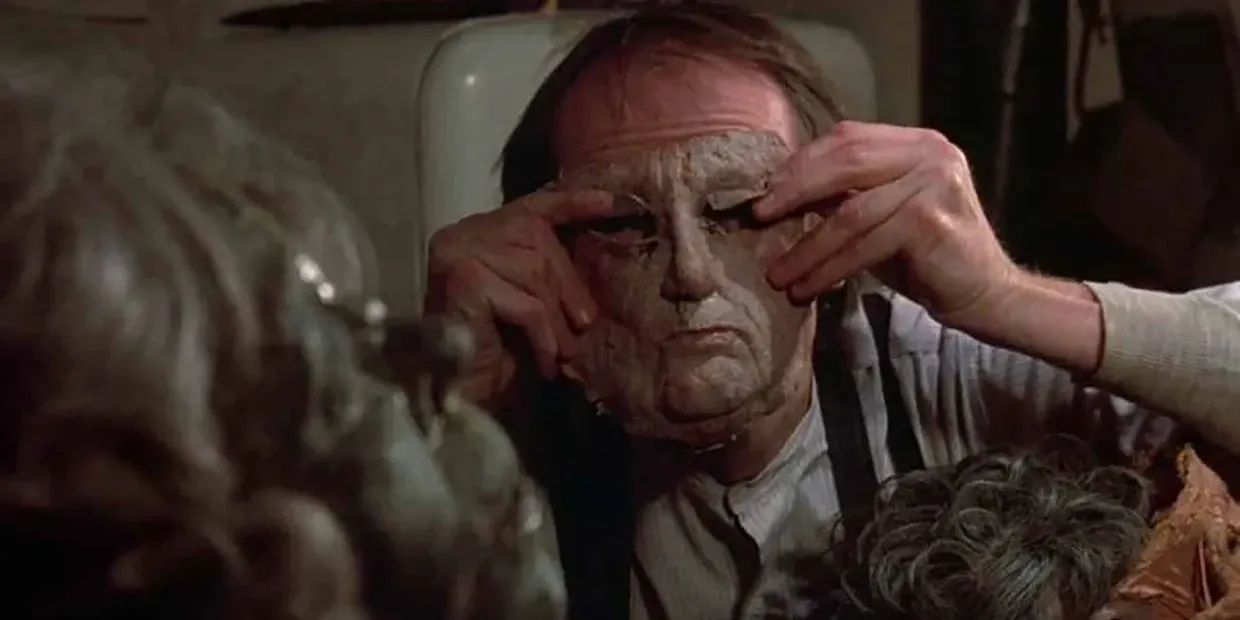
THE ORIGINAL Ed Gein
Introduction
Ed Gein, often referred to as the “Butcher of Plainfield” or the “Plainfield Ghoul,” was an American murderer and body snatcher whose crimes shocked the world in the late 1950s. Gein’s gruesome acts, including the exhumation of corpses and the creation of macabre artifacts from human remains, have cemented his place in popular culture as one of the most disturbing figures in true crime history. His actions inspired numerous horror films and characters, including Norman Bates in Psycho, Leatherface in The Texas Chainsaw Massacre, and Buffalo Bill in The Silence of the Lambs.
Early Life and Psychological Background
Ed Gein was born on August 27, 1906, in La Crosse, Wisconsin. He grew up in a deeply dysfunctional household under the influence of his domineering mother, Augusta, who was a fervent religious fanatic. She preached the sinful nature of women and instilled in Gein a fear of sexuality and a distorted view of the world. Gein’s father was an alcoholic, and his older brother Henry was critical of their mother’s influence, which led to friction between the siblings.
Augusta’s death in 1945 deeply affected Gein, leaving him isolated and with a profound sense of loss. Her absence marked the beginning of his descent into madness. Living alone on the family farm in Plainfield, Wisconsin, Gein’s mental health deteriorated as he became increasingly obsessed with death, anatomy, and the female form. His reclusive lifestyle and his morbid fascination with his mother’s ideals fueled his twisted fantasies, setting the stage for his later crimes.
Crimes and Discoveries
Gein’s criminal activities came to light in 1957 when local hardware store owner Bernice Worden went missing. Evidence led police to Gein’s farmhouse, where they made a shocking discovery: Worden’s decapitated body was found hanging in a shed, and the farmhouse was filled with human remains. Authorities found items made from human skin, including masks, lampshades, and clothing, which Gein had crafted from the bodies of exhumed corpses and his murder victims.
It was revealed that Gein had been robbing graves, exhuming recently buried women who reminded him of his mother. His goal was to create a “woman suit” to become his mother and keep her spirit alive, illustrating his severe psychological disturbance and Oedipal complex. Gein’s disturbing use of human remains extended to the creation of household items such as bowls made from skulls and furniture upholstered in human skin.
Trial and Psychological Evaluation
Ed Gein was charged with the murders of Bernice Worden and Mary Hogan, a tavern owner who had disappeared in 1954. However, Gein was declared unfit to stand trial due to his mental state and was diagnosed with schizophrenia and severe mental illness. In 1968, Gein was finally deemed competent and was tried for Worden’s murder. He was found guilty but legally insane and was committed to Central State Hospital for the Criminally Insane, later transferred to Mendota Mental Health Institute in Madison, Wisconsin, where he spent the rest of his life.
Gein’s case highlighted the impact of severe psychological trauma and the influence of a toxic upbringing on criminal behavior. His mental illness and the bizarre nature of his crimes have made him a subject of extensive study in the fields of psychology and criminology, offering insights into the darkest aspects of human behavior.
Cultural Impact and Legacy
Ed Gein’s crimes have left an indelible mark on popular culture, particularly in the horror genre. His gruesome acts and the eerie artifacts found in his home have fascinated and horrified audiences, serving as the inspiration for some of the most terrifying characters in cinema. The chilling detail of his life and crimes continues to captivate true crime enthusiasts and horror fans alike, making Gein a symbol of pure, unhinged madness.
Gein’s legacy is not just his horrific crimes but also the broader implications of how mental illness, trauma, and societal neglect can contribute to monstrous actions. His story serves as a cautionary tale about the dangers of untreated psychological disorders and the horrors that can arise when a disturbed individual’s fantasies go unchecked.
Conclusion
Ed Gein’s life and crimes remain among the most disturbing in American history. His twisted relationship with his mother, combined with severe psychological issues, drove him to commit acts that were both shocking and incomprehensible. While Gein was only convicted of two murders, the grotesque nature of his crimes and his ghoulish hobbies left an impact far beyond his small Wisconsin town. The “Butcher of Plainfield” remains a haunting figure, reminding us of the thin line between sanity and madness.
Leave a Reply