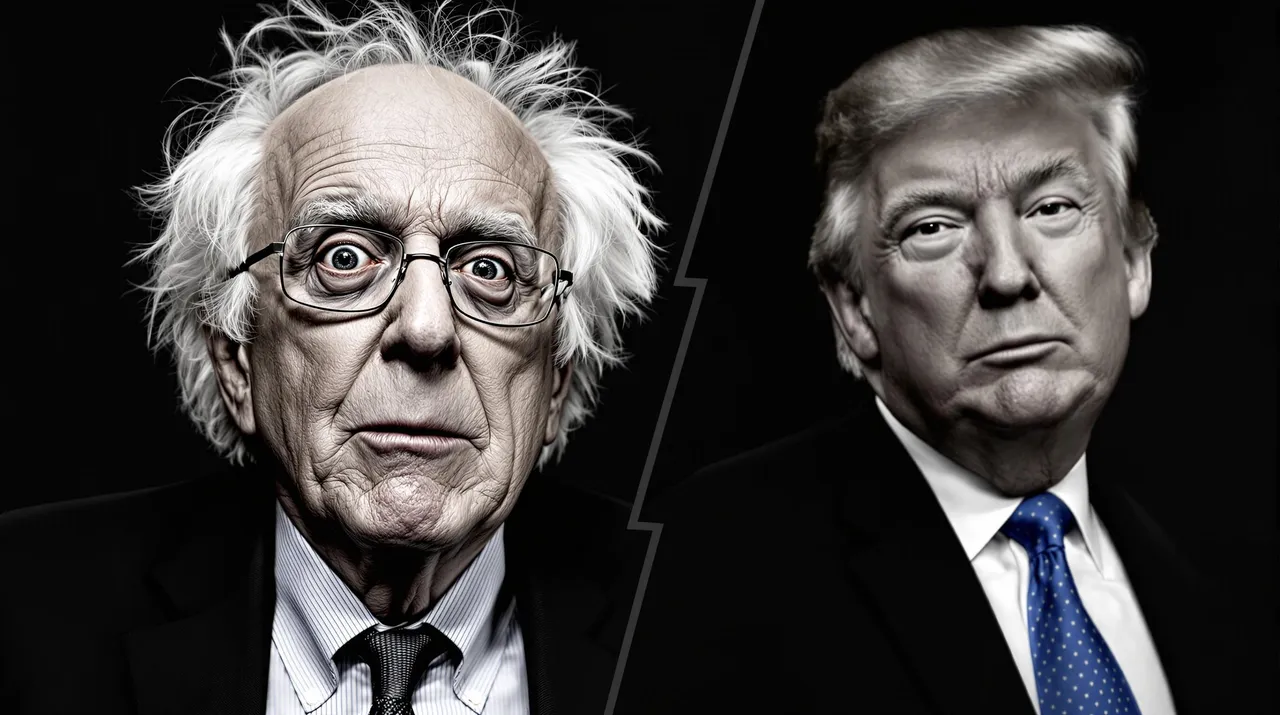
The Expression Debate: Analyzing the “Crazy Look” Stereotype
In today’s highly polarized political climate, even the way people look is scrutinized through a partisan lens. A common trope in political discussions, particularly among conservative circles, is that Democrats—or the “left”—often exhibit what’s jokingly referred to as the “crazy person expression.” This alleged phenomenon is typically characterized by wide eyes, exaggerated facial gestures, or intense emotional displays, as opposed to Republicans, who are seen by their supporters as more composed or stoic. But how much of this perception is based on reality, and how much is partisan bias?
The Origins of the “Crazy Look” Trope
The idea that members of the political left display exaggerated or “unhinged” expressions is not new. It often emerges in response to moments of political protest, outrage, or impassioned speeches by left-leaning activists and politicians. High-profile figures like Alexandria Ocasio-Cortez, Elizabeth Warren, and even Greta Thunberg have been memed or mocked for their fervent expressions. On social media, screenshots and videos of passionate moments are often circulated, cropped, or slowed down to emphasize facial intensity.
Conservatives sometimes argue that these expressions reflect emotional instability or a detachment from reality. Some on the right even tie it to broader stereotypes about liberalism, such as being overly emotional, easily triggered, or excessively reactive.
Contrasting with Republicans
On the flip side, Republicans and conservatives are often portrayed—by themselves and their supporters—as calm, cool, and collected. Leaders like Donald Trump, Ron DeSantis, and Nikki Haley frequently deliver speeches with more controlled or calculated expressions, focusing on direct eye contact and a measured demeanor. This is used to reinforce a narrative of strength, logic, and stability.
However, critics argue that this is often just a matter of presentation. Emotional outbursts, such as anger or outrage, are just as prevalent among Republicans. Figures like Marjorie Taylor Greene, for instance, have been known for their passionate displays, and Donald Trump himself is no stranger to animated expressions, particularly when rallying his base or attacking his opponents.
The Role of Media Bias
Media plays a significant role in perpetuating these stereotypes. Left-leaning media outlets tend to showcase Republicans at their angriest or most intense moments, while right-leaning outlets like Fox News often select footage of Democrats at their most extreme. Social media platforms exacerbate this bias by amplifying viral images or videos that conform to partisan narratives.
For example, a fiery speech by a progressive politician might be framed as “passion” by liberal outlets but as “hysteria” by conservative ones. Similarly, a stern Republican stance might be labeled as “calm leadership” on the right but as “cold detachment” by the left.
Psychology and Human Perception
From a psychological perspective, humans are wired to notice emotional expressions, especially when they seem intense or out of the ordinary. Passionate moments naturally involve widened eyes, raised eyebrows, and more dynamic facial movements. These expressions are not exclusive to one political ideology—they are universal human responses to strong emotions like anger, frustration, or enthusiasm.
Moreover, confirmation bias plays a role. If someone already believes Democrats are “unhinged,” they are more likely to notice and remember images that confirm that belief. Conversely, someone predisposed to view Republicans as stoic or detached will selectively interpret their expressions as strength or composure.
Conclusion: A Battle of Narratives
The “crazy person expression” trope is less about reality and more about partisan narratives. Both sides of the political spectrum have their share of fiery, emotional moments, and those moments are amplified by media and social biases to reinforce existing stereotypes. What one group might call passion, another might dismiss as hysteria—and vice versa.
At the end of the day, these perceptions often say more about our own biases than about the people we’re observing. Politics is as much about presentation as it is about policy, and both Democrats and Republicans use emotion, expression, and optics to connect with their audiences. The so-called “crazy look” might just be in the eye of the beholder.
Leave a Reply