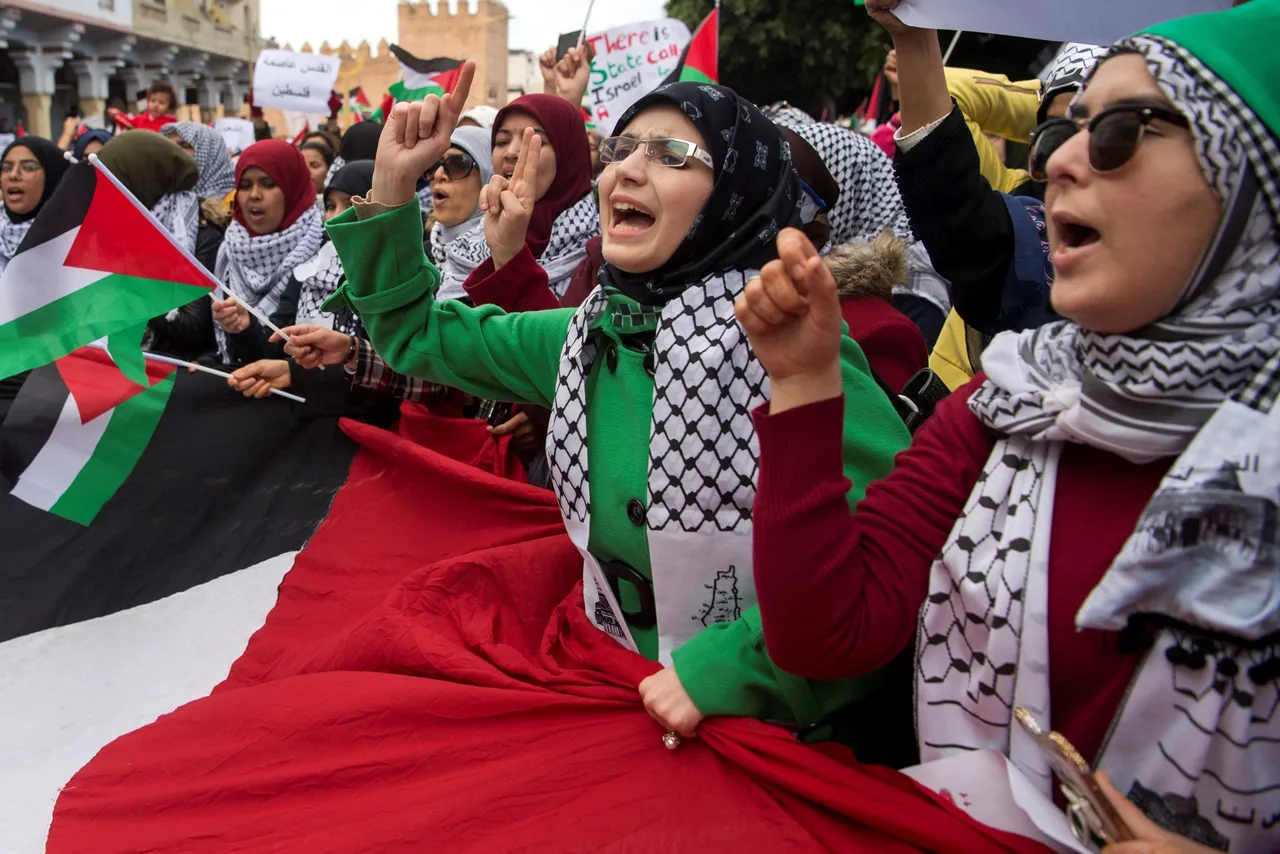
The History of the People Who Call Themselves Palestinians
Introduction
Ancient History of the Region
Roman and Byzantine Palestine
Islamic Caliphates and the Arabization of Palestine
Ottoman Rule and the Transformation of Palestinian Society
The Birth of Palestinian Nationalism in the Early 20th Century
The British Mandate (1917-1948)
The 1948 Arab-Israeli War and the Nakba
The Formation of the Palestinian Liberation Organization (PLO)
The Six-Day War and Its Impact on Palestinians (1967)
The First Intifada (1987-1993)
The Oslo Accords and the Road to Palestinian Autonomy
The Second Intifada (2000-2005)
The Ongoing Israeli-Palestinian Conflict
Conclusion: The Palestinian People Today and the Path Forward
Chapter 1: Introduction
The people who call themselves Palestinians have a deep and complex history that spans millennia. For centuries, Palestine, a region located at the crossroads of Africa and Asia, has been home to a diverse range of ethnicities, religions, and cultures. Over time, this region has seen the rise and fall of empires, wars, migrations, and the gradual formation of a distinct national identity among the people who live there.
In the modern era, the Palestinians’ struggle for national recognition has become one of the most prominent and enduring conflicts in global politics. Their claim to a homeland has been contested, particularly since the establishment of the State of Israel in 1948, leading to ongoing disputes over territory, rights, and sovereignty.
This document provides a detailed history of the Palestinian people, tracing their origins from ancient times to the present. It will explore how Palestinian identity was shaped by historical events, such as colonialism, wars, and displacement, and how it has continued to evolve amidst the ongoing Israeli-Palestinian conflict.
Chapter 2: Ancient History of the Region
The history of the land that is now known as Palestine dates back to antiquity, with evidence of human habitation in the region as early as the Stone Age. The name “Palestine” itself is derived from “Philistia,” the name the ancient Greeks used to describe the land of the Philistines, a people who lived in the coastal areas during the 12th century BCE.
Canaanites and Early Inhabitants
The earliest known inhabitants of Palestine were the Canaanites, a Semitic people who established city-states in the region around 3000 BCE. The Canaanites engaged in trade with neighboring civilizations, including the Egyptians and Mesopotamians, and built prosperous cities such as Jericho and Megiddo. Their culture laid the foundation for future civilizations in the area.
The Philistines
The Philistines arrived in the region in the 12th century BCE and settled along the southern coastal plain. They were known for their conflicts with the Israelites, another group that had begun to establish itself in the interior regions of Palestine during the same period. The Philistines’ presence in the land would later give the region its name.
Chapter 3: Roman and Byzantine Palestine
Palestine’s history during the Roman and Byzantine periods was characterized by significant political and religious transformations. By 63 BCE, Palestine had come under Roman control, and it became an integral part of the Roman Empire.
Judea and the Jewish Revolts
In the early centuries of Roman rule, Palestine was home to a significant Jewish population, centered in the kingdom of Judea. During this time, tensions between the Jewish inhabitants and Roman authorities led to several major conflicts, including the Jewish Revolt (66-73 CE) and the Bar Kokhba Revolt (132-135 CE). In the aftermath of these revolts, the Romans renamed the region Syria Palaestina in an attempt to erase the Jewish connection to the land.
Byzantine Rule and Christian Influence
After the Roman Empire split, Palestine became part of the Byzantine Empire, and the region saw the growth of Christianity. Several important Christian sites, including Jerusalem and Bethlehem, attracted pilgrims from across the empire, further establishing Palestine as a significant cultural and religious crossroads.
Chapter 4: Islamic Caliphates and the Arabization of Palestine
The 7th century marked a significant turning point in the history of Palestine with the arrival of Islam and the establishment of the Rashidun Caliphate. Following the Battle of Yarmouk in 636 CE, the region came under the control of the early Muslim Caliphates, leading to the spread of Arab culture and the gradual Arabization of the population.
The Umayyad and Abbasid Periods
Under the Umayyad Caliphate (661-750 CE), Palestine became part of the broader Islamic Empire, with Jerusalem emerging as an important religious center for Muslims. The construction of the Dome of the Rock in 691 CE solidified Jerusalem’s status as the third holiest city in Islam, after Mecca and Medina. The subsequent Abbasid Caliphate (750-1258 CE) continued to rule the region, during which Palestine became a hub of trade and scholarship.
Crusades and Mamluk Rule
During the Crusades (1096-1291), Palestine became a battleground for control between Christian and Muslim forces. The region saw numerous conflicts, but ultimately, it returned to Muslim control under the Mamluks by the late 13th century.
Chapter 5: Ottoman Rule and the Transformation of Palestinian Society
The Ottoman Empire conquered Palestine in 1517, and the region remained under Ottoman rule for the next four centuries. During this time, Palestinian society underwent significant transformations, as the Ottomans introduced new administrative structures and integrated Palestine into their empire’s vast trading networks.
Ottoman Governance
Palestine was divided into several administrative districts, or sanjaks, and governed by Ottoman officials. The population was predominantly Arab and Muslim, though there were also significant Christian and Jewish communities in cities like Jerusalem, Hebron, and Nazareth. The Ottoman period saw relative stability, with local Arab elites playing a crucial role in the region’s administration.
Demographic Changes
Throughout the Ottoman period, the population of Palestine remained diverse, with Muslims, Christians, and Jews coexisting relatively peacefully. However, the 19th century saw the arrival of Jewish settlers, influenced by the rise of Zionism in Europe. This would later become a significant factor in the political struggles of the 20th century.
Chapter 6: The Birth of Palestinian Nationalism in the Early 20th Century
The late 19th and early 20th centuries saw the rise of Arab nationalism, as Palestinians began to develop a collective identity in response to both Ottoman rule and the growing presence of European powers in the region.
Zionism and Jewish Immigration
As Jewish immigration to Palestine increased in the early 20th century, tensions between Jewish settlers and the Arab population grew. The influx of Jewish immigrants, many of whom were inspired by the Zionist movement, led to land disputes and economic competition. The Palestinians viewed the growing Jewish presence as a threat to their national and territorial identity.
Early Palestinian Nationalism
In response to the Zionist movement and British colonialism, Palestinians began to organize politically. Early Palestinian nationalist movements sought to resist Jewish immigration and advocate for Arab independence. These efforts were complicated by the collapse of the Ottoman Empire following World War I and the subsequent imposition of the British Mandate over Palestine.
Chapter 7: The British Mandate (1917-1948)
The British Mandate for Palestine, established by the League of Nations in 1920, marked a turning point in Palestinian history. Britain took control of the region after the defeat of the Ottoman Empire in World War I, and their administration of Palestine would set the stage for decades of conflict between Jewish and Arab populations.
The Balfour Declaration
In 1917, Britain issued the Balfour Declaration, which promised to establish a “national home for the Jewish people” in Palestine. This declaration alarmed the Arab population, who saw it as a betrayal of their aspirations for self-determination. As Jewish immigration continued under the British Mandate, tensions between Arabs and Jews escalated, leading to sporadic violence.
Palestinian Resistance
During the British Mandate, Palestinian political movements increasingly focused on resisting both British rule and Zionist expansion. The Arab Revolt of 1936-1939 was one of the largest uprisings against British colonial authority and Jewish immigration, though it was ultimately crushed by British forces.
Chapter 8: The 1948 Arab-Israeli War and the Nakba
The end of the British Mandate in 1948 coincided with the establishment of the State of Israel and the outbreak of the Arab-Israeli War. For Palestinians, this event is known as the Nakba (“catastrophe”), as it resulted in the displacement of hundreds of thousands of Palestinians from their homes.
The Creation of Israel
On May 14, 1948, Israel declared its independence. The neighboring Arab states, including Egypt, Jordan, Syria, and Iraq, immediately launched an attack on the newly declared state. The war ended in early 1949 with the defeat of the Arab forces and the signing of several armistice agreements.
Palestinian Displacement
During the war, an estimated 700,000 Palestinians were forced to flee or were expelled from their homes, becoming refugees. Many ended up in neighboring Arab countries, where they would live in refugee camps, often in difficult conditions. This mass displacement remains a key issue in the ongoing Israeli-Palestinian conflict.
Chapter 9: The Formation of the Palestinian Liberation Organization (PLO)
In the aftermath of the 1948 War, Palestinian identity became increasingly tied to the experience of exile and dispossession. The establishment of the Palestinian Liberation Organization (PLO) in 1964 marked a new phase in Palestinian political activism.
PLO’s Early Years
The PLO, initially supported by Egypt and other Arab states, sought to represent the Palestinian people and advocate for the liberation of Palestine from Israeli control. Under the leadership of Yasser Arafat, the PLO embraced armed struggle as a means of achieving Palestinian self-determination.
International Recognition
Over time, the PLO gained recognition as the legitimate representative of the Palestinian people, both in the Arab world and internationally. In 1974, the United Nations granted the PLO observer status, solidifying its role as the voice of Palestinian aspirations on the global stage.
Chapter 10: The Six-Day War and Its Impact on Palestinians (1967)
The Six-Day War in 1967 was a pivotal moment in the history of the Israeli-Palestinian conflict. In the span of six days, Israel captured the West Bank, Gaza Strip, East Jerusalem, and the Golan Heights. These territories remain at the heart of the conflict to this day.
Occupation of Palestinian Territories
Following the war, Israel began its military occupation of the West Bank and Gaza Strip, placing the Palestinian population under direct Israeli control. The Israeli occupation led to widespread restrictions on Palestinian movement, land confiscations, and the establishment of Jewish settlements in the occupied territories.
The Growth of Palestinian Resistance
The occupation of Palestinian land further fueled Palestinian resistance, with many Palestinians joining the PLO or other militant organizations in the struggle for liberation. The continued Israeli occupation remains one of the key issues in the conflict today.
Chapter 11: The First Intifada (1987-1993)
The First Intifada (Arabic for “uprising”) broke out in 1987 as a popular revolt against Israeli occupation in the West Bank and Gaza Strip. What began as a series of protests and demonstrations quickly escalated into a widespread uprising, characterized by strikes, boycotts, and violent confrontations between Palestinian youth and Israeli forces.
Grassroots Resistance
Unlike previous Palestinian resistance movements, the First Intifada was largely grassroots in nature, driven by ordinary Palestinians living under occupation. The uprising received widespread international attention and highlighted the harsh conditions faced by Palestinians in the occupied territories.
Oslo Accords
The First Intifada eventually led to the signing of the Oslo Accords in 1993, a set of agreements between Israel and the PLO that aimed to create a framework for peace and establish Palestinian self-rule in parts of the West Bank and Gaza. While the Oslo Accords represented a significant step toward a potential two-state solution, many of the issues it sought to address remain unresolved.
Chapter 12: The Oslo Accords and the Road to Palestinian Autonomy
The Oslo Accords marked the first direct negotiations between Israel and the PLO, and they established the framework for the creation of the Palestinian Authority (PA), which would govern parts of the West Bank and Gaza.
Palestinian Authority
The establishment of the PA was seen as a major step toward Palestinian autonomy. The PA was tasked with governing certain areas of the West Bank and Gaza and managing security, education, and health services for Palestinians living there. However, the authority’s power was limited, and key issues such as the status of Jerusalem, Israeli settlements, and Palestinian refugees were left unresolved.
Continued Violence
Despite the Oslo Accords, violence continued between Israelis and Palestinians. Extremist factions on both sides opposed the peace process, and the assassination of Israeli Prime Minister Yitzhak Rabin in 1995 by a right-wing Israeli extremist dealt a major blow to the peace effort.
Chapter 13: The Second Intifada (2000-2005)
The Second Intifada, also known as the Al-Aqsa Intifada, erupted in 2000 after a visit by Israeli opposition leader Ariel Sharon to the Temple Mount in Jerusalem, a site sacred to both Jews and Muslims. Sharon’s visit sparked widespread protests and clashes between Palestinians and Israeli security forces, leading to a period of intense violence.
Escalation of Violence
The Second Intifada was far more violent than the First Intifada, with suicide bombings, Israeli military operations, and heavy civilian casualties on both sides. The Israeli military responded with increased force, launching major operations in the West Bank and Gaza and constructing a separation barrier around the West Bank.
Impact on Palestinian Society
The violence of the Second Intifada left deep scars on Palestinian society. Thousands of Palestinians were killed or wounded, and the conflict further damaged the prospects for peace. The Palestinian economy suffered greatly, and many Palestinians lost hope in the possibility of a peaceful resolution to the conflict.
Chapter 14: The Ongoing Israeli-Palestinian Conflict
The Israeli-Palestinian conflict remains one of the most intractable disputes in modern history. Despite numerous attempts at peace negotiations, the core issues of the conflict—including the status of Jerusalem, the right of return for Palestinian refugees, the expansion of Israeli settlements, and the final borders of a potential Palestinian state—remain unresolved.
Divisions Among Palestinians
Palestinian politics has been marked by internal divisions, particularly between the secular Fatah party, which controls the Palestinian Authority, and the Islamist group Hamas, which controls the Gaza Strip. These divisions have weakened the Palestinian national movement and complicated efforts to achieve a united front in negotiations with Israel.
International Involvement
The international community has played a significant role in mediating the conflict, with countries such as the United States, Russia, and European Union frequently involved in peace efforts. However, despite these efforts, the conflict remains deeply entrenched, with little progress toward a lasting solution.
Chapter 15: Conclusion: The Palestinian People Today and the Path Forward
The Palestinian people, scattered across the West Bank, Gaza, Israel, and the broader Middle Eastern diaspora, continue to face immense challenges in their struggle for self-determination. The Palestinian national identity, forged through centuries of history, occupation, and resistance, remains resilient despite ongoing hardships.
The Future of Palestine
The future of the Palestinian people remains uncertain. While many Palestinians continue to advocate for a two-state solution, others see a single, binational state as the only viable path forward. The international community’s role will remain crucial in mediating between the two sides and finding a peaceful resolution that ensures justice and rights for the Palestinian people.
The Palestinian Diaspora
Millions of Palestinians continue to live as refugees in countries like Jordan, Lebanon, and Syria, where they face social and economic hardships. The right of return for these refugees remains a core issue in the peace process, and their inclusion in any future settlement will be critical to achieving a just resolution.
Leave a Reply