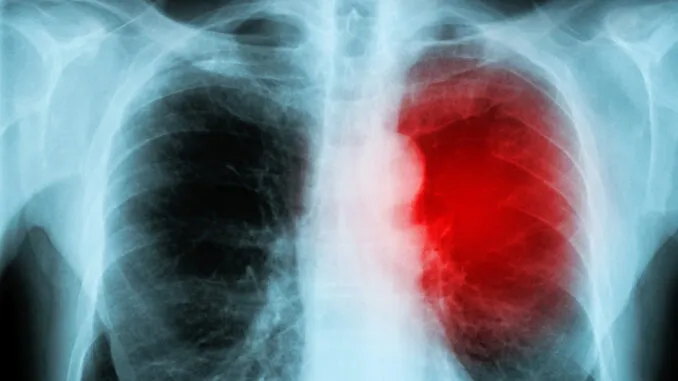
50% of Covid-19 mRNA Vaccines Cases Will Be Dead Within 5 Years.
The People’s Voice highlights alarming claims regarding myocarditi
The article from The People’s Voice highlights alarming claims regarding myocarditis, an inflammation of the heart muscle, allegedly linked to COVID-19 vaccines, particularly mRNA vaccines like those produced by Pfizer-BioNTech and Moderna. According to the article, the Cleveland Clinic has purportedly warned that 50% of myocarditis cases associated with these vaccines may lead to death within five years. This claim, if accurate, could have significant public health implications, especially for young adults and teenagers, who appear more susceptible to myocarditis symptoms post-vaccination according to some early data.
Understanding Myocarditis and Its Connection to Vaccination
Myocarditis is a condition where the heart muscle becomes inflamed, which can impair the heart’s ability to pump blood and lead to abnormal heart rhythms. It has been known to occur after various infections, particularly viral infections, but recent data indicate that cases of myocarditis have been observed after COVID-19 vaccinations, particularly in young males within several days to weeks post-vaccination. The article suggests that in some cases, myocarditis may lead to severe complications, including heart failure, that could elevate mortality risk in the years following diagnosis.
Claim of a Five-Year Prognosis for Vaccine-Related Myocarditis
The specific claim discussed in the article states that the Cleveland Clinic, a leading healthcare institution, has warned about a five-year prognosis for those diagnosed with myocarditis post-vaccination, with a 50% mortality rate. This figure would suggest that a significant proportion of vaccine-induced myocarditis cases could face long-term, life-threatening complications.
However, it’s essential to approach this claim with caution:
Lack of Direct Source Verification: The Cleveland Clinic is widely regarded as a reputable institution, and any official statement would likely be supported by peer-reviewed research. As of now, no formal statements from the Cleveland Clinic confirm these findings in published scientific literature.
Contextualizing Myocarditis Data: While there are documented cases of myocarditis associated with COVID-19 vaccinations, particularly among younger populations, the incidence remains low. According to the Centers for Disease Control and Prevention (CDC), myocarditis following vaccination has been observed but is rare, with most patients reportedly experiencing mild cases that resolve with treatment.
Broader Studies on Vaccine Safety: Several global studies, including those conducted by the CDC, World Health Organization (WHO), and other health agencies, have generally found that the benefits of vaccination outweigh the risks for the majority of people, particularly with respect to reducing severe COVID-19 outcomes. These organizations continue to monitor and study vaccine safety rigorously.
Myocarditis Prognosis and Management in Context
The prognosis of myocarditis varies widely and depends on the severity of the initial episode and how promptly it is treated. Cases resulting from viral infections or other non-vaccine-related causes can range from mild to severe. In cases where myocarditis is managed early and effectively, patients can often recover fully, although long-term monitoring is usually recommended.
If there are indeed risks associated with myocarditis following COVID-19 vaccination, it would be crucial to balance these with the vaccine’s broader public health benefits. Severe COVID-19 infection itself has been shown to increase the risk of myocarditis and other heart-related complications, which vaccines help mitigate.
Importance of Continued Research and Public Health Transparency
Given the complexity of myocarditis and its potential link to mRNA COVID-19 vaccines, ongoing research is vital. Public health agencies and medical institutions must continue monitoring and reporting vaccine-related adverse events transparently. For individuals diagnosed with myocarditis post-vaccination, routine check-ups and a customized care plan can help manage symptoms and potentially reduce long-term risks.
Moreover, as new data emerge, health authorities might refine their recommendations on vaccine administration, especially for age groups or individuals at higher risk of myocarditis. This balance between managing COVID-19 risks and addressing vaccine-related concerns will remain crucial in refining public health guidance.
In Summary
The claim that 50% of COVID-19 vaccine-related myocarditis cases will result in death within five years is alarming and warrants a critical examination. While myocarditis cases post-vaccination are being documented and studied, such high mortality rates have not been widely corroborated by scientific research or official public health statements. Until more concrete evidence and official guidance from trusted institutions are available, it’s essential to rely on verified sources and continue discussions grounded in both the benefits and risks of vaccination as understood through rigorous research.
Leave a Reply