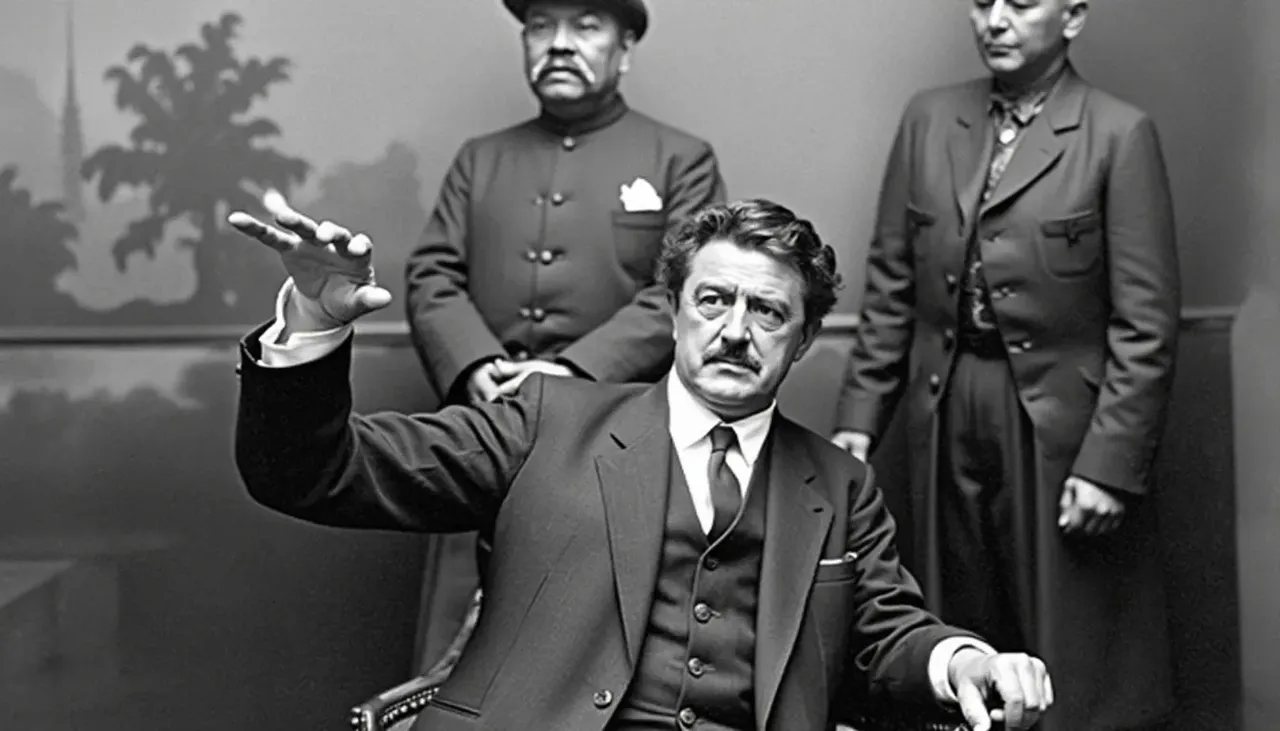
Franklin D. Roosevelt: The Myth of the Opium King and the Truth of His Family Legacy
Introduction (1-2 pages)
Brief Overview of FDR: Introduce Franklin D. Roosevelt as one of the most influential U.S. Presidents, known for leading the country through the Great Depression and World War II.
Statement of the Controversy: Introduce the claim or myth that FDR was linked to the opium trade, clarifying that this myth stems from a misunderstanding of his family history, specifically his maternal grandfather Warren Delano’s role in the opium trade.
Thesis Statement: The paper will examine the facts surrounding the Roosevelt family’s historical background, differentiate between Roosevelt’s presidency and his grandfather’s activities, and explore how myths about political figures evolve.
Chapter 1: The Global Context of the Opium Trade (3 pages)
The Rise of the Opium Trade in the 19th Century: Provide historical context for the opium trade, focusing on the role of Britain and the United States in the trade with China. Discuss how opium was cultivated in India under British control and sold in China, leading to widespread addiction and the Opium Wars.
American Involvement: Explain how American merchants, primarily based in New England, became involved in the opium trade. Companies from the U.S. transported goods between the U.S., China, and other nations, often profiting from the lucrative opium market.
The Opium Wars: Summarize the Opium Wars between China and Britain and how the wars forced China to open trade to foreign powers, exacerbating the opium epidemic in China. Discuss how this geopolitical environment facilitated the involvement of American businessmen.
Chapter 2: Warren Delano’s Role in the Opium Trade (3 pages)
Who Was Warren Delano?: Introduce Warren Delano, Franklin D. Roosevelt’s maternal grandfather. Describe his background, how he moved to China as part of the mercantile class, and his involvement in the opium trade.
Delano’s Career in China: Explain how Delano built a fortune through trade with China, primarily by dealing in goods such as tea and silk, but also through opium. Discuss his time working for Russell & Company, one of the most prominent U.S. firms involved in the opium trade.
The Ethical Ambiguities: Examine Delano’s justification for his involvement in the opium trade. Like many traders of his time, he saw it as a legitimate business, despite the growing moral opposition. Discuss Delano’s letters and records that reveal his perspective on the trade.
Chapter 3: The Roosevelt Family’s Wealth and Legacy (2 pages)
Roosevelt Family Background: Outline the Roosevelt family’s origins, particularly their wealth accumulated through land ownership, banking, and other legal enterprises in the U.S. Clarify that the Roosevelts, unlike the Delanos, did not have direct connections to the opium trade.
Warren Delano’s Contribution: Explain how Franklin D. Roosevelt’s family benefited indirectly from Warren Delano’s wealth, which was partially derived from his time in the opium trade. While some of Delano’s fortune funded the family’s lifestyle, this does not imply direct involvement by FDR or his immediate family.
FDR’s Childhood and Privilege: Briefly discuss FDR’s privileged upbringing, emphasizing his distance from Delano’s trade activities, and how he pursued a career in politics with no direct link to his grandfather’s mercantile past.
Chapter 4: Franklin D. Roosevelt’s Political Career and Values (3 pages)
FDR’s Early Political Career: Outline FDR’s rise in politics, from his time as a state senator to his role as Assistant Secretary of the Navy and later as Governor of New York. Emphasize his focus on public service, social welfare, and progressive reforms, particularly during his time as governor.
The New Deal: Explore FDR’s New Deal policies during the Great Depression, focusing on economic reform, social security, and labor rights. Highlight how these progressive policies are at odds with the idea that FDR was part of any exploitative global trade, such as the opium trade.
FDR’s Foreign Policy and World War II: Discuss FDR’s leadership during World War II, his fight against fascism, and his international diplomacy. This section can be used to demonstrate how FDR’s values centered around protecting human rights, in contrast to the exploitative nature of the opium trade.
Chapter 5: Myths, Conspiracy Theories, and Historical Misunderstandings (2-3 pages)
The Origin of the Myth: Explain where the myth that FDR was involved in the opium trade originates. Discuss how misinformation, conspiracy theories, or misunderstandings about Warren Delano’s role may have been conflated with FDR’s legacy.
Conspiracy Theories in Modern Politics: Explore why myths and conspiracy theories often emerge around powerful political figures. Discuss how conspiracy theories can serve as a means of discrediting public figures or simplifying complex historical narratives.
Debunking the Myth: Reiterate that Franklin D. Roosevelt had no personal involvement in the opium trade and that the myth is based on a distortion of historical facts related to his grandfather. Present primary sources and evidence debunking the claims.
Chapter 6: Ethical Questions Around Family Legacy and Accountability (2 pages)
The Ethical Dilemma: Explore the ethical question of how much responsibility one should bear for the actions of their ancestors. Should FDR be judged for Warren Delano’s role in the opium trade?
Public Figures and Ancestral Legacies: Discuss how public figures, including presidents, often face scrutiny over their family’s past. Consider examples from history where leaders have either embraced or distanced themselves from problematic legacies.
FDR’s Response to Family Wealth: Analyze FDR’s own attitudes toward wealth and privilege. Despite benefiting from family wealth, he championed policies that aimed to level the playing field for the working class, which many historians see as an attempt to use his privilege for public good.
Conclusion: The Real Legacy of Franklin D. Roosevelt (2 pages)
Summarizing FDR’s True Legacy: Conclude by reaffirming Franklin D. Roosevelt’s legacy as a transformative leader in American history, primarily focused on social reform, global leadership during World War II, and efforts to uplift the middle and working class.
Lessons from Historical Myths: Discuss the importance of understanding the full context of history and the dangers of allowing myths or oversimplified narratives to distort the legacies of important figures.
FDR in Historical Perspective: Place FDR in a broader historical perspective, acknowledging both his family background and the ways in which he transcended it to become one of America’s most revered presidents.
Leave a Reply