Understanding HEK 293 Cells and How Aborted Fetus’s in the Food
The use of human aborted fetal cells in the food and pharmaceutical industries is a subject that has stirred controversy, confusion, and misinformation. While it’s crucial to approach such topics with scientific accuracy and sensitivity, misconceptions often arise when discussing the ways in which human-derived cells may be involved in research or production processes, particularly in fields like food and medicine.
The Origins of the Controversy
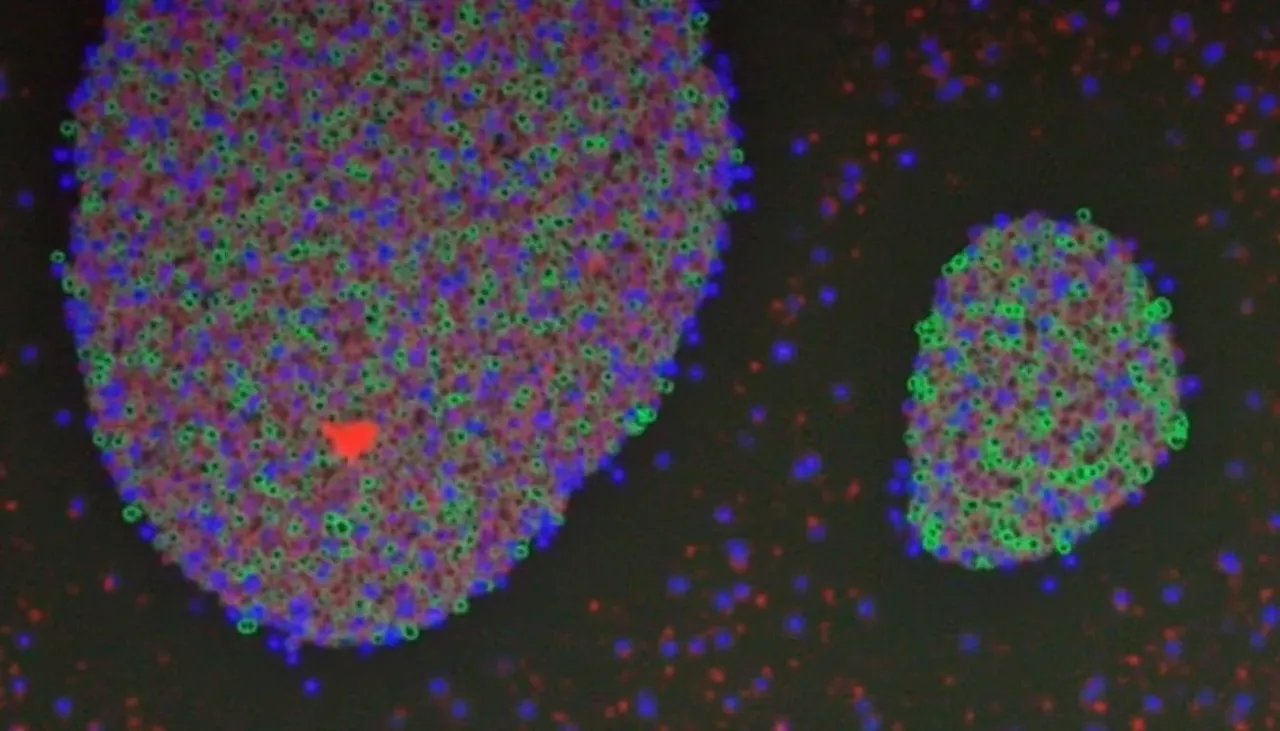
The controversy surrounding human fetal cells in food production largely stems from reports about biotechnology companies using human embryonic kidney (HEK 293) cells in research. HEK 293 cells were derived from a fetus aborted in the 1970s, and they have since been cultivated for decades in laboratories for various scientific purposes. The cells used today are thousands of generations removed from the original source and are not directly linked to the ongoing use of fetal tissue from abortions.
In the context of food, the controversy emerged when Senomyx, a biotechnology company, was reported to have used HEK 293 cells in flavor research and development. Specifically, these cells were used to test flavor enhancers that could influence the human taste receptors to create desired flavors in processed foods. It’s important to clarify, however, that HEK 293 cells were never directly used as ingredients in food products. Instead, these cells were part of a research process that allowed scientists to understand how taste receptors work at a molecular level.
Understanding HEK 293 Cells
HEK 293 cells, derived from a human fetus in the 1970s, are commonly used in medical research and have been instrumental in developing numerous treatments, including vaccines and therapeutic proteins. They are a type of “immortalized” cell line, meaning they can divide indefinitely in laboratory conditions. This characteristic makes them extremely useful in scientific research, as they can be replicated and studied over long periods.
In the food industry, HEK 293 cells were used by some researchers to analyze taste receptors and develop additives that modify taste sensations like sweetness, bitterness, or umami. The process involves using these cells as a tool to observe how specific compounds interact with taste receptors, potentially leading to new formulations of food additives. No actual fetal cells or derivatives are included in the final food products; they are solely used for testing purposes.
Separating Fact from Fiction: No Fetal Tissue in Food
A critical distinction must be made between the use of HEK 293 cells in flavor research and the claim that aborted fetal tissue is directly used in food products. This claim is false and misleading. HEK 293 cells are not an ingredient in food. Instead, they are used in the laboratory to simulate human taste receptor cells to develop flavors more effectively.
Despite this clarification, misinformation has spread across certain media outlets and social networks, often confusing the role of these cells in research with their presence in the final products. Some activists and commentators have erroneously claimed that human fetal parts are directly used in food production, which is not supported by any scientific or industry evidence.
Ethical Considerations
The ethical debate surrounding the use of human fetal cell lines, such as HEK 293, remains complex. For those who oppose abortion on moral or religious grounds, the use of a cell line derived from a fetus, even one aborted decades ago, is problematic. Many argue that it raises questions about the boundaries of scientific research and respect for human life.
At the same time, others point out that HEK 293 cells are no longer directly tied to the original aborted fetus, as they have been replicated for decades. Furthermore, the use of such cell lines has led to significant advances in medical treatments, including vaccines for diseases like polio, rubella, and COVID-19. These cells have contributed to life-saving technologies, which complicates the ethical landscape.
In response to public concerns, some companies and consumers have chosen to avoid products developed through these types of research methods, while others see the use of such cell lines as a necessary part of advancing science and public health.
The Role of HEK 293 in Other Industries
While HEK 293 cells have become controversial due to their reported use in flavor research, they are more commonly associated with the development of pharmaceuticals. In the field of medicine, HEK 293 cells are used to produce therapeutic proteins, including those used in gene therapy and vaccine development. They have played a crucial role in the development of life-saving treatments.
For example, some COVID-19 vaccines, including those developed by Pfizer-BioNTech and Johnson & Johnson, used HEK 293 cells in the testing or production phases, though these cells were not present in the final vaccines. Similar to their use in flavor testing, the cells help scientists study and understand biological processes but do not become part of the end product.
Addressing the Misinformation
The claim that food products contain parts of aborted babies is not based in fact, but it has persisted due to a combination of misunderstandings and sensationalized reports. Companies that use HEK 293 cells in their research do so in controlled laboratory environments, and the cells are used as a tool to enhance understanding, not as a component of the final food products.
It is also worth noting that many companies, including PepsiCo, which faced backlash after being associated with Senomyx’s research, have publicly stated that their products do not contain fetal tissue or any components derived from it. Despite these assurances, the ethical and moral concerns surrounding the use of fetal-derived cell lines in research persist in some communities.
Conclusion
The debate over the use of human fetal cells, such as HEK 293, in research is both ethically charged and scientifically complex. While these cells are used in flavor research and pharmaceutical development, it is crucial to dispel the myth that aborted fetal tissue is directly used in food products. HEK 293 cells are not an ingredient in food; rather, they are part of a research process that helps scientists develop new flavors and treatments.
Understanding the nuances of this topic is essential for separating fact from fiction and engaging in informed discussions about the ethics of scientific research. As biotechnology continues to advance, the ethical implications of using human-derived cells will likely remain a topic of debate, and it will be important to balance scientific progress with ethical considerations to ensure that research respects both life and societal values.
Leave a Reply