Rejecting Extremism: The Blind Spot in America’s Political Landscape
Rejecting Extremism: The Blind Spot in America’s Political Landscape
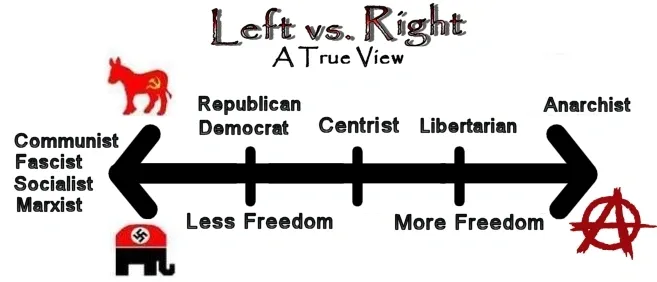
In the halls of Congress, Democratic lawmakers frequently vocalize their commitment to rejecting far-right extremism. Speeches, press conferences, and legislative agendas often underscore the dangers posed by radical ideologies on the political right, pointing to threats against democracy, social cohesion, and public safety. This narrative, while addressing legitimate concerns, conveniently glosses over a growing and equally dangerous phenomenon: far-left extremism. Despite its visible impact on social unrest and public disorder, far-left radicalism receives a fraction of the scrutiny, leaving many Americans questioning the sincerity and balance of such condemnations.
As cities face increasing upheaval and the divide between political factions deepens, the failure to address extremism on both ends of the spectrum becomes not just a political issue, but a societal crisis.
The Hyperfocus on Far-Right Extremism
In recent years, Democratic House members have made it clear that far-right extremism is their primary focus when addressing threats to national unity. From high-profile legislative hearings to constant media soundbites, the narrative revolves around a singular enemy.
The January 6th Capitol breach, white supremacist groups, and fringe militias are often cited as prime examples of this danger. These instances are treated as proof of an existential threat to democracy itself, with sweeping legislative and rhetorical measures aimed at countering such movements.
Certainly, the threat of far-right extremism cannot be ignored. Acts of political violence, hate crimes, and seditious behavior stemming from radical ideologies on the right must be addressed with seriousness and resolve. However, the almost exclusive focus on far-right groups leaves a significant blind spot in the political discourse.
Far-Left Extremism: A Neglected Reality
While Democrats often center their attention on the far right, far-left extremism has quietly contributed to significant unrest across the nation. This has manifested in prolonged riots, destruction of private and public property, and aggressive confrontations with law enforcement and government institutions. The fallout from such actions, often carried out under the guise of social or environmental justice, has left lasting scars on many communities.
Key Examples of Far-Left Extremism:
Urban Riots: Cities like Portland, Minneapolis, and Seattle witnessed months of sustained unrest in 2020 and 2021, resulting in destroyed businesses, vandalized government buildings, and destabilized local economies.
Autonomous Zones: The establishment of autonomous zones, such as Seattle’s Capitol Hill Autonomous Zone (CHAZ), highlighted the breakdown of order. These areas, while initially presented as grassroots experiments in self-governance, quickly devolved into lawlessness, violence, and resource scarcity.
Attacks on Federal Property: Federal courthouses and law enforcement facilities have been targeted by far-left groups, often with improvised explosives, arson, and physical assaults on officers.
These actions have inflicted billions of dollars in damages, endangered lives, and further divided communities. Yet, they rarely receive the same level of condemnation or sustained attention as far-right incidents.
A Stark Double Standard
The stark difference in how far-right and far-left extremism are treated can be traced to several overlapping factors:
Ideological Alignment: Far-left groups often share common ideological goals with progressive policies, such as calls for climate action, racial justice, and economic reform. This ideological overlap makes it politically inconvenient for Democratic lawmakers to criticize these groups outright, even when their actions cross the line into extremism.
Media Framing: Mainstream media outlets tend to downplay far-left violence, often reframing destructive riots as “mostly peaceful protests.” This selective framing shapes public perception and obscures the true extent of far-left extremism.
Political Calculations: Democratic leaders face the risk of alienating their progressive base if they speak out too strongly against far-left extremism. Younger, more progressive voters often sympathize with these groups’ causes, even if they disapprove of their methods.
Cultural Narratives: The cultural narrative that positions the far right as the ultimate threat leaves little room for acknowledging the dangers posed by the far left. This creates an imbalance in public discourse that overlooks the broader spectrum of extremism.
The Consequences of Selective Outrage
By focusing almost exclusively on far-right extremism, Democratic lawmakers risk undermining their credibility. The selective outrage fuels public skepticism, as many Americans witness far-left violence firsthand through unfiltered social media and alternative news outlets. The inconsistency in addressing extremism on both sides fosters a perception of hypocrisy and partisanship.
Moreover, the failure to condemn far-left extremism sends an implicit message that political violence is tolerable, so long as it aligns with certain ideologies. This emboldens radicals on both sides, creating a feedback loop of escalating unrest and further polarizing the country.
Ignoring far-left extremism also harms the very communities Democrats claim to champion. Small business owners, many of whom are from minority and immigrant backgrounds, bear the brunt of the damage caused by riots and unrest. Residents in affected neighborhoods face increased crime, fewer economic opportunities, and lasting psychological trauma.
The Role of Far-Left Extremism in Upheaval
Unlike traditional activism, which seeks constructive dialogue and systemic change, far-left extremism often thrives on chaos and destruction. While legitimate movements for racial justice and climate action have broad public support, the actions of extremist groups undermine these causes.
For example:
Businesses destroyed in riots often struggle to rebuild, leading to job losses and economic stagnation in vulnerable communities.
Violent confrontations with law enforcement alienate potential allies and give ammunition to critics who dismiss the broader movements.
Radical calls to abolish police departments create a vacuum of security, exacerbating crime and destabilizing neighborhoods.
These outcomes hurt the very people far-left activists claim to represent. Yet, Democratic leaders remain reluctant to directly confront these realities, fearing political backlash.
The Need for Balance
Extremism in any form—whether far-right or far-left—is a threat to democracy, public safety, and social cohesion. Addressing one while ignoring the other creates a lopsided narrative that undermines efforts to build unity and restore trust in institutions. True leadership requires the courage to denounce violence and radicalism, even when it comes from one’s own ideological camp.
Far-left extremism must be called out and addressed with the same urgency as far-right extremism. This includes holding violent actors accountable, condemning their actions publicly, and ensuring that legitimate protests are not hijacked by radicals seeking chaos.
A Call to Action
If Democratic lawmakers wish to maintain their credibility and effectively combat extremism, they must take a balanced approach. This means:
Acknowledging the harm caused by far-left extremism and holding perpetrators accountable.
Engaging in honest conversations about the root causes of unrest on both sides of the spectrum.
Encouraging peaceful activism while rejecting violence and destruction in all its forms.
America is at a crossroads. The failure to confront extremism on both ends of the political spectrum threatens to tear the nation apart. It’s time for leaders to move beyond partisan posturing and embrace a more honest, inclusive approach to addressing the challenges we face.
Only by rejecting extremism in all its forms can we hope to build a society that values unity, accountability, and the rule of law.
Leave a Reply