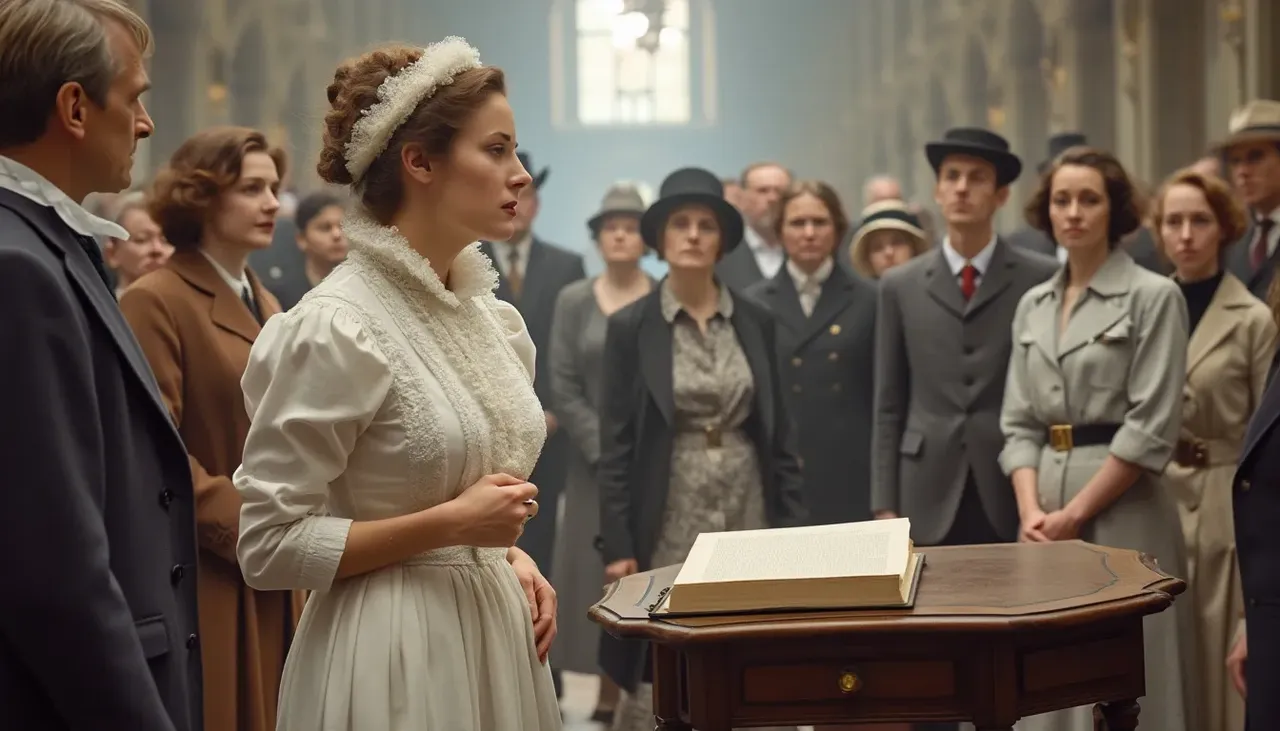
“The Fight for Equality: A Comprehensive History of the Woman Suffrage Movement”
Introduction (1-1.5 pages)
The Significance of the Woman Suffrage Movement: Provide a brief overview of the importance of the woman suffrage movement in the broader struggle for gender equality and civil rights. Explain how it laid the foundation for subsequent feminist movements.
Early Voting Rights Struggles: Introduce the 19th century, focusing on the lack of voting rights for women in the United States and much of the world.
Thesis Statement: Assert that the woman suffrage movement was a multifaceted and complex struggle that spanned several decades, involving key figures, social strategies, and significant challenges, but ultimately led to the achievement of women’s right to vote through the passage of the 19th Amendment in the U.S. and similar movements worldwide.
Chapter 1: Early Roots of the Woman Suffrage Movement (2 pages)
The Antecedents in the Enlightenment
Philosophical Foundations: Explore how Enlightenment ideas about individual rights and equality influenced early discussions about women’s rights. Thinkers like Mary Wollstonecraft, in her book A Vindication of the Rights of Woman (1792), laid the intellectual groundwork for the movement.
The Influence of Abolitionism
Intersection with the Abolitionist Movement: Discuss how many early women’s rights activists were first involved in the fight to abolish slavery. The connection between abolitionism and women’s suffrage is evident in figures like Sojourner Truth, Lucretia Mott, and Elizabeth Cady Stanton.
The Seneca Falls Convention (1848)
The Birth of the Formal Movement: Analyze the significance of the Seneca Falls Convention as the first organized women’s rights convention in the U.S., where the Declaration of Sentiments was signed. Highlight the leadership of Elizabeth Cady Stanton and Lucretia Mott.
Key Demands: Focus on the radical nature of the demand for women’s suffrage as a right that many attendees (including Frederick Douglass) viewed as essential to gender equality.
Chapter 2: The Early Years and Growing Momentum (1848-1870s) (3 pages)
The Post-Seneca Falls Movement
Formation of Early Suffrage Organizations: Examine the creation of the National Woman Suffrage Association (NWSA) led by Stanton and Susan B. Anthony, and the American Woman Suffrage Association (AWSA) led by Lucy Stone. Explain the ideological differences between the two groups (e.g., NWSA focused on a federal constitutional amendment, while AWSA worked at the state level).
Civil War and Reconstruction Impact
Temporary Setbacks Due to the Civil War: Discuss how the suffrage movement took a backseat during the Civil War but re-emerged during Reconstruction, particularly when debates about the 14th and 15th Amendments (which granted voting rights to African American men) excluded women.
The 15th Amendment and Suffrage Movement Division: Highlight the controversial split within the movement, as some activists (like Stanton and Anthony) opposed the 15th Amendment because it did not grant voting rights to women, while others (like Lucy Stone) supported it as a step forward for civil rights.
The International Impact and Sister Movements
Suffrage in Europe and Beyond: Explore how the movement in the U.S. inspired similar struggles around the world, including in the United Kingdom, where figures like Emmeline Pankhurst and the suffragettes began their campaigns.
Chapter 3: Tactics, Strategies, and Key Figures of the Movement (1880s-1910s) (3 pages)
Tactics of the Suffrage Movement
Petitions and Lobbying: Analyze how suffragists collected petitions, lobbied lawmakers, and staged public speaking tours to win support for their cause. The strategies employed by women like Susan B. Anthony in the U.S. and Millicent Fawcett in the UK were central to building momentum.
Civil Disobedience and Public Demonstrations: Highlight the evolution of more militant tactics, particularly by the suffragettes in Britain. In the U.S., women like Alice Paul adopted these strategies through marches, hunger strikes, and other forms of non-violent protest.
Key Figures and Their Contributions
Elizabeth Cady Stanton: Discuss Stanton’s intellectual leadership and role in framing the philosophical and constitutional arguments for women’s suffrage.
Susan B. Anthony: Emphasize Anthony’s work in organizing the movement, her tireless campaigning, and her attempt to vote in the 1872 presidential election, which led to her arrest.
Alice Paul and Lucy Burns: Explore the radical leadership of Alice Paul and Lucy Burns in the early 20th century. Paul’s founding of the National Woman’s Party and her focus on direct action and a federal amendment helped intensify the suffrage struggle.
Sojourner Truth and Black Suffragists: Analyze the critical but often overlooked role of Black women in the suffrage movement. Sojourner Truth’s “Ain’t I a Woman” speech and Ida B. Wells’ activism against both racism and sexism are essential to understanding the movement’s diversity.
The Role of Men in the Movement
Frederick Douglass: Highlight the early support from abolitionist men like Frederick Douglass, who attended the Seneca Falls Convention and supported women’s suffrage as a human rights issue.
Male Suffragists: Explore how men like Henry Blackwell (Lucy Stone’s husband) and others within the abolitionist movement supported women’s suffrage, seeing it as integral to a just society.
Chapter 4: Major Setbacks and Opposition to Woman Suffrage (2.5 pages)
Cultural and Religious Opposition
Patriarchal Beliefs: Discuss how prevailing ideas about women’s roles, rooted in religious and cultural norms, were used to oppose women’s suffrage. Many believed that women were suited only for domestic roles and lacked the capacity for political participation.
Political and Institutional Barriers
Opposition from Politicians: Analyze how male politicians often blocked suffrage bills, fearing that women voters would challenge their political power. The liquor industry, in particular, opposed suffrage because they believed women would vote in favor of Prohibition.
Internal Divisions within the Movement
Class and Racial Tensions: Explore how class and race divisions within the movement sometimes weakened its efforts. For example, the suffrage movement often marginalized Black women and working-class women, who were fighting not only for suffrage but also for civil rights and labor rights.
Failed Referenda and Legal Challenges
State-level Defeats: Discuss the multiple failed attempts to pass women’s suffrage through state referenda. These defeats often left suffragists disheartened but also spurred new strategies and alliances.
Supreme Court Decisions: Analyze key legal battles, including the Supreme Court’s decision in Minor v. Happersett (1875), which ruled that the Constitution did not grant women the right to vote, further frustrating suffragists.
Chapter 5: World War I and the Changing Political Landscape (2 pages)
Women’s Contribution to the War Effort
Women in the Workforce: Examine how World War I transformed women’s roles in society, with many entering the workforce in large numbers to replace men who were fighting overseas. Their contributions led to renewed calls for suffrage, as women demonstrated their ability to contribute to public life.
Patriotic Arguments for Suffrage: Highlight how suffragists reframed their arguments, emphasizing women’s contributions to the war effort and how denying them the vote undermined the principles of democracy.
Shift in Public Opinion
Growing Support from Political Leaders: Discuss how the war shifted public opinion, with figures like President Woodrow Wilson eventually coming out in support of women’s suffrage as a necessary reward for women’s sacrifices during the war.
Chapter 6: The Passage of the 19th Amendment (2.5 pages)
The Final Push for the Amendment
The Role of the National Woman’s Party: Detail the work of the National Woman’s Party and Alice Paul’s strategies of direct action and civil disobedience, which helped force the issue onto the national stage.
Wilson’s Support and Congressional Votes: Analyze how the changing political climate, along with strategic lobbying, led to the passage of the 19th Amendment in Congress in 1919.
Ratification Struggles
State-by-State Ratification: Describe the process of ratifying the 19th Amendment, which required approval from 36 states. Highlight the role of key states like Tennessee, whose ratification in 1920 was crucial to the amendment’s success.
Victory and the Challenges Ahead
Immediate Impact: Celebrate the success of the 19th Amendment, which granted women the right to vote in federal elections. However, note that many women, particularly Black women in the South, continued to face barriers to voting due to Jim Crow laws.
Chapter 7: The Legacy of the Woman Suffrage Movement (2.5 pages)
Impact on Later Feminist Movements
First-Wave Feminism: Discuss how the suffrage movement is often considered the culmination of first-wave feminism, but emphasize that it was just the beginning of the broader fight for gender equality.
Second-Wave Feminism and Beyond: Explore how the suffrage movement inspired later feminist movements, particularly in the 1960s and 1970s, when issues of reproductive rights, workplace equality, and sexual violence became the focus.
Suffrage in a Global Context
Suffrage Movements Around the World: Examine how the success of the American suffrage movement influenced women’s suffrage movements in other countries, particularly in Europe and Latin America. For example, countries like the UK, France, and New Zealand had their own suffrage struggles.
Continued Challenges
Voting Rights Act of 1965: Highlight how the struggle for voting rights continued long after the 19th Amendment, particularly for African American women and other minorities who faced continued disenfranchisement.
Modern Voting Rights Issues: Discuss the ongoing challenges to voting rights, including voter suppression tactics that disproportionately affect women of color, showing that the fight for political equality is not yet over.
Conclusion (1.5 pages)
Summary of the Suffrage Movement’s Successes: Recap the major successes of the women’s suffrage movement, particularly the passage of the 19th Amendment and its impact on women’s rights.
Long-term Impact: Reflect on how the suffrage movement changed American society and laid the foundation for modern feminist movements.
Ongoing Struggles for Equality: Conclude by emphasizing that while the woman suffrage movement achieved a monumental victory, the broader fight for gender equality continues in areas such as equal pay, reproductive rights, and political representation.
Leave a Reply