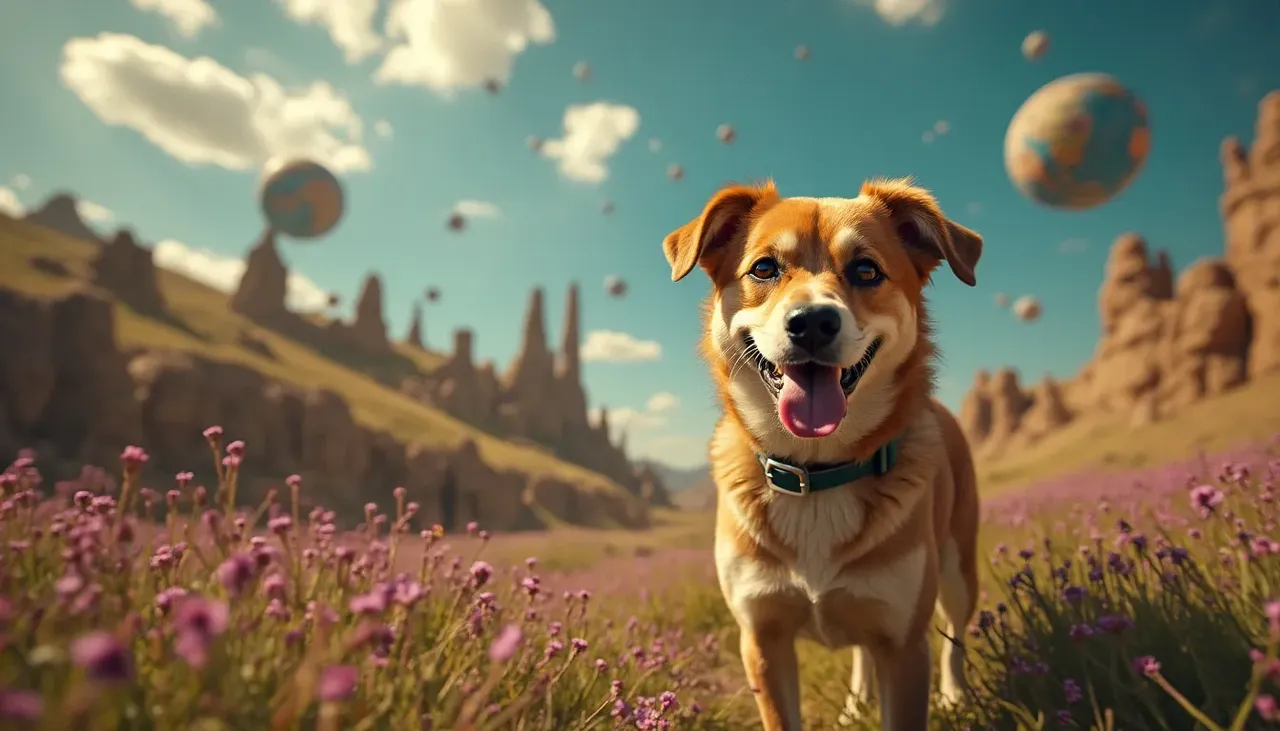
What If Dogs Ran the World: A Comprehensive 12-Page Exploration
Imagining a world where dogs run society offers a unique opportunity to explore how canine instincts, behaviors, and social structures might shape everything from governance to culture. Dogs have been loyal companions to humans for thousands of years, bringing with them a wide array of traits such as loyalty, cooperation, and pack dynamics. If dogs were in charge of the world, their natural instincts and behaviors could result in a society drastically different from our own. In this 12-page exploration, we will examine what a dog-led world might look like, from political structures and economy to social norms and daily life, all while considering how canine characteristics could redefine the way society operates.
1. Governance and Political Structure in a Dog-Led World
1.1. The Pack Mentality and Leadership
Dogs are pack animals, meaning they naturally form hierarchies within groups. In a world run by dogs, leadership would likely be based on the alpha-bet structure that dogs follow in their packs. Leadership would not necessarily be about dominance, but rather about ensuring the well-being and safety of the pack.
Alpha Leaders and Collective Decision-Making: Unlike human political systems, where power is often centralized, dogs might embrace a more collaborative form of governance. The alpha leaders, those considered the strongest or most capable in protecting and guiding the pack, would likely lead through collective decision-making and mutual cooperation.
Instinct-Based Leadership: Dog society may prioritize natural instincts such as loyalty, protective behaviors, and empathy. Leaders in this world would be chosen based on their ability to ensure group harmony, defend territory, and maintain social order, valuing emotional intelligence and social cohesion over raw power.
1.2. Territoriality and Diplomacy
Territoriality is a key trait in dog behavior, with dogs being protective of their home spaces. In a dog-run world, territorial boundaries would likely be well-defined and respected, but disputes over territory would be common. However, rather than violent conflicts, dogs might rely on diplomatic barking, scent-marking, and negotiation to settle disputes.
Scent-Based Diplomacy: Dogs rely heavily on scent to communicate. In a dog-run world, scent marking would play a major role in diplomacy. Borders between territories could be maintained through scent-based agreements, with each pack marking their boundary lines. When disputes arise, diplomatic meetings would involve sniffing and respectful scent-based exchanges to avoid direct confrontations.
Territorial Disputes and Resolution: While dogs are territorial, they are also social animals. Packs might form alliances, working together to defend shared territories or resources. Diplomacy, rooted in cooperation rather than conflict, would be a key feature of inter-pack relations.
1.3. Loyalty as the Foundation of Governance
In a dog-governed world, loyalty would be one of the most valued traits in leaders and citizens alike. Dogs are known for their loyalty to their families, whether human or canine, and this loyalty would likely translate into a strong sense of community and cooperation in governance.
Loyalty Over Ambition: Unlike human societies where political leaders often rise through ambition, in a dog-run world, the highest form of leadership would be based on demonstrated loyalty and service to the pack. Leaders would be expected to prioritize the collective well-being of the pack over individual gain.
2. The Economy in a Dog-Led Society
2.1. A Barter System Based on Shared Resources
Dogs do not have a concept of currency, so the economic structure in a dog-run world would likely be based on bartering and the sharing of resources. Dogs are naturally inclined to work together in packs, meaning resources such as food, water, and shelter would be distributed based on cooperation rather than competition.
Food-Sharing and Cooperation: Dogs often share food within their pack, and in a world run by dogs, this behavior would likely extend to society as a whole. Instead of competing for wealth or resources, packs might trade food, territory, or services based on mutual need. Dogs that excel at hunting or guarding might exchange their skills for food or shelter provided by other packs.
Resource Allocation and Fairness: The distribution of resources in a dog-governed world would prioritize fairness and pack welfare. Larger packs might be responsible for providing resources to smaller or weaker ones, ensuring that all members of society are taken care of.
2.2. Job Specialization Based on Natural Talents
Dogs have different natural skills depending on their breed and personality. In a dog-run world, job specialization would likely be based on these innate talents. For example, herding dogs would be responsible for managing the movement of other animals, while guard dogs would protect the pack from external threats.
Breed-Specific Roles: In this society, breeds such as Border Collies, known for their intelligence and herding abilities, might take on leadership roles in organizing tasks, while larger breeds like Rottweilers or German Shepherds would be responsible for security. Smaller breeds might work in tasks that require agility or speed, such as delivering messages or patrolling borders.
Cooperation Among Packs: Since dogs are highly social animals, inter-pack cooperation would be common. Packs with specialized skills would trade services with one another, forming a cooperative economy where each pack contributes based on their abilities.
2.3. An Economy of Abundance: Food, Shelter, and Play
Dogs have simple needs—food, shelter, companionship, and play. In a world run by dogs, the economy would likely focus on meeting these basic needs rather than accumulating wealth. The concept of “wealth” in a dog-led society might revolve around having ample food, comfortable shelters, and opportunities for social interaction and play.
Play as a Form of Social Capital: Play is essential for dogs, serving as a form of exercise, social bonding, and mental stimulation. In this world, “play” could be a significant part of the economy, with time spent playing and interacting with others seen as valuable. Packs might exchange playtime with each other as part of their barter economy, ensuring that every dog has ample opportunities for physical and social activity.
3. Social Norms and Interpersonal Relations
3.1. Social Structures Based on Pack Dynamics
Dogs are naturally inclined to live in packs, and this would heavily influence the social structure of their world. Pack dynamics would determine everything from hierarchy to social responsibilities, with each dog playing a specific role within the group.
Hierarchy and Social Roles: Packs would have clear social hierarchies, with an alpha leading and other dogs supporting through various roles such as hunting, guarding, or caring for young. Social interactions within packs would emphasize respect for hierarchy and mutual trust.
Family Bonds and Pack Loyalty: In a dog-run world, the concept of family would extend beyond biological ties to include the entire pack. Loyalty to the pack would be paramount, and dogs would work together to ensure the well-being of every member, from the youngest pups to the oldest dogs.
3.2. Communication Through Body Language and Scent
Since dogs primarily communicate through body language, vocalizations, and scent, these forms of communication would be central to social interactions in their world. The use of barks, growls, tail wags, and scent markings would replace human language as the primary means of conveying information.
Scent-Based Identification: In a dog-run world, identity and status might be conveyed through scent rather than visual or verbal cues. Dogs would use scent marking to indicate their presence, rank, and emotional state, creating a society where interactions are governed by olfactory communication.
Body Language and Social Cues: Dogs rely on body language to signal their intentions and emotions. In a society run by dogs, body posture, tail movement, and facial expressions would be crucial for maintaining social order and avoiding misunderstandings.
3.3. Social Bonds and the Importance of Companionship
Companionship is a key aspect of a dog’s life, and in a world run by dogs, social bonds would be highly valued. Dogs are known for their loyalty and affection, and these traits would define interpersonal relationships in a dog-governed society.
Friendship and Trust: In a dog-run world, friendships would be built on trust and shared experiences. Social gatherings would be centered around play, grooming, and cooperative activities that strengthen bonds between pack members and other packs.
Caring for the Vulnerable: Just as dogs in the wild take care of their young and injured pack members, a dog-run society would emphasize caring for the vulnerable. Older dogs, puppies, and those unable to provide for themselves would be protected and supported by the pack.
4. Education and Training: A World Focused on Instincts
4.1. Learning Through Play and Socialization
Dogs learn much of their behavior through play and social interactions. In a dog-run world, formal education as humans know it might not exist. Instead, young dogs would be trained through observation, imitation, and play, with an emphasis on learning key survival skills.
Play-Based Learning: In this society, young dogs would learn through play with older pack members, developing skills like hunting, guarding, and socialization through interactive games. This hands-on learning approach would replace traditional schooling, allowing pups to learn by doing.
4.2. Instinctual Learning and Skills Development
Much of a dog’s behavior is driven by instinct, and in a dog-run world, education would focus on honing these natural instincts. Dogs would be trained to perfect their innate abilities, such as hunting, tracking, and defending territory, through structured activities within the pack.
Mastering Instincts: Just as working dogs are trained to specialize in tasks like herding or detecting explosives, dogs in this world would be trained to refine their instinctual skills to benefit the pack. This would involve a mix of guided practice and instinctual learning, allowing each dog to fulfill its natural role within society.
4.3. Reward-Based Learning and Positive Reinforcement
In a dog-led society, learning and training would likely be based on positive reinforcement, similar to the methods used by humans to train dogs today. Rewards such as food, affection, and play would be used to encourage desirable behaviors and ensure cooperation within the pack.
Positive Reinforcement: Positive reinforcement would be the primary method for teaching and maintaining social order. Dogs would be rewarded for behaviors that benefit the pack, such as guarding the territory or caring for the young, creating a system where cooperation and contribution are highly valued.
5. Healthcare in a Dog-Run Society
5.1. Natural Remedies and Self-Care
In the wild, dogs rely on their natural instincts to care for themselves when they are sick or injured. In a dog-run world, healthcare would likely be based on these natural remedies, with dogs using their instincts to seek out healing plants, rest, and grooming as forms of self-care.
Instinctive Healing: Dogs have been known to chew on certain plants, like grass, to induce vomiting or alleviate digestive issues. In a dog-led world, healthcare might focus on instinctive self-care practices, with packs sharing knowledge of beneficial plants and natural remedies.
5.2. Social Care Within the Pack
In addition to self-care, dogs would rely on the support of their pack when they are sick or injured. Just as dogs in the wild care for injured pack members by grooming and protecting them, a dog-run society would emphasize collective care and support for the ill or vulnerable.
Grooming and Physical Care: Grooming is an important social activity for dogs, and in a dog-run society, grooming would likely serve both a social and practical purpose. Dogs would groom each other not only to maintain hygiene but also to strengthen social bonds and provide comfort to sick or injured pack members.
6. Culture, Art, and Recreation
6.1. Art and Expression Through Scent and Sound
Dogs experience the world primarily through scent and sound, so their forms of artistic expression would likely reflect these senses. Instead of visual art, a dog-run world might feature scent-based “art” installations, where dogs create complex scent patterns that tell stories or convey emotions.
Scent Art and Communication: Dogs might create “scent paintings” by marking areas with different smells to communicate narratives or express feelings. Scent trails could be crafted to represent the journey of a hunt, a moment of play, or an important event within the pack.
Barking and Howling as Music: In a dog-led society, music might take the form of group howling or coordinated barking sessions. These sounds would serve both as a form of communication and artistic expression, with packs coming together to create harmonious (or discordant) barking “performances.”
6.2. Recreation and Play
Play is essential to a dog’s well-being, and in a dog-run world, recreation would be central to daily life. Dogs would engage in regular play sessions, including chasing, wrestling, and games of fetch, as a way to maintain physical health and strengthen social bonds.
Sports and Competitions: Dogs are naturally competitive, and in this world, recreational activities would likely include competitions such as races, agility courses, and tug-of-war contests. These activities would not only provide entertainment but also reinforce important survival skills.
7. Technology and Infrastructure in a Dog-Led World
7.1. Simple Tools and Adaptations
Dogs lack opposable thumbs, so their ability to manipulate complex tools would be limited. However, in a world run by dogs, simple tools and structures adapted to canine abilities would likely dominate. Technology might focus on enhancing natural skills such as digging, tracking, and running.
Innovative Structures for Dogs: Rather than complex buildings, dogs would construct simple shelters suited to their needs. Underground dens, natural shelters, and open-air spaces would provide comfort and protection, with an emphasis on accessibility for all pack members.
8. Conclusion: A World Shaped by Loyalty and Instinct
A world run by dogs would be one defined by loyalty, cooperation, and natural instincts. Governance would prioritize the well-being of the pack, economic systems would focus on shared resources, and social bonds would be strengthened through play and mutual care. Though vastly different from human society, this world would offer a unique blend of simplicity and emotional intelligence, where instinct and loyalty guide every aspect of life.
Leave a Reply