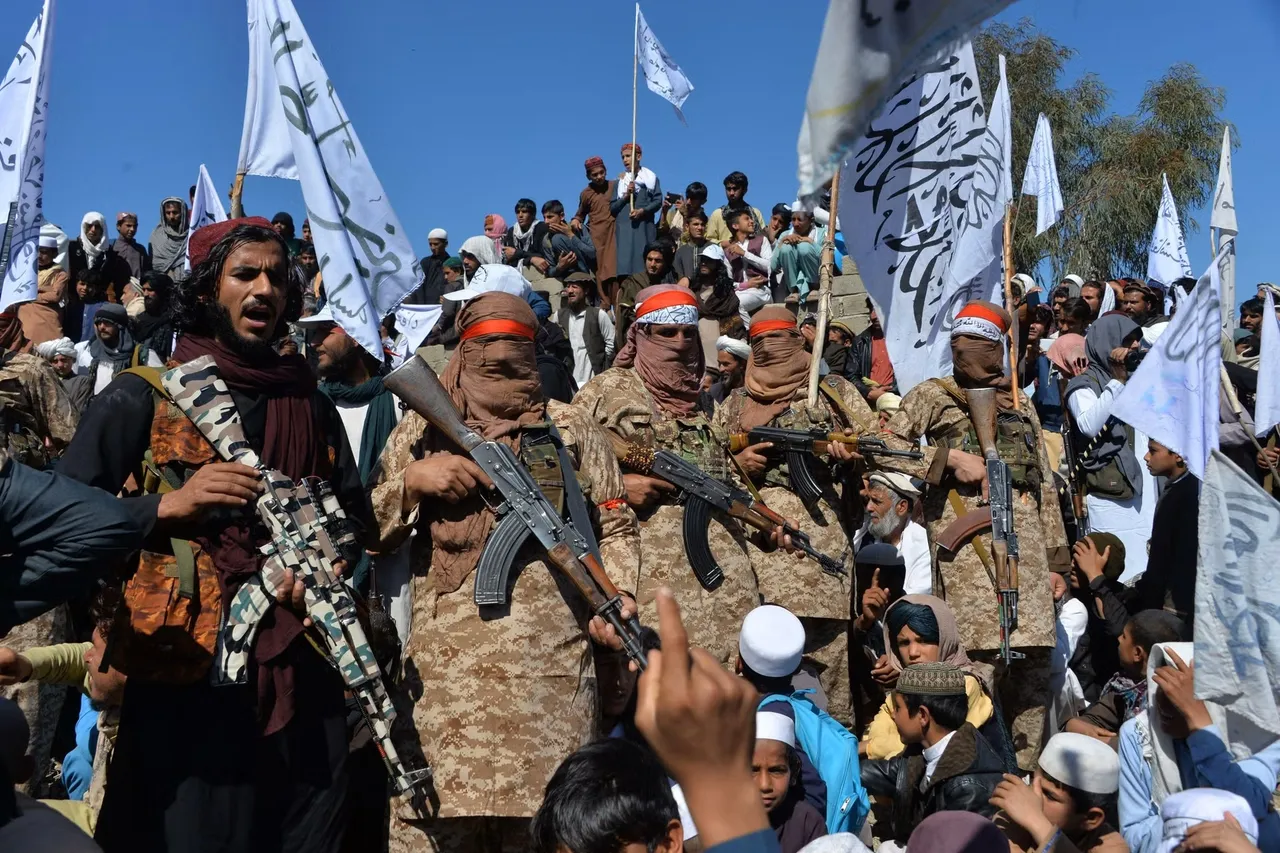
The Taliban’s Ideology and Objectives
A comprehensive article on the Taliban would cover its historical origins, ideological framework, rise to power, rule in Afghanistan, military strategies, international relations, fall from power, resurgence, and the ongoing impact of its governance post-2021. The Taliban’s relationship with global jihadism, its place in Afghan society, and the broader implications of its rule would also be explored.
Here is a structured outline for a deep dive into the Taliban’s multifaceted role in Afghanistan and global politics:
Page 1: Introduction
Overview of the Taliban: Introduce the Taliban, outlining its rise as an Islamist militant group in the early 1990s, its first reign in Afghanistan (1996-2001), and its resurgence after the U.S.-led invasion. Highlight its return to power in 2021 following the withdrawal of U.S. forces.
Purpose of the article: Set the framework for exploring the Taliban’s origins, ideological underpinnings, military tactics, political strategies, and its current role in Afghanistan’s governance.
Page 2: Origins of the Taliban
Formation in the early 1990s: Explore the formation of the Taliban in southern Afghanistan amidst the chaos following the Soviet withdrawal (1989) and the subsequent Afghan Civil War.
Role of religious schools (madrasas): Discuss how the Taliban’s early leaders were trained in Pakistani madrasas, where they adopted a strict interpretation of Sunni Islam rooted in Deobandi teachings.
Mullah Mohammad Omar and early leadership: Examine the role of Mullah Mohammad Omar in founding the Taliban, rallying fighters around the goal of restoring order through Sharia law and ridding Afghanistan of warlords.
Page 3: The Taliban’s Ideology and Objectives
Strict interpretation of Islam: Discuss the Taliban’s adoption of a radical interpretation of Sunni Islam, influenced by Pashtunwali (tribal code), Deobandism, and Salafist principles.
Goals of the movement: Analyze the Taliban’s central objectives, including the establishment of an Islamic Emirate governed by Sharia law, the restoration of Afghan sovereignty, and the removal of foreign influences from the country.
Relationship with al-Qaeda and global jihadism: Examine the ideological ties between the Taliban and al-Qaeda, their shared opposition to the West, and the Taliban’s harboring of Osama bin Laden in the late 1990s.
Page 4: The Rise to Power (1994–1996)
Military successes: Describe the Taliban’s rapid rise to power between 1994 and 1996, fueled by its disciplined fighters, support from Pakistan’s ISI (Inter-Services Intelligence), and promises to restore stability and enforce Islamic law.
Capture of Kabul (1996): Detail the Taliban’s capture of Kabul and the establishment of the Islamic Emirate of Afghanistan in 1996, marking the beginning of its rule over most of the country.
Consolidation of power: Discuss how the Taliban quickly consolidated power by defeating rival factions and imposing strict social and religious rules across Afghanistan.
Page 5: Taliban Rule (1996–2001)
Governance under Sharia law: Examine the Taliban’s governance model, which enforced a strict interpretation of Sharia law, including the suppression of women’s rights, public executions, and bans on music, education for girls, and other forms of cultural expression.
Cultural and human rights abuses: Analyze the Taliban’s destruction of cultural heritage sites, including the destruction of the Bamiyan Buddhas in 2001, as well as widespread reports of human rights abuses and ethnic persecution, particularly against the Hazara community.
Isolation from the international community: Discuss how the Taliban’s harsh policies and support for al-Qaeda led to its international isolation, with only three countries (Pakistan, Saudi Arabia, and the UAE) recognizing the Taliban regime.
Page 6: Taliban’s Relationship with al-Qaeda and 9/11
Harboring al-Qaeda: Detail the Taliban’s decision to harbor Osama bin Laden and other al-Qaeda operatives, who were responsible for planning and executing terrorist attacks, including the 1998 U.S. embassy bombings in Africa and, ultimately, the 9/11 attacks.
9/11 and its consequences: Explore how the Taliban’s refusal to hand over bin Laden following the 9/11 attacks led to the U.S.-led invasion of Afghanistan in 2001, marking the end of the Taliban’s first reign.
Impact on the global war on terror: Analyze how the Taliban became a central target in the broader U.S. “War on Terror,” and how this shaped international perceptions of the group.
Page 7: Fall of the Taliban and Insurgency (2001–2010)
Fall of the regime: Describe the fall of the Taliban regime following the U.S.-led invasion in late 2001, including key battles, such as the capture of Kandahar, and the retreat of Taliban leaders into Pakistan’s tribal areas.
Reorganization and resurgence: Examine how the Taliban restructured itself in the tribal areas of Pakistan, using these regions as a base for launching an insurgency against U.S. and NATO forces in Afghanistan.
Insurgency tactics: Discuss the Taliban’s insurgent warfare tactics, including guerrilla attacks, ambushes, suicide bombings, and the use of improvised explosive devices (IEDs).
Page 8: Taliban’s Role in the Afghan Civil War (2001–2020)
Expansion of the insurgency: Analyze how the Taliban, despite initial setbacks, expanded its influence across rural Afghanistan, taking advantage of the weak Afghan government, corruption, and ethnic tensions.
Support from Pakistan: Explore the role of Pakistan’s ISI in providing the Taliban with logistical and military support, which enabled the insurgents to regroup and wage a prolonged war against Afghan and U.S. forces.
Failed peace negotiations: Discuss the various attempts at peace talks between the Taliban, the Afghan government, and international stakeholders, including the failure of early negotiations under President Hamid Karzai.
Page 9: The Taliban’s Role in Afghan Society
Influence in rural areas: Examine how the Taliban retained influence in rural areas of Afghanistan, where local populations often accepted their governance due to security concerns, dissatisfaction with the Afghan government, or tribal and religious affinities.
Judicial system under the Taliban: Discuss the Taliban’s parallel justice system, which offered swift and harsh punishments, often contrasting with the Afghan government’s bureaucratic and corrupt judicial processes.
Sharia law and societal norms: Analyze the Taliban’s continued enforcement of Sharia law in areas under its control, including strict gender segregation, restrictions on education for girls, and conservative dress codes.
Page 10: The U.S.-Taliban Peace Deal (2020)
Doha Agreement (2020): Provide an overview of the U.S.-Taliban peace deal signed in Doha in February 2020, which outlined the withdrawal of U.S. troops from Afghanistan in exchange for Taliban assurances on counterterrorism and intra-Afghan negotiations.
Conditions of the deal: Analyze the key conditions of the agreement, including the Taliban’s pledge to prevent terrorist groups from operating in Afghanistan and the controversial prisoner swap.
Challenges in implementing the deal: Discuss the challenges faced in implementing the peace deal, including continued violence, Taliban offensives, and the failure of intra-Afghan peace talks.
Page 11: Return to Power (2021)
Rapid Taliban advances: Examine how the Taliban launched a major offensive in 2021 as U.S. and NATO forces withdrew, rapidly capturing provincial capitals and, ultimately, Kabul.
Collapse of the Afghan government: Discuss the swift collapse of the Afghan government and security forces, which allowed the Taliban to take control of the entire country with minimal resistance.
Reestablishment of the Islamic Emirate: Analyze the reestablishment of the Islamic Emirate of Afghanistan under Taliban rule, including the formation of a new government and the imposition of strict Sharia law.
Page 12: Future of the Taliban and Conclusion
Challenges of governance: Explore the challenges the Taliban faces in governing Afghanistan, including economic collapse, international isolation, and the ongoing humanitarian crisis.
Human rights concerns: Discuss the continued concerns over human rights under Taliban rule, particularly regarding women’s rights, freedom of the press, and ethnic persecution.
International relations and recognition: Analyze the Taliban’s efforts to gain international recognition, the reluctance of the global community to engage with the group, and the role of neighboring countries like Pakistan, China, and Iran in shaping Afghanistan’s future.
Conclusion: Summarize the key points of the article, highlighting the Taliban’s historical significance, its rise to power, its complex relationship with global jihadism, and the uncertain future of Afghanistan under its rule.
Leave a Reply