The Great Whiskey Fire of Dublin: A Tragic Tale of Alcohol Poisoning
On June 18, 1875, Dublin, Ireland, witnessed one of the most unusual and tragic disasters in its history: The Great Whiskey Fire. A massive blaze broke out at Malone’s Malt House and Bonded Warehouse on Chamber Street, which housed thousands of barrels of whiskey and other spirits. As the fire consumed the building, the barrels burst, releasing a flood of whiskey that flowed through the streets of Dublin. Remarkably, none of the 13 people who died that night perished from burns or smoke inhalation—all the victims succumbed to alcohol poisoning after they drank the whiskey that flooded the streets.
This strange and tragic incident provides a unique glimpse into Dublin’s past and highlights the often-chaotic and desperate conditions of 19th-century urban life.
The Events Leading Up to the Fire
The fire began in the evening of June 18, 1875, at Malone’s Malt House, where large quantities of whiskey and spirits were stored in wooden barrels. As was common in the 19th century, the storage of highly flammable materials, like whiskey, in densely populated urban areas created significant fire risks. When the fire broke out, it spread rapidly through the warehouse, fueled by the highly combustible whiskey. The barrels of whiskey began to explode as the heat intensified, sending a torrent of flaming alcohol into the surrounding streets.
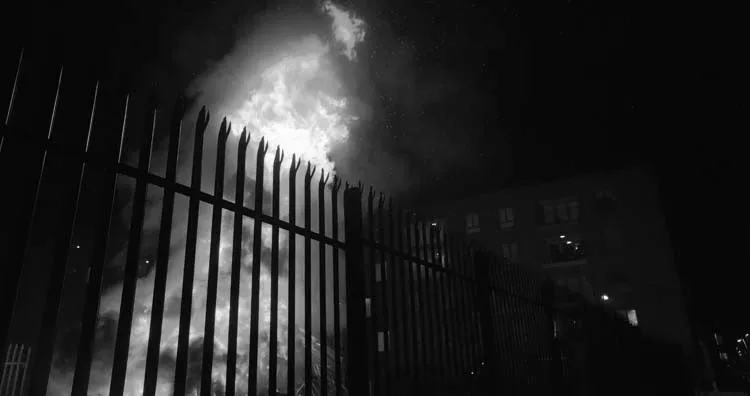
Witnesses described the fire as an overwhelming inferno, with flames shooting into the sky and thick smoke blanketing the area. In a chaotic and dangerous turn of events, the flaming whiskey flowed out of the warehouse and into the streets of Dublin. The whiskey ran in rivers through the cobblestone streets, forming a boiling, fiery flood.
The Flood of Whiskey and Public Response
As the fire raged and whiskey flooded the streets, the blaze became nearly impossible to control. Firefighters struggled to contain the fire due to the nature of the whiskey, which continued to fuel the flames as it spread. The residents of the nearby Liberties district—one of Dublin’s poorest areas—quickly became aware of the unfolding disaster. In the chaos that ensued, many rushed out to collect the whiskey using anything they could find, including hats, boots, and pots.
Some of the more desperate residents began to drink the whiskey directly from the streets, unaware of the danger that such a high concentration of alcohol posed to their health. The whiskey was diluted by water, but even so, it contained enough alcohol to cause severe poisoning when consumed in large quantities.
The flood of whiskey, which should have been viewed as an immediate threat to public safety, was instead seen by many as a once-in-a-lifetime opportunity to drink whiskey for free. This mentality led to the tragic consequences that would soon unfold.
Tragedy Strikes: Death by Alcohol Poisoning
While many people may have thought they were lucky to gather free whiskey, they did not realize the deadly consequences of drinking large amounts of strong alcohol from the streets. The whiskey that flooded Dublin’s streets was raw, unrefined, and highly potent, making it dangerous to consume in such quantities.
In the aftermath of the fire, it was reported that 13 people died, but not from burns or injuries sustained in the fire. Instead, all of the victims died as a result of alcohol poisoning after drinking the whiskey that had flowed into the streets. Many of the victims were locals who had hastily collected the whiskey in containers or drank it directly, unaware of how much they had consumed.
The tragedy shocked Dublin, as it became clear that a disaster, which could have claimed lives through fire or smoke inhalation, instead claimed its victims through a more unexpected and ironic cause: alcohol poisoning.
The Aftermath and the Lessons Learned
Once the fire was finally extinguished and the situation was brought under control, authorities were left to reckon with the scale of the disaster. In addition to the human toll, the fire caused extensive damage to buildings in the surrounding area and destroyed thousands of gallons of whiskey. The economic loss was substantial, but the strange and preventable nature of the deaths overshadowed the material damage.
The Great Whiskey Fire of Dublin became a sobering reminder of the dangers posed by storing highly flammable materials in urban centers. It also highlighted the social conditions of the time, where extreme poverty and lack of access to clean drinking water drove many people to take desperate actions. The residents of Dublin’s Liberties district, one of the poorest areas of the city, saw the flood of whiskey as an opportunity for indulgence in a resource they could rarely afford, tragically unaware of the fatal consequences of their actions.
The event also led to stricter regulations on the storage of flammable substances in urban areas, as authorities realized the potential for future disasters.
Conclusion: A Strange and Sad Chapter in Dublin’s History
The Great Whiskey Fire of 1875 remains one of the strangest tragedies in Dublin’s history. What began as a fire in a whiskey warehouse quickly turned into a bizarre and deadly incident, as residents drank the flowing whiskey and succumbed to alcohol poisoning. The disaster stands as a stark reminder of the dangers posed by fire and the unexpected ways in which lives can be lost in times of crisis.
The event continues to be remembered in Dublin’s lore as both a tragedy and a cautionary tale, reflecting the intersection of poverty, desperation, and misfortune in the city’s history.
Leave a Reply