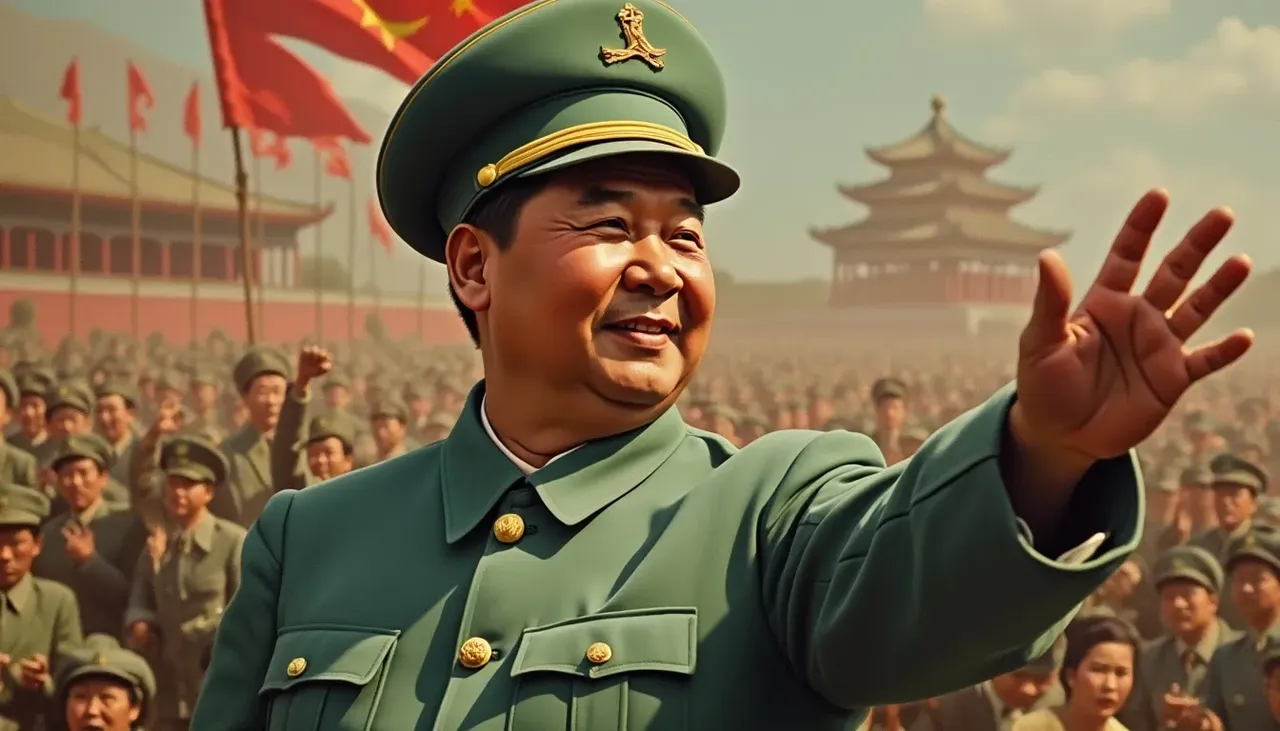
Chairman Mao’s Fight Against the West: How China Defeated Western Influence
Introduction (1-2 pages)
Background on Mao Zedong: Introduce Chairman Mao as the leader of the Chinese Communist Party (CCP) and the key figure in the founding of the People’s Republic of China in 1949.
Overview of Mao’s Conflict with the West: Set the stage by briefly explaining how Mao viewed the West (primarily the U.S. and its allies) as imperialist powers that sought to control China. Mao’s goal was to free China from both internal enemies (Nationalists) and external threats (Western powers).
Thesis Statement: Mao’s victory over Western influence was not just military but also ideological and economic. This paper will explore how Mao resisted Western imperialism, redefined China’s international standing, and positioned China as a leader of the communist bloc, effectively “beating” the West in the ideological struggle.
Chapter 1: Historical Context of China Before Mao (2 pages)
Western Influence and Imperialism in 19th-Century China: Describe the impact of Western imperialism in China during the 19th and early 20th centuries. Include the Opium Wars, the “Century of Humiliation,” and the concessions given to Western powers and Japan.
The Fall of the Qing Dynasty: Explain the internal instability that plagued China following the collapse of the Qing Dynasty in 1911, which led to warlordism, civil unrest, and further vulnerability to foreign control.
Mao’s Early Life and Influence: Introduce Mao’s early years, his exposure to Marxist ideas, and his desire to end foreign domination and rebuild China as a self-sufficient and strong nation free from imperialism.
Chapter 2: The Rise of the Chinese Communist Party and the Fight Against Western Imperialism (3 pages)
Formation of the CCP: Discuss the founding of the CCP in 1921, with Soviet support, and how it sought to challenge both the Nationalist government (Kuomintang, KMT) and Western influence in China.
The United Front and the Civil War: Explain the initial cooperation between the CCP and KMT in the 1920s to expel warlords and foreign influence. Detail the breakdown of this alliance in the late 1920s and the subsequent civil war between the communists and the Nationalists.
The Long March (1934-1935): Detail the Long March as a turning point in CCP history, cementing Mao’s leadership and symbolizing the CCP’s resilience against overwhelming odds, including those supported by the West.
Chapter 3: The War Against Japan and World War II (2-3 pages)
The Second Sino-Japanese War (1937-1945): Discuss how Mao and the CCP capitalized on the Japanese invasion of China to expand their power. Although both the CCP and KMT fought against Japan, the communists positioned themselves as the true defenders of China, especially in the rural areas.
Western Support for the Nationalists: Explain how the United States and Western powers backed Chiang Kai-shek’s Nationalists during World War II, believing the KMT would be a better ally for Western interests in Asia. This support included financial aid, arms, and military training.
CCP Gains During the War: While the West supported the Nationalists, the CCP increased its popularity by focusing on land reforms, helping the peasantry, and using guerrilla warfare tactics against the Japanese. This not only gained Mao the support of the rural population but also helped the CCP grow militarily.
Chapter 4: The Chinese Civil War and Mao’s Victory Over the Nationalists (3 pages)
Resumption of the Civil War (1946-1949): After World War II, the civil war between the CCP and KMT resumed. Despite significant U.S. support for Chiang Kai-shek, Mao’s forces, with their superior organization, guerrilla tactics, and popular support, defeated the Nationalists.
Western Miscalculations: Analyze how the U.S. and Western powers underestimated Mao’s strength and the extent of popular support for the CCP. Western backing of the corrupt and inept Nationalist government contributed to their eventual defeat.
The Establishment of the PRC in 1949: Discuss Mao’s declaration of the People’s Republic of China on October 1, 1949, marking the end of Western-supported Nationalist rule on the mainland. This was a significant victory over Western influence in Chinese domestic affairs, as the PRC was established as a communist state aligned with the Soviet Union.
Chapter 5: Mao’s Economic and Social Policies: Breaking Free from Western Models (2-3 pages)
The First Five-Year Plan (1953-1957): Explore how Mao sought to industrialize China and reduce its dependence on Western capitalist models, instead aligning with Soviet-style economic planning. This involved nationalizing industry and collectivizing agriculture.
The Great Leap Forward (1958-1962): Detail Mao’s ambitious attempt to rapidly industrialize China and break free from the perceived limitations of both Western and Soviet economic models. While it resulted in catastrophe and famine, Mao’s intent was to show that China could forge its own path without reliance on the West.
Social Reforms: Explain how Mao’s policies aimed at reducing Western influence in Chinese culture. These reforms included campaigns against traditional Chinese practices and the promotion of class struggle as a means of ensuring that the bourgeois elements, supported by the West, were eradicated.
Chapter 6: Mao’s Foreign Policy and Resistance to Western Powers (2-3 pages)
Mao’s Alliance with the Soviet Union: Analyze Mao’s initial alignment with the Soviet Union, marking a clear break from Western-aligned powers. While China accepted Soviet aid, Mao was careful to assert China’s independence, even as a communist ally.
Korean War (1950-1953): Discuss Mao’s decision to enter the Korean War in support of North Korea against the U.S.-led United Nations forces. This was Mao’s first major military confrontation with the West. The PRC’s successful defense of North Korea (despite enormous human costs) demonstrated that China could stand up to Western military power.
Third World Leadership and Non-Alignment: After the Sino-Soviet split, Mao positioned China as a leader of the Third World, offering an alternative to both Western capitalism and Soviet communism. His support for revolutionary movements in Asia, Africa, and Latin America was part of this effort to resist Western imperialism globally.
Chapter 7: Cultural Revolution: Purging Western Influence from China (2 pages)
The Cultural Revolution (1966-1976): Explore how Mao sought to remove Western (and Soviet) influences from Chinese society by launching the Cultural Revolution. He mobilized the youth to attack those within China who were seen as harboring bourgeois or pro-Western sympathies.
Anti-Western Sentiment: Detail how Western cultural symbols, practices, and ideas were targeted during the Cultural Revolution. Intellectuals, educators, and officials with ties to Western ideas were persecuted, and Mao sought to further distance China from both Western and Soviet ideologies.
Chapter 8: Mao’s Legacy and China’s Position in the World (2 pages)
Mao’s Victory Over the West: Conclude by analyzing how Mao, despite China’s economic and social challenges, successfully removed Western influence from Chinese domestic politics. By establishing a self-reliant, communist state, Mao defeated Western imperialism in China.
China’s Emergence as a Global Power: Discuss how Mao’s policies set the stage for China’s later emergence as a global power, even as it began to open up economically under Deng Xiaoping. Mao’s legacy of independence from the West remains a key aspect of modern Chinese identity.
Conclusion: The Myth and Reality of Mao’s Victory Over the West (1-2 pages)
Mao’s Successes and Failures: Summarize the successes and failures of Mao’s efforts to resist Western influence. While he established a communist state and resisted direct Western control, his economic policies often had disastrous consequences.
The Enduring Legacy: Reflect on how Mao’s victory over Western influence shaped China’s trajectory and how it continues to influence China’s position on the world stage today.
Leave a Reply