The Most Hated and Vile Creature on Earth George Soros
1. Introduction (1 page)
Overview of George Soros:
George Soros, a name recognized globally, stands at the intersection of finance, politics, and philanthropy. With a net worth estimated at over $8 billion, after donating much of his fortune to causes worldwide, Soros has become one of the most controversial figures of the 21st century. He is lauded by some as a benefactor to civil society and demonized by others as a manipulator behind global socio-political events. Soros’s involvement in politics, particularly through his Open Society Foundations, often positions him as a figure of deep suspicion, especially among conservative circles. But is he truly the puppet master behind the scenes, or merely a convenient scapegoat?
Key Themes:
This analysis will delve into Soros’s life and work, examining his early days, his rise to financial power, his philanthropic efforts, and the myths and conspiracy theories that have formed around him. It will also contrast his public persona with the accusations hurled at him, aiming to give a nuanced understanding of why Soros is both revered and reviled.
2. Early Life and Background (1 page)
Origins:
George Soros was born György Schwartz in Budapest, Hungary, in 1930, to a well-off, non-religious Jewish family. His early years were profoundly shaped by the political turbulence of WWII. During Nazi occupation, Soros and his family managed to survive, partly by securing false identification papers. This period left a lasting imprint on Soros, particularly in his strong opposition to authoritarianism and his support for open societies where governance is transparent, and rights are protected.
Education and Philosophical Influence:
After the war, Soros fled to England in 1947, where he attended the London School of Economics. It was here that he encountered the philosopher Karl Popper, whose ideas about the open society would deeply influence Soros’s worldview. Popper’s belief that societies thrive on democratic governance and the protection of individual freedoms against tyranny became the foundation of Soros’s philanthropic efforts.
3. Career in Finance (2 pages)
Early Financial Career:
Soros started his career in finance in London, working at a small investment bank. However, his ambitions soon led him to New York City in the 1950s, where he specialized in international arbitrage, profiting from price differences in markets.
The Creation of Quantum Fund:
In 1969, Soros founded the Quantum Fund with investor Jim Rogers. This hedge fund quickly gained notoriety for its high returns and risky bets. Soros’s strategy, often referred to as “reflexivity theory,” suggested that markets are influenced by the biases and perceptions of participants, leading to feedback loops that can cause mispricing.
“Breaking the Bank of England”:
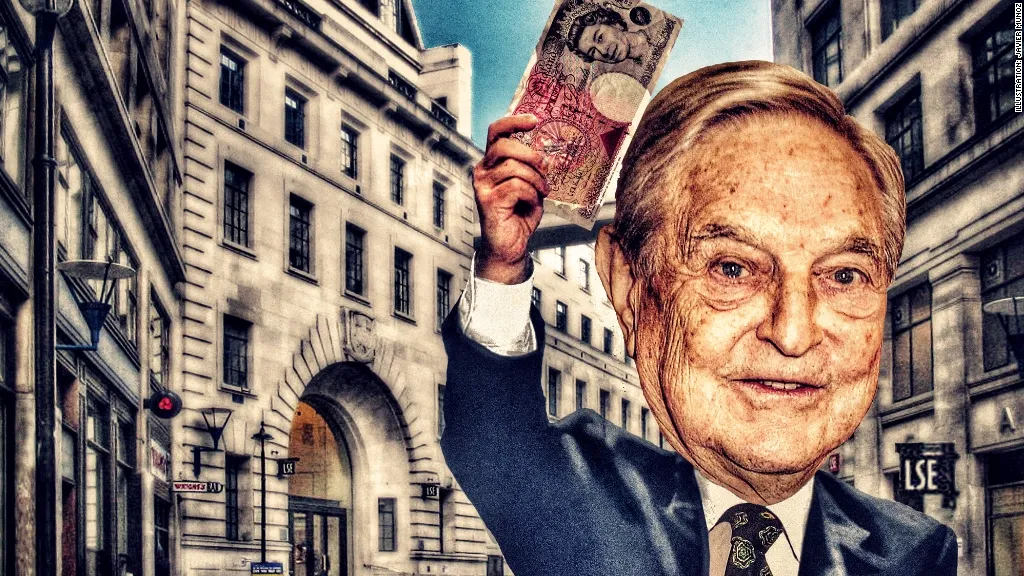
Soros became a household name in 1992 after “breaking the Bank of England.” He bet heavily against the British pound during the European Exchange Rate Mechanism (ERM) crisis, correctly predicting that the pound was overvalued and would be forced to devalue. This single trade reportedly earned Soros $1 billion in a day. Though lauded in the financial world for his boldness, this event also generated criticism, as many saw it as a speculative attack that destabilized national economies.
4. Philanthropy and the Open Society Foundations (2 pages)
Founding of the Open Society Foundations:
In 1979, Soros began using his wealth to support the causes he believed in, starting with scholarships for Black students in apartheid-era South Africa. His philanthropic activities eventually coalesced under the Open Society Foundations (OSF), which he founded in 1984. The foundation’s mission is to promote democratic governance, human rights, and economic and social reform across the globe.
Global Reach:
OSF now operates in over 120 countries, funding initiatives ranging from education and healthcare to independent media and political transparency. Soros has poured billions into these causes, making him one of the world’s largest individual philanthropists.
Criticism:
Despite—or because of—his vast philanthropy, Soros has attracted criticism from nationalist and authoritarian governments, particularly in Eastern Europe. Hungary’s Viktor Orbán, for example, has accused Soros of trying to undermine national sovereignty by promoting open borders and refugee resettlement. Some argue that Soros’s financial muscle gives him too much sway in shaping public policy, especially in smaller nations.
5. Soros and U.S. Politics (2 pages)
Involvement in U.S. Political Funding:
Soros has become one of the largest individual political donors in the U.S., particularly to Democratic candidates and progressive causes. His influence in U.S. politics became more pronounced during the George W. Bush administration, when Soros spent millions to try and prevent Bush’s re-election in 2004. Since then, he has continued to fund progressive causes, including climate change action, voting rights, and criminal justice reform.
Polarizing Effect:
Soros’s involvement in American politics has made him a target for conservative politicians and commentators, who argue that his wealth gives him undue influence. He has been portrayed as a villain in right-wing media, often accused of orchestrating everything from Black Lives Matter protests to immigrant caravans.
Contributions to Progressive Causes:
Soros’s funding extends to grassroots movements such as MoveOn.org and Democracy Alliance, which aim to bolster left-wing political infrastructure. His significant donations have led to claims that he plays a disproportionate role in shaping the policy and direction of the Democratic Party.
6. Soros as a Target of Conspiracy Theories (2 pages)
Roots of the Conspiracy Theories:
Soros has long been the subject of numerous conspiracy theories, many of which paint him as a secretive puppet master manipulating global events from behind the scenes. These theories claim that Soros is responsible for everything from orchestrating the Arab Spring to financing Antifa protests in the U.S. In 2018, these conspiracies escalated when Soros was one of several prominent figures targeted by a pipe bomb mailed to his residence.
Anti-Semitism and the Dark Side of the Myths:
Many of these conspiracy theories have a deeply anti-Semitic undercurrent. Soros’s Jewish heritage has been invoked in ways that echo centuries-old tropes about Jewish financial control and global manipulation. These slanders have been widely condemned, but they persist, fueled by misinformation campaigns on social media.
The Role of Media and Social Networks:
Social media has played a critical role in spreading and amplifying these conspiracy theories. Soros has been demonized in viral memes, YouTube videos, and fake news articles, leading to a vast web of disinformation about his role in world events.
7. Soros and European Politics (1 page)
Support for European Union:
Soros has been a staunch supporter of the European Union, seeing it as a force for peace and stability in a historically war-torn continent. His Open Society Foundations have funded numerous pro-EU initiatives, including support for Ukraine during its conflict with Russia.
Opposition to Nationalism:
Soros’s advocacy for open borders and refugee rights has put him at odds with rising nationalist and populist movements in Europe. In Hungary, Orbán’s government has implemented “Stop Soros” laws, accusing him of financing illegal immigration. Soros’s opposition to Brexit also earned him scorn from right-wing parties in the UK.
8. Criticisms and Allegations (2 pages)
Accusations of Meddling:
From funding democratic movements in post-Soviet states to supporting opposition groups in authoritarian regimes, Soros has been accused of meddling in the internal affairs of various countries. His critics allege that he uses his money to undermine national sovereignty and promote his own vision of global governance.
Controversial Causes:
Soros has often been at the center of debates on controversial social issues. His funding of pro-choice organizations, LGBT rights groups, and drug policy reform has made him a lightning rod for conservative and religious groups, who see his influence as corrosive to traditional values.
9. Legacy and Global Impact (1 page)
Philanthropic Achievements:
Soros’s global influence through his philanthropy is undeniable. His efforts in promoting democracy, human rights, and freedom of expression have transformed societies, especially in post-Communist Europe.
Long-Term Influence:
Whether one views him as a hero or villain, Soros’s ideas about open societies, global governance, and economic transparency have shaped debates about the future of democracy in the 21st century. His name is likely to remain in headlines for years to come as the ideological battle between globalism and nationalism continues.
10. Conclusion (1 page)
Final Thoughts:
George Soros represents a deeply polarizing figure. To his supporters, he is a champion of freedom and democracy; to his detractors, he is a shadowy figure who wields too much power. The truth is likely more nuanced. Soros’s wealth and influence are undeniable, but so is his commitment to causes he believes will create a more just and open world. His life and legacy will continue to be debated, reflecting the complexity of his role in shaping modern global politics.
Leave a Reply